6250 US Hwy 285, Poncha Springs, CO 81242

Open Daily · Summer 7:30AM–8PM

(719) 539-6089

Facebook Instagram

Category: Sandwich Guides

Sandwich history, recipes, and comparisons, from the Reuben to the Cubano, plus the full Mabel’s Deli menu guide.

  • Marble Rye vs. Regular Rye Bread: What’s the Difference

    Marble Rye vs. Regular Rye Bread: What’s the Difference

    Marble rye and regular rye look related, and they are, but they’re genuinely different breads — not just a cosmetic variation on the same recipe. The Reuben at Mabel’s Deli is served specifically on marble rye, a deliberate choice worth understanding.

    Here’s what actually separates the two, and why marble rye in particular became the go-to bread for a classic deli Reuben.

    The distinction matters beyond just the Reuben, too — knowing the difference helps explain why a recipe or a deli might specifically call for one over the other rather than treating “rye bread” as one single, interchangeable category.

    What Marble Rye Actually Is

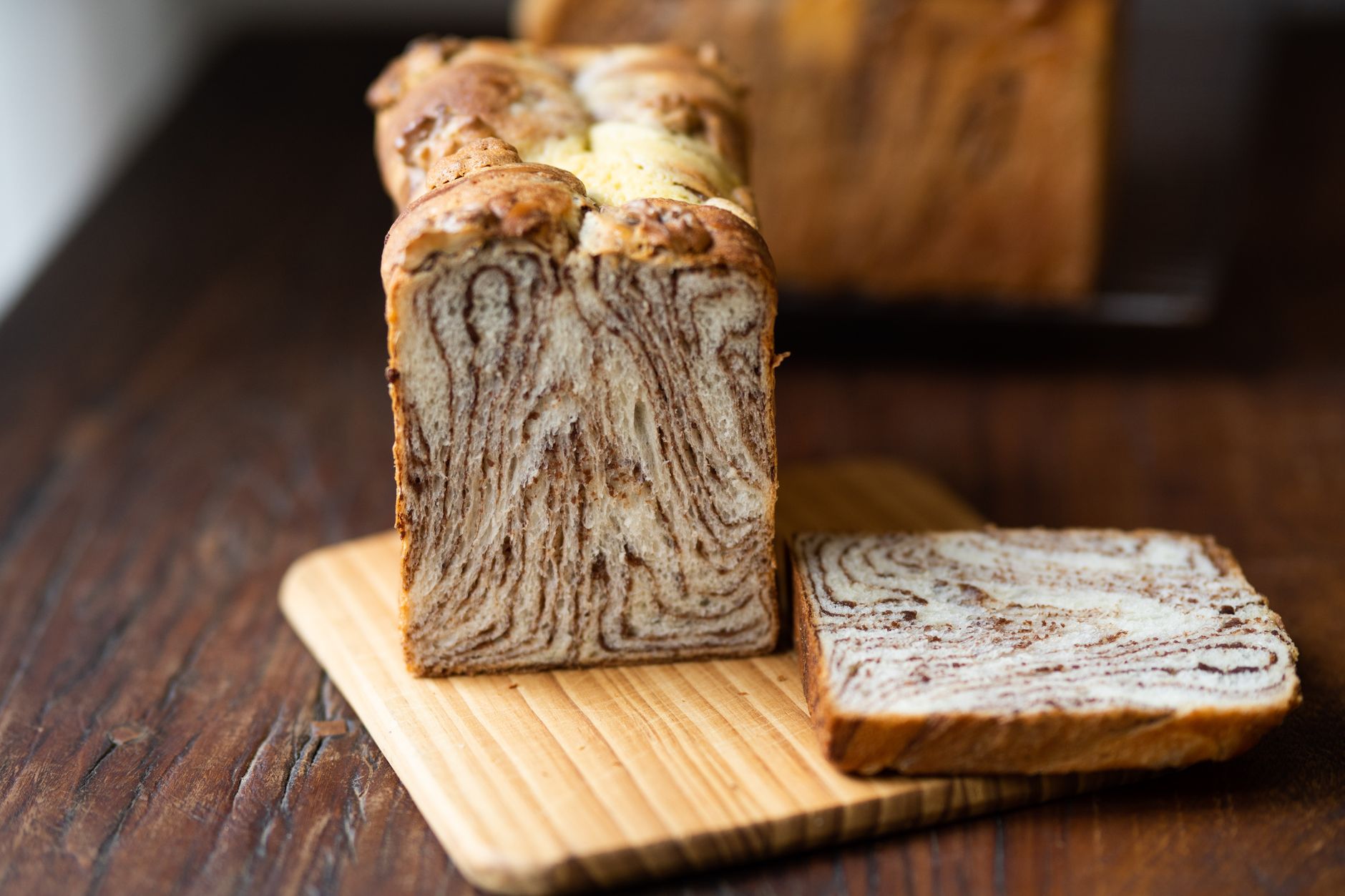
    Marble rye is simply a bit of light rye dough and a bit of dark rye dough braided or rolled together before baking. The risen dough is typically split roughly 60/40, with the larger portion set aside for a second rise, while the smaller portion gets mixed with molasses, coffee, or cocoa powder to add both flavor and its distinctive dark color.
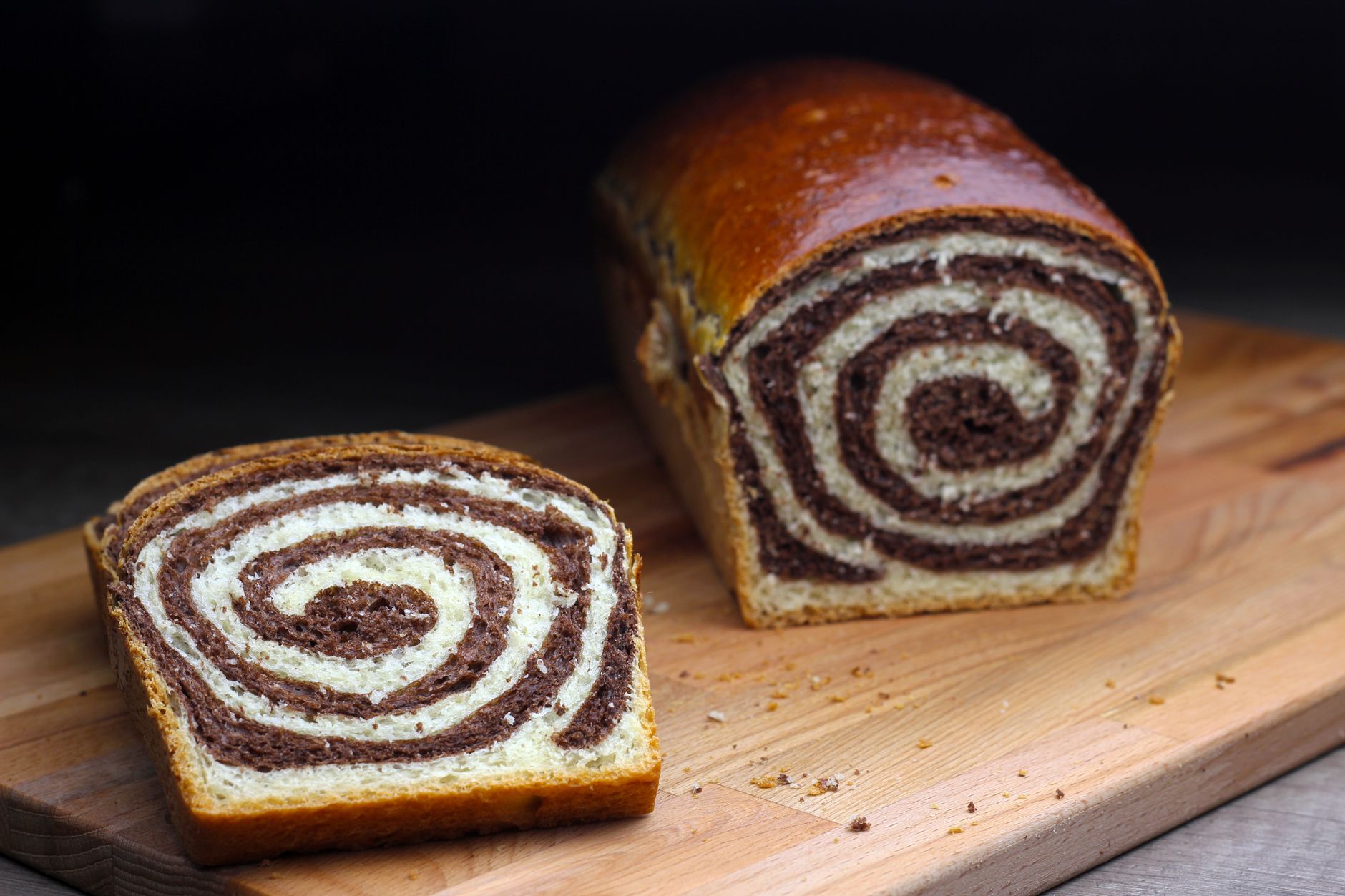
    Close-up of a freshly baked swirl bread loaf and slice on a wooden cutting board

    Flavor and Texture Differences

    Regular rye bread typically contains a higher proportion of rye flour to wheat flour, giving it a dense, exudes-a-robust-sour-tang character from natural fermentation. Marble rye, blending rye and wheat flour, produces a slightly lighter, less dense loaf with a milder flavor, often carrying hints of caraway seed and a touch more sweetness than straight rye.
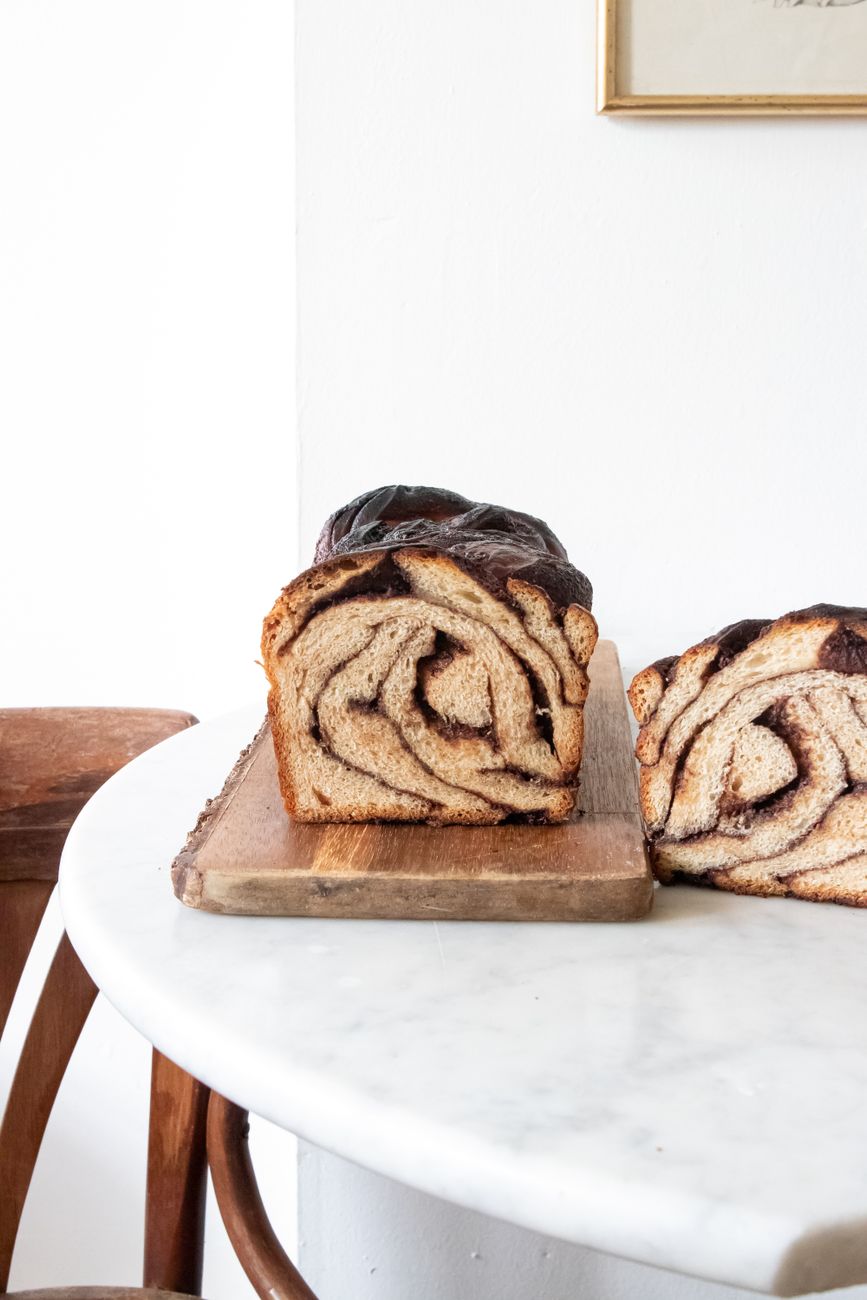
    Close-up of a freshly baked chocolate swirl bread loaf on a rustic cutting board

    A Relatively Modern American Invention

    Unlike straight rye bread, which has centuries of European tradition behind it, marble rye is a relatively modern invention that emerged in the United States in the early 20th century, likely a result of the wave of Jewish immigration from Eastern Europe during that period and the bakeries that grew out of those communities.
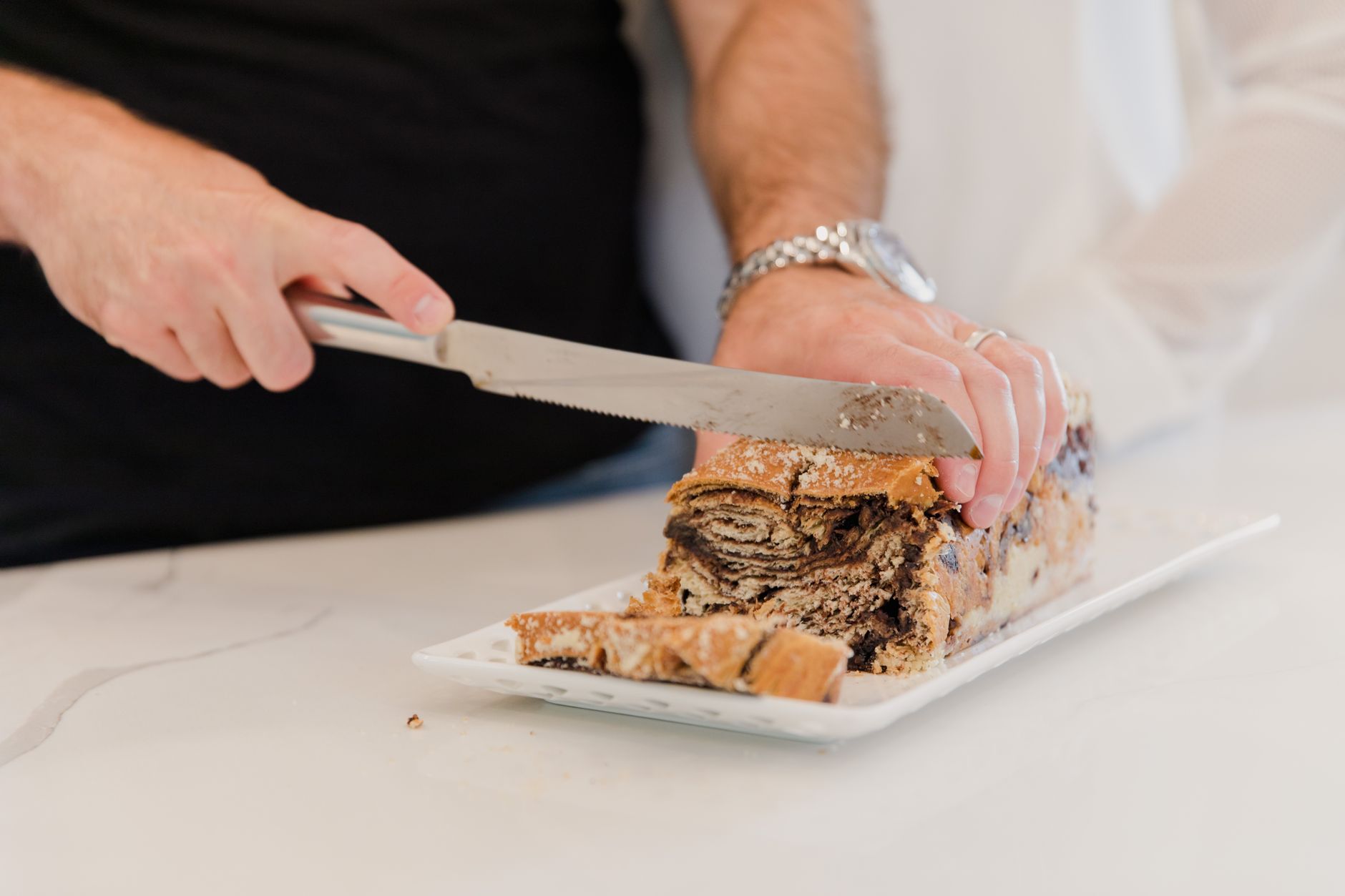
    Close-up of hands slicing fresh chocolate babka bread on a white platter

    How to Tell Them Apart at a Bakery

    Marble rye is easy to spot by its swirled cross-section once sliced, showing distinct light and dark bands rather than one uniform color throughout. Regular rye bread, by contrast, is a consistent brown or tan color from crust to crust, without any visible marbling pattern.

    Why Marble Rye Became the Reuben Standard

    Marble rye’s milder flavor and lighter density make it a genuinely good match for a Reuben’s rich filling of corned beef, sauerkraut, and melted Swiss — sturdy enough to hold up to grilling and a hot, wet filling, without the more aggressive sourness of straight rye competing against the sandwich’s other flavors.
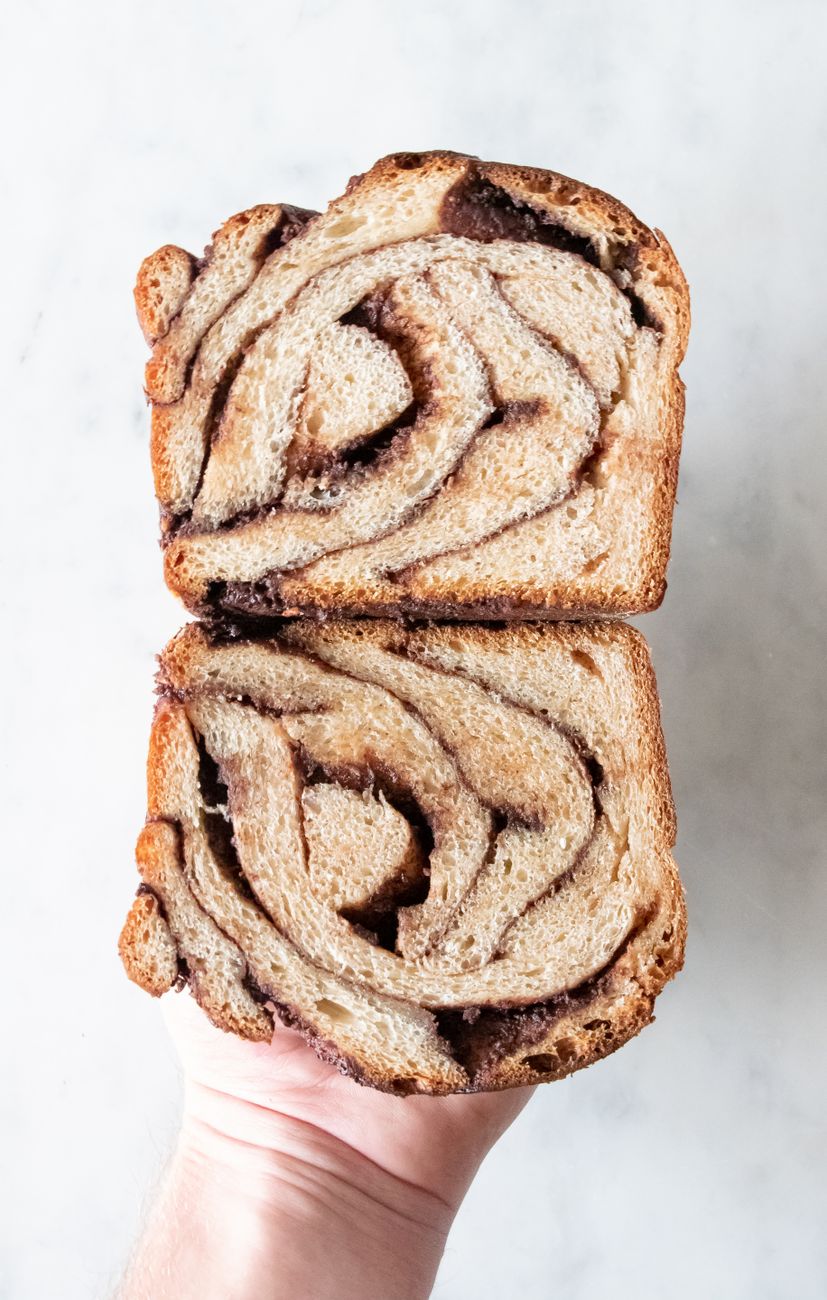
    Close-up of a hand holding delicious chocolate babka slices with swirl pattern

    Frequently Asked Questions

    Is marble rye just rye bread with food coloring?

    No — it’s genuinely two different doughs, light and dark rye, braided together, with the dark portion colored naturally by molasses, coffee, or cocoa rather than artificial coloring.

    Why is marble rye used on a Reuben?

    Its milder flavor and lighter density complement the sandwich’s rich filling without competing against it the way straight rye’s stronger sourness might.

    Is marble rye a traditional European bread?

    No — unlike straight rye, marble rye is a relatively modern American invention from the early 20th century.

    Does marble rye contain caraway seeds?

    Often, yes, though this varies by specific recipe and bakery.

    What bread does Mabel’s Deli use for the Reuben?

    Marble rye, following the traditional deli standard for this sandwich.

    Is pumpernickel the same as marble rye?

    No — pumpernickel is a distinct dark bread made with coarse whole rye flour, while marble rye is specifically light and dark rye dough swirled together.

    Does marble rye taste sour like straight rye?

    Only mildly — blending in wheat flour softens the tang considerably compared to a straight rye loaf.

    Want to try it on a real Reuben? See our Reuben sandwich history and recipe guide.

    For more bread history and baking guidance, see The Spruce Eats.
  • How to Caramelize Onions and Peppers for Sandwiches

    How to Caramelize Onions and Peppers for Sandwiches

    Sauteed peppers and onions show up on The Philly at Mabel’s Deli, and genuinely caramelizing them — rather than just softening them quickly over high heat — makes a real difference in the final sandwich. Here’s the actual technique, which takes patience more than skill.

    The biggest mistake home cooks make with this step is rushing it. Real caramelization takes time, and there’s no shortcut that fully replicates the depth of flavor a slow cook develops.

    It’s worth doing in a larger batch than you think you need, too, since caramelized onions and peppers keep well and make an easy addition to eggs, burgers, and other dishes beyond just a Philly-style sandwich.

    Basic Technique

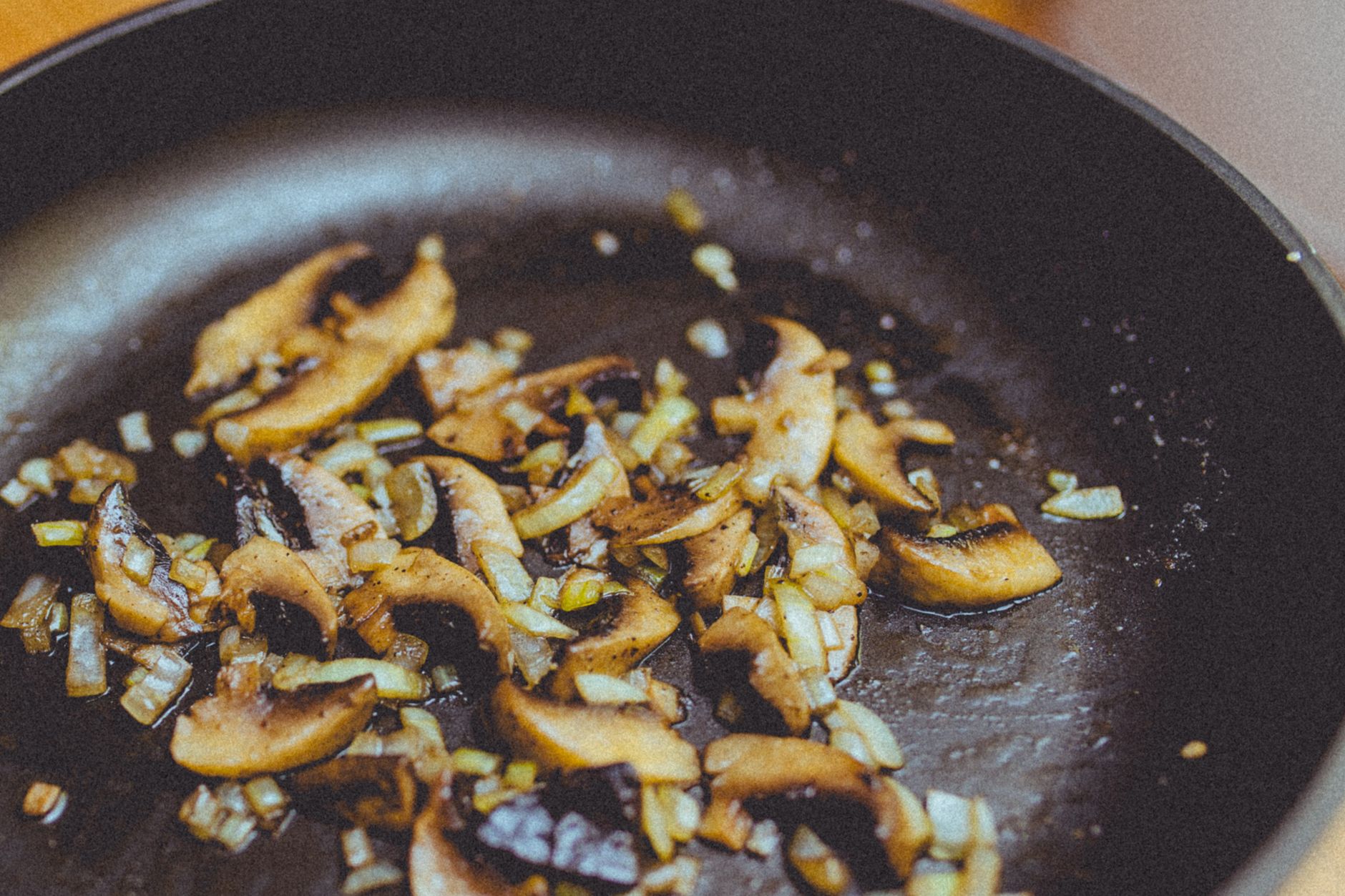
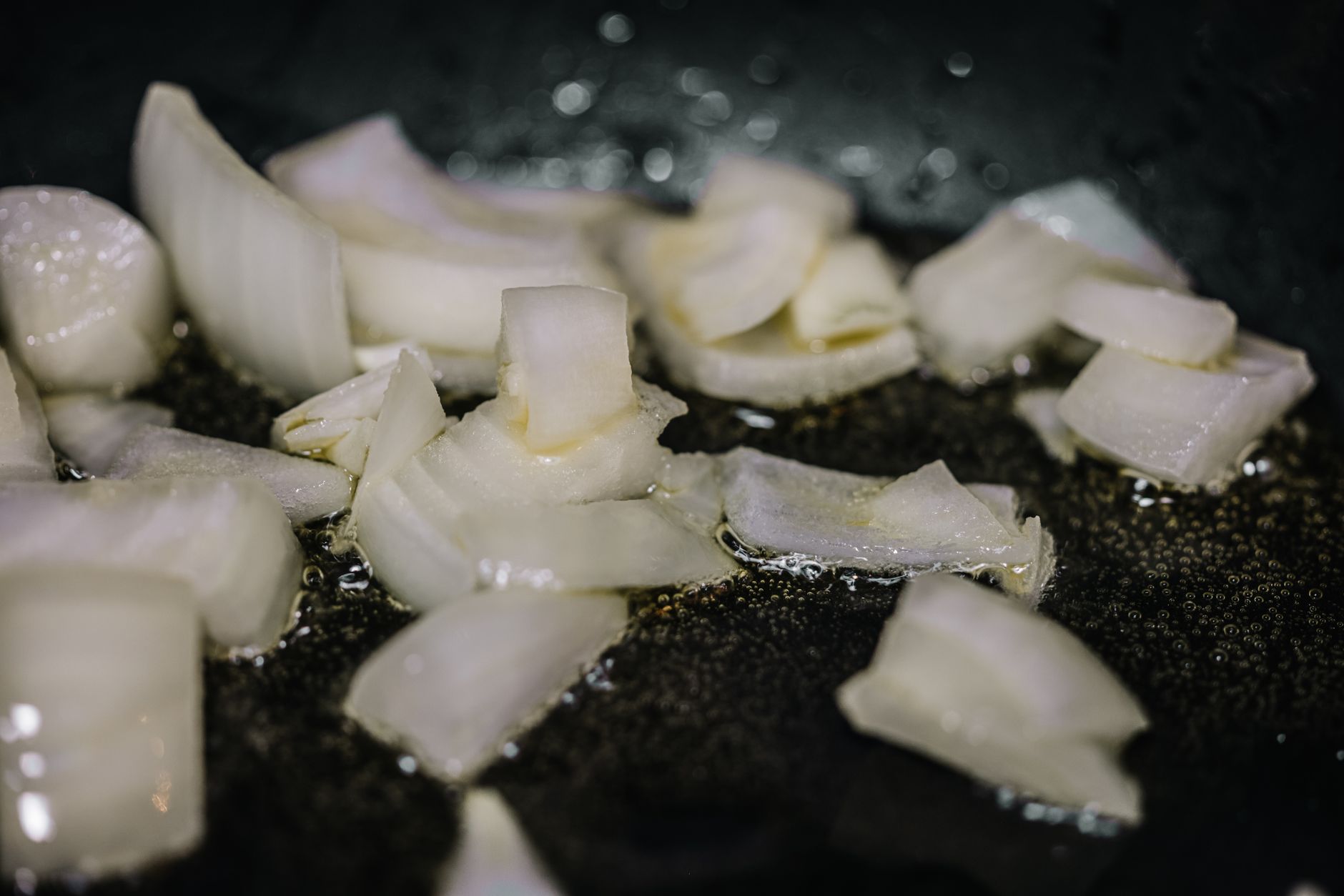
    Place a heavy-bottomed skillet over medium-low heat and add olive oil or butter, or both, to coat the bottom of the pan. Add sliced peppers and onions — it will look like a huge pile at first, but it shrinks down considerably as it cooks.

    Close-up of sliced mushrooms and onions sauteing in a skillet

    Cooking Time and Heat

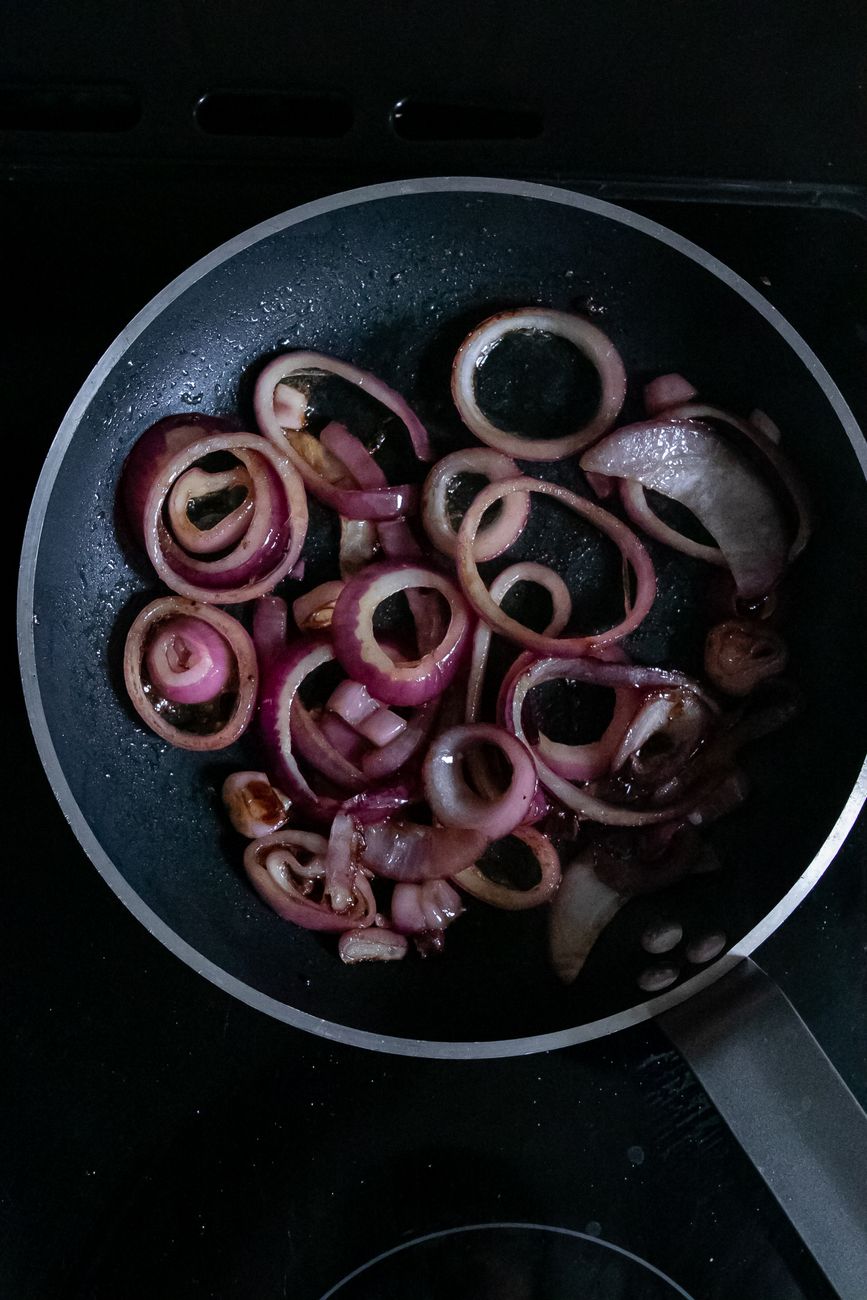
    Reduce heat to medium-low and cook, stirring occasionally, for 20 to 25 minutes, until the peppers and onions turn deeply golden brown and genuinely caramelized rather than just softened. Caramelizing requires low to medium heat specifically to let the natural sugars break down slowly, developing that deep, rich flavor real caramelization is known for.

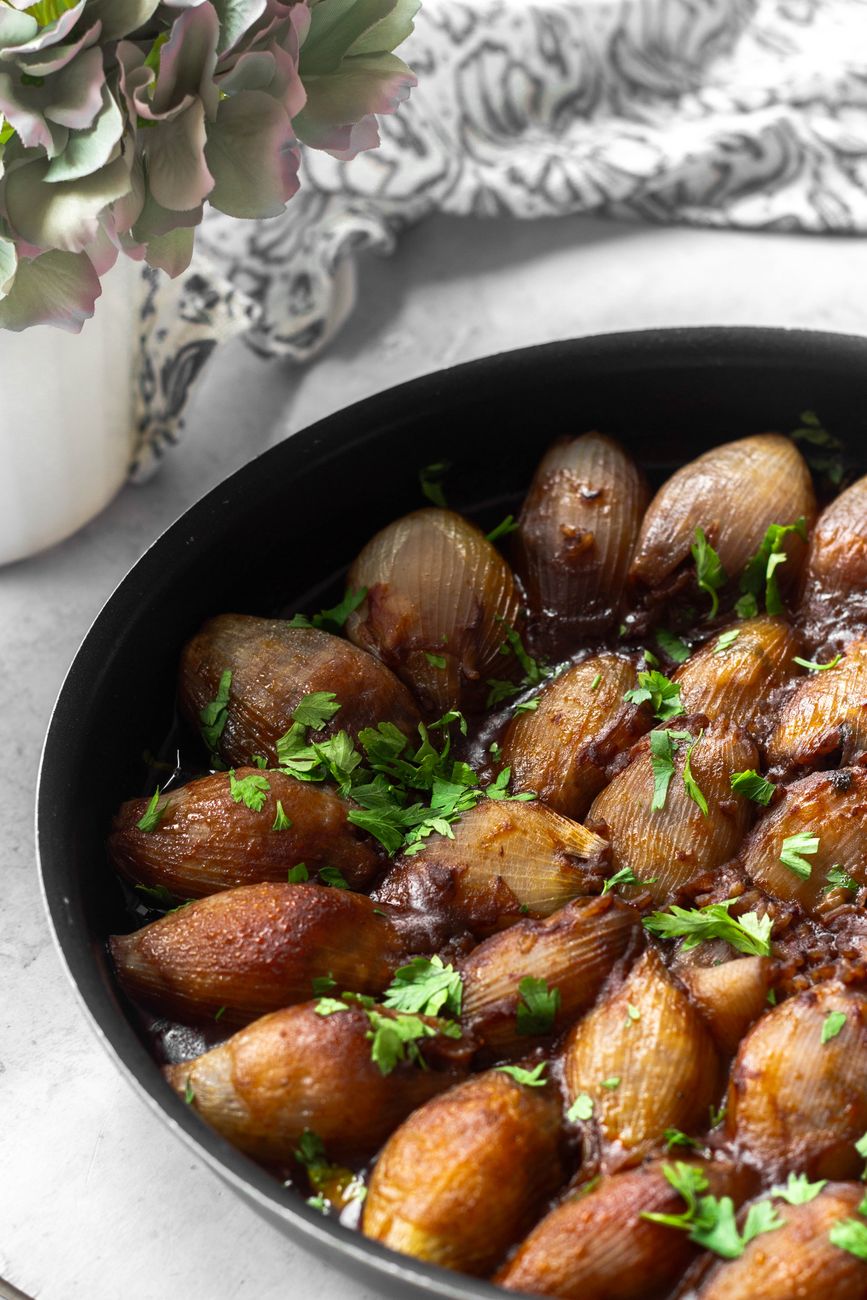
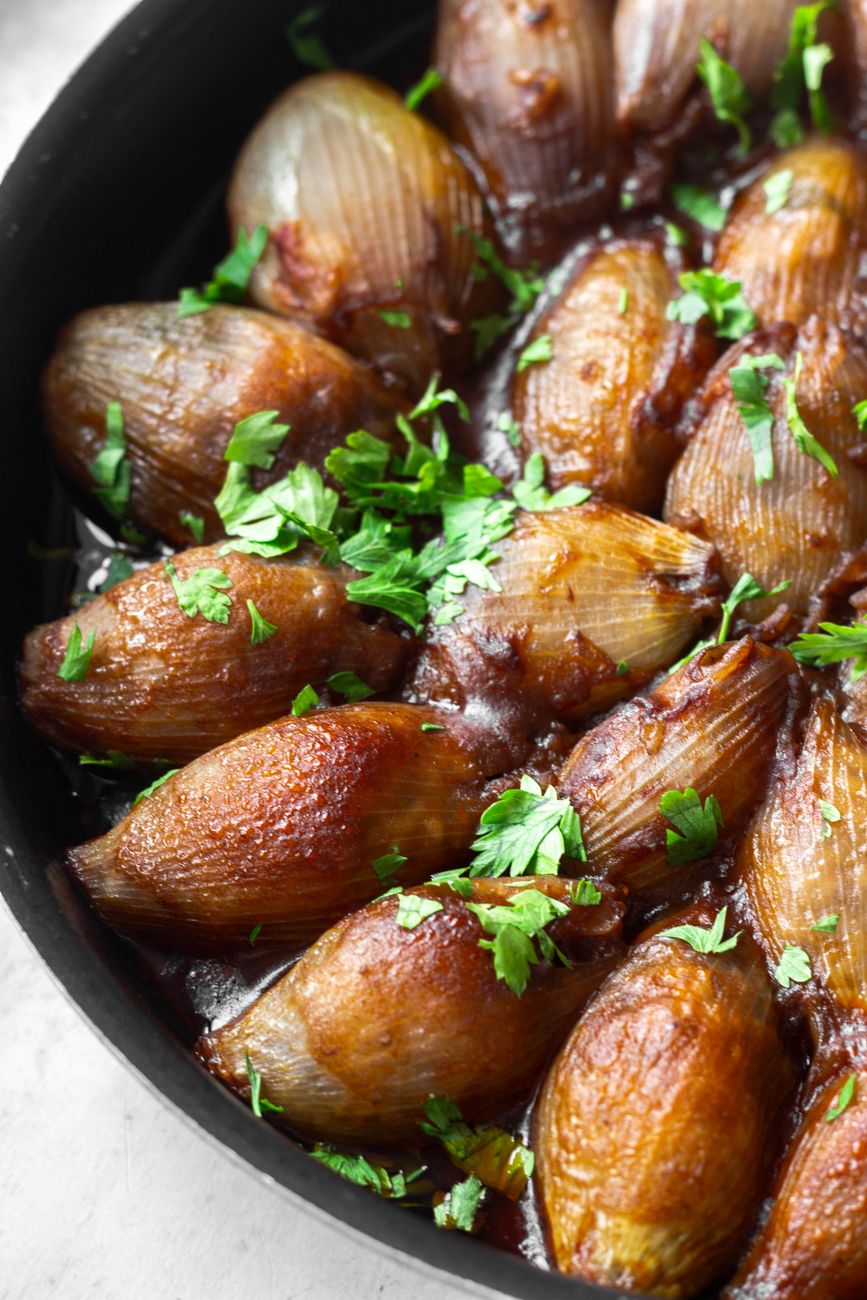
    Close-up of roasted shallots in a frying pan garnished with fresh herbs

    A Faster Method, If You’re Short on Time

    Deglazing the pan with a tablespoon or two of water periodically lets you use higher heat and cut the total time roughly in half, since the browned bits that build up on the pan (the fond) dissolve into the water and redistribute back onto the vegetables for extra flavor, rather than burning.

    Close-up of chopped onions sizzling in oil in a frying pan

    Common Mistakes to Avoid

    Overcrowding the pan is the most common misstep — too many vegetables piled too deep steams them instead of browning them. If your pan looks packed, cook in two batches rather than one crowded one, since properly caramelized onions and peppers need direct contact with the hot pan surface to develop real color.

    Finishing Touches

    A sprinkle of salt, pepper, and a small splash of balsamic vinegar at the end adds extra depth and a touch of sweetness. Once caramelized to your liking, serve immediately as a sandwich topping, or cool and store in an airtight container in the refrigerator for up to 4–5 days, or freeze for longer storage.

    Top view heap of onion rings in a frying pan with oil on a stove

    Frequently Asked Questions

    How long does it take to caramelize onions and peppers?

    About 20 to 25 minutes over medium-low heat for genuine caramelization, though a faster deglazing method can cut this roughly in half.

    Can I caramelize onions and peppers ahead of time?

    Yes — they store well in the refrigerator for 4 to 5 days, or in the freezer for longer storage.

    What pan works best for caramelizing?

    A heavy-bottomed skillet, like cast iron, for even heat distribution and the best results.

    Why does my pan burn instead of caramelizing?

    The heat is likely too high; caramelization needs medium-low heat and patience rather than a quick, high-heat sear.

    What sandwich uses caramelized peppers and onions at Mabel’s Deli?

    The Philly, alongside shaved beef, provolone, and chipotle mayo.

    What color should fully caramelized onions be?

    A deep golden to light brown, not merely translucent — translucent onions are only softened, not truly caramelized.

    Can I caramelize onions and peppers together in the same pan?

    Yes — they cook at a similar rate and pair naturally, making a combined batch both convenient and flavorful.

    Want to taste the real thing first? See our Mabel’s Deli menu guide for The Philly.

    For more cooking technique, see Food52.

  • Provolone vs. Mozzarella vs. Swiss: A Cheese Guide for Sandwiches

    Provolone vs. Mozzarella vs. Swiss: A Cheese Guide for Sandwiches

    Provolone and Swiss both show up regularly on real deli menus — provolone on The Philly and The Italian at Mabel’s Deli, Swiss on The Ranch — and knowing what actually separates these cheeses, along with mozzarella, helps explain why a specific cheese gets paired with a specific sandwich rather than being interchangeable.

    Here’s a practical breakdown of all three, with a focus on what actually matters for choosing one over another.

    Understanding these differences also makes it easier to substitute confidently at home — knowing which cheese melts predictably and which is better served cold means fewer surprises when a recipe calls for one specific type.

    Origin and Production

    Provolone is an Italian cheese that originated in the Po River Valley region of southern Italy. Mozzarella is also originally from southern Italy, traditionally made from water buffalo milk or cow’s milk, and unlike provolone, it’s never aged — best eaten fresh within about five days of opening. Swiss cheese, from Switzerland, refers broadly to any cheese mimicking the look, texture, and flavor of Emmental.

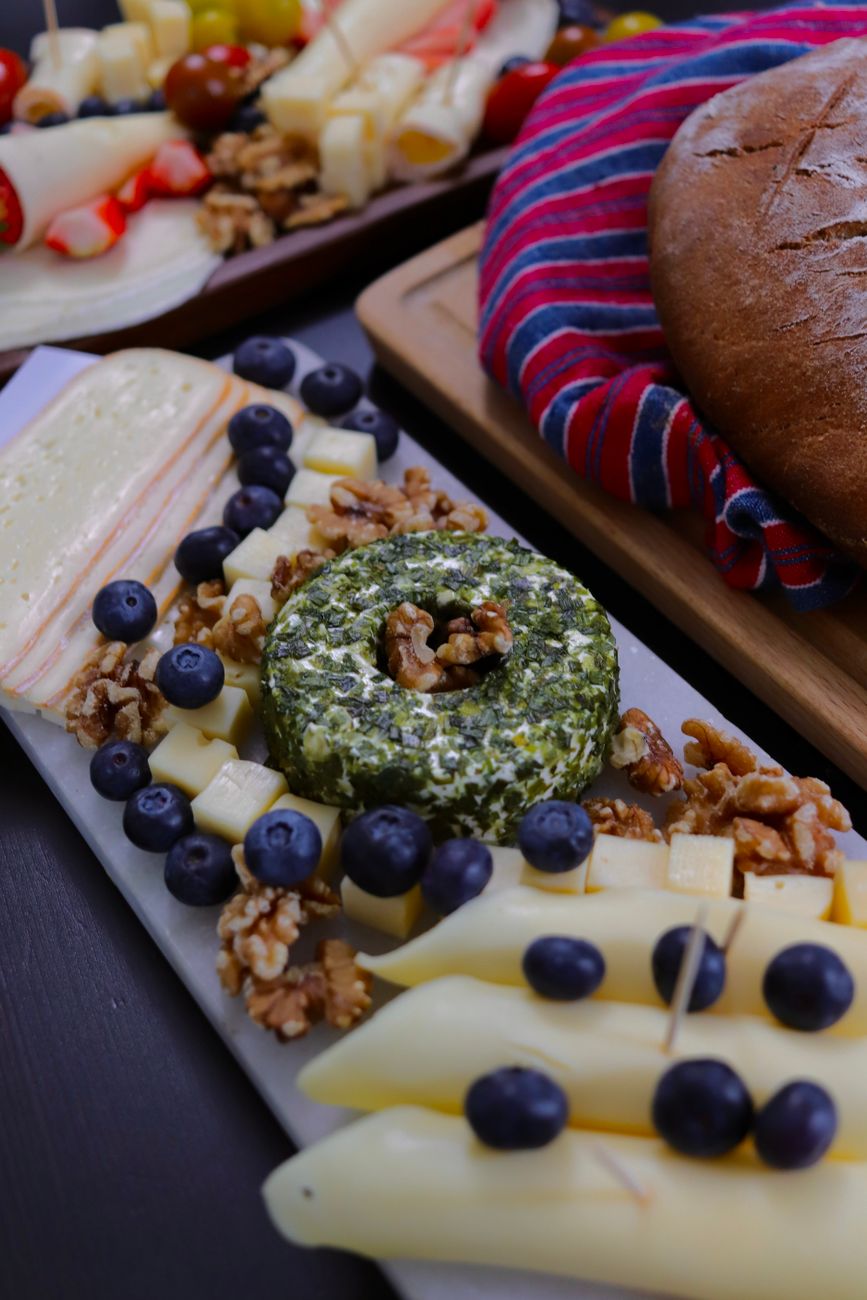
    A rustic cheese platter with assorted cheeses, nuts, and grapes

    Texture and Flavor

    Mozzarella reads as mild and milky; provolone brings a tangier, sharper character despite sharing similar Italian roots. Swiss cheese, distinguished by its characteristic holes, has a nuttier, slightly sweet flavor that’s genuinely distinct from both Italian cheeses.

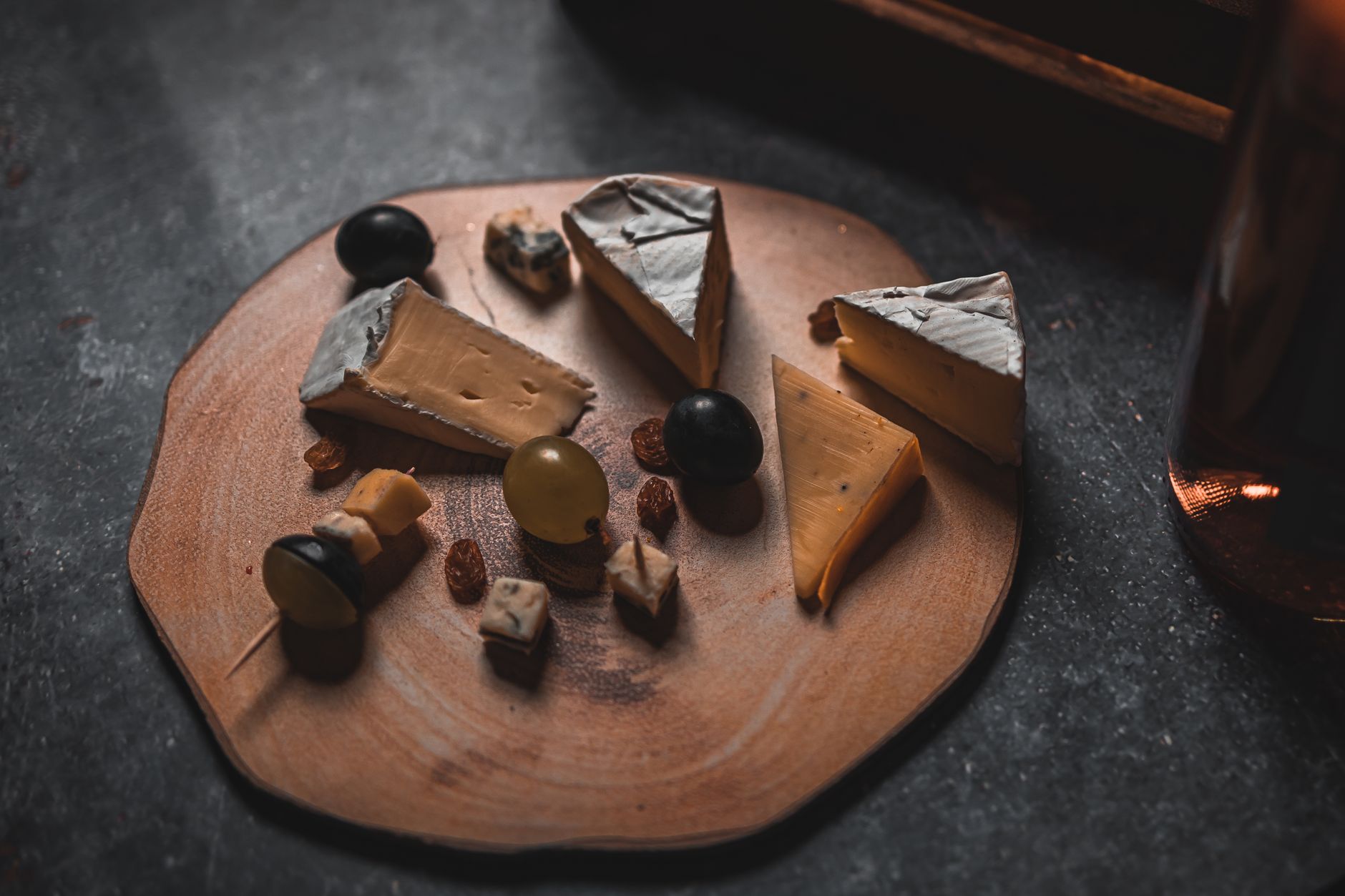
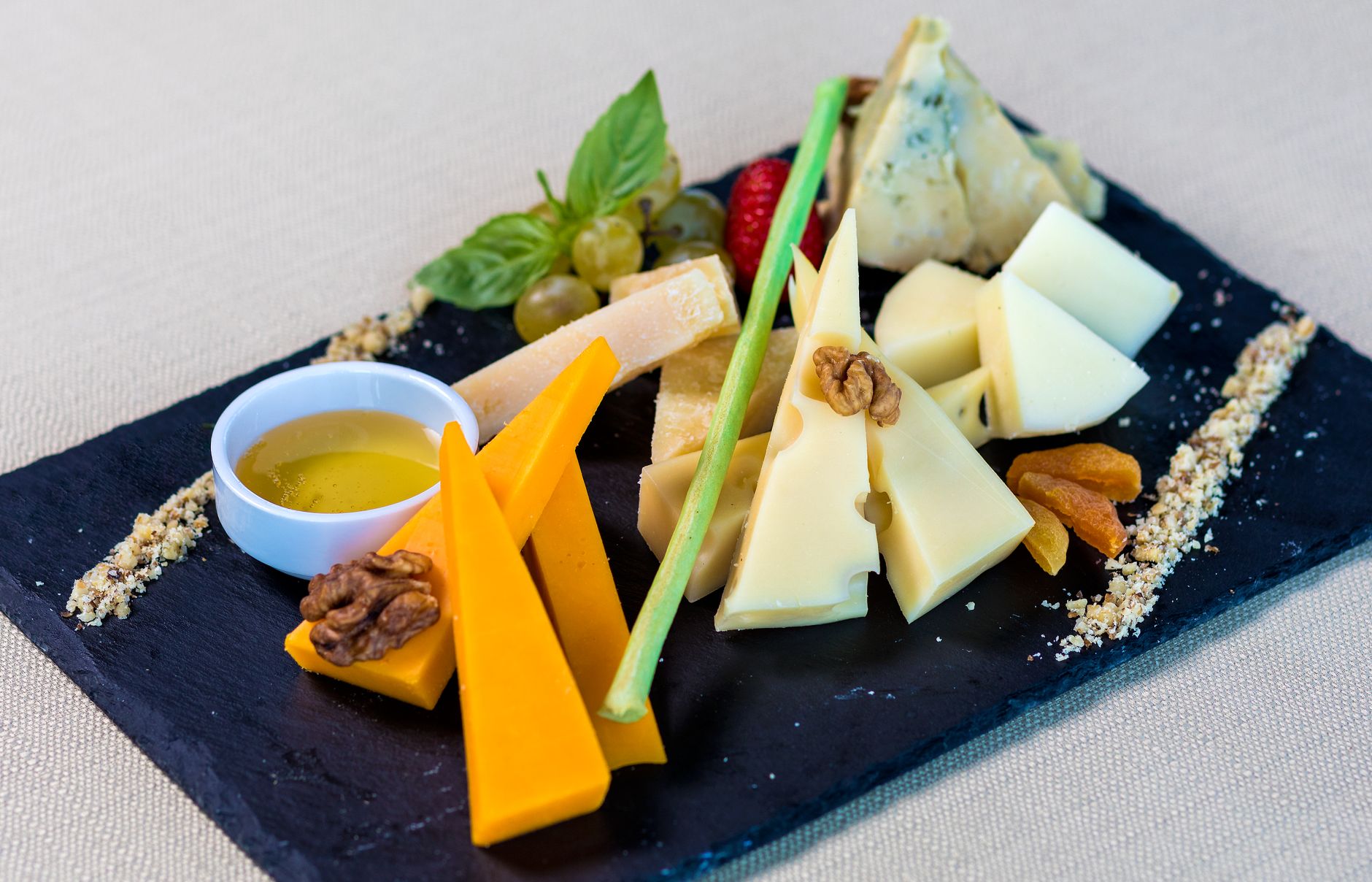
    A close-up of an assorted cheese board featuring various cheeses and fruits

    Storage and Shelf Life

    Provolone and Swiss both keep considerably longer than mozzarella once opened, generally a few weeks when tightly wrapped and refrigerated, since aging removes much of the moisture that would otherwise support bacterial growth. Fresh mozzarella, by contrast, is typically packed in liquid and should be used within about five days for best quality.

    Which Cheese Suits Which Sandwich

    CheeseBest ForMelting Behavior
    ProvoloneCheesesteaks, Italian subs, hot sandwichesMelts smoothly, holds shape reasonably well
    MozzarellaFresh, cold sandwiches, caprese-style combinationsMelts very easily, best served fresh
    SwissHam, turkey, ReubensMelts well and retains shape, good for hot sandwiches
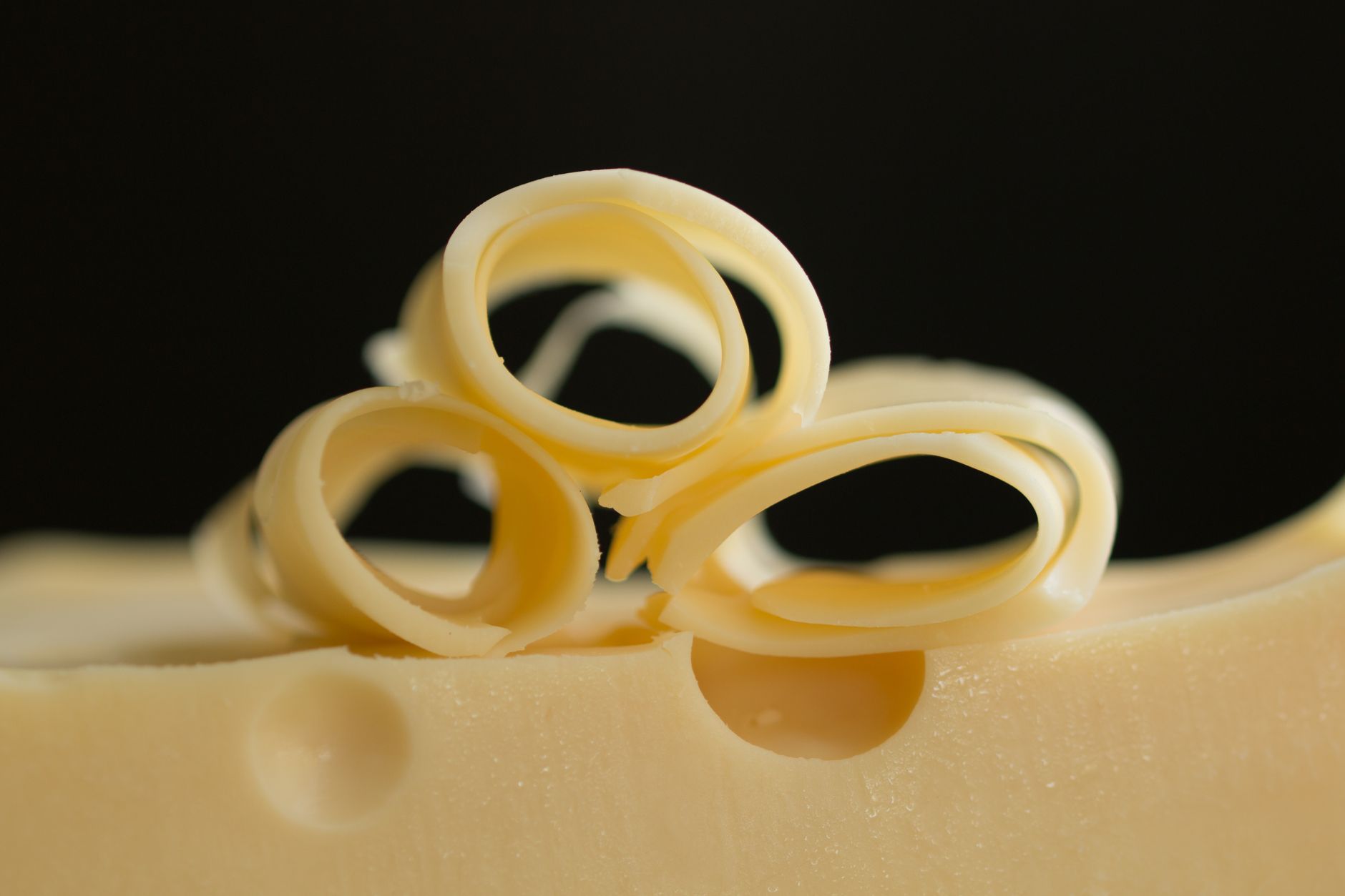
    Detailed close-up of curly Swiss cheese slices on a black background

    Why Swiss Works So Well on Hot Sandwiches

    Swiss cheese melts well but retains its shape better than many other melting cheeses, making it well suited for hot sandwiches where you want the cheese to envelop the other ingredients without turning into a runny mess — part of why it’s a traditional Reuben cheese alongside corned beef and sauerkraut.

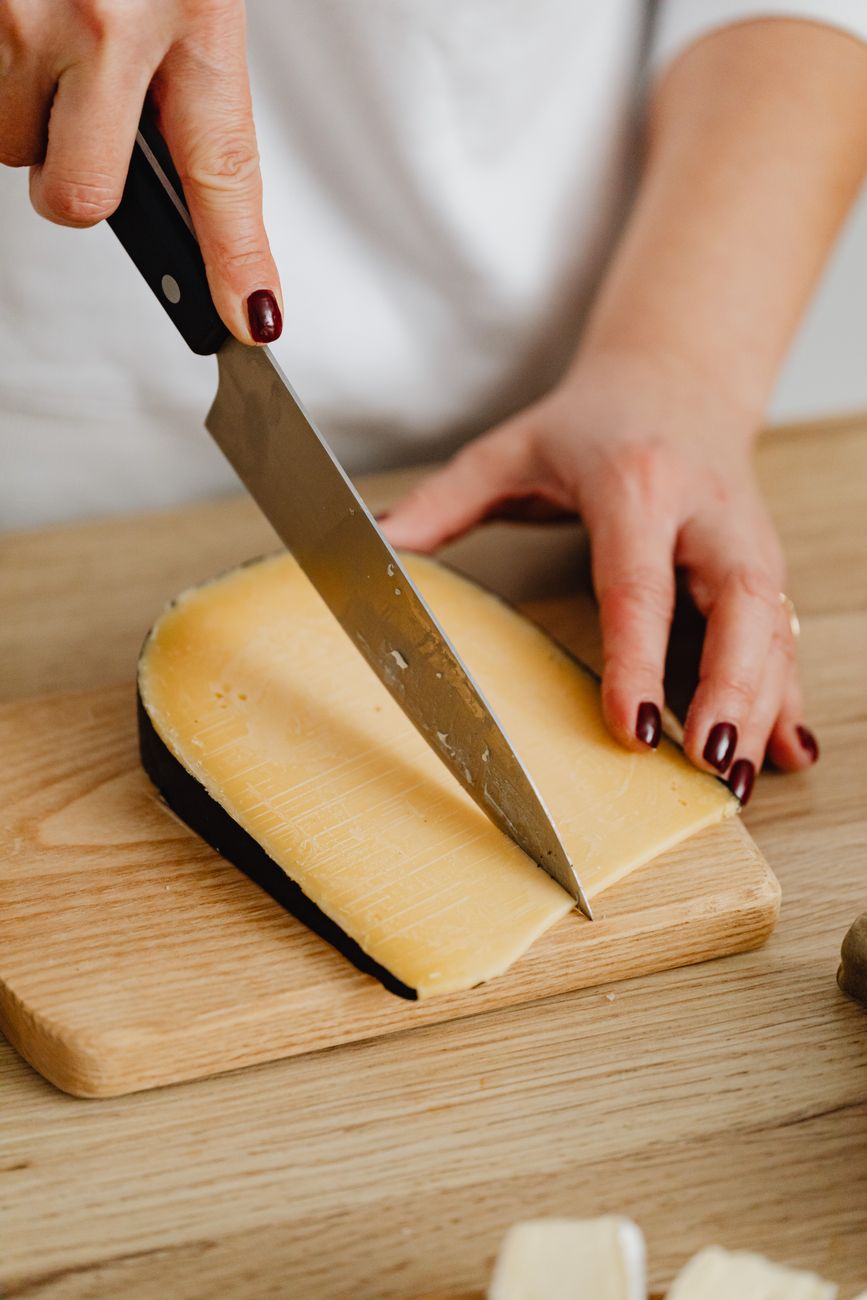
    A person delicately slices cheese on a wooden board with a sharp knife

    Why Provolone Works on The Philly and The Italian

    Provolone’s tangy character and reliable melt make it a natural fit for both a cheesesteak and an Italian sub — sharp enough to stand up to the richness of the meat, but melting smoothly enough to actually integrate into the sandwich rather than sitting as a separate, unmelted layer.

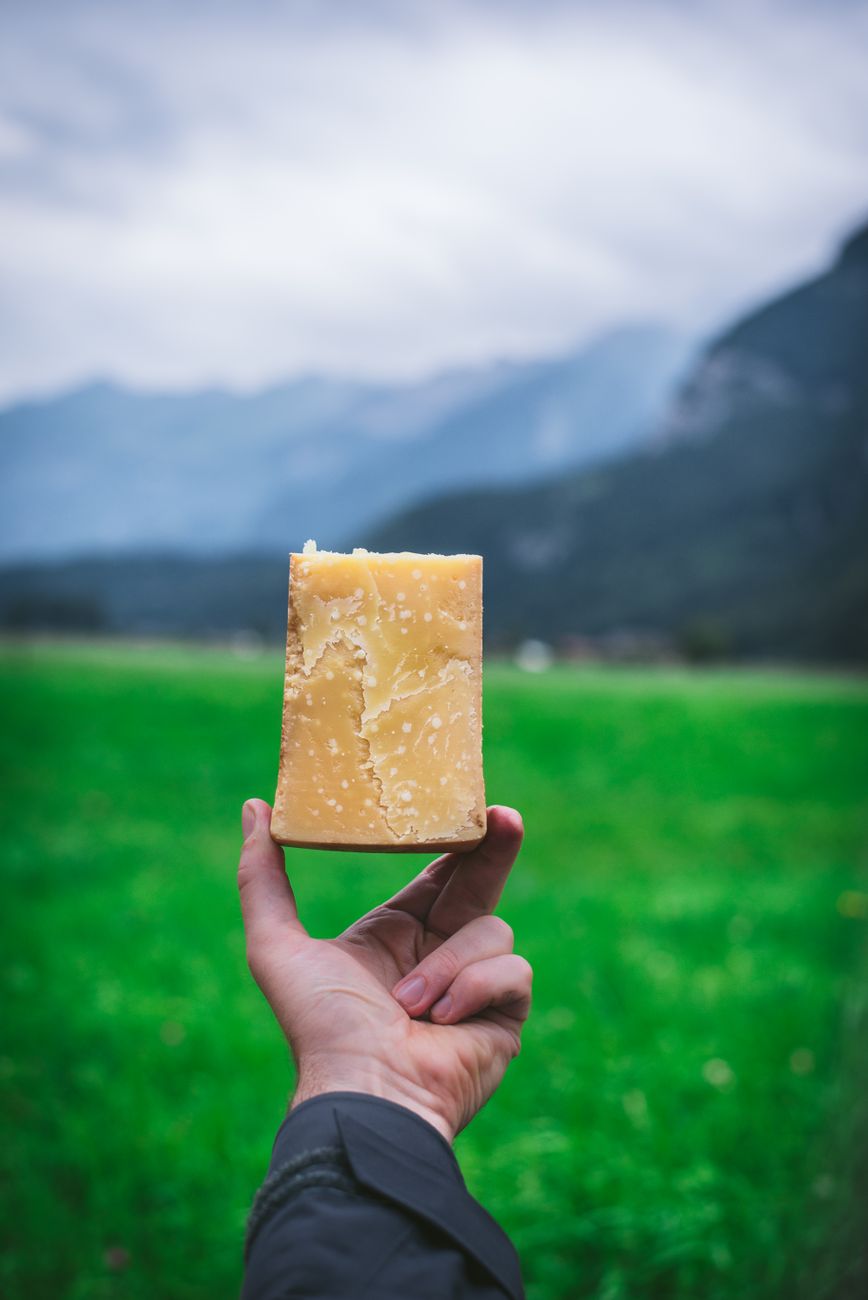
    Hand holds a block of cheese with a mountain landscape backdrop

    Frequently Asked Questions

    Is provolone stronger tasting than mozzarella?

    Yes — provolone brings a tangier, sharper flavor, while mozzarella is milder and milkier.

    Why does Swiss cheese have holes?

    The holes form during the fermentation process, a characteristic specific to Emmental-style cheeses that Swiss cheese is modeled on.

    What cheese is traditional on a Reuben?

    Swiss cheese, which melts well while retaining its shape, holding up alongside corned beef and sauerkraut.

    Should I use fresh or aged mozzarella on a sandwich?

    Fresh mozzarella, used within about five days of opening, since it’s never aged and doesn’t keep as long as provolone or Swiss.

    Which cheese does Mabel’s Deli use on The Philly?

    Provolone, alongside shaved beef, peppers, onions, and chipotle mayo.

    Does provolone come in different varieties?

    Yes — provolone dolce (mild) is aged for a couple of months, while provolone piccante (sharp) is aged much longer and has a considerably stronger bite.

    Can mozzarella be melted on a hot sandwich?

    Yes, though it melts very quickly and can turn greasy if overheated, so it’s better suited to a shorter cook time than provolone or Swiss.

    Want to try these cheeses on a real sandwich? See our Mabel’s Deli menu guide.

    For more cheese information, see Cheese.com.

  • Thousand Island vs. Russian Dressing: What’s the Difference

    Thousand Island vs. Russian Dressing: What’s the Difference

    Thousand Island and Russian dressing look similar enough on a plate that many people use the names interchangeably, but they’re genuinely distinct condiments with different ingredients and different histories. This matters directly for a sandwich like the Reuben, which traditionally calls for Russian dressing rather than Thousand Island.

    Here’s what actually separates the two, and why the distinction is worth knowing rather than treating them as the same sauce under two names.

    Both dressings share a mayonnaise-and-ketchup foundation, which is exactly why they’re so often confused, but the specific additions to that base are what create two genuinely different flavor profiles.

    Understanding this distinction is also useful well beyond just the Reuben — both dressings show up on burgers, other sandwiches, and salads throughout American food culture, and knowing which one you’re actually reaching for helps you choose deliberately rather than grabbing whichever bottle happens to be closest.

    Ingredient Differences

    Modern Russian dressing recipes almost always build on a foundation of mayonnaise, ketchup, and horseradish, which gives it real bite and spiciness. Thousand Island dressing starts from a similar mayonnaise-and-ketchup base but adds sweet pickle relish as the defining ingredient, along with optional additions like extra sugar, minced onion, or hard-boiled egg — something Russian dressing never includes.

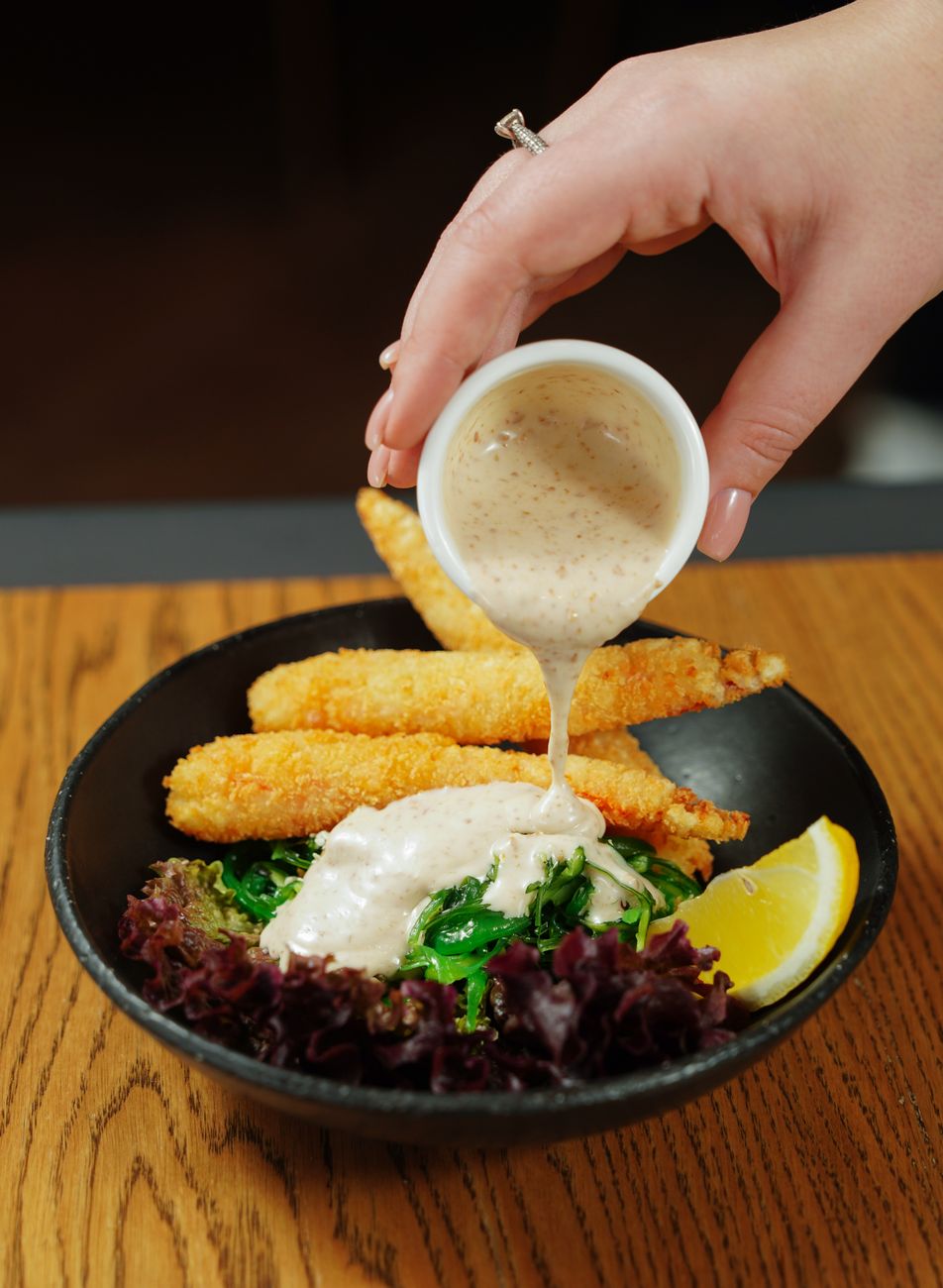
    Close-up of hand pouring creamy sauce over crispy chicken strips

    Flavor Profile

    Russian dressing is spicy and sharp, driven by horseradish. Thousand Island is sweeter and chunkier, driven by the pickle relish, with a milder overall bite. Side by side, the two are noticeably distinguishable once you know what to taste for, even though a quick glance at the color alone might not reveal much difference.

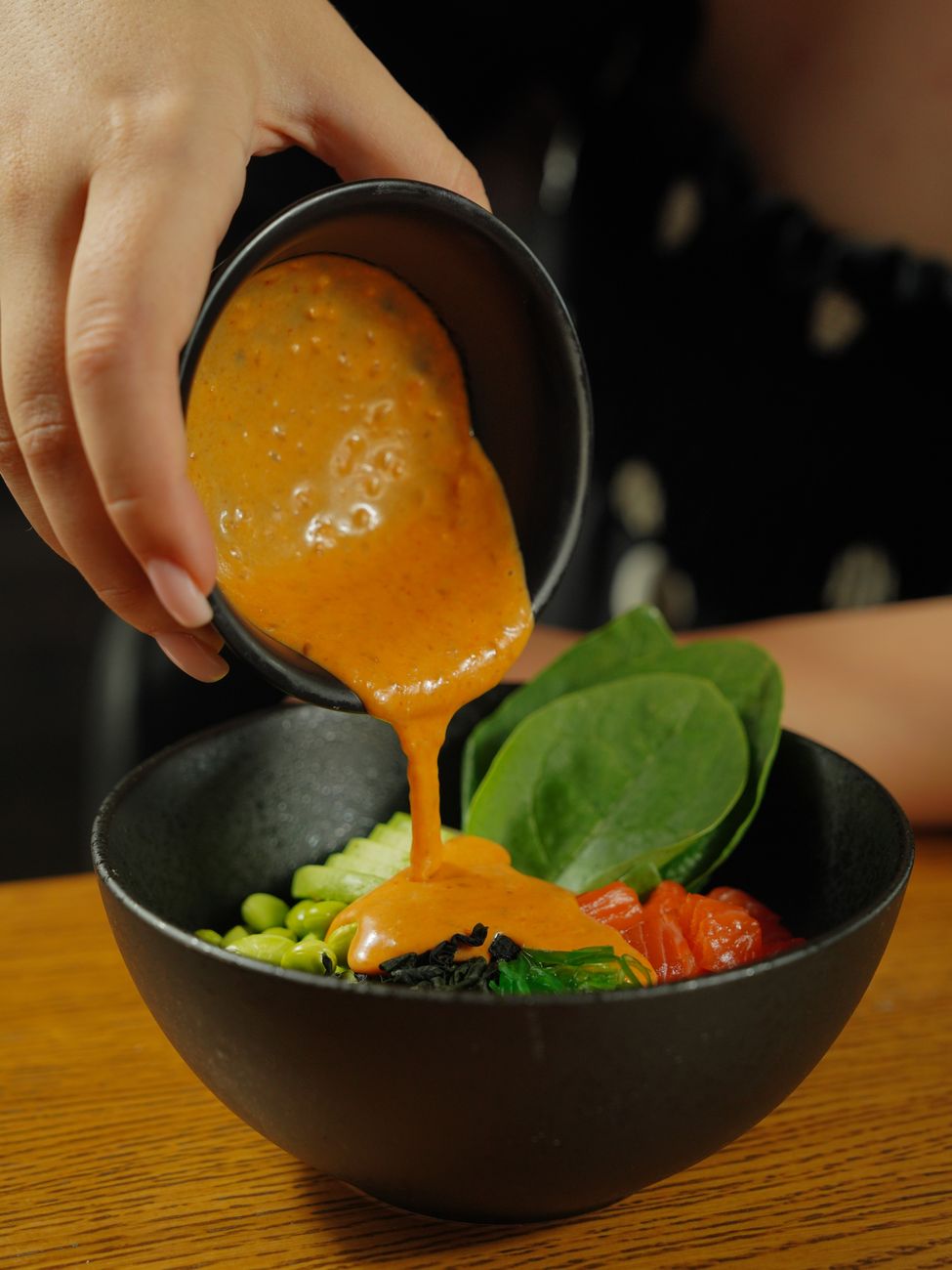
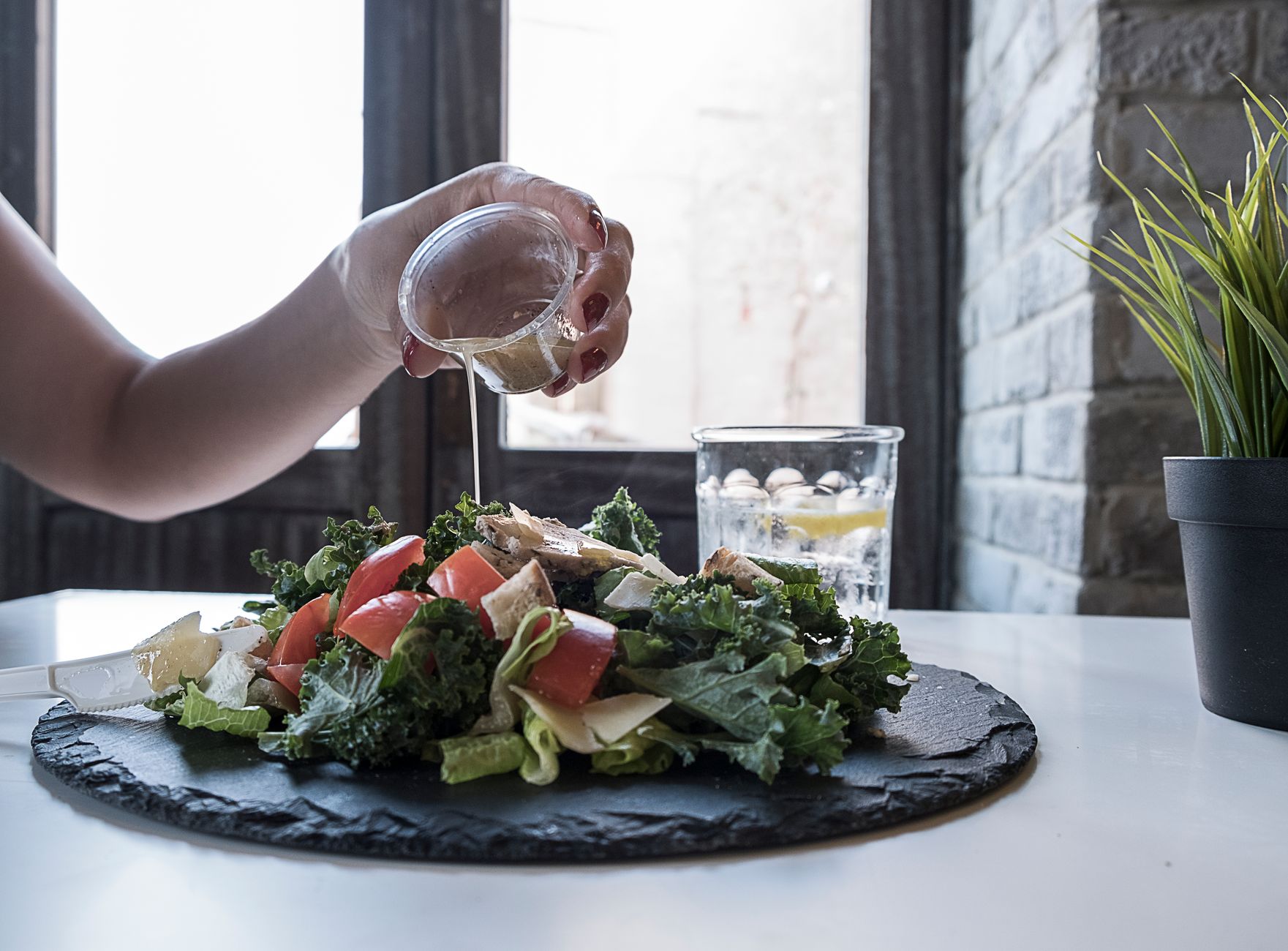
    Hand pouring dressing over fresh salad with kale and tomatoes

    Where Each One Actually Came From

    Russian dressing was invented in New Hampshire by a grocery store owner named James Colburn. Despite the name, it has no real connection to Russia — it became known as “Russian” because the original version included caviar, and got its pink tint from poached coral and pulverized lobster shell rather than anything Russian in origin. Thousand Island dressing takes its name from the actual Thousand Islands region along the New York–Ontario border, where several competing origin stories place its development in the late 1800s and early 1900s.

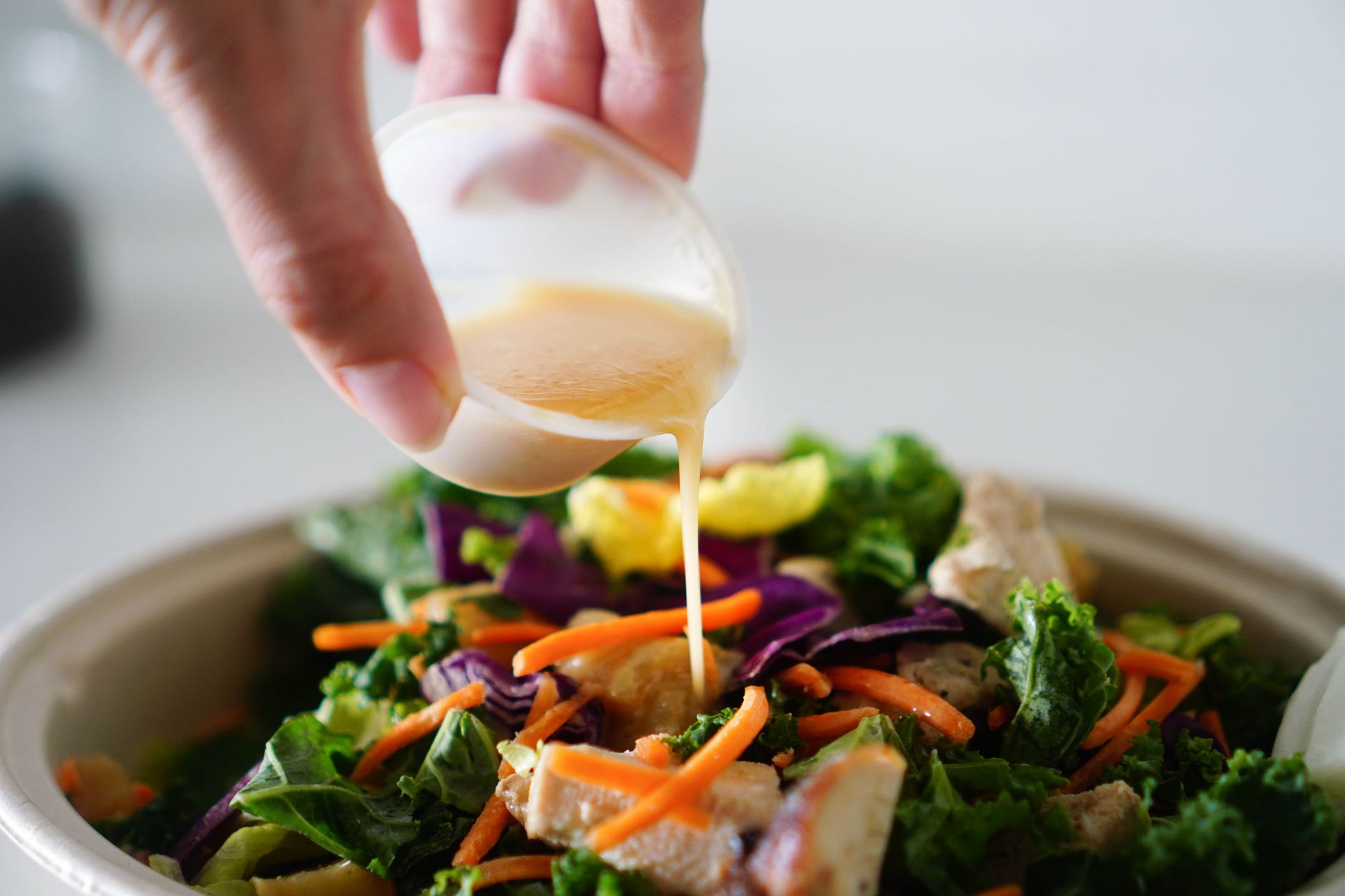
    A delicious and healthy salad topped with fresh dressing being poured

    Why Russian Dressing Belongs on a Reuben

    Russian dressing’s horseradish bite cuts through the richness of hot corned beef, Swiss cheese, and sauerkraut in a way Thousand Island’s sweeter profile doesn’t do quite as effectively. That said, many delis, including Mabel’s Deli, use Thousand Island on their Reuben anyway, a common and widely accepted substitution rather than a deviation worth objecting to.

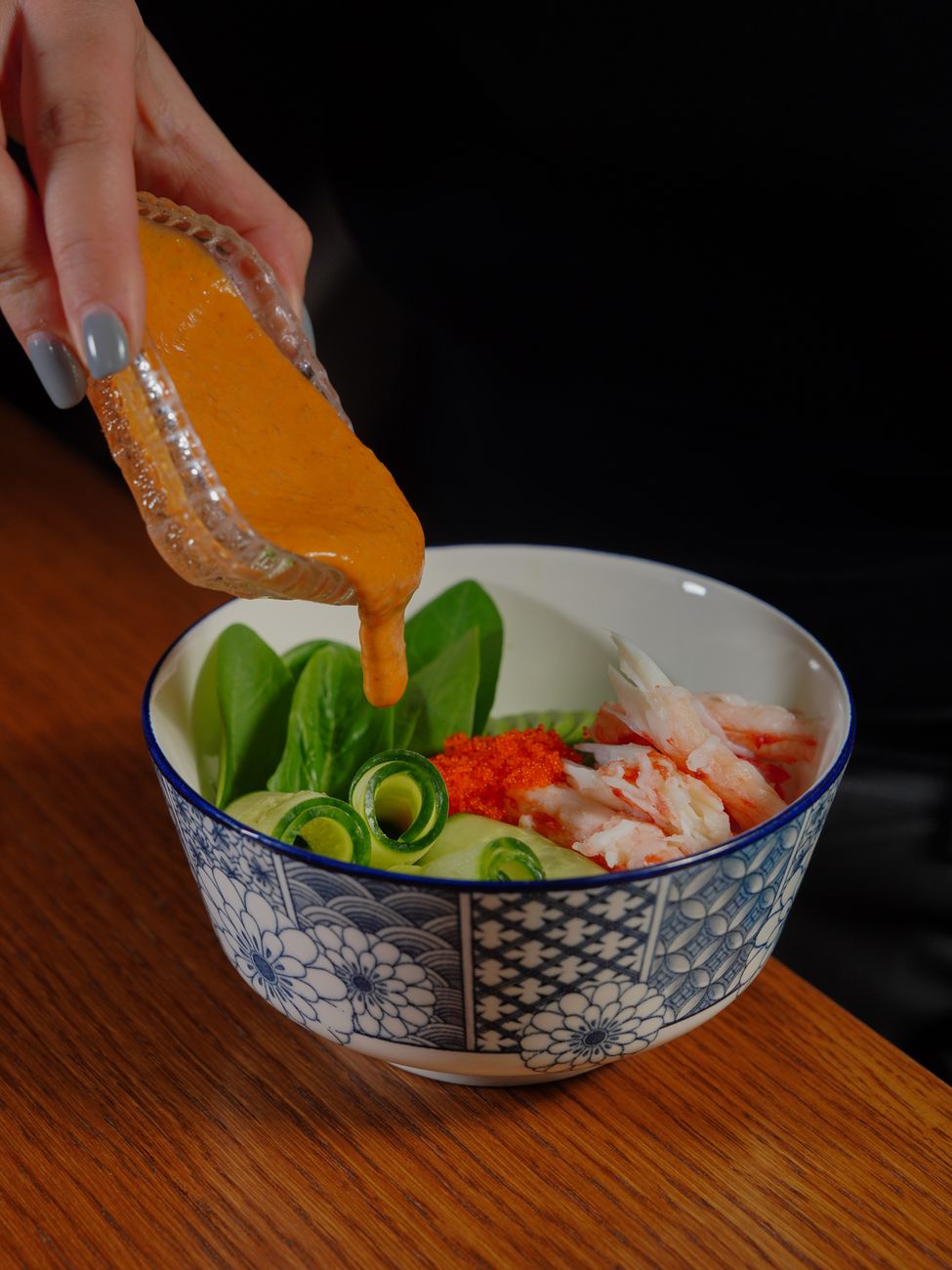
    Bright seafood salad with fresh ingredients

    A Note on Big Mac Sauce

    Thousand Island dressing is also the base for the “special sauce” on McDonald’s Big Mac — a detail that surprises a lot of people who assume that sauce is something entirely proprietary rather than a variation on a well-known dressing.

    Frequently Asked Questions

    What is the main ingredient difference between the two?

    Russian dressing relies on horseradish for its bite; Thousand Island relies on sweet pickle relish for its sweetness and chunkiness.

    Is Russian dressing actually from Russia?

    No — it was invented in New Hampshire, and the name comes from an original recipe that included caviar, not any actual Russian origin.

    What traditionally goes on a Reuben sandwich?

    Russian dressing is traditional, though Thousand Island is a widely accepted and common substitution at many delis.

    Is Thousand Island dressing related to McDonald’s special sauce?

    Yes — the Big Mac’s special sauce is built on a Thousand Island dressing base.

    Which dressing is spicier?

    Russian dressing, thanks to its horseradish content; Thousand Island is milder and sweeter.

    Can I make either dressing at home easily?

    Yes — both start from a simple mayonnaise-and-ketchup base, making either one quick to make with a few added ingredients.

    Does Russian dressing contain seafood?

    The original 19th-century version did, using caviar and lobster shell for color, but modern Russian dressing recipes typically don’t include seafood at all.

    Want to try Russian or Thousand Island on a Reuben? See our Reuben sandwich history and recipe guide.

    For more on the history of these dressings, see Mental Floss.

  • Chipotle Mayo: How to Make It and What to Use It On

    Chipotle Mayo: How to Make It and What to Use It On

    Chipotle mayo is one of the easiest sauces to make from scratch and one of the most versatile once you have it — a smoky, spicy upgrade to plain mayonnaise that works on sandwiches, burgers, fries, and tacos alike. It’s also a real component of The Philly at Mabel’s Deli inside Poncha Market, where it’s paired with shaved beef, peppers, onions, and provolone.

    Here’s a simple recipe, along with the best uses for it beyond just one sandwich.

    Because it’s built on canned chipotle peppers in adobo — a shelf-stable ingredient available at most grocery stores year-round — this is one of the easier flavored mayo variations to make consistently well without needing fresh, seasonal ingredients.

    Ingredients

    • 1 cup mayonnaise
    • 1–2 chipotle peppers in adobo sauce, minced
    • 1 tablespoon adobo sauce (from the can)
    • 1 teaspoon lime juice
    • 1 clove garlic, minced (optional)
    • Salt to taste
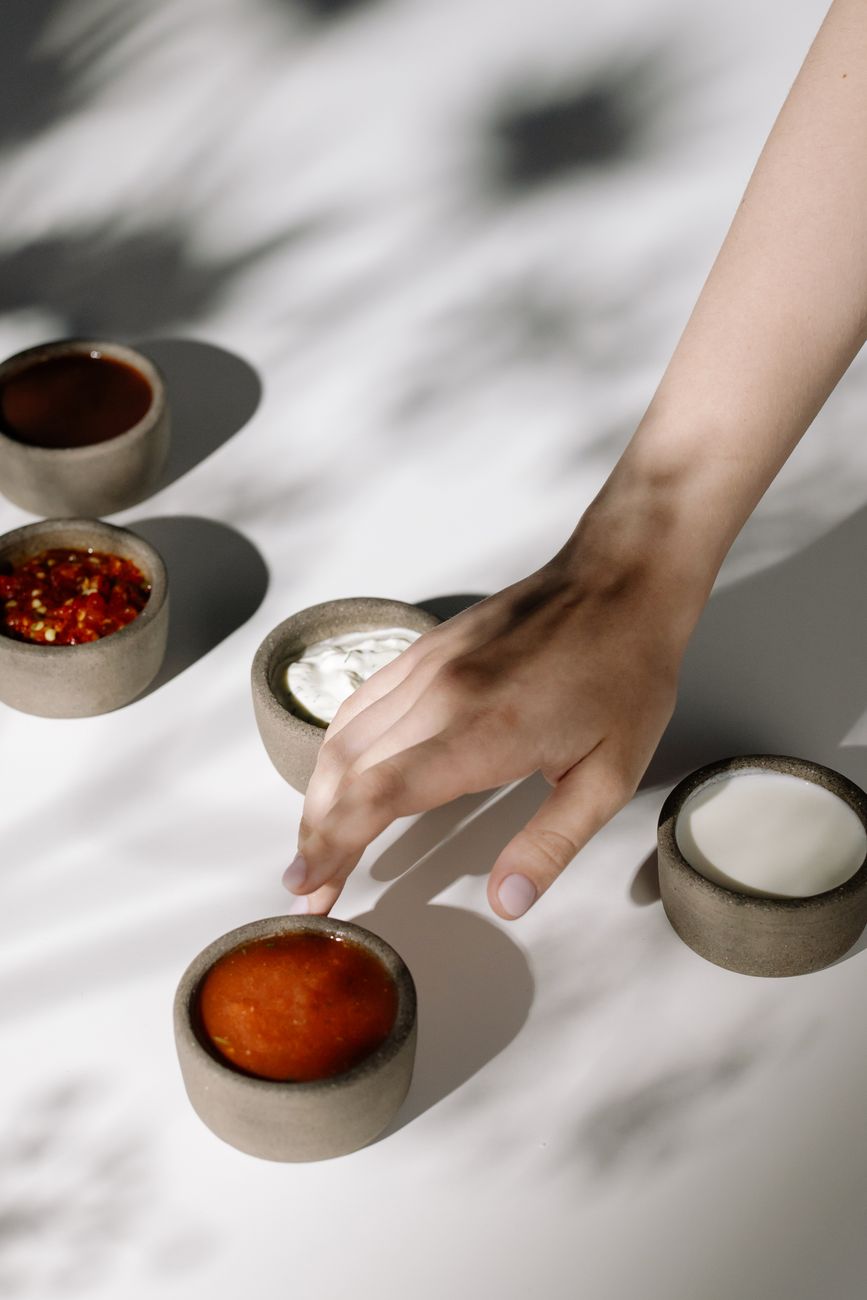
    A hand reaching for various sauces in small bowls

    Instructions

    1. Combine all ingredients in a small bowl.
    2. Whisk until smooth and evenly combined.
    3. Taste and adjust the amount of chipotle and adobo sauce to reach your preferred spice level.
    4. Refrigerate for at least 15 minutes before using to let the flavors meld.
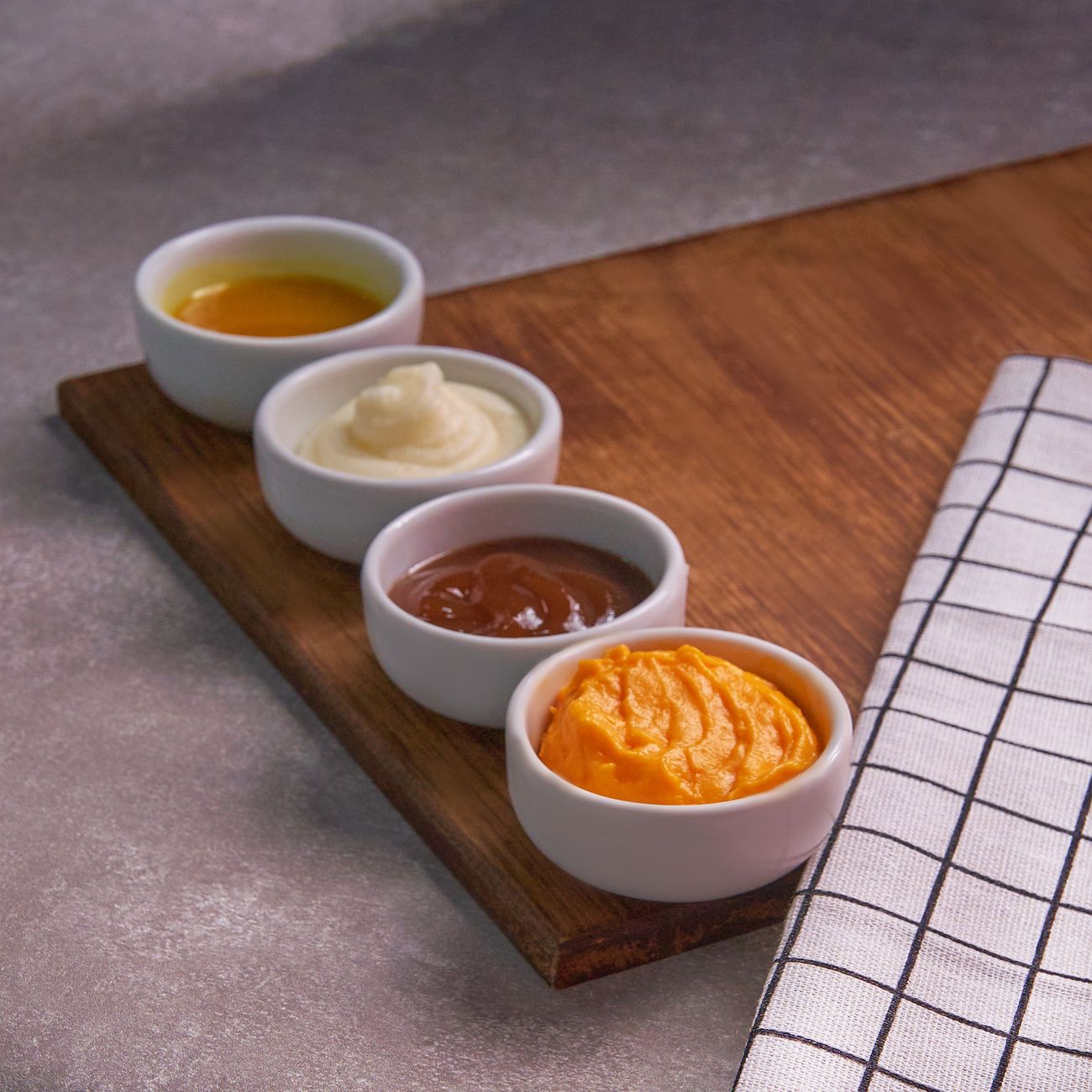
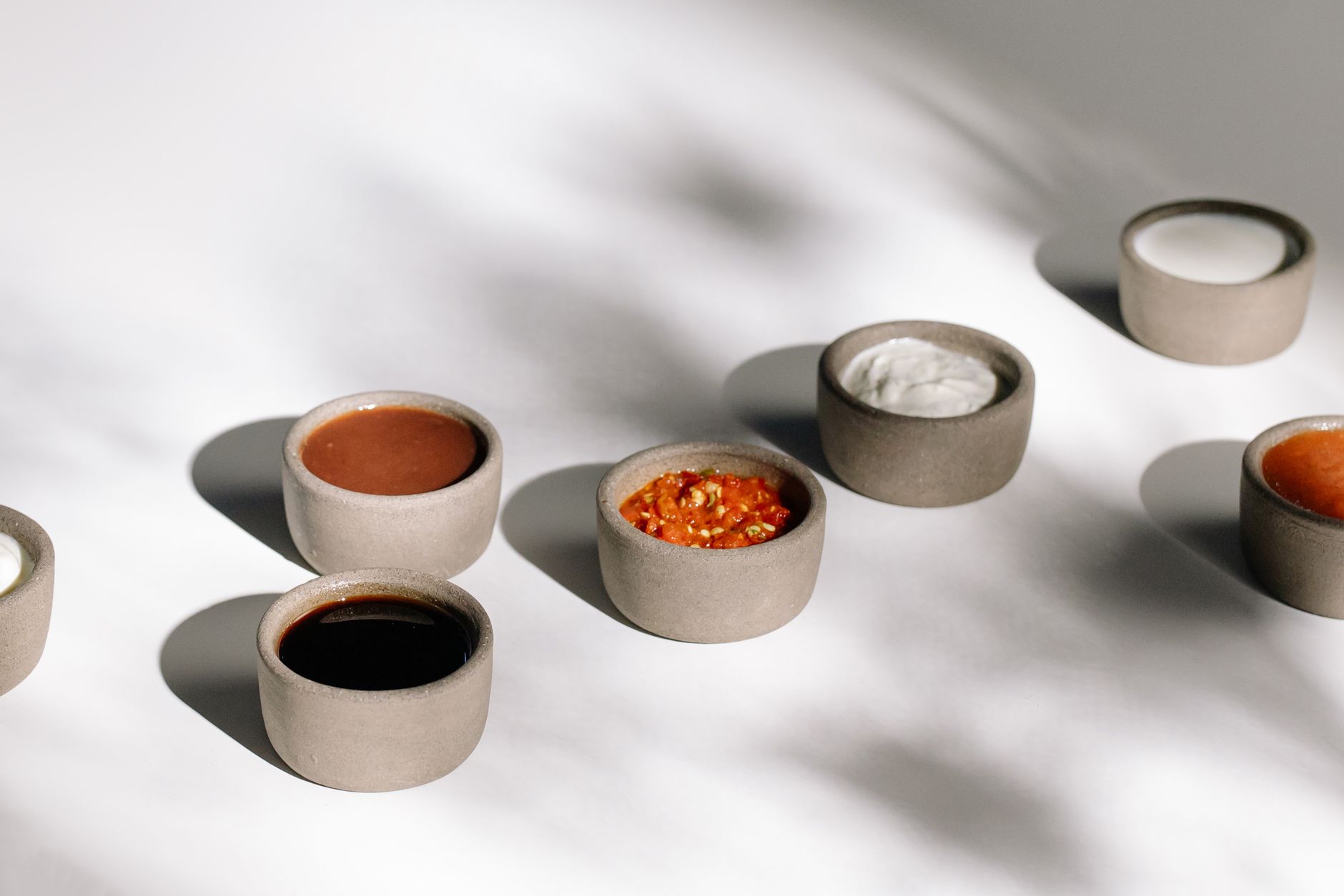
    A variety of sauces in ceramic bowls under natural sunlight

    What to Use Chipotle Mayo On

    • Sandwiches and burgers, as a direct upgrade over plain mayonnaise.
    • A dipping sauce for French fries.
    • Tacos, burritos, and other Tex-Mex dishes.
    • Stirred into chicken or egg salad for a smoky kick.
    • Drizzled over grilled corn, nachos, or fish.
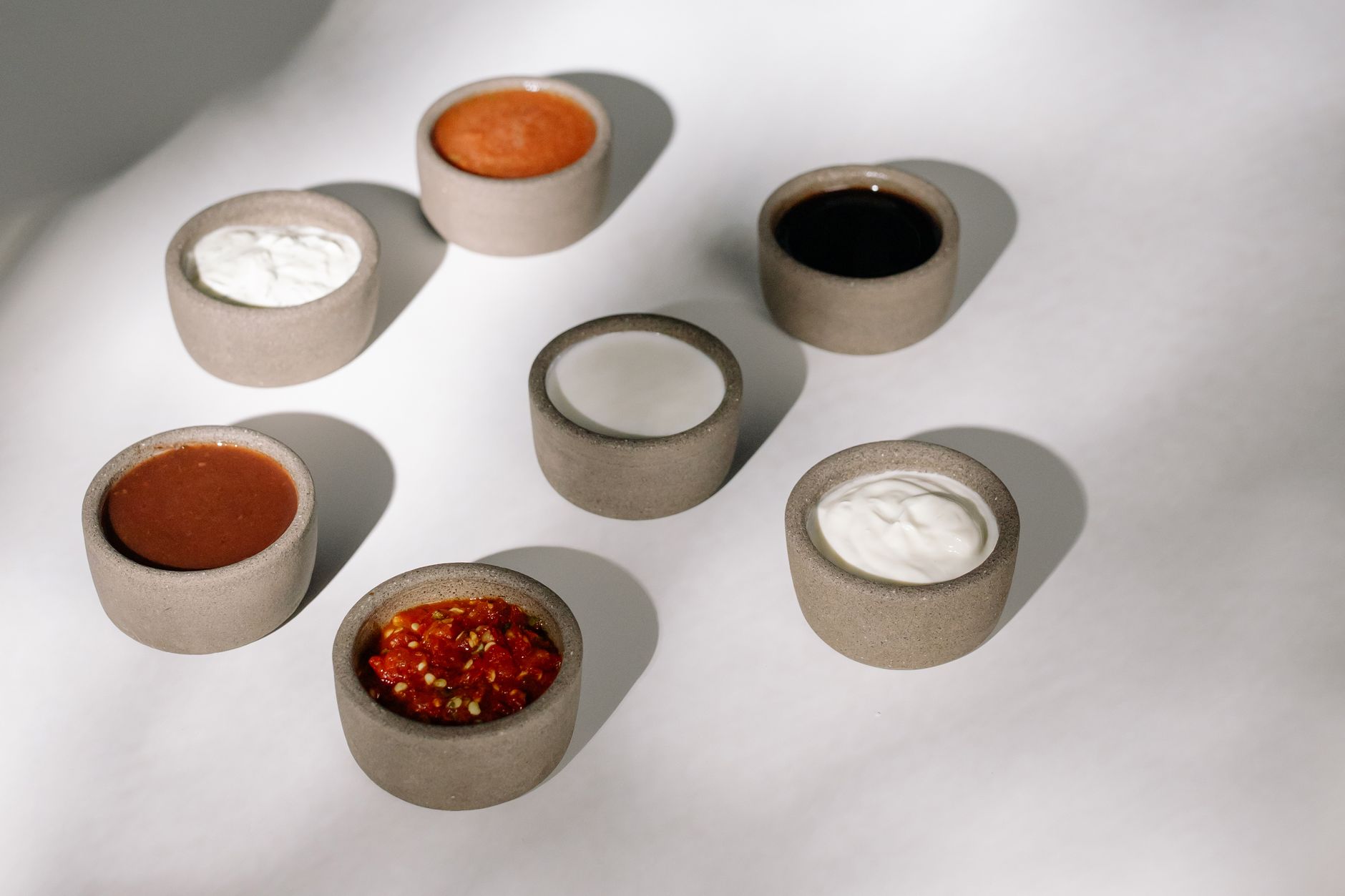
    Variety of sauces and dips in rustic ceramic bowls under natural sunlight

    Adjusting the Heat and Flavor

    The adobo sauce the chipotle peppers are canned in carries a lot of the smoky depth, so adjusting that ratio independently from the peppers themselves lets you control smokiness and heat somewhat separately — more adobo sauce for smokiness without necessarily adding more raw heat, more minced chipotle pepper for a spicier result.

    Leftover chipotle peppers and adobo sauce, once the can is opened, freeze well in small portions — ice cube trays work particularly well for this — so opening a full can for a single batch of mayo doesn’t mean wasting the rest.

    Making a double batch and keeping it on hand in the refrigerator is a reasonable habit for anyone who finds themselves reaching for it regularly — it’s genuinely versatile enough to justify keeping a steady supply rather than making it fresh every single time.

    For anyone who prefers a lighter version, substituting some or all of the mayonnaise with plain Greek yogurt keeps the same smoky flavor profile with less overall fat, a reasonable swap for anyone watching richness without giving up the sauce entirely.

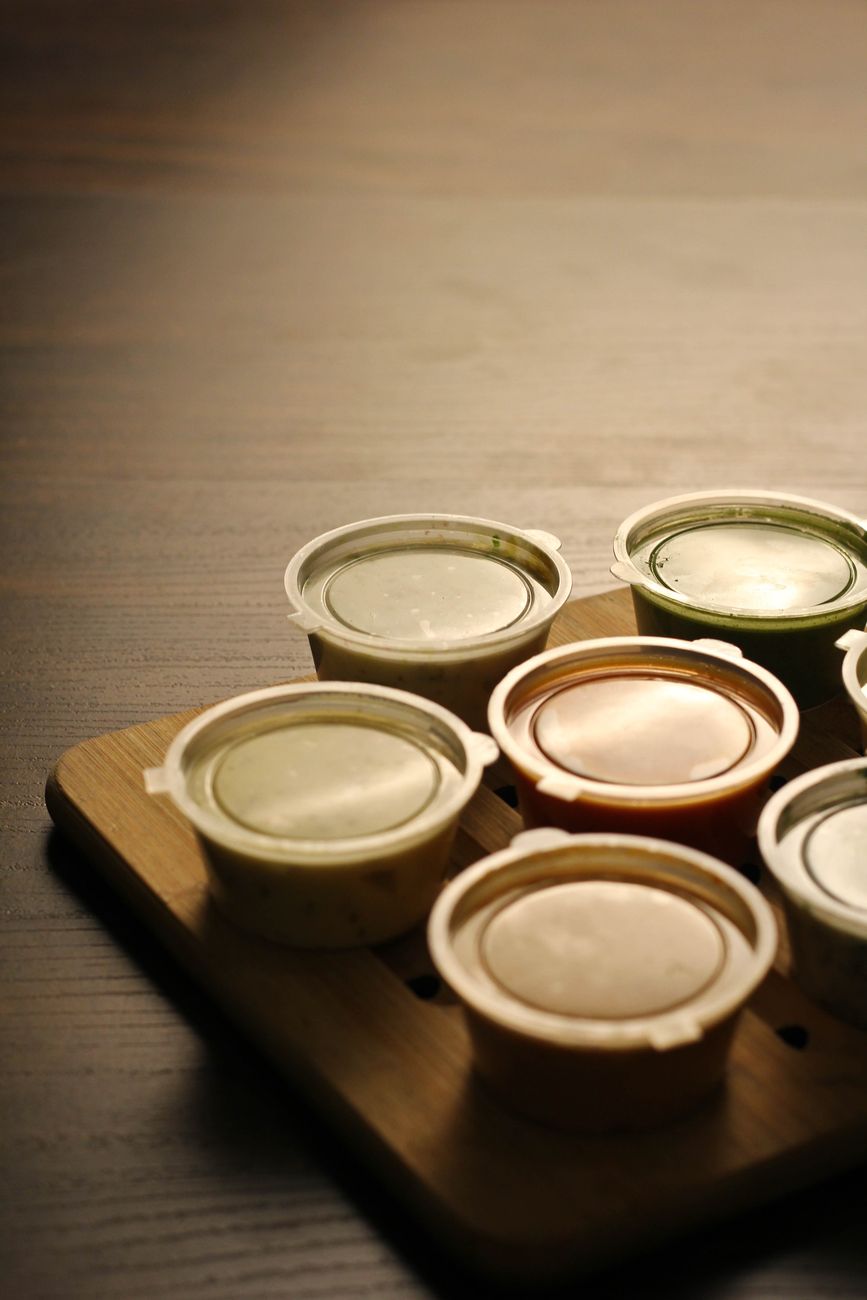
    Close-up of various sauces in small containers on a wooden board

    Storage

    Homemade chipotle mayo keeps well in a sealed container in the refrigerator for about a week, making it worth making a full batch rather than just enough for a single sandwich.

    Frequently Asked Questions

    How spicy is chipotle mayo?

    It’s adjustable based on how much minced chipotle pepper and adobo sauce you use; start with less and add more to taste.

    How long does homemade chipotle mayo last?

    About a week in a sealed container in the refrigerator.

    What is adobo sauce?

    The smoky, tangy sauce chipotle peppers are canned in, which carries much of the smoky depth used in chipotle mayo.

    What can I use chipotle mayo on besides sandwiches?

    Fries, tacos, burgers, grilled corn, nachos, and stirred into chicken or egg salad.

    Is chipotle mayo used on The Philly at Mabel’s Deli?

    Yes — Mabel’s Deli‘s Philly is topped with chipotle mayo alongside shaved beef, peppers, onions, and provolone.

    Can I freeze leftover chipotle peppers in adobo?

    Yes — freezing them in small portions, such as in an ice cube tray, keeps the rest of an opened can from going to waste.

    Is there a lighter version of chipotle mayo?

    Yes — substituting Greek yogurt for some or all of the mayonnaise creates a lighter version with a similar smoky flavor.

    Want to try it on a real sandwich first? See our Philly cheesesteak guide and Mabel’s Deli menu.

    For more sauce and condiment ideas, see Bon Appetit.

  • How to Make the Perfect Grilled Cheese Sandwich

    How to Make the Perfect Grilled Cheese Sandwich

    Grilled cheese looks almost too simple to write a guide about, which is exactly why so many homemade versions come out unevenly browned, greasy, or with cheese that never fully melts. The technique matters more than the recipe here, and getting a few specific details right makes a genuinely bigger difference than most people expect.

    It’s also a real menu item at Mabel’s Deli inside Poncha Market, priced at $4.59. Here’s how to make a genuinely excellent version at home.

    A grilled cheese sandwich is really only four variables — bread, cheese, fat, and heat — but each one has a genuinely wrong and right choice, and getting even one of the four off noticeably changes the result.

    It’s exactly this simplicity that makes grilled cheese such a useful sandwich to actually master rather than treat as an afterthought — the same underlying technique scales up cleanly to more ambitious grilled sandwiches once the fundamentals are solid.

    Choosing the Right Bread

    A toothsome, country-style bread works best because it can support a range of cheeses without collapsing. Avoid airy breads full of large holes, like a very open sourdough or focaccia, since melted cheese will seep straight through them and can burn against the pan.

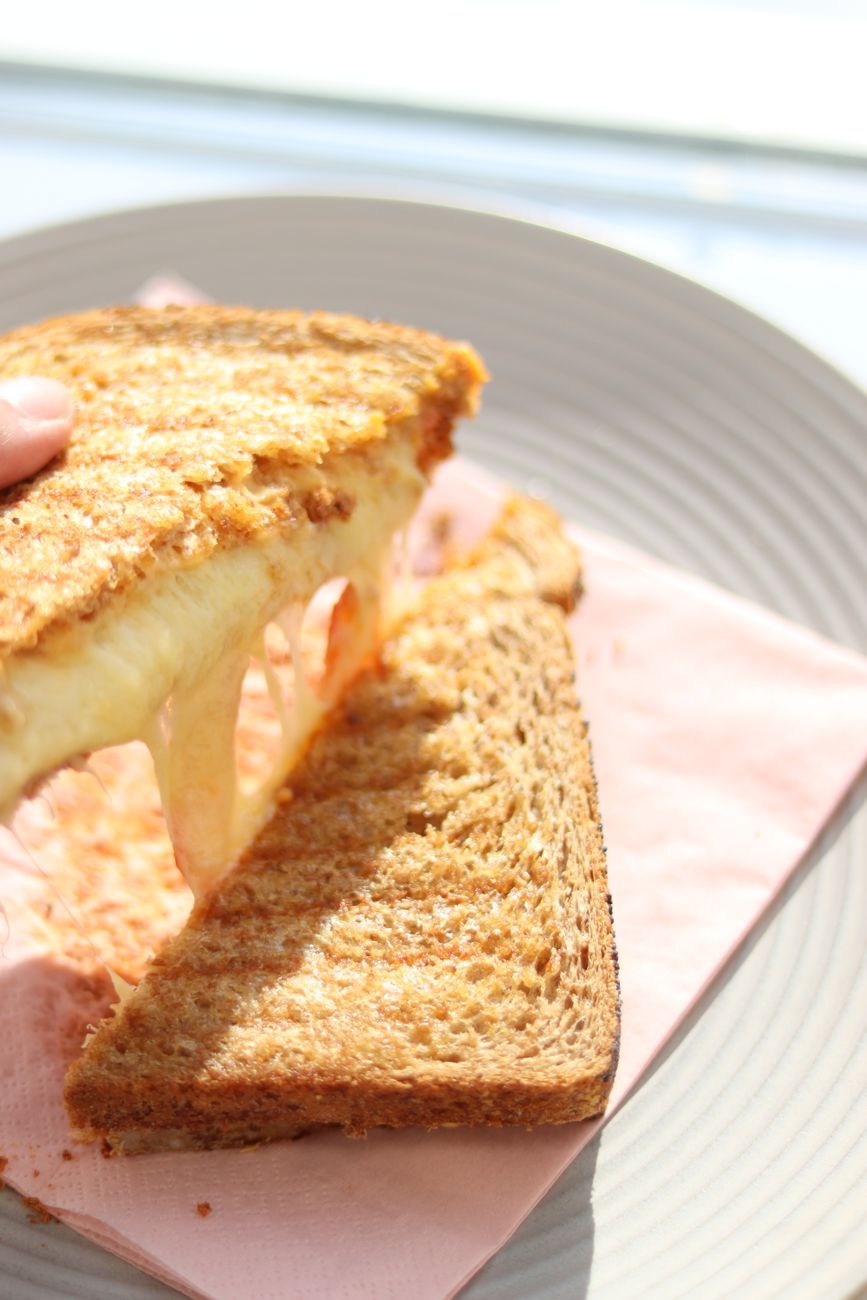
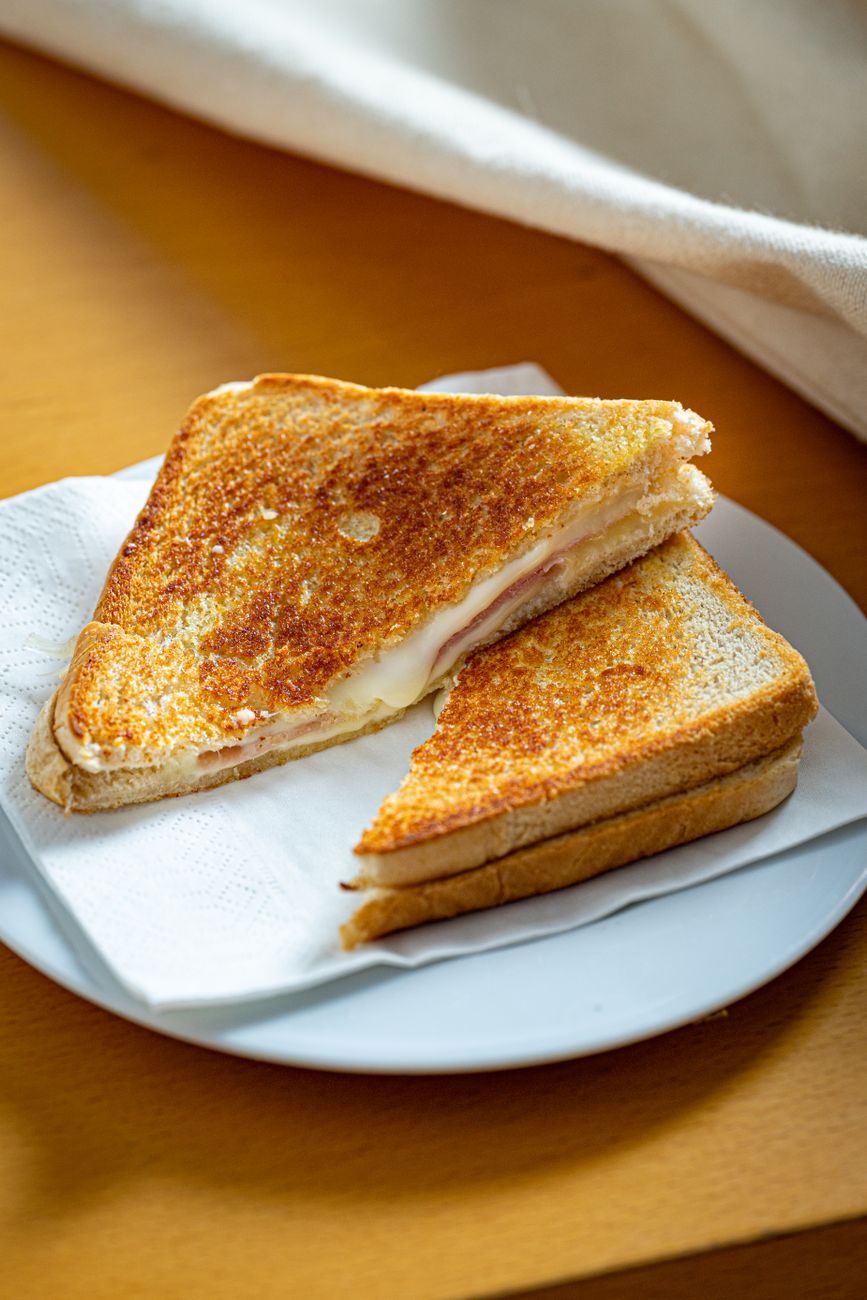
    Golden brown grilled cheese sandwich on a white plate with napkin

    Choosing the Right Cheese

    Cheeses that actually melt well — cheddar, mozzarella, fontina, or Monterey Jack — are essential. If you’re using cheddar specifically, skip pre-shredded bags, since the anti-caking additives they contain interfere with smooth melting; grating a block yourself makes a noticeable difference.

    Combining two cheeses with different melting properties — a sharp cheddar for flavor alongside a smoother-melting mozzarella or Monterey Jack for texture — is a simple upgrade that gets you both a stronger flavor and a more even melt than either cheese alone would provide.

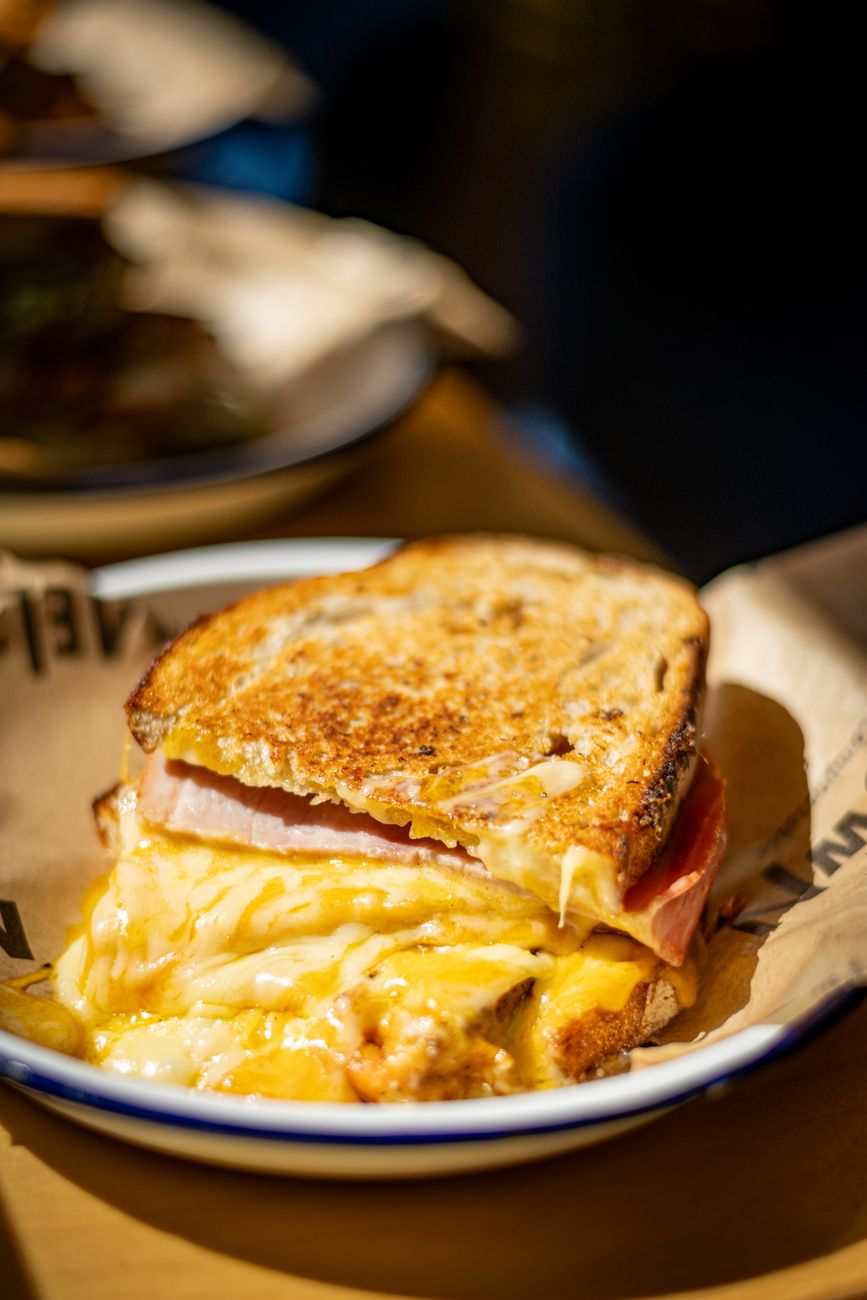
    Mouthwatering grilled cheese sandwich with ham on a paper-wrapped plate

    The Mayonnaise Trick

    Spreading a thin layer of mayonnaise — about a teaspoon total, split across both bread slices — on the outside of the sandwich instead of butter creates a noticeably crisper, more delicate crust than butter alone produces. It sounds unusual until you try it, but the difference in crunch is real and repeatable.

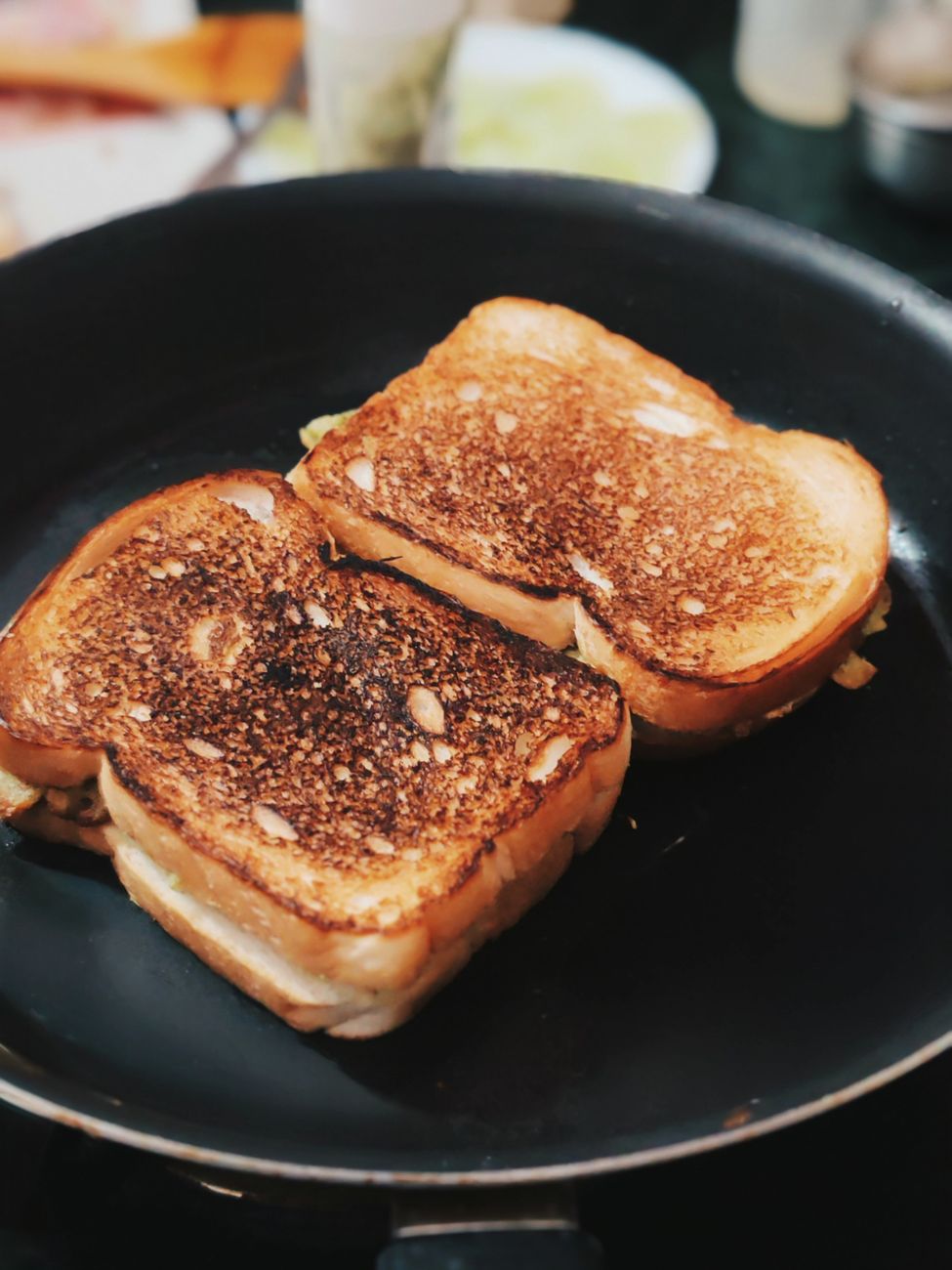
    Delicious grilled cheese sandwiches sizzling in a non-stick pan

    Cooking Technique

    1. Use a non-stick skillet, which needs less fat and lowers the risk of a soggy sandwich.
    2. Preheat the skillet over medium-low heat — not high heat, which browns the bread before the cheese has time to melt through.
    3. Cook the first side for 3–4 minutes until lightly browned, then flip and cook the second side another 3–4 minutes.
    4. Resist pressing down hard with a spatula; it squeezes out moisture and can push melted cheese out the sides before it’s fully set.
    Savory grilled cheese sandwich with melted cheese on a white plate

    Common Mistakes to Avoid

    • Cooking over heat that’s too high, which browns the outside before the inside is properly melted.
    • Using pre-shredded cheese, which melts less smoothly due to anti-caking additives.
    • Choosing an overly airy bread that lets cheese leak through and burn.
    • Skipping the resting minute after cooking, which lets the cheese firm up just enough to avoid an immediate messy collapse when cut.

    Frequently Asked Questions

    What cheese melts best for grilled cheese?

    Cheddar, mozzarella, fontina, and Monterey Jack are all reliable melters; freshly grated block cheese melts more smoothly than pre-shredded bags.

    Should I use butter or mayonnaise on the outside?

    Mayonnaise, in a thin layer, produces a noticeably crisper crust than butter alone, despite sounding unusual.

    What heat setting is best for grilled cheese?

    Medium-low — high heat browns the bread before the cheese has time to fully melt.

    What bread should I avoid for grilled cheese?

    Very airy breads with large holes, like open sourdough or focaccia, since cheese leaks through and can burn against the pan.

    Where can I get a grilled cheese near Poncha Springs?

    Mabel’s Deli inside Poncha Market serves one for $4.59.

    Can I combine two cheeses in one grilled cheese?

    Yes — pairing a sharp cheddar for flavor with a smoother-melting cheese like mozzarella often gives a better result than either alone.

    Why does my grilled cheese burn before the cheese melts?

    The heat is likely too high; medium-low heat gives the cheese time to melt through before the bread over-browns.

    Want the real thing? See our Mabel’s Deli menu guide for the full sandwich lineup.

    For more grilled cheese technique, see America’s Test Kitchen.

  • How to Make a Classic BLT Sandwich

    How to Make a Classic BLT Sandwich

    Few sandwiches are as simple in concept and as easy to get slightly wrong as a BLT — bacon, lettuce, and tomato, with almost nothing standing between a great version and a mediocre one except ingredient quality and basic technique.

    Here’s a classic BLT recipe done right, along with the sandwich’s surprisingly recent history as a named dish.

    Part of what makes the BLT worth taking seriously, despite how basic it sounds, is that its simplicity is exactly the point. There’s no ingredient to hide behind, which means the sandwich either works because every component pulls its weight, or it falls flat because one piece was mediocre.

    That’s also exactly why the BLT works so well as a home-cooking benchmark — if you can consistently make a genuinely great BLT, you’ve already mastered the fundamentals (bacon technique, bread choice, seasoning restraint) that carry over directly to dozens of other simple sandwiches.

    The BLT Is Younger Than You Might Think

    Bacon sandwiches began appearing in American cookbooks in the early 1900s, popular first in tea rooms and diners, but the term “BLT” itself didn’t appear in print until around 1941. It’s believed to have started as verbal shorthand used by restaurant workers rather than a deliberately coined name — a genuinely informal origin for a sandwich now considered a classic.

    That gap of several decades between the sandwich existing and the abbreviation catching on says something about how food naming actually works in practice — a dish can be widely eaten and understood well before it settles on the specific short name most people now use without a second thought.

    Top view of a BLT sandwich with crispy potatoes and dips on a plate

    Ingredients

    • 4 slices thick-cut bacon
    • 2 slices sturdy bread, toasted
    • 2–3 lettuce leaves
    • 2–3 slices ripe tomato
    • Mayonnaise
    • Salt and pepper to taste

    Instructions

    1. Cook the bacon until crispy, then drain on paper towels.
    2. Toast the bread until golden brown.
    3. Spread mayonnaise on both slices of bread.
    4. Layer lettuce, tomato, and bacon, seasoning the tomato lightly with salt and pepper.
    5. Top with the second slice of bread, cut in half, and serve immediately.
    Close-up of a fresh sandwich on a rustic table

    Why Ingredient Quality Matters So Much Here

    With only three main fillings, the BLT has nowhere to hide a mediocre ingredient. Thick-cut bacon brings texture and real flavor that thin, pre-cooked bacon can’t match; a genuinely ripe, in-season tomato makes a bigger difference than almost any other single swap in this sandwich.

    See our bacon guide to curing methods and types for more on choosing the right bacon.

    Off-season tomatoes are worth acknowledging honestly here: a pale, mealy winter tomato will noticeably drag down an otherwise well-made BLT, and no amount of technique elsewhere fully compensates for it — worth keeping in mind if you’re deciding whether to make one in January versus August.

    A vibrant BLT sandwich paired with refreshing lemon water

    Choosing the Right Bread

    Sturdy bread that can hold up to a juicy tomato without falling apart is essential — see our guide to sandwich bread for options. A soft, airy bread tends to turn soggy quickly once tomato juice sets in, undermining an otherwise well-made BLT.

    Close-up of a mouthwatering bacon and vegetable sandwich on a rustic board

    Frequently Asked Questions

    When did the term “BLT” first appear?

    Around 1941 in print, though bacon sandwiches themselves date back to the early 1900s in American tea rooms and diners.

    What bacon works best for a BLT?

    Thick-cut bacon, which brings more texture and flavor than thin, pre-cooked varieties.

    Why does bread choice matter for a BLT?

    A sturdy bread holds up better against juicy tomato slices than a soft, airy one, which can turn soggy quickly.

    Can I add avocado to a BLT?

    Yes — it’s a common modern addition. See our guide to avocado on sandwiches for tips on preventing browning.

    What does BLT stand for?

    Bacon, lettuce, and tomato — the three core ingredients that define the sandwich.

    Is a BLT better toasted or untoasted?

    Toasted is generally preferred, since it adds structure and prevents the bread from turning soggy from tomato juice as quickly.

    Can I make a BLT vegetarian?

    Yes, with a plant-based bacon substitute; the lettuce, tomato, and bread technique remain the same regardless of the protein used.

    Want fresh ingredients for your own BLT? See our Mabel’s Deli menu guide for build-your-own sandwich options.

    For more on the BLT’s history, see Saveur.

  • The History of the Club Sandwich

    The History of the Club Sandwich

    The club sandwich’s origins trace back to the late 1800s, though who actually invented it is genuinely up for debate — a familiar pattern for a lot of classic American sandwiches with more than one competing origin story.

    It’s also a real menu item at Mabel’s Deli inside Poncha Market, listed simply as The Club. Here’s the history behind the name, and what actually defines a proper club sandwich.

    Unlike some sandwiches whose history is essentially undocumented, the club has an unusually specific paper trail, including one of the earliest published sandwich recipes on record.

    That documentation is genuinely useful for food historians, since it means the club sandwich’s evolution — from a simple four-ingredient snack to today’s triple-decker version — can actually be traced across more than a century of published cookbooks rather than relying entirely on oral tradition and disputed anecdotes.

    The Most Common Origin Story

    The most widely cited explanation places the sandwich’s origin at Richard Canfield’s Saratoga Clubhouse in upstate New York around 1894, though other clubhouses from the same era also claimed credit. One popular version of the story describes a man arriving home late at night after his household had gone to bed, hungry enough to raid the pantry and ice chest for whatever he could find — and the resulting sandwich became known as “club” through its adoption by a private club his friends belonged to.

    This kind of origin story — an accidental late-night creation later adopted and named by a social club — recurs often enough in American food history that it’s worth taking with a grain of salt as a genuine account rather than folklore, even though it remains the most commonly repeated version.

    Top view of a club sandwich platter with fries, fresh salad, and ketchup

    The Earliest Published Recipe

    The earliest published club sandwich recipe commonly cited by food historians appears in the 1903 Good Housekeeping Everyday Cook Book. That original recipe calls for just five components: toast, lettuce, tomato, mayonnaise, and chicken or turkey — noticeably simpler than the version most people know today, and without bacon at all.

    Appetizing club sandwich with fresh lettuce, tomatoes, and fries

    How the Modern Club Sandwich Evolved

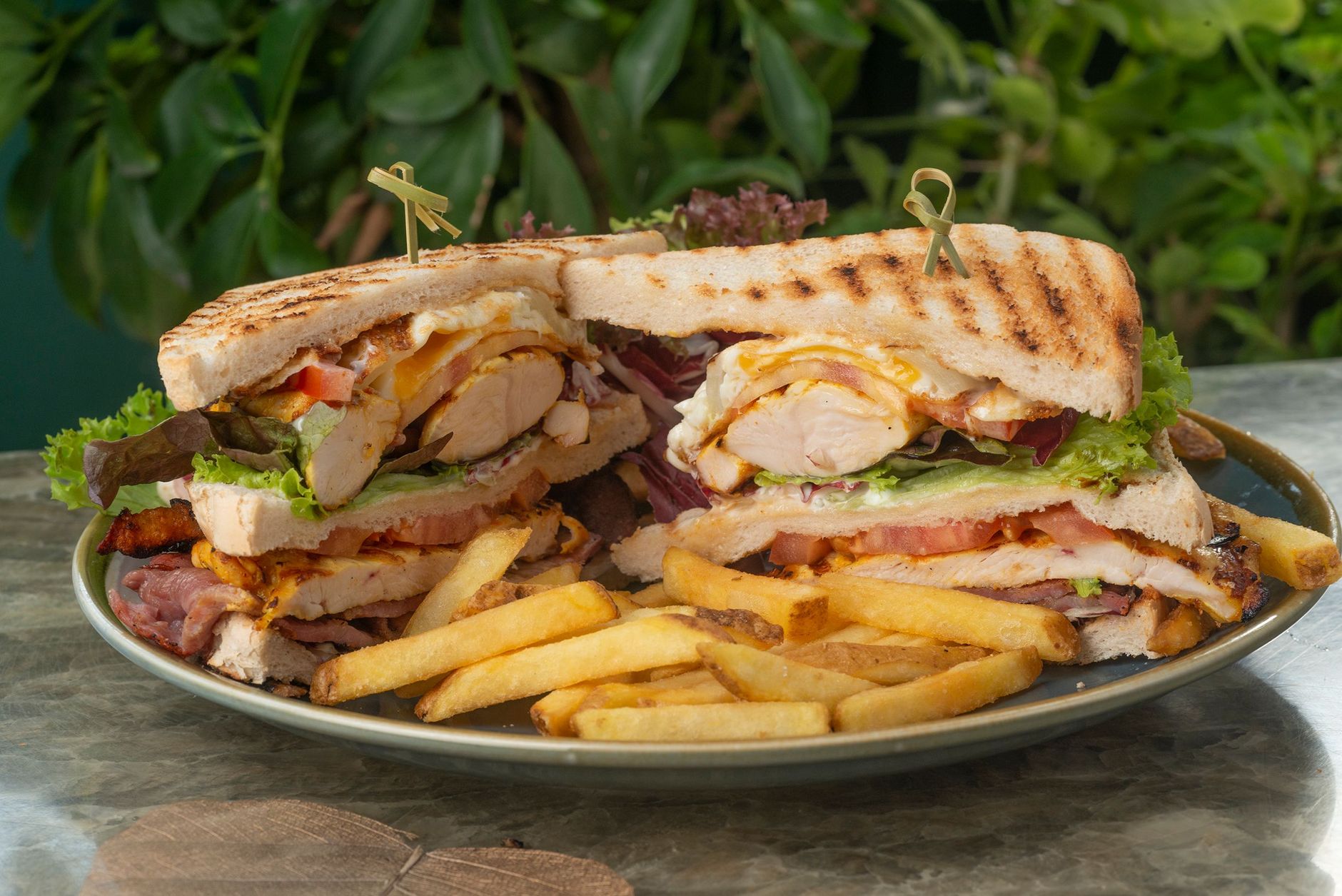
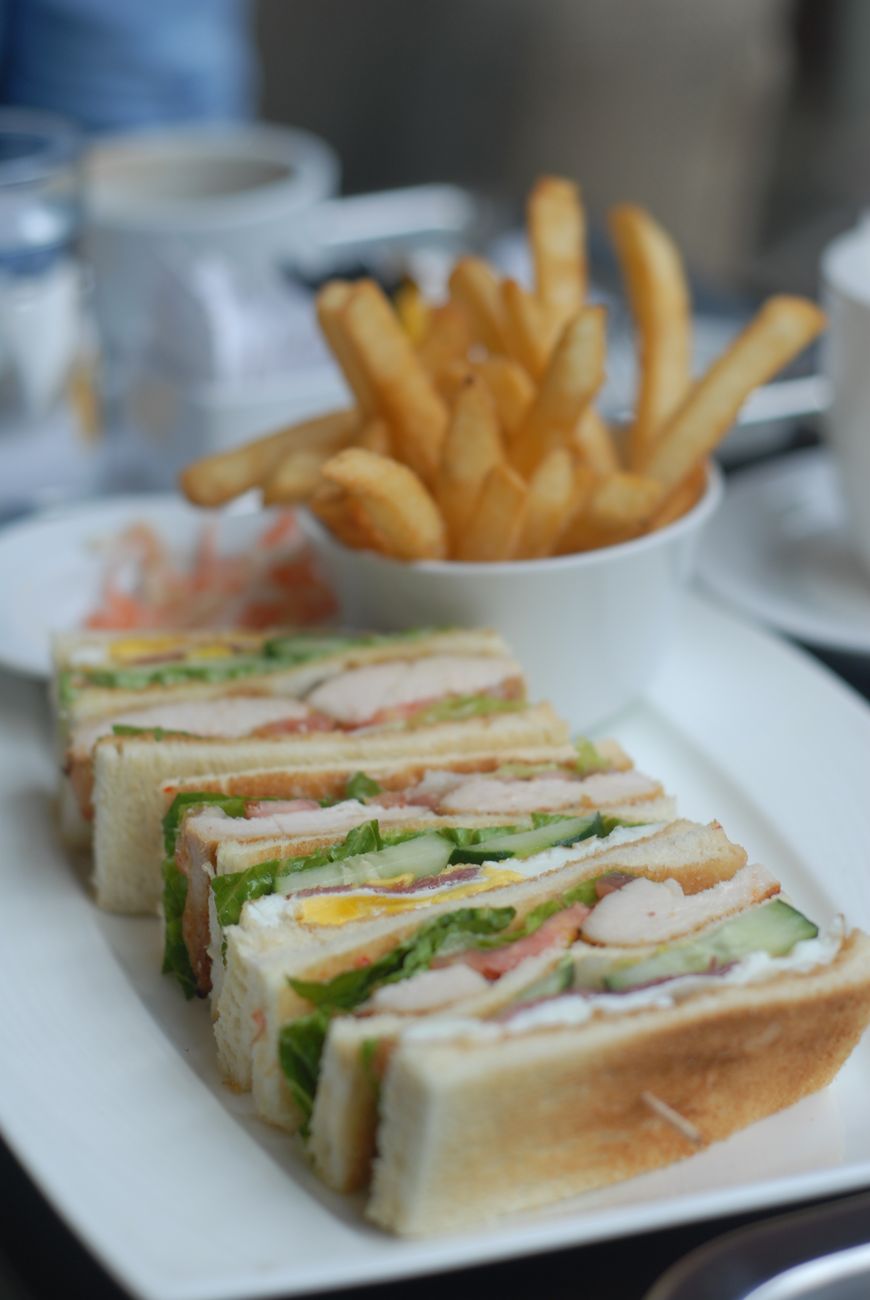
    The modern club typically consists of three slices of toasted bread layered with crisp lettuce, sliced turkey or chicken, crispy bacon, and tomato, usually skewered with toothpicks and cut into quarters for easy eating. Bacon’s addition somewhere along the way, along with the now-standard third slice of bread, are the two biggest departures from that 1903 original.

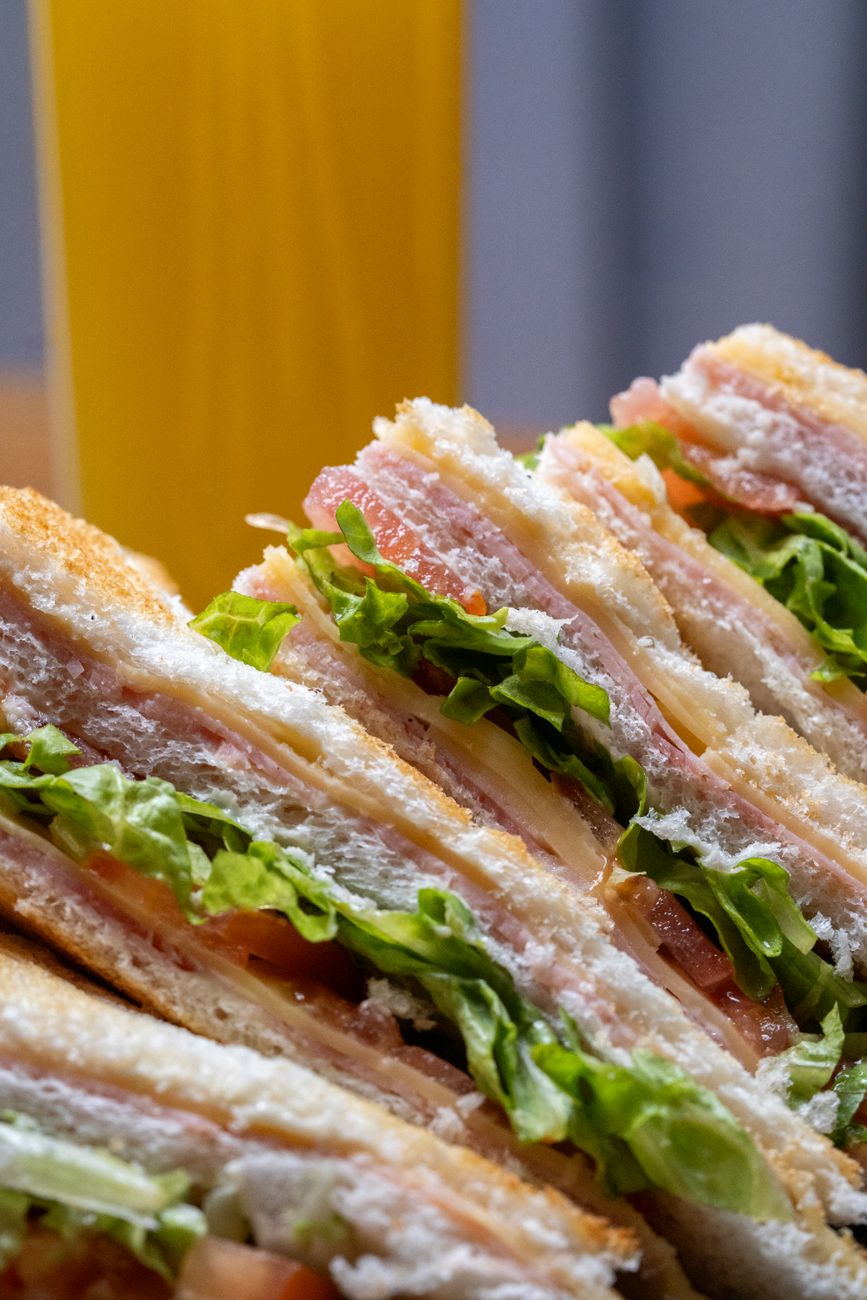
    Close-up of a club sandwich with layers of ham, lettuce, tomato, and cheese

    Why Three Slices of Bread?

    The double-decker structure isn’t just for looks — it lets a club sandwich carry two distinct filling layers (typically bacon-lettuce-tomato on one level and turkey or chicken on the other) without either layer becoming too thick to bite through cleanly. That structural logic is part of why the three-slice format has stuck around for well over a century rather than simplifying back down to a standard two-slice sandwich.

    A close-up of a club sandwich paired with golden french fries

    How It Compares to The Club at Mabel’s Deli

    Mabel’s Deli‘s Club follows this same well-established formula — a genuinely traditional sandwich rather than a house reinvention, which is part of what makes it a reliable order for anyone who already knows what they like about a classic club.

    Close-up of a sandwich with egg, bacon, and fresh vegetables on wood

    Frequently Asked Questions

    Who invented the club sandwich?

    It’s genuinely disputed, with the most common story crediting Richard Canfield’s Saratoga Clubhouse around 1894, though other clubhouses from the same era made similar claims.

    What was in the original club sandwich recipe?

    The earliest published version, from 1903, called for just toast, lettuce, tomato, mayonnaise, and chicken or turkey — no bacon.

    Why does a club sandwich have three slices of bread?

    It allows two distinct filling layers without either becoming too thick to bite through, a structural choice that’s persisted for over a century.

    What meat is traditionally used in a club sandwich?

    Turkey or chicken, sometimes both, alongside bacon, lettuce, and tomato in the modern version.

    Where can I get a Club sandwich near Poncha Springs?

    Mabel’s Deli inside Poncha Market serves The Club.

    Is the club sandwich origin story true?

    It’s the most commonly repeated version, but like many American food origin stories, it should be treated as popular tradition rather than confirmed historical fact.

    How is a club sandwich traditionally served?

    Cut into quarters and held together with toothpicks, making it easier to eat given its taller, layered structure.

    Craving a classic? See our Mabel’s Deli menu guide for The Club and other signature sandwiches.

    For more sandwich history, see What’s Cooking America.

  • How to Make an Italian Sub Sandwich at Home

    How to Make an Italian Sub Sandwich at Home

    An authentic Italian sub is really a study in layering — cured meats, provolone, crunchy vegetables, and a sharp vinaigrette, all on a sturdy roll. It’s also the inspiration behind The Italian at Mabel’s Deli inside Poncha Market, made with ham, pepperoni, salami, provolone, black olives, and pepperoncini.

    Here’s how to build a genuinely authentic version at home, and what actually separates a good Italian sub from a mediocre one.

    Unlike more polarizing regional sandwiches, there’s less genuine dispute about what belongs on an Italian sub — the real variation comes down to specific meat choices and how heavy-handed the vinaigrette is, not the underlying concept.

    That relative consensus makes it a good sandwich to learn well, since getting the fundamentals right translates directly to a genuinely satisfying result rather than needing to navigate competing regional opinions about what counts as “authentic.”

    Italian delis in different American cities have their own local variations, sometimes adding hot peppers, a specific brand of Italian dressing, or a particular ratio of meats considered standard locally — but the core structure described here holds across nearly all of them.

    What Goes on an Authentic Italian Sub

    Traditional recipes layer capicola, Genoa salami, prosciutto cotto (cooked ham), dry fennel salami, and provolone cheese, though ham, turkey, crispy bacon, soppressata, or mortadella are all accepted substitutions depending on what’s available. Lettuce, tomato, onion, and cherry peppers or giardiniera (a pickled vegetable mixture) round out the vegetable side.

    For other real regional sandwich traditions, see our muffuletta sandwich history and recipe and Cuban sandwich history and recipe.

    Virtually every serious Italian sub recipe uses a red wine vinaigrette rather than mayonnaise as the primary condiment — a genuine defining characteristic that separates this sandwich from most American deli subs, which lean on mayo-based dressings instead.

    The specific combination of meats also matters more than people often realize. A sub built entirely from one type of cured meat reads as flat compared to one layering several distinct flavors and textures — the fattier richness of mortadella against the sharper bite of a peppered salami, for instance.

    Temperature also plays a bigger role than most home cooks consider. A cold sub straight from the refrigerator tastes noticeably different from one assembled with meats and cheese at room temperature, since cold temporarily mutes fat and flavor — letting the ingredients sit out for a few minutes before assembly is a small step that meaningfully improves the eating experience.

    Delicious stacked ham and salami sandwich with lettuce and tomatoes

    Ingredients

    • 1 crusty sub roll or hoagie roll
    • 2 oz. Genoa salami, thinly sliced
    • 2 oz. capicola or ham, thinly sliced
    • 2 oz. provolone cheese, sliced
    • Shredded lettuce
    • Sliced tomato and red onion
    • Pepperoncini or giardiniera
    • Red wine vinegar and olive oil
    • Dried oregano, salt, and pepper
    Fresh ham and cheese sub sandwich on a plate

    Assembly Instructions

    1. Split the roll lengthwise, leaving a hinge on one side if possible.
    2. Layer the provolone directly on the bread first, followed by the salami, capicola, and any additional meats.
    3. Add lettuce, tomato, onion, and pepperoncini or giardiniera.
    4. Drizzle generously with red wine vinegar and olive oil, then season with oregano, salt, and pepper.
    5. Close, press gently, and slice in half to serve.
    A fresh baguette sandwich with layers of tomato and lettuce

    Why the Vinaigrette Matters So Much

    Skipping the red wine vinaigrette in favor of mayonnaise is probably the single most common way a homemade Italian sub ends up tasting more like a generic deli sandwich than the real thing. The acidity cuts through the richness of the cured meats and cheese in a way mayo simply doesn’t replicate.

    Close-up of a gourmet sandwich being prepared with fresh ingredients

    How It Compares to The Italian at Mabel’s Deli

    Mabel’s Deli’s version — ham, pepperoni, salami, provolone, black olives, pepperoncini, and Italian dressing on a hoagie roll — follows the same core formula with Italian dressing standing in for a homemade vinaigrette, a common and reasonable substitution at a deli counter working at speed.

    Delicious homemade sandwiches wrapped in rustic paper on a wooden table

    Frequently Asked Questions

    What meats go on an authentic Italian sub?

    Traditionally capicola, Genoa salami, prosciutto cotto, and dry fennel salami with provolone, though ham, soppressata, and mortadella are all accepted substitutions.

    Why is vinaigrette used instead of mayo?

    The acidity cuts through the richness of the cured meats and cheese in a way mayonnaise doesn’t, which is part of what defines the sandwich’s flavor profile.

    What is giardiniera?

    A pickled vegetable mixture, often including peppers, cauliflower, and carrots, commonly used to add tang and crunch to Italian subs.

    What bread should I use for an Italian sub?

    A crusty, sturdy roll or hoagie roll, similar to what’s used for a Philly cheesesteak. See our bread guide for sandwiches.

    Where can I get The Italian near Poncha Springs?

    Mabel’s Deli inside Poncha Market serves The Italian on a hoagie roll.

    Should I use one meat or several on an Italian sub?

    Several, if possible — layering different textures and flavors, like a fattier mortadella against a sharper salami, generally makes for a more interesting sandwich than a single meat alone.

    Can I make an Italian sub ahead of time?

    It holds up reasonably well for a few hours if wrapped tightly, though the vinaigrette can make the bread soften over a longer period, so eating it within the same day is best.

    Should sandwich meats be cold or room temperature?

    Room temperature generally tastes better — cold temporarily mutes fat and flavor, so letting meats and cheese sit out briefly before assembly improves the result.

    Is giardiniera necessary for an authentic Italian sub?

    It’s a common and traditional addition, but pepperoncini alone is also widely accepted if giardiniera isn’t available.

    Want the real thing? See our Mabel’s Deli menu guide for The Italian and other signature sandwiches.

    For more on regional sandwich traditions, see Atlas Obscura.

  • Hoagie vs. Sub vs. Hero: What’s the Difference Between Sandwich Names?

    Hoagie vs. Sub vs. Hero: What’s the Difference Between Sandwich Names?

    Order a long sandwich on a split roll in Philadelphia and you’ll hear it called a hoagie. Order the same thing in New York and it might be a hero. Head to New England and it’s a grinder. At Mabel’s Deli inside Poncha Market, “The Italian” is served on a hoagie roll — and the name genuinely reflects real regional history, not just marketing.

    Here’s where each of these names actually comes from, since they’re all describing essentially the same sandwich.

    It’s a genuinely useful piece of American food geography — four different regions, each convinced their term is the “correct” one, describing an identical style of sandwich with no actual disagreement about what’s inside it.

    The Sandwich Itself Has No Standard Name

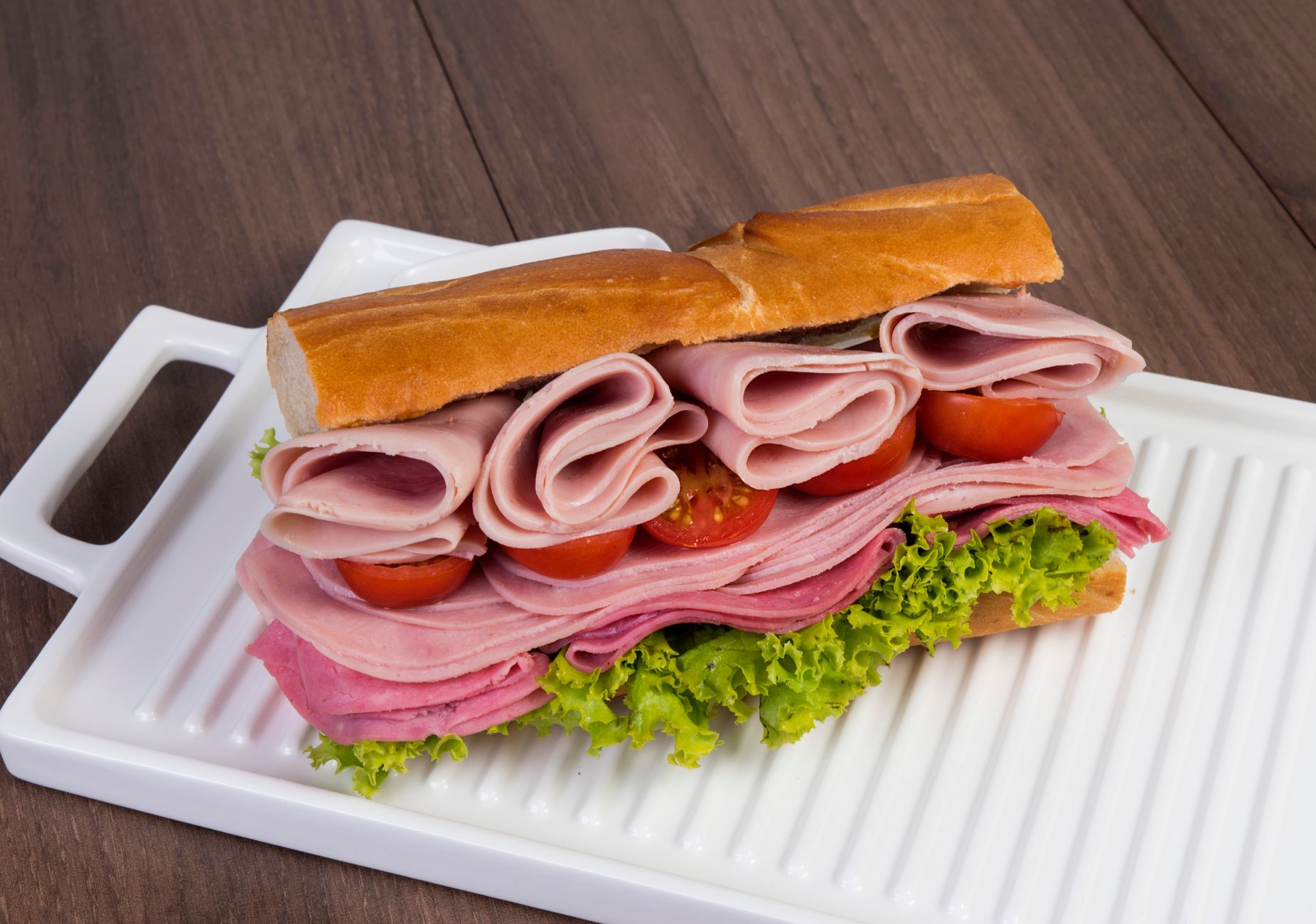
    All of these terms describe a long roll of Italian or French-style bread, split lengthwise and filled with a variety of meats, cheeses, vegetables, and condiments. There’s no single, standardized national name for this style of sandwich — different U.S. regions simply developed their own terms independently.
    This is genuinely unusual for a food this common. Most widely eaten American dishes settle on one dominant name over time, even if regional variations persist; this particular sandwich style never did, and all four major terms remain in active regional use today.

    A tasty sub sandwich with fresh lettuce and tomato on a wooden board

    Hoagie: Philadelphia

    “Hoagie” is used specifically in the Philadelphia metropolitan area and Western Pennsylvania. One popular theory traces it to Italian immigrant workers at the Philadelphia Navy Yard, once known as Hog Island — workers there were called “hoggies,” a term that eventually morphed into “hoagie.”

    Close-up of a fresh Italian sub sandwich with cheese and salami

    Hero: New York City

    “Hero” is the term used in New York City English, likely originating from a 1936 New York Herald Tribune columnist who described a sandwich so large that “you had to be a hero to eat it.” The term can refer to both hot and cold versions of the sandwich in New York usage.

    A mouthwatering Italian sub sandwich filled with melted cheese and fresh ingredients

    Sub and Grinder: Everywhere Else

    Outside Philadelphia, New York, and New England, this sandwich is generally known as a “sub” — short for submarine, referencing the roll’s shape. In New England specifically, “grinder” is the more common regional term instead.

    Close-up of a sub sandwich with tomato, lettuce, and cheese

    Regional Name Quick Reference

    TermRegion
    HoagiePhiladelphia and Western Pennsylvania
    HeroNew York City
    GrinderNew England
    SubMost other U.S. regions
    Close-up of a fresh sub sandwich with lettuce, tomatoes, and chicken

    Why This Matters When Ordering

    Knowing these regional terms is mostly a fun piece of food trivia, but it also explains why a menu item labeled “hoagie” at a deli far from Philadelphia, like Mabel’s Deli in Colorado, is a deliberate nod to the sandwich’s Philadelphia roots rather than a random word choice.

    It also means you shouldn’t be confused if a menu somewhere else uses a completely different term for what looks like the same sandwich — regional naming, not a different recipe, is almost always the explanation.

    Chain restaurants have complicated this picture somewhat by picking one term (typically “sub”) and using it nationally regardless of local convention, which has made “sub” the most commonly recognized term overall even in regions that traditionally used a different word.

    Despite that national leveling effect, the older regional terms haven’t disappeared — ask for a “hoagie” in Philadelphia or a “grinder” in Boston, and locals will know exactly what you mean, chain-restaurant branding notwithstanding.

    This kind of regional food vocabulary tends to persist longest around genuinely beloved local dishes, which is really the underlying pattern here — the sandwich itself matters enough to the culture of each region that residents keep their own name for it alive alongside whatever a national chain calls it.

    Frequently Asked Questions

    Is a hoagie the same as a sub?

    Yes — they’re the same style of sandwich with different regional names, hoagie in Philadelphia and sub in most other parts of the country.

    Where does the word “hoagie” come from?

    One popular theory ties it to Italian immigrant workers at Philadelphia’s Navy Yard, once known as Hog Island, whose nickname “hoggies” evolved into “hoagie.”

    What is a grinder?

    The New England regional term for the same style of long sandwich called a hoagie in Philadelphia or a sub elsewhere.

    Why is it called a hero in New York?

    It likely traces to a 1936 newspaper columnist who described the sandwich as so large “you had to be a hero to eat it.”

    What does Mabel’s Deli call its long sandwiches?

    “The Italian” and other options are served on a hoagie roll, a nod to the Philadelphia name for this sandwich style.

    Why did this sandwich never get one standard national name?

    Regional food terminology in the U.S. often developed independently before national media and chains standardized language; this sandwich is one of the more persistent examples where four regional terms all survived.

    Is a po’boy the same as a hoagie or sub?

    It’s related but distinct — a po’boy is a Louisiana specialty typically served on French bread with its own regional identity, rather than simply another name for the same exact sandwich.

    Does the name change what’s inside the sandwich?

    No — hoagie, sub, hero, and grinder all describe the same basic sandwich style regardless of what specific fillings are used.

    Why is “sub” the most widely recognized term today?

    National chain restaurants generally standardized on “sub” regardless of local convention, which spread that term more broadly than the others even in regions with their own traditional word.

    Curious about “The Italian”? See our Mabel’s Deli menu guide for the full hoagie-style sandwich lineup.

    For more on the etymology of regional sandwich names, see Merriam-Webster.