6250 US Hwy 285, Poncha Springs, CO 81242

Open Daily · Summer 7:30AM–8PM

(719) 539-6089

Facebook Instagram

Category: Sandwich Guides

Sandwich history, recipes, and comparisons, from the Reuben to the Cubano, plus the full Mabel’s Deli menu guide.

  • Tuna Salad Sandwich: Tips for the Best Version

    Tuna Salad Sandwich: Tips for the Best Version

    Tuna salad is a pantry-friendly sandwich filling that comes together almost entirely from shelf-stable ingredients, but small choices in draining, ratio, and add-ins make a real difference between a watery, bland version and a genuinely good one.

    Here’s a classic recipe, along with the specific tips that matter most.

    Because canned tuna is so widely available and shelf-stable, this is also one of the most practical sandwich fillings to keep on hand for an unplanned lunch, without needing to shop for anything fresh beforehand.

    Ingredients

    • 2 cans (5 oz each) tuna, packed in water, drained well
    • ⅓ cup mayonnaise
    • 1 tablespoon relish or finely diced pickle
    • 1 teaspoon lemon juice
    • 2 tablespoons diced celery (optional)
    • Salt and pepper to taste
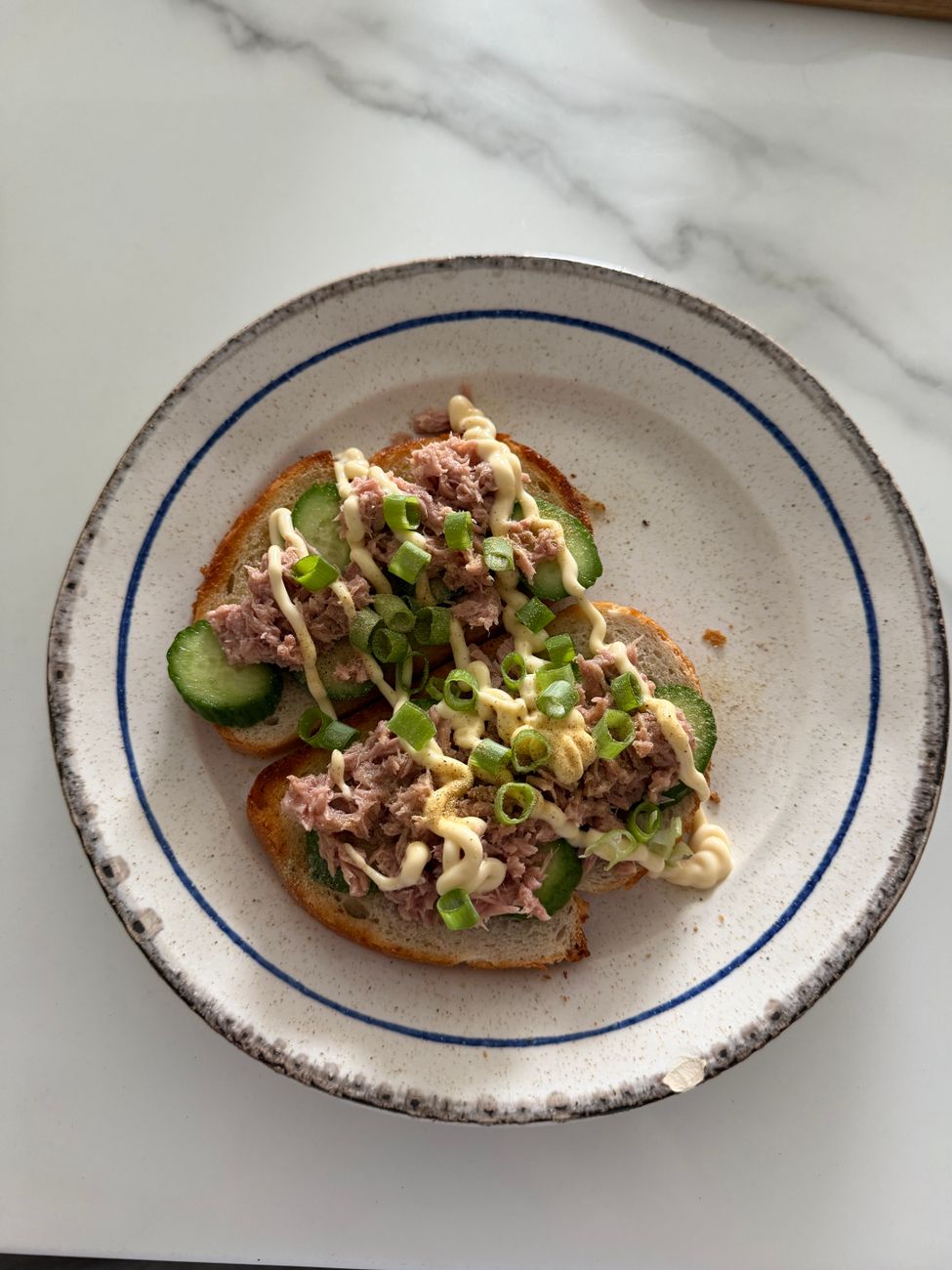
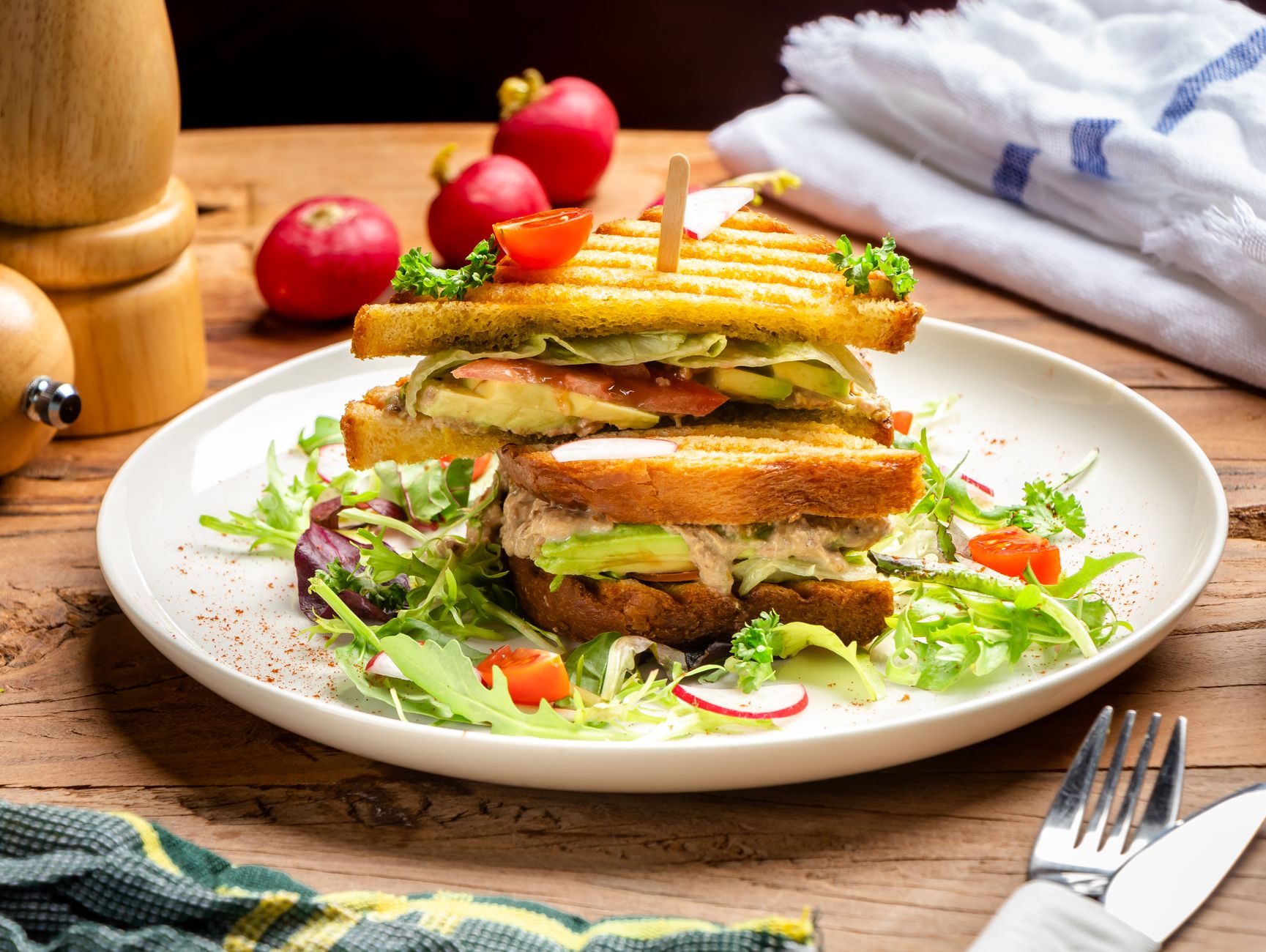
    A delicious tuna salad toast topped with cucumber and mayo

    Instructions

    1. Drain the tuna thoroughly, pressing out excess liquid.
    2. Combine the tuna with mayonnaise, relish, lemon juice, and celery if using.
    3. Season with salt and pepper, mixing gently to avoid over-breaking the tuna.
    4. Serve on bread, toasted for a tuna melt, or over greens.
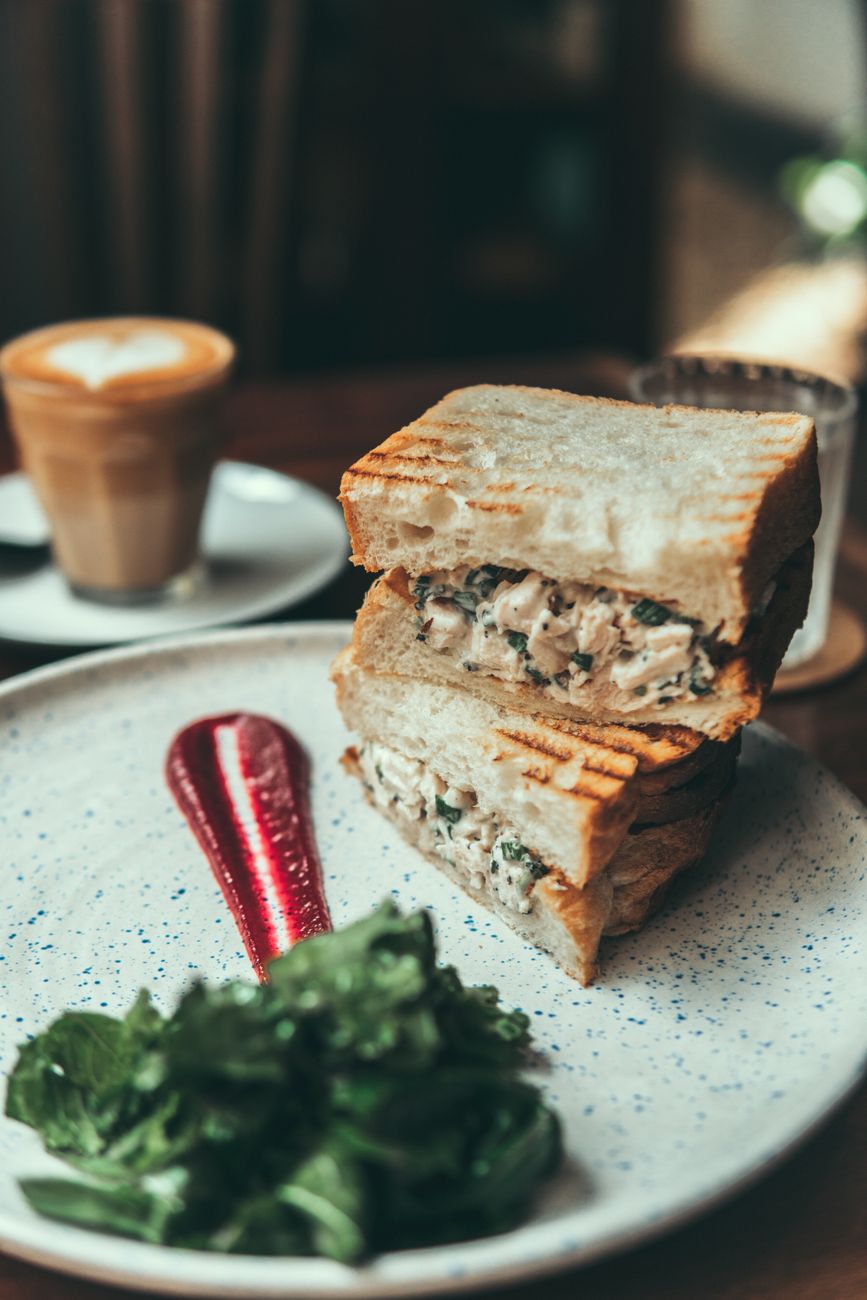
    A delicious toast topped with tuna fish and sauce on a table

    Why Draining Matters So Much

    Tuna packed in water holds onto a surprising amount of liquid even after opening the can, and that extra moisture is the single most common cause of watery, bland tuna salad. Pressing the tuna against the side of a strainer, or squeezing it in a clean towel, removes far more liquid than simply tipping the can over the sink.
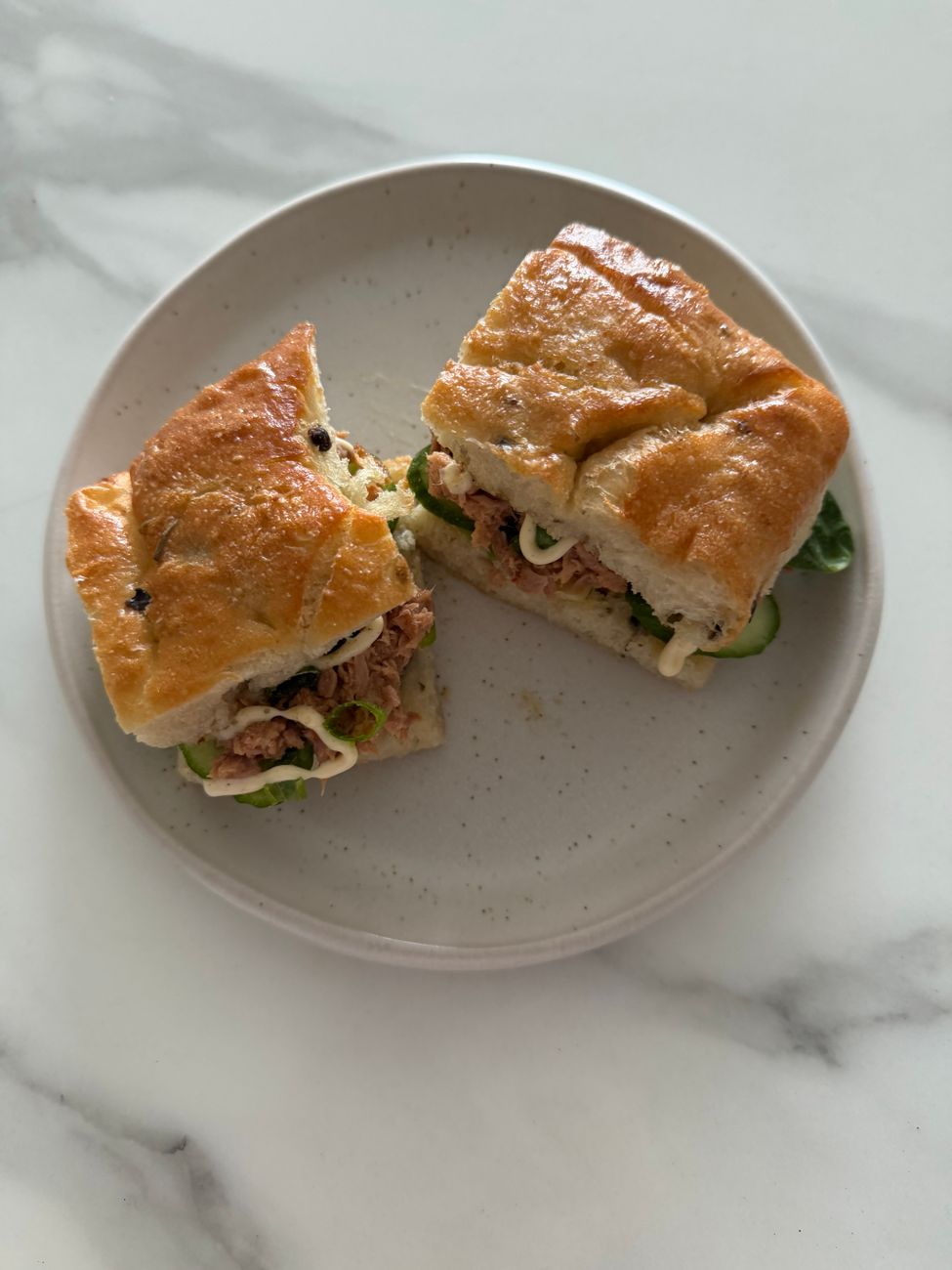
    A delicious tuna sandwich made on fresh focaccia bread

    Choosing Between Chunk and Solid Tuna

    Chunk light tuna is the most common and budget-friendly choice for tuna salad, while solid or albacore tuna offers a firmer texture and milder flavor at a higher price — both work fine for this recipe, so the choice mostly comes down to preference and budget.

    Turning It Into a Tuna Melt

    Topping an open-faced tuna salad sandwich with cheese and broiling it briefly until melted and lightly browned turns the same base recipe into a tuna melt — a warm variation that works well alongside a side of crispy fries.
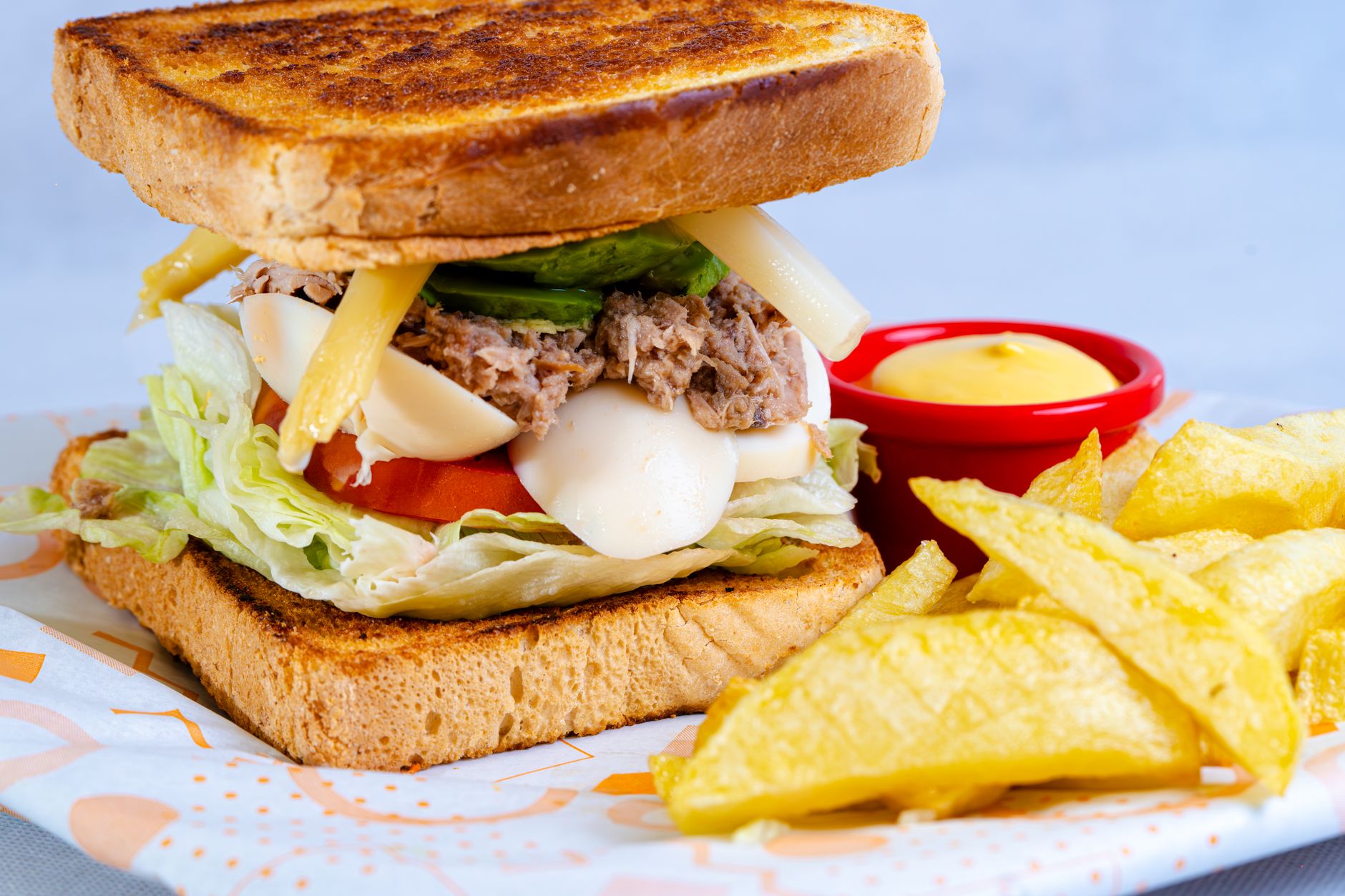
    A sandwich with cheese, lettuce, and tomato served with fries

    Frequently Asked Questions

    Why is my tuna salad watery?

    The tuna likely wasn’t drained thoroughly enough; pressing out excess liquid before mixing makes a significant difference.

    What’s the difference between tuna salad and a tuna melt?

    A tuna melt is tuna salad topped with cheese and broiled until melted; plain tuna salad is typically served cold.

    Should I use tuna packed in water or oil?

    Either works, though oil-packed tuna has a richer flavor; water-packed is more common for a lighter result.

    How long does tuna salad keep in the refrigerator?

    About 3 to 4 days, kept properly chilled.

    What pairs well with a tuna salad sandwich?

    Crispy fries or a simple side salad are classic pairings; see our crispy French fries guide.

    Can I use fresh cooked tuna instead of canned?

    Yes — flaked leftover grilled or baked tuna works well, though canned tuna remains the more common, convenient choice.

    Should I flake the tuna finely or leave it chunky?

    Either works; a light touch that leaves some larger flakes intact gives a better texture than mashing it completely smooth.

    Want another pantry-friendly sandwich? See our egg salad sandwich recipe.

    For more seafood salad tips, see EatingWell.
  • Chicken Salad Sandwich Recipe

    Chicken Salad Sandwich Recipe

    Chicken salad is a genuinely practical way to use leftover or rotisserie chicken, turning already-cooked meat into a completely different meal with just a handful of pantry ingredients.

    Here’s a classic recipe, along with a few variations worth trying.

    Unlike sandwich fillings built around raw or quick-cooked ingredients, chicken salad is entirely about what you do with meat that’s already fully cooked, which shifts the focus to seasoning and texture rather than technique.

    Ingredients

    • 2 cups cooked chicken, shredded or diced
    • ½ cup mayonnaise
    • 1 stalk celery, finely diced
    • 2 tablespoons diced red onion
    • 1 teaspoon lemon juice
    • Salt and pepper to taste
    • Bread, croissant, or lettuce wrap, for serving
    A grilled chicken sandwich served with a side of fresh salad

    Instructions

    1. Combine the shredded chicken, mayonnaise, celery, onion, and lemon juice in a bowl.
    2. Season with salt and pepper, and mix until evenly combined.
    3. Refrigerate for at least 20 minutes to let the flavors meld.
    4. Serve on bread, in a croissant, or wrapped in lettuce for a lower-carb option.
    A grilled chicken sandwich plated with a fresh salad side

    Using Rotisserie Chicken

    A store-bought rotisserie chicken is one of the fastest starting points for this recipe, since the meat is already cooked and seasoned. One rotisserie chicken typically yields enough shredded meat for 2 to 3 batches of chicken salad, making it an efficient option for meal prep.

    A sandwich and salad served together on a wooden cutting board

    Why Rotisserie Chicken Works So Well Here

    Rotisserie chicken is already well-seasoned and moist from roasting, which gives chicken salad more flavor from the start compared to boiling or poaching plain chicken breast specifically for this recipe.

    Variations Worth Trying

    • Adding halved grapes and a handful of chopped pecans for a sweeter, crunchier version.
    • Swapping in Greek yogurt for half the mayonnaise for a lighter, tangier result.
    • Adding curry powder for a warmly spiced variation.
    A sandwich served on a plate with salad and fresh vegetables

    Frequently Asked Questions

    Can I use rotisserie chicken for this recipe?

    Yes — it’s one of the fastest options, since the chicken is already cooked; one rotisserie chicken yields enough for 2 to 3 batches.

    How long does chicken salad keep in the refrigerator?

    About 3 to 4 days, kept properly chilled the entire time.

    What can I add for a sweeter chicken salad?

    Halved grapes and chopped pecans are a classic addition for sweetness and crunch.

    Can I make chicken salad with Greek yogurt instead of mayonnaise?

    Yes — substituting half or all of the mayonnaise with Greek yogurt makes a lighter, tangier version.

    What bread works best for a chicken salad sandwich?

    A soft roll, a croissant, or a sturdier wheat bread all work, depending on preference; see our bread guide for more options.

    Should chicken be diced or shredded for chicken salad?

    Either works; shredding gives a softer, more uniform texture, while dicing gives more distinct bites of chicken.

    How far ahead can I make chicken salad?

    It can be made up to a day in advance and often tastes better once the flavors have had time to meld overnight.

    Looking for another cold sandwich option? See our tuna salad sandwich tips.

    For more chicken salad variations, see Food Network.

  • Egg Salad Sandwich Recipe

    Egg Salad Sandwich Recipe

    Egg salad is one of the simplest sandwich fillings to make from scratch — hard-boiled eggs, mayonnaise, and a handful of seasonings — and it’s forgiving enough that small adjustments in ratio and texture make it entirely your own.

    Here’s a classic recipe, along with the details that separate a good version from a bland or watery one.

    Because it’s made almost entirely from just-cooked eggs and mayonnaise, getting the egg-cooking step right matters more here than in almost any other sandwich filling.

    It’s also a genuinely economical sandwich filling, since a dozen eggs cost far less than most deli meats while still providing a filling, protein-rich lunch.

    Ingredients

    • 6 hard-boiled eggs, peeled and chopped
    • ⅓ cup mayonnaise
    • 1 teaspoon yellow mustard
    • 2 tablespoons finely diced celery
    • 1 tablespoon finely diced red onion (optional)
    • Salt and pepper to taste
    • Bread or a croissant, for serving
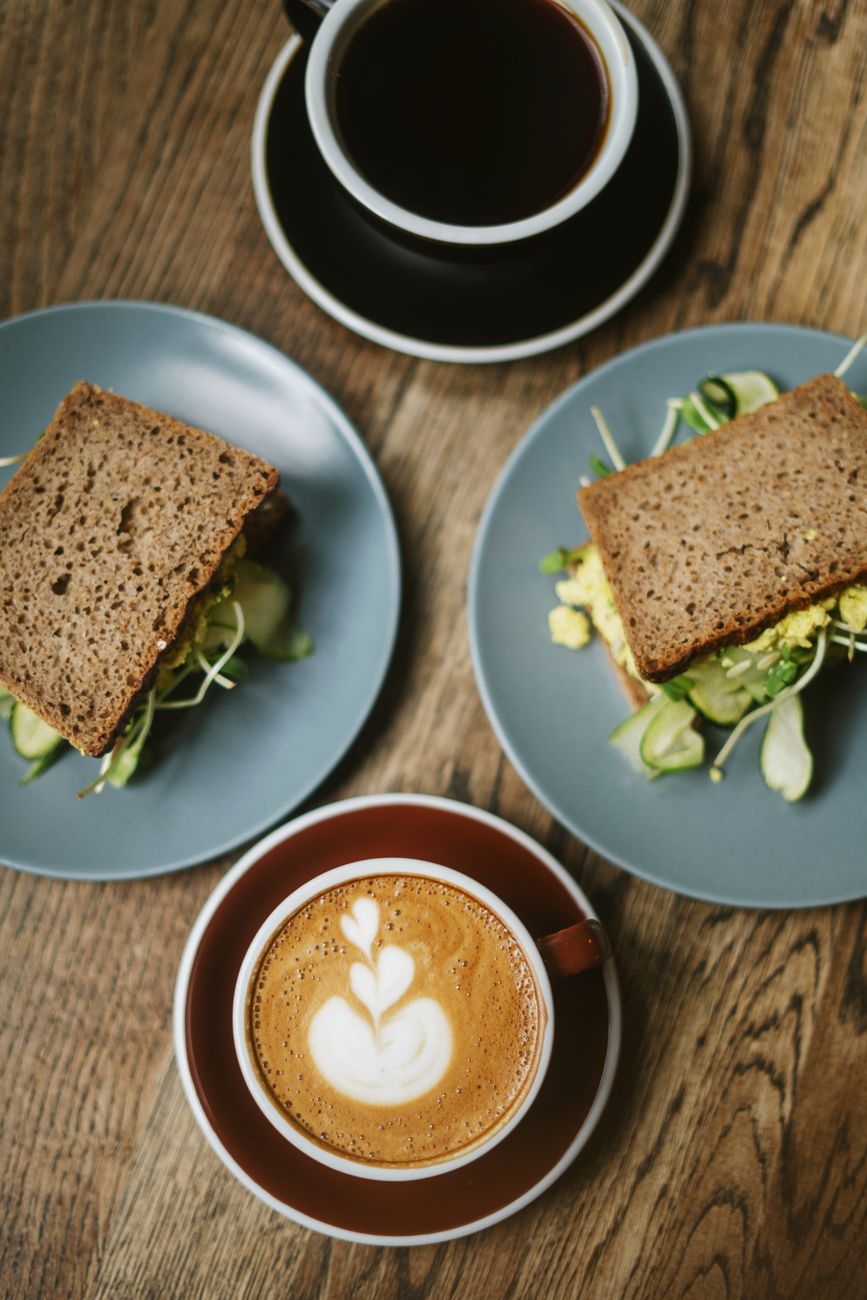
    A breakfast spread with coffee and freshly made sandwiches

    Instructions

    1. Chop the hard-boiled eggs to your preferred texture, chunky or fine.
    2. Combine the eggs with mayonnaise, mustard, celery, and onion if using.
    3. Season with salt and pepper, and stir gently until just combined.
    4. Refrigerate for at least 15 minutes before serving so the flavors meld.
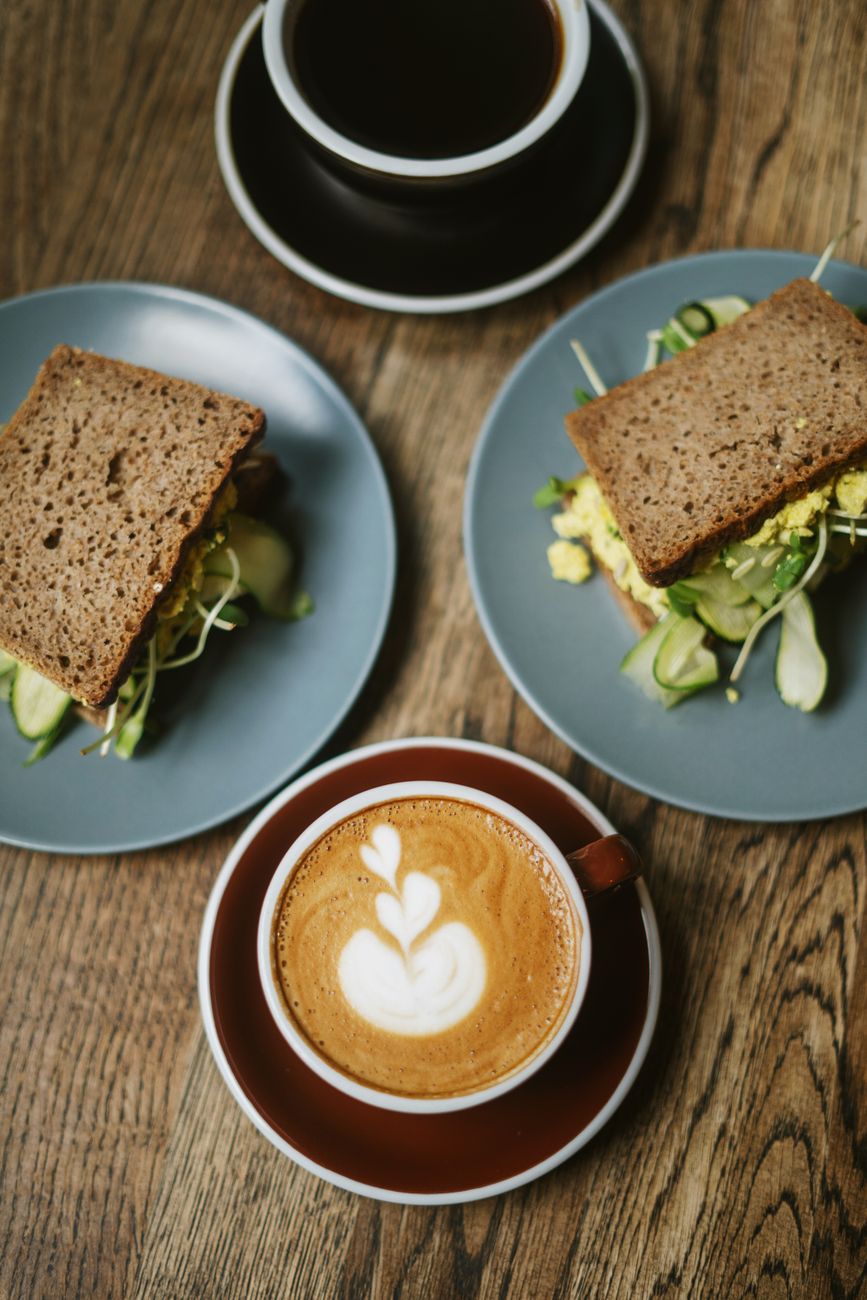
    A plate of healthy sandwiches served alongside a cup of coffee

    Getting the Eggs Right

    Overcooked eggs develop a greenish ring around the yolk and a slightly sulfurous smell — both avoidable by cooking eggs just until set rather than boiling them longer than necessary, then cooling them quickly in an ice bath to stop the cooking process.

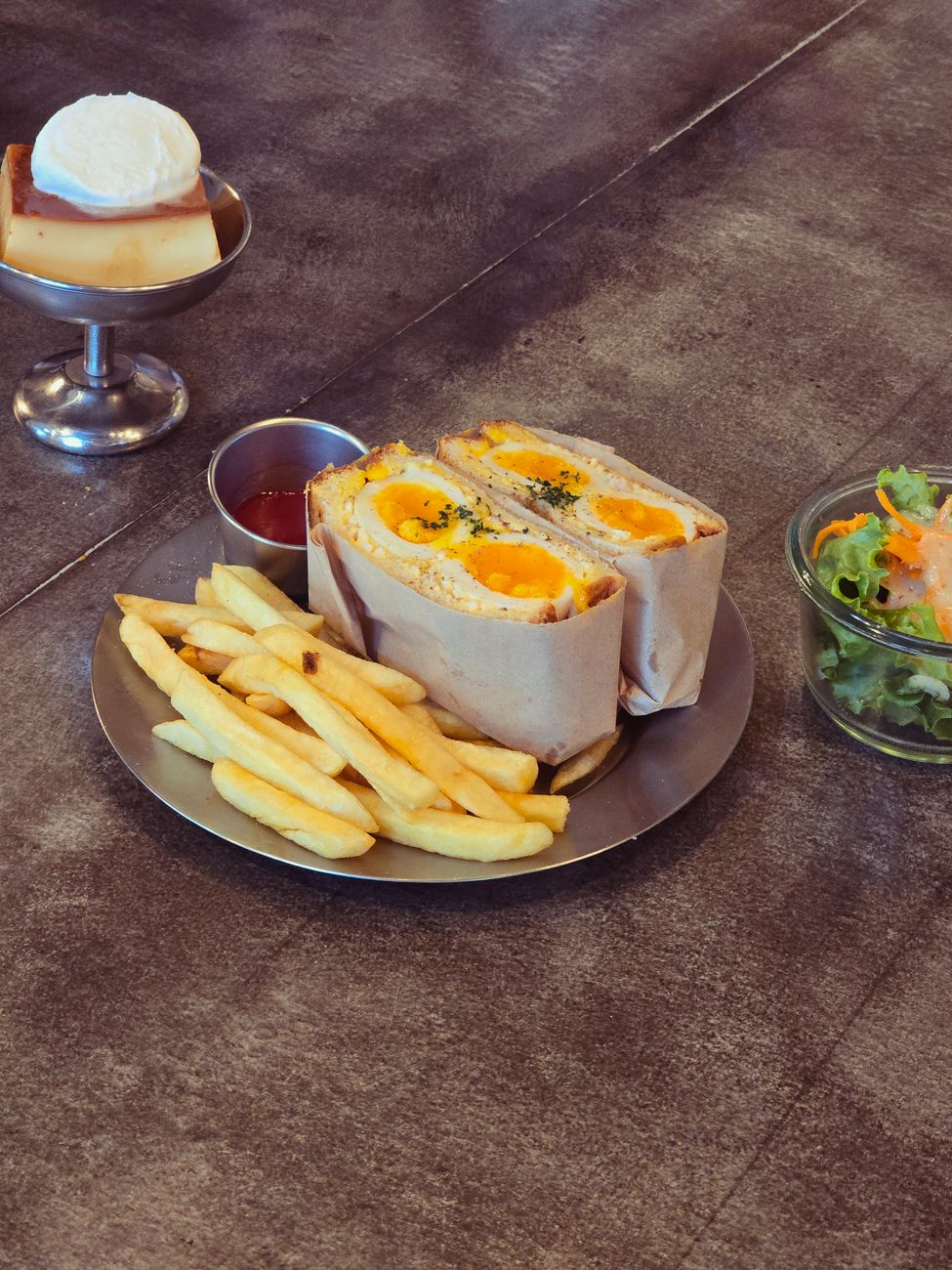
    A delicious sandwich meal served with fries and a side dessert

    Food Safety Notes

    Because egg salad contains mayonnaise and cooked eggs, it should be kept refrigerated and eaten within 3 to 4 days. On a road trip or picnic, treat it the same as any other perishable filling — keep it cold in a properly packed cooler rather than leaving it at room temperature for extended periods.

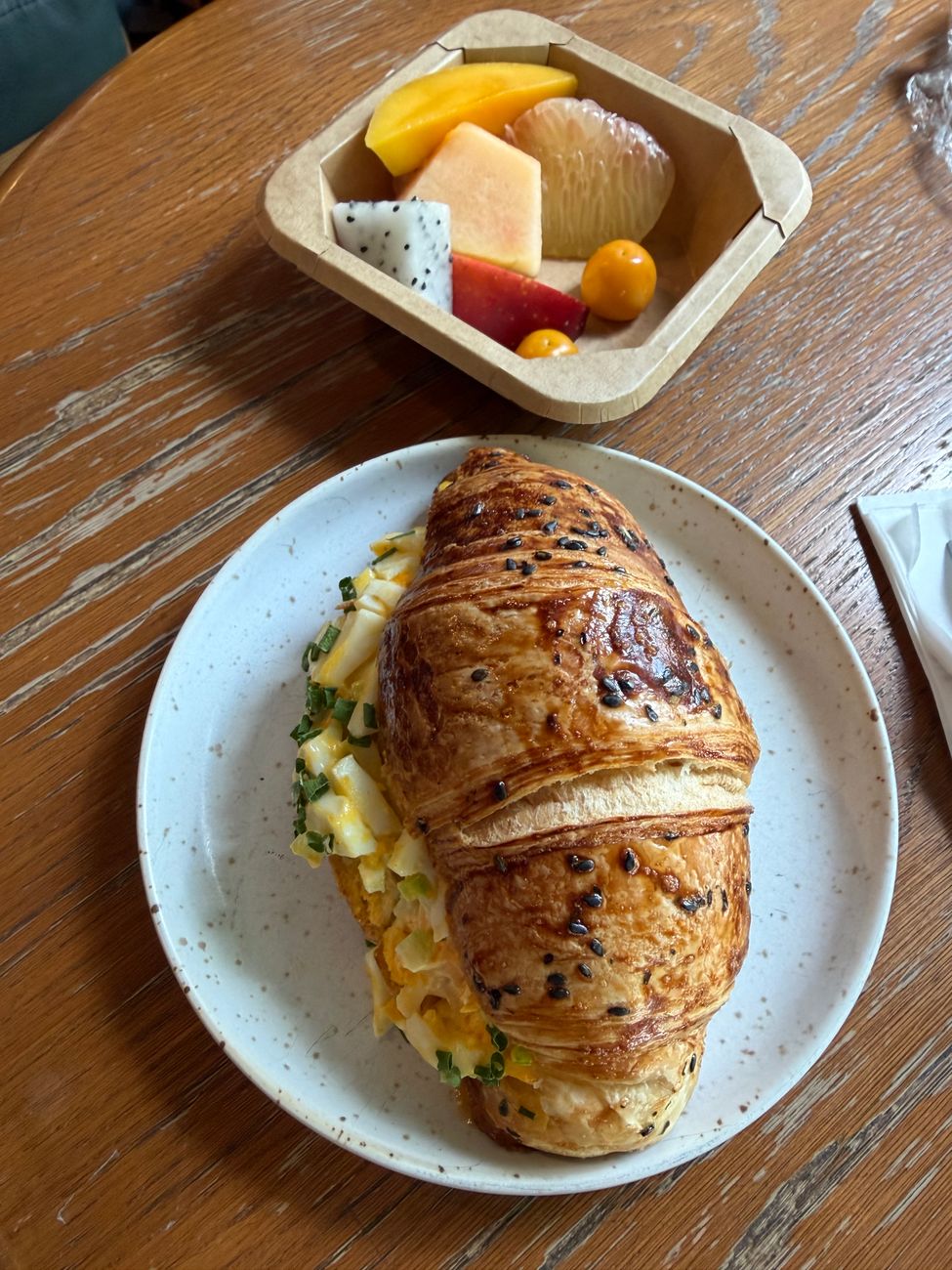
    A croissant sandwich served with a side of fresh fruit

    Frequently Asked Questions

    How do I avoid a greenish ring on hard-boiled eggs?

    Cook the eggs just until set and cool them quickly in an ice bath rather than overcooking them.

    How long does egg salad keep in the refrigerator?

    About 3 to 4 days, kept cold the entire time.

    What bread works best for an egg salad sandwich?

    A soft white or wheat bread is classic, though a croissant, similar to our breakfast croissant sandwich, also works well.

    Can I add other ingredients to egg salad?

    Yes — paprika, dill, or chives are common additions that don’t change the basic method.

    Is egg salad safe to pack for a road trip?

    Yes, as long as it stays properly chilled; see our guide to packing a cooler for more detail.

    Can I use an egg slicer to speed up chopping?

    Yes — running peeled eggs through an egg slicer twice, at a right angle each time, produces an evenly diced texture quickly.

    Why does my egg salad taste bland?

    It likely needs more salt or an acidic element like mustard or lemon juice, both of which sharpen the overall flavor.

    Want another simple sandwich filling? See our chipotle mayo recipe and uses.

    For food safety guidance on egg dishes, see Allrecipes.

  • Monte Cristo Sandwich: History and Recipe

    Monte Cristo Sandwich: History and Recipe

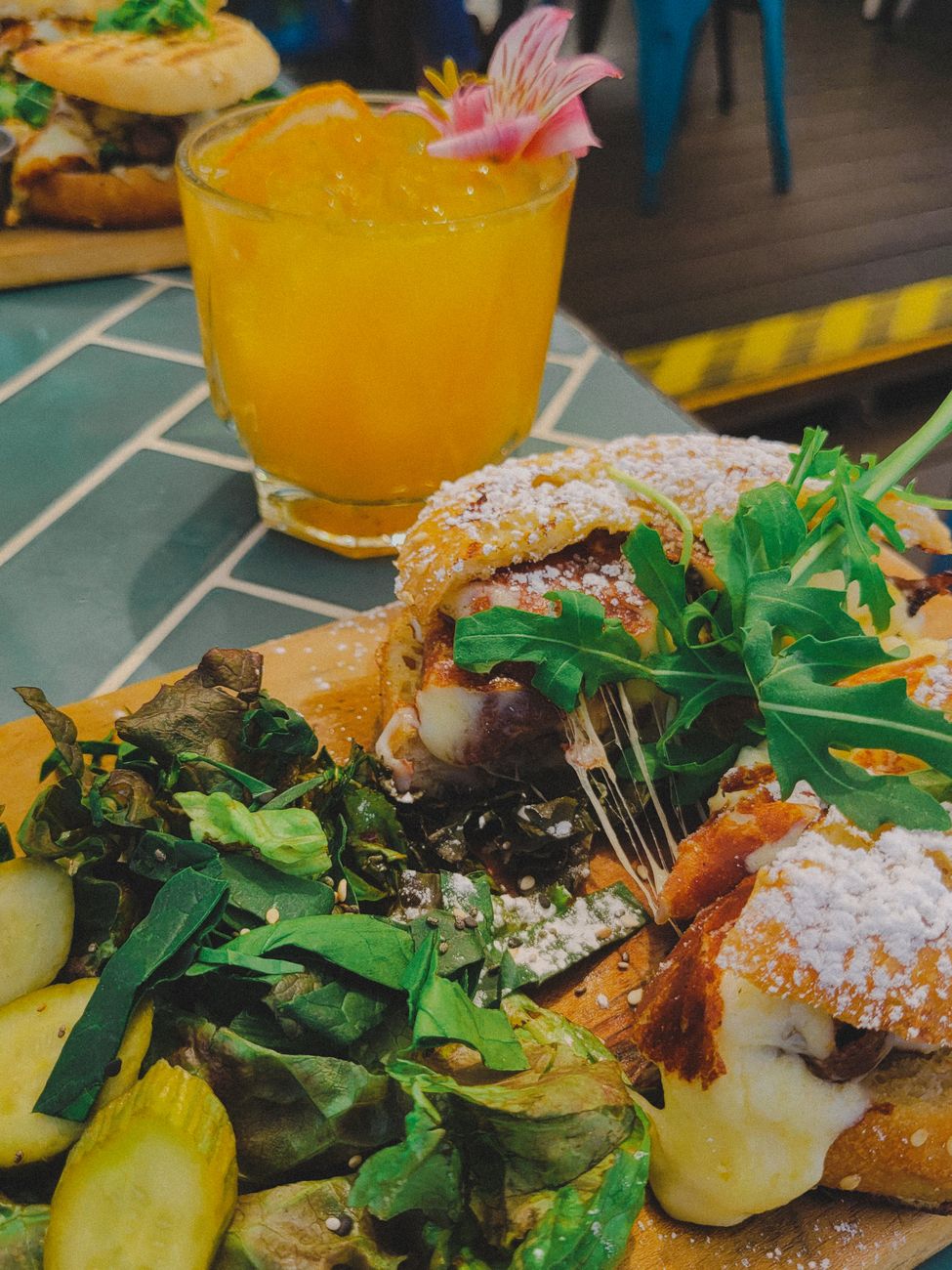
    The Monte Cristo is a ham-and-cheese sandwich dipped in egg batter, fried like French toast, and often finished with a dusting of powdered sugar and a side of jam — an unusual sweet-savory combination with real roots in French cuisine.

    Here’s where it came from and how to make one at home.

    Few sandwiches cross so clearly between breakfast and dessert territory, which is exactly what makes the Monte Cristo memorable rather than just another variation on a grilled cheese.

    French Origins: The Croque Monsieur Connection

    The Monte Cristo is widely considered an American variation on the French croque monsieur, a grilled ham-and-cheese sandwich that dates back to early 20th-century Paris cafes. American versions added the egg-battered, fried preparation and the sweet toppings, moving it further from its savory French relative.

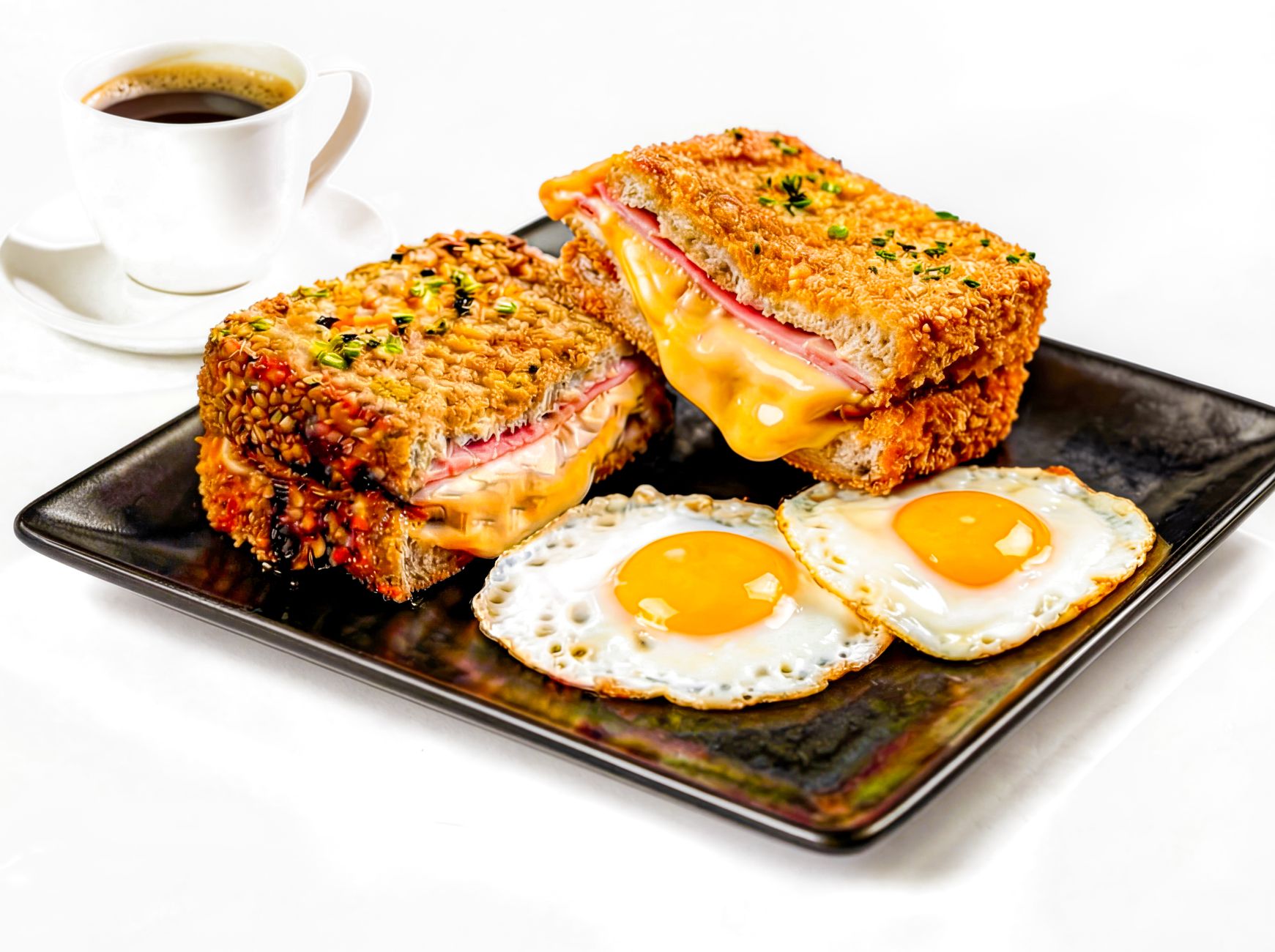
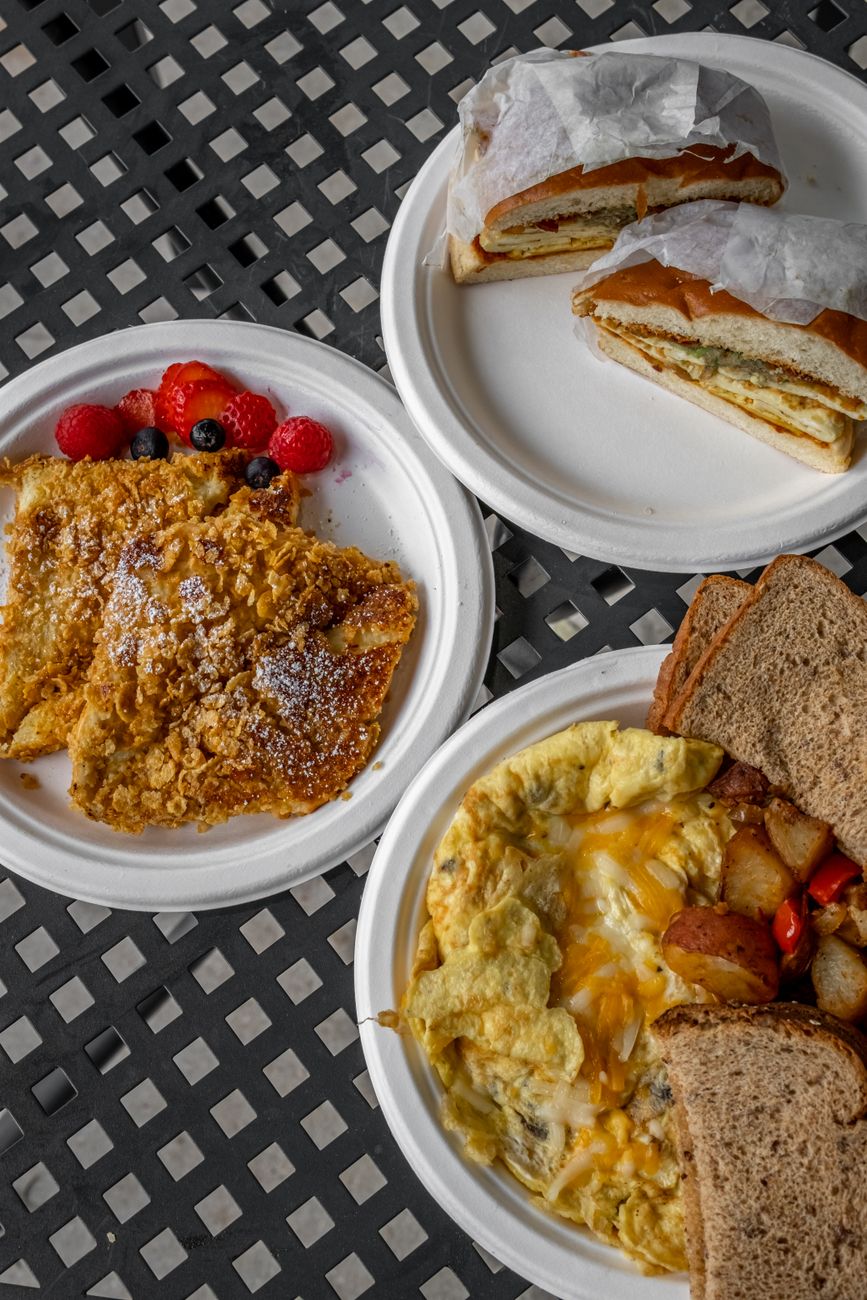
    A delicious croque monsieur sandwich served with eggs for breakfast

    A Sandwich Built Around Contrast

    Part of what makes the Monte Cristo memorable is the contrast between its savory filling and sweet finishing touches, a combination that either surprises first-time eaters or becomes an instant favorite, with not much middle ground reported between the two reactions.

    Popularized in America

    The Monte Cristo became especially associated with American diners and Southern California restaurants in the mid-20th century, including Disneyland’s Blue Bayou restaurant, where it remains a well-known menu item. Its French-toast-like preparation made it a natural fit for brunch menus specifically.

    A delicious sandwich split in half, served on a wooden board

    Ingredients

    • 8 slices sandwich bread
    • 4 slices ham
    • 4 slices turkey
    • 4 slices Swiss cheese
    • 2 eggs
    • ¼ cup milk
    • Butter for frying
    • Powdered sugar and jam, for serving
    A spread of hearty breakfast meals arranged on a table

    Instructions

    1. Assemble sandwiches with ham, turkey, and Swiss cheese between two slices of bread.
    2. Whisk the eggs and milk together in a shallow dish.
    3. Dip each sandwich in the egg mixture, coating both sides.
    4. Fry in butter over medium heat until golden brown on both sides and the cheese has melted.
    5. Dust with powdered sugar and serve with jam on the side.
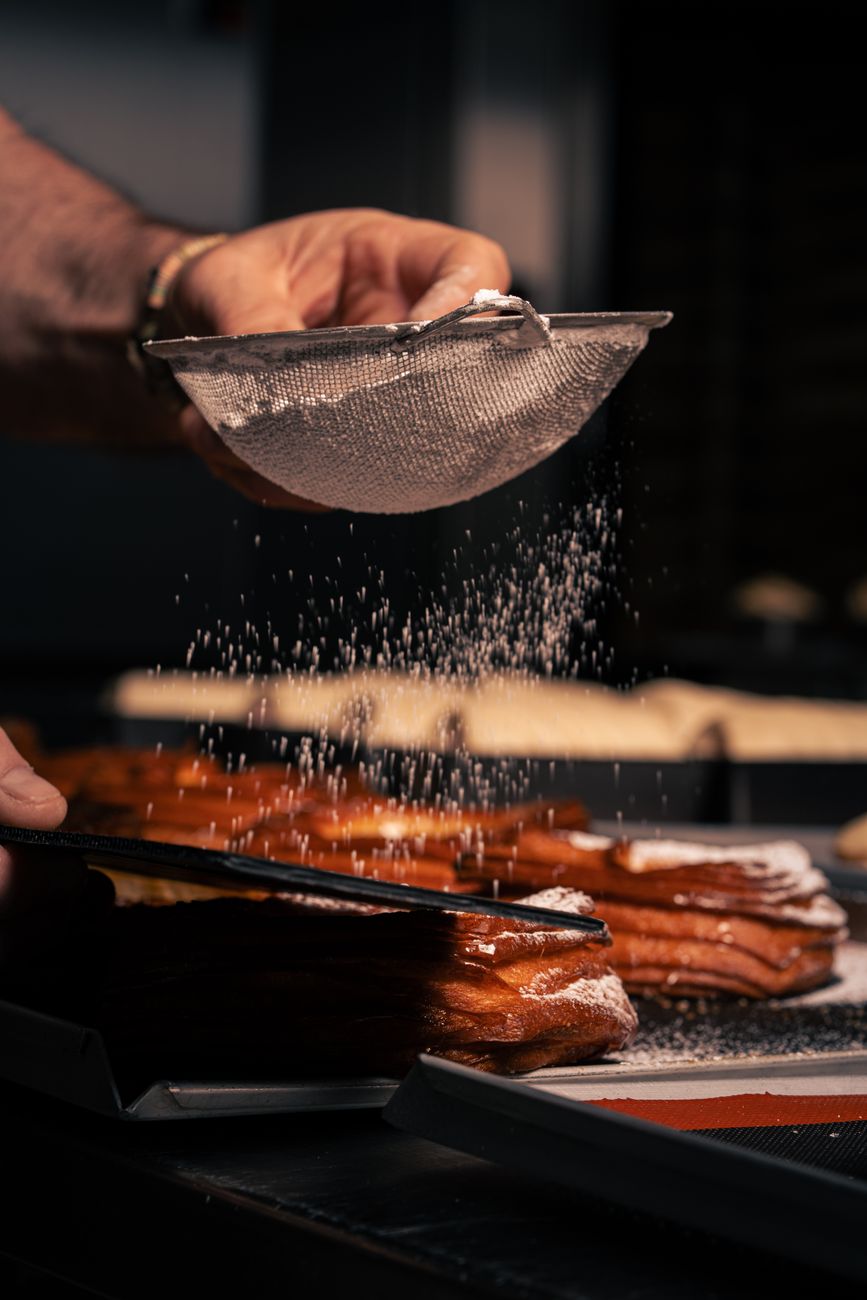
    A chef dusting powdered sugar over a pastry in the kitchen

    Frequently Asked Questions

    Is the Monte Cristo French or American?

    It’s an American adaptation of the French croque monsieur, with the egg-battered frying method and sweet toppings added in the U.S.

    Why is it dusted with powdered sugar?

    The sweet topping plays off the fried, French-toast-like preparation, giving the sandwich its characteristic sweet-and-savory contrast.

    What meats go into a Monte Cristo?

    Ham and turkey are standard, layered with Swiss cheese, though variations exist.

    Where is the Monte Cristo well known today?

    It’s particularly associated with Southern California, including Disneyland’s Blue Bayou restaurant, where it has been a long-running menu item.

    Can I make a Monte Cristo without frying it in butter?

    Butter gives the best flavor and browning, though a well-greased nonstick pan can work as a lighter alternative.

    Is a Monte Cristo the same as French toast?

    Not quite — it uses the same egg-dipping and frying technique as French toast, but with a savory ham-and-cheese filling inside.

    Can I bake a Monte Cristo instead of frying it?

    Yes, though frying gives the more traditional golden, crisp exterior that this sandwich is known for.

    Want the classic breakfast sandwich instead? See our breakfast croissant sandwich recipe.

    For more on this sandwich’s French roots, see Food Network.

  • Muffuletta Sandwich: History and Recipe

    Muffuletta Sandwich: History and Recipe

    The muffuletta is a round, olive-salad-topped sandwich that’s genuinely a New Orleans invention, credited to a specific Sicilian immigrant family and a specific store that’s still open today.

    Here’s the documented history behind it, and a recipe for building one at home.

    Because so many New Orleans food traditions blend multiple immigrant influences, the muffuletta stands out as one with a fairly clear, single point of origin rather than several competing stories.

    Central Grocery and the Sicilian Connection

    The muffuletta is credited to Central Grocery, a store opened by Sicilian immigrant Salvatore Lupo in the French Quarter in 1906. The story goes that Sicilian farmers and laborers frequenting the store would buy bread, meats, cheese, and olive salad separately and eat them standing at the counter; Lupo is said to have combined it all into a single round sandwich for convenience.

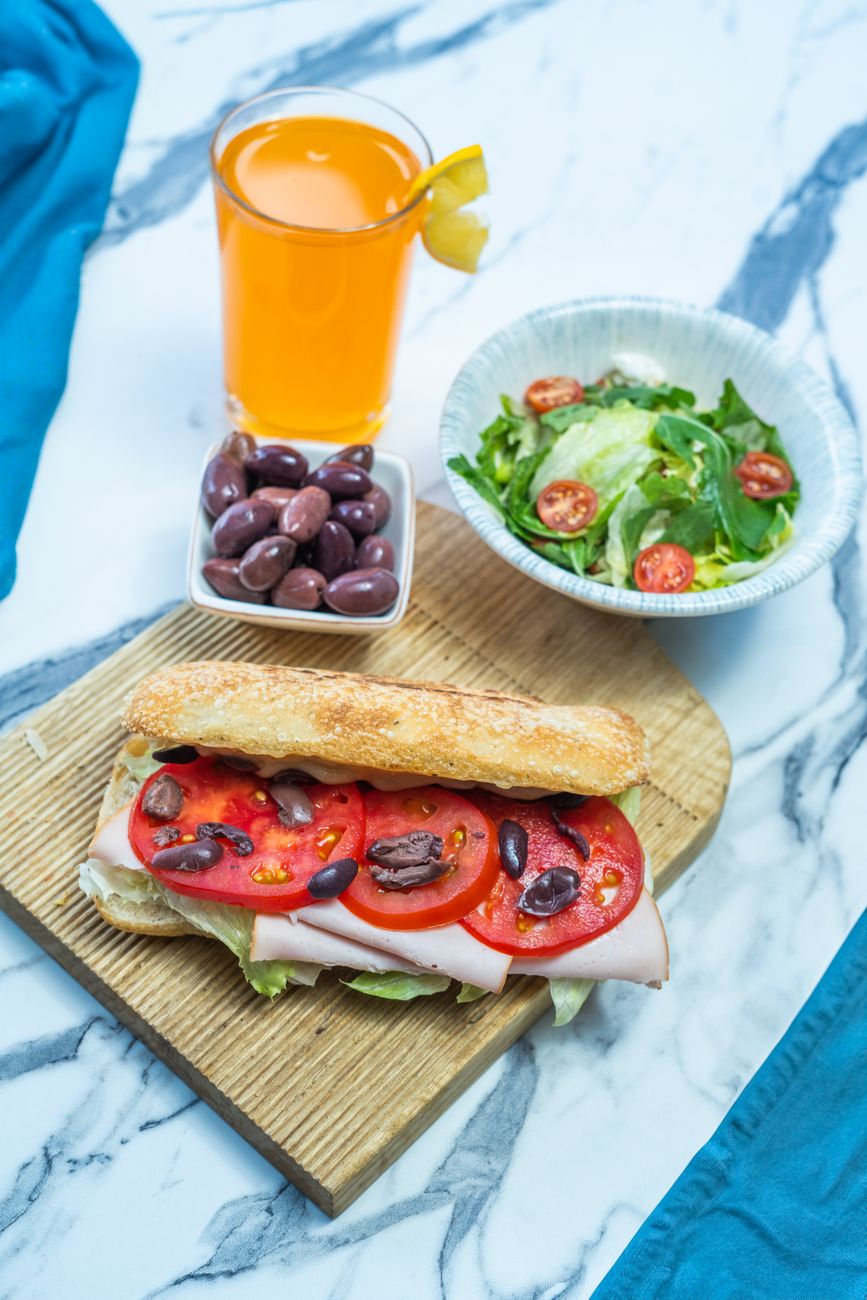
    A close-up of an Italian sandwich layered with fresh tomatoes

    The Olive Salad Is the Point

    What separates a muffuletta from other Italian-style sandwiches is the olive salad — a chopped mix of olives, celery, cauliflower, carrots, and herbs in olive oil, spread generously over the meats and cheese. Without it, the sandwich is just cold cuts on round bread; with it, the sandwich takes on the tangy, briny character that defines it.

    A gourmet Italian sandwich served on a rustic round loaf

    Ingredients

    • 1 round Italian or muffuletta loaf
    • ¼ lb salami
    • ¼ lb ham
    • ¼ lb provolone
    • 1 cup olive salad (green and black olives, celery, carrots, cauliflower, herbs, olive oil)
    Sliced bread topped with ham and egg on a black plate

    Instructions

    1. Slice the round loaf in half horizontally.
    2. Spread a generous layer of olive salad on both cut sides.
    3. Layer the salami, ham, and provolone.
    4. Close the sandwich, wrap tightly, and let it rest for at least 30 minutes so the oil soaks into the bread before slicing into wedges.
    A colorful picnic spread featuring fresh sandwich ingredients

    Frequently Asked Questions

    Who invented the muffuletta?

    Salvatore Lupo, a Sicilian immigrant who opened Central Grocery in New Orleans in 1906, is credited with combining the sandwich’s ingredients into one item.

    What makes the olive salad important?

    It gives the sandwich its distinctive tangy, briny flavor; without it, the sandwich is closer to a standard Italian cold-cut sandwich.

    Should a muffuletta be eaten right away?

    Many recipes recommend letting it rest wrapped for at least 30 minutes so the olive oil soaks into the bread before slicing.

    Is Central Grocery still open?

    Yes — it continues to operate in the French Quarter and still serves the sandwich today.

    How is a muffuletta different from other deli sandwiches?

    Its round shape, olive salad, and rest-before-serving method set it apart from a typical layered deli sandwich like a cold-cut sandwich.

    Can I make olive salad ahead of time?

    Yes — it actually improves after a day or two in the refrigerator as the flavors meld together.

    Is a muffuletta served hot or cold?

    Traditionally cold or at room temperature, though some versions are warmed briefly to melt the cheese slightly.

    Want to see how it compares to other deli meats? See our deli meats and cold cuts guide.

    For more on this sandwich’s New Orleans roots, see NOLA.com.

  • Cuban Sandwich: History and Recipe

    Cuban Sandwich: History and Recipe

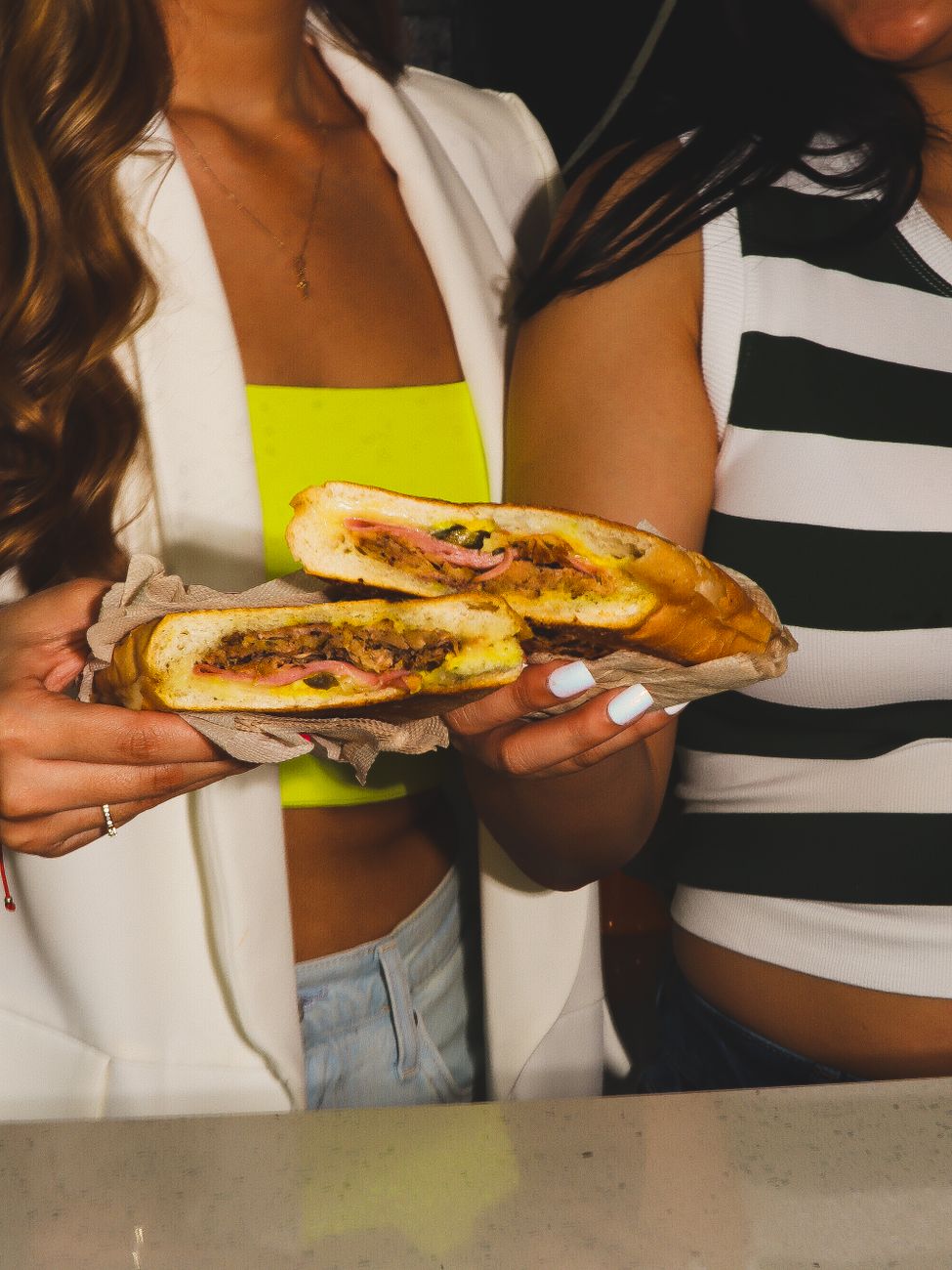
    The Cuban sandwich — roast pork, ham, Swiss cheese, pickles, and mustard, pressed on Cuban bread — is a genuine product of Florida’s Cuban immigrant communities, with a friendly rivalry over its exact birthplace that’s still debated today.

    Here’s the real history behind it, along with a recipe for making one at home.

    Both cities take real pride in their version, and the rivalry itself has become part of the sandwich’s story, much like other regional food debates across the country.

    Tampa or Key West?

    Both Tampa’s Ybor City neighborhood and Key West claim the Cuban sandwich as their own, tied to the cigar factory workers and Cuban immigrant communities that settled in both cities in the late 1800s and early 1900s. The sandwich likely developed independently in both places around the same period, drawing on the same Cuban and Spanish immigrant food traditions.

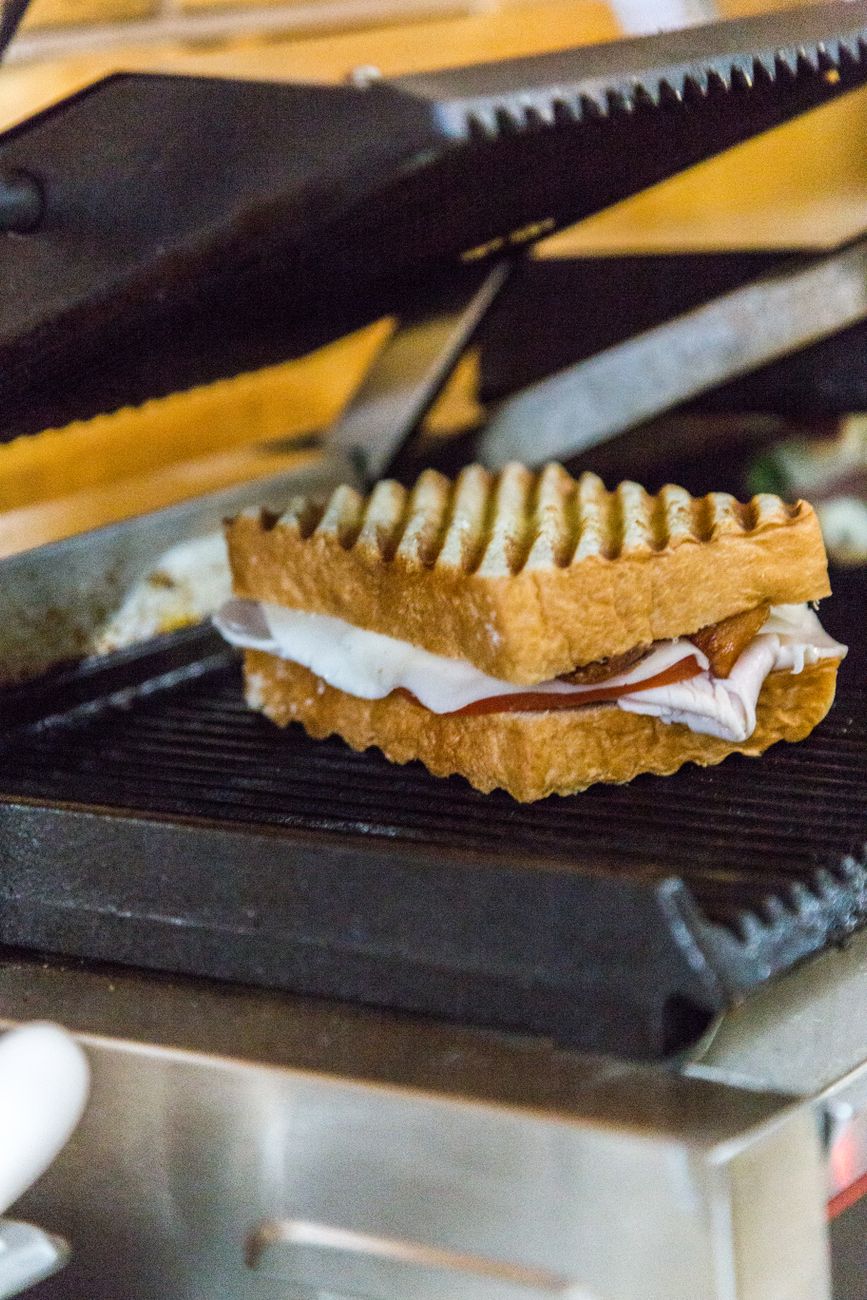
    A pressed sandwich cooking on a hot electric griddle

    Not the Same as a Standard Deli Sandwich

    Because it’s grilled rather than served cold, a Cuban sandwich reads more like a hot panini than a typical deli sub, even though the layered meats-and-cheese structure is otherwise fairly similar to an Italian sub.

    Why It’s Pressed

    Pressing the sandwich under weight while it cooks melts the cheese and warms the meats through while giving the Cuban bread a flattened, crisped exterior — a defining textural feature that distinguishes it from an unpressed cold-cut sandwich.

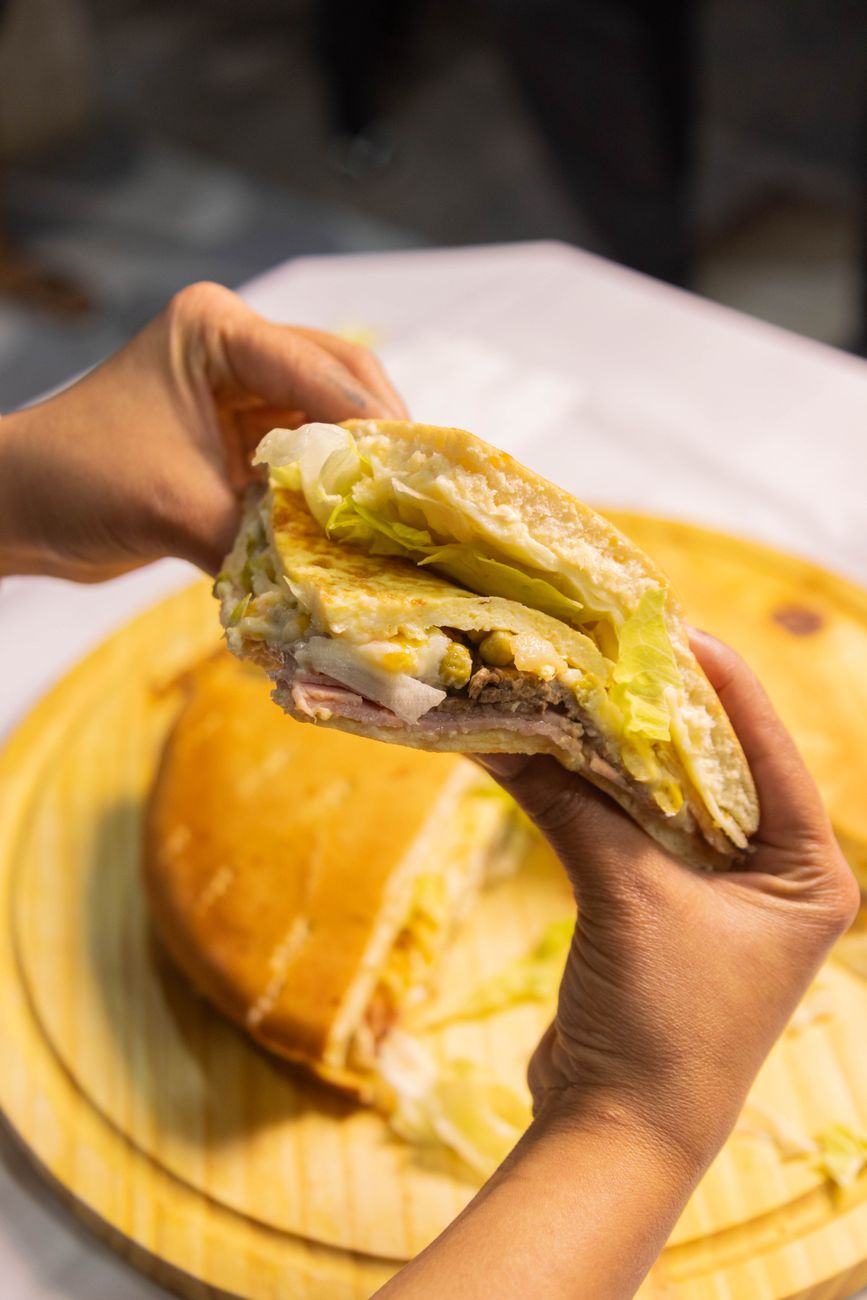
    A delicious sandwich filled with lettuce and savory meat

    Ingredients

    • 1 loaf Cuban bread or a soft Italian roll
    • ¼ lb roast pork, sliced
    • ¼ lb ham, sliced
    • 4 slices Swiss cheese
    • Dill pickle slices
    • Yellow mustard
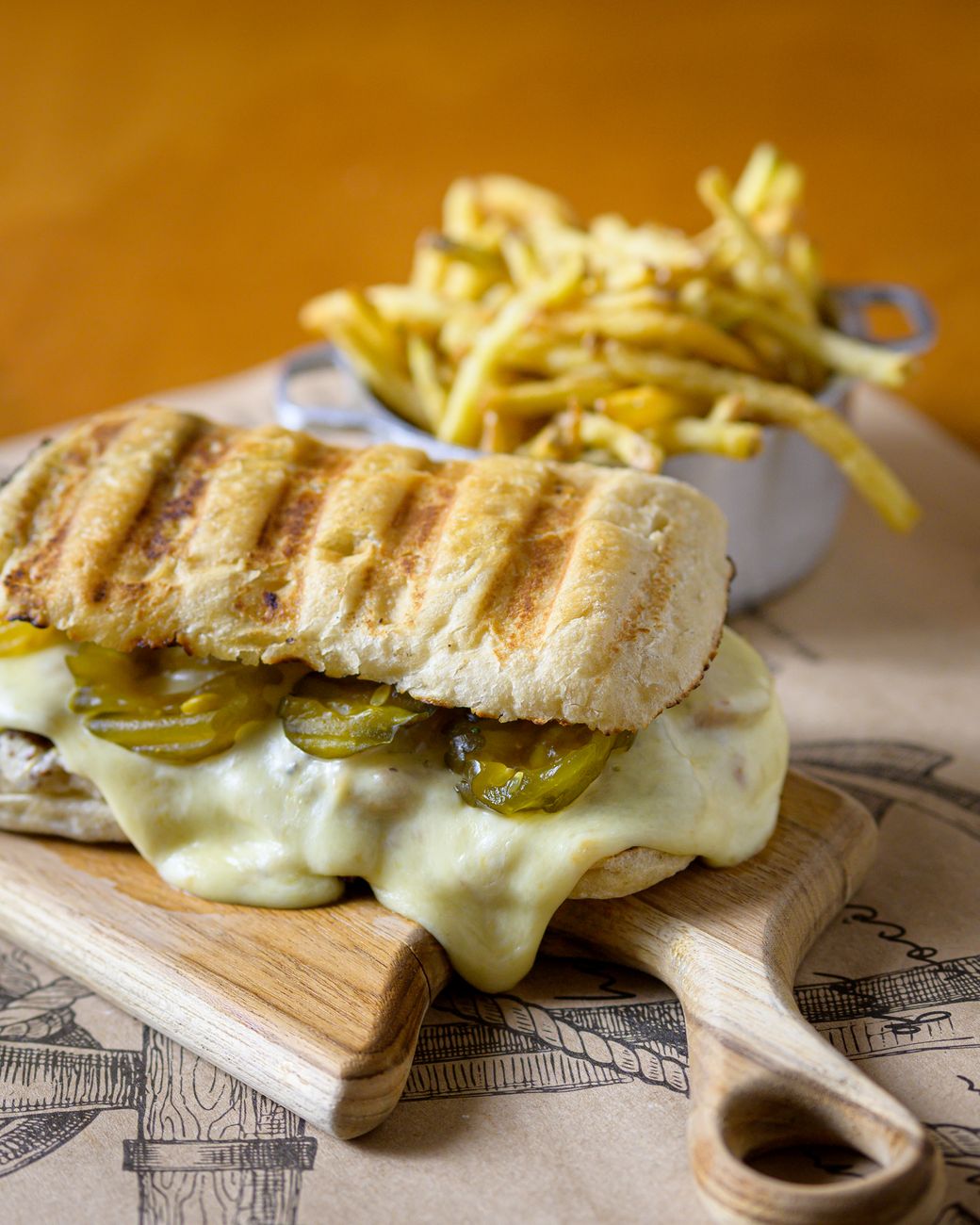
    A toasted sandwich filled with cucumber and melted cheese

    Instructions

    1. Split the bread and spread mustard on both cut sides.
    2. Layer the pork, ham, Swiss cheese, and pickles.
    3. Close the sandwich and press it in a panini press or under a heavy skillet on a griddle.
    4. Cook until the bread is golden and crisp and the cheese has melted through.
    A close-up shot of freshly made sandwiches on a plate

    Frequently Asked Questions

    Where did the Cuban sandwich originate?

    Either Tampa’s Ybor City or Key West, Florida, both tied to Cuban cigar factory workers in the late 1800s and early 1900s; the exact origin is still disputed.

    What makes it different from an Italian sub?

    It’s pressed and grilled rather than served cold, and it uses a specific combination of roast pork, ham, Swiss, pickles, and mustard rather than deli meats and vinaigrette dressing, unlike an Italian sub.

    Does a Cuban sandwich have lettuce or tomato?

    No — the traditional version omits fresh vegetables, relying on the meats, cheese, pickles, and mustard for flavor.

    What bread should I use if I can’t find Cuban bread?

    A soft Italian or French roll makes a reasonable substitute, following the same guidance in our sandwich bread guide.

    Why is the sandwich pressed?

    Pressing melts the cheese, warms the meat through, and crisps the bread’s exterior, all at once.

    Can I make a Cuban sandwich without a panini press?

    Yes — a heavy skillet or another pan pressed on top while the sandwich cooks on a griddle works just as well.
    What kind of pickles go on a Cuban sandwich?

    Dill pickle slices are standard, adding the tang that balances the richer pork and ham.

    Want to compare it to another regional classic? See our Italian sub recipe guide.

    For more on this sandwich’s Florida origins, see Tasting Table.

  • French Dip Sandwich: History and Recipe

    French Dip Sandwich: History and Recipe

    The French Dip is a simple idea executed well: thin-sliced roast beef on a roll, served with a side of savory jus for dipping. Despite the name, it has no real connection to France — its actual origin story is entirely Los Angeles.

    Here’s where it came from, the rivalry over who invented it, and a recipe for making one at home.

    Understanding the dispute behind this sandwich is part of what makes it interesting — two real restaurants, both still operating, have made competing claims for over a century.

    Regardless of which story is more accurate, the sandwich itself has stayed remarkably consistent over the decades — a testament to how well a simple combination of roast beef, bread, and jus holds up compared to more elaborate sandwiches.

    The Los Angeles Origin Dispute

    Two Los Angeles restaurants, Philippe’s and Cole’s, both claim to have invented the French Dip in the early 1900s. Philippe’s tells a story of a French roll accidentally dropped into hot roasting pan drippings; Cole’s says a customer with sore gums asked for their roll dipped in au jus to soften it. Both restaurants still serve the sandwich today, and neither claim has been definitively settled.

    A hearty sandwich meal served on a wooden table

    Why “French” at All

    The most common explanation for the name is the French-style roll used to make it, rather than any connection to French cuisine or France itself. Some versions of the story tie the “French” name to the immigrant customer in the Cole’s account, though this detail varies by telling.

    A man holding a tray with a hearty sandwich meal

    Ingredients

    • 1 lb thin-sliced roast beef
    • 4 French rolls or hoagie rolls
    • 4 slices provolone (optional)
    • 2 cups beef broth
    • 1 tablespoon Worcestershire sauce
    • 1 small onion, thinly sliced
    • Salt and pepper to taste
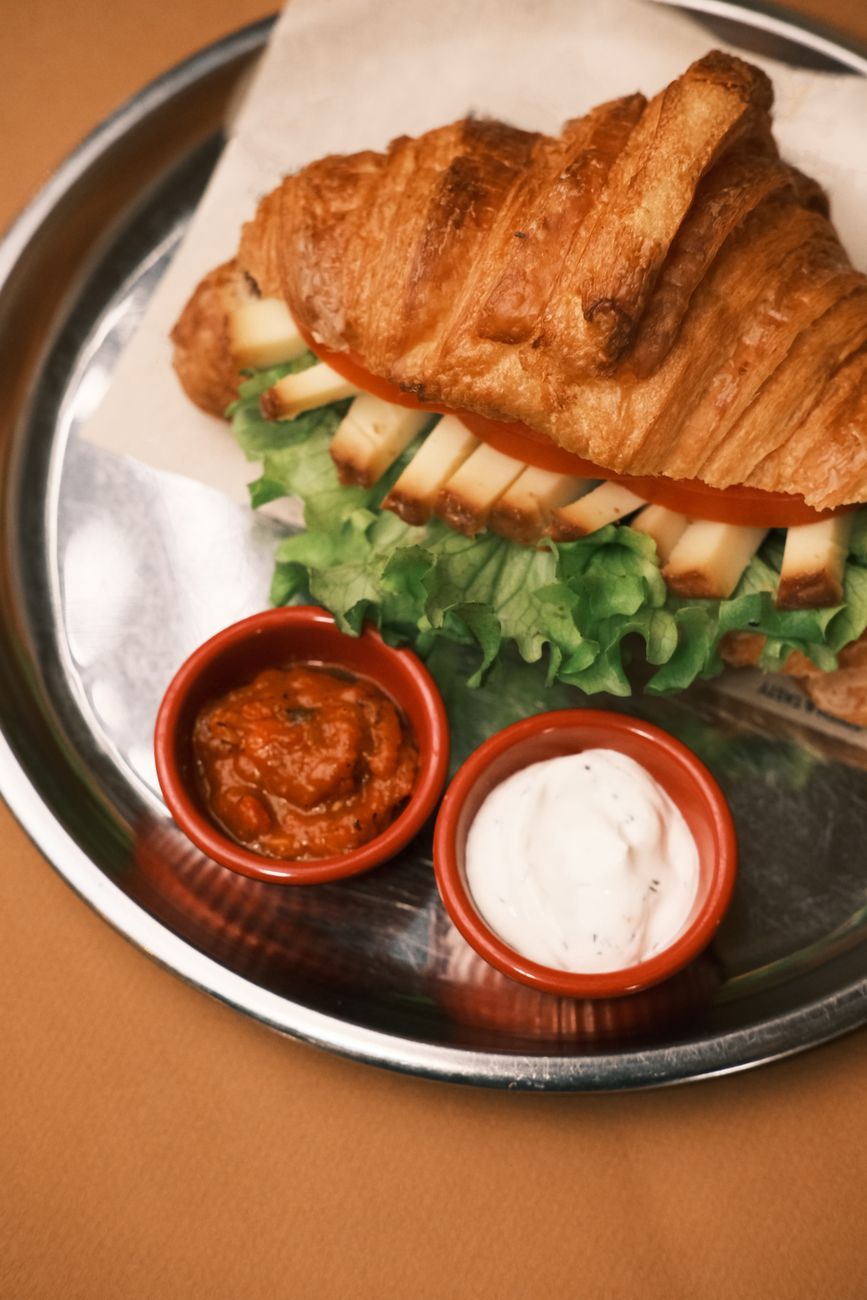
    A delicious croissant sandwich served with a side of dipping sauce

    Instructions

    1. Simmer the beef broth with Worcestershire sauce and sliced onion for 15 minutes to build the jus.
    2. Warm the roast beef gently in a portion of the jus so it doesn’t dry out.
    3. Pile the beef onto split rolls, adding provolone if using, and melt briefly under a broiler.
    4. Serve each sandwich with a small cup of the remaining jus for dipping.
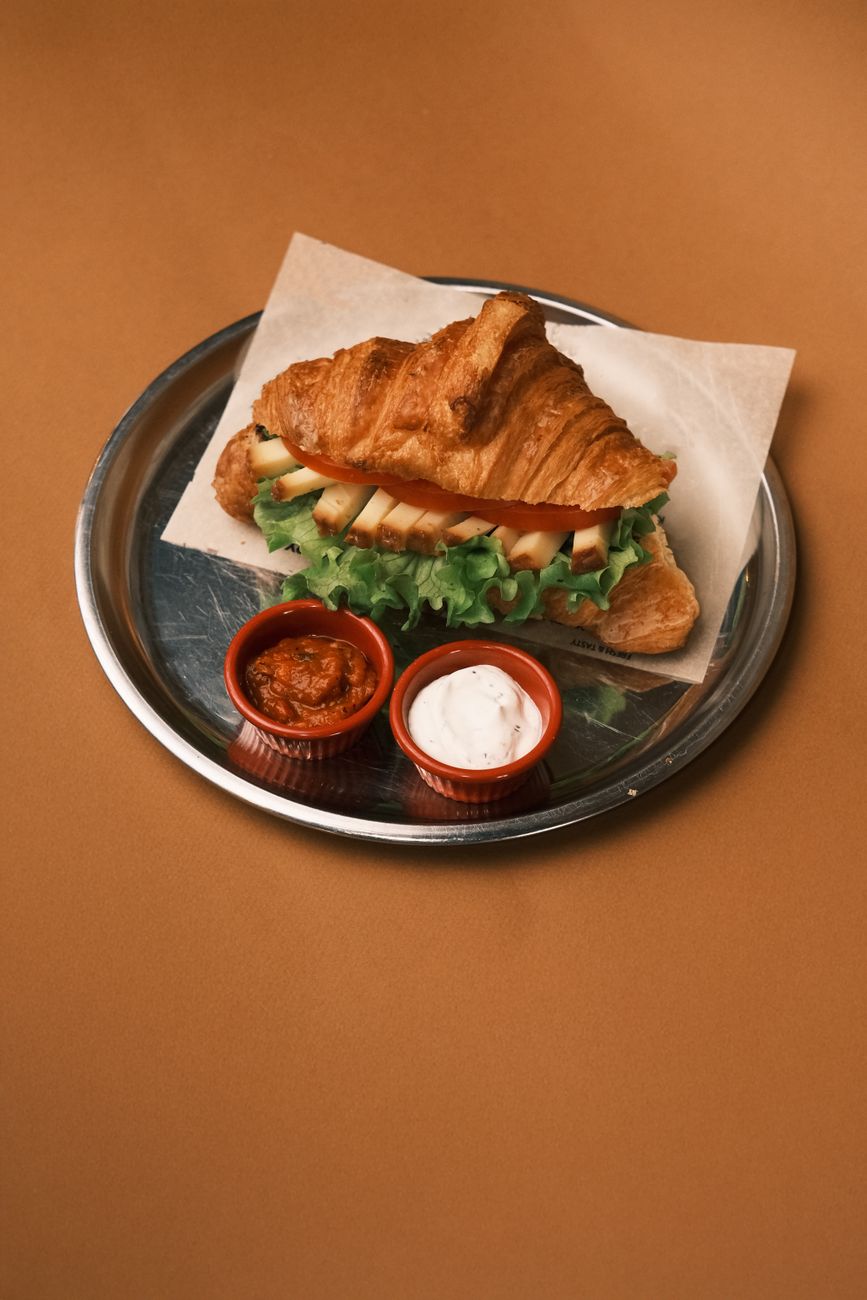
    A croissant sandwich served with dips on a serving tray

    Frequently Asked Questions

    Is the French Dip actually French?

    No — it originated in Los Angeles; the name most likely refers to the French-style roll rather than French cuisine.

    Which restaurant really invented it?

    Both Philippe’s and Cole’s in Los Angeles claim the invention, and the dispute has never been conclusively resolved.

    What is “jus” exactly?

    A savory broth made from meat drippings, used for dipping the sandwich rather than as a soup.

    Can I make jus without drippings?

    Yes — a simmered beef broth with Worcestershire sauce makes a solid substitute if you don’t have pan drippings on hand.

    What cheese pairs well with a French Dip?

    Provolone is a common choice for its mild flavor and reliable melt, similar to its use on a Philly cheesesteak.

    Can I make a French Dip with leftover roast beef?

    Yes — leftover roast beef works well, as long as it’s warmed gently in the jus rather than dried out over high heat.

    Should the roll be toasted before serving?

    A light toast helps the roll hold up to dipping without falling apart, though it’s optional depending on how sturdy your bread is.

    Curious about another dipped classic? See our Philly cheesesteak history and recipe guide.

    For more on this dish’s disputed origin, see Eater.

  • The History of the Sandwich

    The History of the Sandwich

    Every specific sandwich has its own history, but the sandwich itself — bread wrapped around a filling — has one too, and it traces back further than most people expect. Mabel’s Deli serves more than a dozen variations on this same basic idea, all descended from the same 18th-century story.

    Here’s where the sandwich actually came from, and how a British aristocrat’s name ended up attached to a food eaten in some form on nearly every continent.

    The concept of food between bread existed long before the name did — what changed in the 1700s wasn’t the food itself, but the specific word English speakers started using for it.

    Tracing this history also helps explain why the sandwich took hold so quickly once the word existed: it wasn’t introducing a new food, just giving an already-common eating habit a catchy, memorable name that spread through popular usage.

    The Earl of Sandwich Story

    The sandwich is named after John Montagu, the 4th Earl of Sandwich, an English nobleman of the 18th century. The most repeated story credits him with asking for meat tucked between two pieces of bread so he could keep playing cards without pausing to eat with utensils — a convenient, one-handed meal that let him stay at the table.

    A delicious fresh sandwich variety with vegetables on a plate

    Card Game or Desk Job?

    Historians dispute whether the card-game story is entirely accurate. Some accounts suggest the Earl was actually working long hours at his desk handling naval affairs, and the bread-wrapped meat was simply a practical way to eat without leaving his paperwork. Either version points to the same underlying appeal: portability and speed.

    An appetizing sandwich tray with fresh ingredients ready to serve

    Bread-Wrapped Food Existed Long Before the Name

    The specific word “sandwich” is 18th-century, but the underlying idea is ancient. Flatbreads wrapped around fillings appear across many older food cultures, and some historians trace an early version to the Jewish sage Hillel the Elder, who is said to have combined matzah, nuts, and bitter herbs during Passover centuries before the Earl was born.

    Assorted sandwiches arranged neatly on top of a table

    How the Idea Spread

    Once the name caught on in England, the format proved endlessly adaptable — every culture that adopted it substituted its own bread, fillings, and condiments. That flexibility is exactly why the sandwich now spans everything from a simple grilled cheese to a loaded Italian sub, all sharing the same basic structure the Earl’s name became attached to.

    An assorted sandwich platter with fresh ingredients on display

    Frequently Asked Questions

    Who is the sandwich actually named after?

    John Montagu, the 4th Earl of Sandwich, an 18th-century English nobleman.

    Did the Earl invent the sandwich?

    Not exactly — bread-wrapped food existed well before his time; his name simply became attached to the format in English.

    Why is the card-game story disputed?

    Some historians believe the Earl was working at his desk rather than gambling when he requested the meal, though both versions describe the same practical convenience.

    Is there an older version of the sandwich?

    Some trace an early version to Hillel the Elder, a Jewish sage said to have combined matzah and bitter herbs centuries before the Earl.
    How many sandwich varieties does Mabel’s Deli serve?

    More than a dozen, from classic deli sandwiches to regional specialties, all built on the same basic format.
    Did other cultures have a version of the sandwich before England?

    Many did, in the sense of bread wrapped around fillings, though the specific English word and its widespread popularity trace back to the Earl of Sandwich.

    Why did the name spread so widely?

    It gave an already-common way of eating a simple, memorable label, which made it easy to adopt across cultures and cuisines.

    Ready to try the format in person? See our Mabel’s Deli menu guide for the full sandwich lineup.

    For more on sandwich history, see the Food Timeline.

  • A Short History of the American Delicatessen

    A Short History of the American Delicatessen

    The word “deli” is such an ordinary part of American vocabulary now that it’s easy to forget it’s a genuinely borrowed, shortened term with a real immigrant history behind it. Mabel’s Deli inside Poncha Market carries that same lineage, even far from the delis’ original East Coast urban roots.

    Here’s where the American delicatessen actually came from.

    For the broader story of the format itself, see our history of the sandwich.

    It’s a history worth knowing not just as trivia, but because it explains why deli menus look the way they do — a blend of cured meats, pickled things, and made-to-order sandwiches that trace directly back to those original immigrant-run shops.

    German Origins

    Delicatessens originated in Germany during the 18th century, and the concept spread to Canada and the United States in the mid-19th century, carried specifically by European immigrants. The first deli in the United States appeared in New York City in the early 1880s, with the term “delicatessen” itself first advertised in print in 1884, in St. Louis, Missouri.

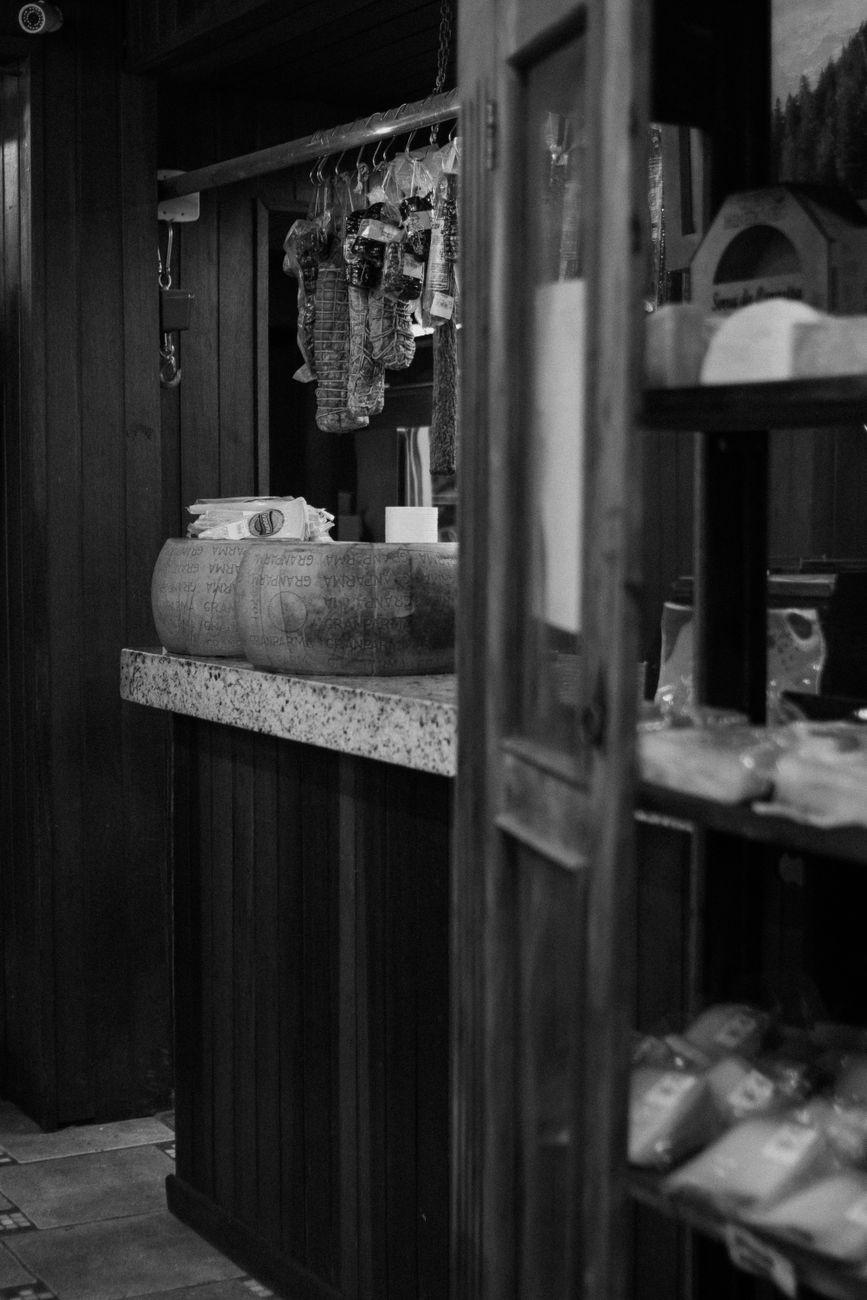
    Black and white photo of cheese wheels and hanging cured meats in a rustic shop

    The Jewish-American Deli Tradition

    As the German-Jewish population in New York City grew, Ashkenazi Jewish immigrants specifically popularized the delicatessen in North American culture beginning in the late 19th century, with the first kosher deli established in 1889. Between the early 1880s and 1920, over 5 million German migrants arrived in America, and this same industrious immigrant community opened small specialty food shops featuring cured meats like sausages, knockwurst, and liverwurst, alongside pickled eggs and herring.

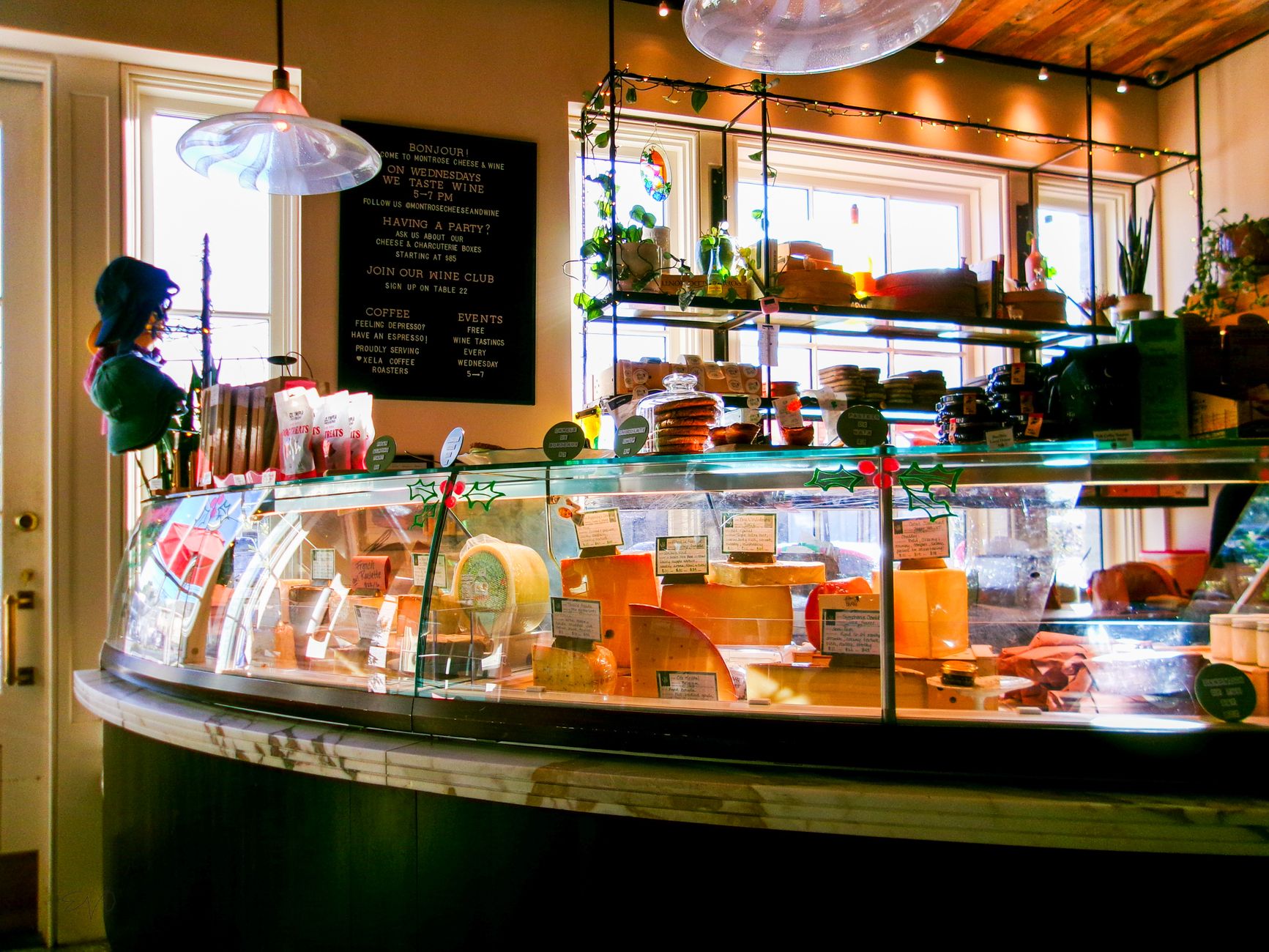
    A cozy cheese counter with various cheeses and deli products

    More Than Just a Food Shop

    These early delicatessens served as genuine cultural gathering places for their communities, functioning for a generation of Jewish Americans as something close to a secular equivalent of the synagogue — a place to see neighbors and be part of community life, not simply a spot to buy meat and cheese.

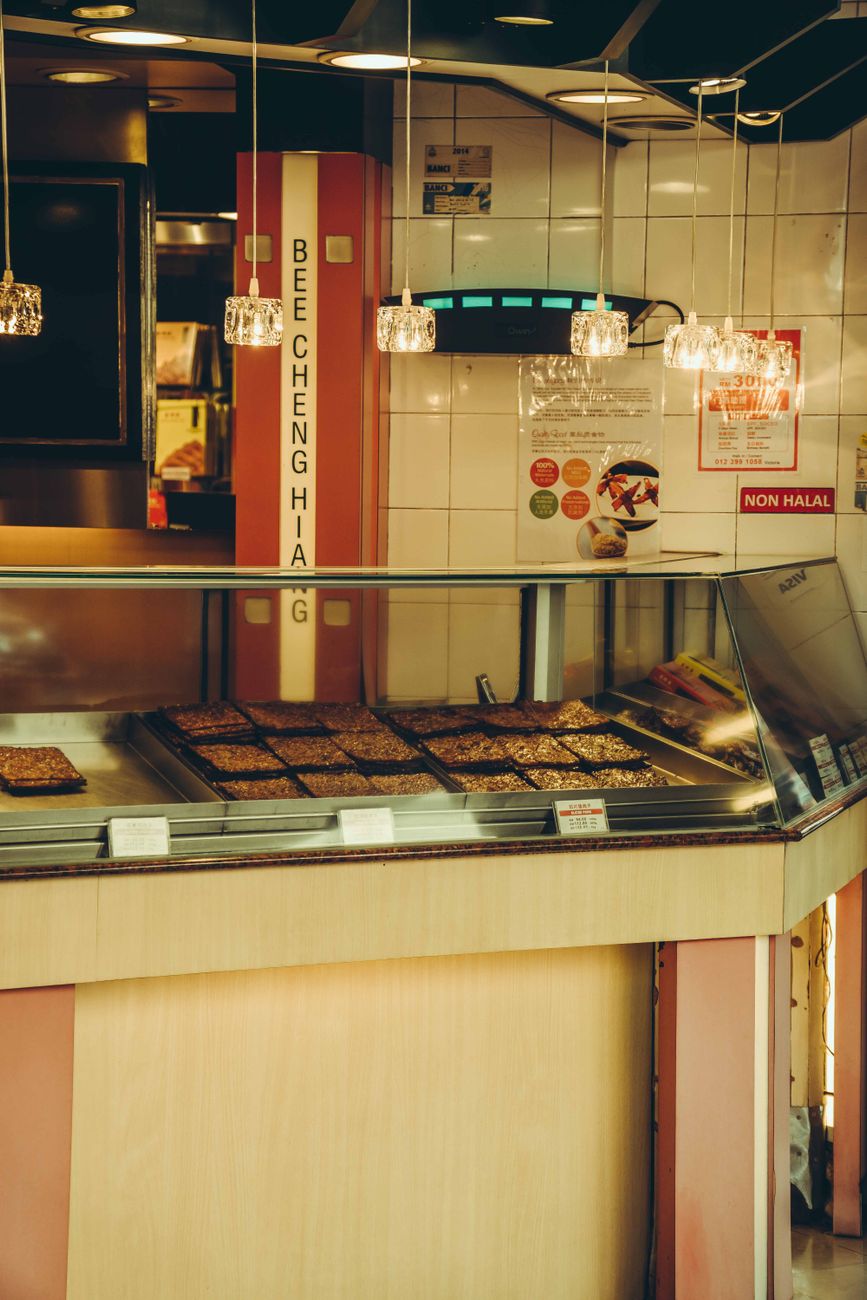
    Interior of a shop displaying a wide selection of jerky varieties

    Peak Popularity and Expansion

    By the 1930s, delis were wildly popular in neighborhoods like Brooklyn and Harlem, as well as suburbs of Baltimore and Washington, D.C., with one seemingly on every corner, each serving its own local neighborhood. Americans shortened “delicatessen” to “deli” around the mid-1900s, and as that happened, more people began frequenting these stores as the menus expanded well beyond the owners’ original ethnic roots into the broader, more varied deli menus recognizable today.

    Bakery shop interior with a variety of fresh bread displayed

    Frequently Asked Questions

    Where did the word “delicatessen” come from?

    It originated in Germany in the 18th century and spread to North America with German and later Ashkenazi Jewish immigrants in the 19th century.

    When did the first deli open in the United States?

    In New York City in the early 1880s, with the term itself first advertised in print in 1884 in St. Louis.

    Why were delis considered community gathering places?

    For many Jewish American communities, delis functioned as a secular social hub, a place to see neighbors, not just a food shop.

    When did “delicatessen” become shortened to “deli”?

    Around the mid-1900s, as the businesses became more widespread and their menus expanded.

    Does Mabel’s Deli fit this same tradition?

    In spirit, yes — a family-run counter serving made-to-order food, carrying forward the same basic delicatessen concept far from its original East Coast urban roots.

    Were all early American delis Jewish-owned?

    No — German immigrants opened the earliest delicatessens, and Ashkenazi Jewish immigrants later became especially associated with popularizing the format nationally.

    Why did deli menus expand beyond their original ethnic roots?

    As delis became more numerous and popular through the early-to-mid 1900s, owners broadened their offerings to appeal to a wider, more general customer base beyond their original immigrant communities.

    Curious to see it in action? See our Mabel’s Deli menu guide for the full lineup.

    For more on Jewish-American deli history, see the Jewish Virtual Library.

  • Avocado on Sandwiches: Tips to Keep It From Browning

    Avocado on Sandwiches: Tips to Keep It From Browning

    Avocado is a genuinely good sandwich addition — creamy texture, mild flavor, and real nutritional value — but it comes with one persistent practical problem: it browns quickly once cut. Here’s why that happens and the actual methods that work to slow it down.

    This matters especially for anyone building a sandwich to eat later rather than immediately, like a packed lunch or something prepared ahead for a road trip.

    None of these methods stop browning permanently — they only slow it down — so timing still matters even with the best prevention technique applied.

    Why Avocado Browns

    Avocado flesh contains an enzyme that reacts with oxygen once exposed, triggering the browning process. The core principle behind every prevention method is the same: limit the avocado’s exposure to air, since no oxidization means no browning.

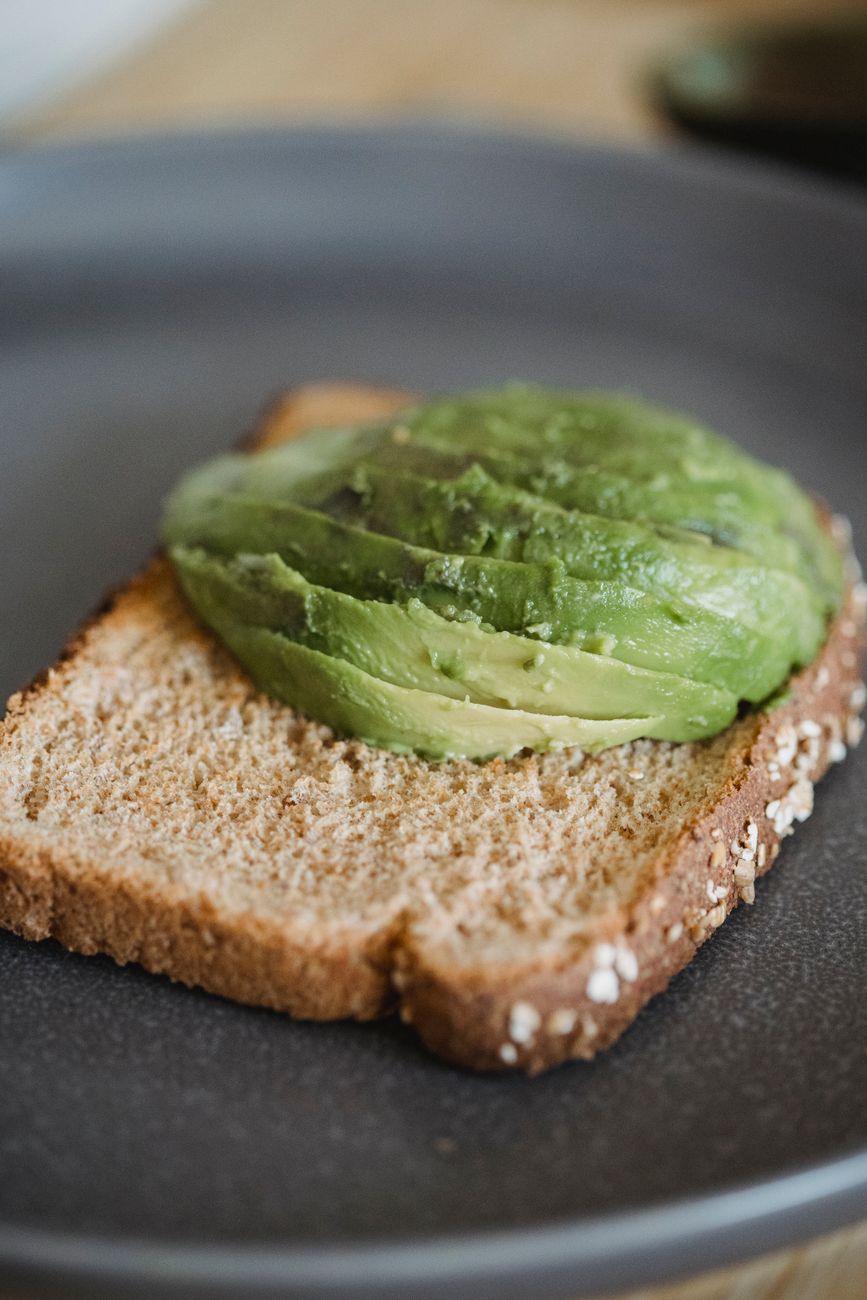
    A detailed shot of sliced avocado on wholegrain toast

    The Most Practical Method: Citrus Juice

    Lemon or lime juice is the most reliable and practical prevention method for most home cooks, since the citric acid lowers the surface pH below 3 — a condition where the browning enzyme simply can’t function. Brushing a little citrus juice across the cut surface of an avocado, then sealing it in an airtight container, delays browning by roughly a day.

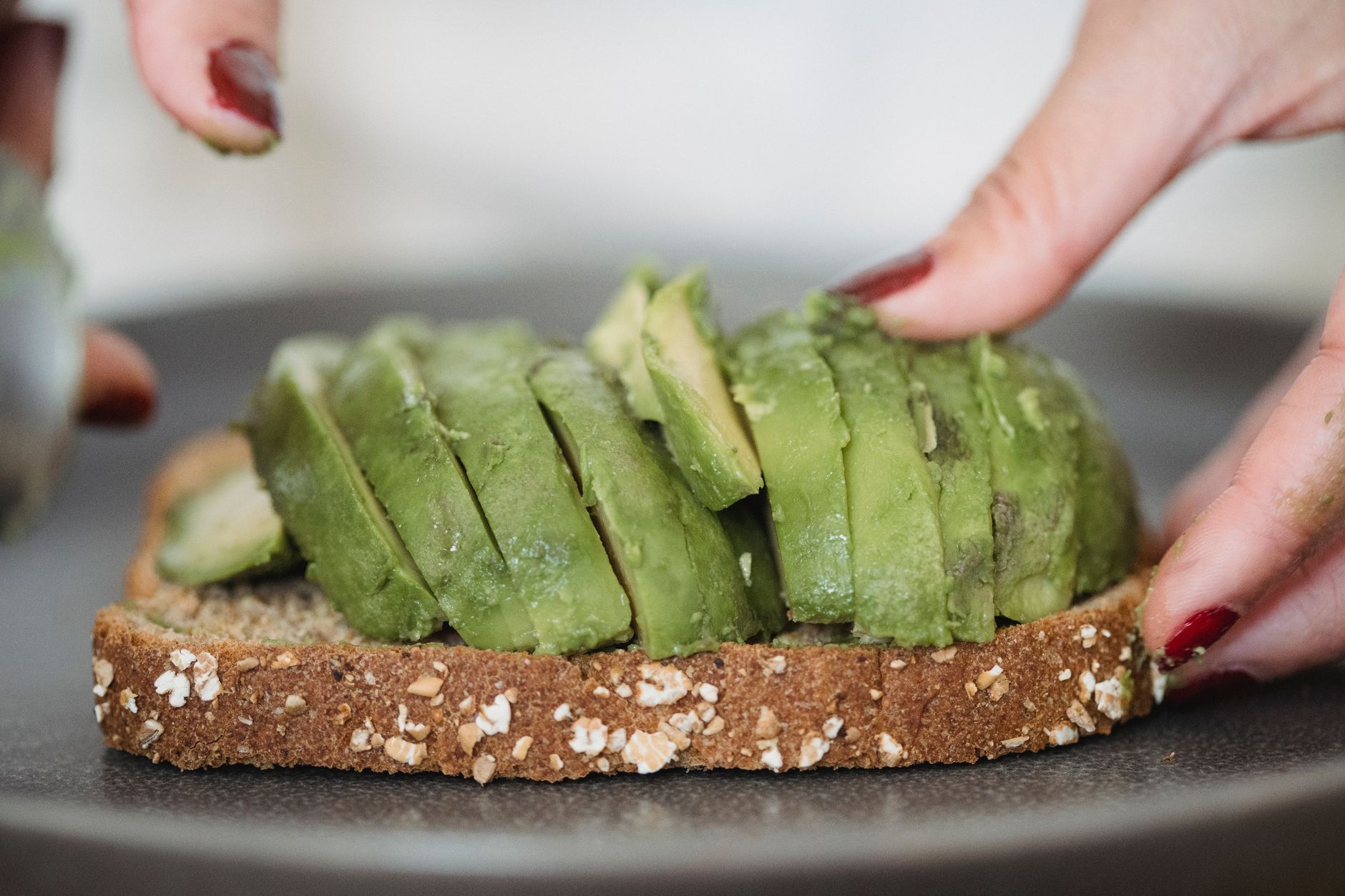
    Hands placing avocado slices on whole grain toast for a healthy snack

    Plastic Wrap and Airtight Storage

    Pressing plastic wrap directly against the cut avocado flesh, rather than loosely covering the container, creates a genuine seal against air exposure. If you’ve removed the pit, make sure to press the wrap into that well specifically, since it’s an easy spot to leave an air gap.

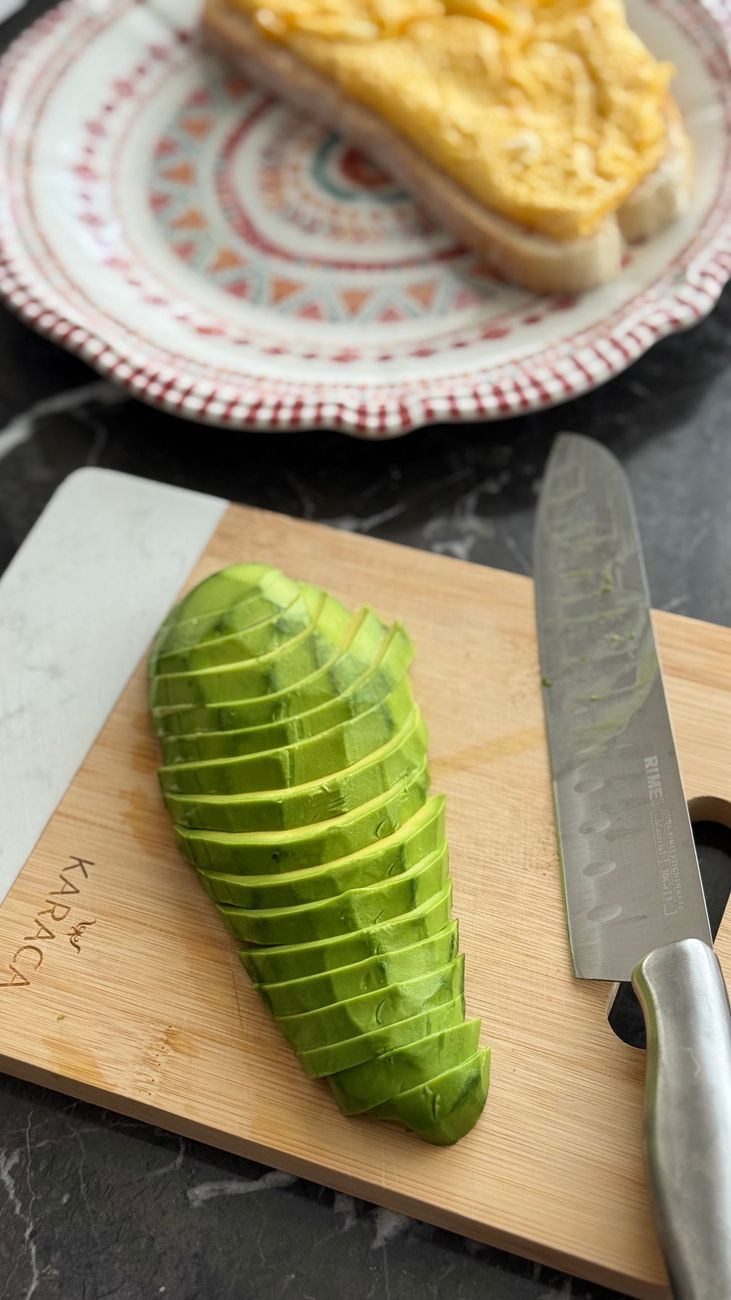
    Freshly sliced avocado on a wooden board with bread in the background

    Choosing Ripeness With Browning in Mind

    If you know a sandwich won’t be eaten right away, choosing an avocado that’s just slightly underripe when you slice it can help, since firmer flesh tends to hold its color a bit longer than a fully soft, very ripe one.

    The Most Effective (If Impractical) Method

    Vacuum sealing is genuinely the most effective method, keeping avocado green for up to five days with no browning at all — though it requires equipment most home cooks don’t have on hand for something as simple as a single sandwich. For most people, citrus juice combined with an airtight container remains the more realistic everyday solution.

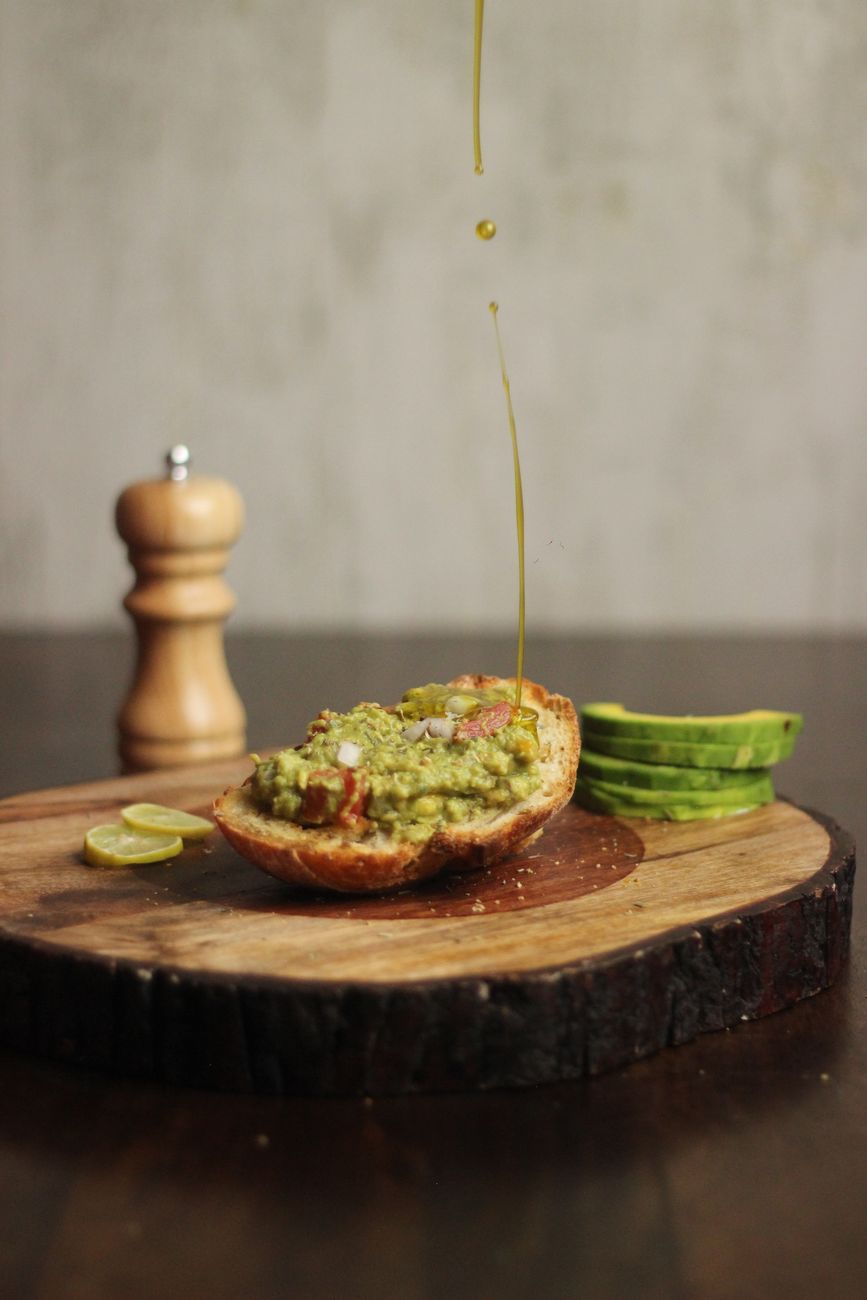
    Close-up of an avocado toast with a drizzle of olive oil, on a rustic surface

    Frequently Asked Questions

    Does lemon juice really stop avocado from browning?

    Yes — the citric acid lowers the surface pH enough to stop the browning enzyme from functioning, delaying browning by about a day.

    Should I remove the avocado pit before storing it?

    Either way works, but if you remove the pit, press plastic wrap into that well specifically to avoid leaving an air gap.

    What’s the most effective way to prevent avocado browning?

    Vacuum sealing, though it requires equipment most people don’t keep on hand just for a sandwich; citrus juice plus an airtight container is the more practical everyday option.

    Can I prep avocado ahead for a packed lunch?

    Yes, with lemon or lime juice and a tightly sealed container, though it’s best used within a day for the best color and texture.

    Does avocado add real nutrition to a sandwich?

    Yes — it contributes healthy fats and fiber, making it a genuine nutritional upgrade over many other sandwich condiments.

    Does a ripe avocado brown faster than an underripe one?

    Ripe avocado flesh tends to brown a bit faster since it’s softer and has more exposed surface once cut, though both still benefit from the same prevention methods.

    Is it better to add avocado right before eating instead of prepping ahead?

    Yes, when possible — adding it just before eating avoids the browning issue entirely, and prevention methods are really a backup for when that’s not practical.

    Building your own sandwich? See our Mabel’s Deli menu guide for build-your-own options with avocado.

    For more on avocado nutrition, see the Hass Avocado Board.