
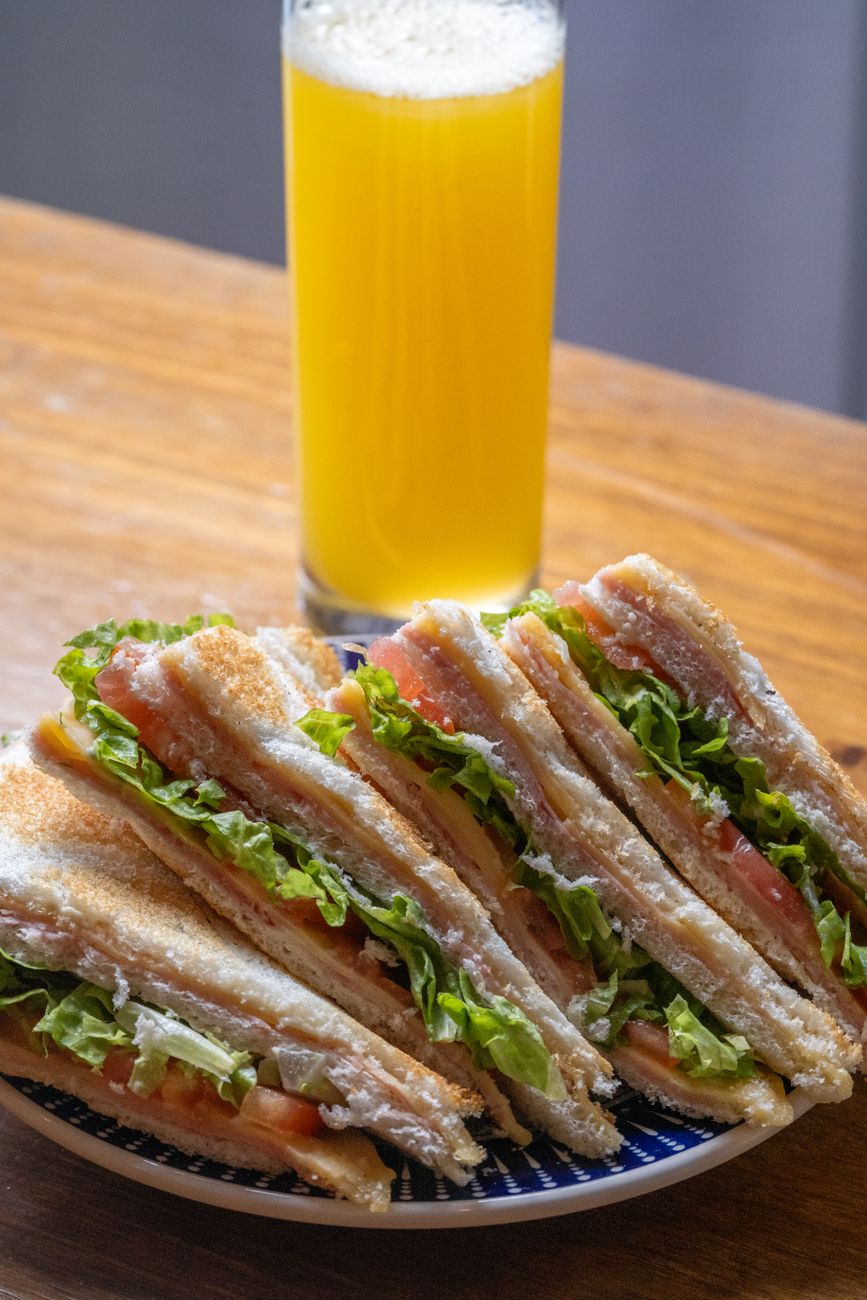
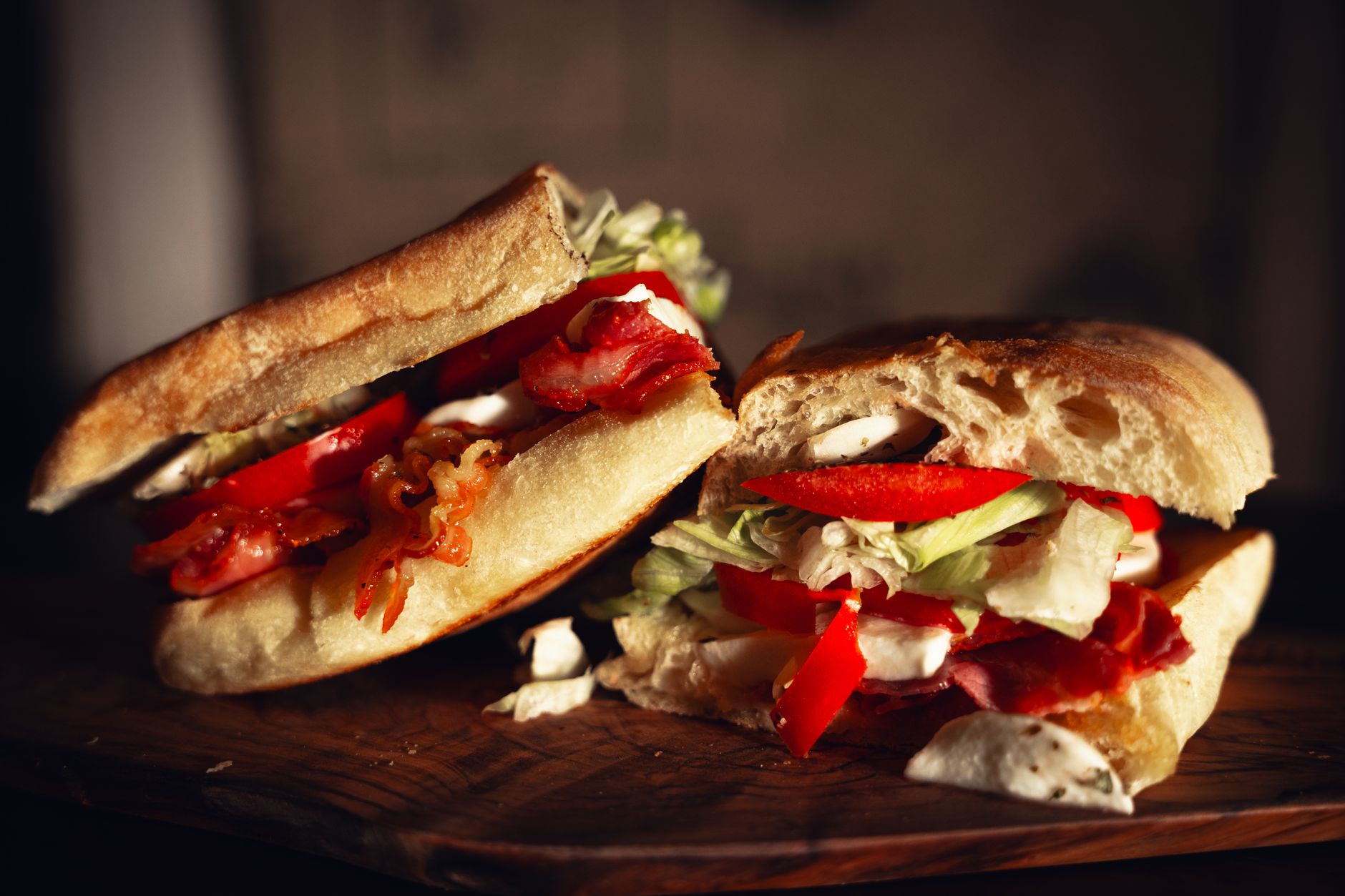
Few sandwiches are as simple in concept and as easy to get slightly wrong as a BLT — bacon, lettuce, and tomato, with almost nothing standing between a great version and a mediocre one except ingredient quality and basic technique.
Here’s a classic BLT recipe done right, along with the sandwich’s surprisingly recent history as a named dish.
Part of what makes the BLT worth taking seriously, despite how basic it sounds, is that its simplicity is exactly the point. There’s no ingredient to hide behind, which means the sandwich either works because every component pulls its weight, or it falls flat because one piece was mediocre.
That’s also exactly why the BLT works so well as a home-cooking benchmark — if you can consistently make a genuinely great BLT, you’ve already mastered the fundamentals (bacon technique, bread choice, seasoning restraint) that carry over directly to dozens of other simple sandwiches.
The BLT Is Younger Than You Might Think
Bacon sandwiches began appearing in American cookbooks in the early 1900s, popular first in tea rooms and diners, but the term “BLT” itself didn’t appear in print until around 1941. It’s believed to have started as verbal shorthand used by restaurant workers rather than a deliberately coined name — a genuinely informal origin for a sandwich now considered a classic.
That gap of several decades between the sandwich existing and the abbreviation catching on says something about how food naming actually works in practice — a dish can be widely eaten and understood well before it settles on the specific short name most people now use without a second thought.
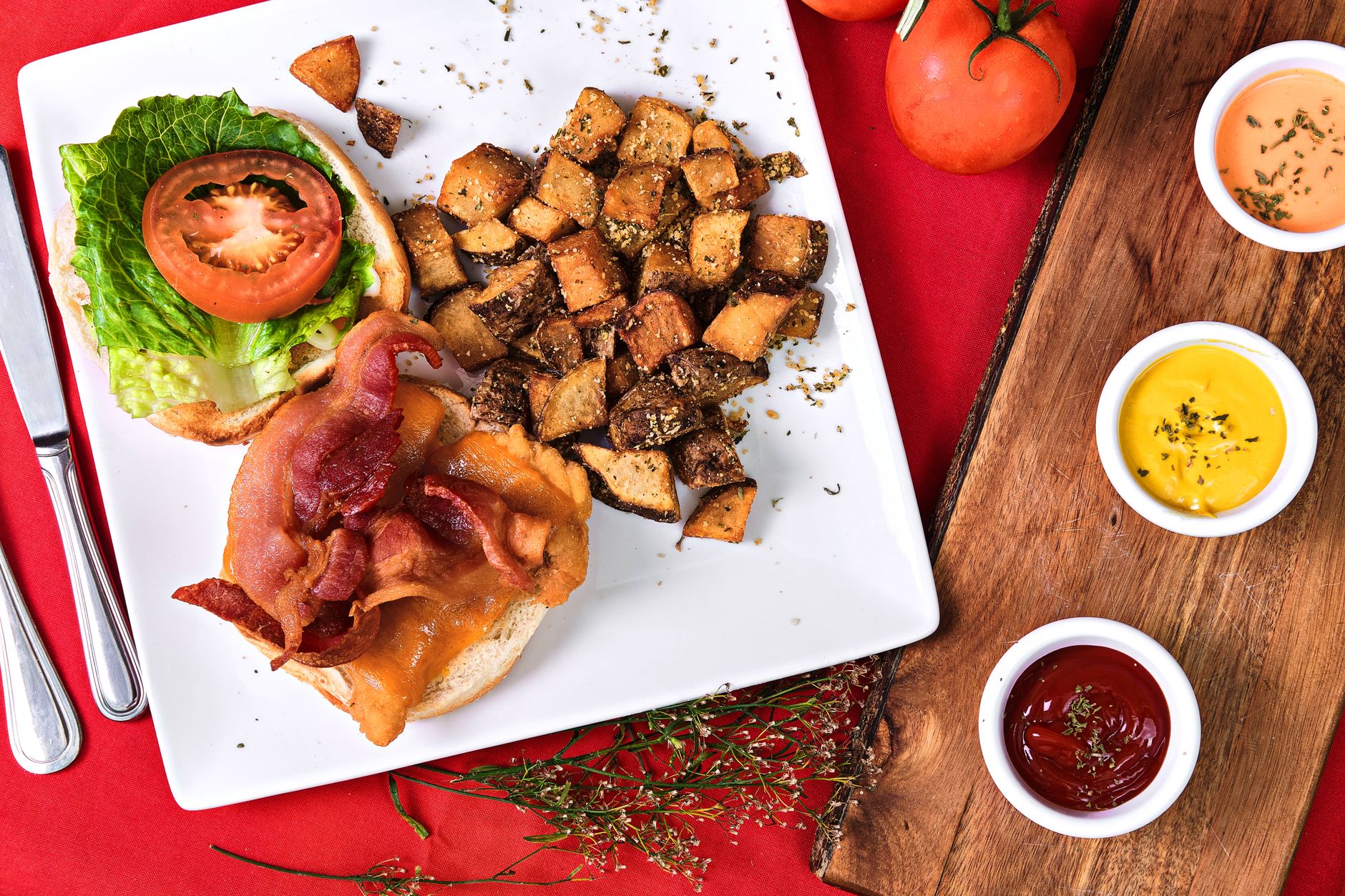
Ingredients
- 4 slices thick-cut bacon
- 2 slices sturdy bread, toasted
- 2–3 lettuce leaves
- 2–3 slices ripe tomato
- Mayonnaise
- Salt and pepper to taste
Instructions
- Cook the bacon until crispy, then drain on paper towels.
- Toast the bread until golden brown.
- Spread mayonnaise on both slices of bread.
- Layer lettuce, tomato, and bacon, seasoning the tomato lightly with salt and pepper.
- Top with the second slice of bread, cut in half, and serve immediately.
Why Ingredient Quality Matters So Much Here
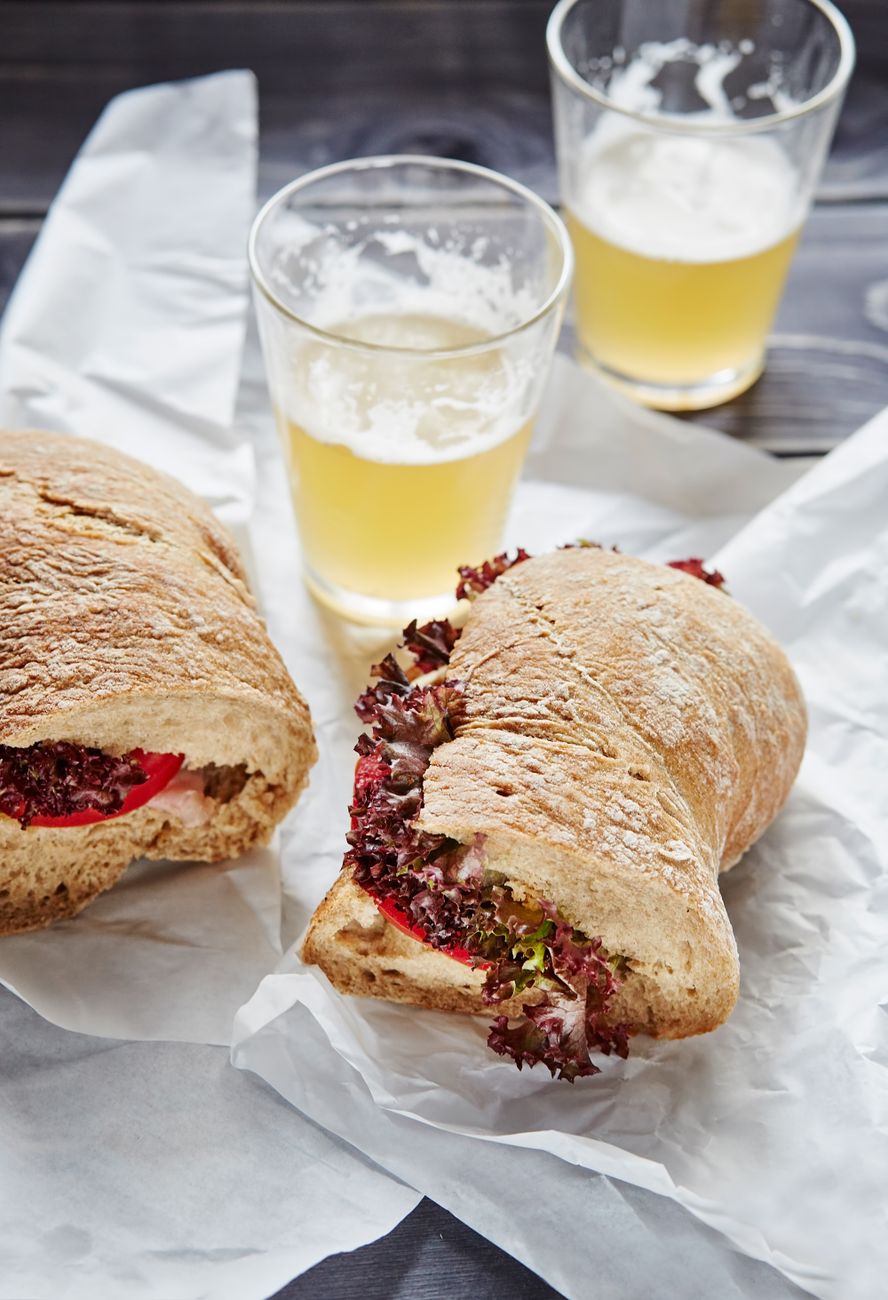
With only three main fillings, the BLT has nowhere to hide a mediocre ingredient. Thick-cut bacon brings texture and real flavor that thin, pre-cooked bacon can’t match; a genuinely ripe, in-season tomato makes a bigger difference than almost any other single swap in this sandwich.
See our bacon guide to curing methods and types for more on choosing the right bacon.
Off-season tomatoes are worth acknowledging honestly here: a pale, mealy winter tomato will noticeably drag down an otherwise well-made BLT, and no amount of technique elsewhere fully compensates for it — worth keeping in mind if you’re deciding whether to make one in January versus August.
Choosing the Right Bread
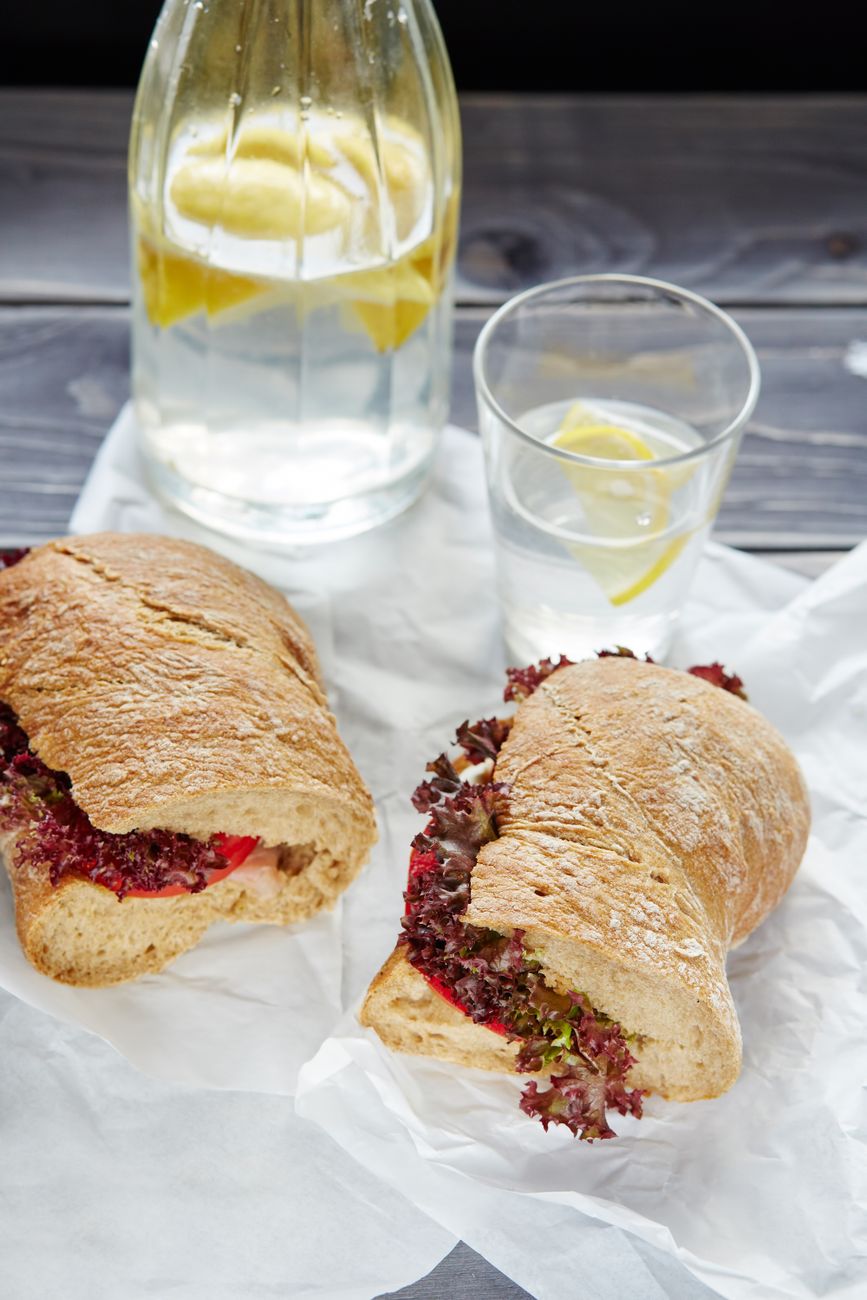
Sturdy bread that can hold up to a juicy tomato without falling apart is essential — see our guide to sandwich bread for options. A soft, airy bread tends to turn soggy quickly once tomato juice sets in, undermining an otherwise well-made BLT.
Frequently Asked Questions
When did the term “BLT” first appear?
Around 1941 in print, though bacon sandwiches themselves date back to the early 1900s in American tea rooms and diners.
What bacon works best for a BLT?
Thick-cut bacon, which brings more texture and flavor than thin, pre-cooked varieties.
Why does bread choice matter for a BLT?
A sturdy bread holds up better against juicy tomato slices than a soft, airy one, which can turn soggy quickly.
Can I add avocado to a BLT?
Yes — it’s a common modern addition. See our guide to avocado on sandwiches for tips on preventing browning.
What does BLT stand for?
Bacon, lettuce, and tomato — the three core ingredients that define the sandwich.
Is a BLT better toasted or untoasted?
Toasted is generally preferred, since it adds structure and prevents the bread from turning soggy from tomato juice as quickly.
Can I make a BLT vegetarian?
Yes, with a plant-based bacon substitute; the lettuce, tomato, and bread technique remain the same regardless of the protein used.
Want fresh ingredients for your own BLT? See our Mabel’s Deli menu guide for build-your-own sandwich options.
For more on the BLT’s history, see Saveur.
Leave a Reply