
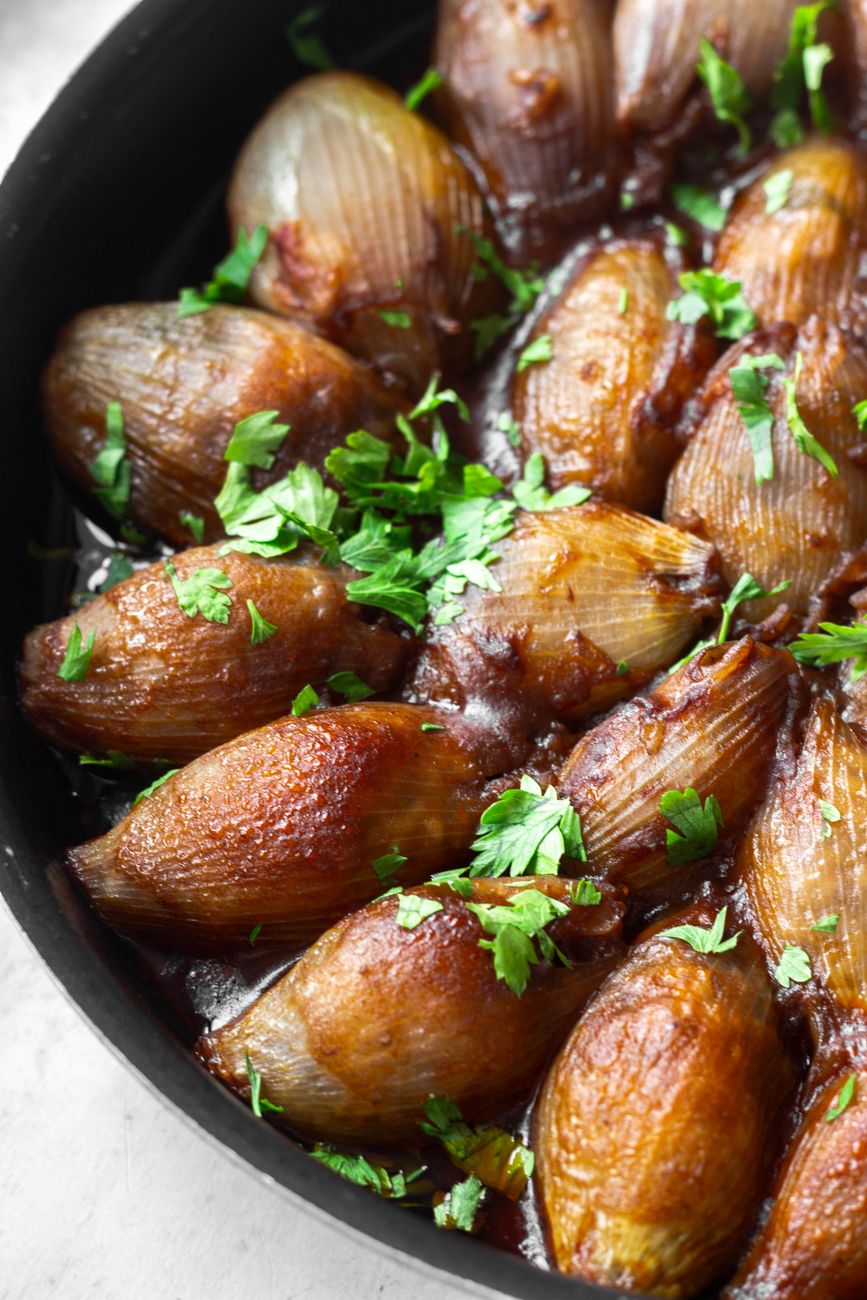
Sauteed peppers and onions show up on The Philly at Mabel’s Deli, and genuinely caramelizing them — rather than just softening them quickly over high heat — makes a real difference in the final sandwich. Here’s the actual technique, which takes patience more than skill.
The biggest mistake home cooks make with this step is rushing it. Real caramelization takes time, and there’s no shortcut that fully replicates the depth of flavor a slow cook develops.
It’s worth doing in a larger batch than you think you need, too, since caramelized onions and peppers keep well and make an easy addition to eggs, burgers, and other dishes beyond just a Philly-style sandwich.
Basic Technique
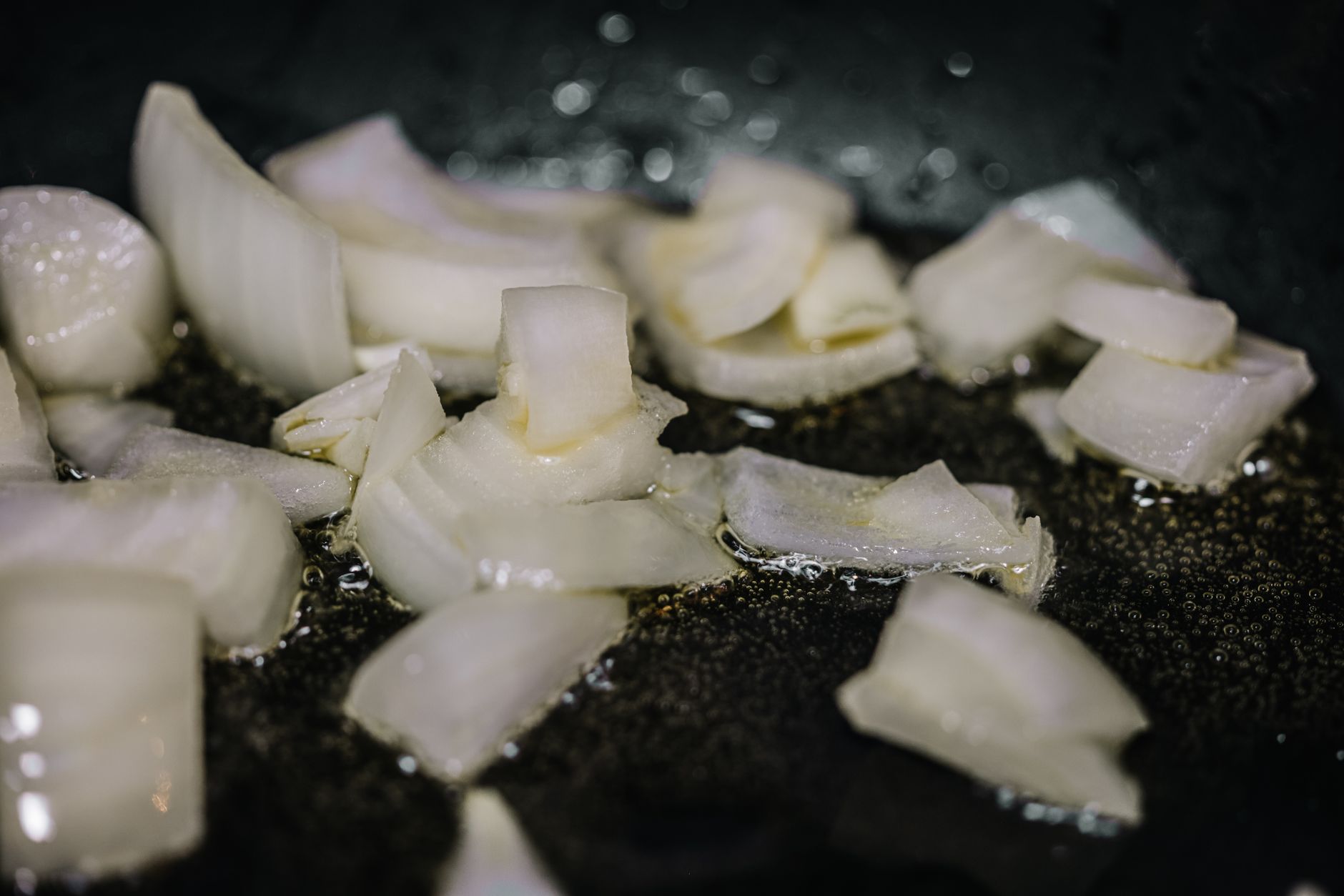
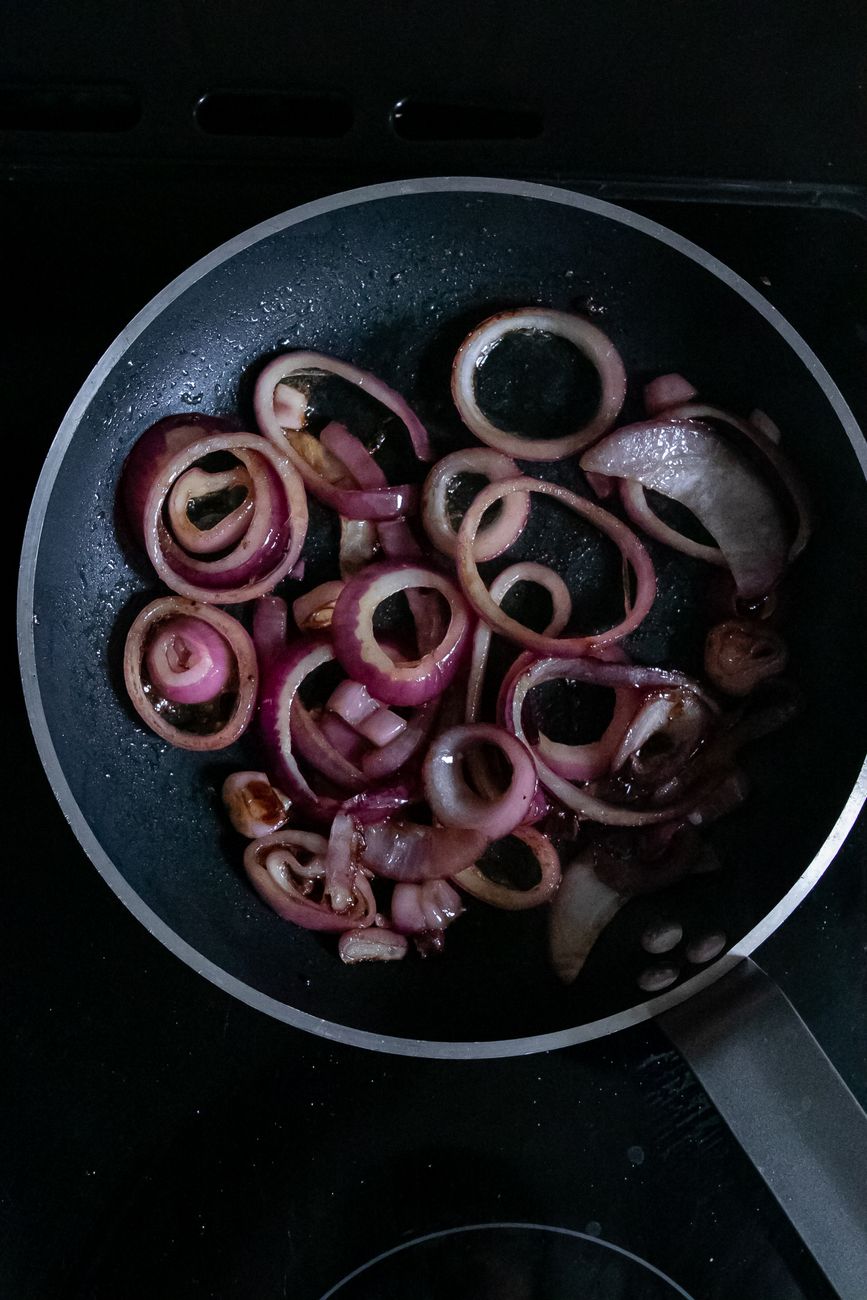
Place a heavy-bottomed skillet over medium-low heat and add olive oil or butter, or both, to coat the bottom of the pan. Add sliced peppers and onions — it will look like a huge pile at first, but it shrinks down considerably as it cooks.
Cooking Time and Heat
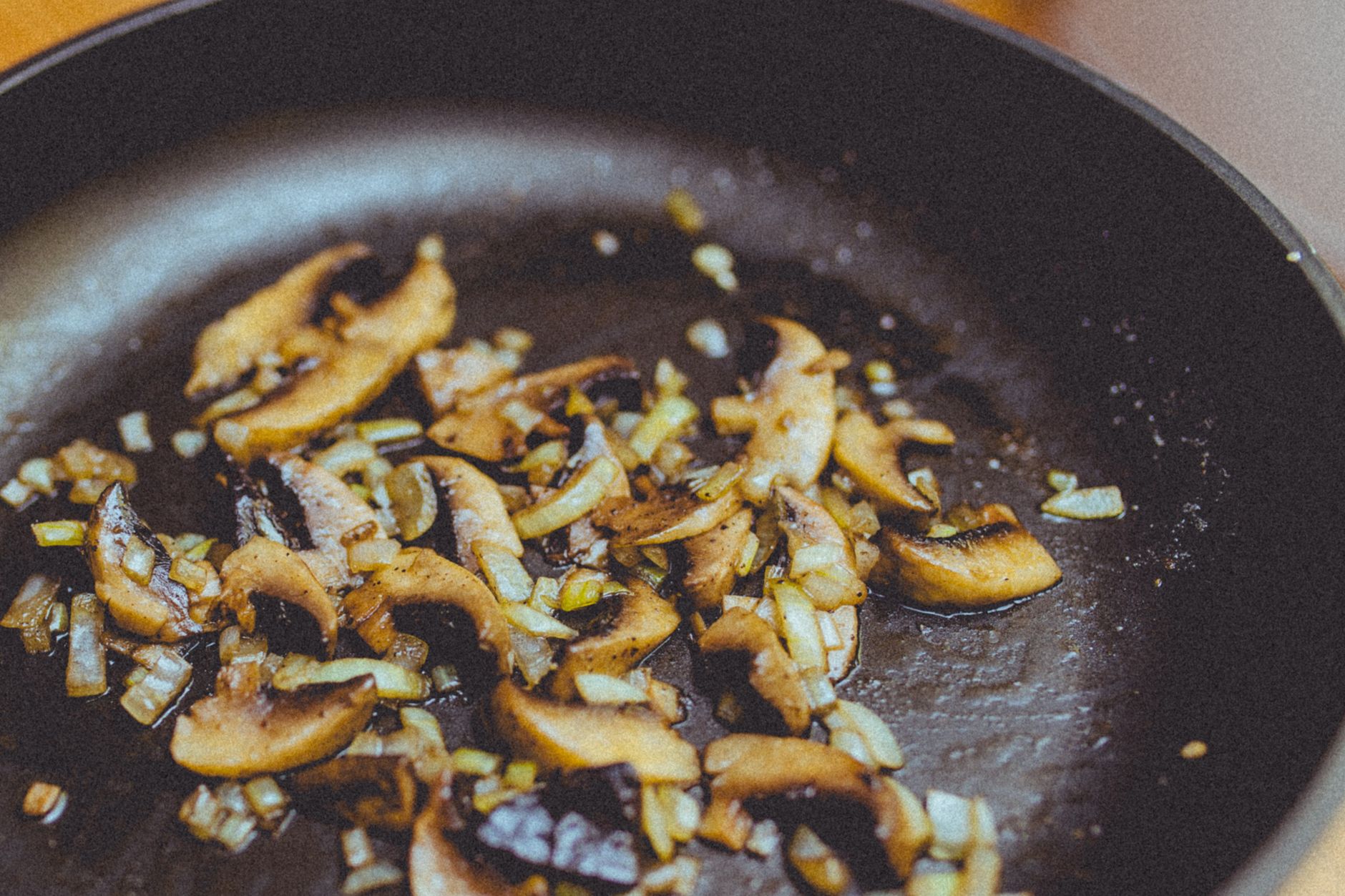
Reduce heat to medium-low and cook, stirring occasionally, for 20 to 25 minutes, until the peppers and onions turn deeply golden brown and genuinely caramelized rather than just softened. Caramelizing requires low to medium heat specifically to let the natural sugars break down slowly, developing that deep, rich flavor real caramelization is known for.
A Faster Method, If You’re Short on Time
Deglazing the pan with a tablespoon or two of water periodically lets you use higher heat and cut the total time roughly in half, since the browned bits that build up on the pan (the fond) dissolve into the water and redistribute back onto the vegetables for extra flavor, rather than burning.
Common Mistakes to Avoid
Overcrowding the pan is the most common misstep — too many vegetables piled too deep steams them instead of browning them. If your pan looks packed, cook in two batches rather than one crowded one, since properly caramelized onions and peppers need direct contact with the hot pan surface to develop real color.
Finishing Touches
A sprinkle of salt, pepper, and a small splash of balsamic vinegar at the end adds extra depth and a touch of sweetness. Once caramelized to your liking, serve immediately as a sandwich topping, or cool and store in an airtight container in the refrigerator for up to 4–5 days, or freeze for longer storage.
Frequently Asked Questions
How long does it take to caramelize onions and peppers?
About 20 to 25 minutes over medium-low heat for genuine caramelization, though a faster deglazing method can cut this roughly in half.
Can I caramelize onions and peppers ahead of time?
Yes — they store well in the refrigerator for 4 to 5 days, or in the freezer for longer storage.
What pan works best for caramelizing?
A heavy-bottomed skillet, like cast iron, for even heat distribution and the best results.
Why does my pan burn instead of caramelizing?
The heat is likely too high; caramelization needs medium-low heat and patience rather than a quick, high-heat sear.
What sandwich uses caramelized peppers and onions at Mabel’s Deli?
The Philly, alongside shaved beef, provolone, and chipotle mayo.
What color should fully caramelized onions be?
A deep golden to light brown, not merely translucent — translucent onions are only softened, not truly caramelized.
Can I caramelize onions and peppers together in the same pan?
Yes — they cook at a similar rate and pair naturally, making a combined batch both convenient and flavorful.
Want to taste the real thing first? See our Mabel’s Deli menu guide for The Philly.
For more cooking technique, see Food52.
Leave a Reply