
Provolone and Swiss both show up regularly on real deli menus — provolone on The Philly and The Italian at Mabel’s Deli, Swiss on The Ranch — and knowing what actually separates these cheeses, along with mozzarella, helps explain why a specific cheese gets paired with a specific sandwich rather than being interchangeable.
Here’s a practical breakdown of all three, with a focus on what actually matters for choosing one over another.
Understanding these differences also makes it easier to substitute confidently at home — knowing which cheese melts predictably and which is better served cold means fewer surprises when a recipe calls for one specific type.
Origin and Production
Provolone is an Italian cheese that originated in the Po River Valley region of southern Italy. Mozzarella is also originally from southern Italy, traditionally made from water buffalo milk or cow’s milk, and unlike provolone, it’s never aged — best eaten fresh within about five days of opening. Swiss cheese, from Switzerland, refers broadly to any cheese mimicking the look, texture, and flavor of Emmental.

Texture and Flavor
Mozzarella reads as mild and milky; provolone brings a tangier, sharper character despite sharing similar Italian roots. Swiss cheese, distinguished by its characteristic holes, has a nuttier, slightly sweet flavor that’s genuinely distinct from both Italian cheeses.

Storage and Shelf Life
Provolone and Swiss both keep considerably longer than mozzarella once opened, generally a few weeks when tightly wrapped and refrigerated, since aging removes much of the moisture that would otherwise support bacterial growth. Fresh mozzarella, by contrast, is typically packed in liquid and should be used within about five days for best quality.
Which Cheese Suits Which Sandwich
| Cheese | Best For | Melting Behavior |
|---|---|---|
| Provolone | Cheesesteaks, Italian subs, hot sandwiches | Melts smoothly, holds shape reasonably well |
| Mozzarella | Fresh, cold sandwiches, caprese-style combinations | Melts very easily, best served fresh |
| Swiss | Ham, turkey, Reubens | Melts well and retains shape, good for hot sandwiches |
Why Swiss Works So Well on Hot Sandwiches
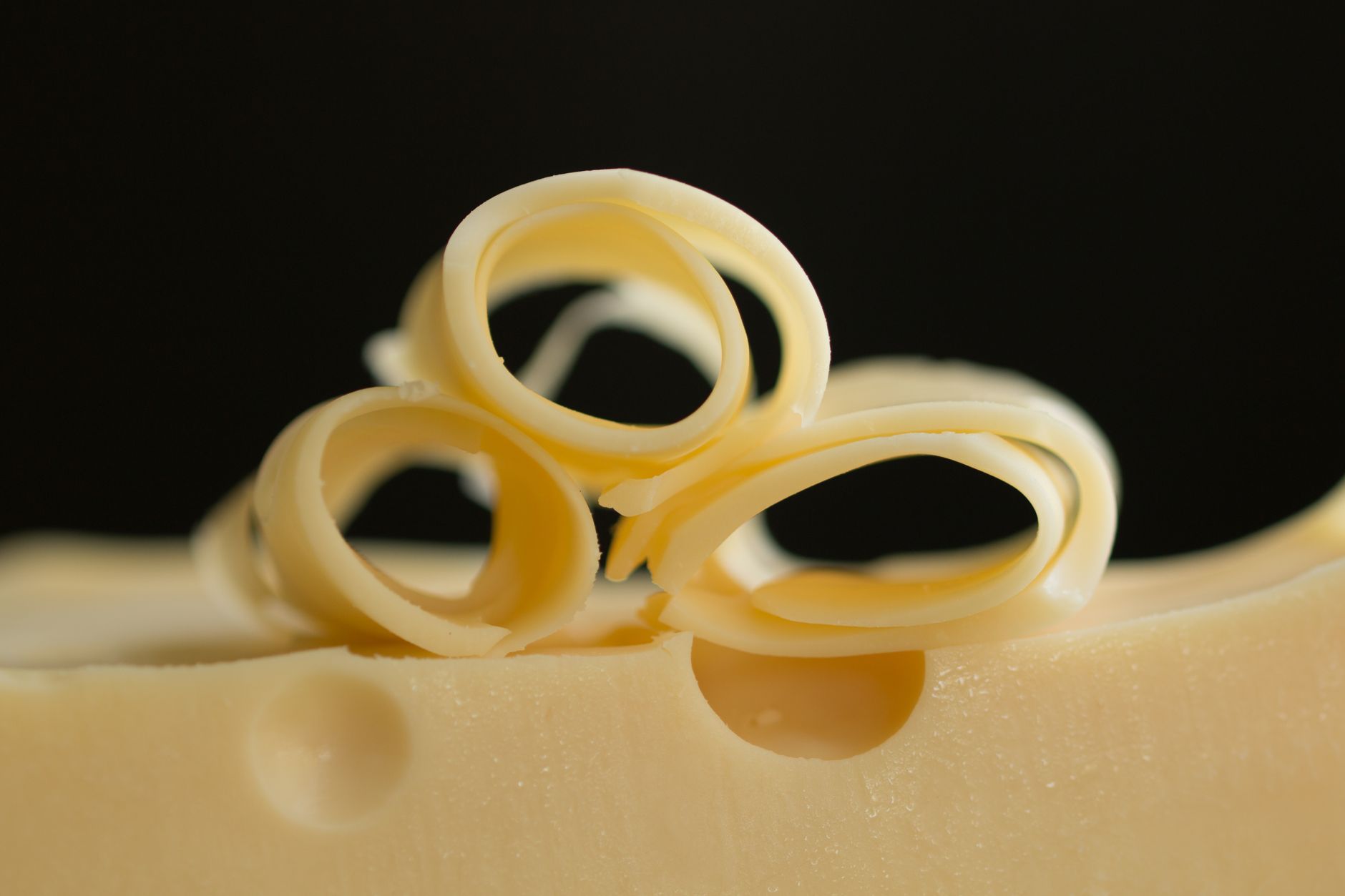
Swiss cheese melts well but retains its shape better than many other melting cheeses, making it well suited for hot sandwiches where you want the cheese to envelop the other ingredients without turning into a runny mess — part of why it’s a traditional Reuben cheese alongside corned beef and sauerkraut.
Why Provolone Works on The Philly and The Italian
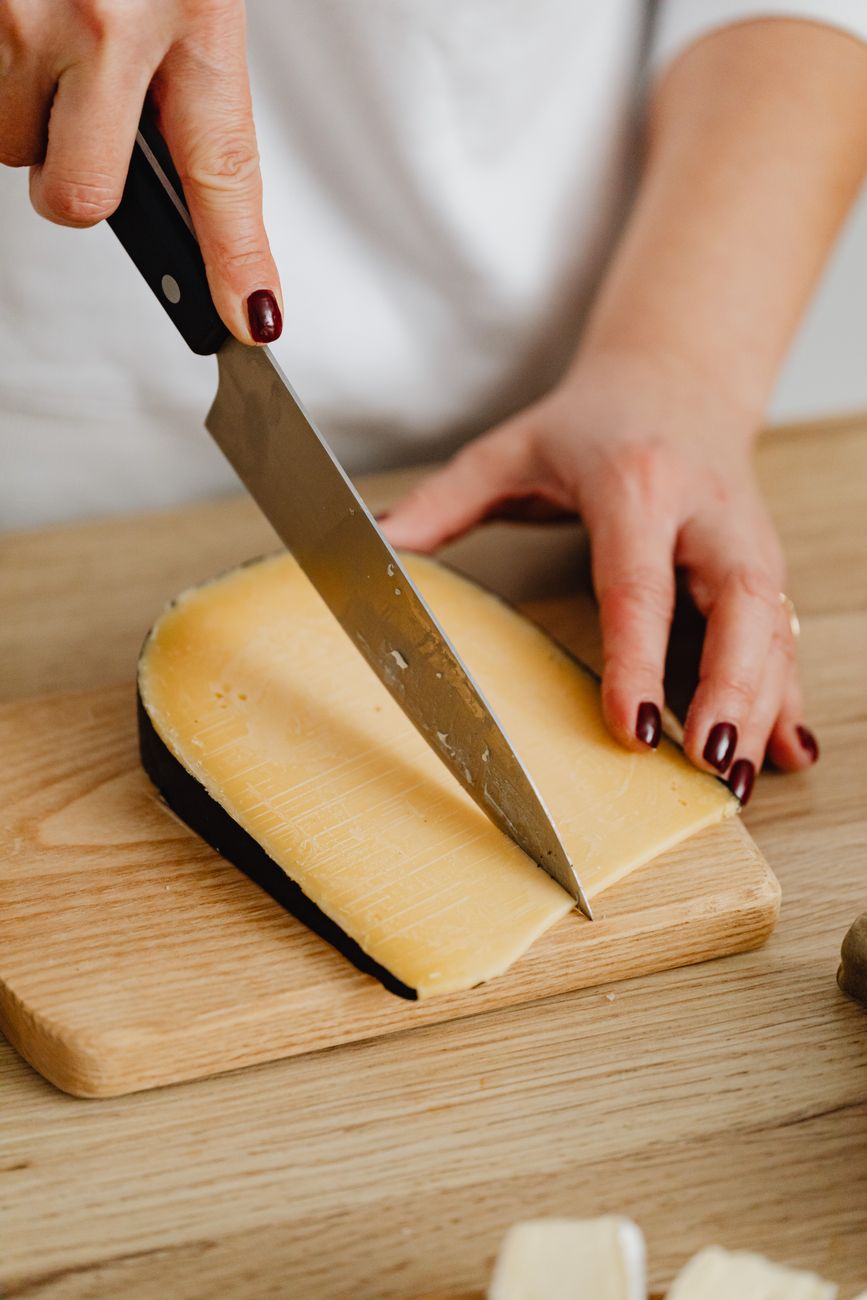
Provolone’s tangy character and reliable melt make it a natural fit for both a cheesesteak and an Italian sub — sharp enough to stand up to the richness of the meat, but melting smoothly enough to actually integrate into the sandwich rather than sitting as a separate, unmelted layer.
Frequently Asked Questions
Is provolone stronger tasting than mozzarella?
Yes — provolone brings a tangier, sharper flavor, while mozzarella is milder and milkier.
Why does Swiss cheese have holes?
The holes form during the fermentation process, a characteristic specific to Emmental-style cheeses that Swiss cheese is modeled on.
What cheese is traditional on a Reuben?
Swiss cheese, which melts well while retaining its shape, holding up alongside corned beef and sauerkraut.
Should I use fresh or aged mozzarella on a sandwich?
Fresh mozzarella, used within about five days of opening, since it’s never aged and doesn’t keep as long as provolone or Swiss.
Which cheese does Mabel’s Deli use on The Philly?
Provolone, alongside shaved beef, peppers, onions, and chipotle mayo.
Does provolone come in different varieties?
Yes — provolone dolce (mild) is aged for a couple of months, while provolone piccante (sharp) is aged much longer and has a considerably stronger bite.
Can mozzarella be melted on a hot sandwich?
Yes, though it melts very quickly and can turn greasy if overheated, so it’s better suited to a shorter cook time than provolone or Swiss.
Want to try these cheeses on a real sandwich? See our Mabel’s Deli menu guide.
For more cheese information, see Cheese.com.


Leave a Reply