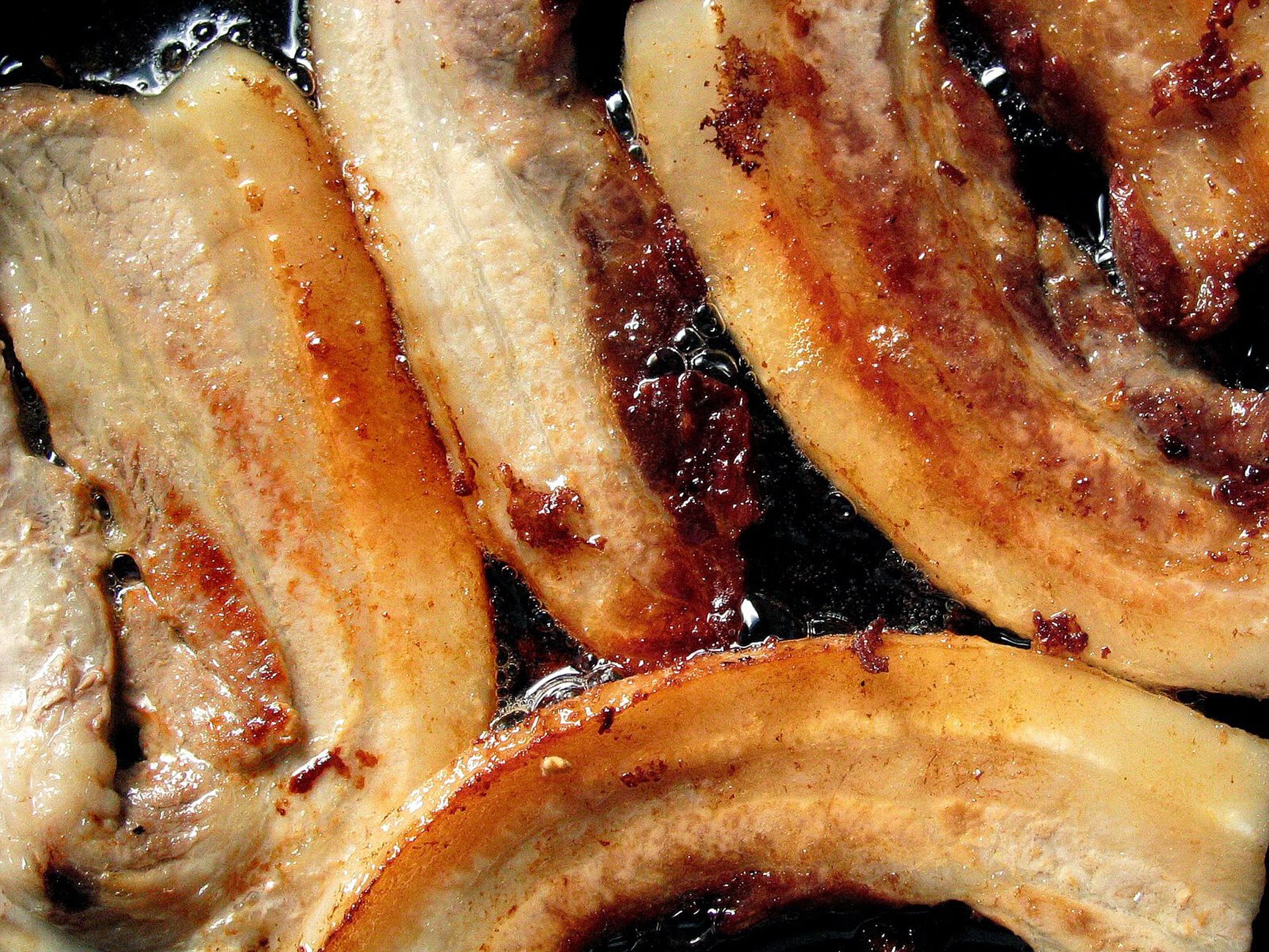
Bacon shows up on breakfast sandwiches, BLTs, and burgers alike, but most people have never looked closely at how it’s actually made or what separates the different types sold in stores.
Here’s a practical breakdown of curing, smoking, and the most common bacon varieties.
Understanding these differences also helps explain why bacon from different sources can taste so different, even when cooked exactly the same way in a pan at home.
What Curing Actually Does
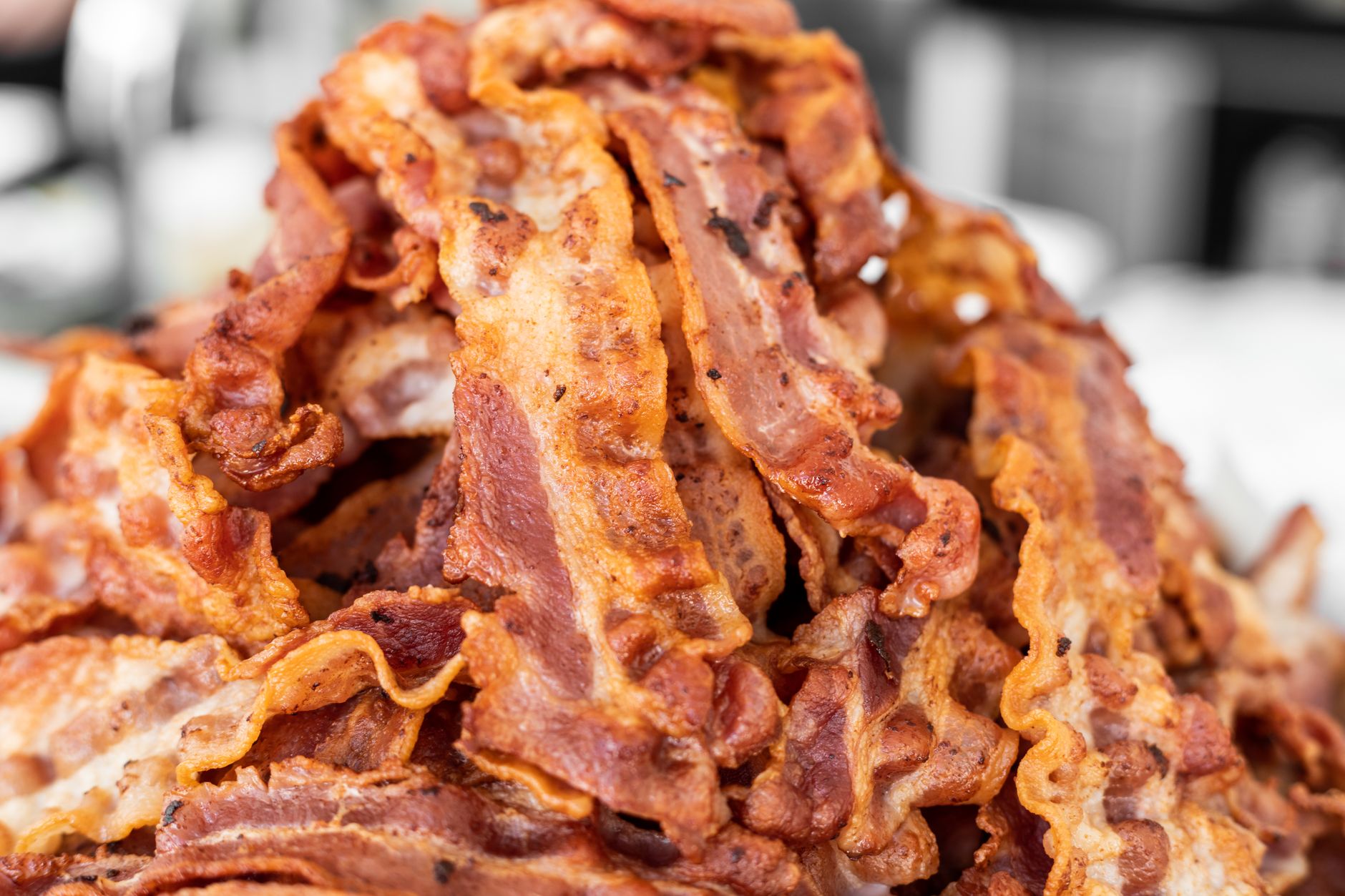
Curing bacon involves treating pork belly with salt, sugar, and typically sodium nitrite, which draws out moisture, preserves the meat, and gives cured bacon its characteristic pink color and flavor. This step happens before smoking or cooking, and it’s the primary reason bacon tastes and looks different from plain cooked pork belly.
Dry-Cured vs. Wet-Cured
Dry curing rubs the salt-and-sugar mixture directly onto the meat and lets it sit for days to weeks, producing a more concentrated flavor. Wet curing, more common in mass-produced bacon, submerges or injects the meat in a brine, which is faster and yields a more consistent product at scale.
Common Bacon Types
| Type | Cut | Notes |
|---|---|---|
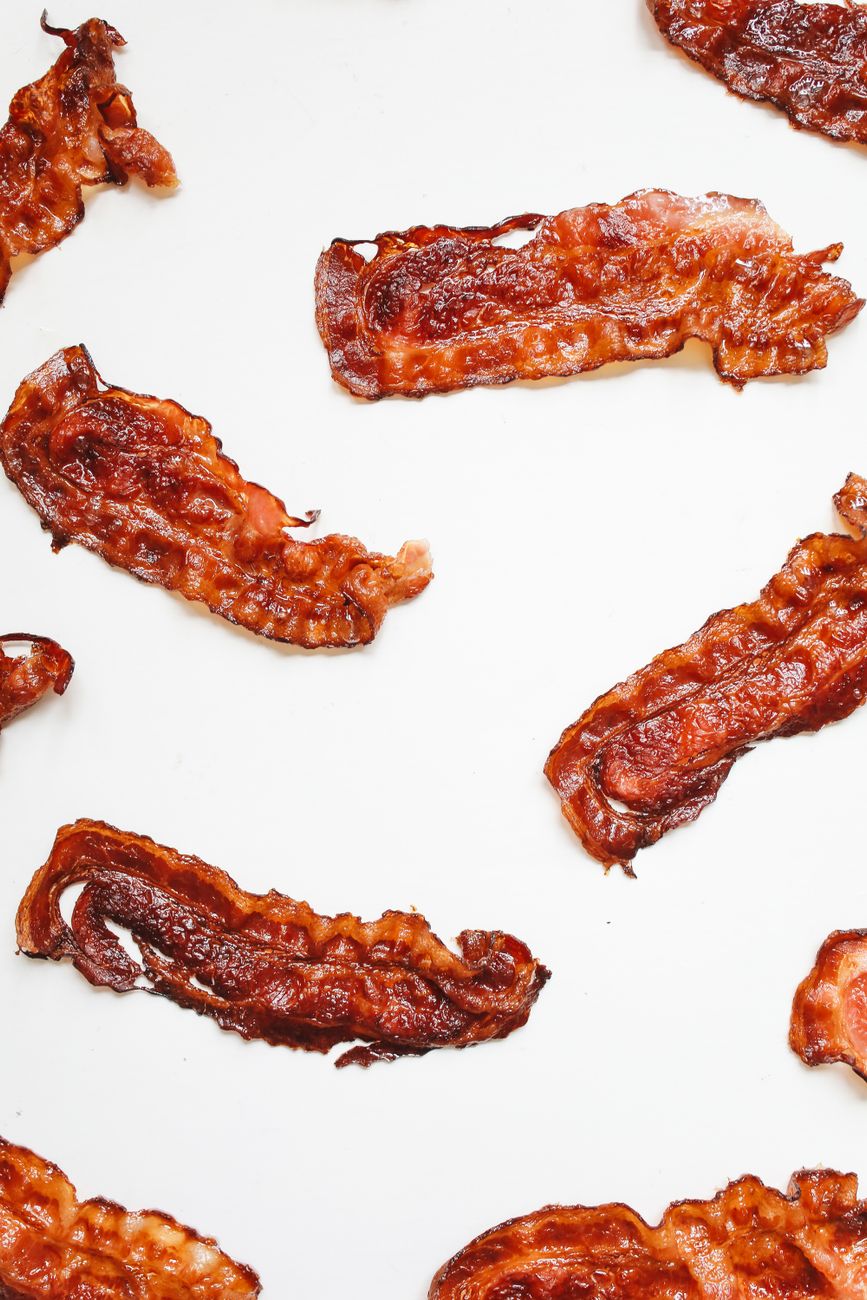
| Streaky (standard) | Pork belly | The most common U.S. bacon; high fat content, crisps well |
| Canadian bacon | Pork loin | Leaner, closer to ham in texture |
| Turkey bacon | Turkey | Lower fat, milder flavor, common substitute |
| Thick-cut | Pork belly | Cut thicker than standard slices, meatier bite |
Smoking Adds a Second Layer
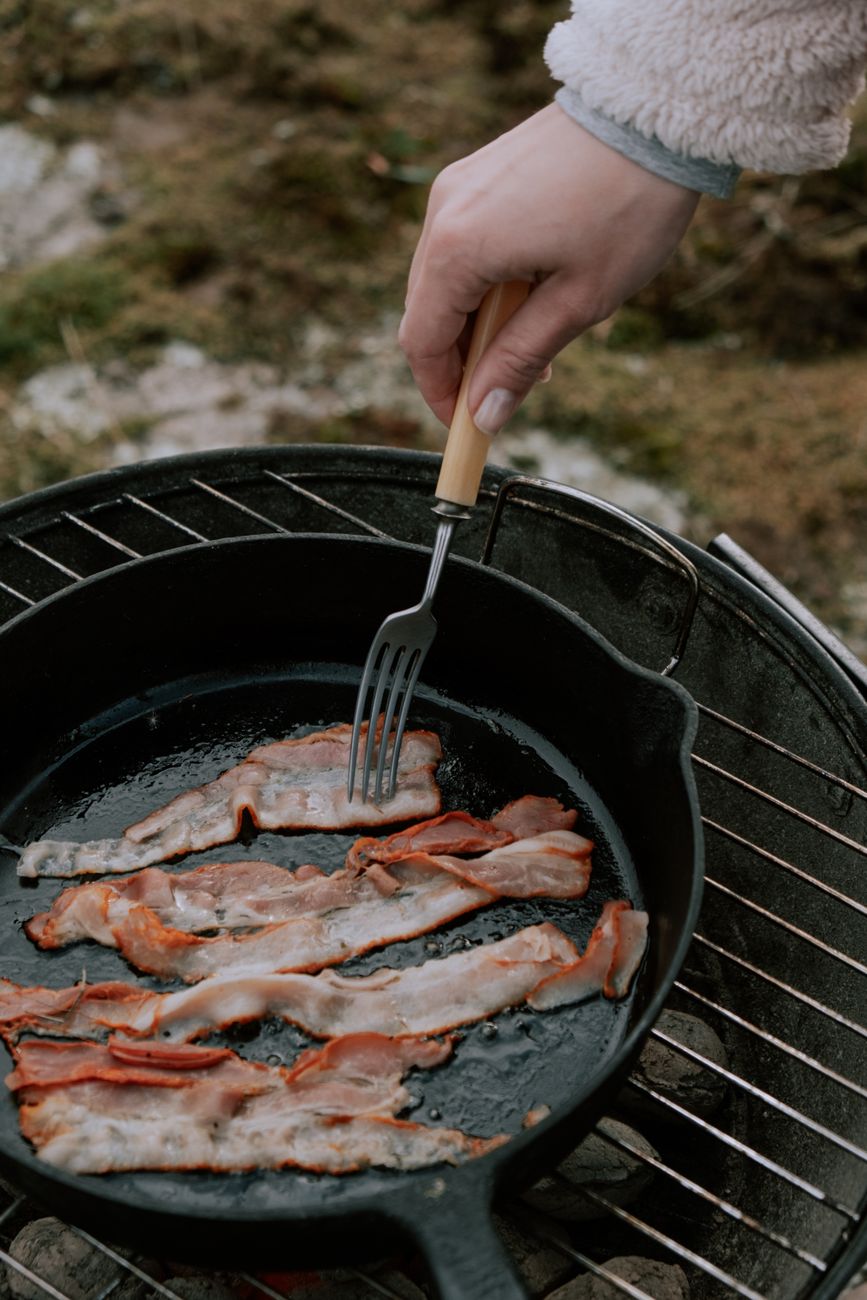
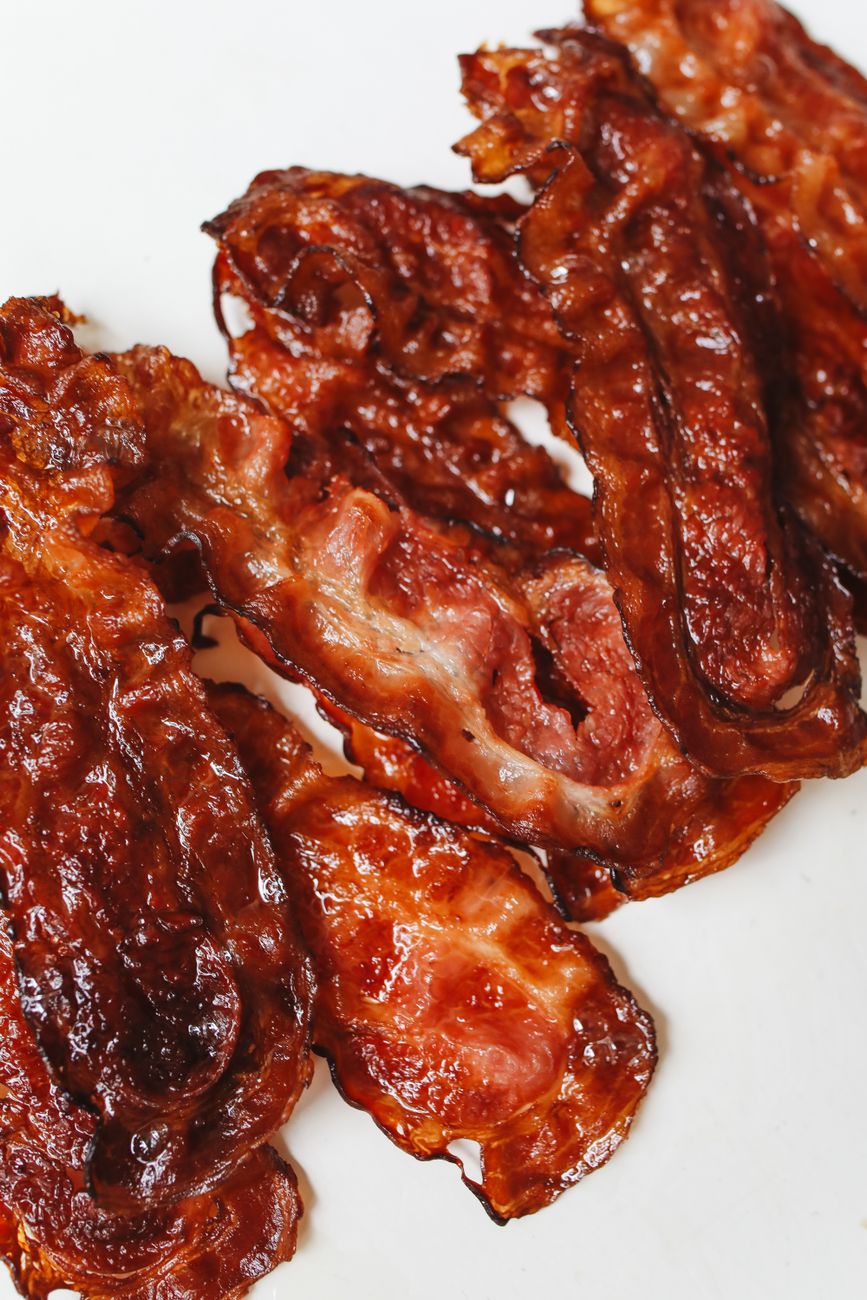
After curing, many bacons are smoked over wood, which adds flavor beyond what curing alone provides. Unsmoked cured bacon exists too, sometimes labeled “green bacon,” though it’s less common on U.S. grocery shelves than the smoked version.
Frequently Asked Questions
What does curing actually do to bacon?
It draws out moisture, preserves the meat, and gives it its characteristic pink color and flavor, using salt, sugar, and typically sodium nitrite.
What’s the difference between dry-cured and wet-cured bacon?
Dry curing rubs the mixture directly onto the meat over days to weeks; wet curing submerges or injects the meat in a brine, which is faster.
Is Canadian bacon the same as regular bacon?
No — it comes from pork loin rather than pork belly, giving it a leaner texture closer to ham.
Is all bacon smoked?
No — unsmoked cured bacon exists, sometimes called “green bacon,” though smoked versions are far more common in U.S. stores.
What sandwich at Mabel’s Deli uses bacon?
The BLT is the most direct example; see our classic BLT recipe.
Why does bacon curl up when cooked?
The muscle fibers contract faster than the surrounding fat as it heats, causing the strip to curl; scoring the fat edges lightly can help it lie flatter.
Is thick-cut bacon better than standard bacon?
Not necessarily better, just different — thick-cut offers a meatier bite, while standard slices cook faster and crisp more easily.
Want to put bacon to good use? See our classic BLT sandwich recipe.
For USDA guidance on bacon curing and labeling, see the National Pork Board.

Leave a Reply