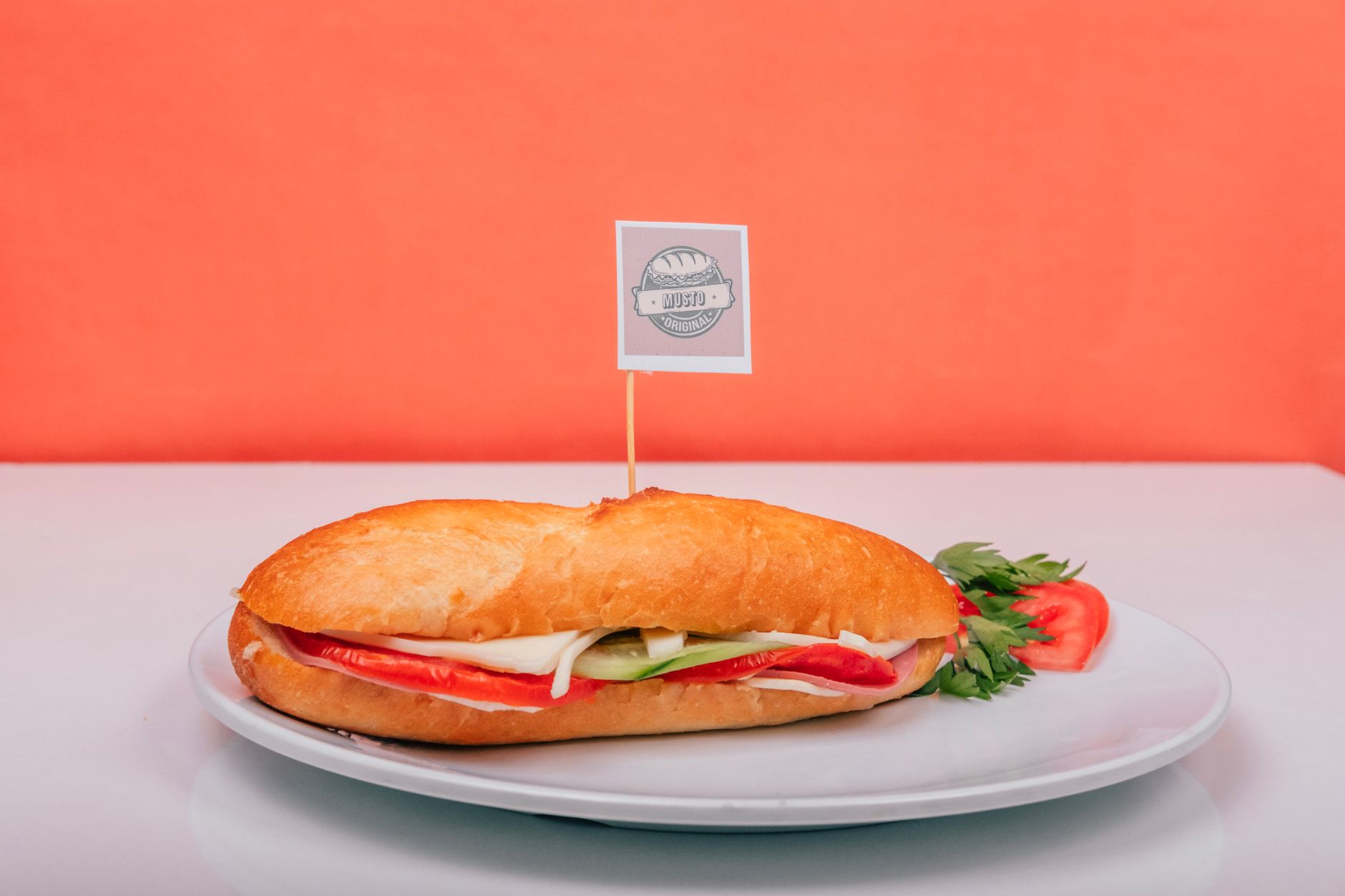
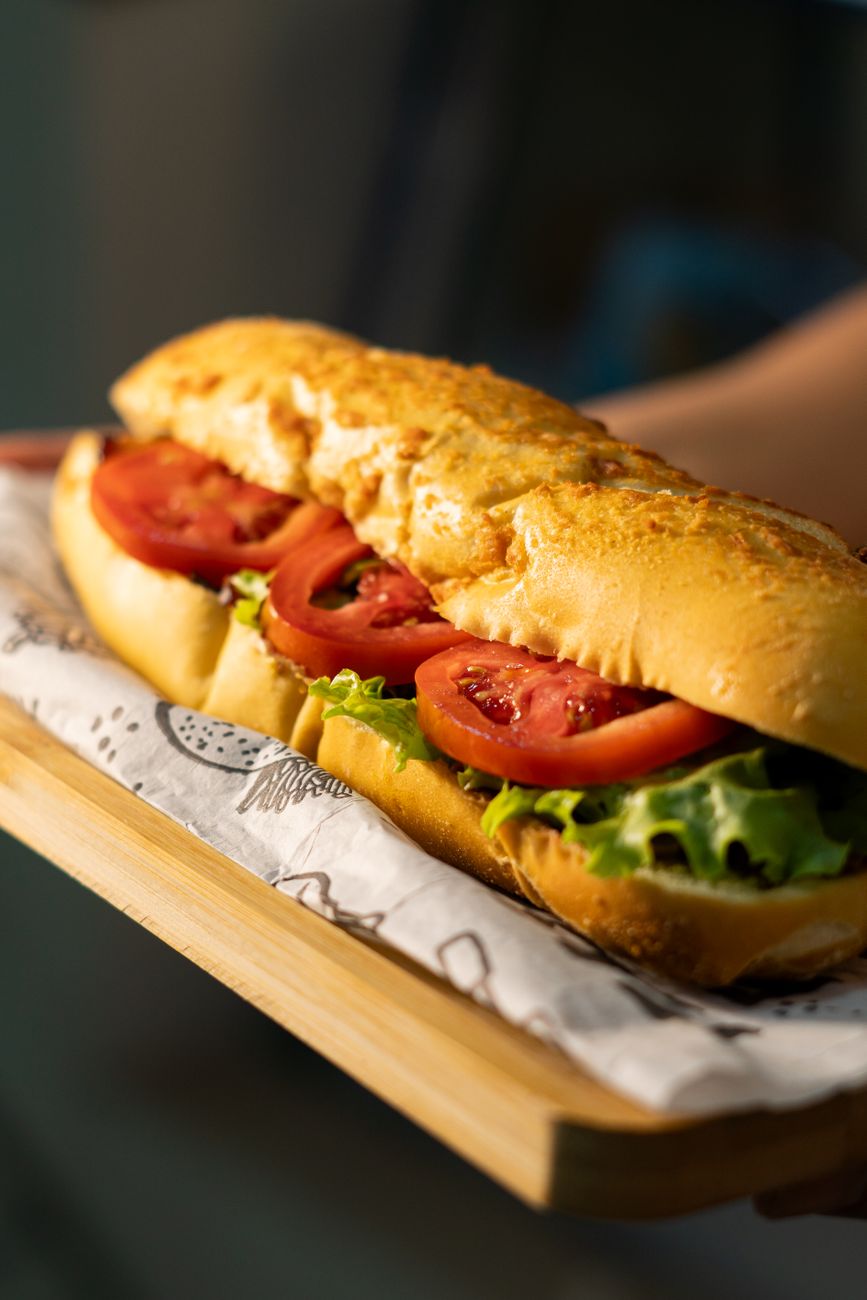
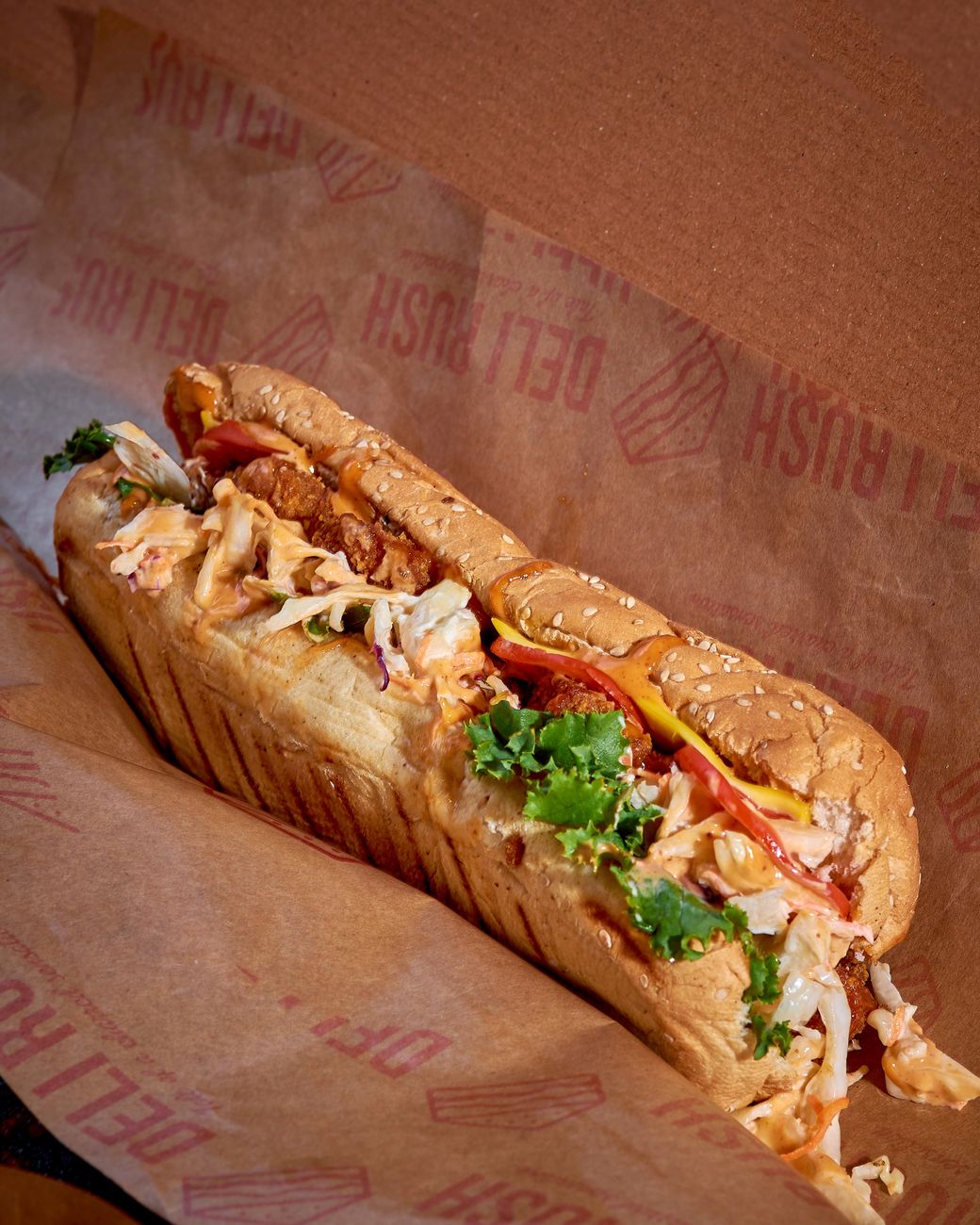
Order a long sandwich on a split roll in Philadelphia and you’ll hear it called a hoagie. Order the same thing in New York and it might be a hero. Head to New England and it’s a grinder. At Mabel’s Deli inside Poncha Market, “The Italian” is served on a hoagie roll — and the name genuinely reflects real regional history, not just marketing.
Here’s where each of these names actually comes from, since they’re all describing essentially the same sandwich.
It’s a genuinely useful piece of American food geography — four different regions, each convinced their term is the “correct” one, describing an identical style of sandwich with no actual disagreement about what’s inside it.
The Sandwich Itself Has No Standard Name
All of these terms describe a long roll of Italian or French-style bread, split lengthwise and filled with a variety of meats, cheeses, vegetables, and condiments. There’s no single, standardized national name for this style of sandwich — different U.S. regions simply developed their own terms independently.
This is genuinely unusual for a food this common. Most widely eaten American dishes settle on one dominant name over time, even if regional variations persist; this particular sandwich style never did, and all four major terms remain in active regional use today.
Hoagie: Philadelphia
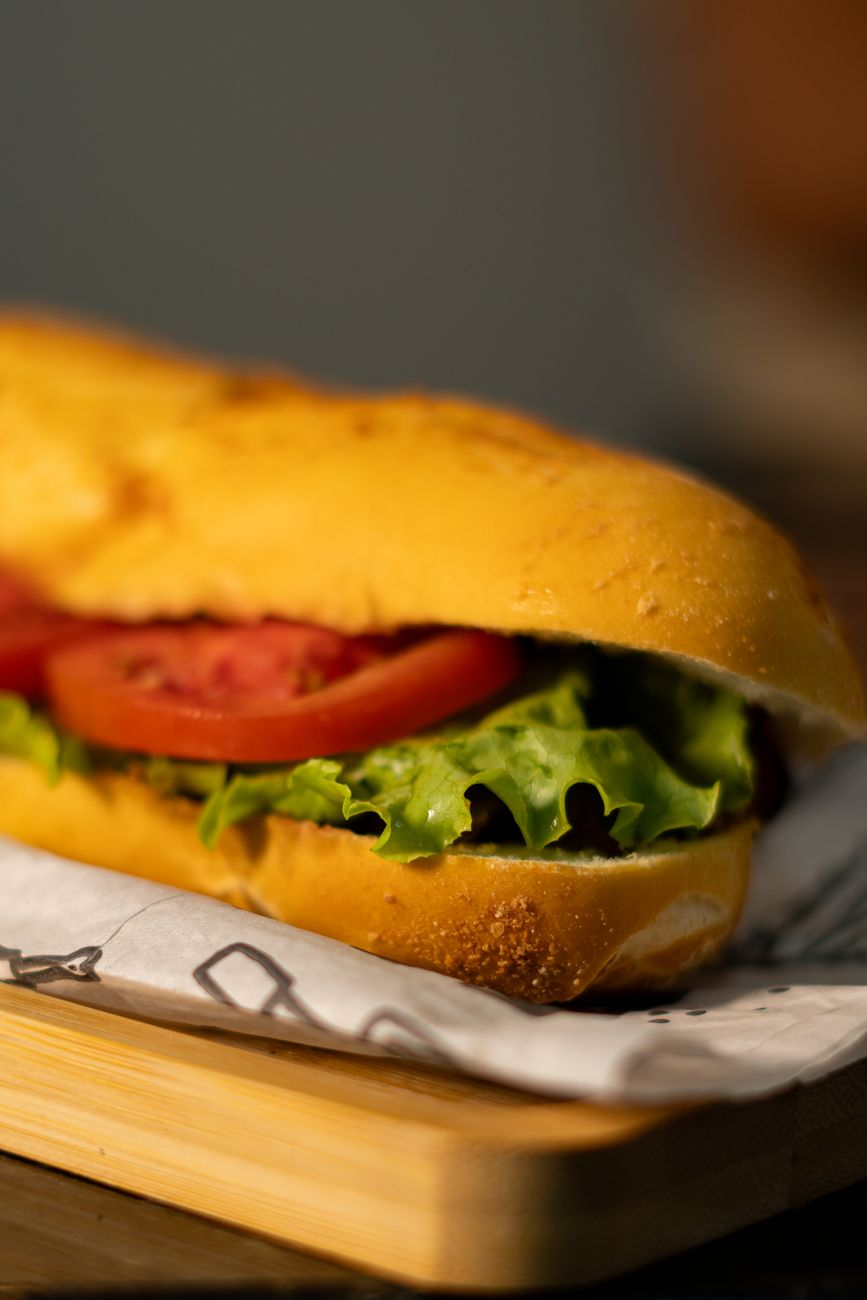
“Hoagie” is used specifically in the Philadelphia metropolitan area and Western Pennsylvania. One popular theory traces it to Italian immigrant workers at the Philadelphia Navy Yard, once known as Hog Island — workers there were called “hoggies,” a term that eventually morphed into “hoagie.”

Hero: New York City
“Hero” is the term used in New York City English, likely originating from a 1936 New York Herald Tribune columnist who described a sandwich so large that “you had to be a hero to eat it.” The term can refer to both hot and cold versions of the sandwich in New York usage.
Sub and Grinder: Everywhere Else
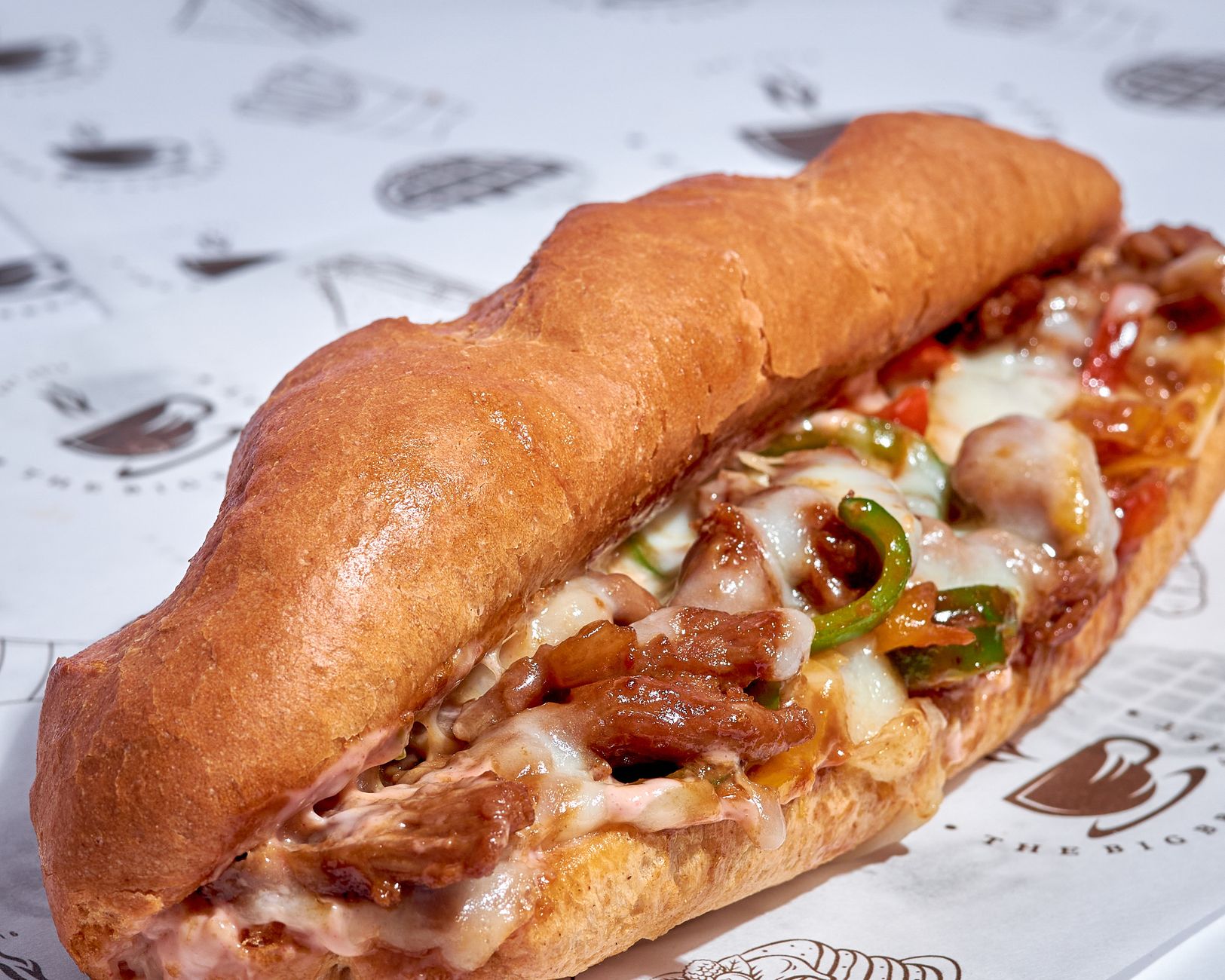
Outside Philadelphia, New York, and New England, this sandwich is generally known as a “sub” — short for submarine, referencing the roll’s shape. In New England specifically, “grinder” is the more common regional term instead.
Regional Name Quick Reference
| Term | Region |
|---|---|
| Hoagie | Philadelphia and Western Pennsylvania |
| Hero | New York City |
| Grinder | New England |
| Sub | Most other U.S. regions |
Why This Matters When Ordering
Knowing these regional terms is mostly a fun piece of food trivia, but it also explains why a menu item labeled “hoagie” at a deli far from Philadelphia, like Mabel’s Deli in Colorado, is a deliberate nod to the sandwich’s Philadelphia roots rather than a random word choice.
It also means you shouldn’t be confused if a menu somewhere else uses a completely different term for what looks like the same sandwich — regional naming, not a different recipe, is almost always the explanation.
Chain restaurants have complicated this picture somewhat by picking one term (typically “sub”) and using it nationally regardless of local convention, which has made “sub” the most commonly recognized term overall even in regions that traditionally used a different word.
Despite that national leveling effect, the older regional terms haven’t disappeared — ask for a “hoagie” in Philadelphia or a “grinder” in Boston, and locals will know exactly what you mean, chain-restaurant branding notwithstanding.
This kind of regional food vocabulary tends to persist longest around genuinely beloved local dishes, which is really the underlying pattern here — the sandwich itself matters enough to the culture of each region that residents keep their own name for it alive alongside whatever a national chain calls it.
Frequently Asked Questions
Is a hoagie the same as a sub?
Yes — they’re the same style of sandwich with different regional names, hoagie in Philadelphia and sub in most other parts of the country.
Where does the word “hoagie” come from?
One popular theory ties it to Italian immigrant workers at Philadelphia’s Navy Yard, once known as Hog Island, whose nickname “hoggies” evolved into “hoagie.”
What is a grinder?
The New England regional term for the same style of long sandwich called a hoagie in Philadelphia or a sub elsewhere.
Why is it called a hero in New York?
It likely traces to a 1936 newspaper columnist who described the sandwich as so large “you had to be a hero to eat it.”
What does Mabel’s Deli call its long sandwiches?
“The Italian” and other options are served on a hoagie roll, a nod to the Philadelphia name for this sandwich style.
Why did this sandwich never get one standard national name?
Regional food terminology in the U.S. often developed independently before national media and chains standardized language; this sandwich is one of the more persistent examples where four regional terms all survived.
Is a po’boy the same as a hoagie or sub?
It’s related but distinct — a po’boy is a Louisiana specialty typically served on French bread with its own regional identity, rather than simply another name for the same exact sandwich.
Does the name change what’s inside the sandwich?
No — hoagie, sub, hero, and grinder all describe the same basic sandwich style regardless of what specific fillings are used.
Why is “sub” the most widely recognized term today?
National chain restaurants generally standardized on “sub” regardless of local convention, which spread that term more broadly than the others even in regions with their own traditional word.
Curious about “The Italian”? See our Mabel’s Deli menu guide for the full hoagie-style sandwich lineup.
For more on the etymology of regional sandwich names, see Merriam-Webster.

Leave a Reply