6250 US Hwy 285, Poncha Springs, CO 81242

Open Daily · Summer 7:30AM–8PM

(719) 539-6089

Facebook Instagram

Category: Recipes & Food Guides

Real recipes, food history, and ingredient guides covering sides, condiments, breakfast, and more.

  • A Short History of the Bagel

    A Short History of the Bagel

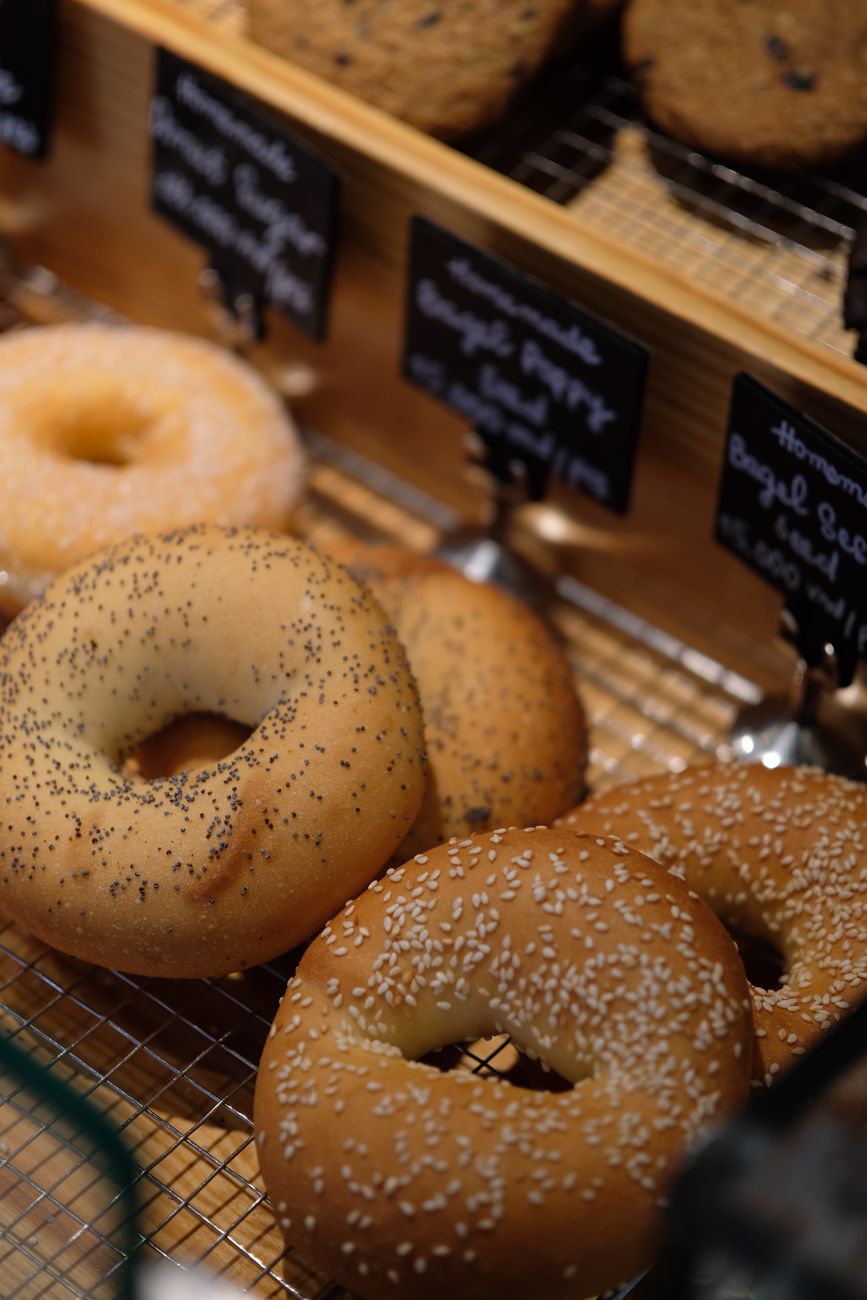
    The bagel’s distinctive dense, chewy texture comes from a specific cooking method — boiling before baking — that traces back centuries, tied closely to Jewish communities in Central and Eastern Europe long before the bagel became a New York City staple.

    Here’s where the bagel actually came from, and how it made its way to America.

    Few breakfast staples carry as clear a documented lineage as the bagel, which makes it a genuinely interesting case study in how a specific immigrant community’s food became a mainstream national product.

    Origins in Central Europe

    The bagel’s documented history traces to Jewish communities in Poland as early as the 17th century, where round, boiled-then-baked breads were a staple food. One often-cited reference from 1610 in Krakow describes bagels being given as a gift to women after childbirth, suggesting the bread already held cultural significance by that point.

    A close-up of cream cheese spread on a sliced bagel

    Why Boiling Before Baking Matters

    Boiling the shaped dough briefly before baking gelatinizes the starch on the surface, creating the bagel’s characteristically shiny, chewy crust — a texture that simply baking the same dough without boiling wouldn’t produce. This step is the single technical detail that defines a genuine bagel.
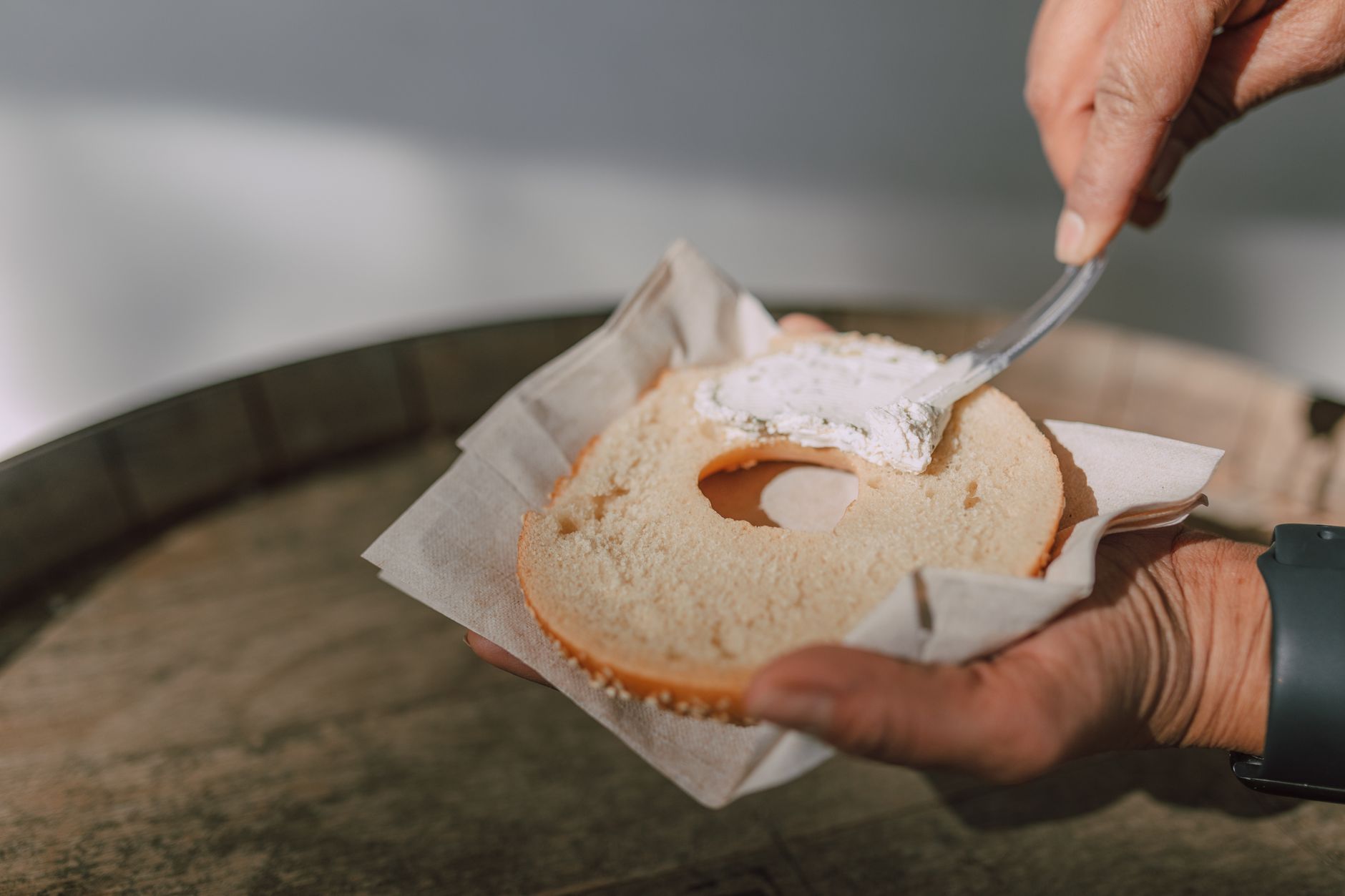
    A person spreading cream cheese onto a fresh bagel

    Arrival in New York City

    Jewish immigrants brought bagel-making traditions to New York City in the late 1800s and early 1900s, where bagel bakers formed a tight-knit trade union, Local 338, that controlled production for decades. The bagel remained largely a regional New York specialty until automated bagel-making machinery in the mid-20th century made mass production, and national distribution, possible.
    A close-up shot of freshly baked bagels

    The Everything Bagel and Lox Tradition

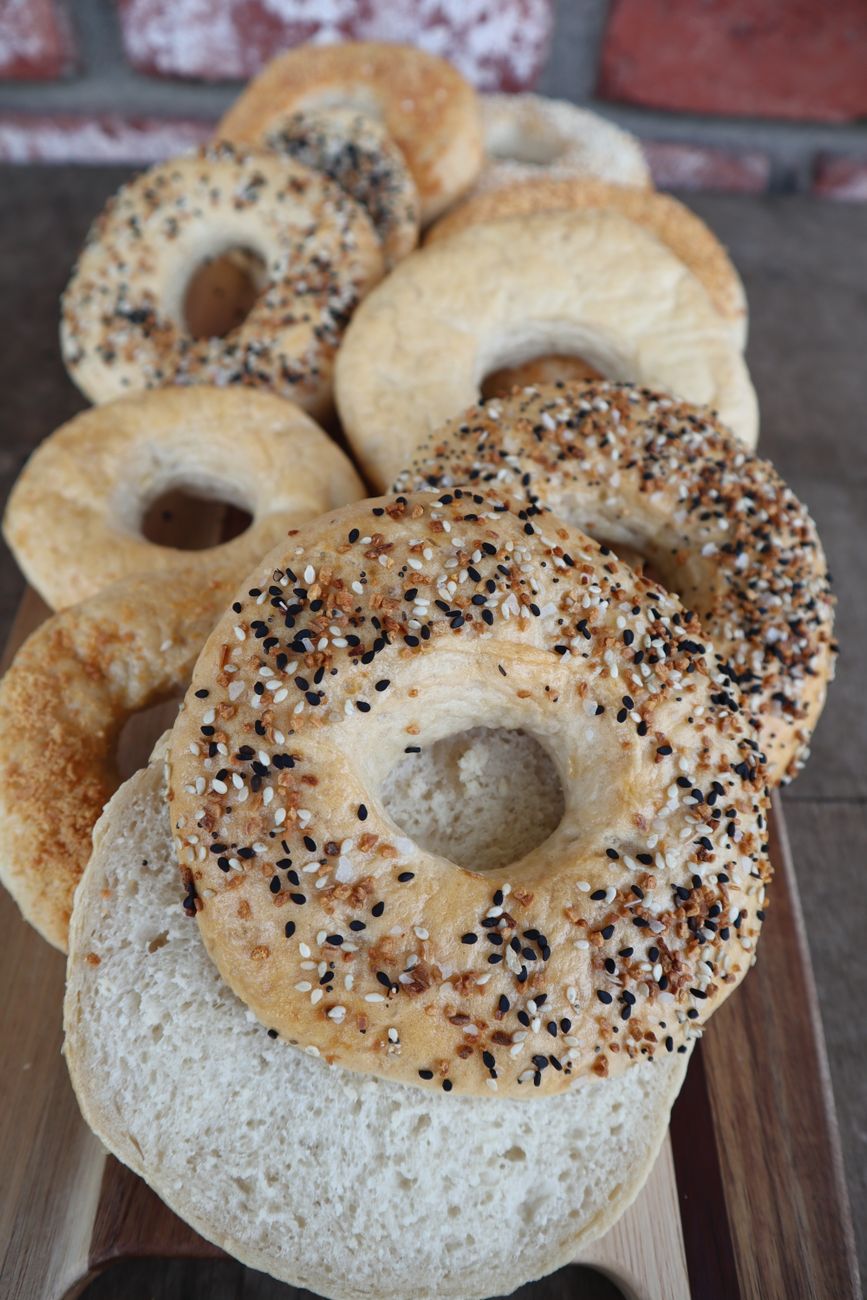
    Topping a bagel with cream cheese, smoked salmon (lox), capers, and onion became a signature New York Jewish deli tradition, distinct from the plain or simply-seasoned bagels eaten in earlier European tradition. The “everything” bagel, topped with a mix of seeds and seasonings, is a later American addition to the format.
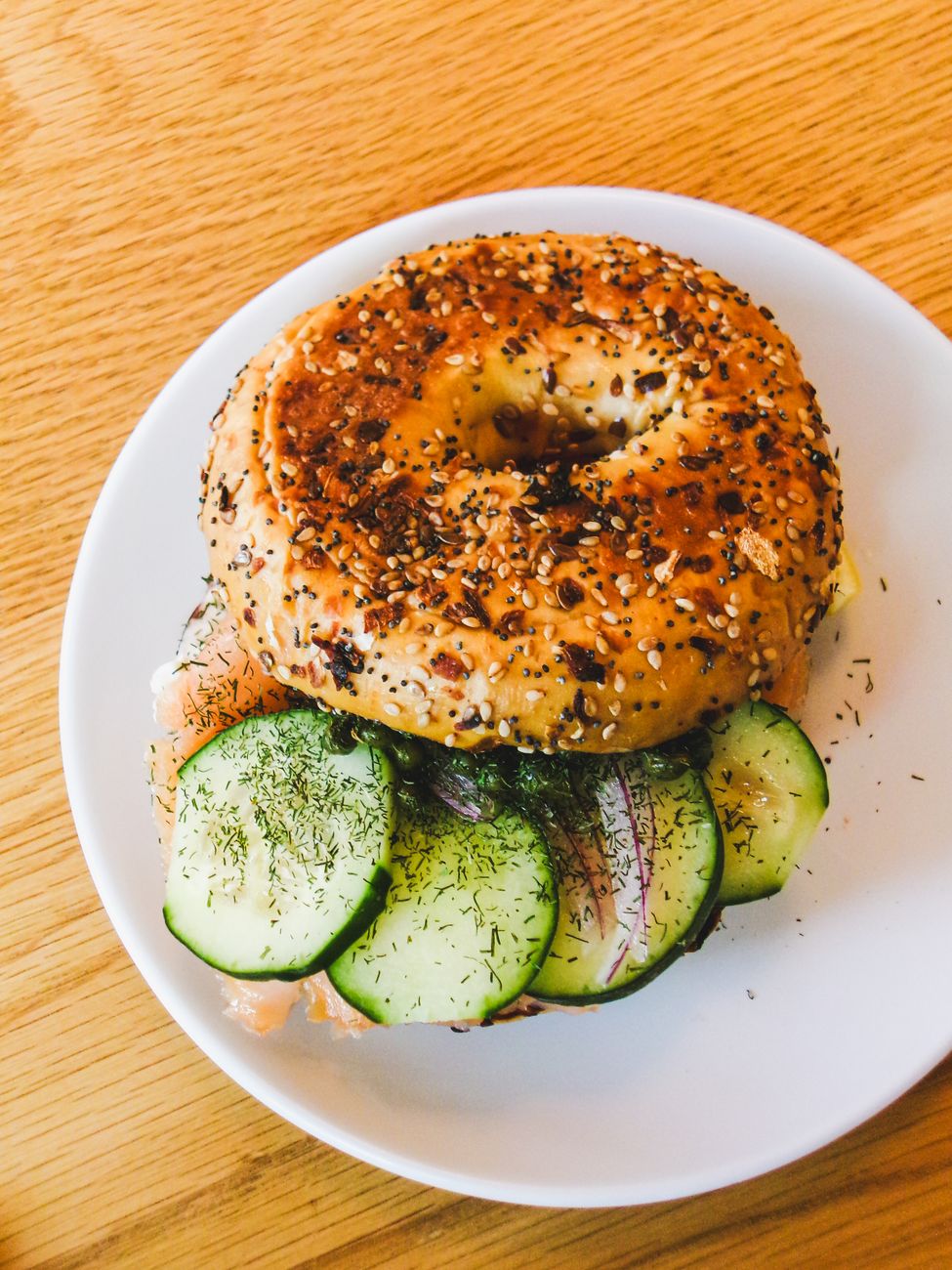
    A delicious everything bagel topped with salmon and cucumber

    Frequently Asked Questions

    Where did the bagel originate?

    Jewish communities in Poland, with documented references dating to the early 17th century.

    Why are bagels boiled before baking?

    Boiling gelatinizes the surface starch, giving the bagel its shiny, chewy crust, which simple baking alone wouldn’t produce.

    When did bagels arrive in America?

    Jewish immigrants brought bagel-making to New York City in the late 1800s and early 1900s.

    Is the lox and cream cheese bagel a European tradition?

    No — it developed specifically as a New York Jewish deli tradition, distinct from simpler European bagel preparations.

    What is the “everything” bagel topping?

    A later American addition combining a mix of seeds and seasonings, not part of the bagel’s original European tradition.

    What made mass bagel production possible?

    Automated bagel-making machinery developed in the mid-20th century, which allowed production to scale well beyond what hand-rolling could support.

    What was Local 338?

    A tight-knit New York City bagel bakers’ union that controlled much of the trade’s production for decades before automation changed the industry.

    Want more real delicatessen history? See our history of the American delicatessen.

    For more on this bread’s documented history, see My Jewish Learning.
  • Pancakes vs. Waffles: What’s the Difference

    Pancakes vs. Waffles: What’s the Difference

    Pancakes and waffles share nearly identical core ingredients — flour, eggs, milk, leavening — yet they turn out completely different once cooked. The difference comes down to batter composition and cooking method, not just the shape of the pan.

    Here’s what actually separates the two.

    Knowing these differences is useful beyond trivia, too — it explains why swapping one batter into the other’s cooking method rarely produces the result you’d expect.

    Batter Differences

    Waffle batter typically contains more fat and sugar than pancake batter, which helps create a crispier exterior once cooked in a waffle iron. Some waffle recipes also call for separating the eggs and folding in whipped egg whites, producing a lighter, airier interior than a typical pancake.

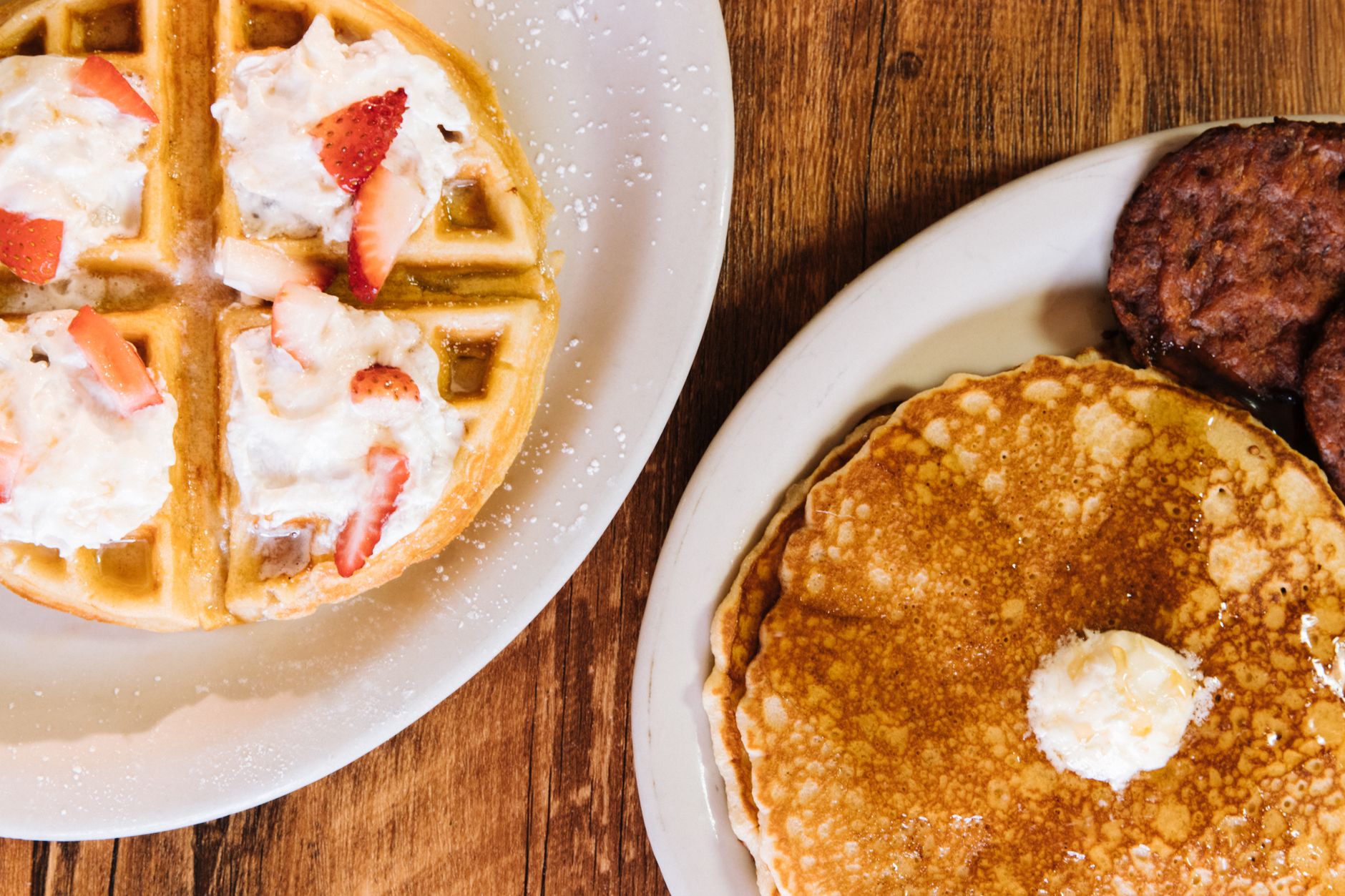
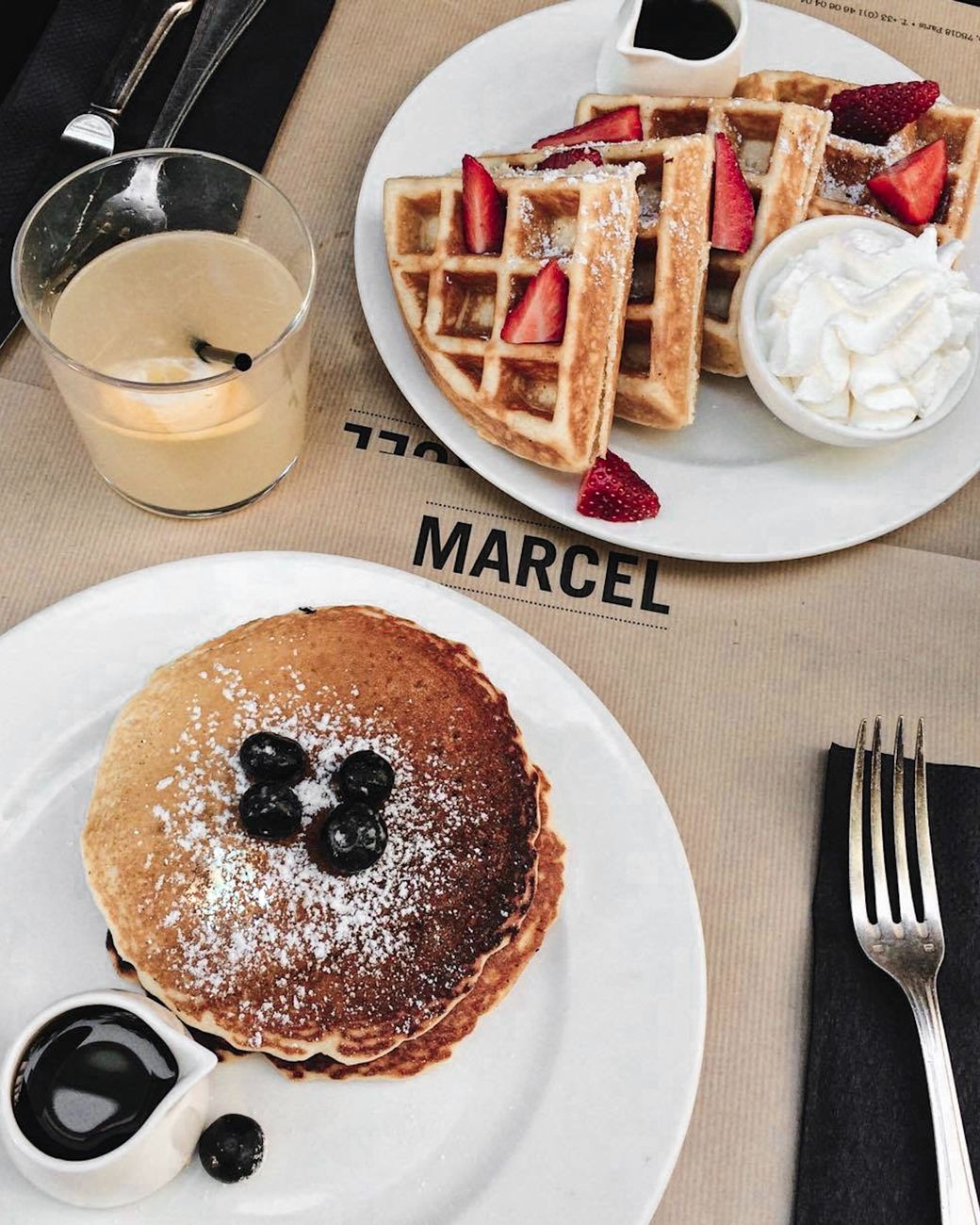
    Waffles and pancakes served together on white ceramic plates

    Cooking Method

    Pancakes cook on a flat griddle, browning only on the top and bottom surfaces, while waffles cook in a hinged iron that presses the batter from both sides at once, creating the characteristic grid pattern and crisping the entire surface area rather than just two sides.

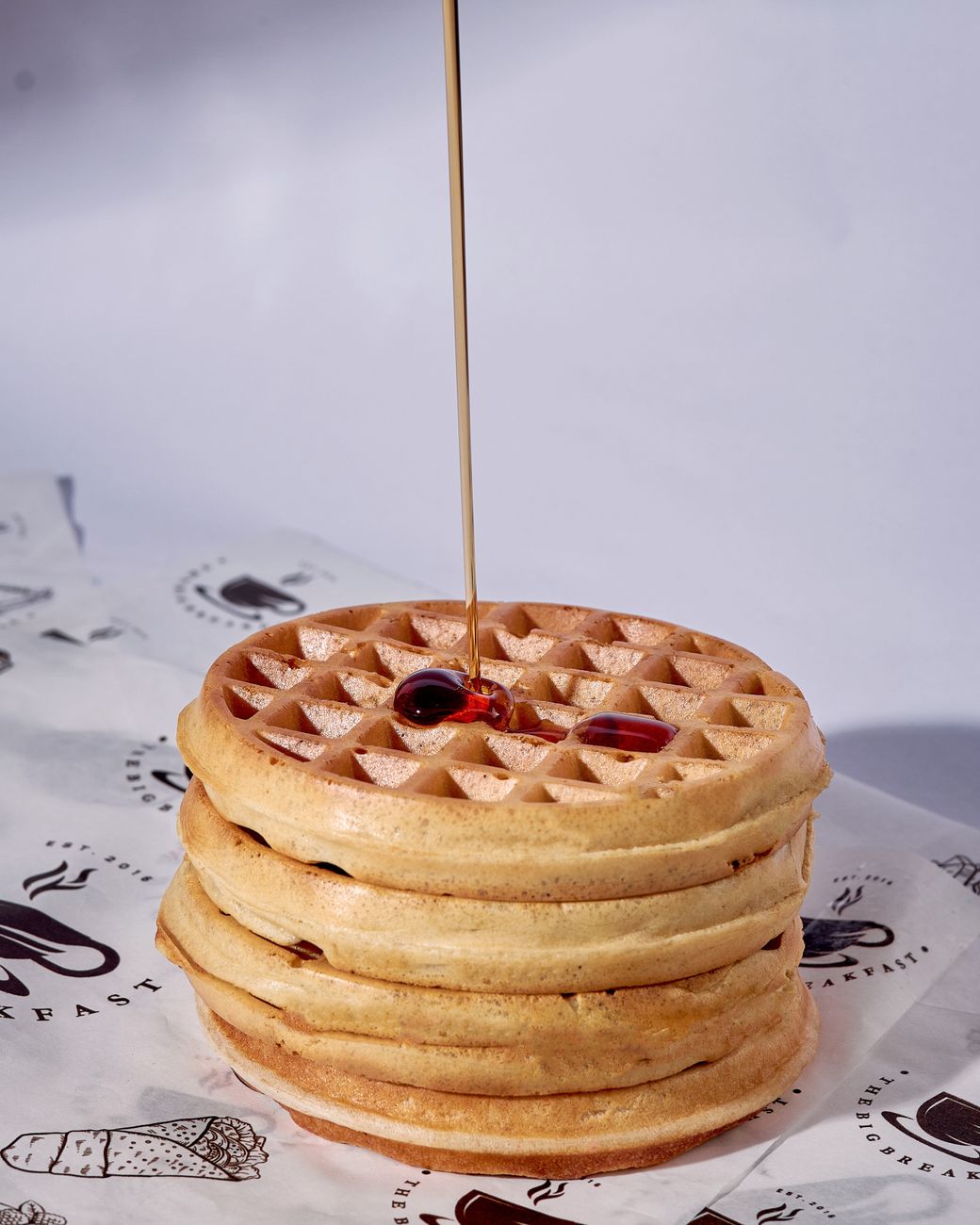
    A stack of waffles with syrup drizzling down the sides

    Why Waffles Stay Crispier Longer

    The grid pattern on a waffle isn’t just decorative — it increases the surface area exposed to direct heat, which helps the batter crisp more evenly than a pancake’s flat, single-sided cooking. The higher fat content in waffle batter also contributes to a crisper texture that holds up better than a pancake’s softer crumb.
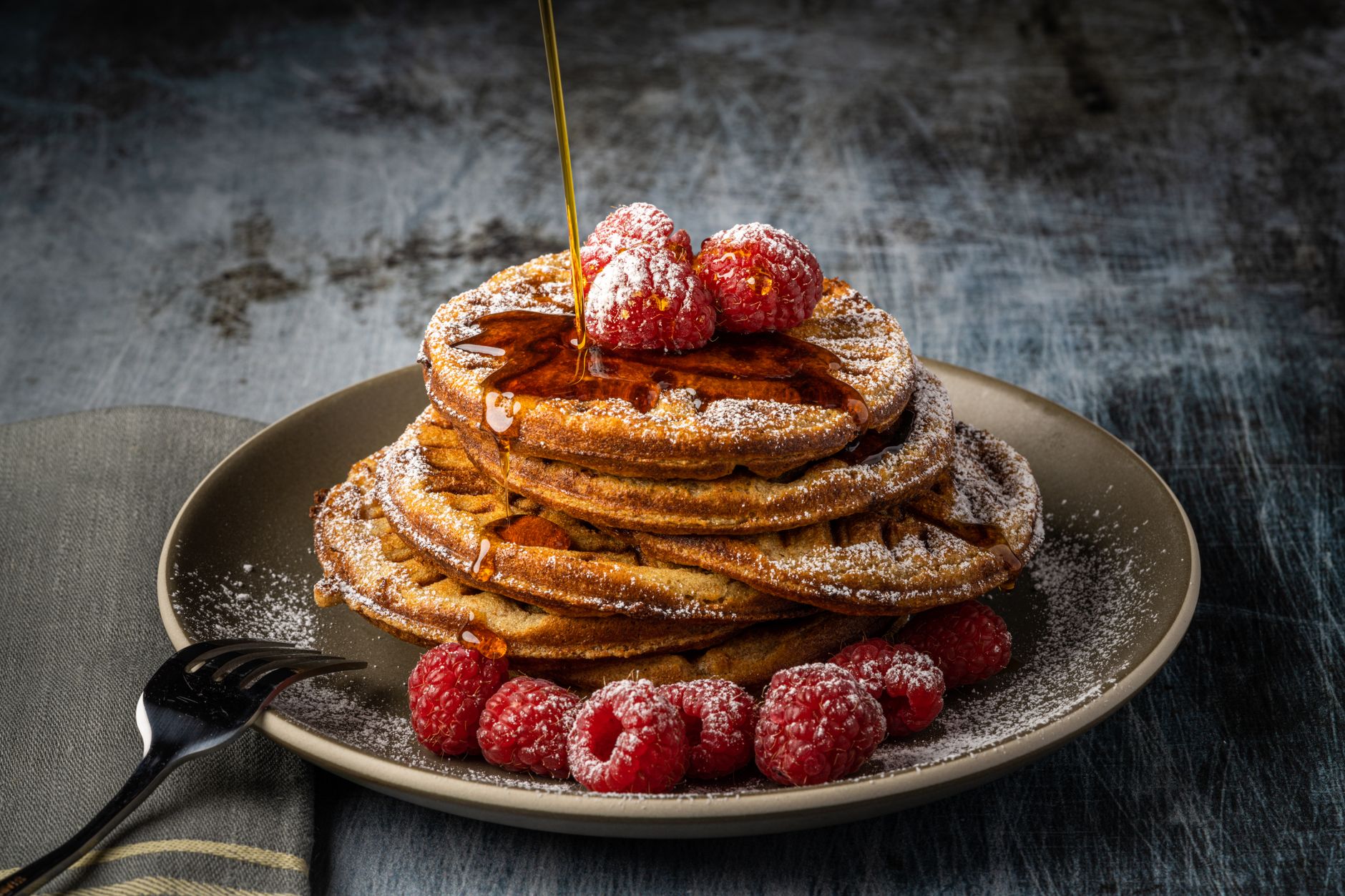
    A stack of pancakes topped with maple syrup

    Which One to Make

    Neither is better outright — pancakes are typically faster to make in a large batch on a single griddle, while waffles require a specific iron but produce a crisper, more structured result that holds toppings like syrup in its grid pockets particularly well.

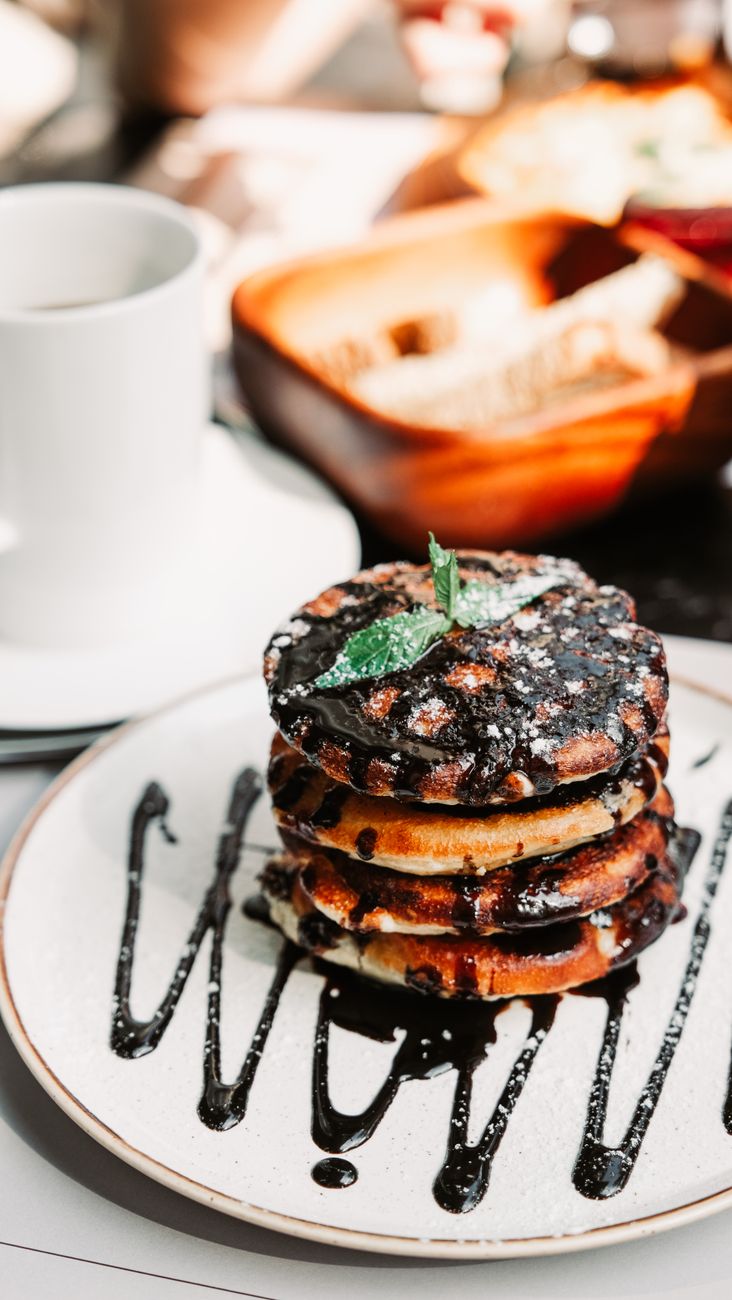
    A plate of waffles topped with chocolate syrup and powdered sugar

    Frequently Asked Questions

    Do pancakes and waffles use the same batter?

    They’re similar but not identical — waffle batter typically has more fat and sugar, which contributes to a crispier texture.

    Why do waffles have a grid pattern?

    The grid increases surface area exposed to heat, helping the batter crisp more evenly than a flat pancake.

    Can I use pancake batter in a waffle iron?

    Yes, though the result will be softer and less crisp than batter specifically formulated for waffles.

    Which is faster to make for a large group?

    Pancakes, typically, since a griddle can cook several at once, while a waffle iron usually makes one or two at a time.

    Do waffles hold syrup better than pancakes?

    Yes — the grid pockets on a waffle hold syrup and toppings more effectively than a pancake’s flatter surface.

    Why do restaurant waffles often taste different from homemade ones?

    Commercial waffle irons often run hotter and press harder than home models, producing a crisper result than many home kitchens can easily replicate.

    Can I freeze pancakes or waffles?

    Yes — both freeze well and reheat easily in a toaster or oven, making them practical for meal prep.

    Looking for another breakfast idea? See our best road trip breakfast foods guide.

    For more on batter chemistry, see the American Egg Board.

  • French Toast: History and Recipe

    French Toast: History and Recipe

    French toast has a name that suggests a specific French invention, but egg-soaked, fried bread recipes are documented far earlier and across a much wider area than France alone.

    Here’s what’s actually known about its history, along with a classic recipe.

    That mismatch between name and origin is common in food history generally, and French toast is one of the clearer examples of a dish named more for a vague association than any documented invention.

    Older Than France Itself

    Recipes for bread soaked in a liquid mixture and fried appear in ancient Roman cookbooks, well before medieval France existed as a nation. The technique likely developed independently in many places as a practical way to use up stale bread rather than waste it — not as a specifically French culinary invention.

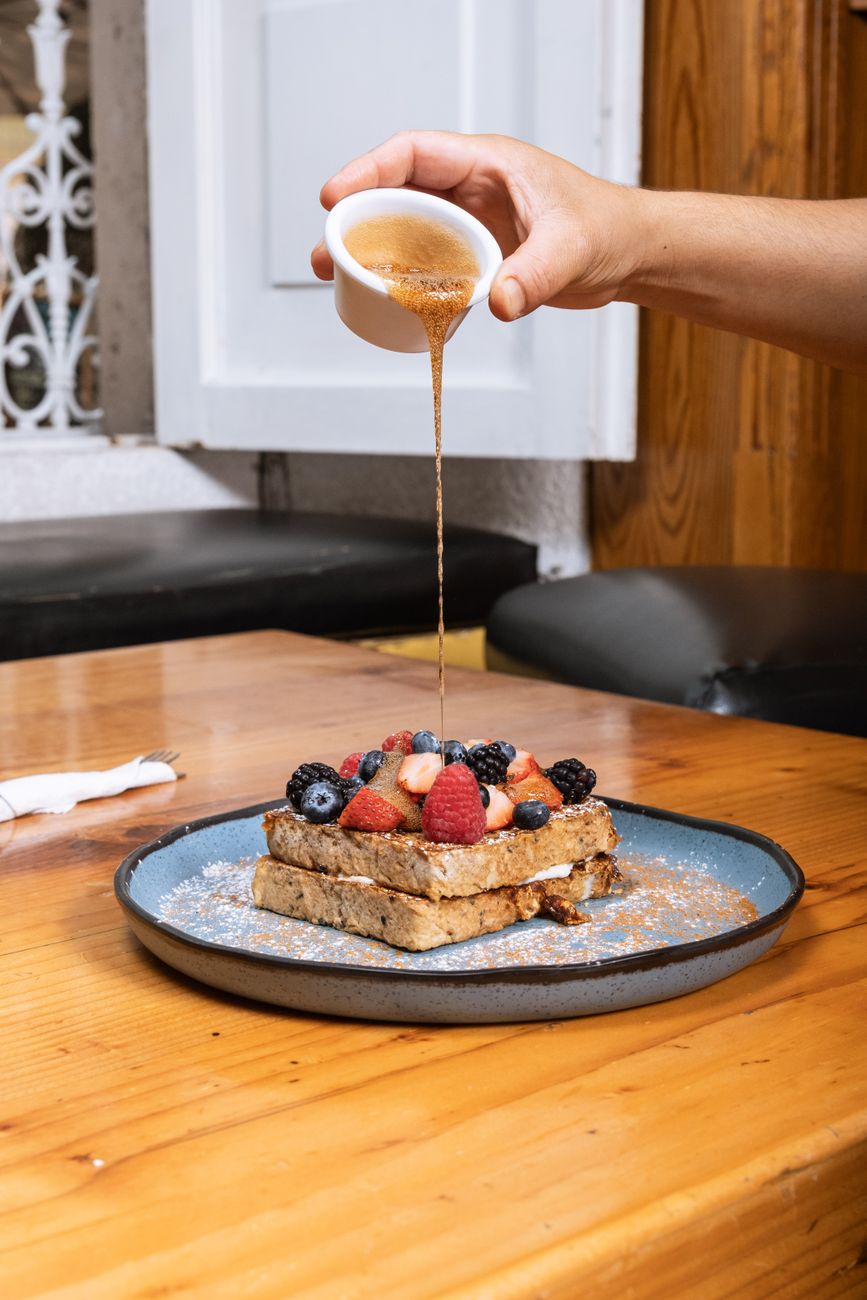
    A plate of toasts topped with fresh fruit

    Why It’s Called “French” Toast

    The exact reason for the American name is unclear, though it may simply reflect a general 18th and 19th-century habit of labeling any refined-sounding egg dish “French,” regardless of any real connection to France. Many countries have their own name and version of the same basic dish.

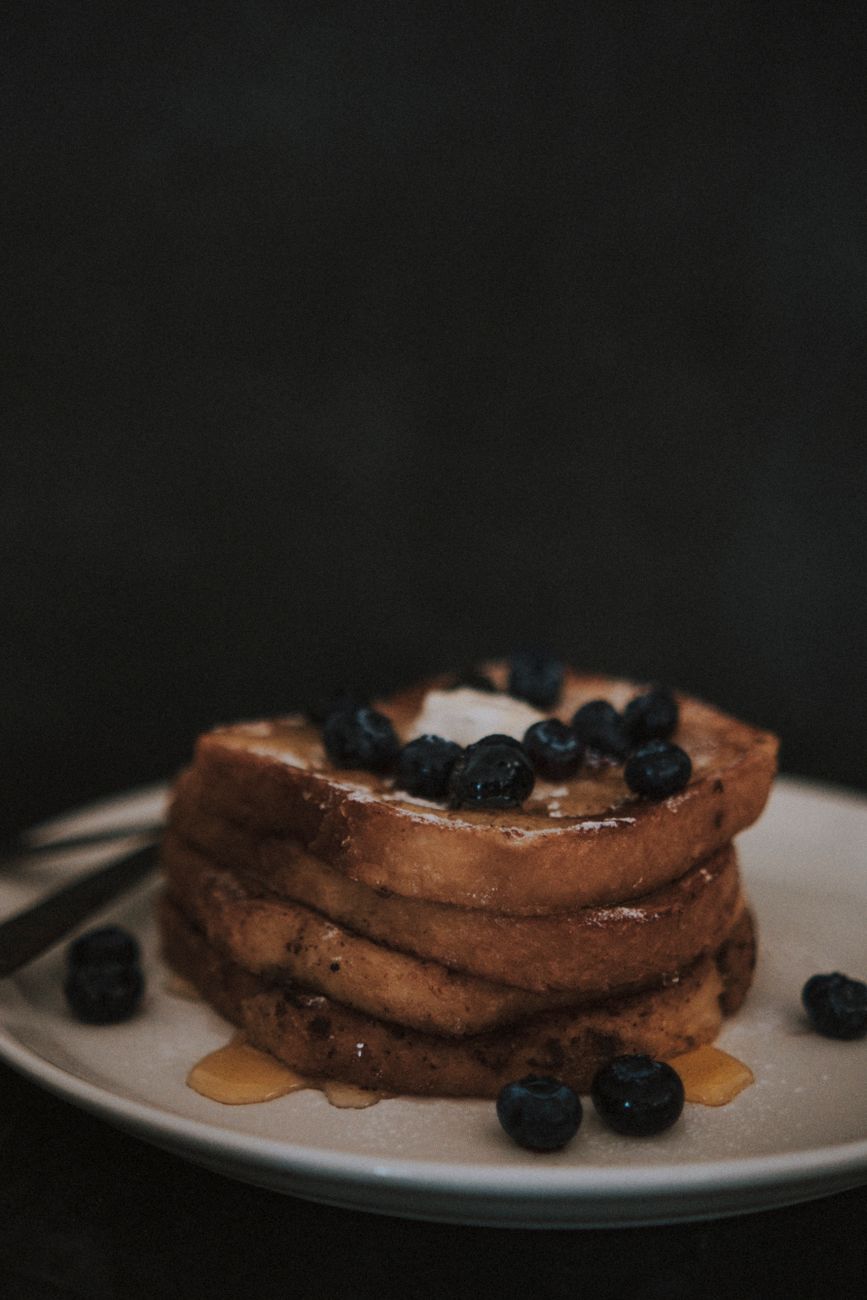
    A close-up of toasts topped with fresh blueberries

    Ingredients

    • 4 slices thick bread (brioche or challah work well)
    • 2 eggs
    • ½ cup milk
    • 1 teaspoon cinnamon
    • 1 teaspoon vanilla extract
    • Butter, for frying
    • Maple syrup and fresh fruit, for serving
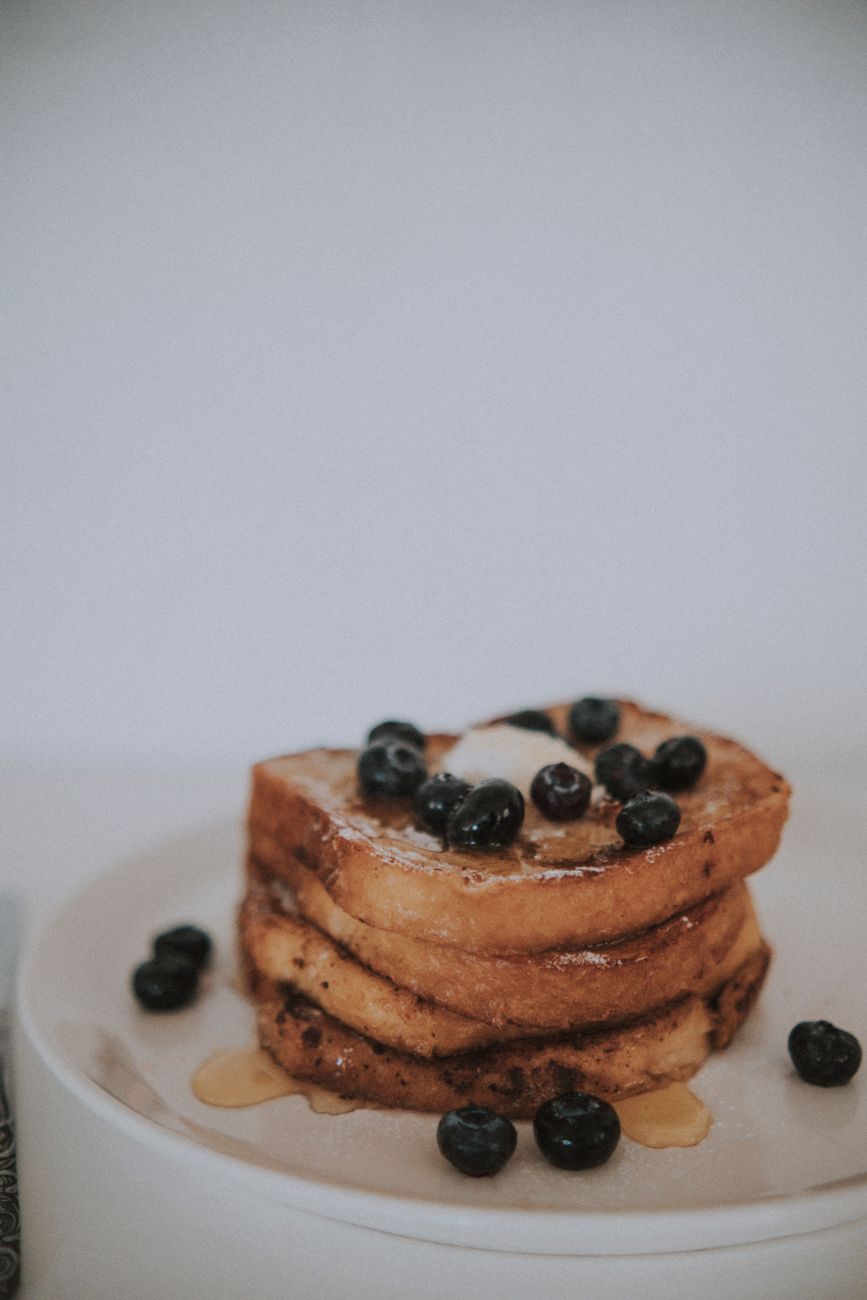
    A delicious breakfast plate featuring fresh blueberries

    Instructions

    1. Whisk together the eggs, milk, cinnamon, and vanilla in a shallow dish.
    2. Dip each slice of bread in the mixture, coating both sides without oversoaking.
    3. Fry in butter over medium heat until golden brown on both sides.
    4. Serve with maple syrup and fresh fruit.
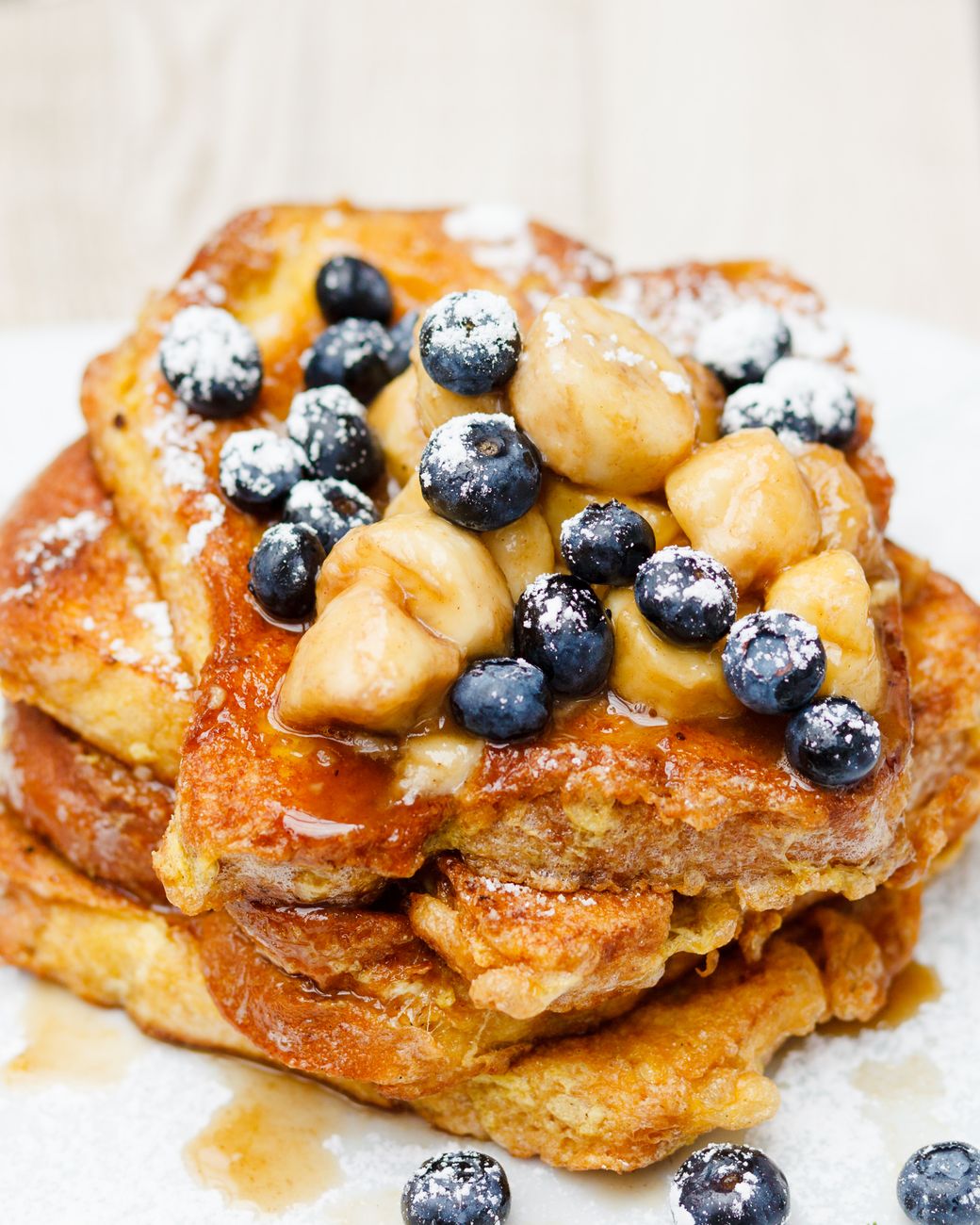
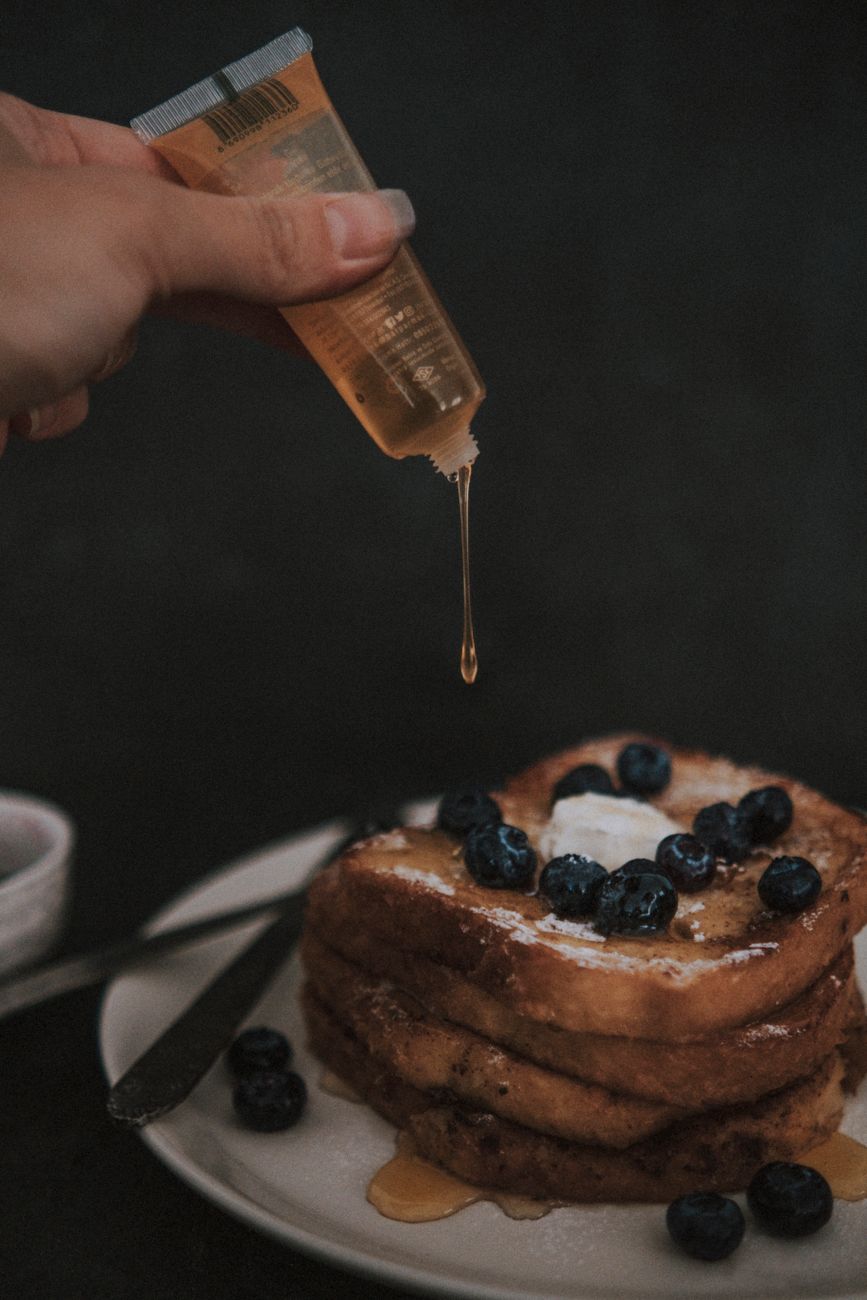
    A person drizzling honey on top of breakfast pancakes

    Frequently Asked Questions

    Is French toast actually French?

    Not specifically — egg-soaked fried bread recipes predate France and appear in ancient Roman cookbooks; the American name’s exact origin is unclear.

    What bread works best for French toast?

    Thicker, slightly stale bread like brioche or challah holds up best without falling apart when soaked.

    Why do some recipes use stale bread specifically?

    Stale bread absorbs the egg mixture without becoming too soggy, since fresh bread can turn mushy from the added moisture.

    Can I make French toast with a croissant instead?

    Yes, though it produces a richer, flakier result than standard sliced bread; see our breakfast croissant recipe for a related idea.

    Is French toast a breakfast-only dish?

    No — while typically served at breakfast, it works equally well as a light dinner or dessert.

    Should the bread be fresh or stale?

    Slightly stale bread absorbs the egg mixture better without turning mushy, which is why day-old bread often works better than fresh.

    Can I make French toast without milk?

    Yes — water or a non-dairy milk substitute works, though the result will be slightly less rich.

    Looking for another breakfast classic? See our history of the breakfast sandwich.

    For more on this dish’s ancient origins, see Wikipedia.

  • Beef Jerky: History and How It’s Made

    Beef Jerky: History and How It’s Made

    Beef jerky is a staple road trip and convenience store snack, but the drying technique behind it is genuinely ancient, predating refrigeration by centuries as a practical way to preserve meat for long journeys.

    Here’s where the technique came from and how modern jerky is actually made.

    It’s also a good example of a food that hasn’t changed dramatically in principle over centuries, even as manufacturing methods and seasoning options have expanded considerably.

    Origins in Indigenous Preservation Methods

    The word “jerky” comes from the Quechua word “ch’arki,” meaning dried, salted meat, used by Indigenous peoples of the Andes long before European contact. Similar drying techniques were independently developed by Indigenous groups across North America, who dried bison and other meats to preserve them without refrigeration.

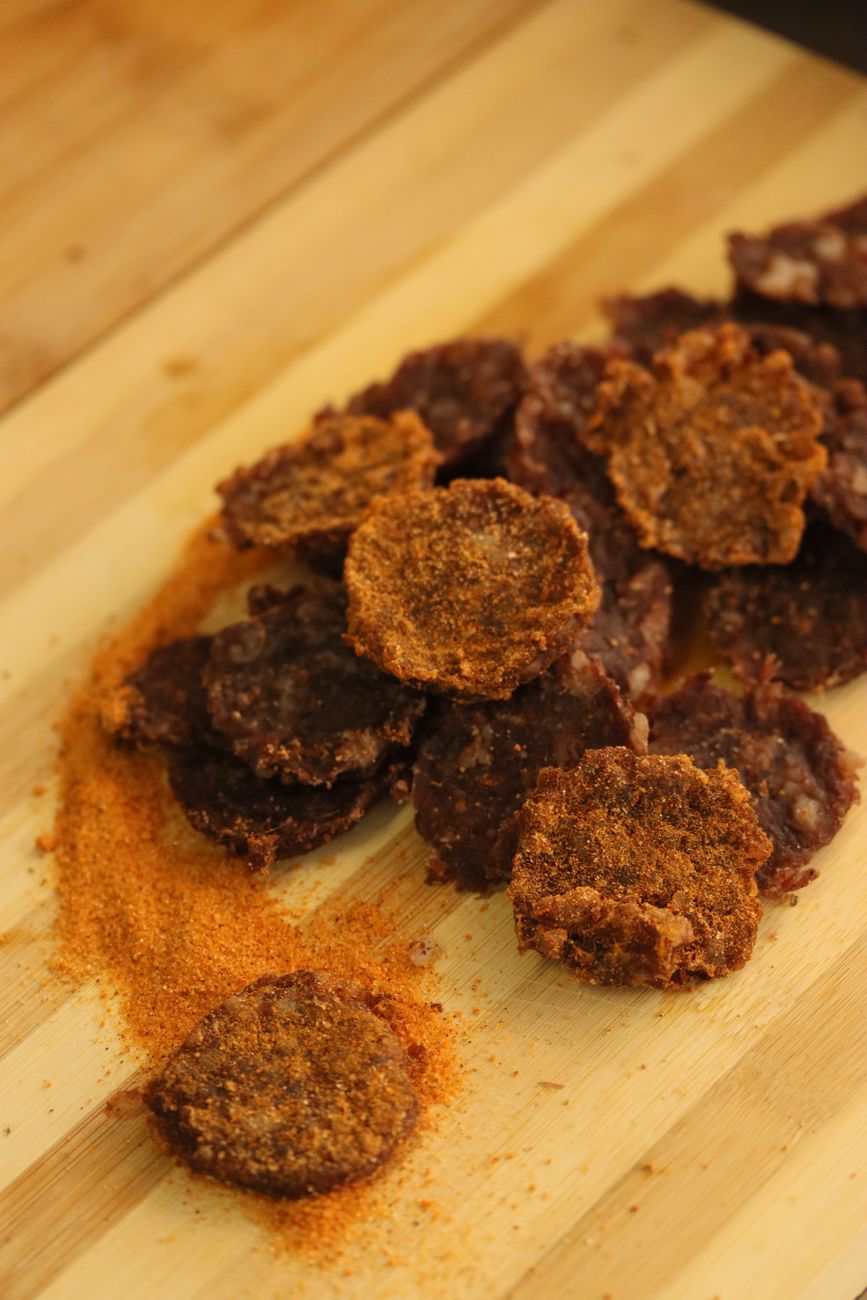
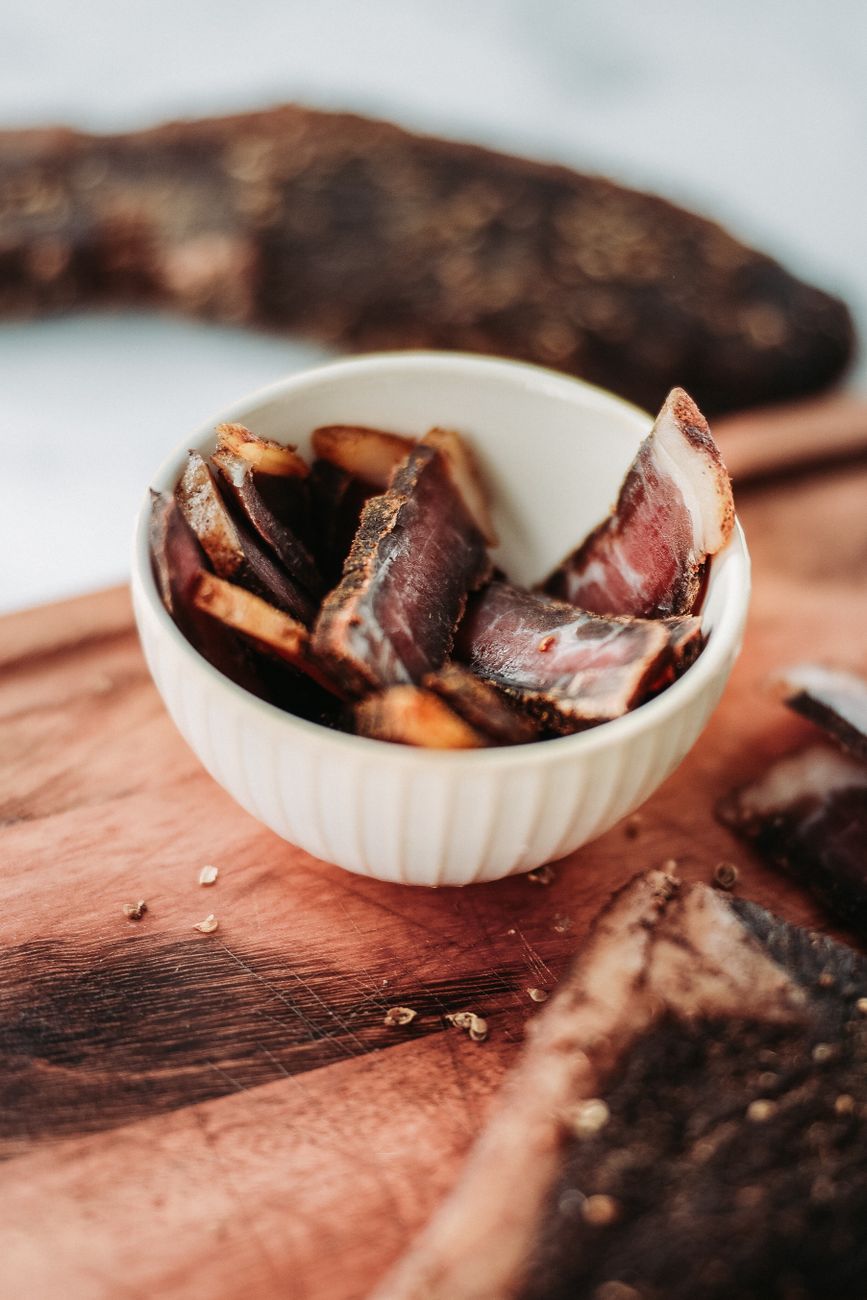
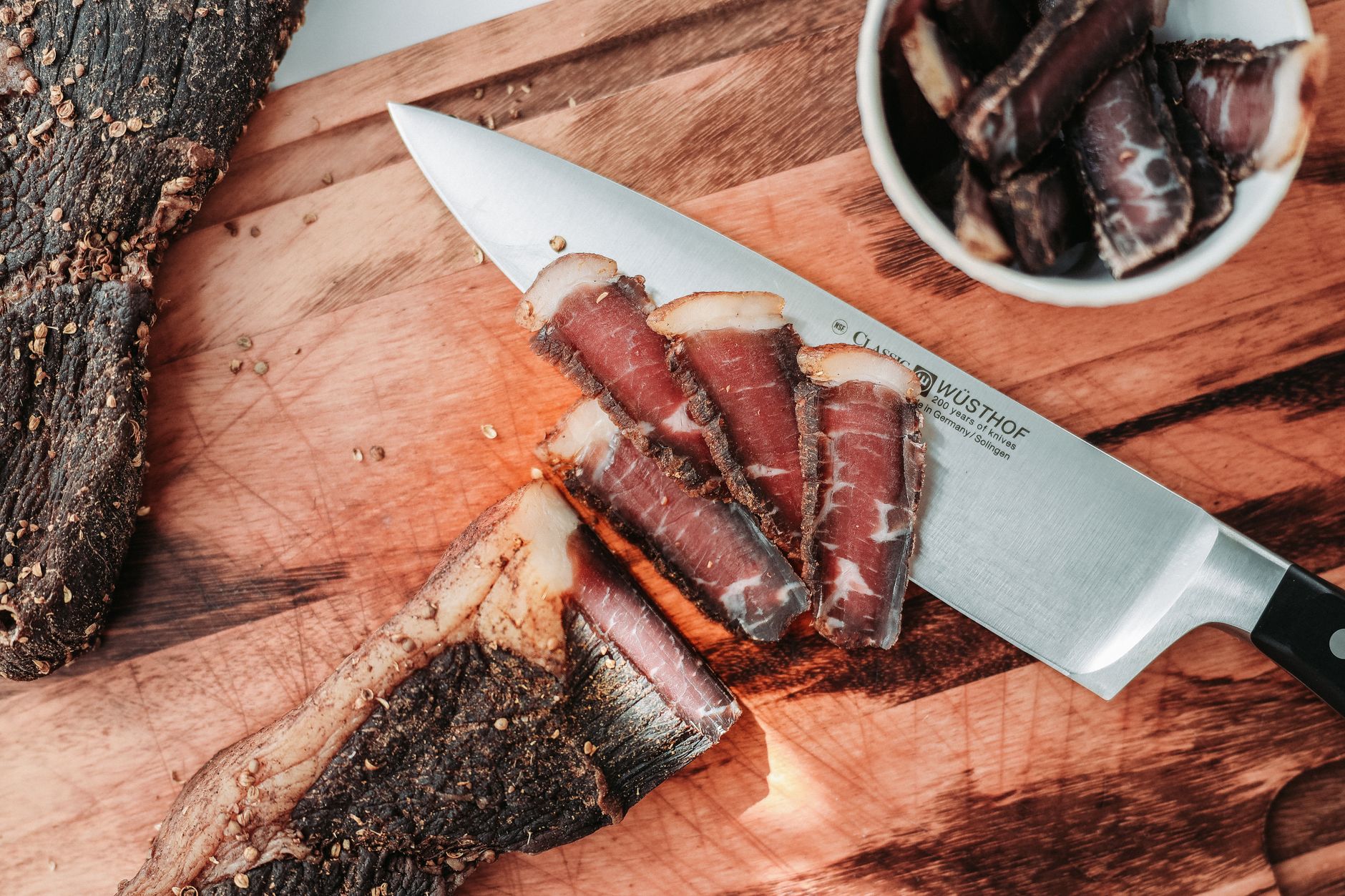
    Spiced dried meat slices arranged on a wooden cutting board

    How Jerky Is Actually Made

    Modern jerky production involves slicing lean meat thinly, marinating it in salt and seasonings, and then drying it slowly at a low temperature until most of the moisture is removed. This process inhibits bacterial growth, which is what allows jerky to stay shelf-stable at room temperature for extended periods without refrigeration.

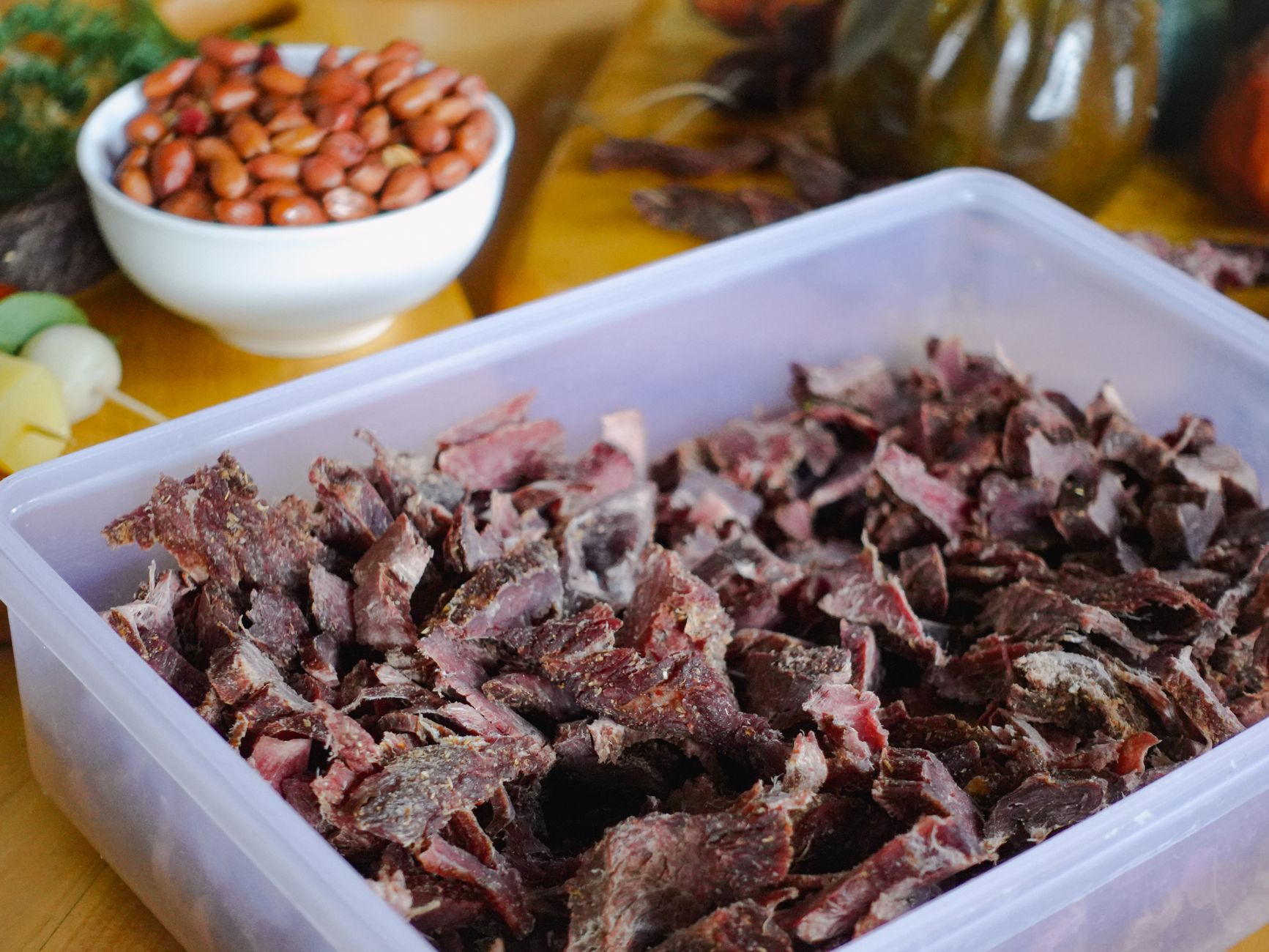
    A delicious biltong dried meat snack served with a side of peanuts

    Why Lean Cuts Matter

    Jerky is almost always made from lean cuts of meat, since fat doesn’t dry the same way muscle tissue does and can turn rancid faster during the drying and storage process. This is a practical, safety-driven choice rather than simply a matter of taste.

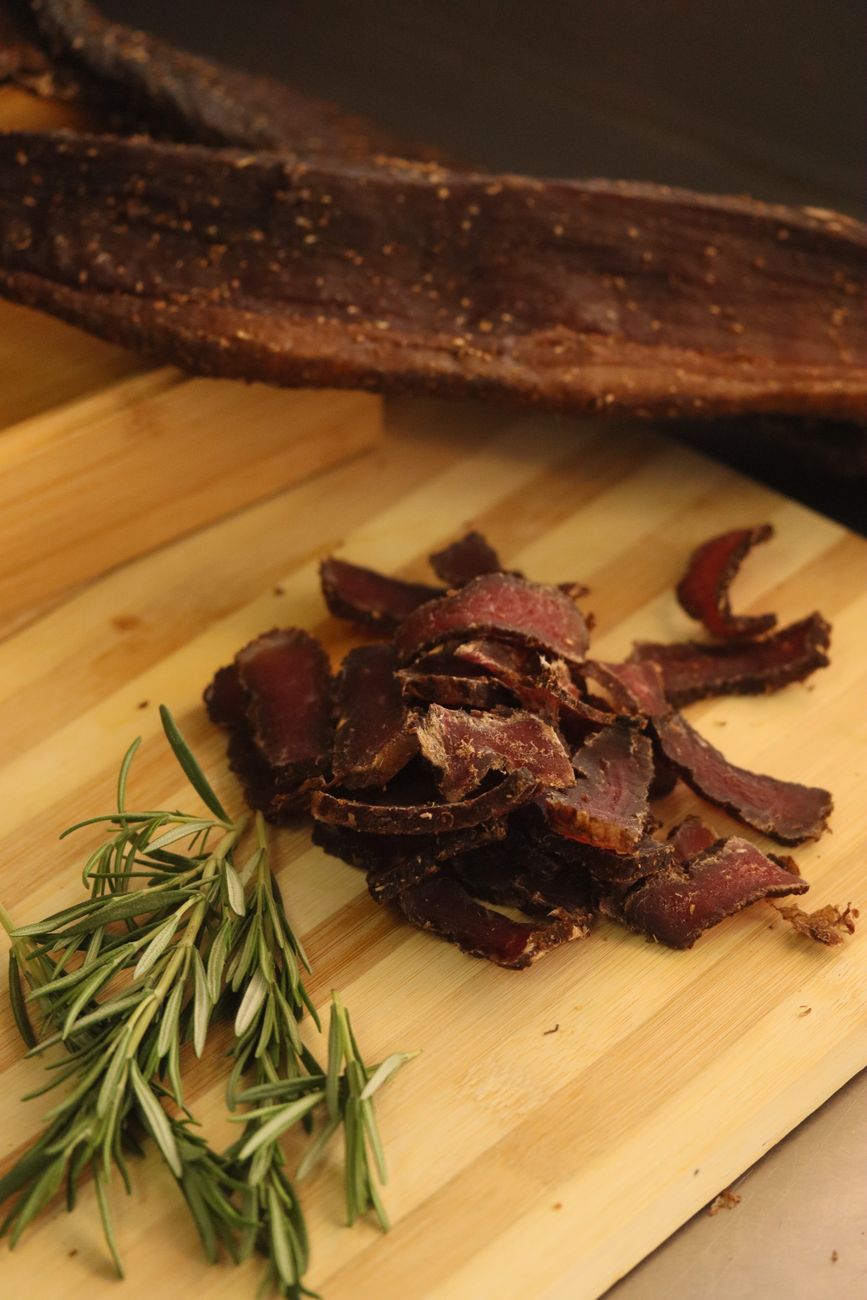
    A close-up of sliced cured meat served in a bowl

    A Global Tradition Under Different Names

    Dried meat snacks exist across many cultures under different names — South African biltong, for instance, is prepared with a vinegar-based marinade and air-dried rather than smoked, giving it a different flavor and texture from typical American beef jerky despite sharing the same basic preservation principle.

    A close-up view of thinly sliced cured meat

    Frequently Asked Questions

    Where does the word “jerky” come from?

    From the Quechua word “ch’arki,” meaning dried, salted meat, used by Indigenous peoples of the Andes.

    Why is jerky made from lean meat?

    Fat doesn’t dry the same way muscle tissue does and can turn rancid faster, making lean cuts the safer, more practical choice.

    How does drying preserve the meat?

    Removing most of the moisture inhibits bacterial growth, allowing the meat to stay shelf-stable without refrigeration.

    Is biltong the same as beef jerky?

    Not exactly — biltong is typically vinegar-marinated and air-dried rather than smoked, giving it a different flavor and texture from typical American jerky.

    Is jerky a good road trip snack?

    Yes — its shelf stability and protein content make it a practical option; see our road trip snacks guide for more.

    How long does commercial beef jerky last unopened?

    Typically up to a year, thanks to the low moisture content and preservatives used in commercial production.

    Is homemade jerky as shelf-stable as store-bought?

    Generally not quite as stable, since it usually lacks the same preservatives; homemade jerky is best refrigerated and eaten within a few weeks.

    Stocking up for the road? See our best road trip snacks and drinks guide.

    For more on meat preservation history, see Wikipedia.

  • Sweet Potato Fries vs. Regular Fries

    Sweet Potato Fries vs. Regular Fries

    Sweet potato fries have become a common alternative to regular French fries on menus everywhere, but they behave differently in the fryer for reasons rooted in their actual composition, not just flavor preference.

    Here’s what genuinely separates the two, beyond just taste.

    Both start from a starchy root vegetable cut into similar shapes, which is exactly why the differences in how they cook and taste come as a surprise to a lot of people trying to substitute one for the other in a recipe.

    Nutritional Differences

    Sweet potatoes contain more fiber, vitamin A, and antioxidants than regular white potatoes, largely due to their orange flesh, which comes from beta-carotene. That said, once both are cut into fries and deep-fried in oil, the nutritional gap narrows considerably compared to eating either vegetable prepared more simply.

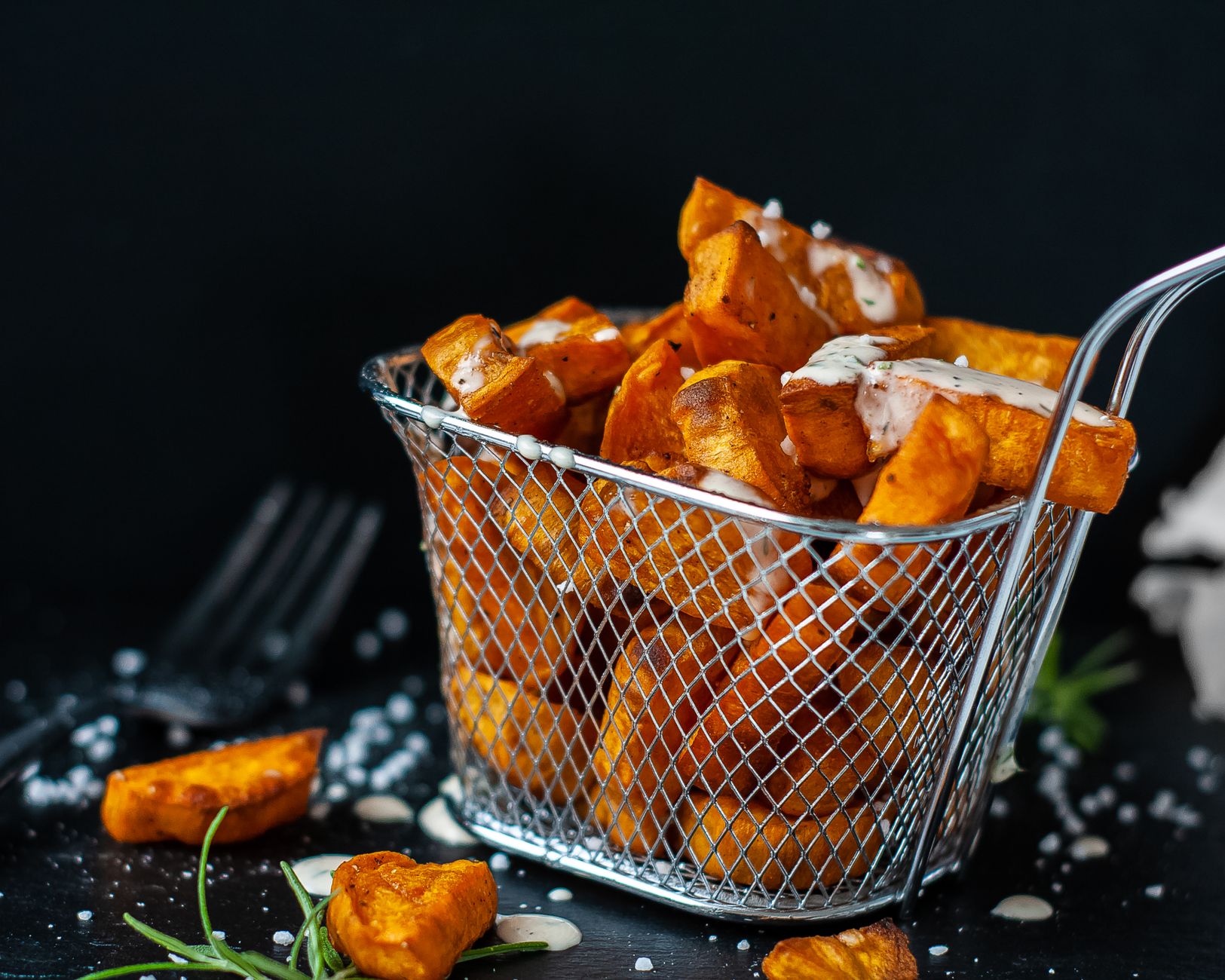
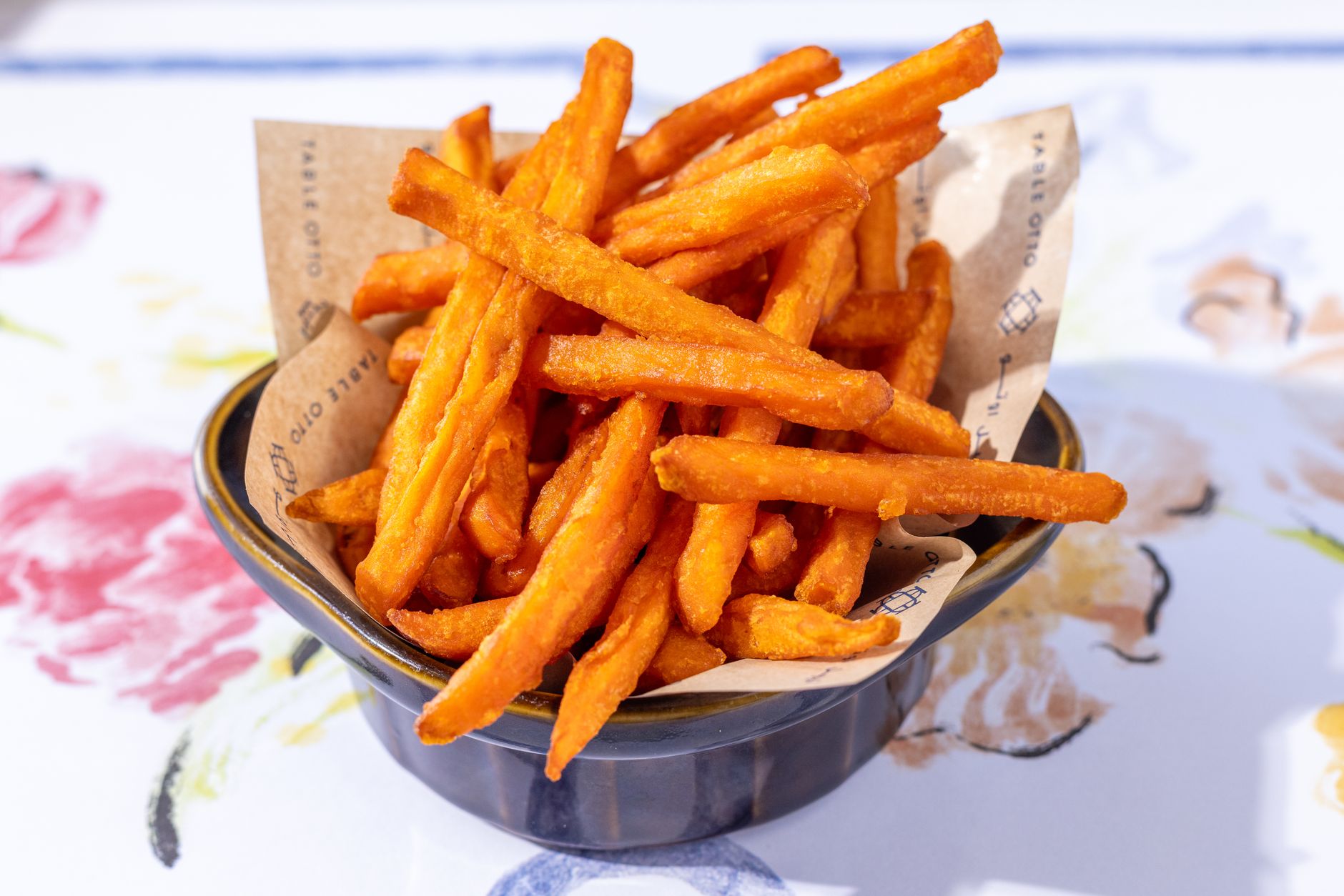
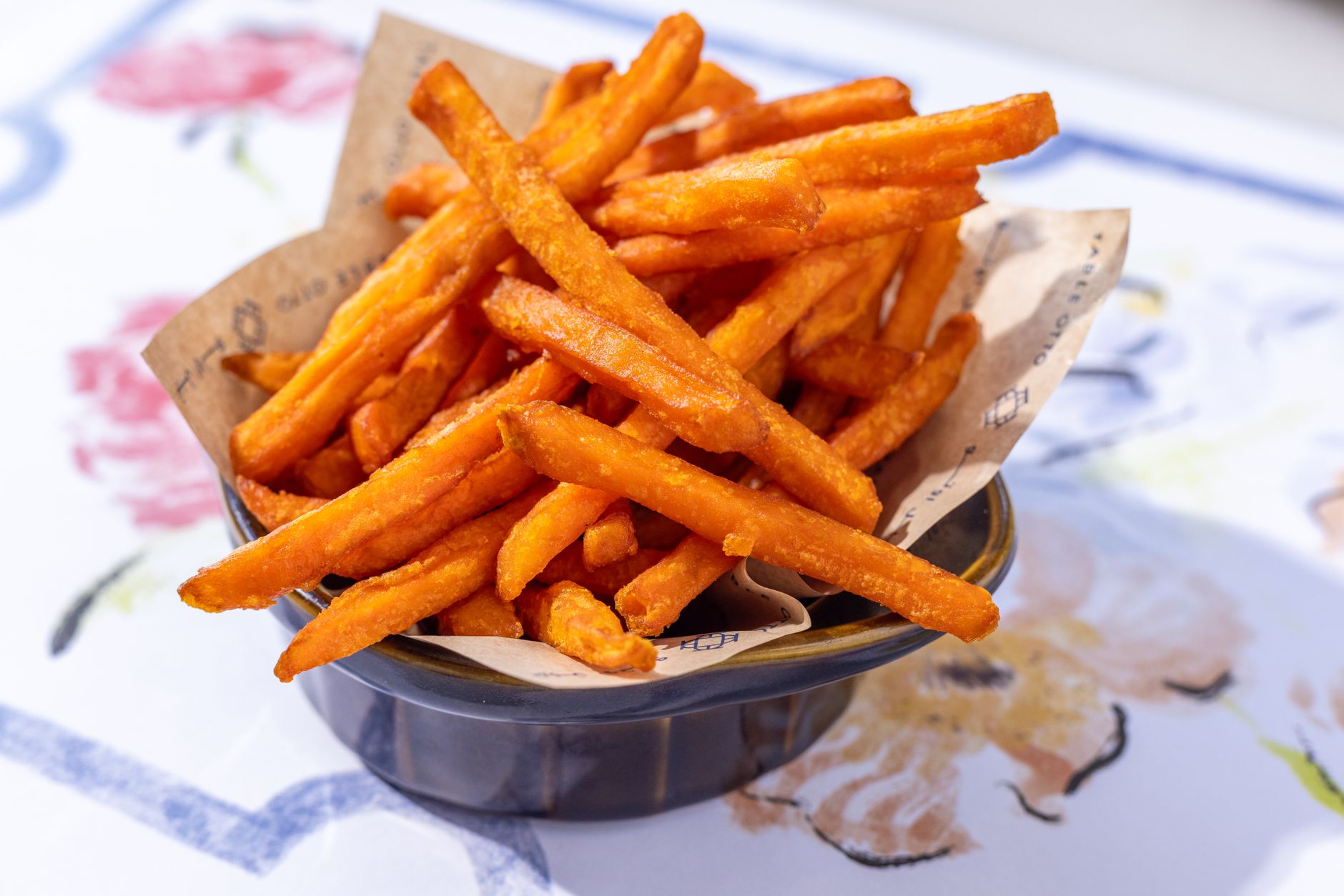
    A bowl filled with fresh, crispy sweet potato fries

    Why Sweet Potato Fries Don’t Get as Crispy

    Sweet potatoes contain more natural sugar and moisture than russet potatoes, which makes them prone to browning and softening rather than crisping the same way regular fries do. Techniques like coating them lightly in cornstarch before frying help offset this, but a truly matching crispiness to regular fries is difficult to achieve.

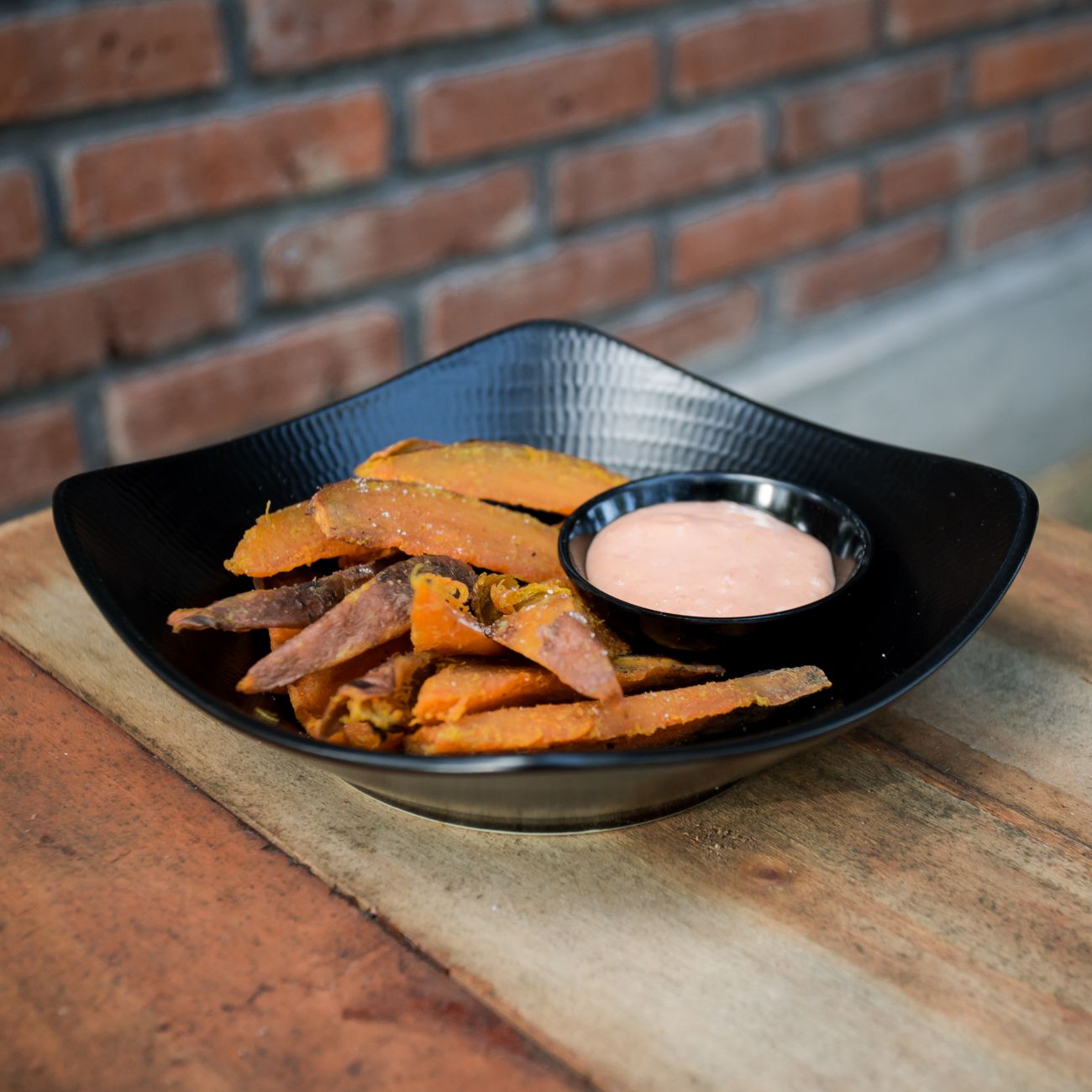
    A plate of delicious sweet potato fries on an artistic table

    Flavor Differences

    Sweet potato fries have a naturally sweeter, earthier flavor that pairs well with both savory and slightly sweet dipping sauces, while regular fries have a more neutral flavor that takes on whatever seasoning or sauce is paired with them. This is largely a matter of preference rather than one being objectively better.

    Sweet potato fries served alongside a variety of dipping sauces

    Which One to Choose

    Neither is inherently better — sweet potato fries offer more nutritional density and a distinct flavor, while regular fries offer that classic crispy texture and neutral flavor that pairs with more toppings. Many menus, including Mabel’s Deli’s, offer both so customers can choose based on preference.

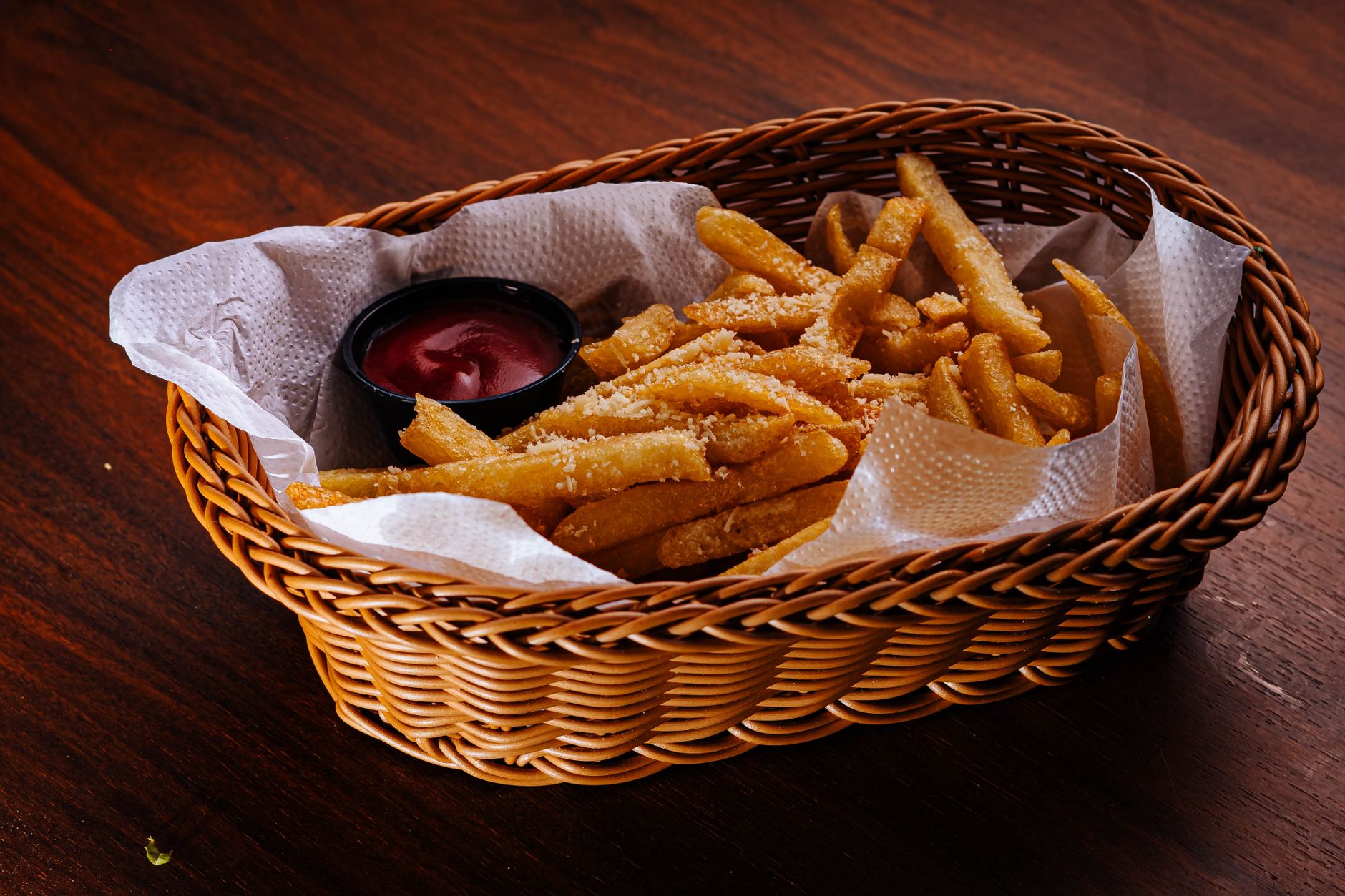
    A basket of crispy fries served with a side of ketchup

    Frequently Asked Questions

    Are sweet potato fries healthier than regular fries?

    Sweet potatoes offer more fiber and vitamin A raw, though once both are deep-fried, the nutritional gap narrows considerably.

    Why don’t sweet potato fries get as crispy?

    Their higher natural sugar and moisture content makes them prone to browning and softening rather than crisping the way starchier russet potatoes do.

    Does coating sweet potato fries in cornstarch help?

    Yes — a light cornstarch coating before frying helps offset moisture and improves crispness, though it won’t fully match regular fries.

    Which fries pair better with dipping sauces?

    Sweet potato fries pair especially well with slightly sweet or spicy sauces, while regular fries are more neutral and versatile.

    Can I make either fry style at home?

    Yes — see our crispy French fries guide for the regular version.

    Do sweet potato fries need to be soaked before frying?

    Soaking isn’t as critical as it is for regular potatoes, since sweet potatoes contain less surface starch to remove.

    Are sweet potato fries good for baking instead of frying?

    Yes, though they’ll be softer than fried versions; a hot oven and a light oil coating help them crisp as much as possible.

    Want the classic version instead? See our crispy French fries guide.

    For more on sweet potato nutrition, see the Colorado State University Extension.

  • Onion Rings: History and How to Make Them at Home

    Onion Rings: History and How to Make Them at Home

    Onion rings are a simple idea — battered, fried onion slices — but their popularity as a side dish or appetizer took decades to build, with several competing claims over exactly who served them first.

    Here’s what’s actually documented about their history, along with a recipe for making crispy ones at home.

    Onion rings also illustrate how a genuinely simple technique — battering and frying a vegetable — can become a beloved standalone dish rather than just a garnish or side note on a plate.

    Early Recipes and Disputed Origins

    Fried onion recipes appear in American cookbooks as early as the 1910s, though the crispy, batter-dipped version most people recognize today became widespread through diners and drive-ins in the mid-20th century. Several regional restaurant chains have claimed credit for popularizing the modern version, though no single origin has been definitively settled.

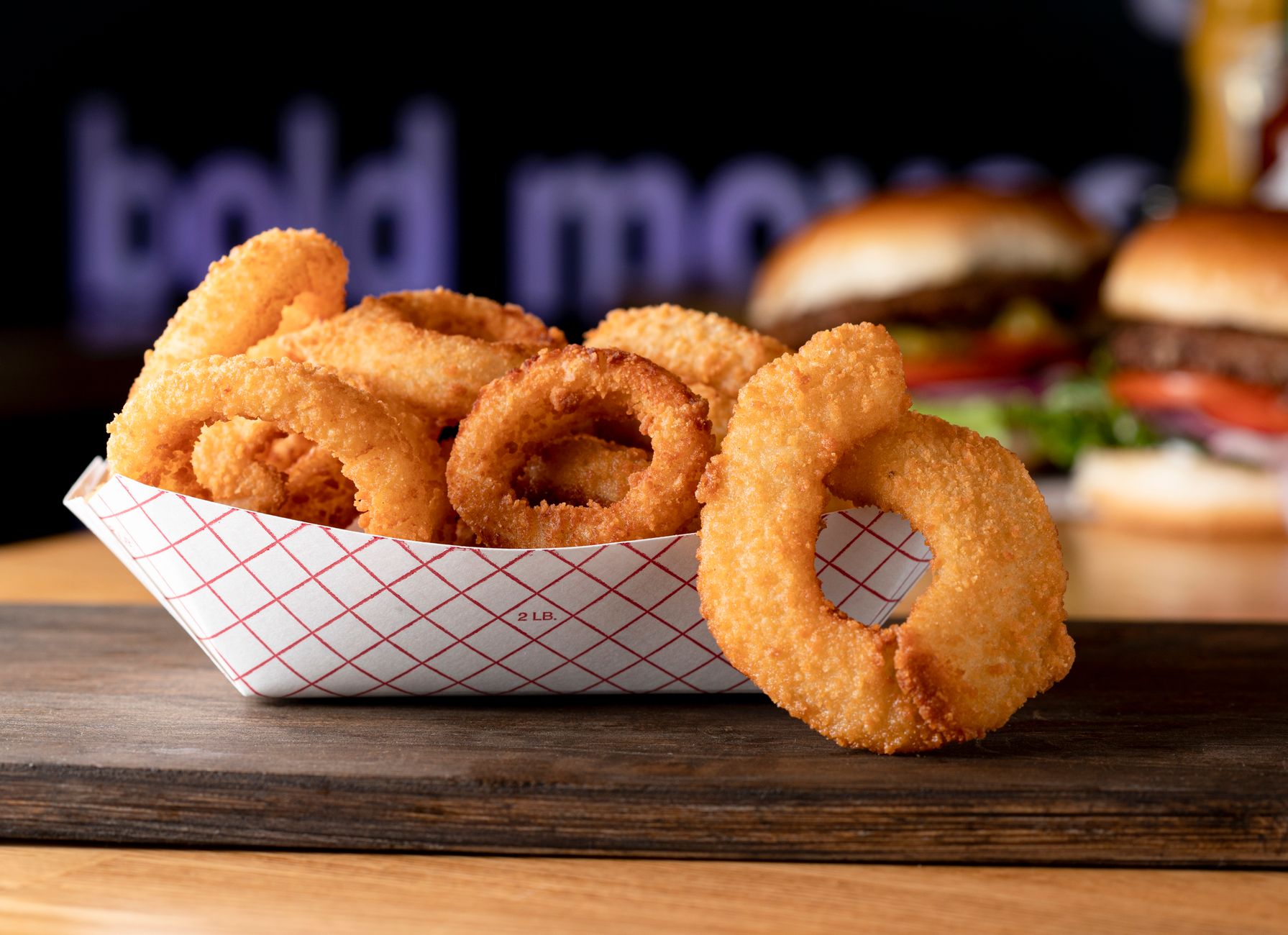
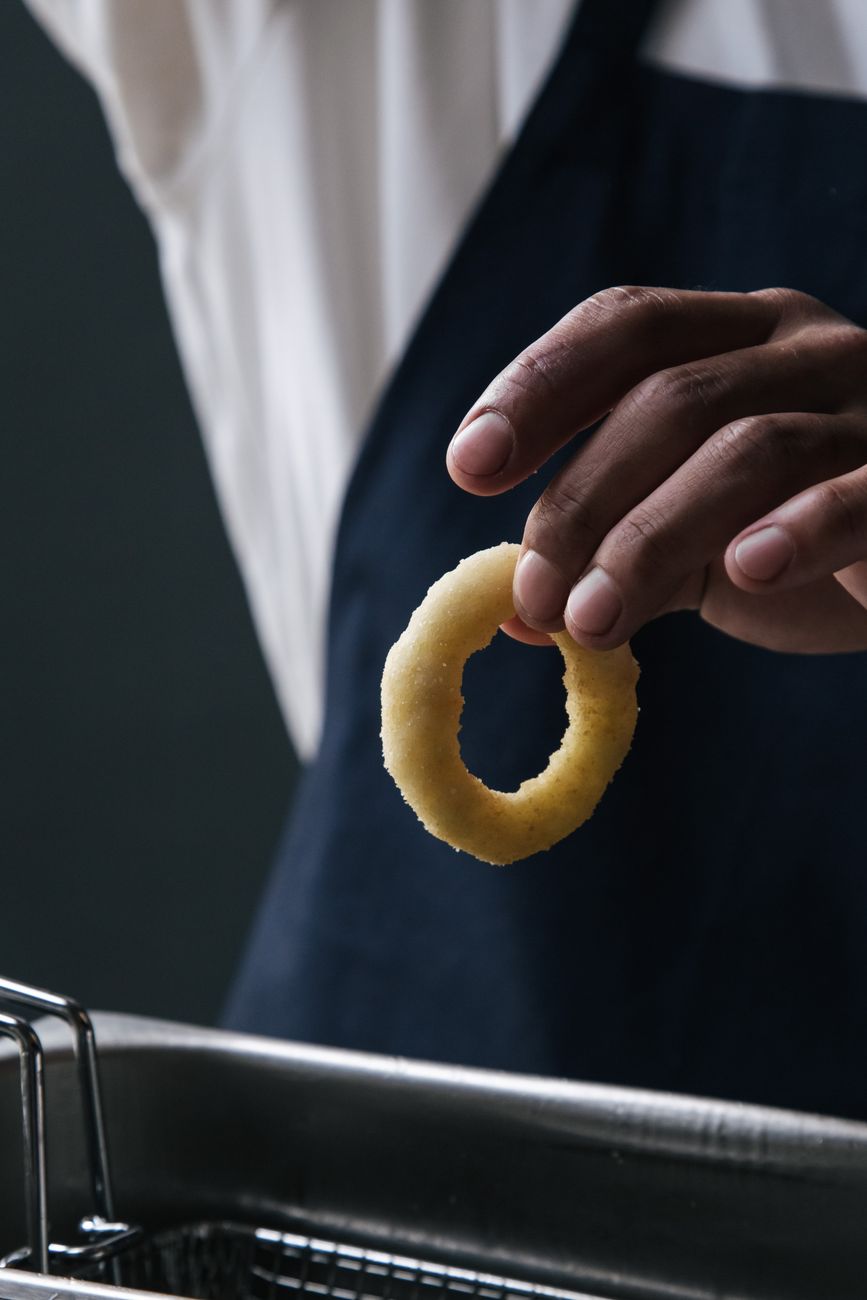
    A person holding a crispy fried onion ring

    Ingredients

    • 2 large yellow onions, sliced into rings
    • 1 cup flour
    • 1 teaspoon paprika
    • 1 cup buttermilk
    • 1 cup panko or breadcrumbs
    • Oil for frying
    • Salt to taste
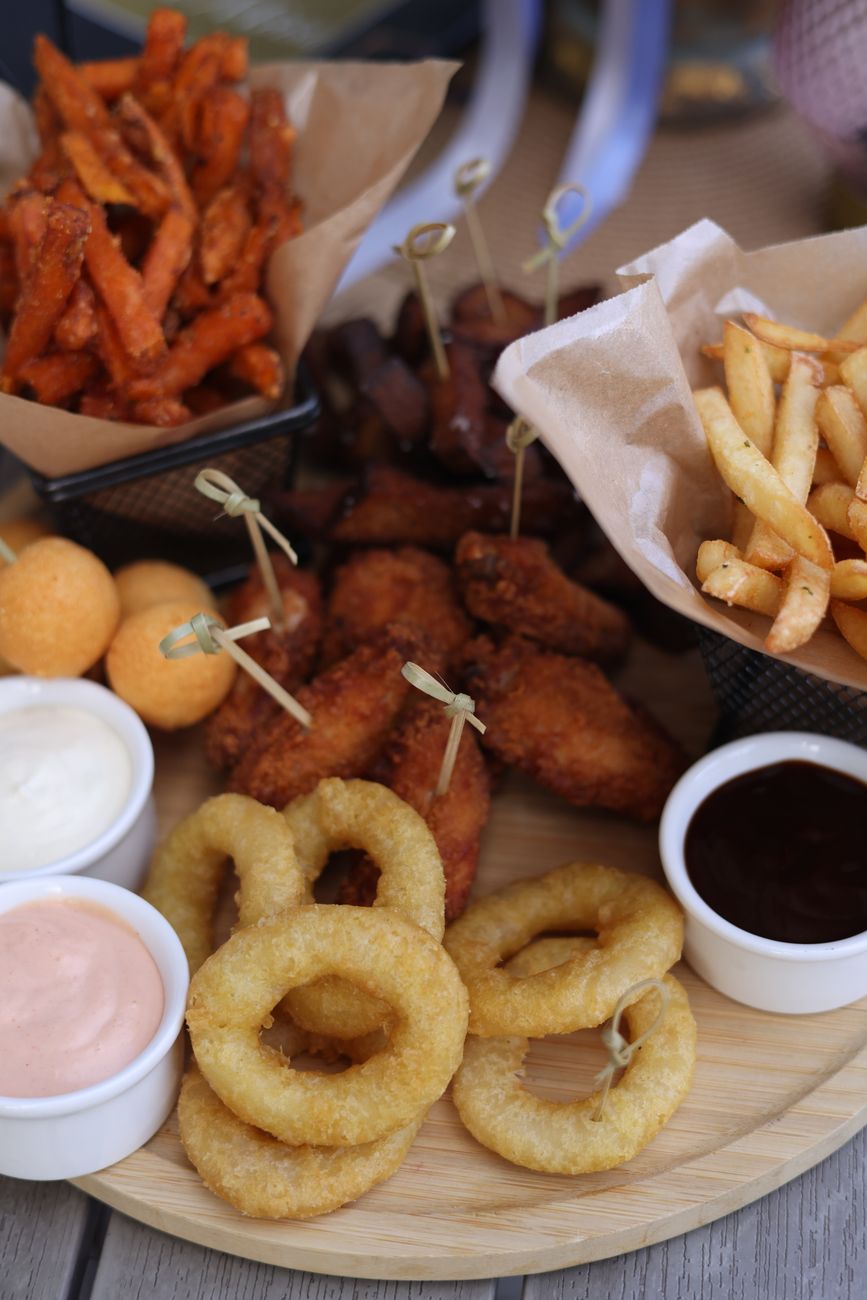
    Various fried snacks served with three different dipping sauces

    Instructions

    1. Separate the onion slices into individual rings.
    2. Soak the rings in buttermilk for at least 20 minutes.
    3. Dredge each ring in seasoned flour, then back through the buttermilk, then in breadcrumbs.
    4. Fry in oil heated to 350°F until golden brown, about 2 to 3 minutes per batch.
    5. Drain on a wire rack and season with salt while still hot.
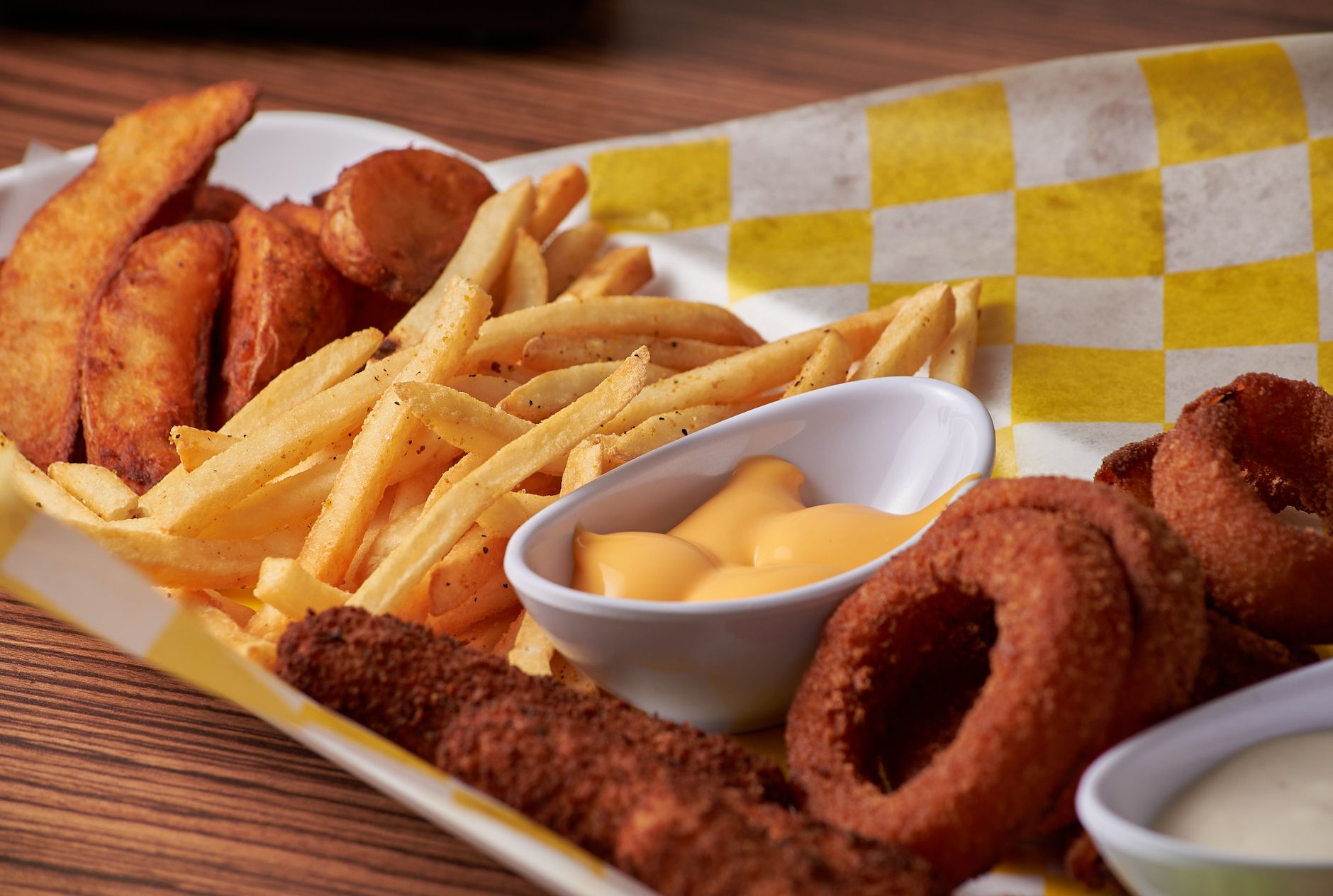
    A close-up view of a basket filled with fried appetizers

    Why the Double-Dip Matters

    Dredging the onion in flour before the buttermilk, then again in breadcrumbs after, builds up layers that create a thicker, more substantial crust than a single coating would — the same basic principle used in other fried foods, adapted here for a thin, curved onion ring.
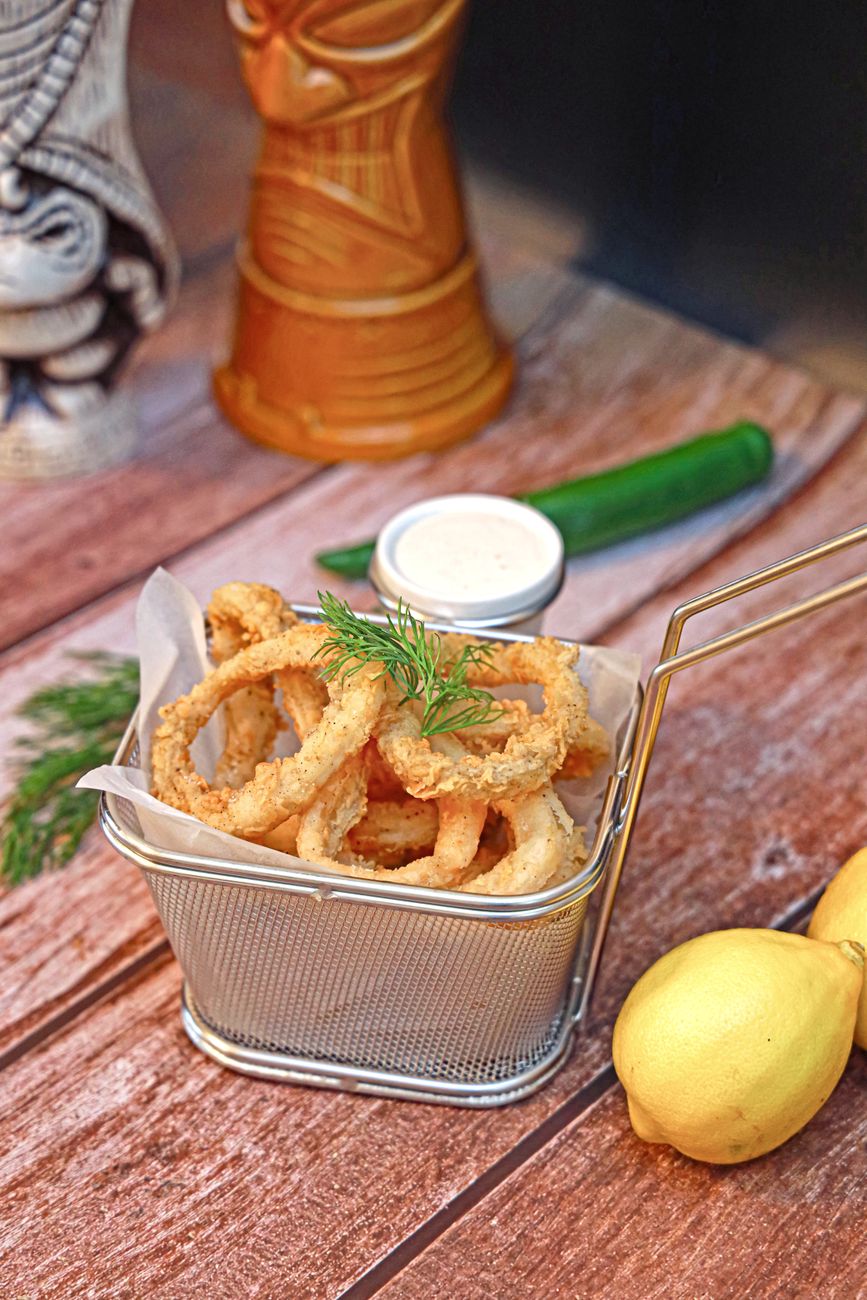
    A basket filled with onion rings and fresh lemon wedges

    Frequently Asked Questions

    Who invented onion rings?

    No single origin is confirmed; fried onion recipes date to the 1910s, and several restaurant chains have claimed credit for popularizing the modern battered version.
    Why soak onions in buttermilk before frying?

    Buttermilk helps the flour and breadcrumb coating adhere better and adds a subtle tang to the finished ring.

    What oil temperature works best for frying onion rings?

    Around 350°F, hot enough to crisp the coating quickly without burning it before the onion softens.

    Can I bake onion rings instead of frying them?

    Yes, though baking produces a less crisp texture than deep frying; a wire rack helps air circulate for a crisper result.

    What sauce pairs well with onion rings?

    Ranch dressing is a classic pairing; see our ranch dressing history for more.

    What onion works best for onion rings?

    Sweet yellow onions are the standard choice, offering a good balance of flavor without being overly sharp.

    Can I air-fry onion rings instead of deep frying them?

    Yes, though the result will be somewhat less crisp than true deep frying, similar to other air-fried versions of fried foods.

    Want a dip to go with them? See our ranch dressing history.

    For more fried food history, see Chowhound.

  • How to Make Classic Macaroni Salad

    How to Make Classic Macaroni Salad

    Macaroni salad is one of the most budget-friendly cookout sides to make from scratch, built almost entirely from pantry staples: pasta, mayonnaise, and a handful of chopped vegetables.

    Here’s a classic recipe, along with the details that keep it from turning gummy or bland.

    Because the ingredient list is so short, the quality of the mayonnaise and the freshness of the vegetables matter more here than in a dish with a longer, more complex ingredient list to hide behind.

    Ingredients

    • 2 cups elbow macaroni
    • ¾ cup mayonnaise
    • 1 tablespoon apple cider vinegar
    • 1 teaspoon sugar
    • ⅓ cup diced celery
    • ⅓ cup diced bell pepper
    • 2 tablespoons diced red onion
    • Salt and pepper to taste
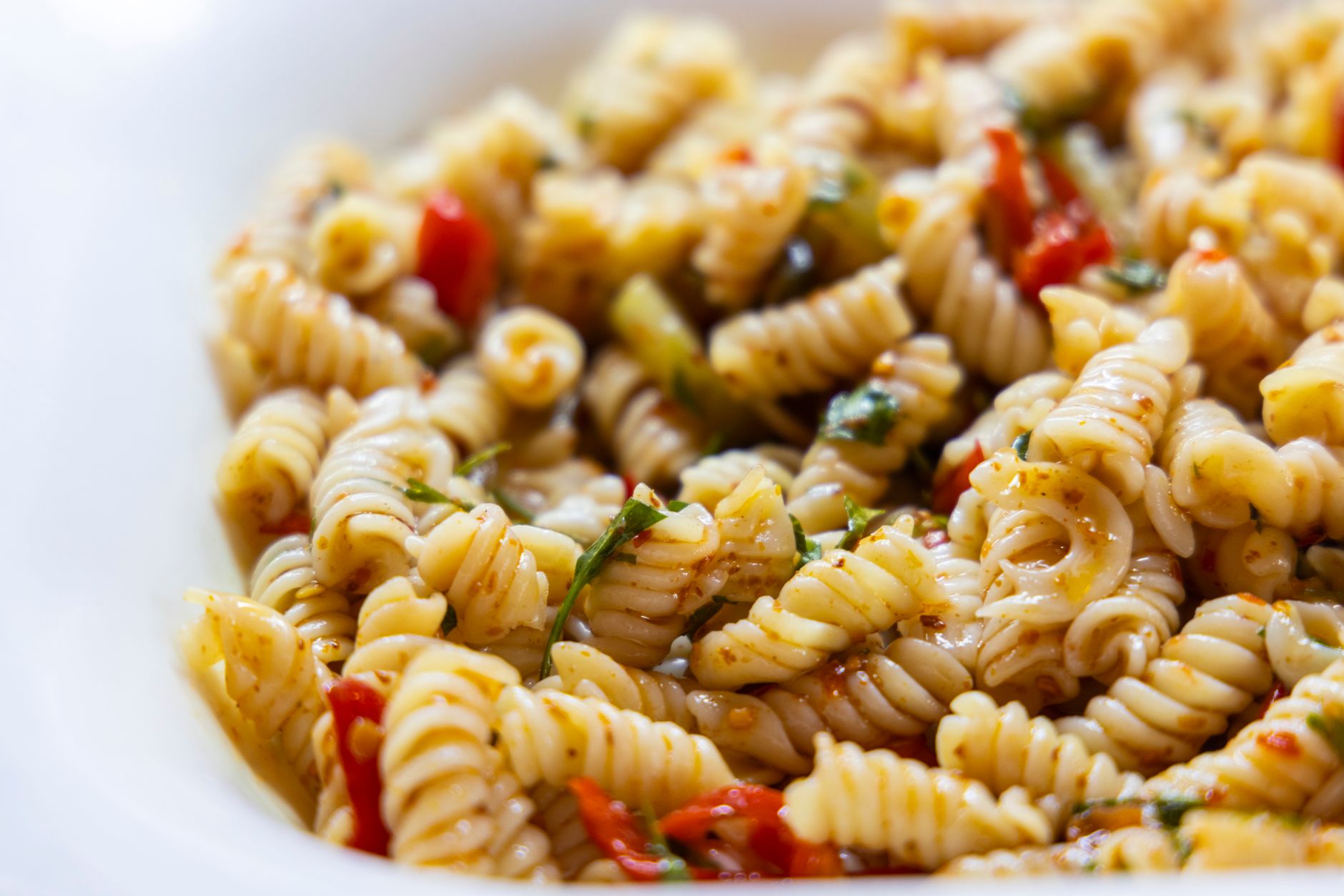
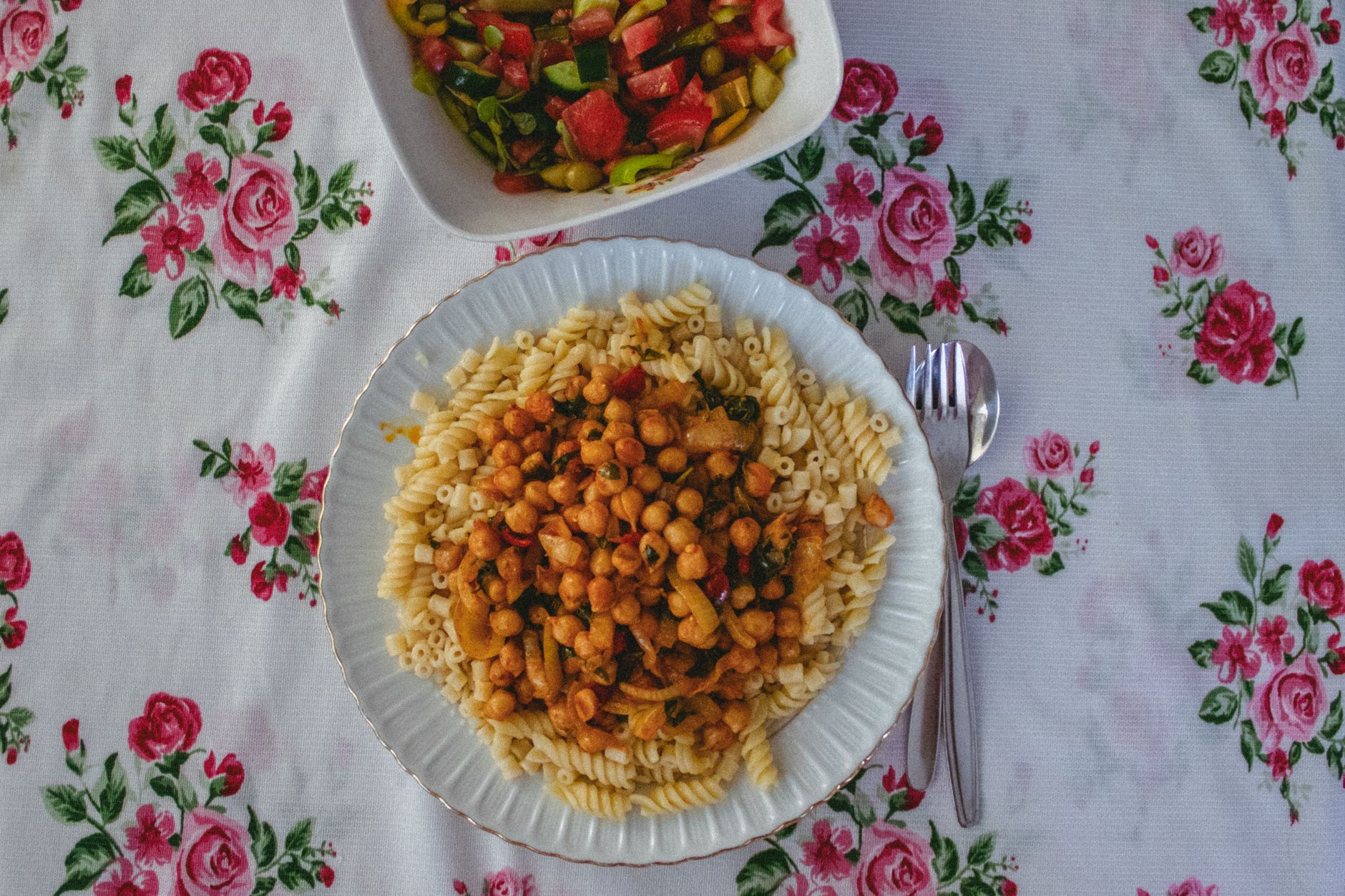
    A colorful pasta dish served alongside a fresh side salad

    Instructions

    1. Cook the macaroni according to package directions until al dente, then rinse under cold water to stop the cooking.
    2. Whisk together the mayonnaise, vinegar, and sugar in a large bowl.
    3. Add the cooled macaroni, celery, bell pepper, and onion.
    4. Season with salt and pepper, and stir until evenly coated.
    5. Refrigerate for at least an hour before serving.
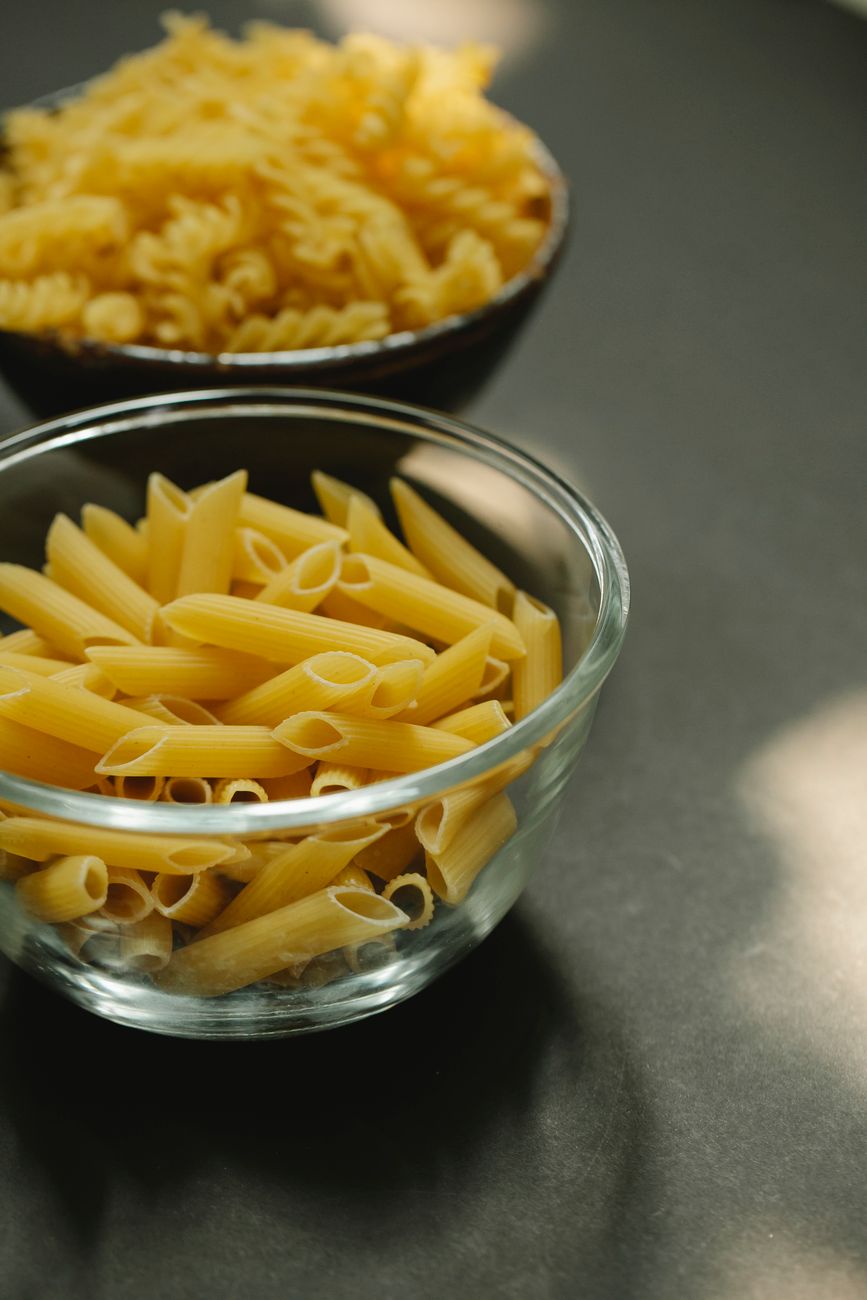
    Bowls of raw pasta shapes displayed on a table

    Why Rinsing the Pasta Matters

    Rinsing cooked macaroni under cold water stops the cooking process immediately and washes away excess surface starch, both of which help prevent the pasta from turning mushy or clumping together once mixed with dressing.

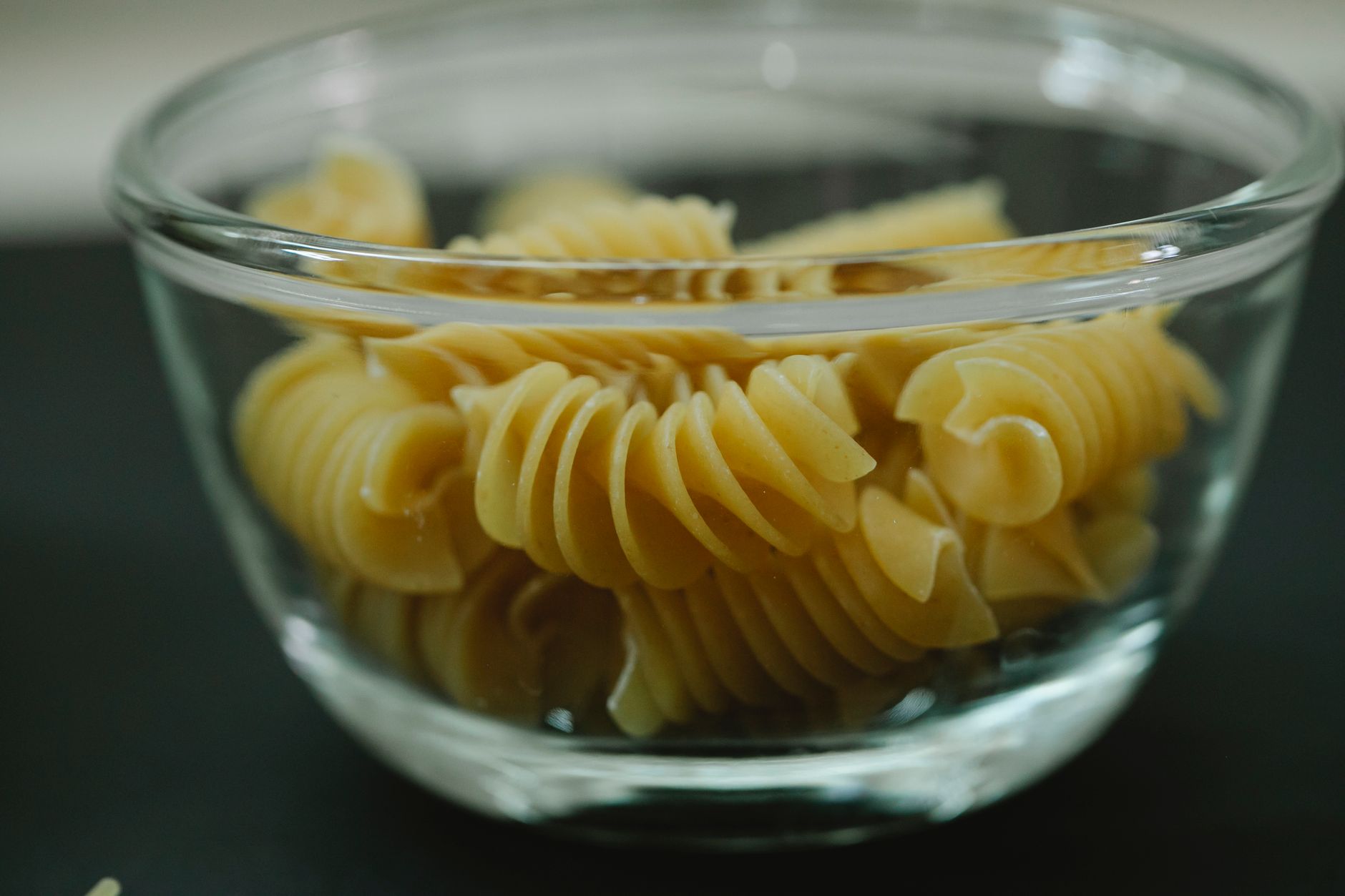
    A glass bowl filled with twirl macaroni pasta

    Make-Ahead Tips

    Macaroni salad actually improves after a few hours in the refrigerator, since the pasta has time to absorb the dressing’s flavor. If making it a day ahead, hold back a small amount of dressing and stir it in right before serving, since pasta continues to soak up moisture over time.

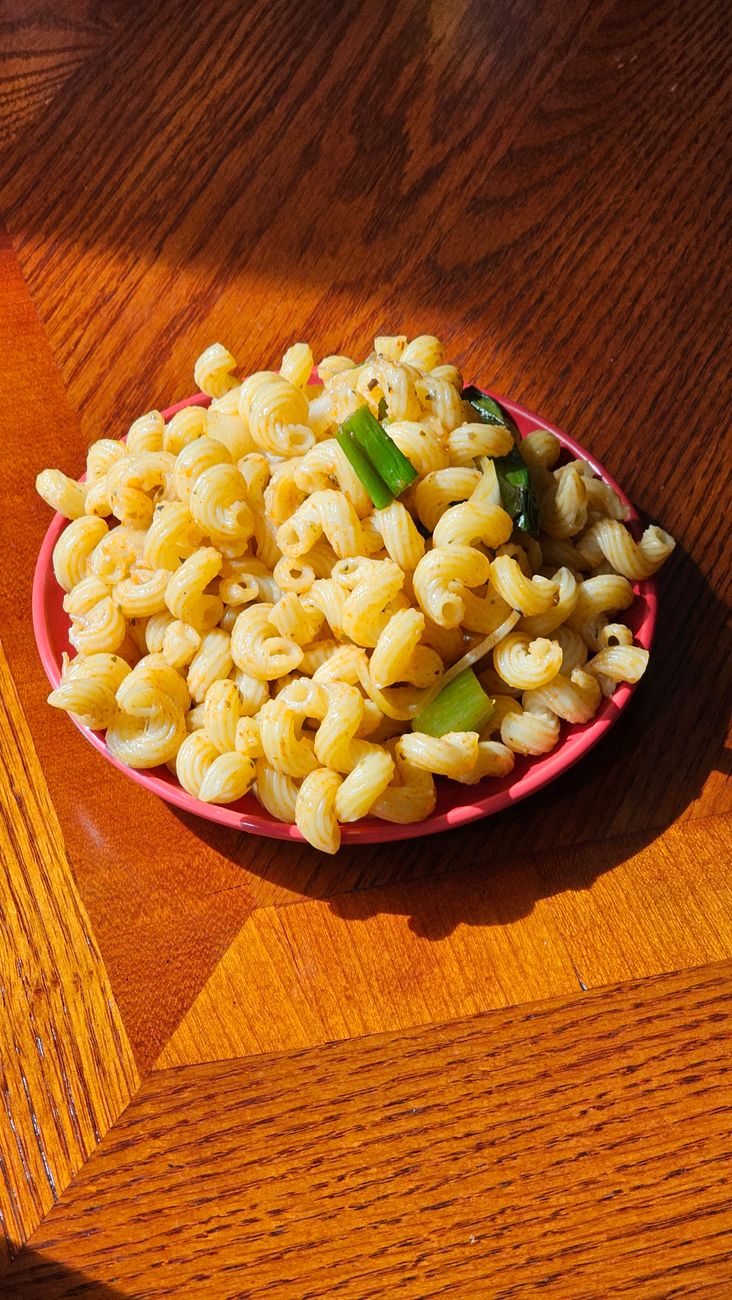
    A dish of pasta ready to eat, served on a wooden table

    Frequently Asked Questions

    Why should I rinse macaroni for this recipe?

    Rinsing stops the cooking process and removes excess starch, preventing a mushy or clumped result.

    Can I make macaroni salad a day ahead?

    Yes — it often tastes better after time in the refrigerator; just hold back some dressing to stir in before serving.

    What vegetables go well in macaroni salad?

    Celery, bell pepper, and red onion are classic choices, though diced carrots or peas are common additions too.

    How long does macaroni salad keep?

    About 3 to 5 days in the refrigerator, kept properly chilled.

    What pairs well with macaroni salad?

    Grilled meats and sandwiches from Mabel’s Deli’s menu are a natural match.

    Can I use a different pasta shape?

    Yes — small shapes like shells or rotini work just as well as elbow macaroni and hold dressing similarly.

    Why did my macaroni salad turn out dry?

    Pasta continues absorbing dressing as it sits, so adding a bit more mayonnaise or a splash of milk before serving can loosen it back up.

    Need something to pair it with? See our Mabel’s Deli menu guide.

    For more classic pasta salad recipes, see Taste of Home.

  • How to Make Homemade Potato Salad

    How to Make Homemade Potato Salad

    Potato salad is a picnic and cookout staple that comes down almost entirely to two things: cooking the potatoes correctly and getting the dressing ratio right. Get both of those steps right, and the rest is just seasoning to taste.

    Here’s a classic recipe, along with the specific technique details that make the difference.

    Because it’s served cold or at room temperature, potato salad also depends more on getting the seasoning right at the mixing stage, since flavors won’t develop or intensify from further cooking the way they would in a hot dish.

    Ingredients

    • 2 lbs potatoes (Yukon Gold or red potatoes), cubed
    • 3 hard-boiled eggs, chopped
    • ½ cup mayonnaise
    • 1 tablespoon yellow mustard
    • 2 tablespoons diced celery
    • 2 tablespoons diced red onion
    • 1 tablespoon sweet pickle relish
    • Salt and pepper to taste
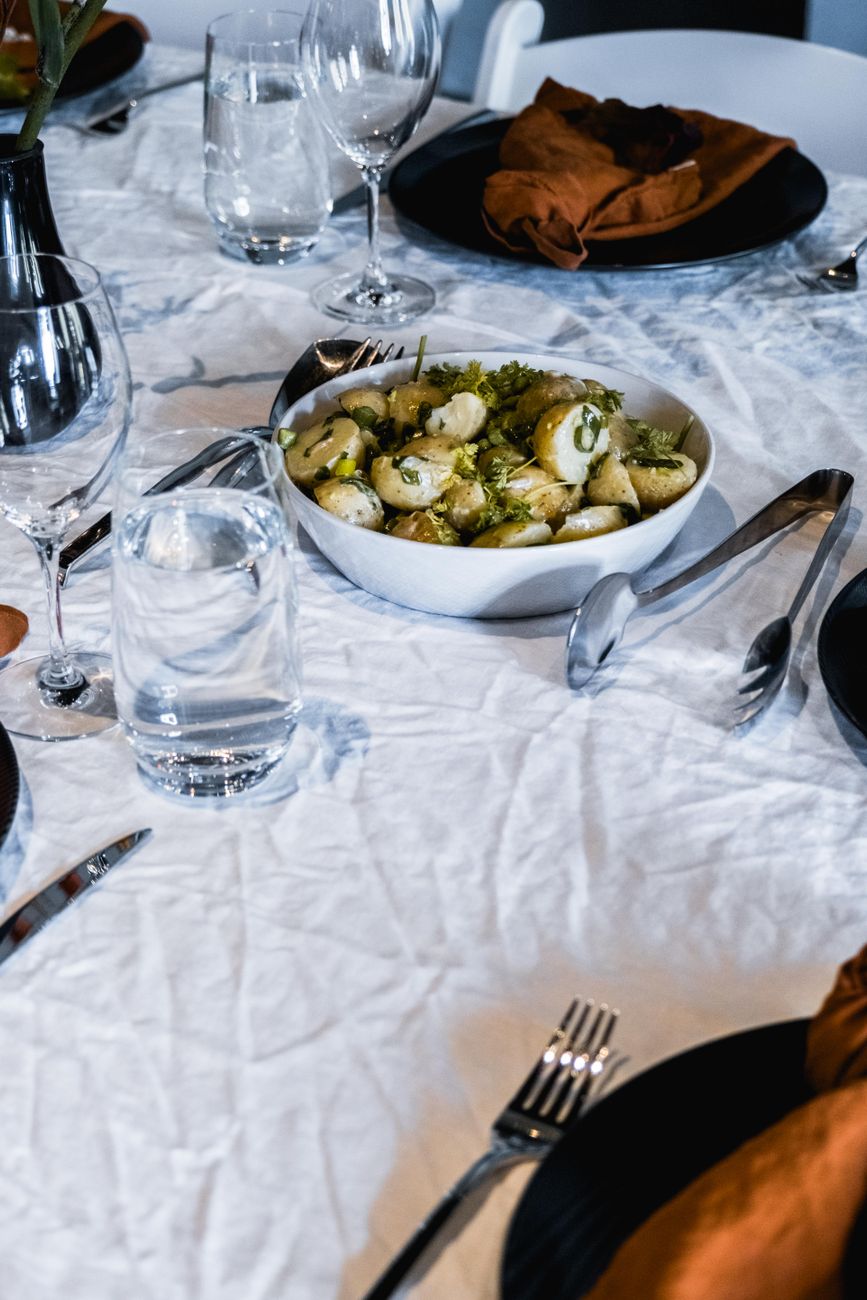
    A ceramic bowl filled with seasoned potato wedges on a table

    Instructions

    1. Boil the cubed potatoes in salted water until just fork-tender, about 10 to 12 minutes.
    2. Drain and let the potatoes cool slightly before mixing, so they hold their shape rather than falling apart.
    3. Combine the mayonnaise, mustard, and relish in a separate bowl.
    4. Gently fold the dressing, eggs, celery, and onion into the potatoes.
    5. Refrigerate for at least an hour before serving.
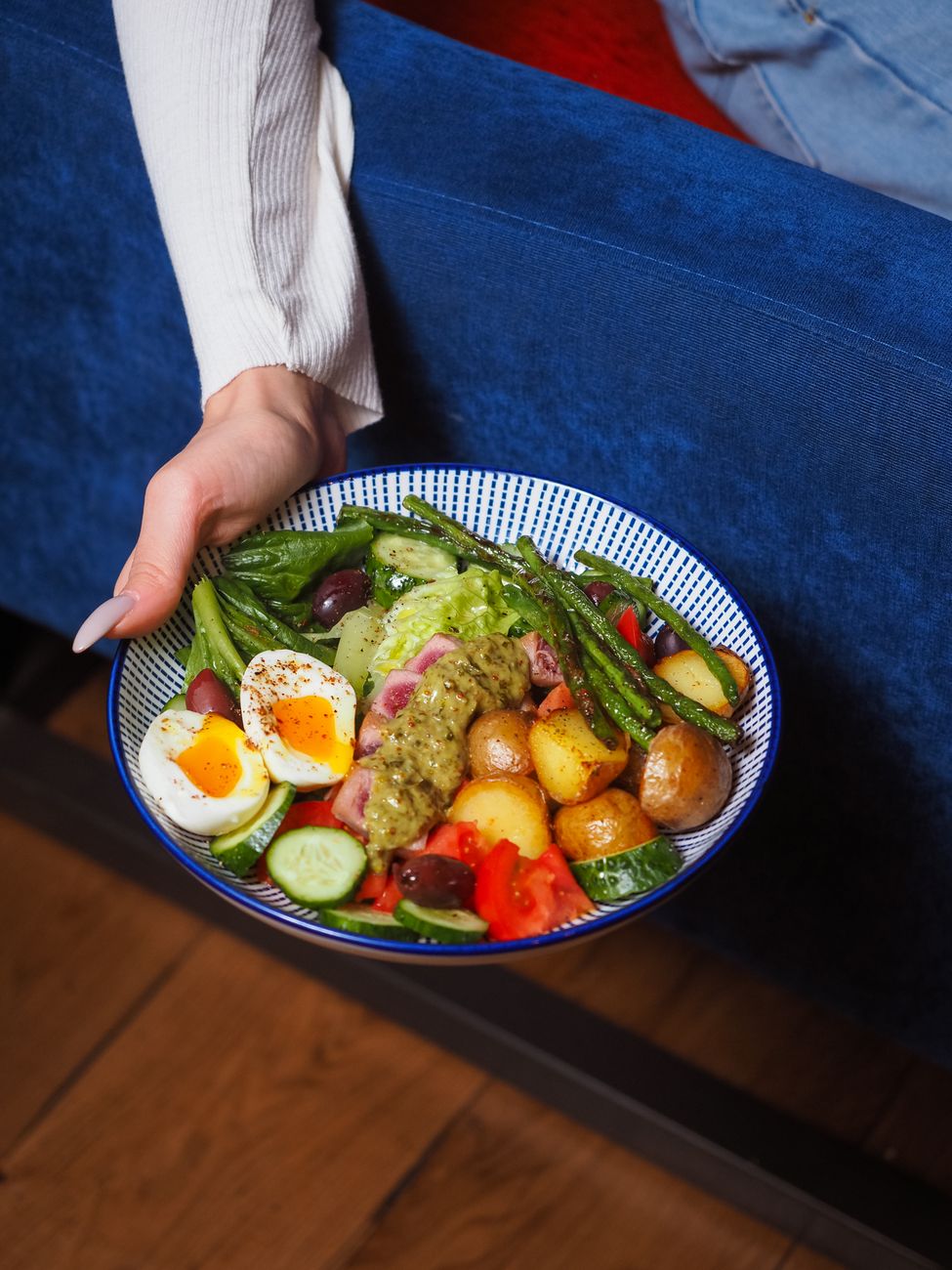
    A hand holding a bowl filled with a savory potato dish

    Choosing the Right Potato

    Waxy potatoes like Yukon Gold or red potatoes hold their shape far better than starchy russets, which tend to break down into a mushy texture once boiled and mixed with dressing. This single choice matters more than almost any other variable in the recipe.

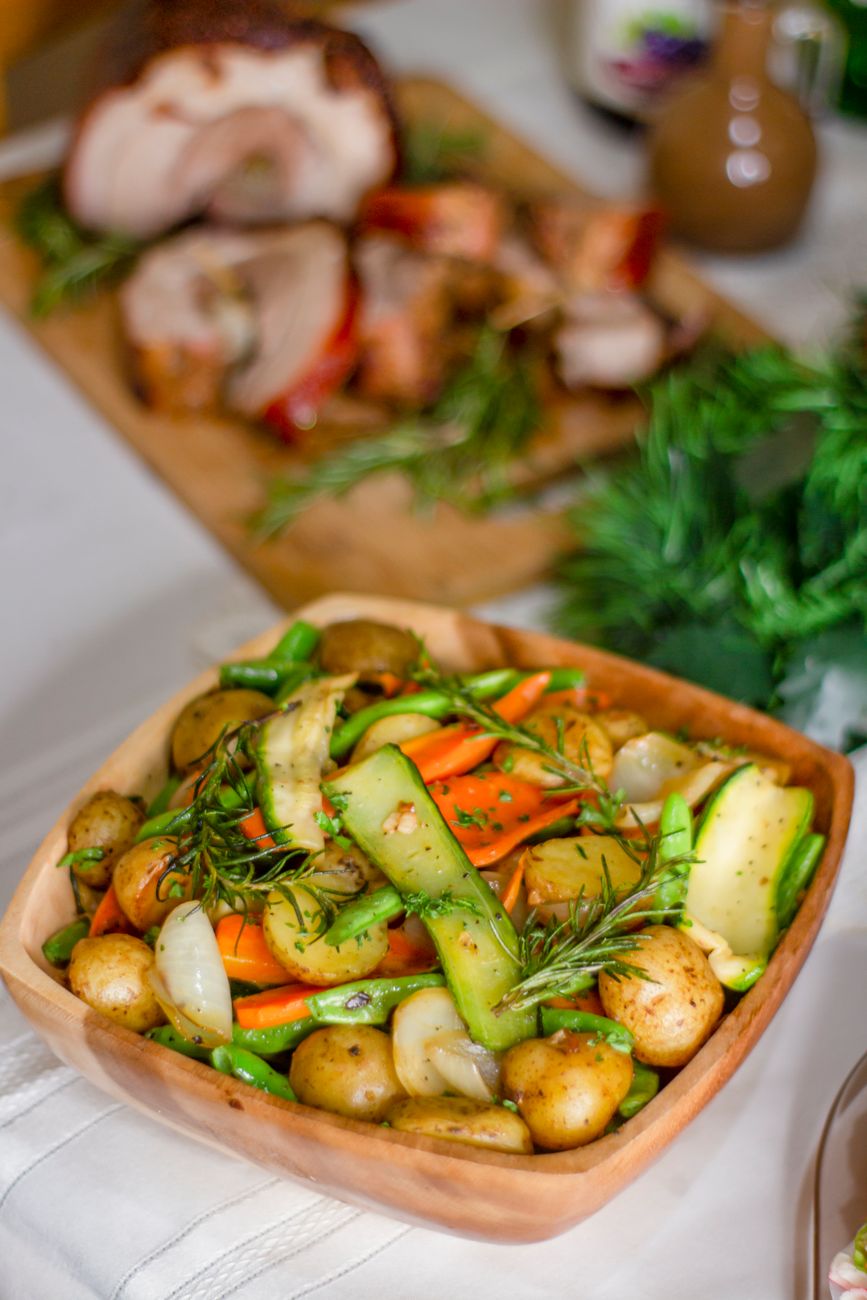
    A mix of fresh vegetables served in a bowl

    Avoiding a Watery Result

    Draining the potatoes thoroughly and letting excess steam escape before adding the dressing prevents the salad from turning watery in the refrigerator. Dressing potatoes while they’re still slightly warm also helps them absorb more flavor than adding it once they’ve cooled completely.

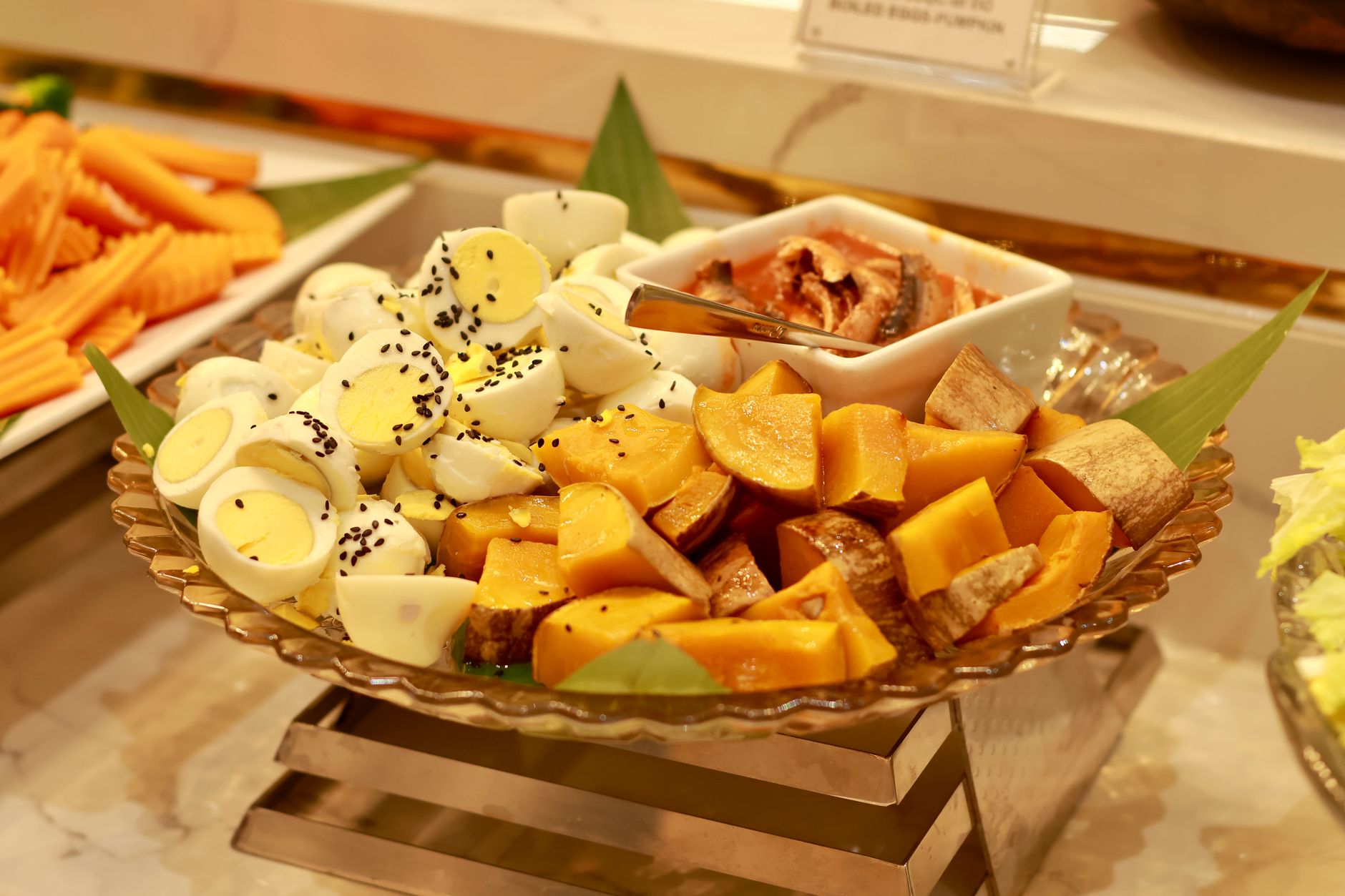
    An appetizing buffet platter featuring eggs and fresh vegetables

    Frequently Asked Questions

    What potato works best for potato salad?

    Waxy varieties like Yukon Gold or red potatoes, which hold their shape better than starchy russets.

    Why is my potato salad watery?

    The potatoes likely weren’t drained thoroughly, or excess steam wasn’t allowed to escape before adding the dressing.

    Should I dress the potatoes warm or cold?

    Warm — potatoes absorb more flavor from the dressing while they’re still slightly warm than after they’ve fully cooled.

    How long does potato salad keep in the refrigerator?

    About 3 to 5 days, kept properly chilled the entire time.

    Can I make potato salad ahead of a cookout?

    Yes — it’s a good make-ahead dish, and the flavor often improves after a few hours of chilling.

    Should I peel the potatoes first?

    It’s optional; leaving the skin on adds texture and nutrients, while peeling gives a smoother, more traditional appearance.

    Can I make a mustard-based potato salad instead?

    Yes — swapping some or all of the mayonnaise for mustard gives a tangier, German-style version.

    Looking for another classic side? See our classic homemade coleslaw recipe.

    For more classic side dish recipes, see Delish.

  • BBQ Sauce Styles Across America

    BBQ Sauce Styles Across America

    BBQ sauce isn’t one thing in America — it’s a genuinely regional food, with different parts of the country building their sauce around completely different bases. What counts as “barbecue sauce” in Texas barely resembles the same term used in eastern North Carolina.

    Here’s a practical guide to the major regional styles and what defines each one.

    These regional differences didn’t develop randomly — they generally reflect local ingredient availability and the specific immigrant and agricultural histories of each area, which is part of why the styles remain so distinct instead of blending into one national version over time.

    Kansas City Style

    Kansas City sauce is what most Americans picture by default: thick, tomato-based, and sweetened with molasses or brown sugar, applied generously to a wide range of meats. Its balance of sweet, tangy, and smoky notes made it the style that most commercial bottled sauces are modeled after.

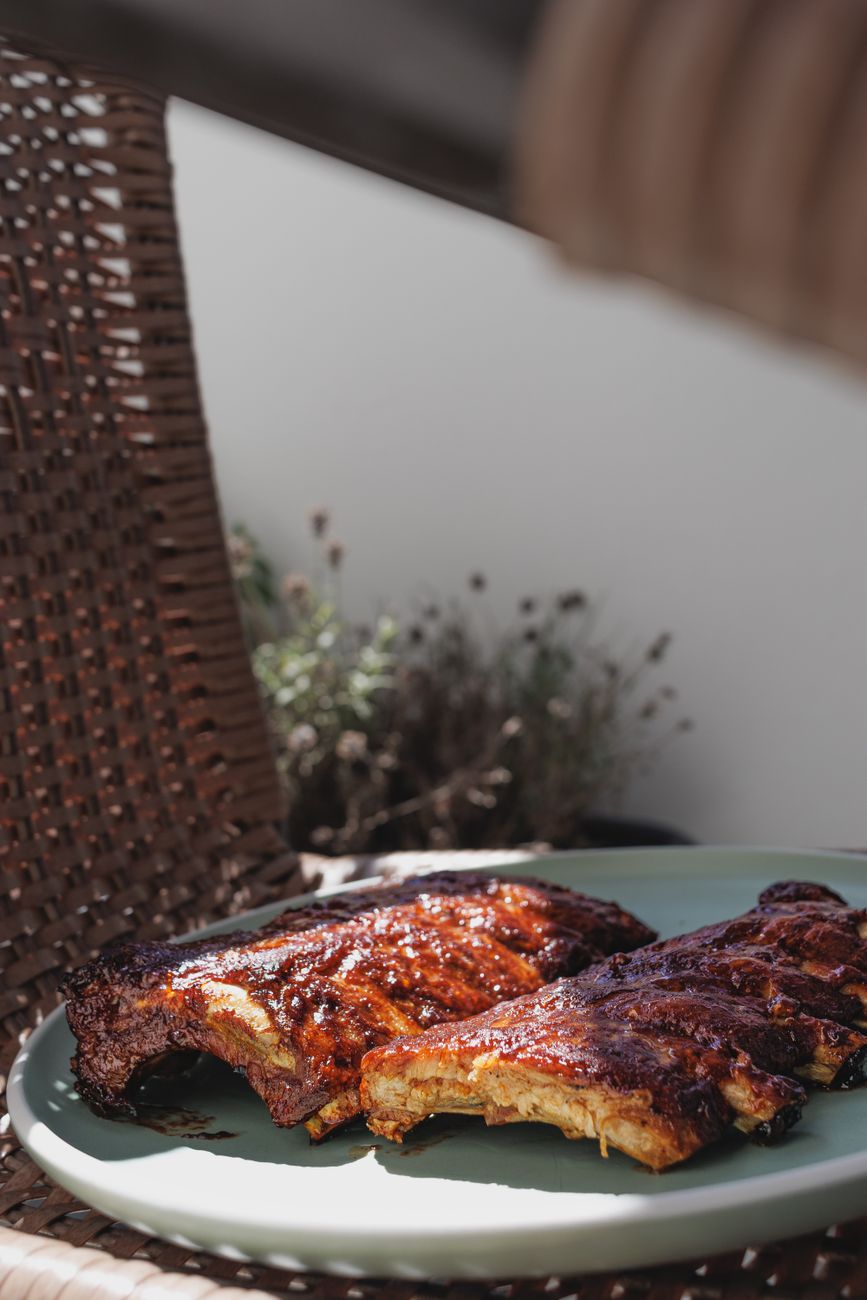
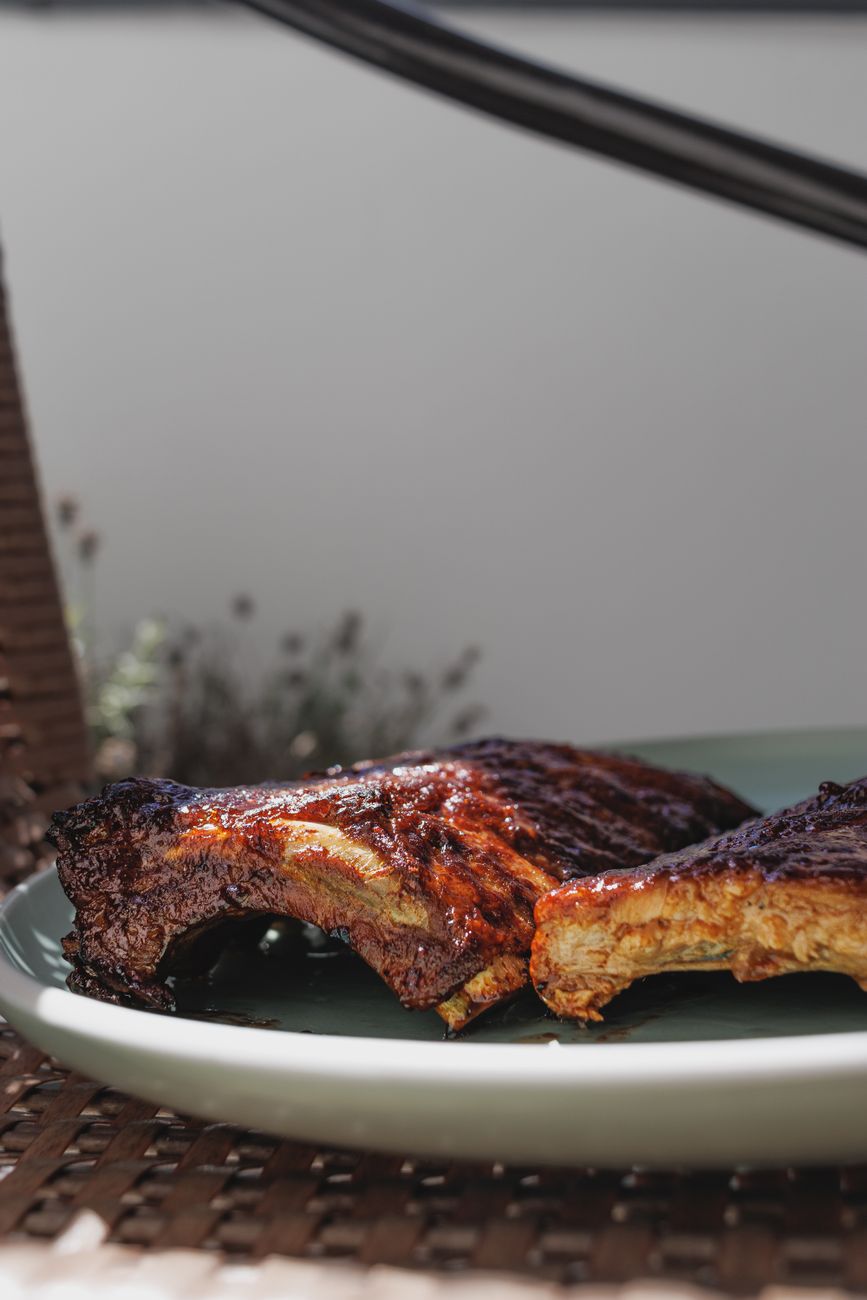
    A rack of baby back ribs cooking slowly on the grill

    Carolina Styles: Vinegar and Mustard

    Eastern North Carolina sauce skips tomato almost entirely, relying on a thin vinegar-and-pepper base that cuts through the richness of pulled pork rather than coating it in sweetness. South Carolina, meanwhile, is known for a distinct mustard-based “gold” sauce, a legacy of the state’s German immigrant population.

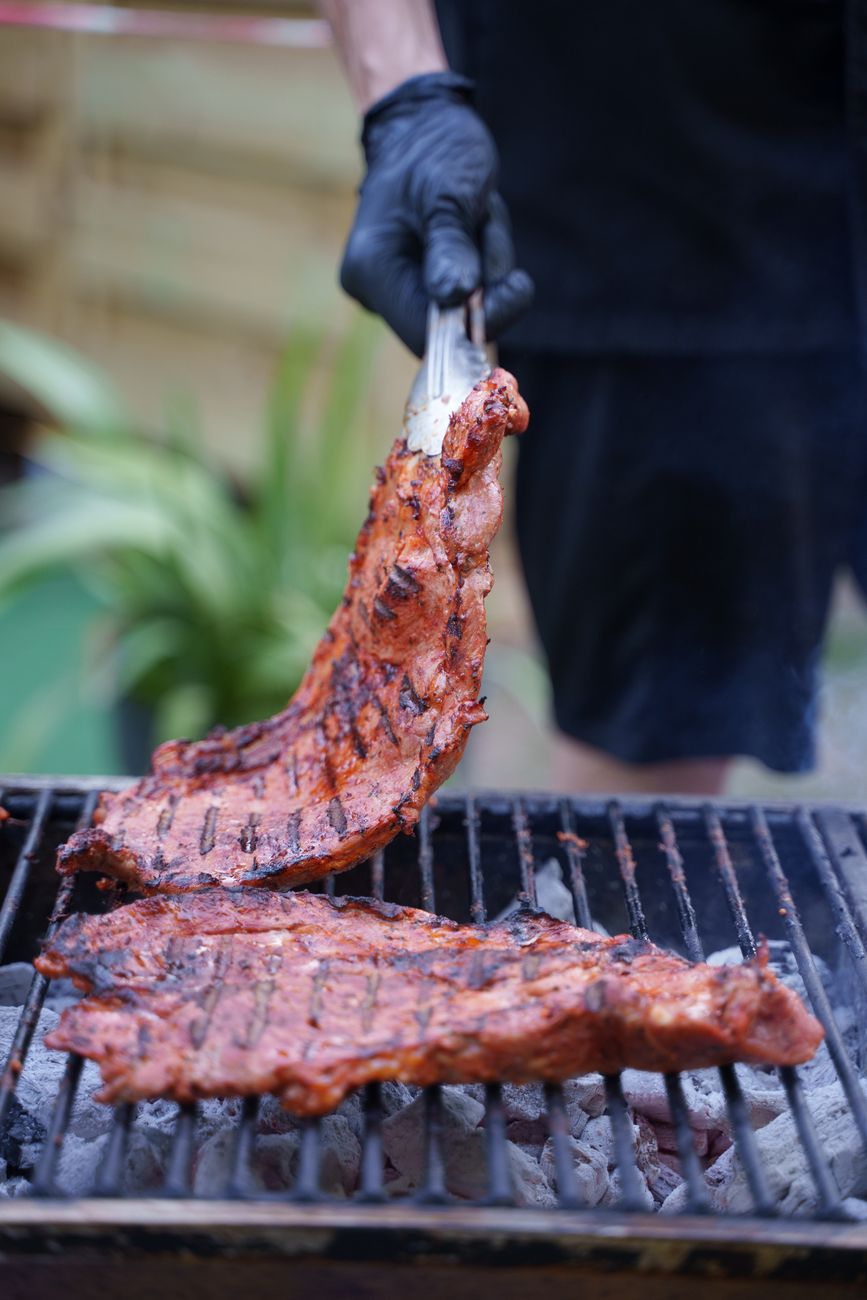
    Delicious grilled spareribs served fresh from the barbecue

    Texas Style

    Texas barbecue, especially in the central part of the state, often treats sauce as an optional side rather than a defining feature, favoring dry-rubbed, smoked meat on its own merits. When sauce is served, it tends to be thinner and more savory than sweet, letting the smoke flavor from the meat lead.

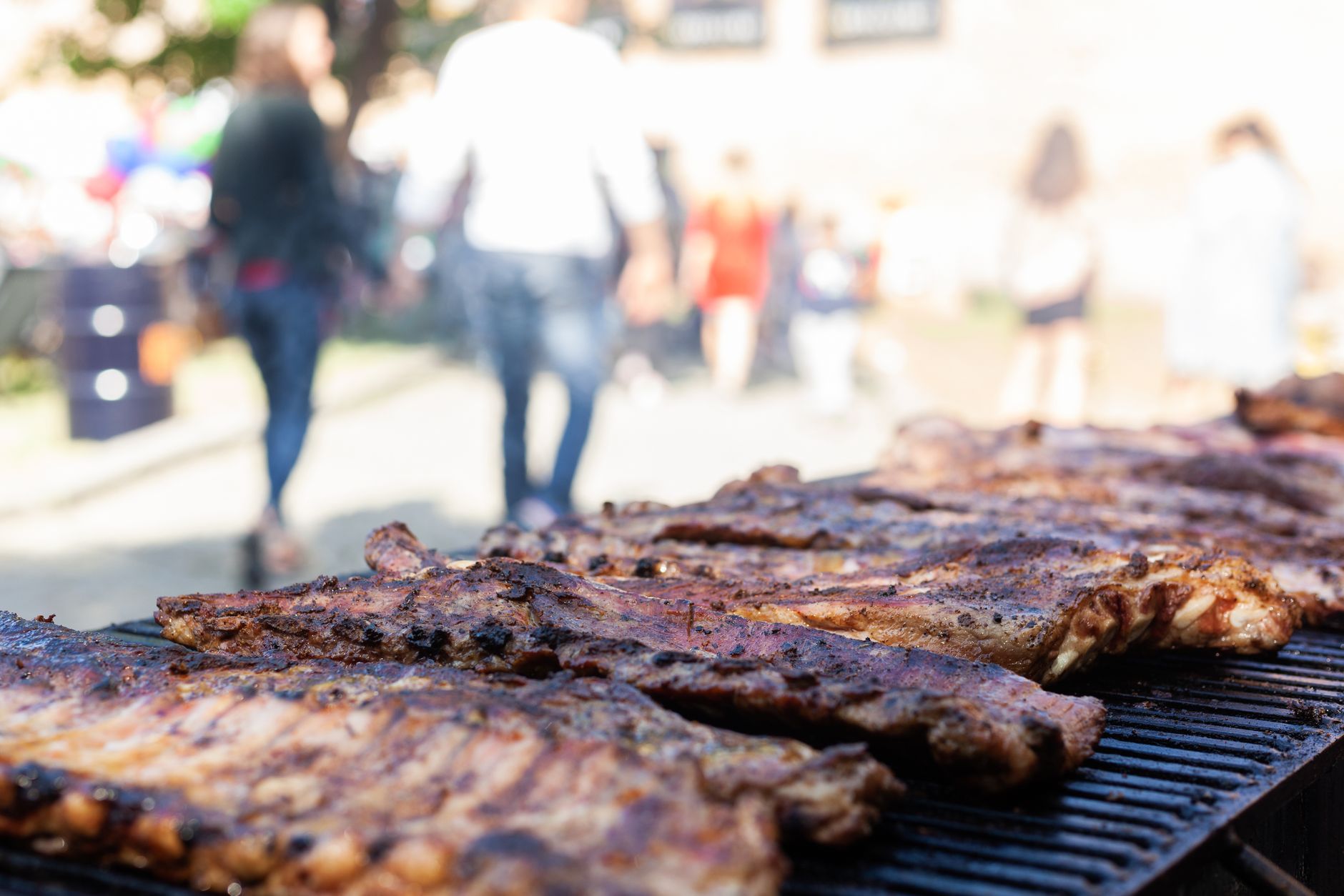
    A plate of grilled barbecue ribs served outdoors

    Memphis Style

    Memphis sauce splits into two camps: a sweet, tomato-based sauce similar to Kansas City’s, and a “wet” vs. “dry” rib distinction where dry-rubbed ribs are served with sauce on the side rather than coated before cooking. Memphis is also known for pulling pork and topping it with coleslaw right on the sandwich.

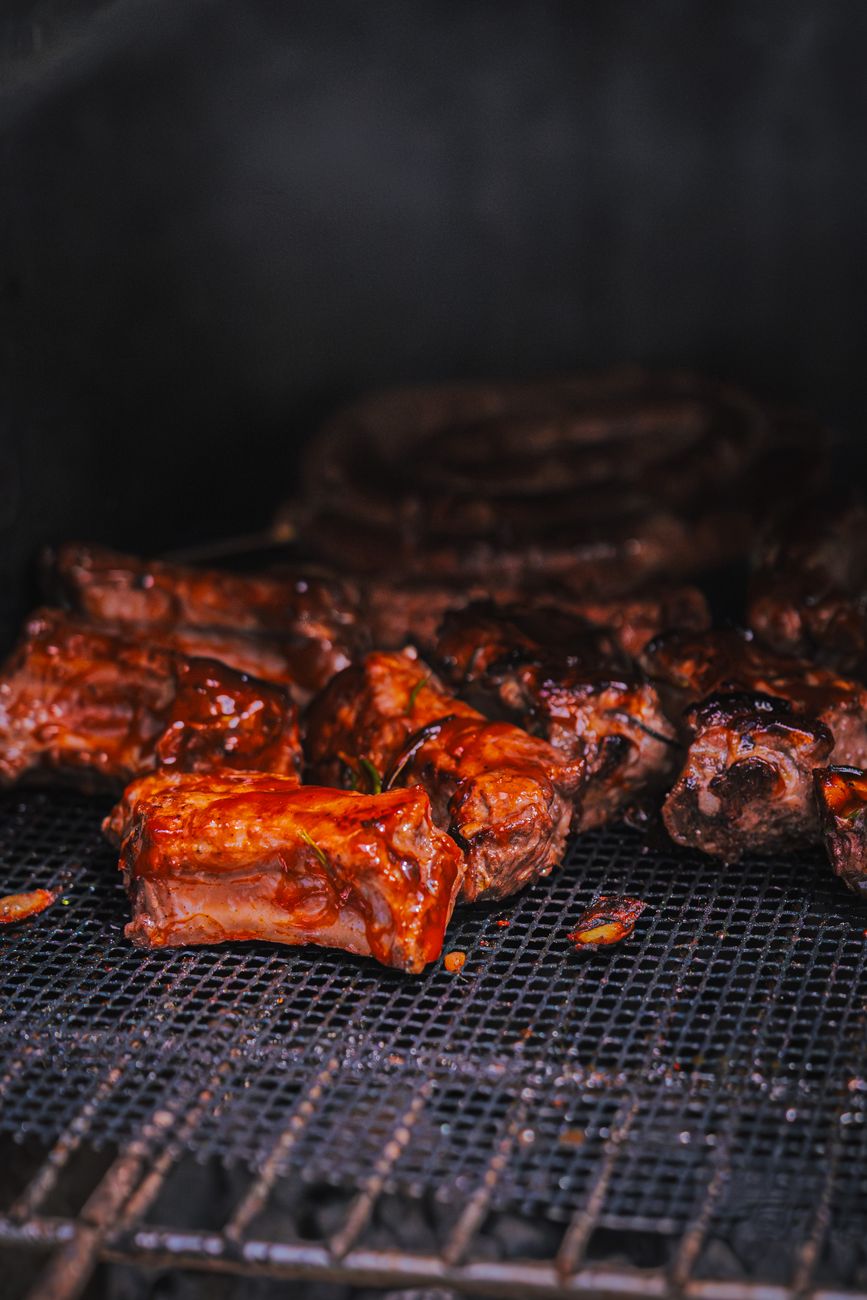
    A close-up view of food grilling over open flames

    Frequently Asked Questions

    What is Kansas City barbecue sauce made from?

    A tomato base sweetened with molasses or brown sugar, giving it the thick, sweet-and-tangy flavor most people associate with barbecue sauce generally.

    Does Carolina barbecue sauce contain tomato?

    Eastern North Carolina sauce typically doesn’t; South Carolina’s signature “gold” sauce is mustard-based instead.

    Why does Texas barbecue often skip sauce?

    Central Texas barbecue traditionally emphasizes smoked meat quality on its own, treating sauce as optional rather than essential.

    What’s distinct about Memphis-style barbecue?

    A “wet vs. dry” rib distinction and the tradition of topping pulled pork sandwiches with coleslaw, similar to our classic coleslaw recipe.

    Is one regional style objectively better than the others?

    No — each developed around local ingredients and traditions, and preference mostly comes down to what you grew up eating.

    Which style is sweetest?

    Kansas City style is generally the sweetest, thanks to its molasses or brown sugar base.

    Which style has the least sugar?

    Eastern North Carolina’s vinegar-based sauce, which contains little to no sugar at all.

    Want a side to go with barbecue? See our classic homemade coleslaw recipe.

    For more on regional barbecue traditions, see Texas Monthly.

  • Mustard Guide: Yellow vs. Dijon vs. Spicy Brown

    Mustard Guide: Yellow vs. Dijon vs. Spicy Brown

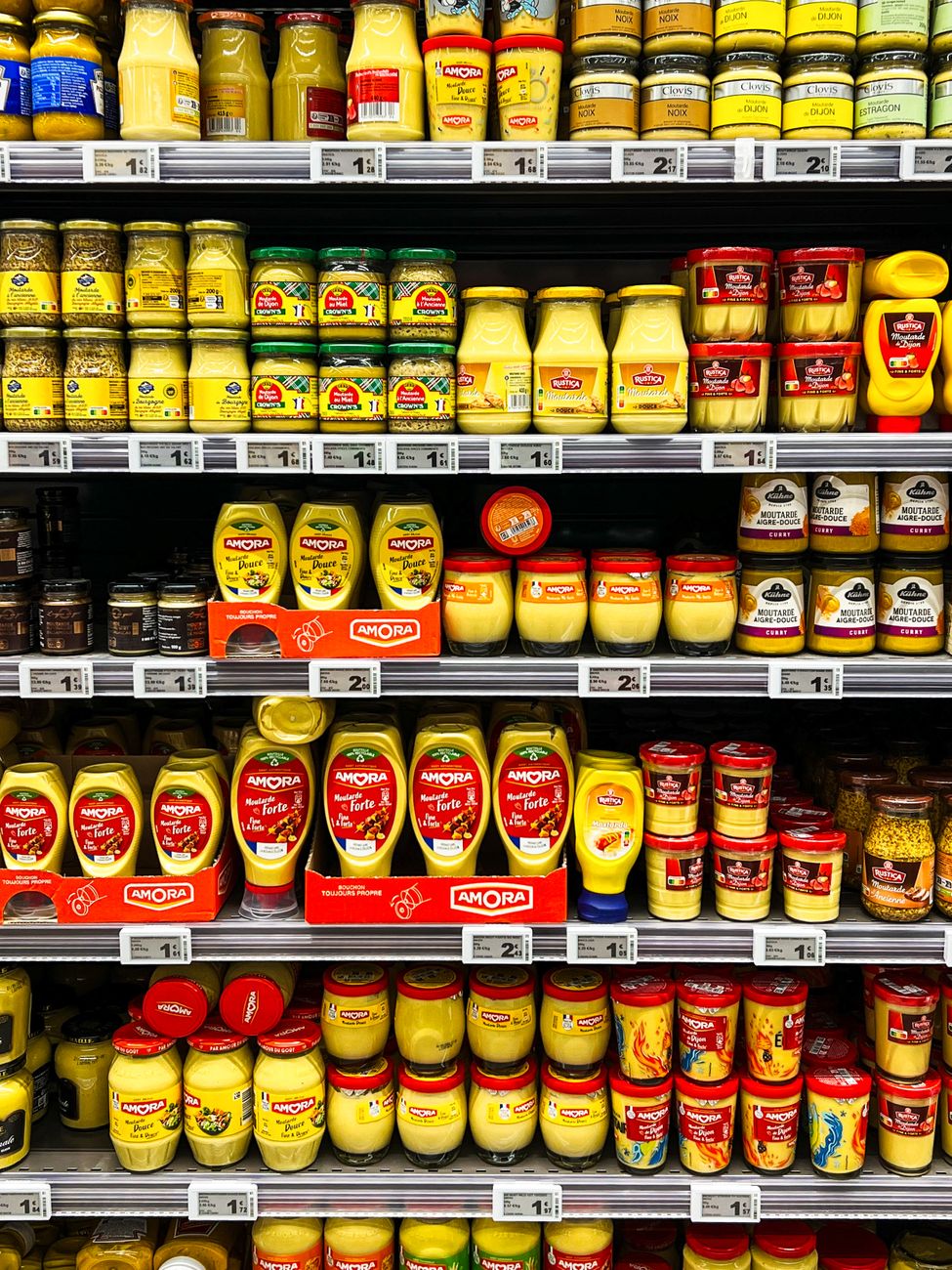
    Mustard seems simple until you’re standing in front of a shelf with a dozen varieties, each promising something slightly different. The core ingredient is always mustard seed, but how it’s prepared changes the flavor dramatically.

    Here’s a practical breakdown of the three most common types and where each one actually belongs.

    Understanding these differences also helps explain why a recipe or a deli sandwich might call for one specific type rather than treating all mustard as interchangeable.

    All three start from the same mustard seed, which makes the flavor spread between them genuinely surprising the first time you taste them side by side rather than assuming they’re just variations on the same bottle.

    Yellow Mustard

    Yellow mustard, the classic American squeeze-bottle condiment, gets its color from turmeric and its mild flavor from a base of ground yellow mustard seeds, vinegar, and water. It’s the mildest of the three, which is exactly why it’s the standard choice on hot dogs and casual sandwiches.

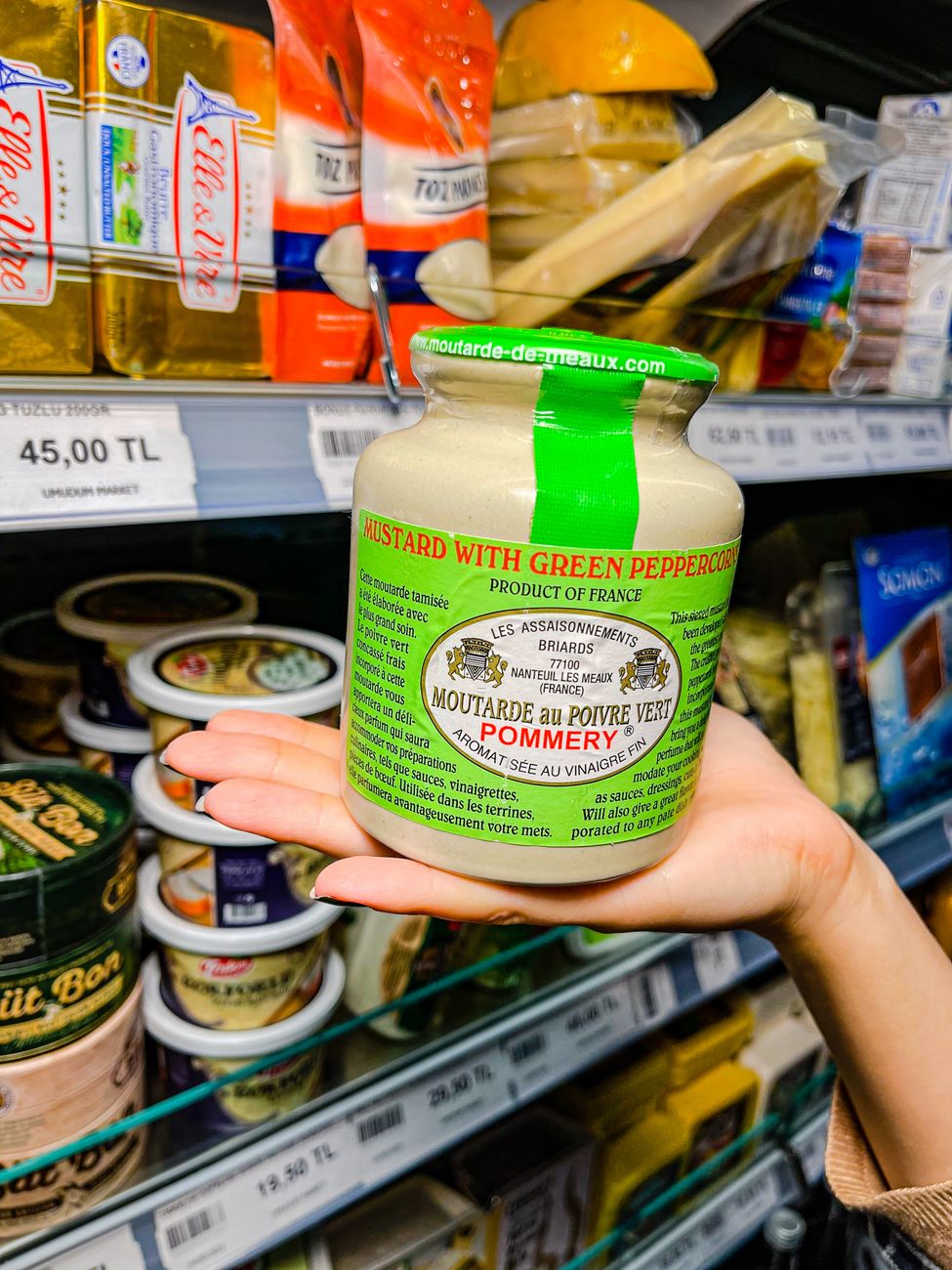
    A hand holding a large jar of mustard in a grocery store aisle

    Dijon Mustard

    Dijon mustard originated in Dijon, France, and uses brown or black mustard seeds along with white wine or verjuice instead of vinegar, giving it a sharper, more complex flavor than yellow mustard. It’s a common base for vinaigrettes and sauces, not just a standalone condiment.

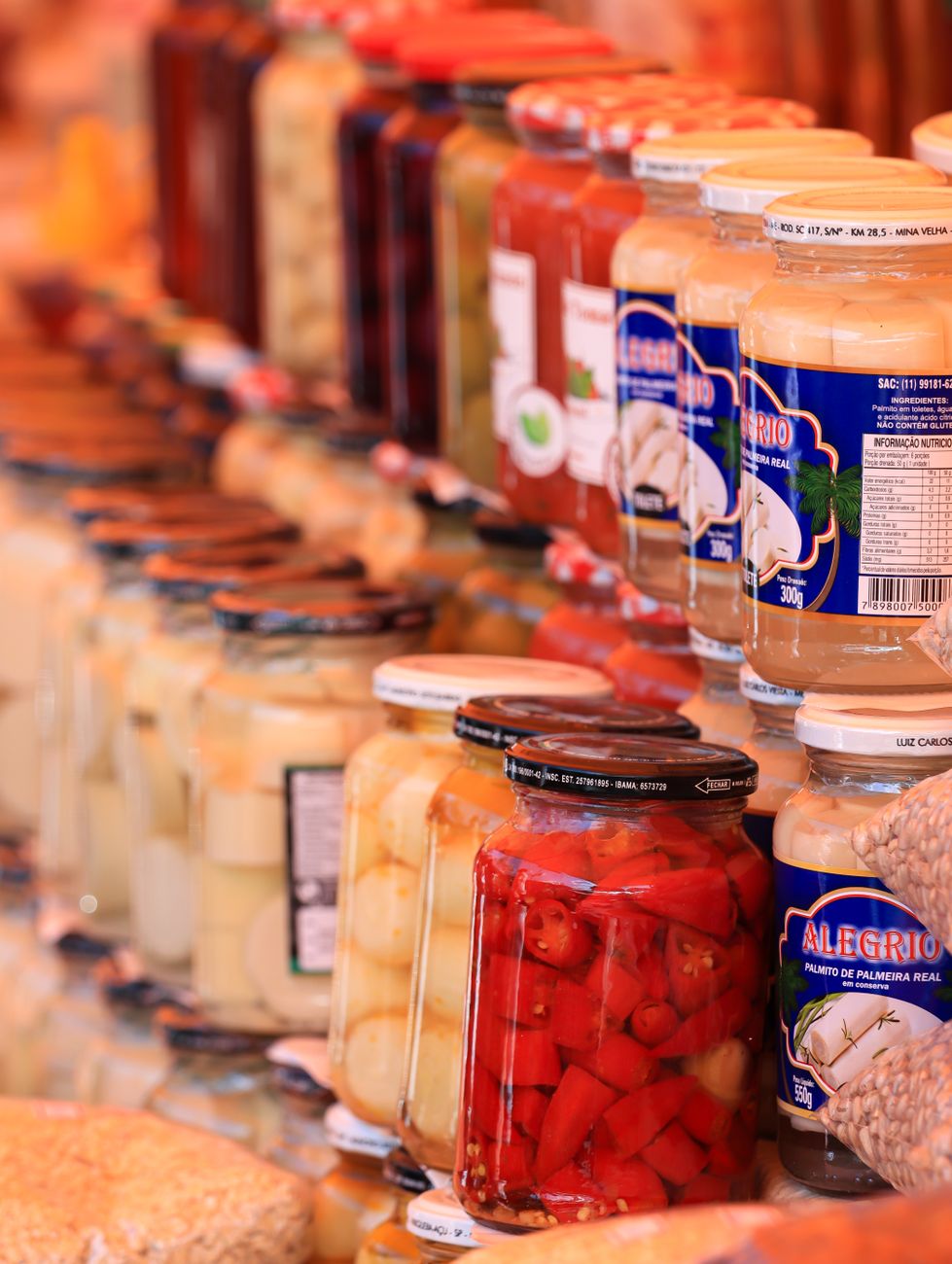
    A market display of assorted jars filled with preserved condiments

    Spicy Brown Mustard

    Spicy brown mustard uses coarsely ground brown mustard seeds with less vinegar than yellow mustard, giving it a grainier texture and more pronounced heat. It’s a common pairing for pastrami, corned beef, and other bold deli meats that can stand up to its stronger flavor.

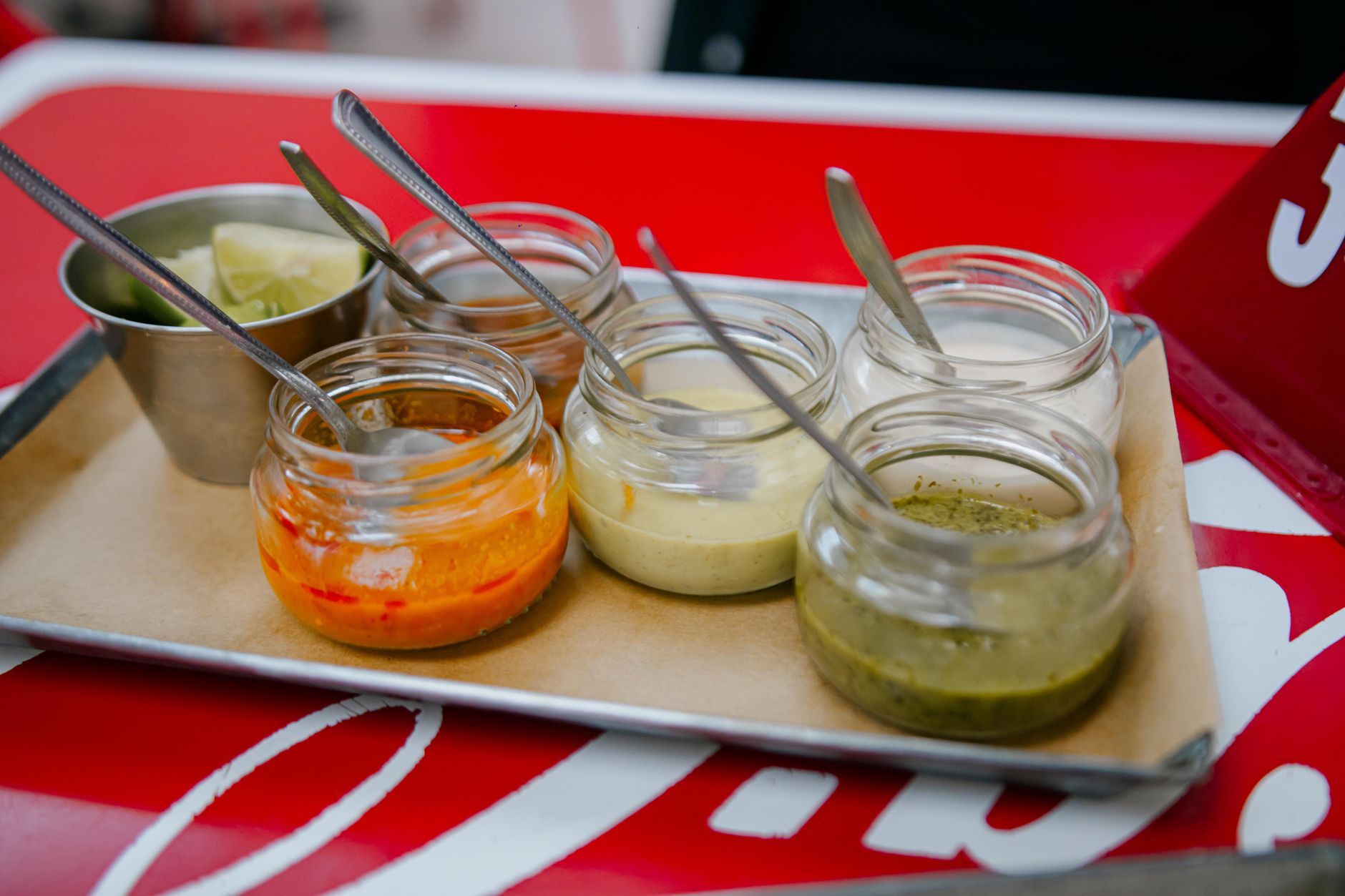
    Clear glass jars filled with sauces arranged on a stainless steel tray

    Which Mustard Suits Which Sandwich

    MustardFlavorBest For
    YellowMild, tangyHot dogs, burgers, casual sandwiches
    DijonSharp, complexVinaigrettes, sauces, ham sandwiches
    Spicy BrownBold, grainyPastrami, corned beef, bold deli meats
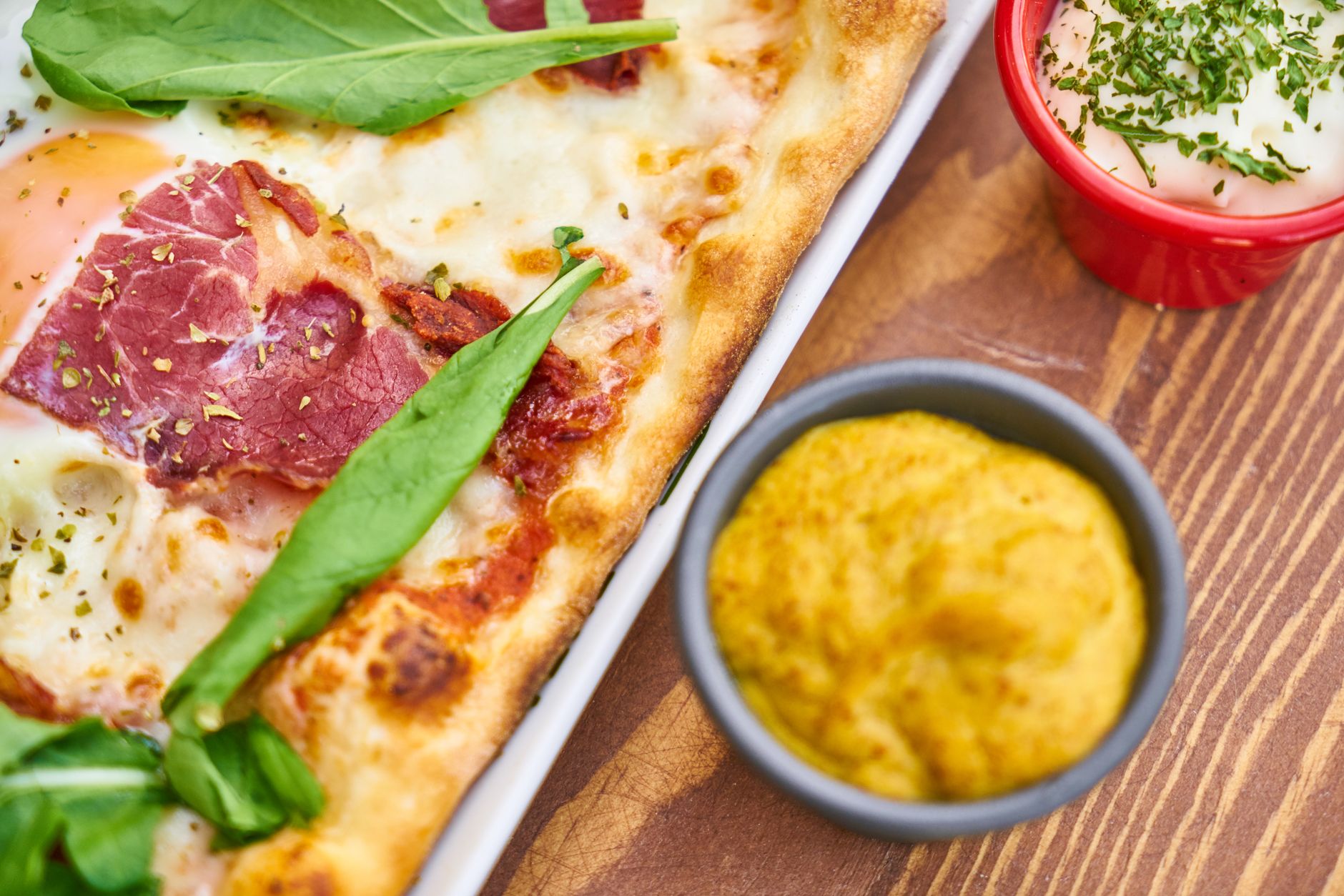
    A close-up photo of baked food topped with cream on a white tray

    Frequently Asked Questions

    What gives yellow mustard its color?

    Turmeric, combined with ground yellow mustard seeds, vinegar, and water.

    Is Dijon mustard spicier than yellow mustard?

    Yes, generally — Dijon’s brown or black seeds and wine base give it a sharper, more complex bite than mild yellow mustard.

    What makes spicy brown mustard grainy?

    It’s made from coarsely ground rather than finely ground mustard seeds, leaving visible texture in the finished condiment.

    Which mustard is best on a pastrami sandwich?

    Spicy brown mustard is the traditional choice, since its bold flavor stands up well to rich, heavily seasoned meats.

    Can Dijon mustard be used in salad dressing?

    Yes — it’s a common emulsifying base for vinaigrettes, helping oil and vinegar blend smoothly.

    Does mustard need to be refrigerated after opening?

    Yes, for best quality and flavor, though its vinegar content makes it fairly shelf-stable even at room temperature for a short time.

    Can I mix mustard types together?

    Yes — combining yellow and spicy brown, for instance, is a common way to build a custom heat level.

    Want to try a bold mustard pairing? See our Mabel’s Deli menu guide for deli meat sandwiches.

    For more on mustard varieties, see the National Mustard Museum.