
A long drive runs on more than gas. What you eat and drink along the way affects energy levels, alertness behind the wheel, and how the whole trip feels by the time you arrive. A quick stop at a convenience store like Poncha Market can go one of two ways: a sugar-crash cycle of candy and soda, or a genuinely sustaining set of choices that keep you comfortable for hours.
None of this requires turning a road trip into a health-food expedition. The goal here is simple, practical swaps — the kind you can make in the same thirty seconds you’d otherwise spend grabbing whatever’s closest to the register — that add up to a noticeably better drive by the time you’re several hours in.
Why Road Trip Snacking Is Different
Sitting for hours at a stretch, often with less activity than a normal day, changes what your body actually needs compared to a typical meal. Heavy, greasy food can make you sluggish behind the wheel; pure sugar gives a quick spike followed by a crash right when you need sustained focus. The goal isn’t strict health rules — it’s picking food that keeps you comfortable and alert for the next stretch of driving.
This matters more on longer legs of a trip, or ones that involve real elevation change, like the climbs on either side of Poncha Market in central Colorado. Feeling sluggish or jittery is a bigger liability on a winding mountain grade than on a straight flat highway, which is exactly where a lot of road trips through this part of the state happen to run.
Snacks That Actually Hold Up
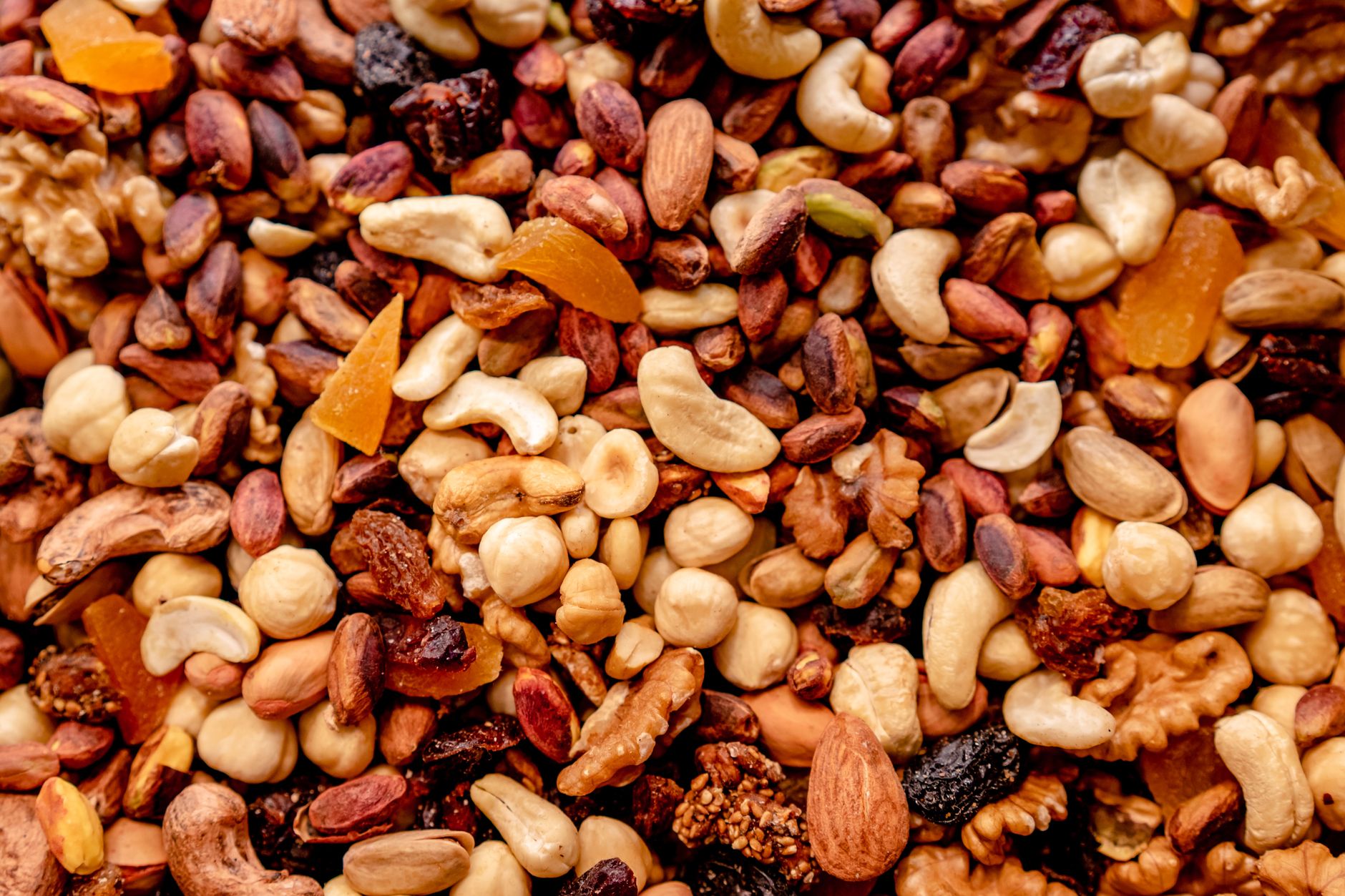
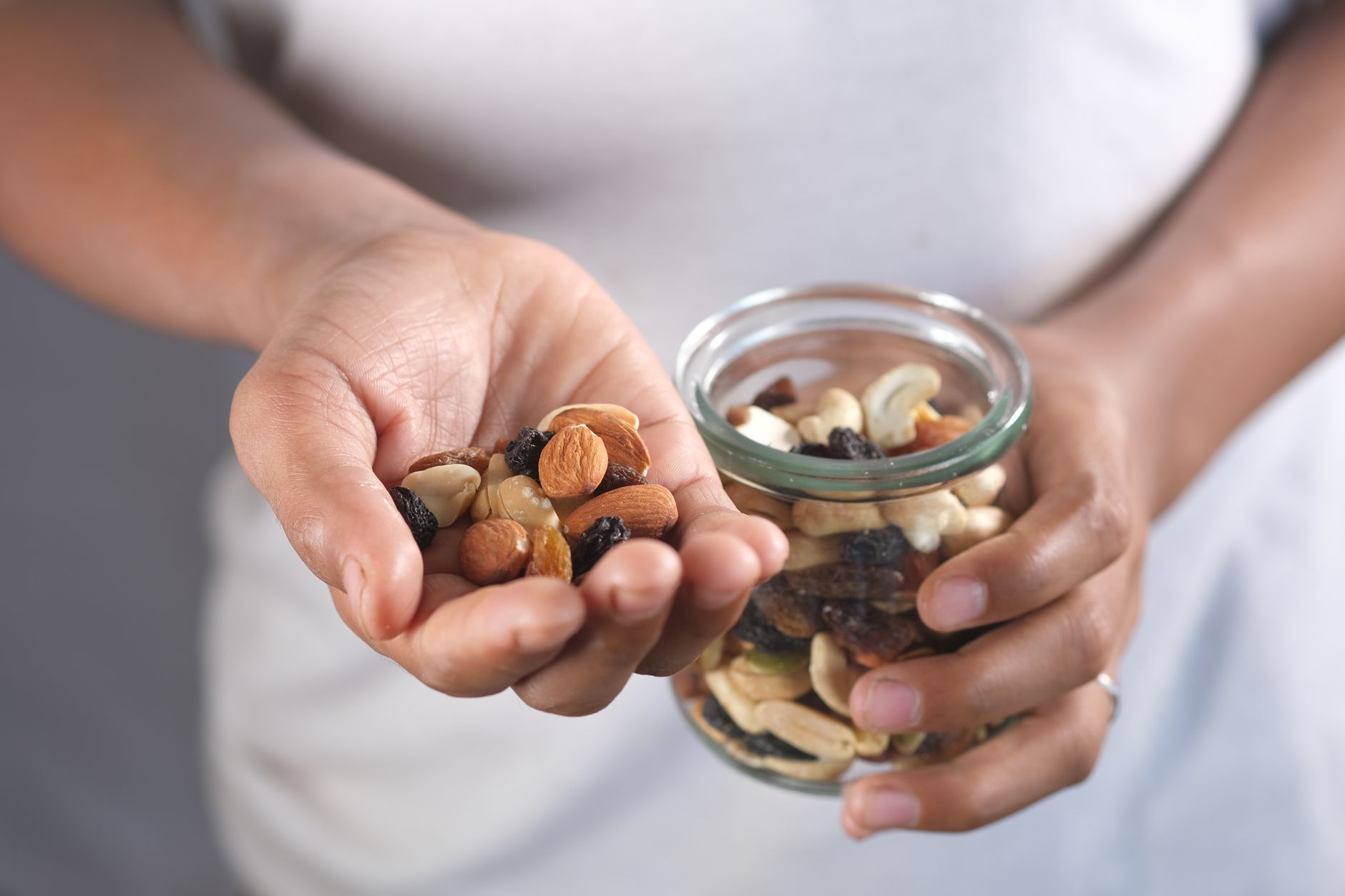
- Nuts and trail mix — protein and fat combined help you feel fuller longer than a sugary snack of the same size, and they don’t need refrigeration.
- Jerky — high in protein, shelf-stable, and satisfying in a way that a bag of chips generally isn’t.
- Whole fruit — an apple or banana travels well and doesn’t rely on how a store handles pre-cut produce.
- Granola or protein bars — a reasonable middle ground between convenience and actual nutrition, though it’s worth checking sugar content, since not all bars are created equal.
- String cheese or other simple dairy snacks — a solid protein option if refrigeration along the way is reliable.
None of these require a special health-food store — all of them are standard items at a typical convenience store, including Poncha Market‘s. The difference is simply choosing them deliberately rather than defaulting to whatever’s in the checkout-lane impulse rack.
What to Drink on a Long Drive
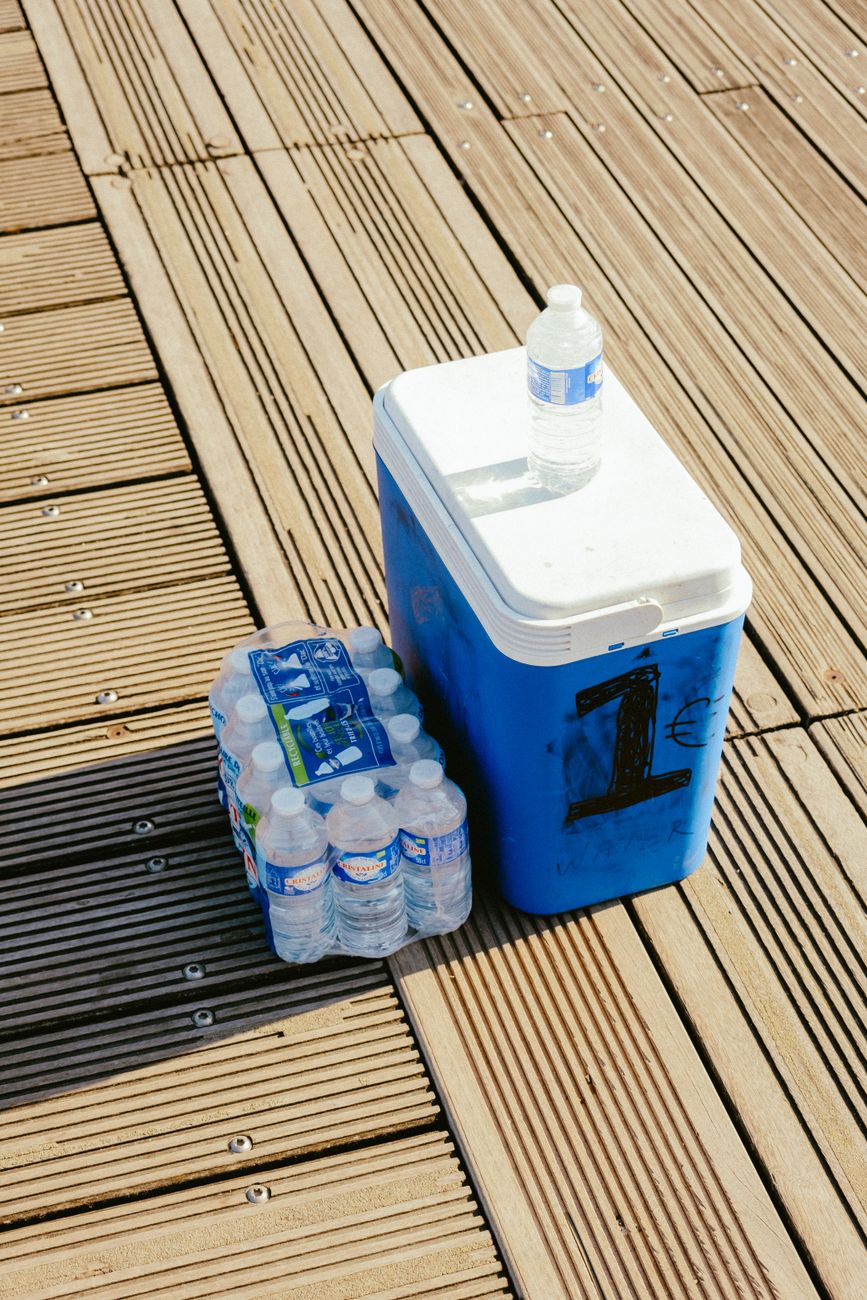
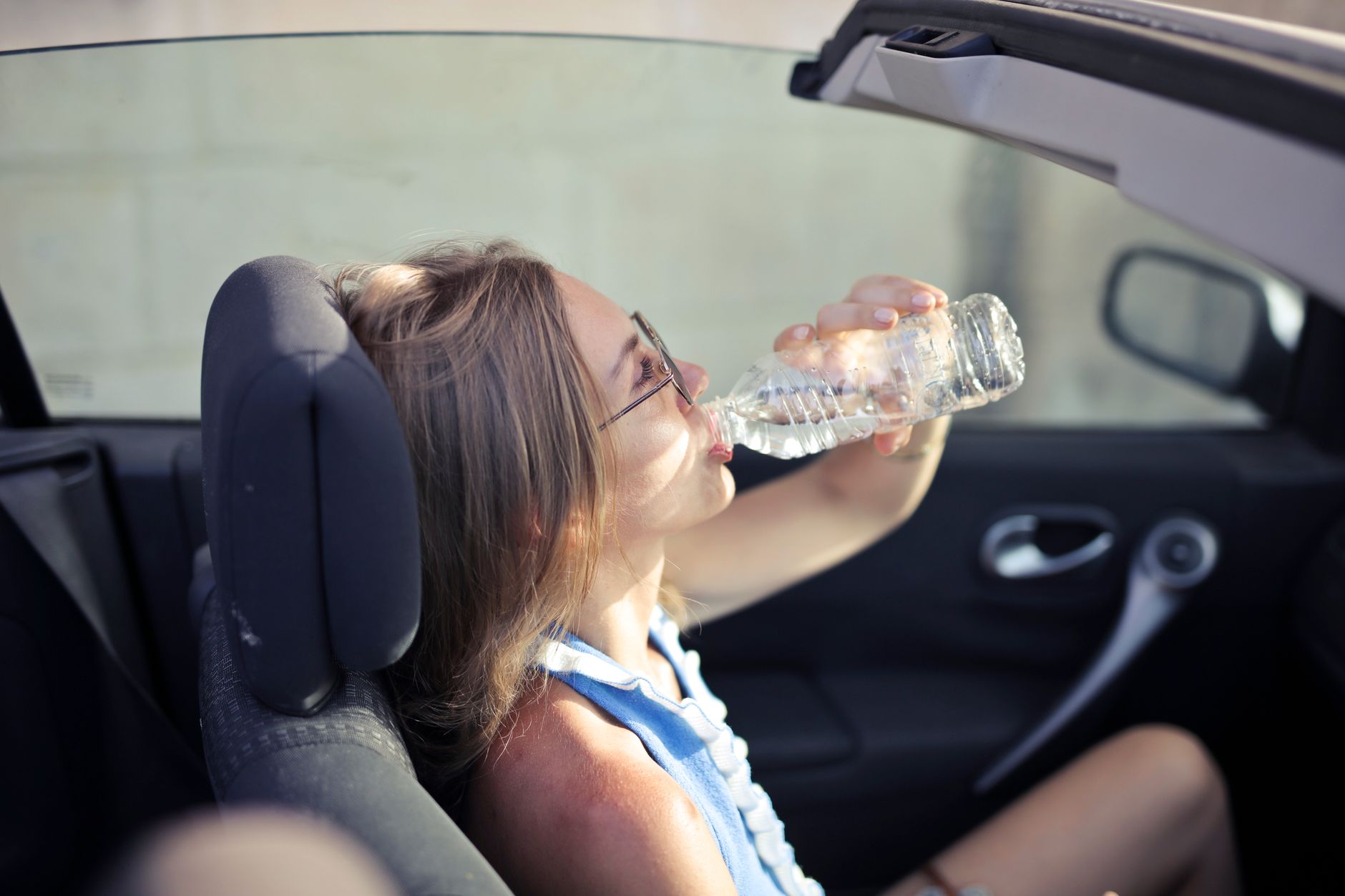
Hydration matters more on a road trip than most people account for, especially at higher elevations like central Colorado, where dehydration sets in faster than at sea level. Water should be the default, not an afterthought.
- Keep a cooler or refillable bottles in the car rather than relying entirely on single-use bottles bought one stop at a time.
- Caffeine can help with alertness on a long drive, but relying on it instead of rest breaks or actual sleep is a real safety risk, not just a minor inconvenience.
- Sugary sodas and energy drinks provide a short-term boost followed by a crash — useful occasionally, risky as a primary strategy for staying alert.
- At higher elevations specifically, dehydration symptoms can be mistaken for simple fatigue, which makes deliberate, regular water intake more important on a mountain drive than on a flat one.
A useful habit on longer trips is treating water the same way you’d treat fuel: check it, top it off, and don’t wait until you’re already thirsty to think about it. By the time thirst is noticeable, mild dehydration has usually already set in.
Building a Better Convenience Store Stop
A practical approach at a stop like Poncha Market is to think in terms of a small, balanced grab rather than one single item: a protein source (nuts, jerky), something with natural sugar (fruit), and water, rather than defaulting to whatever’s closest to the register.
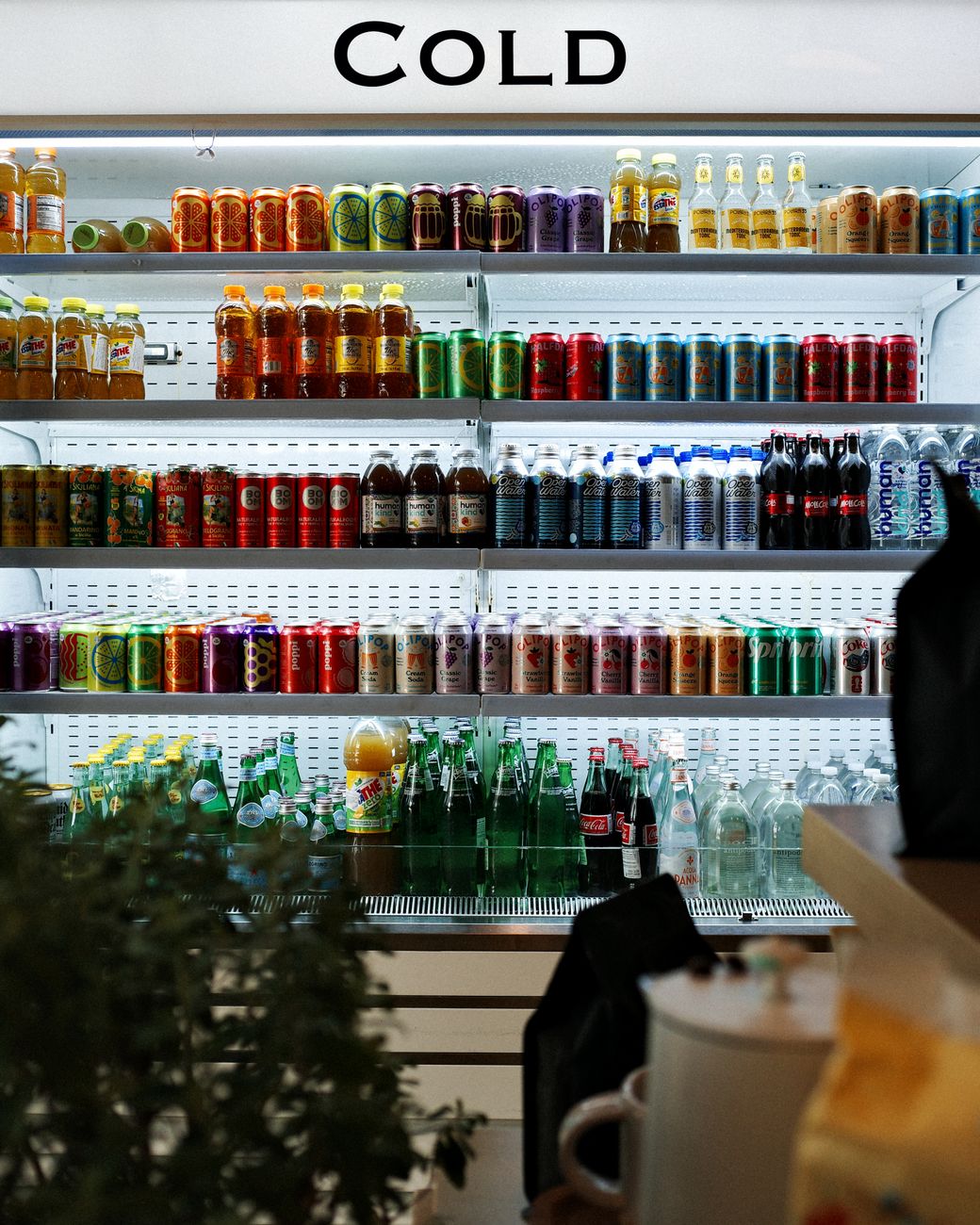
If you have more time — not just a fuel-and-go stop — a made-to-order option like Mabel’s Deli‘s sandwiches is a meaningfully better choice than packaged convenience food for a real meal, since it’s prepared fresh rather than sitting under a heat lamp or shelf.
Thinking of stops this way — a “quick grab” versus a “real meal” — rather than treating every convenience store visit the same way, tends to produce better choices overall. A five-minute fuel stop calls for the nuts-and-water approach above; a longer break calls for an actual meal instead of stacking several packaged snacks together as a substitute for one.
Over a multi-hour drive, several small good decisions like this tend to matter more than any single choice. Skipping one candy bar for a handful of nuts won’t transform a road trip, but making that kind of swap consistently at every stop adds up by the time you actually arrive.
A Simple Snack Comparison
| Option | Sustains Energy | Needs Refrigeration |
|---|---|---|
| Trail mix / nuts | Yes — protein and fat | No |
| Jerky | Yes — protein | No |
| Whole fruit | Moderate — natural sugar plus fiber | No |
| Candy / soda | No — quick spike then crash | No |
| Made-to-order sandwich | Yes — balanced meal | Prepared fresh, not stored |
Frequently Asked Questions
What are the healthiest gas station snacks?
Nuts, jerky, whole fruit, and granola bars with modest sugar content are generally the best options available at a typical convenience store.
Should I avoid caffeine on a road trip?
Not necessarily, but it shouldn’t replace actual rest breaks or sleep — caffeine can mask fatigue rather than resolve it.
How much water should I drink on a road trip?
More than feels strictly necessary, particularly at higher elevations, where dehydration happens faster than most people expect.
Is a gas station sandwich a good meal option?
It depends entirely on how it’s prepared. A made-to-order deli sandwich, like those at Mabel’s Deli, is a meaningfully better option than a pre-packaged sandwich that’s been sitting in a case.
What snacks should I avoid on a long drive?
Heavy, greasy food and high-sugar snacks and drinks are both worth limiting — the first for alertness, the second to avoid an energy crash partway through the drive.
How do I know if I’m getting dehydrated on a road trip?
Fatigue, headache, and difficulty concentrating can all be early signs, and are easy to mistake for simple tiredness — regular water intake rather than waiting for thirst is the more reliable approach.
Are protein bars a good road trip snack?
Generally yes, though checking the sugar content is worth doing, since some bars are closer to candy than to a balanced snack despite the healthy marketing.
Should I pack snacks before a road trip or buy them along the way?
A mix of both works well — packing a few reliable staples from home as a backup, while still planning on buying fresh options like fruit or a real meal along the way.
What should I drink instead of soda on a road trip?
Plain water should be the default; unsweetened options like sparkling water are a reasonable alternative if you want variety without the sugar crash that comes with soda.
Stopping for a real meal instead? See our Mabel’s Deli menu guide for a made-to-order alternative to packaged convenience food.
For general guidance on balanced snacking and hydration, see the Academy of Nutrition and Dietetics.
Leave a Reply