
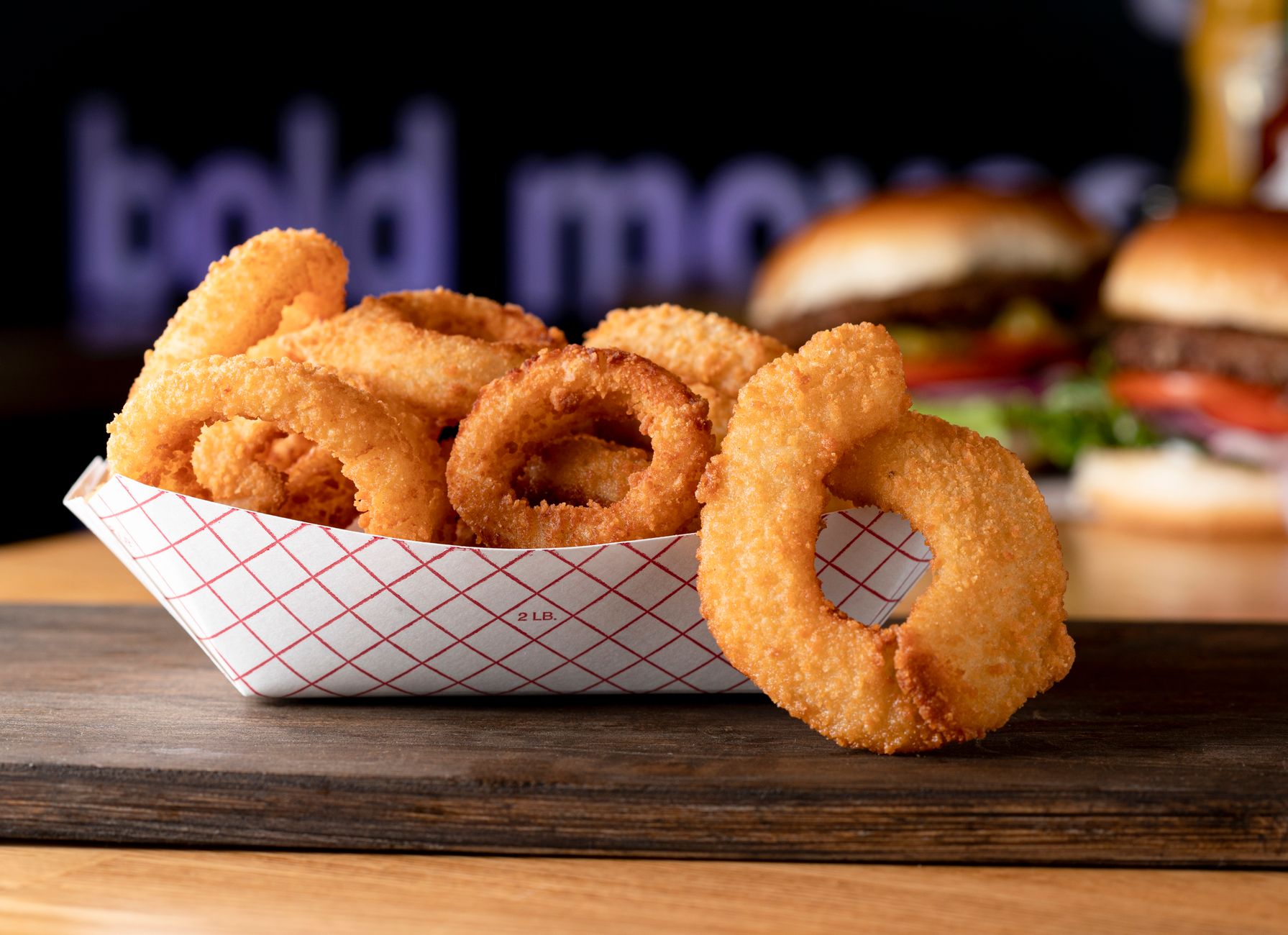
Onion rings are a simple idea — battered, fried onion slices — but their popularity as a side dish or appetizer took decades to build, with several competing claims over exactly who served them first.
Here’s what’s actually documented about their history, along with a recipe for making crispy ones at home.
Onion rings also illustrate how a genuinely simple technique — battering and frying a vegetable — can become a beloved standalone dish rather than just a garnish or side note on a plate.
Early Recipes and Disputed Origins
Fried onion recipes appear in American cookbooks as early as the 1910s, though the crispy, batter-dipped version most people recognize today became widespread through diners and drive-ins in the mid-20th century. Several regional restaurant chains have claimed credit for popularizing the modern version, though no single origin has been definitively settled.
Ingredients
- 2 large yellow onions, sliced into rings
- 1 cup flour
- 1 teaspoon paprika
- 1 cup buttermilk
- 1 cup panko or breadcrumbs
- Oil for frying
- Salt to taste
Instructions
- Separate the onion slices into individual rings.
- Soak the rings in buttermilk for at least 20 minutes.
- Dredge each ring in seasoned flour, then back through the buttermilk, then in breadcrumbs.
- Fry in oil heated to 350°F until golden brown, about 2 to 3 minutes per batch.
- Drain on a wire rack and season with salt while still hot.
Why the Double-Dip Matters
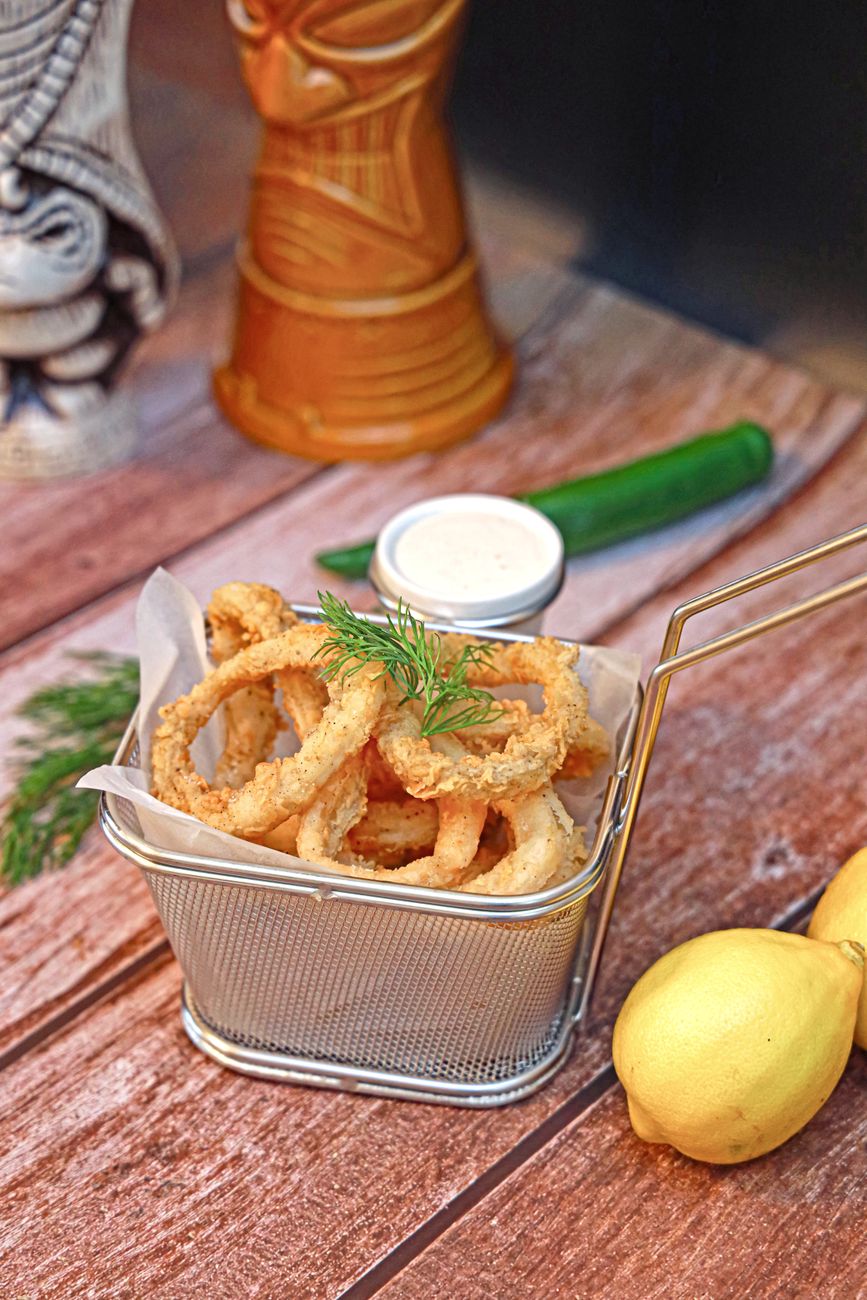
Dredging the onion in flour before the buttermilk, then again in breadcrumbs after, builds up layers that create a thicker, more substantial crust than a single coating would — the same basic principle used in other fried foods, adapted here for a thin, curved onion ring.
Frequently Asked Questions
Who invented onion rings?
No single origin is confirmed; fried onion recipes date to the 1910s, and several restaurant chains have claimed credit for popularizing the modern battered version.
Why soak onions in buttermilk before frying?
Buttermilk helps the flour and breadcrumb coating adhere better and adds a subtle tang to the finished ring.
What oil temperature works best for frying onion rings?
Around 350°F, hot enough to crisp the coating quickly without burning it before the onion softens.
Can I bake onion rings instead of frying them?
Yes, though baking produces a less crisp texture than deep frying; a wire rack helps air circulate for a crisper result.
What sauce pairs well with onion rings?
Ranch dressing is a classic pairing; see our ranch dressing history for more.
What onion works best for onion rings?
Sweet yellow onions are the standard choice, offering a good balance of flavor without being overly sharp.
Can I air-fry onion rings instead of deep frying them?
Yes, though the result will be somewhat less crisp than true deep frying, similar to other air-fried versions of fried foods.
Want a dip to go with them? See our ranch dressing history.
For more fried food history, see Chowhound.
Leave a Reply