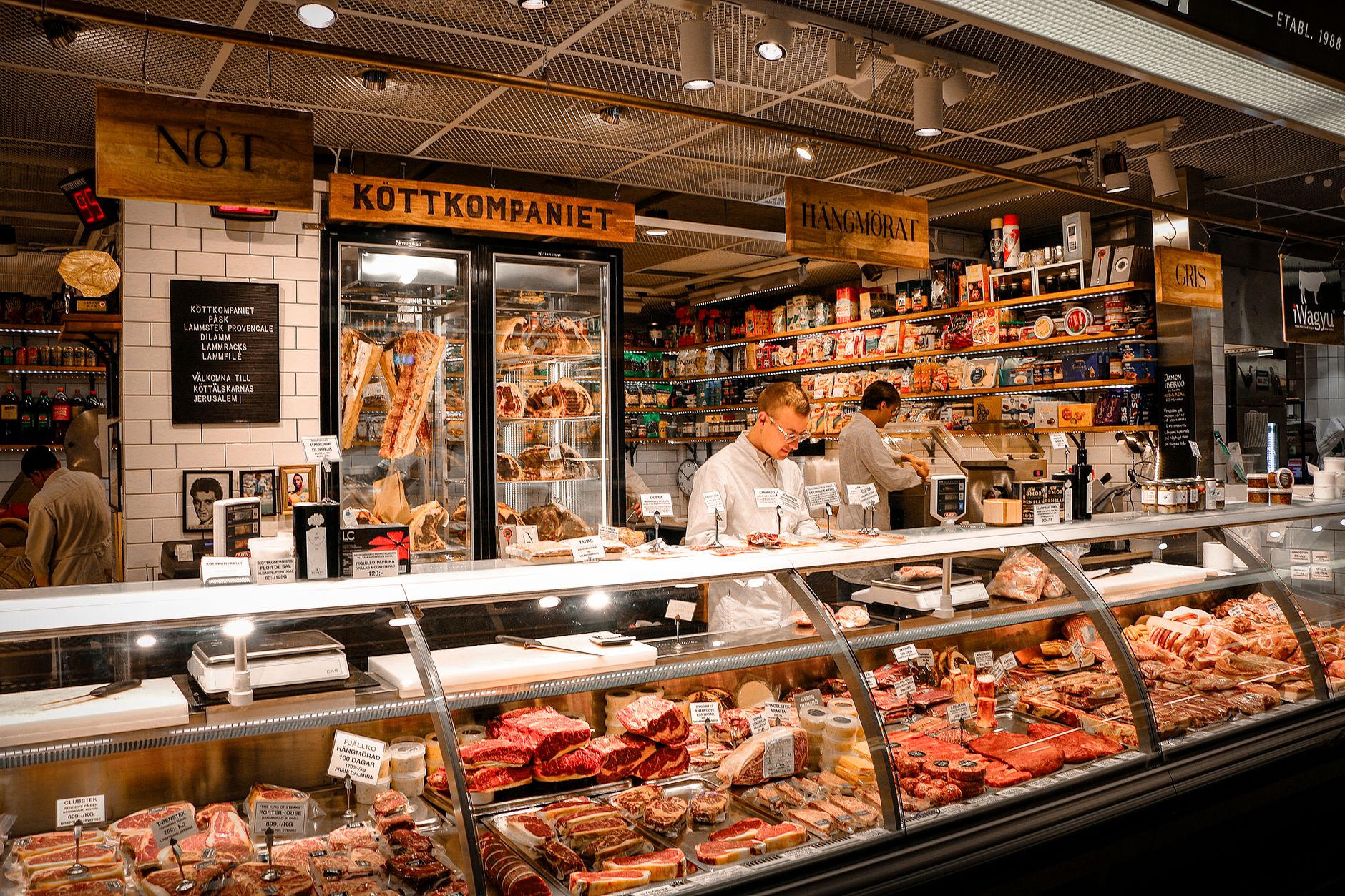
The word “deli” is such an ordinary part of American vocabulary now that it’s easy to forget it’s a genuinely borrowed, shortened term with a real immigrant history behind it. Mabel’s Deli inside Poncha Market carries that same lineage, even far from the delis’ original East Coast urban roots.
Here’s where the American delicatessen actually came from.
For the broader story of the format itself, see our history of the sandwich.
It’s a history worth knowing not just as trivia, but because it explains why deli menus look the way they do — a blend of cured meats, pickled things, and made-to-order sandwiches that trace directly back to those original immigrant-run shops.
German Origins
Delicatessens originated in Germany during the 18th century, and the concept spread to Canada and the United States in the mid-19th century, carried specifically by European immigrants. The first deli in the United States appeared in New York City in the early 1880s, with the term “delicatessen” itself first advertised in print in 1884, in St. Louis, Missouri.
The Jewish-American Deli Tradition
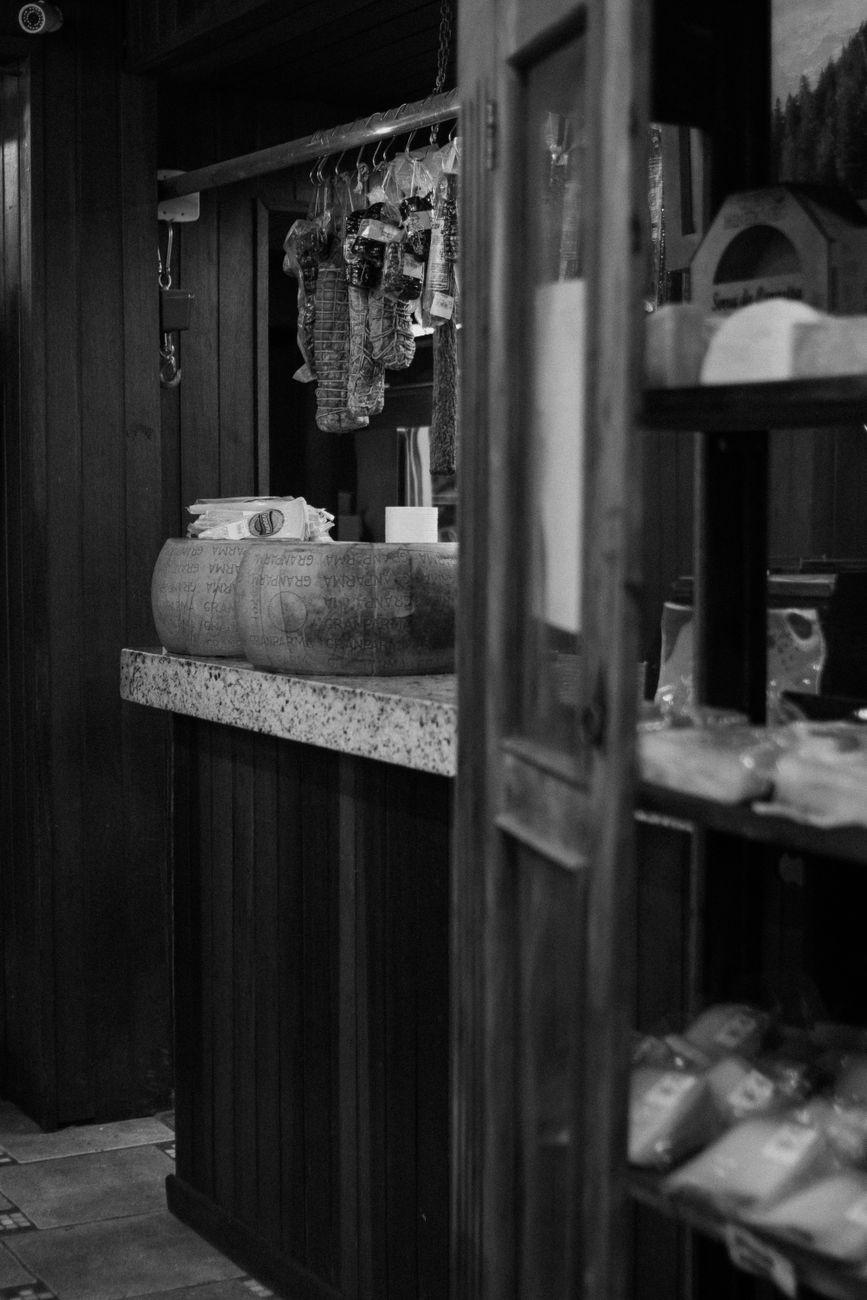
As the German-Jewish population in New York City grew, Ashkenazi Jewish immigrants specifically popularized the delicatessen in North American culture beginning in the late 19th century, with the first kosher deli established in 1889. Between the early 1880s and 1920, over 5 million German migrants arrived in America, and this same industrious immigrant community opened small specialty food shops featuring cured meats like sausages, knockwurst, and liverwurst, alongside pickled eggs and herring.
More Than Just a Food Shop
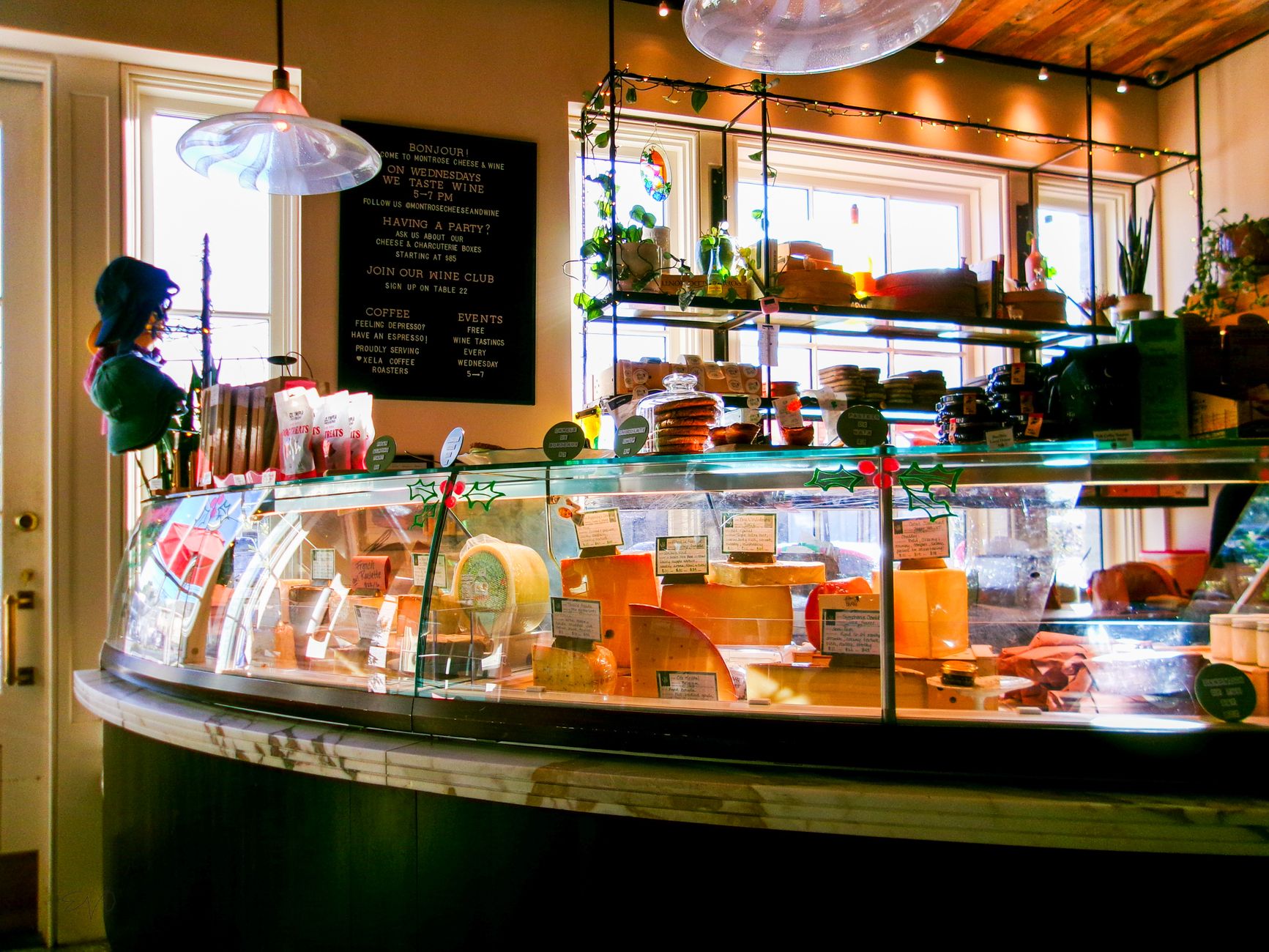
These early delicatessens served as genuine cultural gathering places for their communities, functioning for a generation of Jewish Americans as something close to a secular equivalent of the synagogue — a place to see neighbors and be part of community life, not simply a spot to buy meat and cheese.
Peak Popularity and Expansion
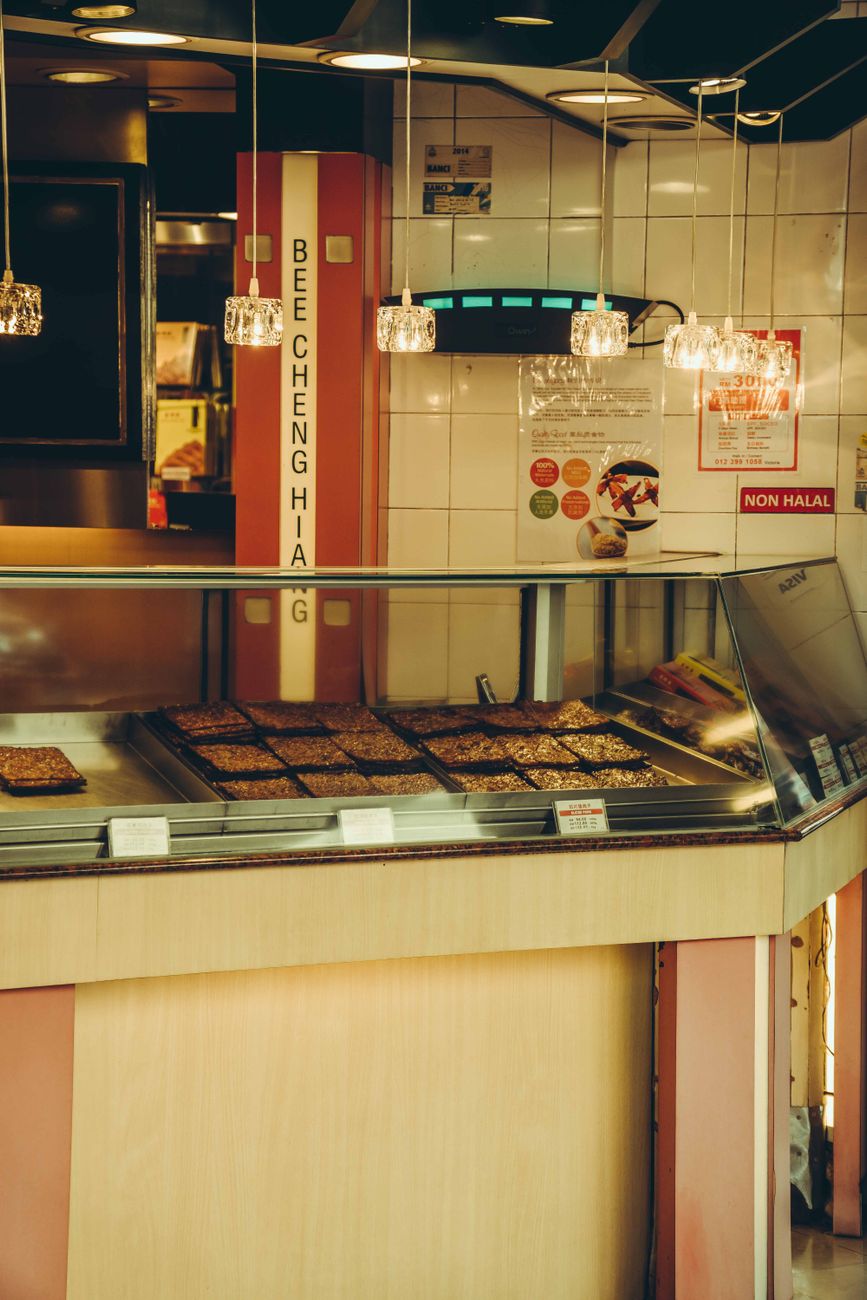
By the 1930s, delis were wildly popular in neighborhoods like Brooklyn and Harlem, as well as suburbs of Baltimore and Washington, D.C., with one seemingly on every corner, each serving its own local neighborhood. Americans shortened “delicatessen” to “deli” around the mid-1900s, and as that happened, more people began frequenting these stores as the menus expanded well beyond the owners’ original ethnic roots into the broader, more varied deli menus recognizable today.

Frequently Asked Questions
Where did the word “delicatessen” come from?
It originated in Germany in the 18th century and spread to North America with German and later Ashkenazi Jewish immigrants in the 19th century.
When did the first deli open in the United States?
In New York City in the early 1880s, with the term itself first advertised in print in 1884 in St. Louis.
Why were delis considered community gathering places?
For many Jewish American communities, delis functioned as a secular social hub, a place to see neighbors, not just a food shop.
When did “delicatessen” become shortened to “deli”?
Around the mid-1900s, as the businesses became more widespread and their menus expanded.
Does Mabel’s Deli fit this same tradition?
In spirit, yes — a family-run counter serving made-to-order food, carrying forward the same basic delicatessen concept far from its original East Coast urban roots.
Were all early American delis Jewish-owned?
No — German immigrants opened the earliest delicatessens, and Ashkenazi Jewish immigrants later became especially associated with popularizing the format nationally.
Why did deli menus expand beyond their original ethnic roots?
As delis became more numerous and popular through the early-to-mid 1900s, owners broadened their offerings to appeal to a wider, more general customer base beyond their original immigrant communities.
Curious to see it in action? See our Mabel’s Deli menu guide for the full lineup.
For more on Jewish-American deli history, see the Jewish Virtual Library.
Leave a Reply