
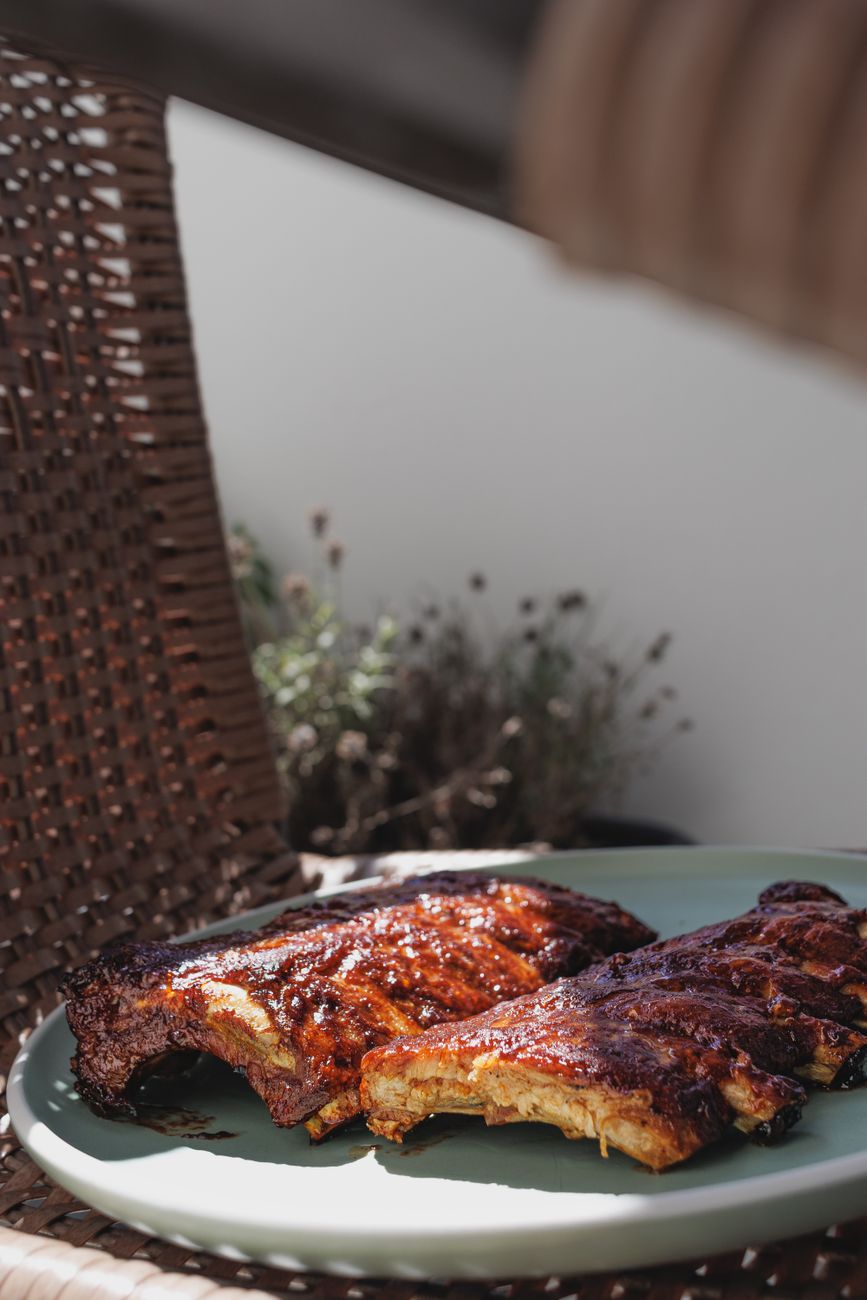
BBQ sauce isn’t one thing in America — it’s a genuinely regional food, with different parts of the country building their sauce around completely different bases. What counts as “barbecue sauce” in Texas barely resembles the same term used in eastern North Carolina.
Here’s a practical guide to the major regional styles and what defines each one.
These regional differences didn’t develop randomly — they generally reflect local ingredient availability and the specific immigrant and agricultural histories of each area, which is part of why the styles remain so distinct instead of blending into one national version over time.
Kansas City Style
Kansas City sauce is what most Americans picture by default: thick, tomato-based, and sweetened with molasses or brown sugar, applied generously to a wide range of meats. Its balance of sweet, tangy, and smoky notes made it the style that most commercial bottled sauces are modeled after.
Carolina Styles: Vinegar and Mustard
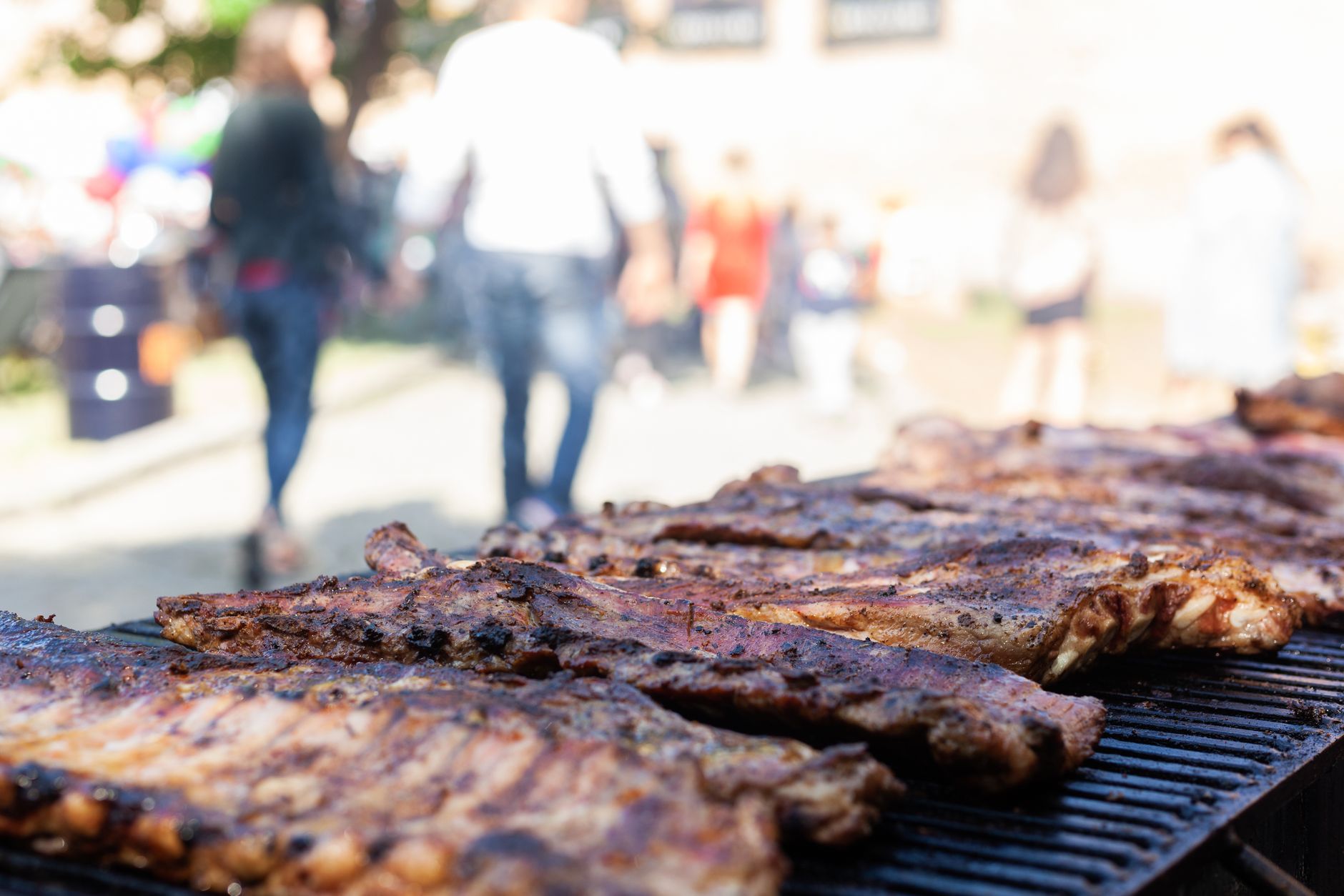
Eastern North Carolina sauce skips tomato almost entirely, relying on a thin vinegar-and-pepper base that cuts through the richness of pulled pork rather than coating it in sweetness. South Carolina, meanwhile, is known for a distinct mustard-based “gold” sauce, a legacy of the state’s German immigrant population.
Texas Style
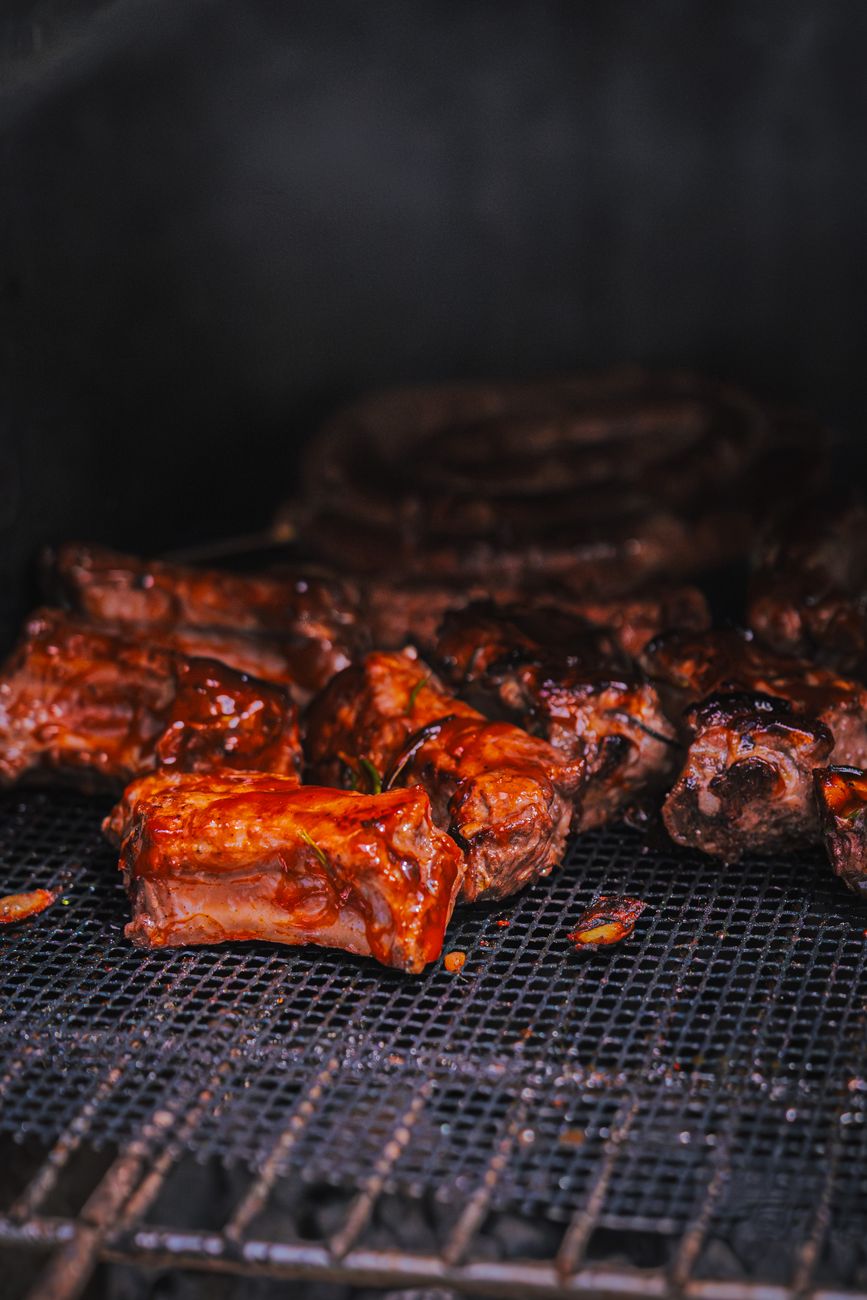
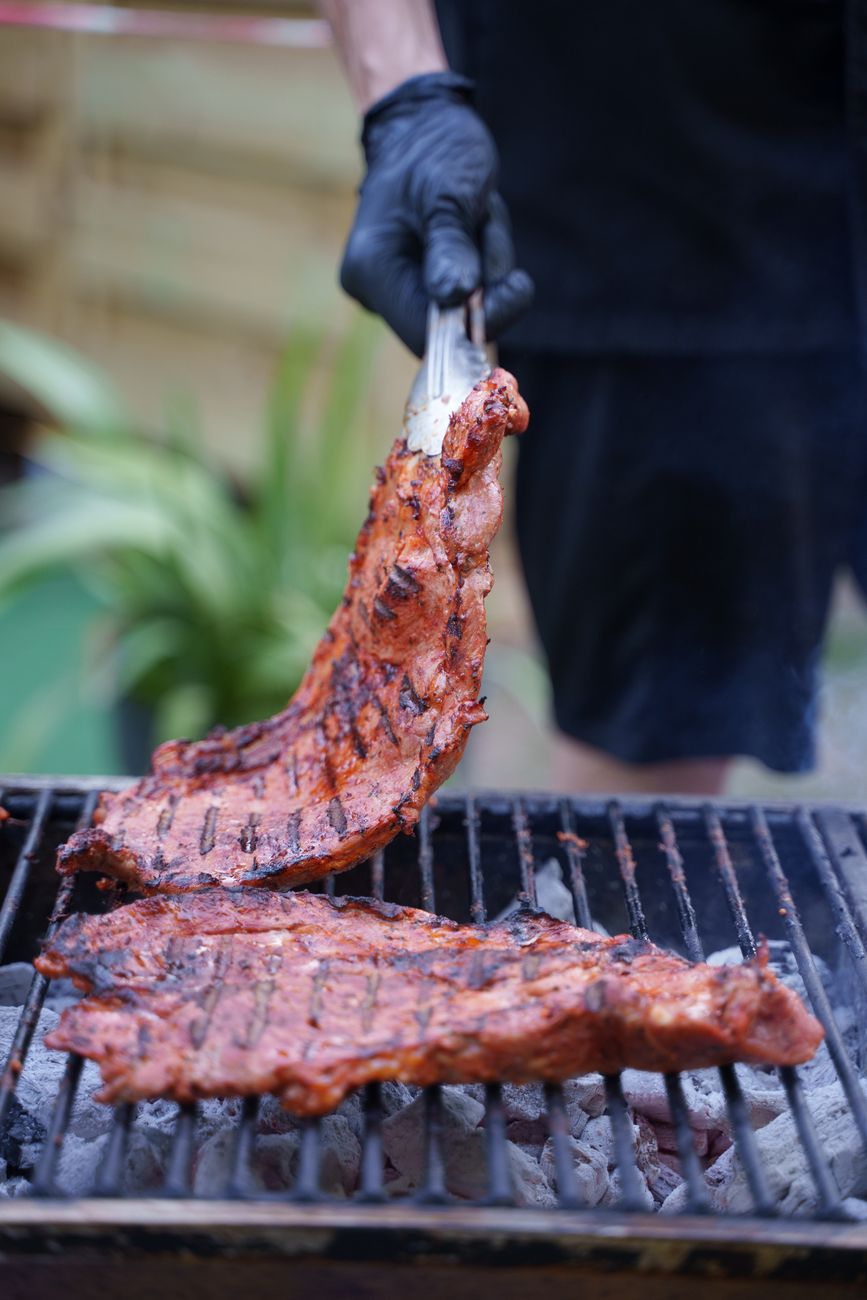
Texas barbecue, especially in the central part of the state, often treats sauce as an optional side rather than a defining feature, favoring dry-rubbed, smoked meat on its own merits. When sauce is served, it tends to be thinner and more savory than sweet, letting the smoke flavor from the meat lead.
Memphis Style
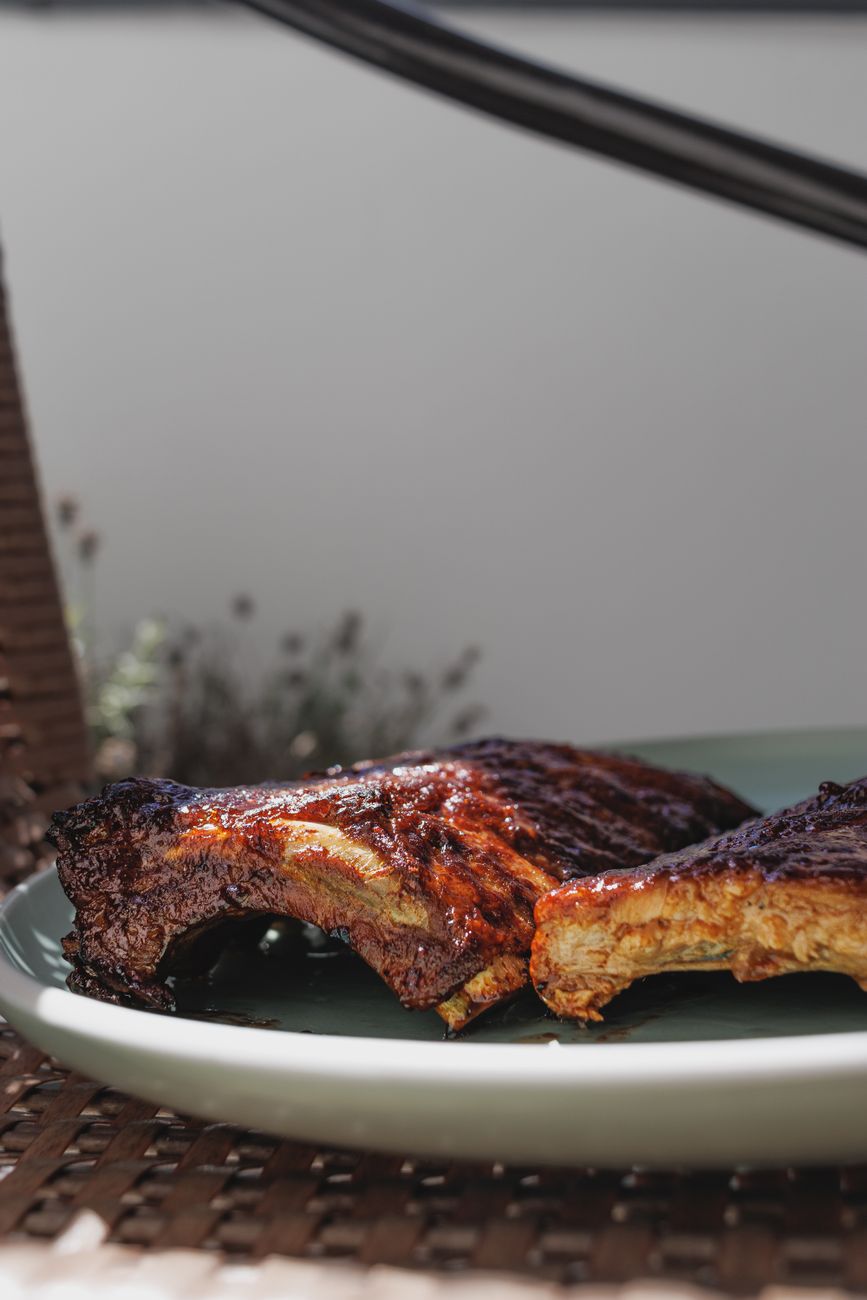
Memphis sauce splits into two camps: a sweet, tomato-based sauce similar to Kansas City’s, and a “wet” vs. “dry” rib distinction where dry-rubbed ribs are served with sauce on the side rather than coated before cooking. Memphis is also known for pulling pork and topping it with coleslaw right on the sandwich.
Frequently Asked Questions
What is Kansas City barbecue sauce made from?
A tomato base sweetened with molasses or brown sugar, giving it the thick, sweet-and-tangy flavor most people associate with barbecue sauce generally.
Does Carolina barbecue sauce contain tomato?
Eastern North Carolina sauce typically doesn’t; South Carolina’s signature “gold” sauce is mustard-based instead.
Why does Texas barbecue often skip sauce?
Central Texas barbecue traditionally emphasizes smoked meat quality on its own, treating sauce as optional rather than essential.
What’s distinct about Memphis-style barbecue?
A “wet vs. dry” rib distinction and the tradition of topping pulled pork sandwiches with coleslaw, similar to our classic coleslaw recipe.
Is one regional style objectively better than the others?
No — each developed around local ingredients and traditions, and preference mostly comes down to what you grew up eating.
Which style is sweetest?
Kansas City style is generally the sweetest, thanks to its molasses or brown sugar base.
Which style has the least sugar?
Eastern North Carolina’s vinegar-based sauce, which contains little to no sugar at all.
Want a side to go with barbecue? See our classic homemade coleslaw recipe.
For more on regional barbecue traditions, see Texas Monthly.

Leave a Reply