
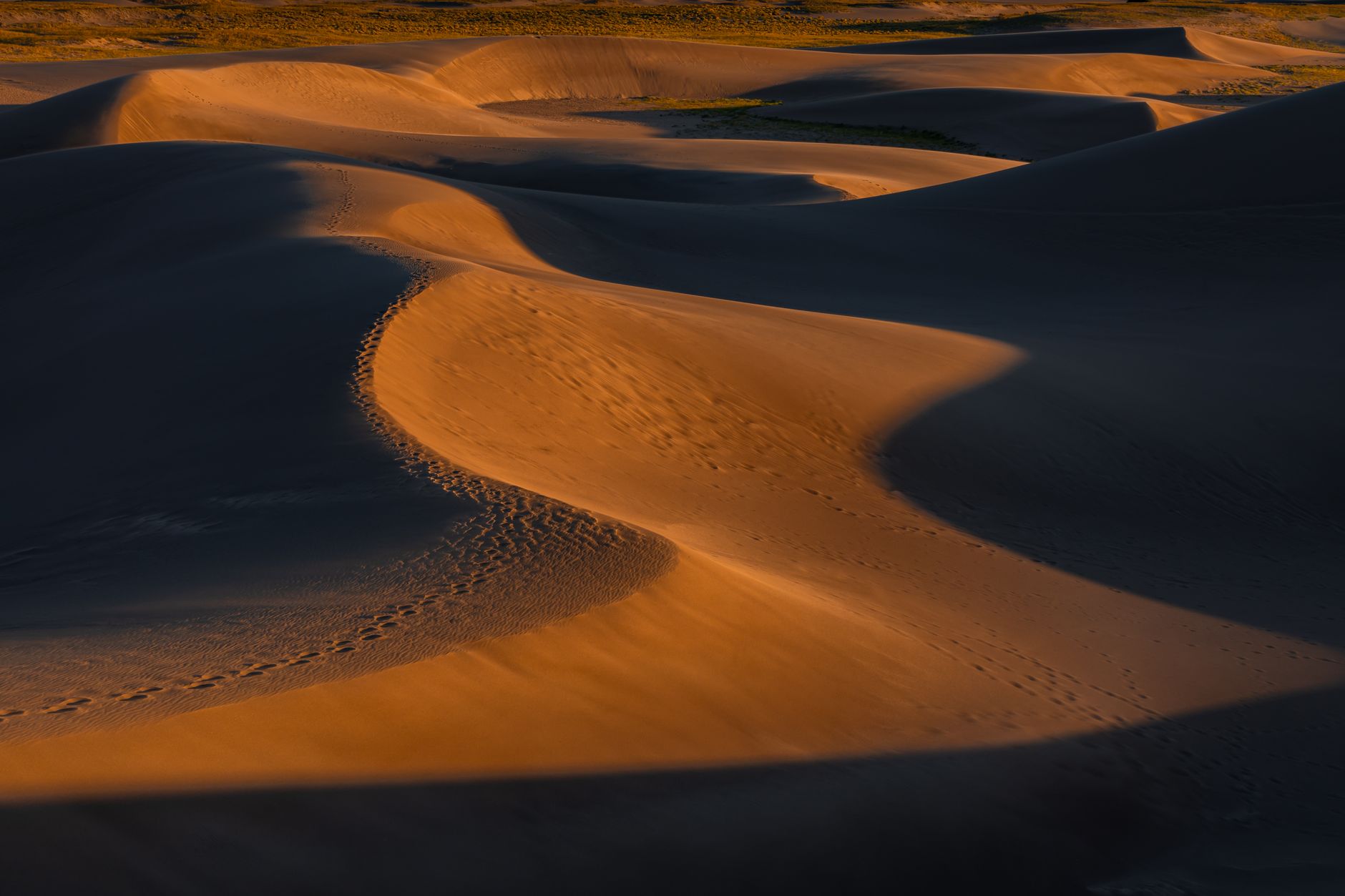
Great Sand Dunes National Park and Preserve is home to the tallest sand dunes in North America, rising against the Sangre de Cristo Mountains in Colorado’s San Luis Valley. One of the most scenic ways to get there from Denver runs straight through Poncha Market in Poncha Springs.
Here’s the route, the distance, and why this stop makes sense along the way.
How Far Is Great Sand Dunes From Denver?
The drive from Denver to Great Sand Dunes National Park via US-285 and Colorado Highway 17 covers roughly 240 miles and takes about four hours without stops. That makes it a genuine day-trip distance for an early start, though most visitors treat it as an overnight or weekend trip given the drive plus time to explore the dunes.
There’s also an alternative eastern route via Interstate 25 south and then west near Walsenburg, which trades the mountain scenery for interstate driving. For travelers who want the drive itself to be part of the trip rather than just a means to an end, US-285 through Poncha Springs is consistently the more scenic option of the two.
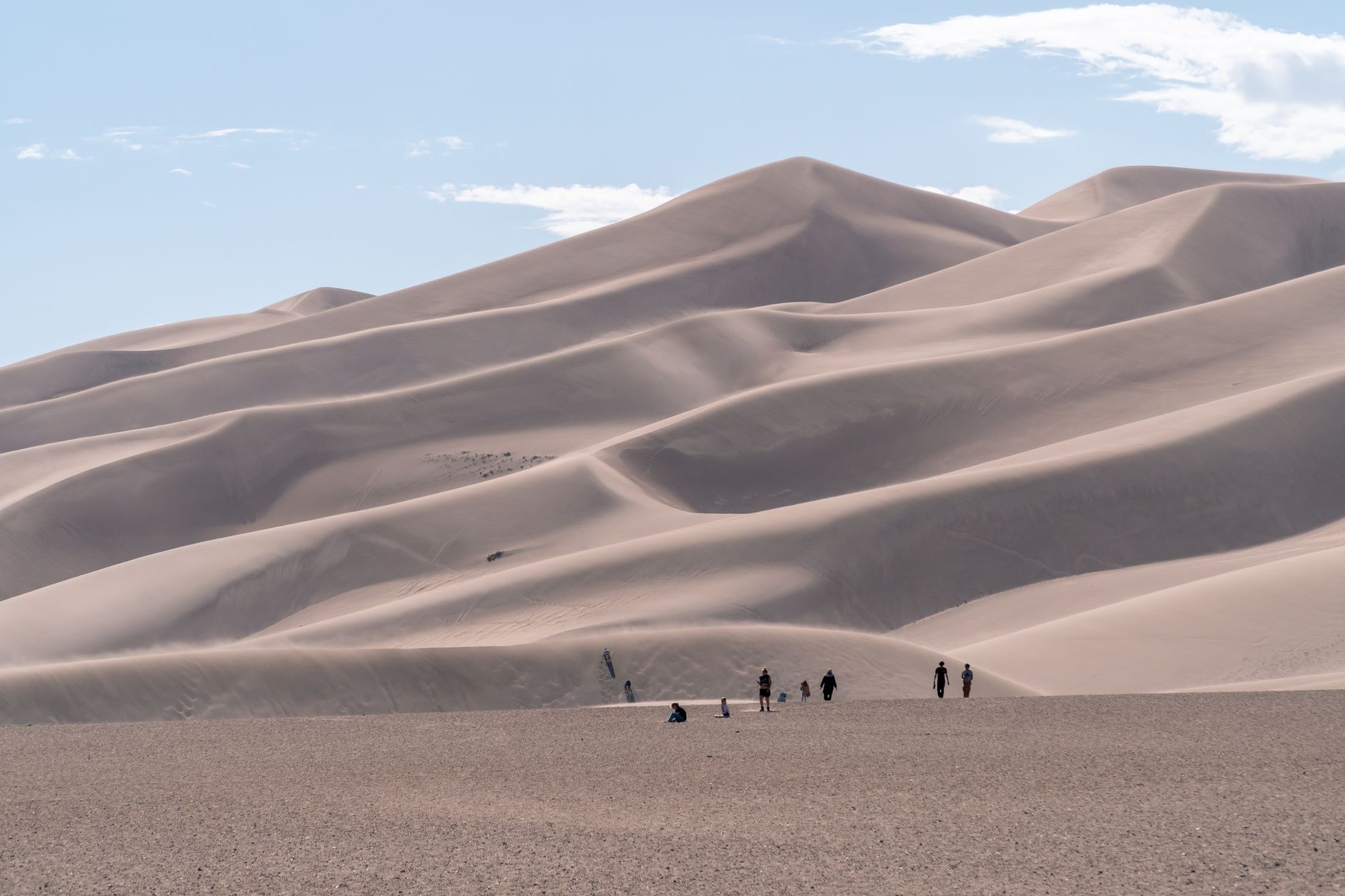
The Route: What You’ll See Along US-285
Heading south from the Denver metro area, US-285 climbs through the foothills, crosses Kenosha Pass into the South Park basin, and continues past Trout Creek Pass before reaching Poncha Market at the US-50/US-285 junction in Poncha Springs. Along the way, the highway runs within view of several Sawatch Range 14ers, including Mount Antero.
From Poncha Springs, the route continues south over Poncha Pass, then drops into the San Luis Valley, where CO-17 branches off toward the park entrance. This last stretch is a noticeable change of scenery: the road drops out of forested mountain terrain into the wide, flat valley floor, with the dunes and the Sangre de Cristo range visible from a considerable distance before you actually arrive.
It’s worth noting that Great Sand Dunes National Park is almost equidistant between Denver and Albuquerque, New Mexico — a detail that matters if you’re combining this trip with a longer north-south road trip through the state rather than a there-and-back from Denver alone.
Why Poncha Springs Is a Practical Halfway Point
Poncha Springs sits almost exactly at the midpoint of a Denver-to-Sand-Dunes drive, and it’s the last real junction town before the route drops into the more sparsely served San Luis Valley. That makes it a sensible place to fuel up, eat, and use a real restroom before the final stretch, rather than pushing straight through.
Poncha Market covers gas, a convenience store, and a real deli menu in one stop — useful whether you’re making an early start from Denver and want breakfast on the way down, or coming back from the dunes sandy, tired, and ready for a proper meal instead of another bag of chips.
Beyond Hiking: Other Things to Do at the Dunes
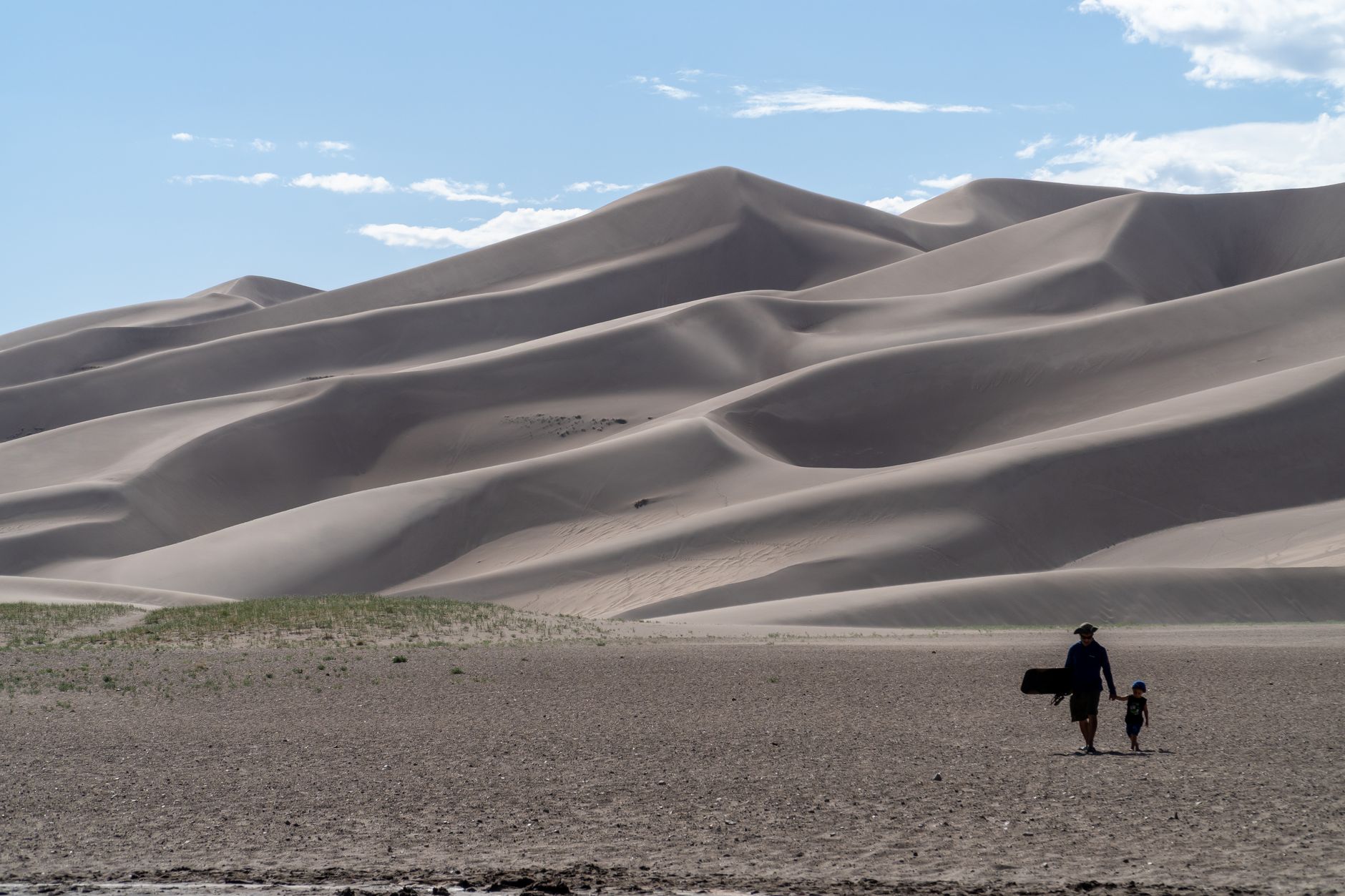
Hiking the dunes themselves is the main draw, but sandboarding and sand sledding on specially designed boards and sleds — rented from outfitters near the park entrance rather than the park itself — are popular alternatives to a straight hike up and down. The surrounding preserve also includes forest and alpine terrain in the Sangre de Cristo foothills for visitors who want a cooler, shadier hike instead of open sand.
| Leg | Approx. Distance | Approx. Drive Time |
|---|---|---|
| Denver to Poncha Springs | ~145 miles | ~2.5–3 hours |
| Poncha Springs to Great Sand Dunes | ~95 miles | ~1.5 hours |
| Total (Denver to Great Sand Dunes) | ~240 miles | ~4 hours |
Splitting the drive roughly in half at Poncha Springs also gives you a natural decision point: if weather or road conditions look questionable further south, you’ve only committed to the first half of the trip rather than being deep into unfamiliar territory with no easy way back.
What to Know Before You Visit the Dunes
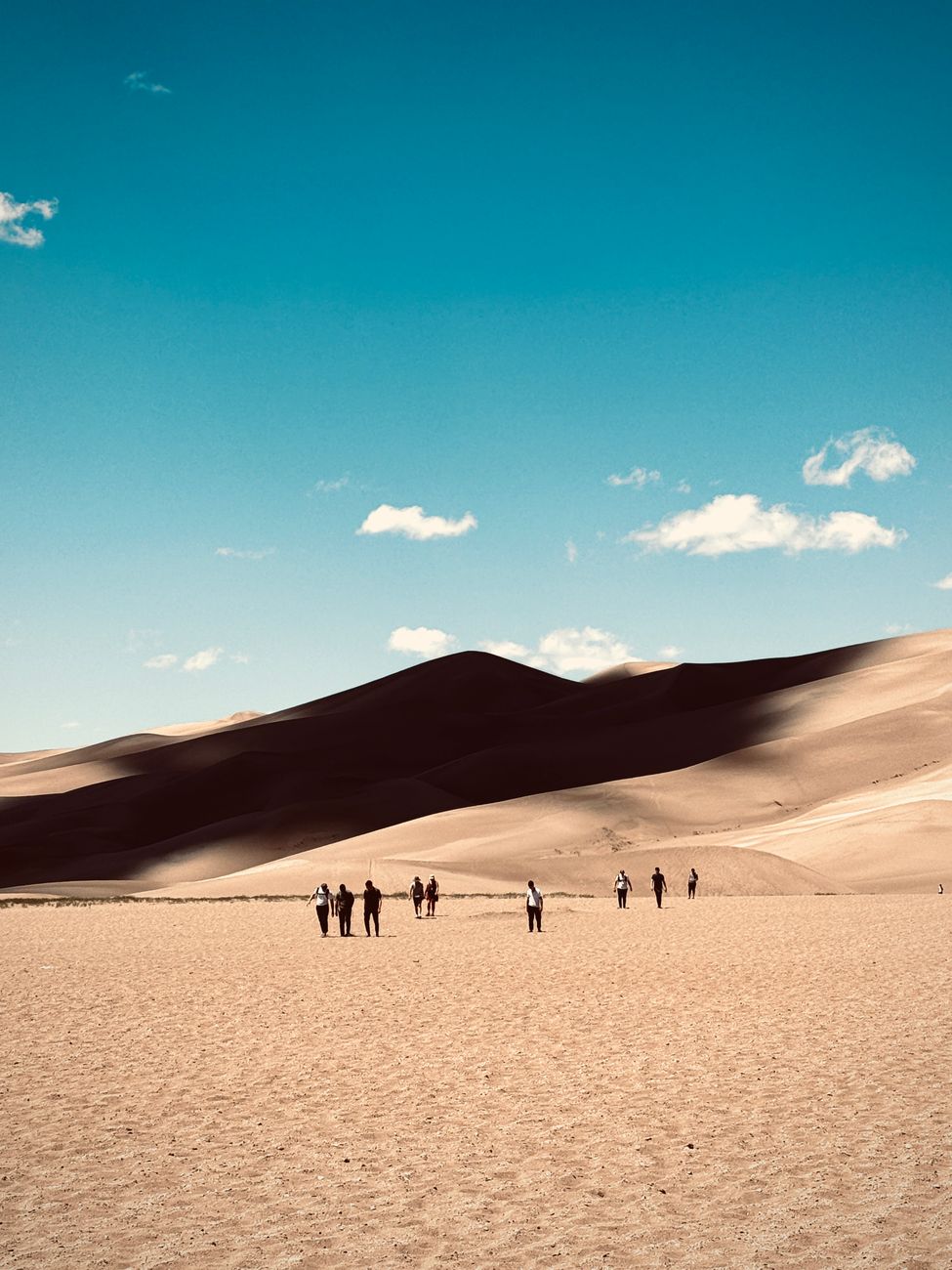
- The dunes reflect a lot of sun; sand surface temperatures can get uncomfortably hot on summer afternoons, so many visitors hike earlier or later in the day.
- There’s no dedicated food service directly at the dunes beyond a small visitor center — plan your meals around your drive, not around the park itself.
- Medano Creek, when flowing (typically late spring into early summer), is a popular wading spot at the base of the dunes.
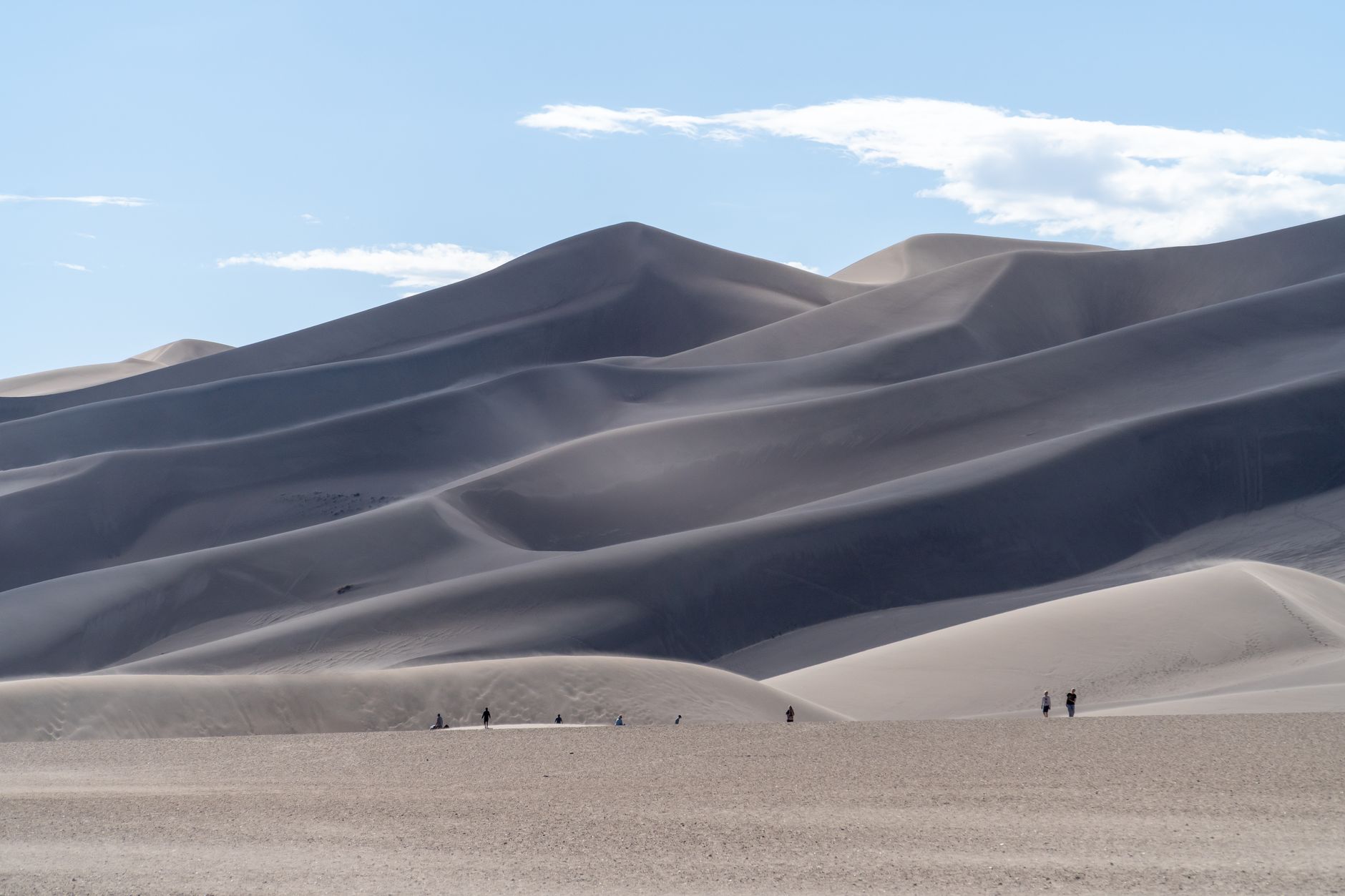
- The tallest dunes rise roughly 750 feet above the valley floor, and climbing them is a genuine physical effort in loose sand — budget more time and energy for the hike than the visual distance suggests.
Because the park sits at high elevation in a wide, exposed valley, temperature swings between day and night can be significant even in summer — packing layers is worth it regardless of season. Bring more water than you think you’ll need; there’s limited shade once you’re out on the dunes themselves.
Where to Stay: Day Trip vs. Overnight
Given the roughly four-hour drive each way, a true single-day round trip from Denver is possible but leaves relatively little time at the dunes themselves once you account for driving both directions. Many visitors instead treat this as an overnight trip, either camping in or near the park or staying in one of the small towns in the San Luis Valley, which allows for an early-morning dune hike before the sand heats up.
A Practical Stop Order
- Fuel up, eat, and check EV charging at Poncha Market, roughly the trip’s midpoint.
- Continue south over Poncha Pass into the San Luis Valley.
- Take CO-17 toward the park entrance and plan for a few hours at minimum to explore the dunes themselves.
- On the return trip, Poncha Market again makes a natural stopping point before the final leg back to Denver.
Frequently Asked Questions
How long does it take to drive from Denver to Great Sand Dunes National Park?
About four hours via US-285 and CO-17, covering roughly 240 miles.
Does the route pass through Poncha Springs?
Yes — Poncha Springs sits at the US-50/US-285 junction almost exactly at the midpoint of the drive.
Is there gas and food between Poncha Springs and the dunes?
Services become sparser south of Poncha Springs through the San Luis Valley, which is part of why fueling and eating at Poncha Market before continuing is a practical choice.
Can you charge a Tesla on the way to Great Sand Dunes?
Yes — Poncha Market’s 8 Tesla Superchargers sit directly on this route, roughly at the halfway point.
What’s the best time of year to visit Great Sand Dunes?
Late spring through early summer often has flowing Medano Creek for wading; early morning or evening visits in summer help avoid the hottest sand temperatures.
How tall are the dunes at Great Sand Dunes National Park?
Star Dune, the tallest in the park and in North America, rises about 750 feet from the valley floor. High Dune, a more commonly climbed option, rises about 699 feet.
Can you rent a sandboard at the park?
Not inside the park itself — sandboard and sand sled rentals are available from private outfitters just outside the park entrance.
Making the drive? Check what to know before Poncha Pass or Tesla charging details before you continue south.
For official park information, hours, and current conditions, see the National Park Service’s Great Sand Dunes page.
Leave a Reply