
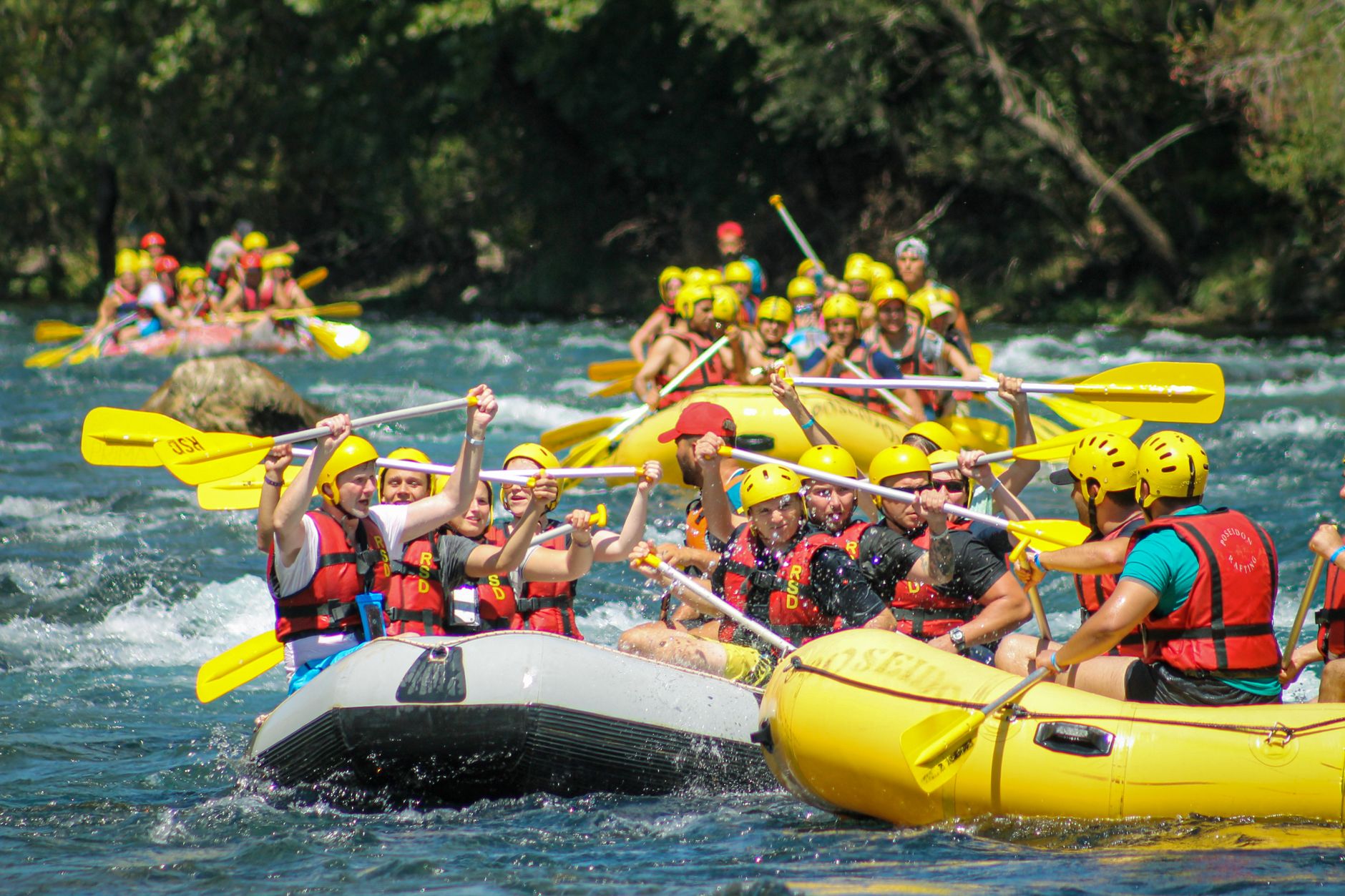
Between Buena Vista and Salida, the Arkansas River cuts through Browns Canyon National Monument — widely considered the single most popular whitewater rafting stretch in Colorado. If you’re passing through Poncha Market on US-285 or US-50, it’s close enough to be a same-day detour rather than a separate trip.
Here’s what the rafting actually involves, who it’s realistic for, and how to plan a stop around it.
Where Is Browns Canyon, and How Do You Get There?
Browns Canyon National Monument sits along the Arkansas River between Buena Vista and Salida, roughly 15 to 25 minutes north of Poncha Springs depending on the specific put-in point. It’s managed jointly by the Bureau of Land Management and U.S. Forest Service as a National Monument, which protects the canyon’s granite walls and river corridor.
The monument designation, made in February 2015, formally protects 21,586 acres along the river corridor — a mix of San Isabel National Forest and Bureau of Land Management land — recognizing both the recreational value of the whitewater and the scenic, wildlife-rich canyon it runs through. That combination of protected scenery and genuinely exciting rapids is part of why this stretch draws rafters from well outside Colorado.
What Kind of Rapids Should You Expect?
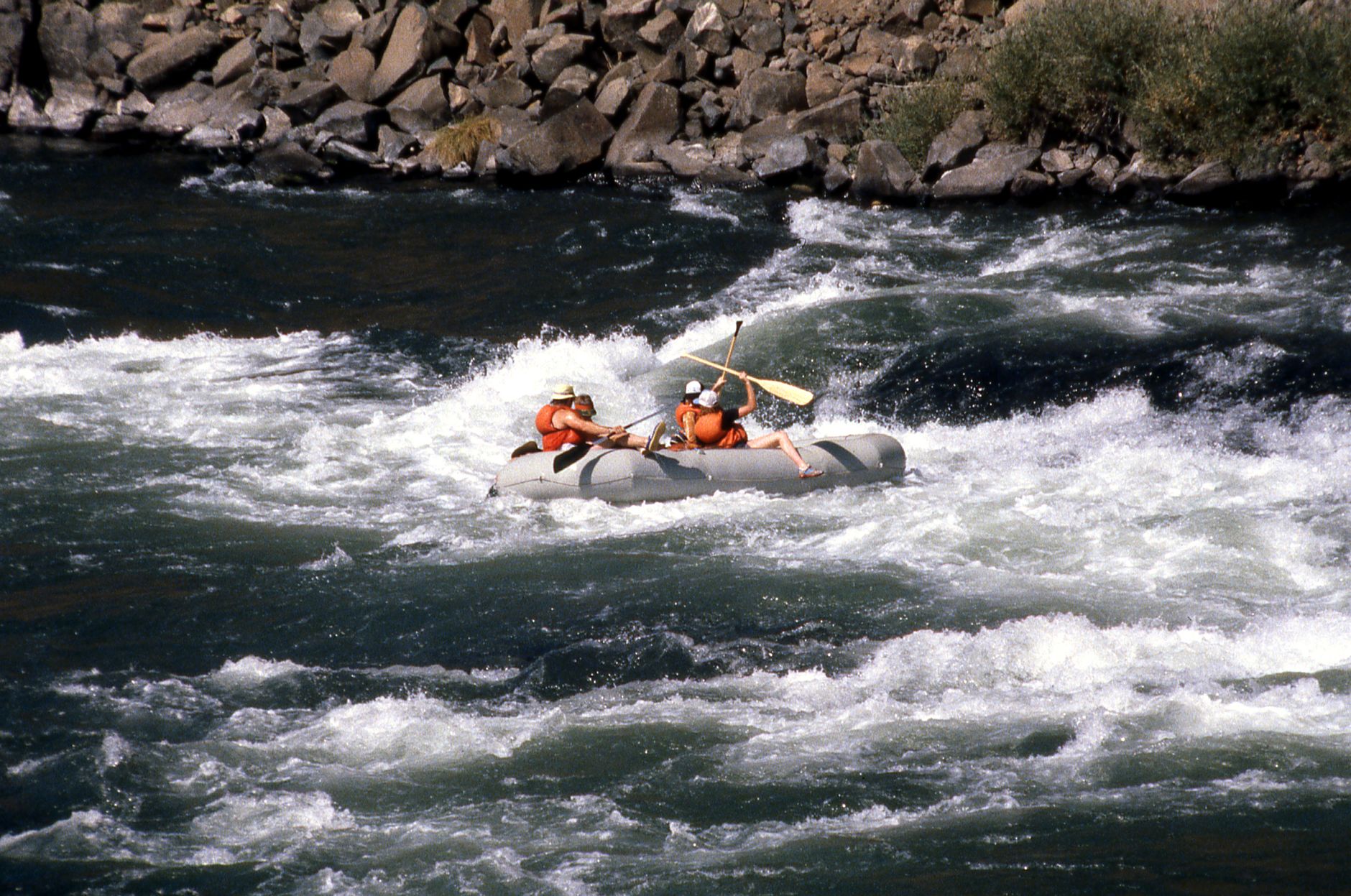
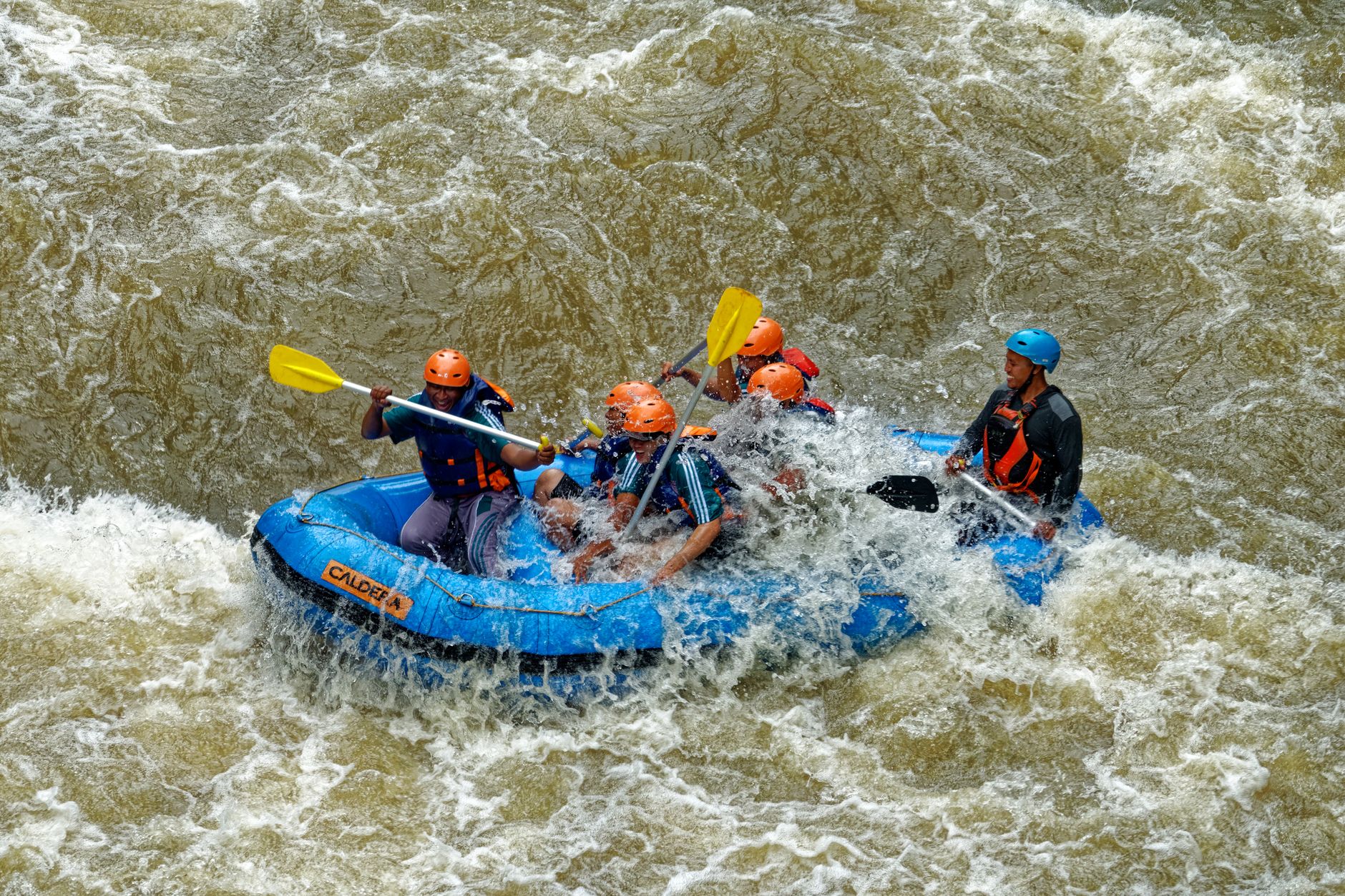
Browns Canyon rafting runs through Class III–IV rapids — big enough to be genuinely exciting, but interspersed with calmer pools that make it manageable for a wide range of skill levels, including many families. Named rapids along the run include Pinball, Zoom Flume, and Raft Ripper.
- Half-day trips are the most popular option and are generally suitable for kids around age 7 and up, depending on the outfitter’s policy and current water levels.
- Full-day trips cover roughly 20 miles of river and combine Class II–IV water for a longer, more demanding day on the water.
Water Temperature and What to Bring
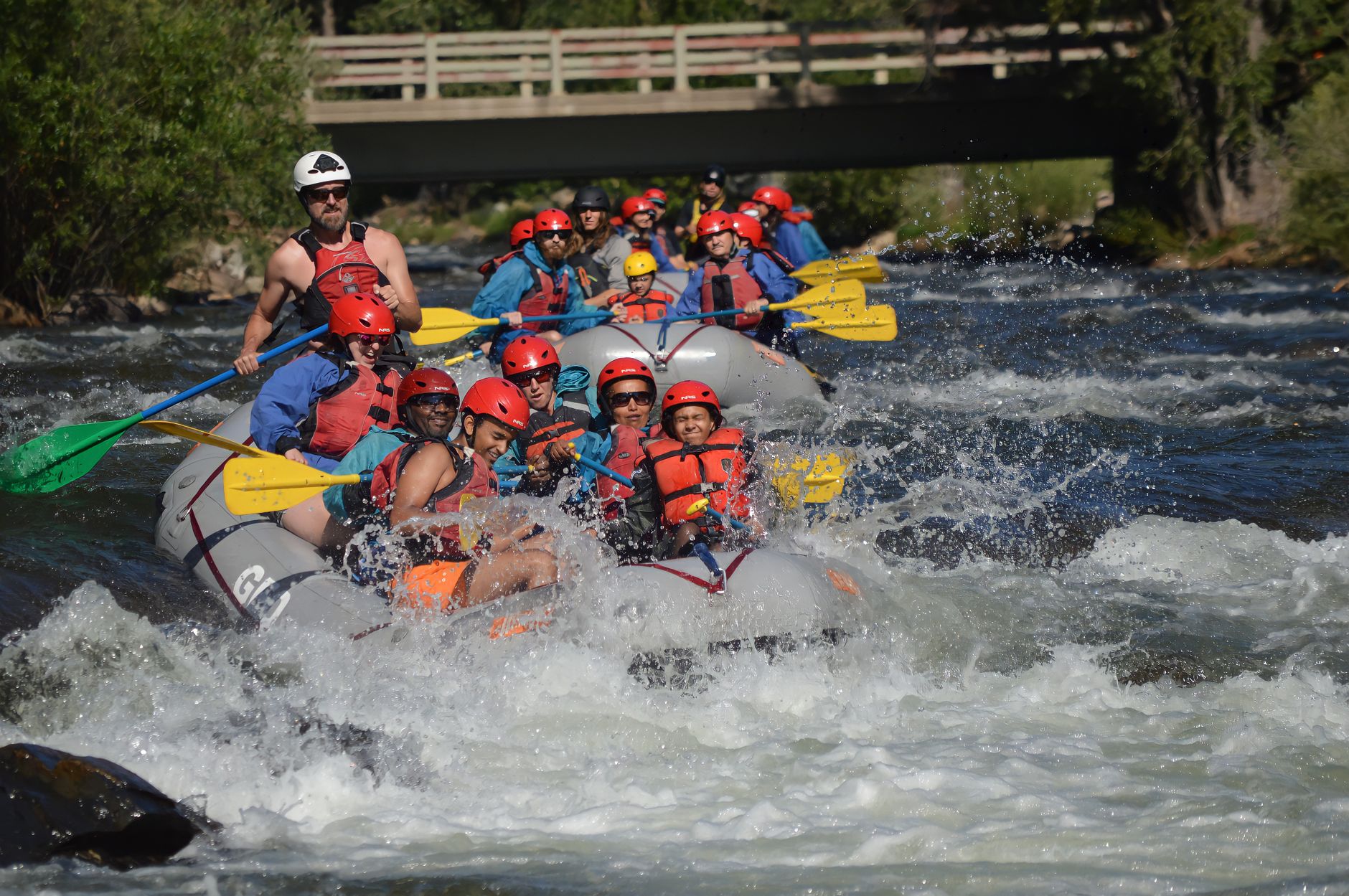
The Arkansas River through Browns Canyon runs on high-elevation snowmelt, and water temperatures typically range from about 45 to 65°F depending on the season — cold enough that most outfitters provide wetsuits or splash gear as part of the trip. Pack a change of dry clothes for afterward regardless of the season.
Sun exposure is an easy thing to underestimate on a rafting trip. Between the elevation, the reflection off the water, and several hours spent outdoors without much shade, sunburn is one of the most common minor injuries reported by first-time rafters — sunscreen, a hat that will stay on, and sunglasses with a retention strap are all worth packing even on a cloudy-looking day.
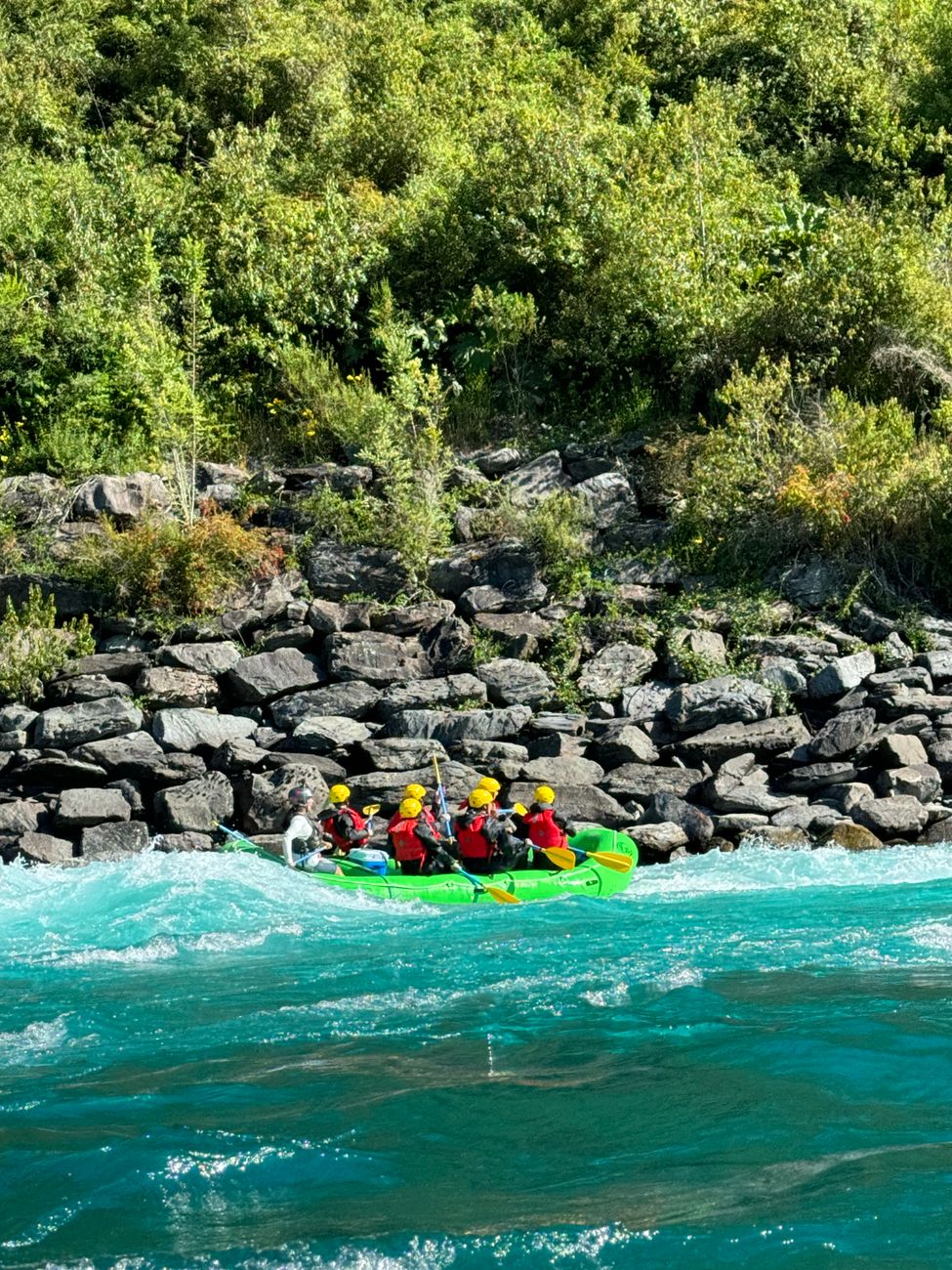
Because this is a guided commercial rafting run rather than a self-outfitted trip for most visitors, booking through one of the licensed outfitters operating out of Salida or Buena Vista is the standard and safest approach, particularly for first-timers unfamiliar with the specific rapids.
Most outfitters supply everything needed for the trip itself — helmet, life jacket, paddle, and a professional guide steering and calling commands from the back of the raft. What they don’t supply is everything you need before and after: a solid breakfast if you’re starting early, sun protection for a day spent on open water at altitude, and a plan for a real meal once you’re off the river and back in dry clothes.
Choosing an Outfitter
Several licensed rafting outfitters operate trips through Browns Canyon out of Salida and Buena Vista, generally offering a similar core experience — professional guides, safety equipment, and transportation to and from the put-in and take-out points. Differences between companies usually come down to trip length options, group size, and whether photo packages or add-ons like a barbecue lunch are included.
For first-timers, it’s worth asking a few direct questions before booking: minimum age for the specific trip, what’s included versus what you need to bring yourself, and what happens if water levels or weather force a change of plans on the day.
Best Time of Year to Raft Browns Canyon
| Season | Water Level | Best For |
|---|---|---|
| Late spring (May–June) | High, from snowmelt runoff | Bigger, faster water — more experienced or adventurous rafters |
| Summer (July–August) | Moderate and more predictable | Families and first-time rafters |
| Early fall (September) | Lower, calmer | A milder, more scenic float-style trip |
Making a Day of It
Rafting trips typically start early, which makes Poncha Market a practical stop either on the way up in the morning or on the way back through afterward — fuel, restrooms, and a real deli menu rather than a vending machine, especially useful after a cold morning on the water.
It’s a short enough detour from Poncha Springs that combining a rafting trip with other nearby activities in the same day or weekend — a soak at one of the area’s hot springs, or simply exploring Salida’s downtown — is realistic rather than a stretch.
- Book your rafting trip in advance, especially in peak summer months.
- Fuel up and grab breakfast at Poncha Market before an early rafting departure.
- Bring a dry bag for your phone, keys, and a change of clothes.
- Plan for a post-rafting meal — cold water and physical paddling both work up an appetite fast.
Many rafting trips run in the morning to take advantage of calmer winds and, in late summer, cooler temperatures before the heat of the day sets in. That timing works well with a Poncha Market stop either direction: breakfast and gas on the way to an early launch, or a late-morning or early-afternoon meal on the way back once you’re off the water.
Frequently Asked Questions
How far is Browns Canyon from Poncha Springs?
Roughly 15 to 25 minutes by car, depending on the specific launch point along the Arkansas River.
Is Browns Canyon rafting safe for beginners?
Yes, particularly on half-day trips, which are the most popular family option in Colorado and generally suitable for kids around 7 and older, depending on the outfitter and water conditions.
How cold is the water in Browns Canyon?
Typically 45 to 65°F, since it’s fed by high-elevation snowmelt. Most guided trips provide wetsuits or splash jackets.
What rapids are in Browns Canyon?
Notable named rapids include Pinball, Zoom Flume, and Raft Ripper, rated Class III–IV.
Do I need to book a rafting trip in advance?
It’s strongly recommended, especially during peak summer weekends, since this is the most popular rafting stretch in Colorado.
Is Browns Canyon a National Park?
No — it’s a National Monument, designated in 2015 and jointly managed by the Bureau of Land Management and U.S. Forest Service, covering 21,586 acres along the Arkansas River.
What should I bring on a rafting trip?
Beyond what your outfitter provides (helmet, life jacket, paddle), bring sun protection, water shoes or old sneakers, and a dry bag for personal items. Pack a change of clothes for afterward.
Can I raft Browns Canyon without an outfitter?
Experienced private boaters do run this stretch independently, but for visitors without their own equipment, whitewater training, and river knowledge, a guided commercial trip is the standard and safer choice.
Planning a rafting day trip? Fuel up and eat at Poncha Market, or check our Buena Vista vs. Poncha Springs guide if you’re deciding where else to stop.
Browns Canyon National Monument is jointly managed by the Bureau of Land Management, which publishes current information on the monument and river access.
Leave a Reply