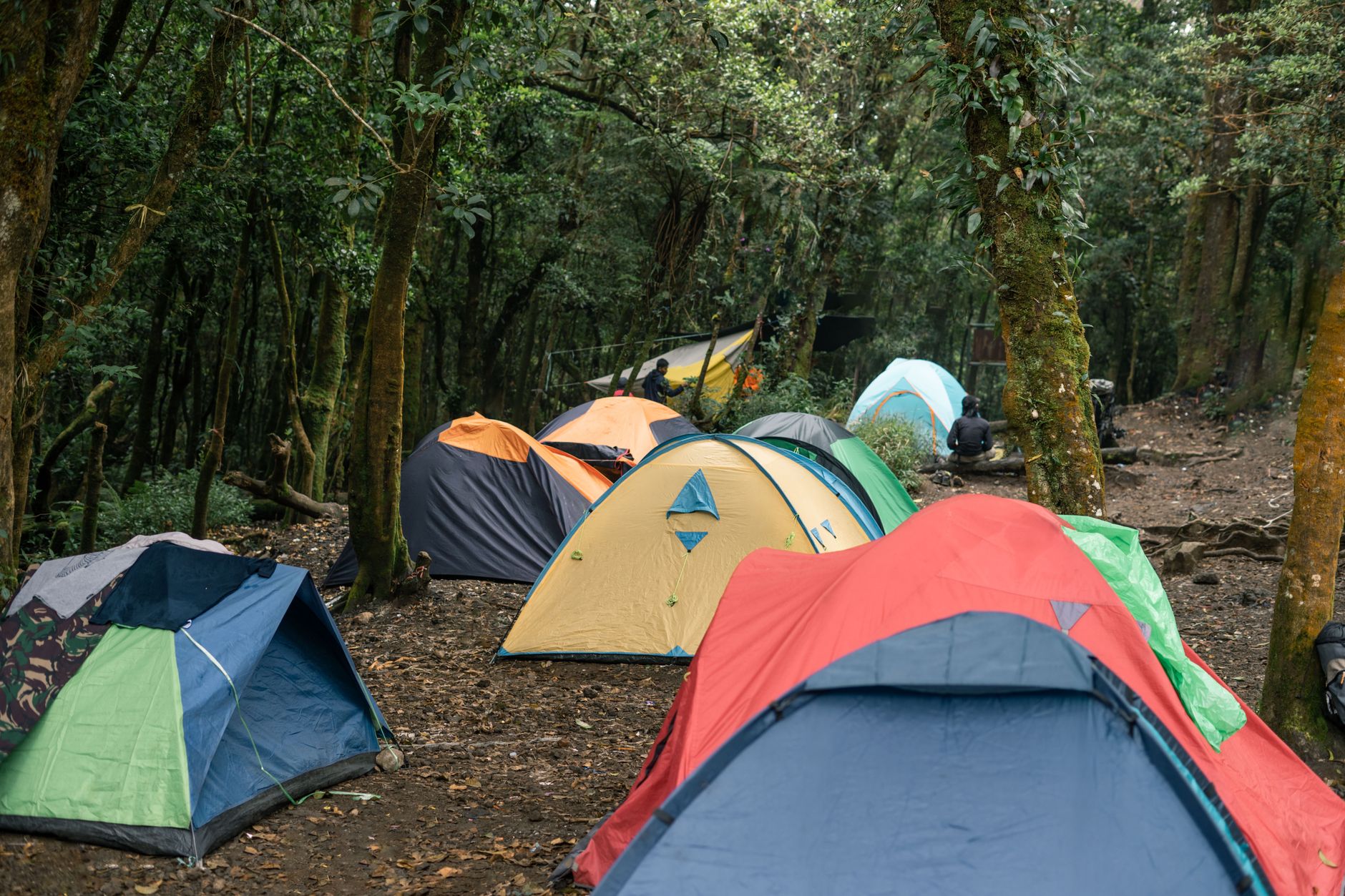
Poncha Springs sits close to a genuine range of camping options in the San Isabel National Forest and the surrounding Arkansas River valley — from developed Forest Service campgrounds to private RV parks. If you’re staying in the area rather than just passing through Poncha Market, here’s where to actually camp.
The range of options here is genuinely wide: a scenic lakeside Forest Service site a few minutes from town, larger developed campgrounds toward Buena Vista with dozens of sites, private RV parks with hookups and amenities, and informal dispersed camping on public land for travelers who want to skip developed sites entirely. Which one makes sense depends mostly on what kind of trip you’re planning and what gear you’re bringing.
O’Haver Lake: The Closest Option
O’Haver Lake Campground, in the San Isabel National Forest, is the closest developed campground to Poncha Springs itself — roughly two miles down Marshall Pass Road, then two miles north, sitting at 9,200 feet elevation. It offers both RV and tent sites directly on a small mountain lake, a genuinely scenic option for how close it sits to town.
Because it sits at a meaningfully higher elevation than Poncha Springs itself, expect noticeably cooler overnight temperatures than what you’d feel in town, even in mid-summer — worth packing for regardless of what the forecast says for the valley floor below.
Forest Service Campgrounds Near Buena Vista and Nathrop
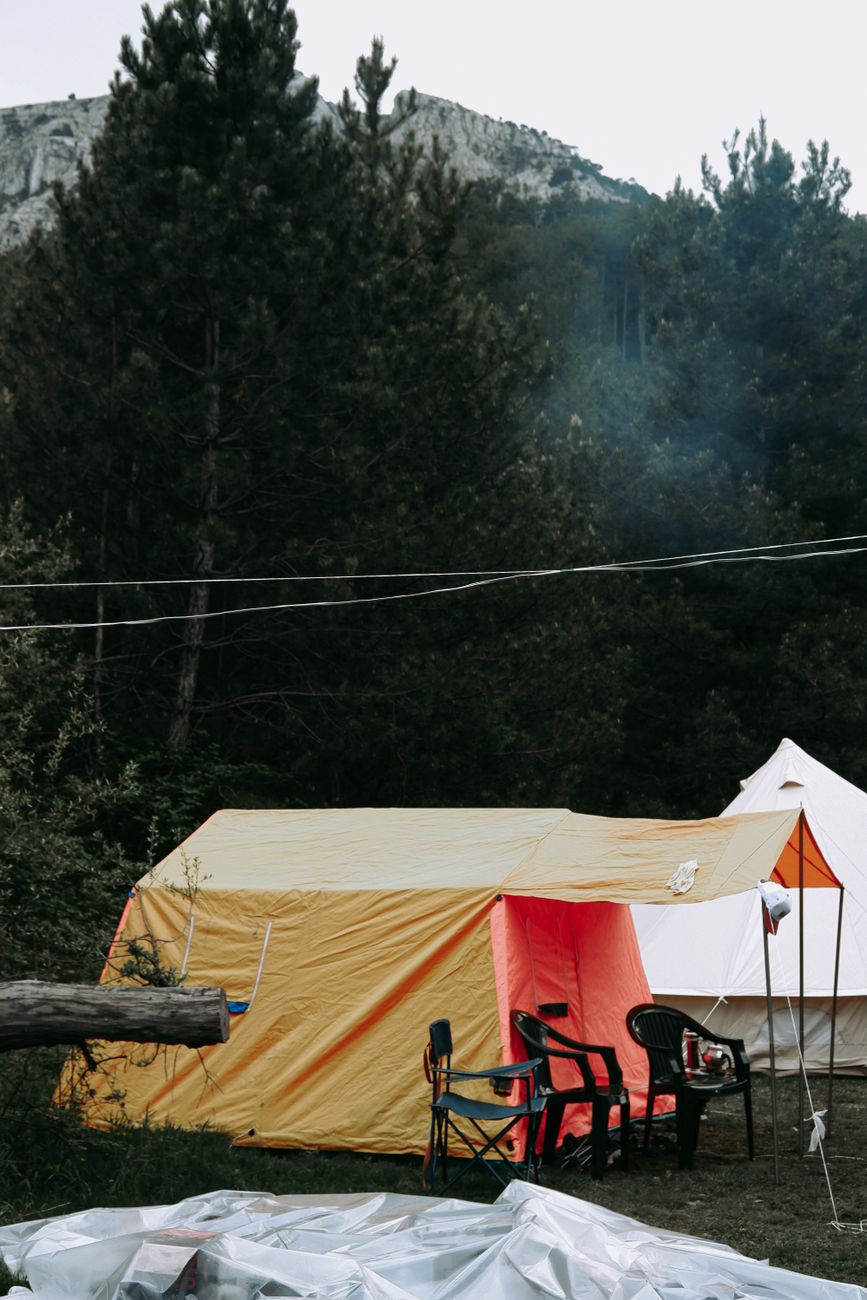
Several other developed Forest Service campgrounds sit within a reasonable drive north of Poncha Springs, toward Buena Vista and Nathrop:
- Mount Princeton Campground — 19 campsites, typically open from mid-May to mid-September.
- Chalk Lake Campground — 19 campsites, including 7 tent-only sites, near Mount Princeton Hot Springs.
- Collegiate Peaks Campground — the largest of the group, with 56 campsites.
These three sit close enough together, and close enough to Buena Vista, that they’re often considered as a group rather than individually — if one is full, checking the others nearby is a reasonable next step rather than giving up on the area entirely, especially during peak summer weekends when reservations fill quickly.
Private Campgrounds and RV Parks
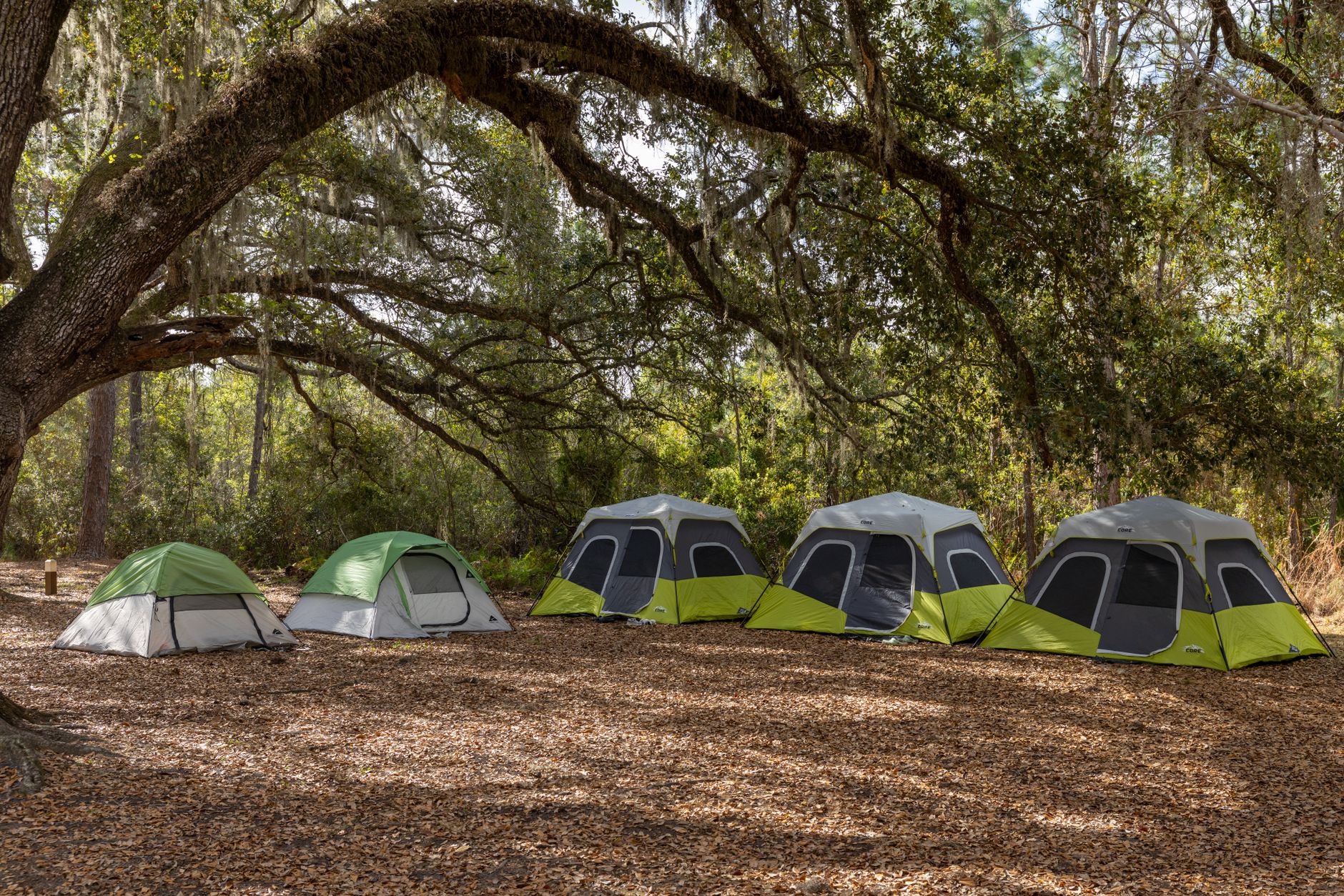
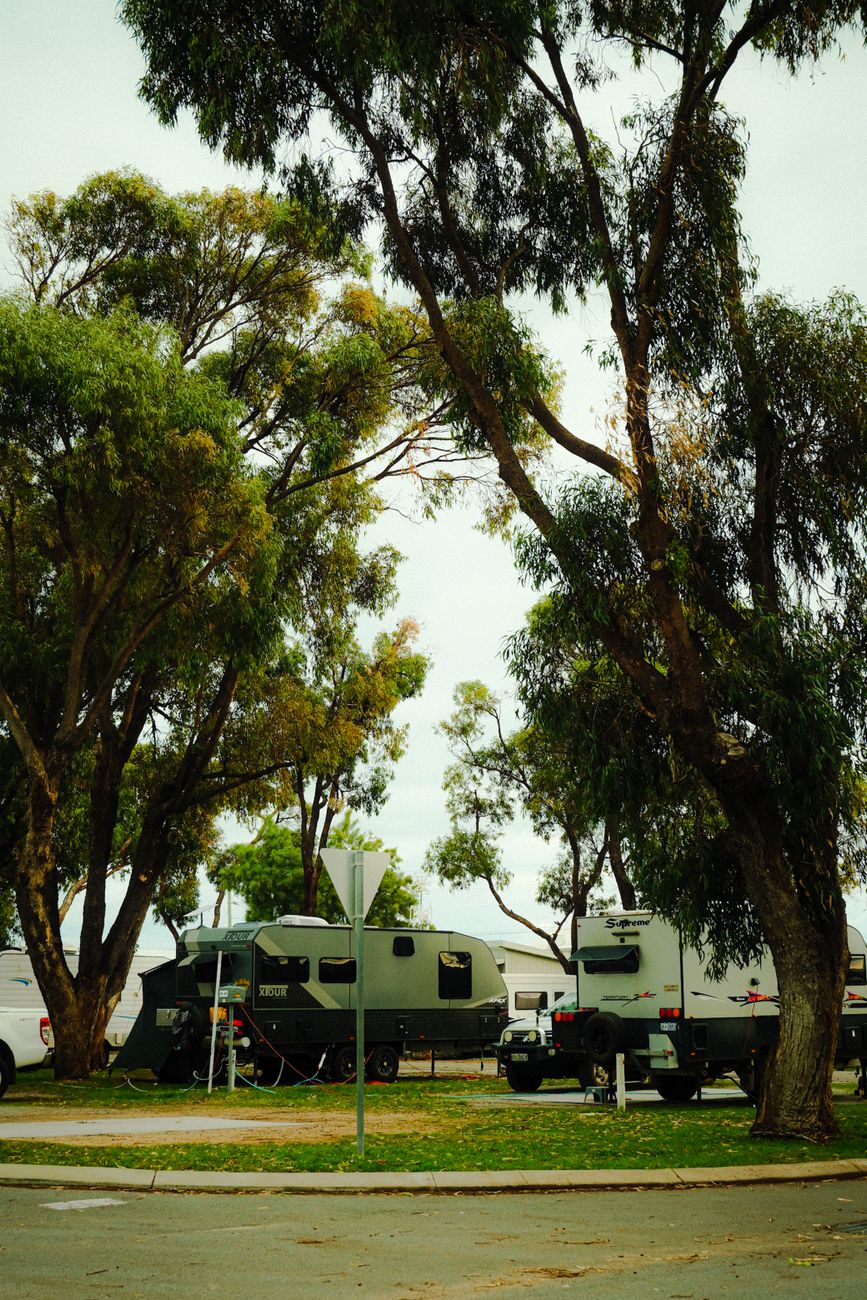
For travelers who want RV hookups or amenities beyond what a Forest Service site typically provides, private options fill that gap. Monarch Spur RV Park and Campground sits in a small valley in the San Isabel National Forest along the South Fork of the Arkansas River, at 8,620 feet, offering a private-park experience within a genuinely forested setting rather than a paved lot.
This kind of hybrid — private amenities inside a genuinely forested, national-forest setting — is a meaningful step up from a typical roadside RV park for travelers who want hookups without giving up the scenery that draws people to this part of Colorado in the first place.
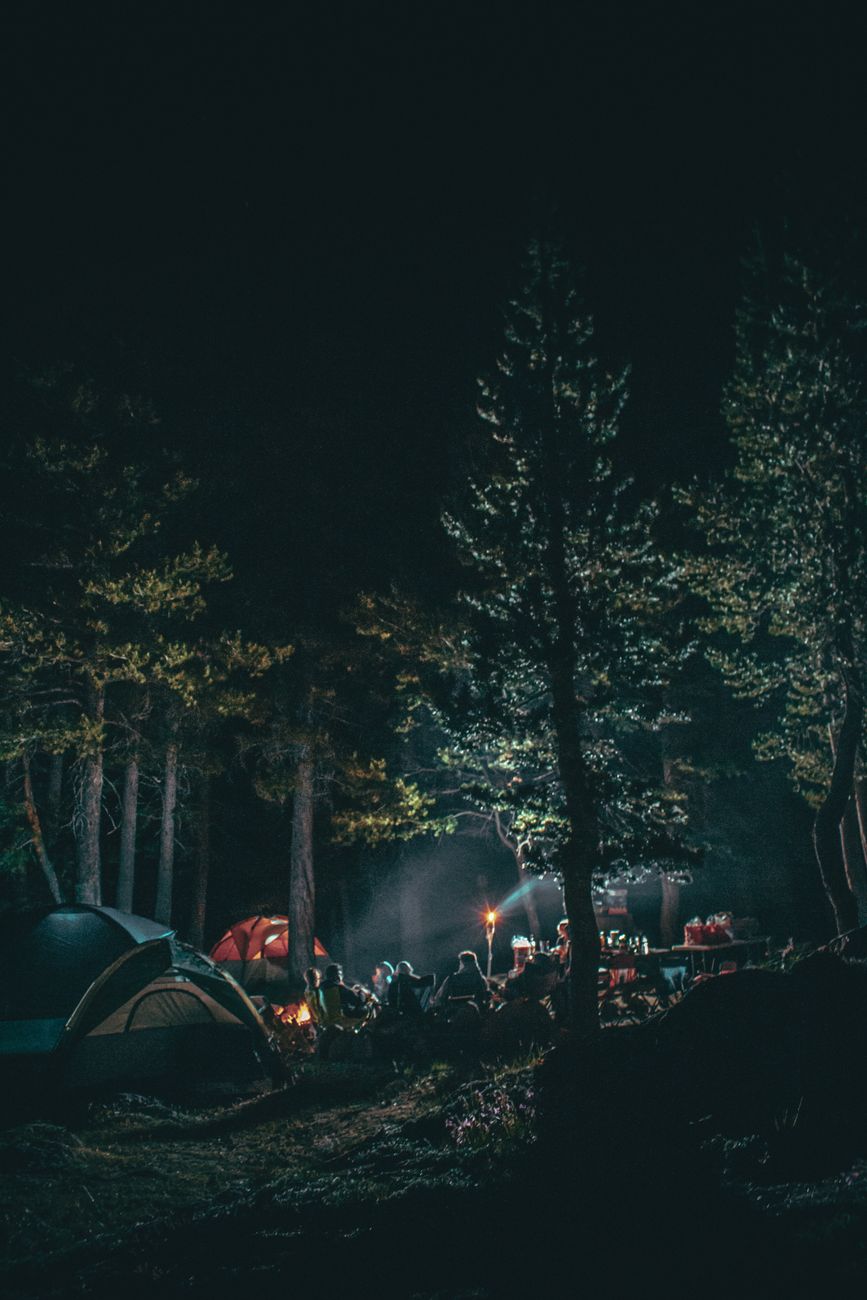
Something Different: Yurts at Poncha Pass
For travelers who want more shelter than a tent but don’t need a full cabin, Yurts at Poncha Pass offers yurt-based lodging in the remote headwaters area near the Sangre de Cristo Mountains south of town — a middle option between tent camping and a hotel stay.
Yurts split the difference in a genuinely useful way: more insulation and structure than a tent provides, without the cost or formality of a full cabin rental. For shoulder-season trips, when nighttime temperatures at elevation can drop sharply even if daytime weather looks mild, that extra insulation is a real practical advantage over standard tent camping.
Dispersed Camping
Beyond developed campgrounds, the surrounding national forest land also supports dispersed camping — camping outside a designated campground, generally free but without amenities like water, restrooms, or fire grates. This suits experienced campers comfortable with a fully self-sufficient setup more than first-timers looking for a straightforward, amenity-equipped site.
Dispersed camping also comes with more responsibility: pack out all trash, follow current fire restrictions closely (these are strictly enforced in dry years), and leave the site in the same condition you found it. National forest land access for dispersed camping can also change with local conditions, so checking current rules before you head out is worth the extra few minutes.
Comparing Your Options
| Option | Type | Distance from Poncha Springs | Best For |
|---|---|---|---|
| O’Haver Lake | Forest Service, RV + tent | ~4 miles | Closest option, lake views |
| Mount Princeton Campground | Forest Service, seasonal | ~20 minutes | Near hot springs and hiking |
| Chalk Lake Campground | Forest Service, tent + RV | ~20 minutes | Tent-only sites available |
| Collegiate Peaks Campground | Forest Service, largest | ~20 minutes | More site availability |
| Monarch Spur RV Park | Private, RV-focused | ~15 minutes | RV hookups and amenities |
| Dispersed camping | Informal, national forest land | Varies | Self-sufficient, experienced campers |
Stocking Up Before You Camp
Poncha Market is a practical last stop for fuel, ice, and food before heading to any of these campgrounds — particularly for the more remote or amenity-free options like O’Haver Lake or dispersed sites, where there’s no store once you’ve arrived.
Grabbing a couple of made-to-order sandwiches for the first night’s dinner, rather than relying on whatever’s easiest to cook once you’ve set up camp, is a small planning move that pays off after a long drive in — especially if you’re arriving later in the day with limited daylight left to get a fire or stove going. It also means the first night doesn’t depend on successfully lighting a stove or campfire in the dark after a long travel day.
Frequently Asked Questions
What is the closest campground to Poncha Springs?
O’Haver Lake Campground, roughly four miles from town via Marshall Pass Road, is the closest developed option.
Are there RV-friendly campgrounds near Poncha Springs?
Yes — O’Haver Lake accepts RVs, and Monarch Spur RV Park is a private option built specifically for RV travelers.
Is dispersed camping allowed near Poncha Springs?
Yes, on surrounding national forest land, though without amenities like water or restrooms, making it better suited to experienced, self-sufficient campers.
When are Forest Service campgrounds open near Poncha Springs?
Typically mid-May through mid-September, though exact dates vary by specific campground and snow conditions each year.
Is there a non-tent lodging option near Poncha Pass?
Yes — Yurts at Poncha Pass offers yurt-based lodging as a middle option between tent camping and a full cabin or hotel stay.
Do I need a reservation for these campgrounds?
Developed Forest Service and private campgrounds fill up on summer weekends, so reserving in advance through the appropriate booking system is strongly recommended rather than counting on a walk-up site.
What should I pack that’s easy to forget for high-elevation camping?
Warmer layers than the daytime temperature suggests, since nights at 8,000 to 9,200 feet cool off substantially even in summer, and enough water given how quickly dehydration sets in at altitude.
Can I stock up on supplies before camping?
Poncha Market‘s convenience store is a practical last stop for ice, drinks, and snacks before heading to a campground without its own store nearby.
Is bear-proofing my food necessary while camping here?
Standard backcountry food storage precautions apply throughout Colorado’s national forest land, and following any posted guidance at your specific campground is worth doing regardless of which site you choose.
Stocking up before you camp? Fuel up, grab ice, and eat at Poncha Market before heading out to any of these sites.
For current availability and reservations at developed campgrounds in this area, see Recreation.gov.
Leave a Reply