
Winter driving over central Colorado’s mountain passes — Poncha Pass and Monarch Pass among them, both near Poncha Market in Poncha Springs — rewards preparation more than almost any other kind of road trip. Here’s what to actually pack and check before you go.
None of this is meant to sound alarming. Thousands of vehicles cross these passes safely on any given winter day. The point of a proper kit and a pre-trip checklist isn’t fear — it’s turning a rare bad-luck scenario (a slide-off, a mechanical issue, a sudden storm) from a genuine emergency into a manageable inconvenience.
Before You Leave: Vehicle Checks
- Tires — tread depth and pressure both matter more in snow and ice; check both before a winter mountain drive, not after you’re already on the pass.
- Battery — cold weather reduces battery performance; an aging battery that’s been fine all summer can fail in genuinely cold conditions.
- Wipers and washer fluid — use a winter-rated washer fluid that won’t freeze, and replace worn wiper blades before, not during, a storm.
- Fuel or charge — top off before climbing a pass rather than after; running low partway up a mountain grade is a genuinely bad position to be in.
- Brakes — have them inspected before winter if it’s been a while; braking demands on long mountain descents are higher than typical city or highway driving.
Most of these checks take only a few minutes and cost little to nothing if your vehicle is already in reasonable shape — the value comes from doing them consistently before a winter mountain trip rather than only after something has already gone wrong.
What to Pack: A Winter Emergency Kit
A basic winter driving kit doesn’t need to be elaborate, but it should cover the realistic scenario of being stopped or stuck for a few hours in cold weather:
- An ice scraper and small snow brush, kept in the car rather than the garage.
- Tire chains or traction devices, especially if you’re driving a route with active chain law enforcement in winter.
- A blanket or extra warm layers, in case you’re stopped without the engine running for an extended period.
- A flashlight with working batteries.
- A phone charger that doesn’t depend on the car being on, plus a portable battery pack if you have one.
- Basic non-perishable snacks and water, in case a delay runs longer than expected.
- Jumper cables or a portable jump-starter.
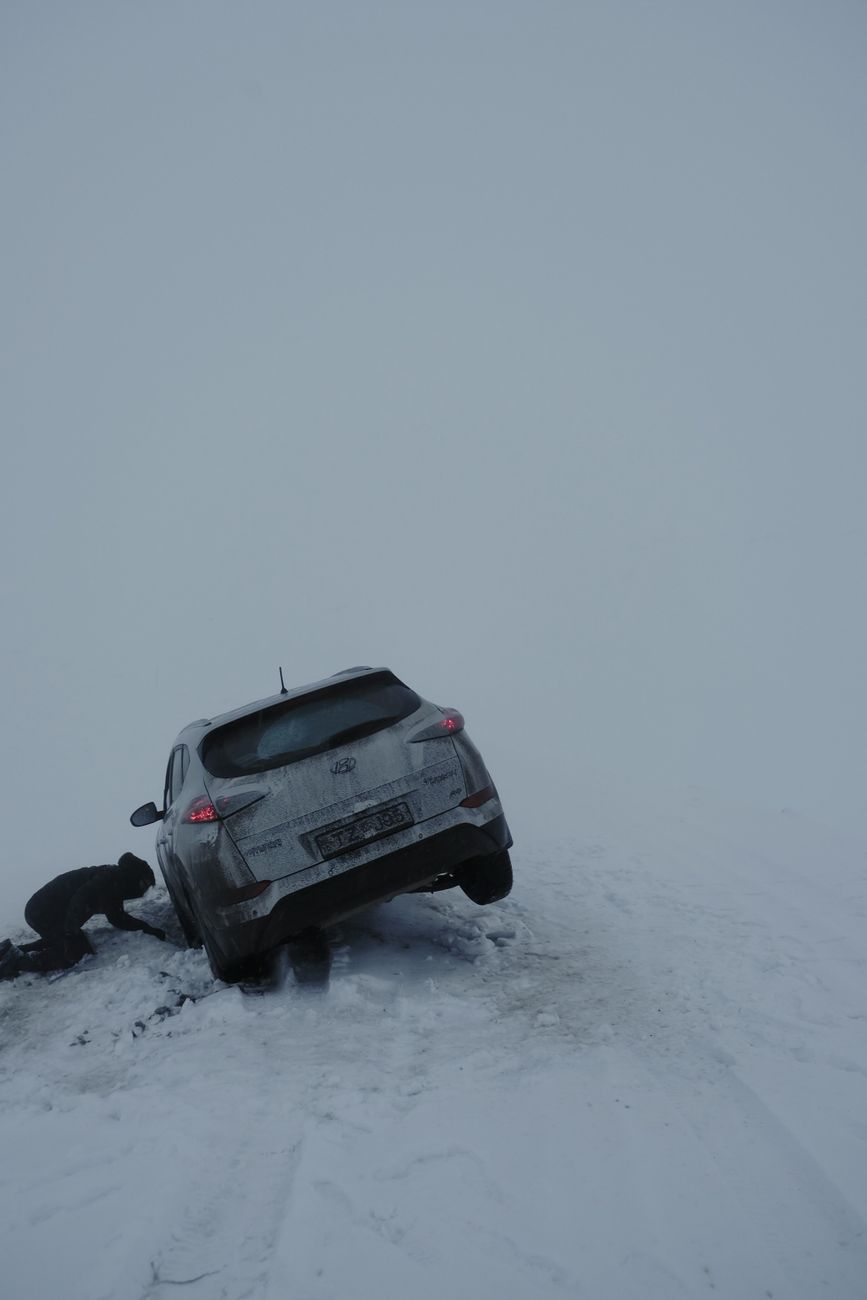
- A small folding shovel, useful for clearing snow from around tires if you’ve slid off the road surface slightly.
- Hand warmers, which pack small and weigh almost nothing but make a real difference if you’re stopped outdoors dealing with tire chains or a stuck vehicle.
None of this needs to be expensive or elaborate. Most of these items can be picked up in one stop at a general store, and once assembled, a kit like this can simply live in the trunk through the winter months rather than being reassembled before every single trip.
Checking Conditions Before You Leave
Colorado’s mountain corridors can shift from clear to hazardous quickly, and checking conditions specifically for your route — not just your starting point — is worth the extra couple of minutes before a winter mountain drive. Both the Colorado Department of Transportation and the Colorado Avalanche Information Center publish current corridor and avalanche information.
It’s worth checking conditions for your destination as well as your starting point. It’s common for weather at home to look perfectly clear while a pass 100 miles away is dealing with an active storm — a mismatch that’s easy to miss without specifically looking it up.
Live traffic cameras, where available for a specific stretch of highway, are worth checking too — they can show actual current road surface conditions in a way that a general weather forecast alone can’t.
If You Get Stuck or Stranded
- Stay with your vehicle rather than setting out on foot, unless help is clearly and safely within reach.
- Run the engine periodically for heat rather than continuously, and make sure the exhaust pipe isn’t blocked by snow before doing so.
- Use hazard lights and, if you have one, a reflective marker to stay visible to snowplows and other traffic.
- Conserve your phone battery for calls rather than continuous use, in case you need it for an extended wait.
Fueling Up Before the Climb
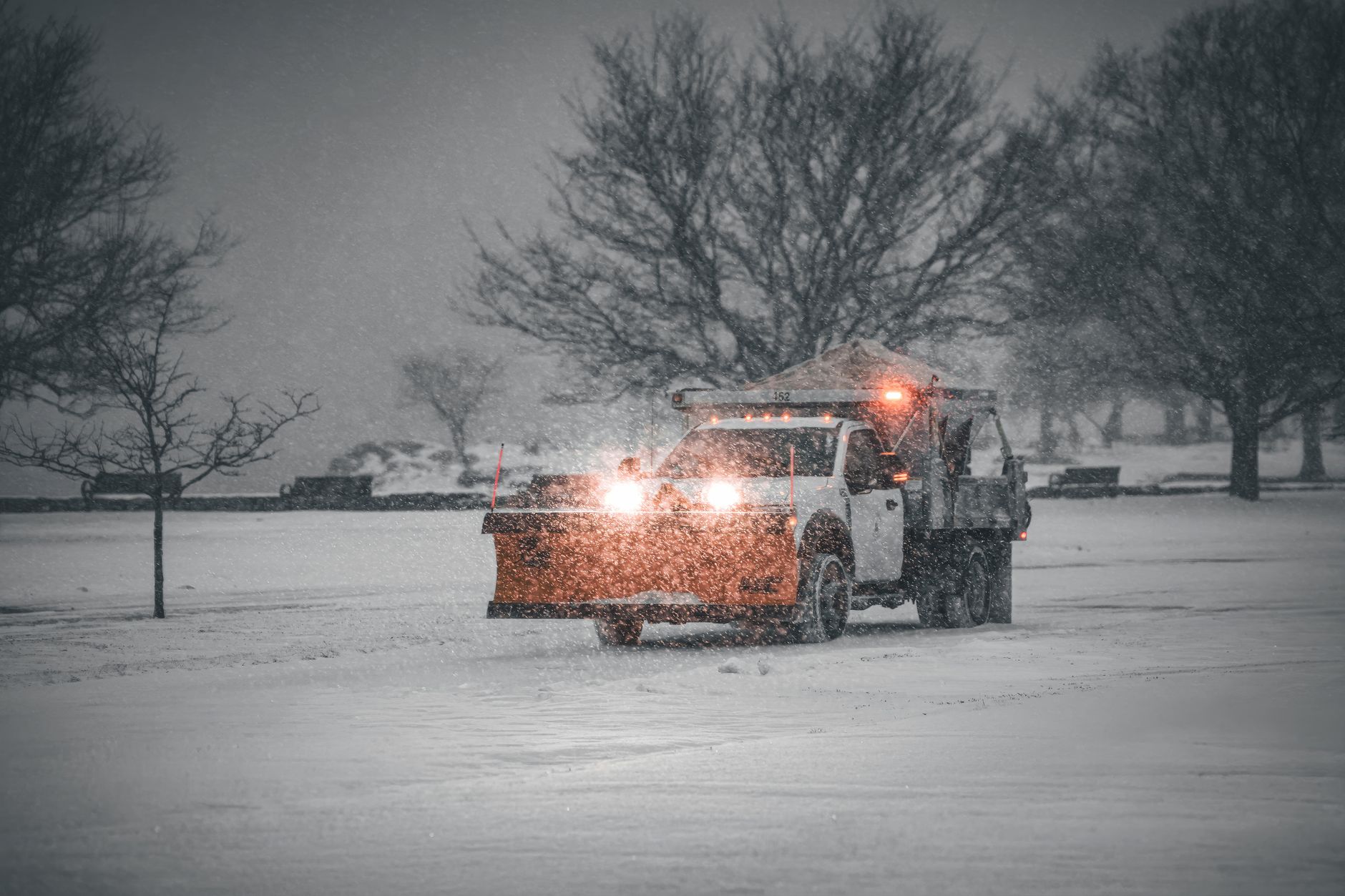
Poncha Market sits directly at the base of both Poncha Pass and, via US-50, the approach to Monarch Pass — a practical last stop to top off fuel, grab warm food, and double-check conditions before either climb in winter.
Warming up with a real meal before a winter mountain climb is worth more than it might seem — both for comfort and for keeping your attention sharp on a demanding stretch of driving, rather than starting the climb already tired and hungry from earlier in the trip.
Winter Prep Checklist
| Category | Check |
|---|---|
| Vehicle | Tires, battery, wipers, fuel or charge topped off |
| Emergency kit | Ice scraper, blanket, flashlight, snacks, water, jumper cables |
| Conditions | Check CDOT and avalanche advisories for your specific route |
| Plan | Tell someone your route and expected arrival time |
Frequently Asked Questions
What should be in a winter car emergency kit?
An ice scraper, blanket, flashlight, phone charger, basic snacks and water, and jumper cables cover the most common needs if you’re stopped or delayed in cold weather.
Are chains required on Poncha Pass or Monarch Pass?
Requirements depend on current conditions under Colorado’s mountain corridor rules; check current restrictions before a winter crossing.
Should I run my engine if I’m stuck in snow?
Periodically for heat is reasonable, but make sure the exhaust pipe is clear of snow first, and avoid running it continuously without checking.
Where can I check current mountain pass conditions?
The Colorado Department of Transportation and the Colorado Avalanche Information Center both publish current corridor conditions and advisories.
How often should I check my winter emergency kit?
At the start of each winter season is a reasonable minimum — check batteries in flashlights, confirm blankets and supplies are still in the car, and replace anything used or expired from the previous season.
Is it safe to drive alone over these passes in winter?
Many people do it safely, but telling someone your route and expected arrival time is a reasonable precaution regardless of how routine the drive feels.
Do electric vehicles need special winter preparation for mountain passes?
Cold weather reduces EV range, so arriving with more charge buffer than usual and planning charging stops accordingly — like at Poncha Market’s Superchargers — is worth building into a winter route plan.
What time of day is safest for winter mountain driving?
Mid-morning through early afternoon, once any overnight ice has had a chance to thaw somewhat and before evening temperatures drop again, is generally considered more favorable than very early morning or after dark.
What’s the last stop for gas before these passes?
Poncha Market in Poncha Springs sits at the base of both Poncha Pass and the approach to Monarch Pass.
Heading over a pass this winter? Check our Poncha Pass and Monarch Pass driving guides before you go.
For official winter emergency preparedness guidance, see Ready.gov’s winter weather resources.
Leave a Reply