
Poncha Springs sits at roughly 7,500 feet in Colorado’s high country, at the junction of US-50 and US-285 — and elevation like that means real seasons, not just a warm-versus-cold split. Whether you’re planning a road trip through or a longer stay in the area, here’s what each season actually looks like at Poncha Market and the surrounding Chaffee County region.
Specific hour-by-hour local forecasts aren’t something we can publish reliably here — for that, the National Weather Service office covering this part of Colorado is the best source, linked below. What follows is a practical, season-by-season planning guide instead.
Summer: Peak Travel Season
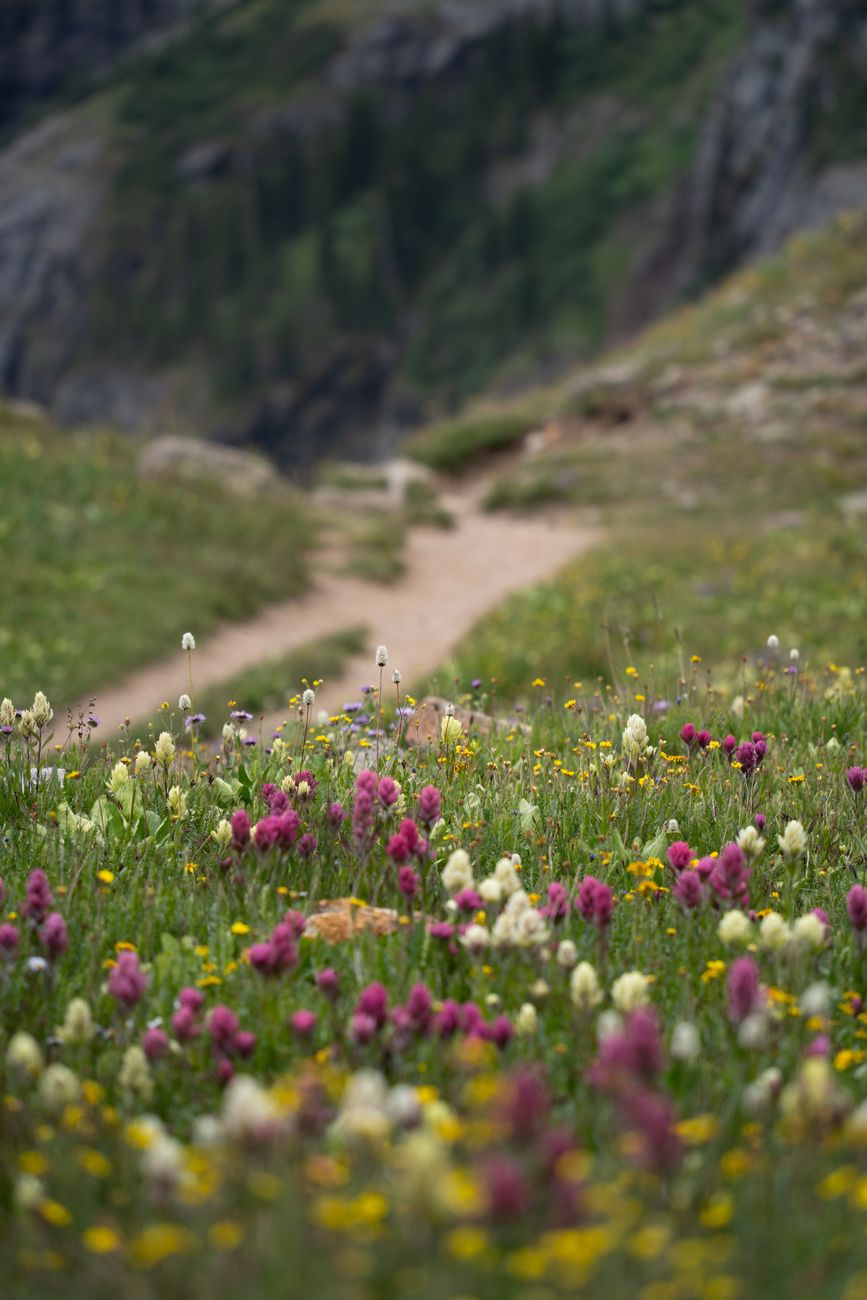
Summer is the busiest and most reliable travel season through Poncha Springs. Roads are clear, days are long, and the surrounding area opens up for camping, hiking, rafting, and biking — the same activities Poncha Market’s own team points travelers toward.
One pattern worth planning around: afternoon mountain thunderstorms are common in summer across this part of Colorado. Morning departures, especially if you’re heading up over Poncha Pass or Monarch Pass, tend to mean clearer, calmer driving conditions than an afternoon start.
Summer is also when Poncha Springs sees the most through-traffic overall — a mix of rafting trips on the Arkansas River, hikers and campers headed into the surrounding national forest land, and long-distance road trippers using US-285 and US-50 as a connector between Denver and the San Luis Valley or Western Slope. Expect the deli counter and charging stalls to be busiest on weekend afternoons during peak summer months.
Fall: Aspen Color and Fewer Crowds
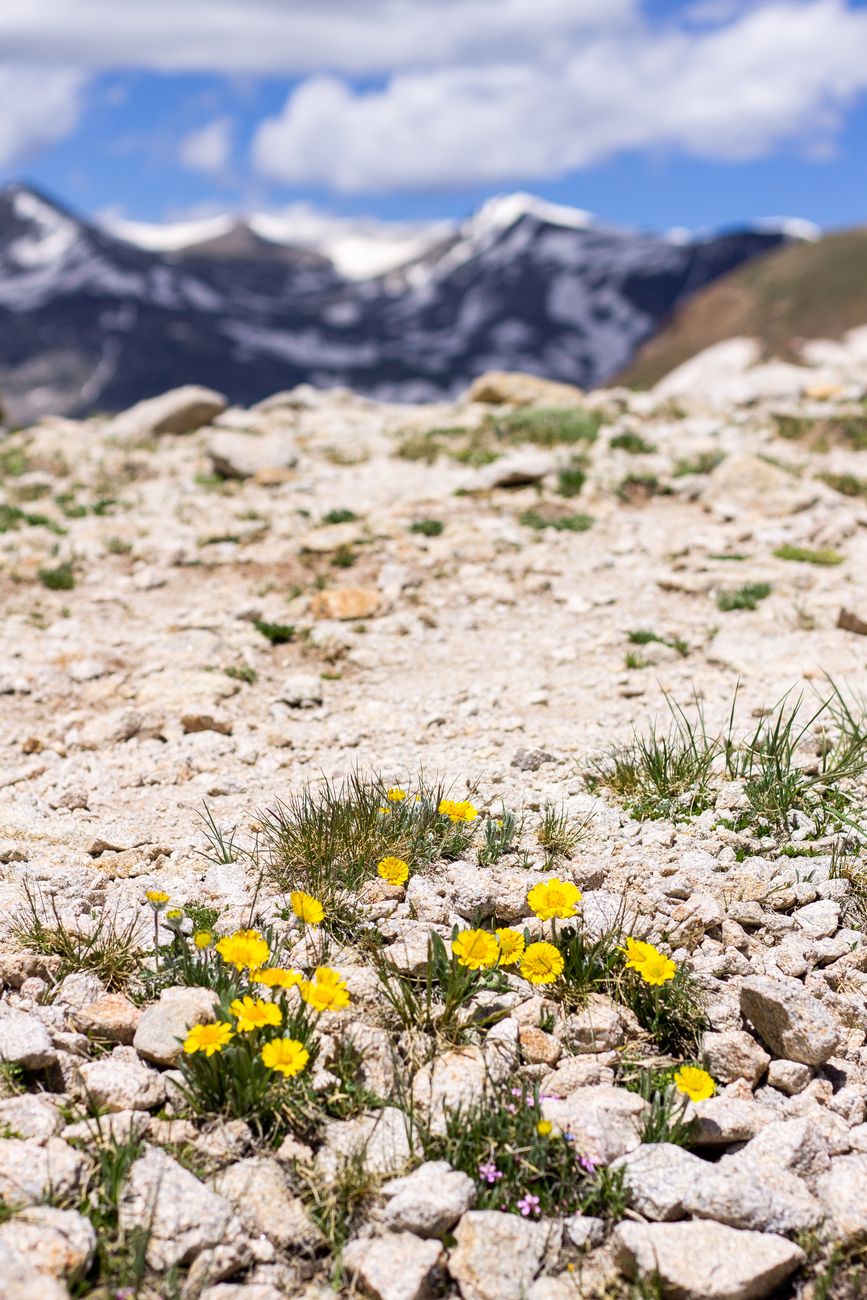
Fall brings cooler temperatures, generally clear skies, and noticeably lighter traffic than summer. It’s also aspen season in the hills surrounding Poncha Springs — golden groves are visible from the highway in several spots along US-285 and US-50 without needing a special detour.
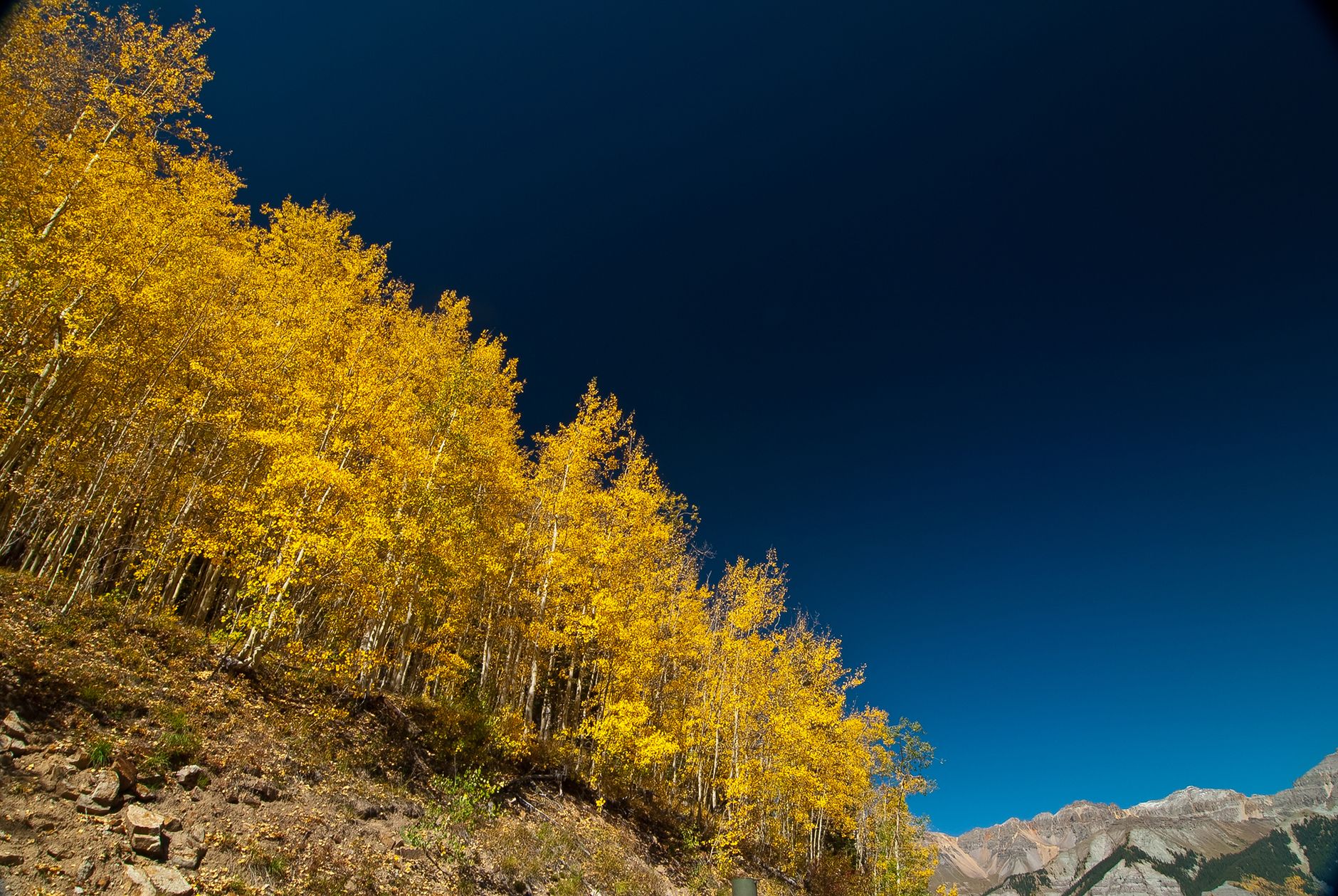
For travelers who prioritize scenery over summer’s longer daylight hours, fall is often the better trade — similar road conditions to summer, with quieter stops and cooler, more comfortable stretches for anyone getting out to hike or take photos.
Spring: The Quiet Shoulder Season
Spring in the high country is the least predictable season, and also one of the quietest for travel. Snow can linger at elevation well after it’s melted off in Colorado’s lower-elevation cities along the Front Range, and conditions on Poncha Pass and Monarch Pass can shift from clear to snowy within the same day. Travelers who don’t mind some unpredictability are often rewarded with lighter traffic and a quieter version of the same drive that gets crowded in summer.
Winter and Spring: What Changes
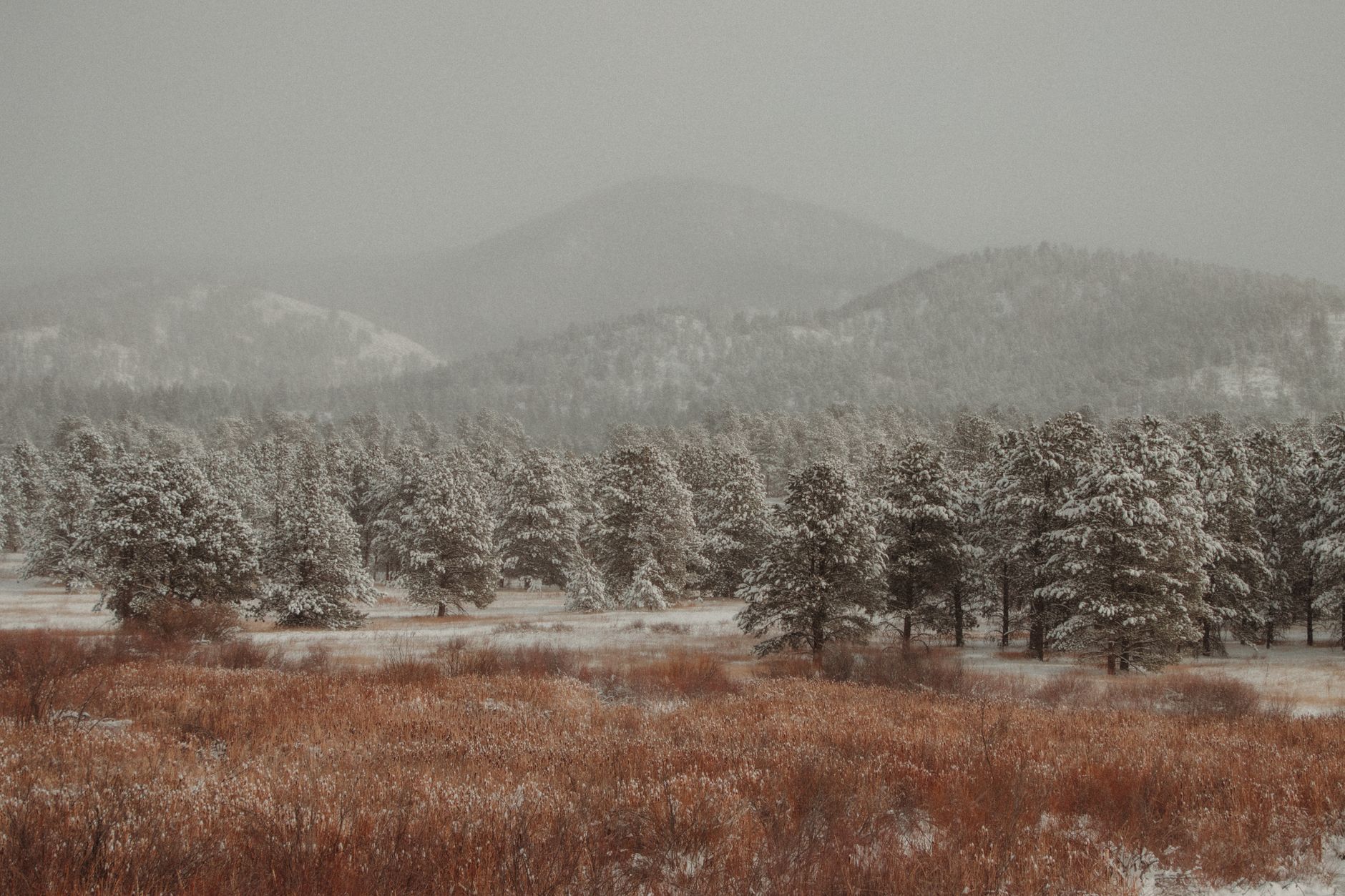
Snow becomes a real factor at this elevation from late fall into spring, particularly on Poncha Pass to the south and Monarch Pass to the west. Poncha Springs itself, at around 7,500 feet, sees less accumulation than the passes on either side of it, but travelers should still expect winter driving conditions to apply for a meaningful stretch of the year.
| Season | Driving Conditions | Good For |
|---|---|---|
| Summer | Clear, but watch for afternoon storms | Camping, rafting, hiking, biking |
| Fall | Clear and cool, lighter traffic | Aspen viewing, quieter road trips |
| Winter | Snow and ice likely, especially on passes | Skiing nearby, scenic snow photography |
| Spring | Variable, snow lingers at elevation | Shoulder-season travel, fewer crowds |
Winter is also when the area’s proximity to Monarch Mountain Ski Area, west of Poncha Springs over Monarch Pass, brings a different kind of traveler through the junction — skiers and snowboarders fueling up or charging on their way to or from the mountain, rather than summer’s rafters and hikers.
Cold-Weather EV Charging Considerations
Winter travelers driving a Tesla should also factor in cold-weather range loss, which is normal for any EV at altitude. Arriving at Poncha Market’s 8 Tesla Superchargers with a bit more buffer than usual, and planning to charge slightly longer in cold weather, is a reasonable precaution rather than a special accommodation.
Cold batteries also charge somewhat more slowly than warm ones, which is a normal characteristic of lithium-ion batteries generally rather than anything specific to this location — another reason a short deli stop while charging works out well in winter, since it naturally covers the extra time.
So, What’s the Best Time to Visit?
There isn’t a single correct answer — it depends on what you’re planning to do:
- For the easiest driving and most activities open: summer, ideally with an early start to beat afternoon storms.
- For scenery with fewer crowds: fall, particularly for aspen color.
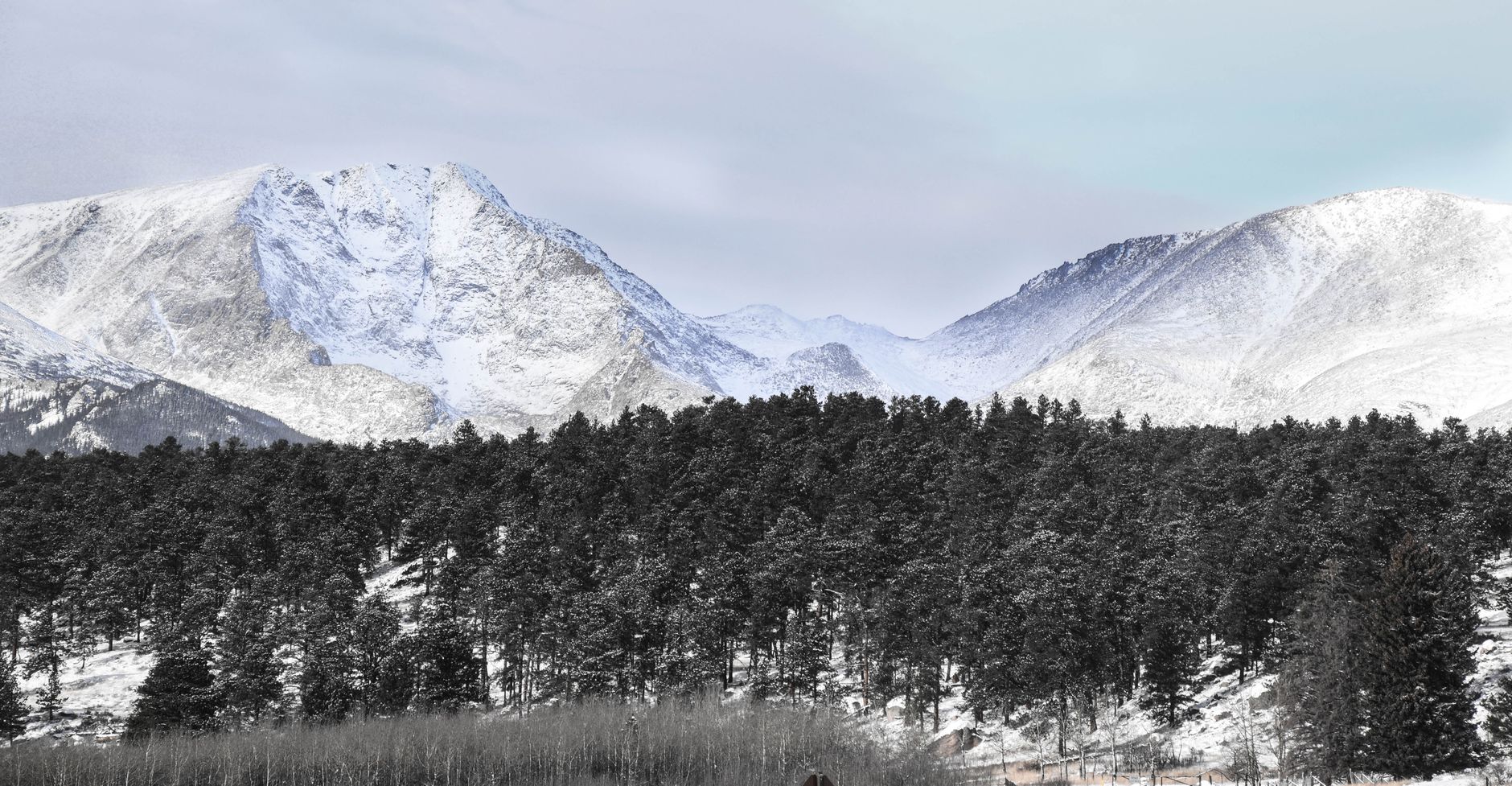
- For skiing and snow scenery, if you’re prepared for winter driving: winter, with extra caution on the passes.
- For quieter stops and lower prices generally: shoulder season in spring, keeping in mind that snow can linger at elevation later than it does in Colorado’s lower-elevation cities.
What’s Open Year-Round
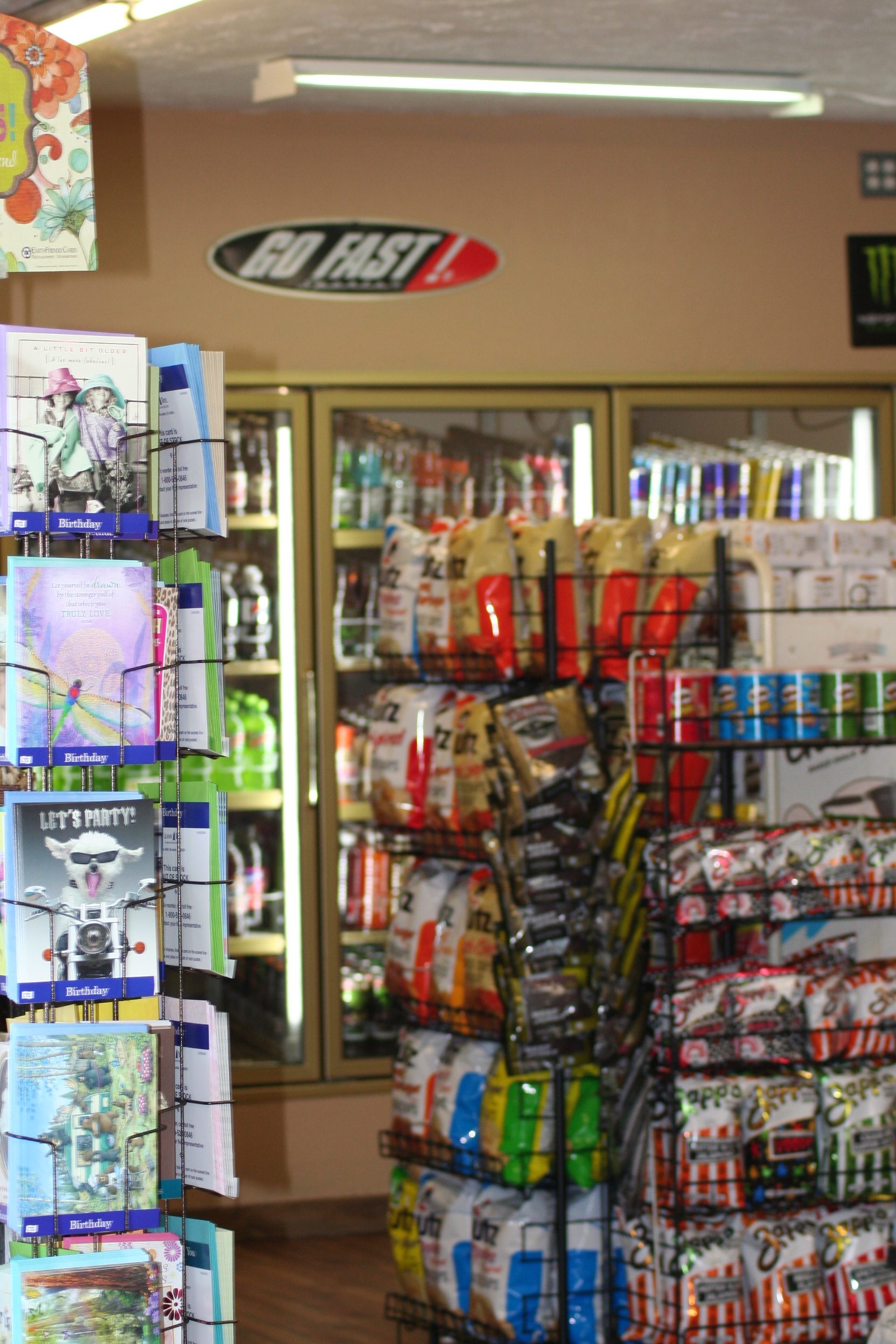
Whatever season you’re passing through, Poncha Market’s convenience store and Tesla Superchargers operate every day of the year, and Mabel’s Deli serves food throughout regular business hours. For current hours on a specific date, calling ahead at (719) 539-6089 or checking Poncha Market’s Facebook page is the most reliable way to confirm before you arrive, particularly around holidays.
That year-round consistency is worth planning around on its own. Unlike seasonal attractions that close for part of the year, a gas station, deli, and EV charging stop has to stay open and reliable in every season — which is part of why it functions as a dependable waypoint for both summer road trips and winter ski traffic through the same junction.
Traveling With Family or a Group
Poncha Market’s owners describe meeting travelers from around the country and internationally passing through the area, and the build-your-own options at Mabel’s Deli make the stop workable for groups with different tastes or dietary needs regardless of season — useful whether you’re mid-road-trip in July or stopping between ski runs in January.
Frequently Asked Questions
What is the best month to visit Poncha Springs, Colorado?
Summer and early fall offer the most reliable driving conditions and the widest range of open outdoor activities in the surrounding area.
Does it snow in Poncha Springs?
Yes, though generally less than on nearby Poncha Pass and Monarch Pass, both of which sit at higher elevation and see more accumulation.
Is Poncha Market open year-round?
Yes — the convenience store, gas station, and Tesla Superchargers operate year-round. Call ahead for exact hours on a specific day.
Is Poncha Pass safe to drive in winter?
It stays open year-round, but winter driving precautions apply. See our Poncha Pass driving guide for specifics.
When is aspen season near Poncha Springs?
Typically in fall, visible from several points along US-285 and US-50 without requiring a special detour off the highway.
Is there skiing near Poncha Springs?
Monarch Mountain Ski Area sits west of Poncha Springs over Monarch Pass, making the junction a natural fuel and food stop for winter ski traffic as well as summer travelers.
How cold does it get in Poncha Springs in winter?
Exact seasonal averages vary year to year; the National Weather Service, linked below, publishes current and historical forecast data for this part of Colorado.
Planning your trip? Check what’s on-site year-round, read the full Highway 285 stop guide, or see Tesla Supercharging details before you go.
For current forecasts covering this part of Colorado, see the National Weather Service. For seasonal information on outdoor activities in the surrounding area, see Colorado Parks and Wildlife.
Leave a Reply