
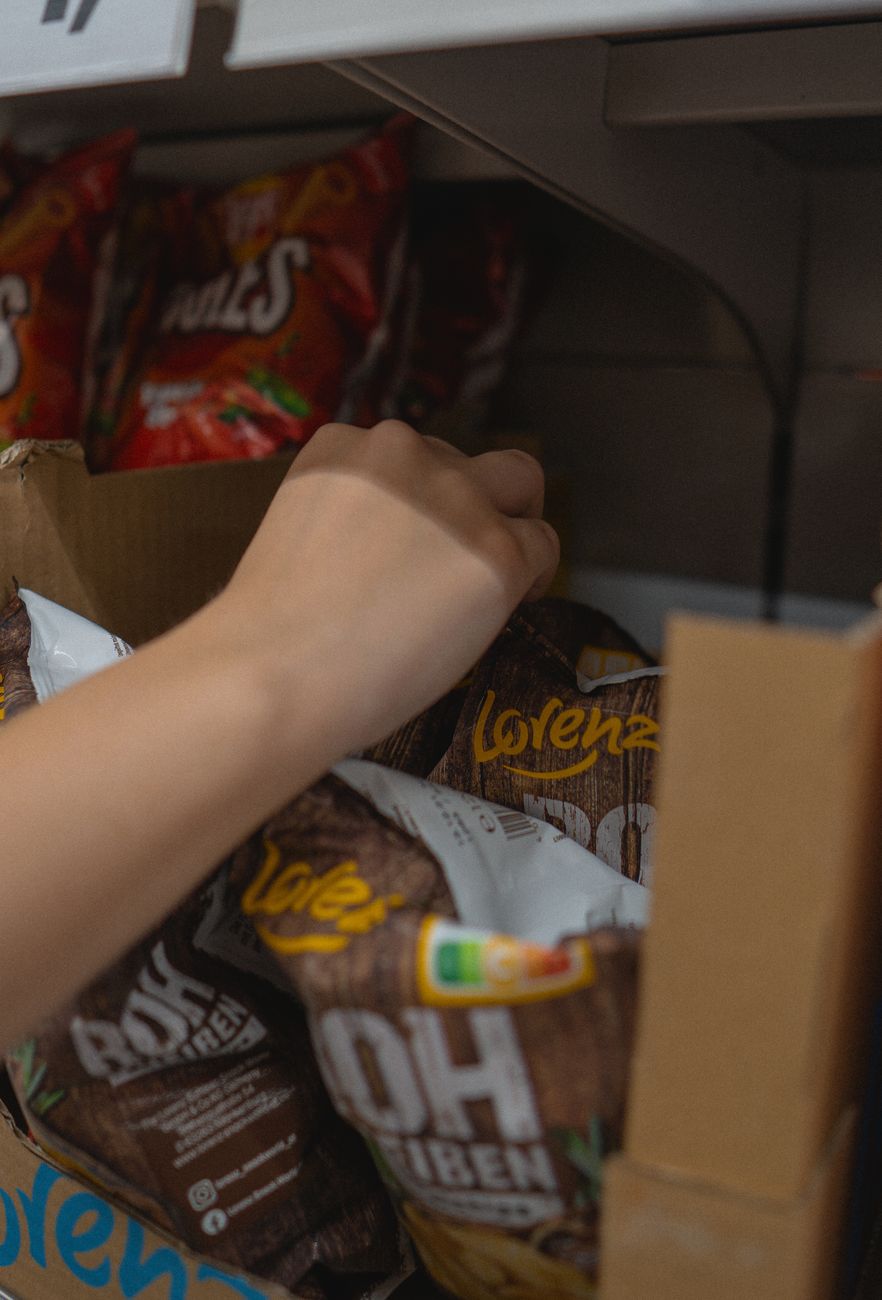
“Gas station food” carries a reputation, and not always a fair one. Some of it is genuinely worth skipping. Some of it — a real deli counter making sandwiches to order, like Mabel’s Deli inside Poncha Market — is a different category entirely. Here’s how to tell the difference, and what actually matters for food safety on the road.
It’s a fair question to ask, and a common one among road trippers who don’t want to gamble their day on a bad meal. The honest answer is that “gas station food” isn’t one category of risk — it covers everything from shelf-stable snacks that are essentially risk-free, to hot food that’s been sitting under a heat lamp far longer than it should have, to a genuine deli counter making food to order the same way a sandwich shop would. Lumping all of that together does travelers a disservice.
The Real Risks Worth Knowing About
Most gas station food safety issues aren’t dramatic; they’re about freshness and basic handling. A few specific concerns come up consistently in food safety guidance for convenience stores:
- Hot food sitting too long. Heat-lamp items like hot dogs or nacho cheese are meant to be eaten soon after they’re made, not left rotating for hours. Food that requires temperature control should generally be eaten within about four hours of being removed from proper refrigeration or heating.
- Cross-contamination at self-serve stations. Shared condiment pumps, tongs, and nozzles are only as clean as the last person and the last restocking.
- Stale packaged goods. Donuts, pastries, and other baked goods can sit on a rack far longer than their quality suggests, even if they’re technically still within a sell-by date.
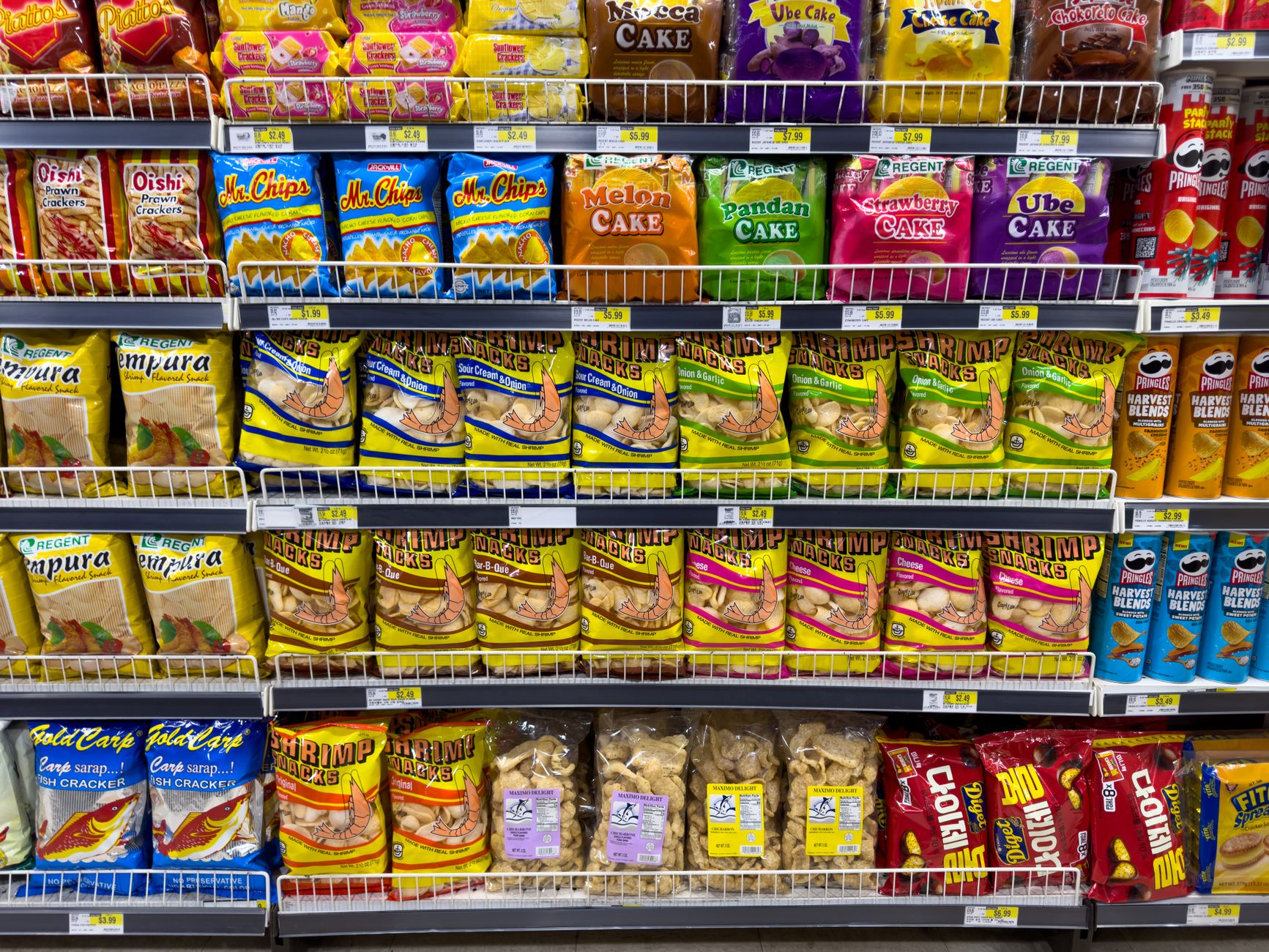
None of this is meant to be alarming — the vast majority of gas station food, hot or packaged, is eaten every day without incident. The point is simply that a little observation goes a long way toward telling a genuinely safe stop from one worth skipping.
Red Flags to Actually Watch For
Food safety experts generally point to a handful of observable signs, rather than anything you need lab equipment to check:
- A dirty or poorly maintained restroom is a strong indicator of how seriously the whole store treats cleanliness, food included.
- Staff who aren’t washing hands, wearing gloves, or keeping food-prep surfaces clean while you’re watching.
- A well-stocked hot food case at a store that otherwise looks neglected or nearly abandoned — a mismatch worth noticing.
- Nacho cheese sauce and similar shelf-stable dispensed sauces left improperly stored; these have been linked to serious illness, including botulism, in isolated but well-documented past cases.
Safer Choices at a Typical Gas Station
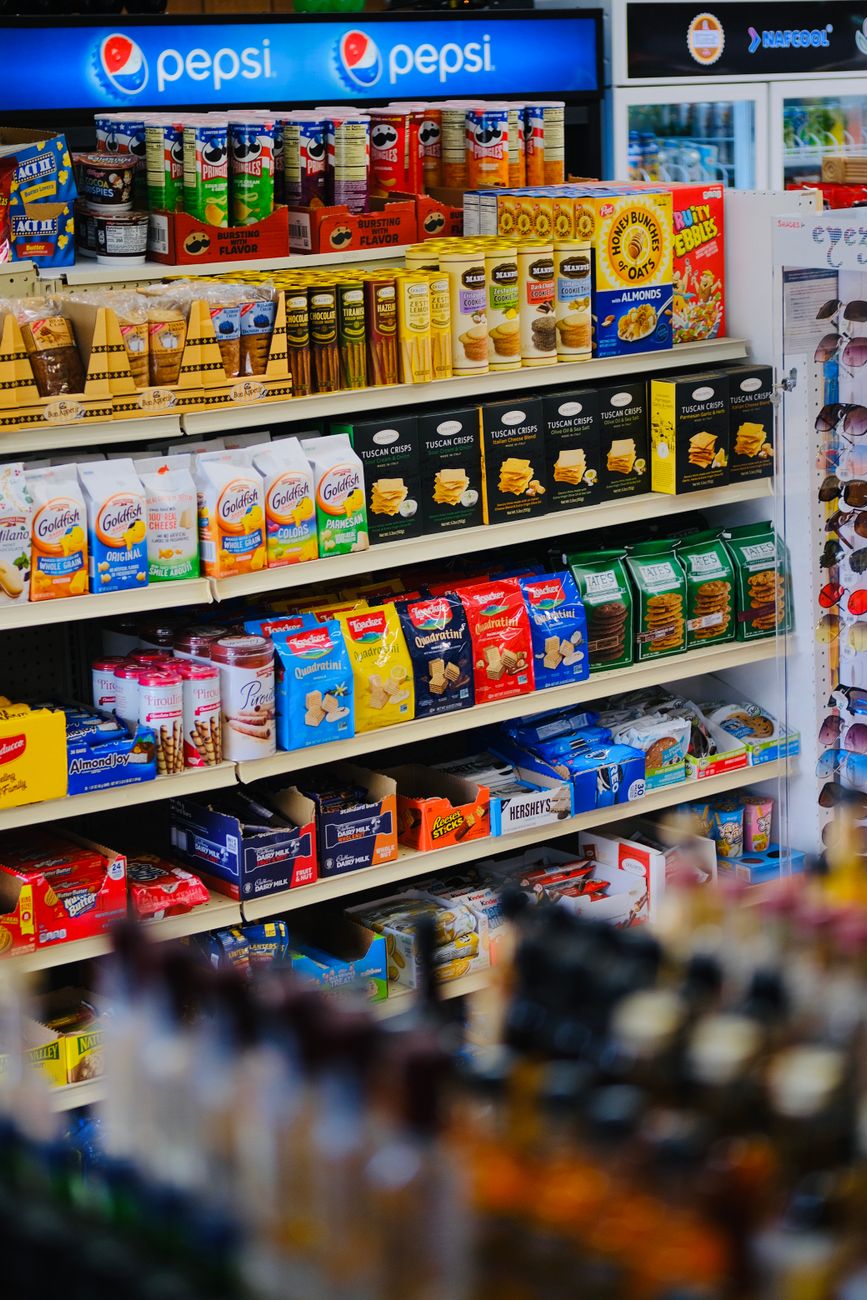
If you’re at a stop without a real kitchen or deli counter, packaged and shelf-stable options are generally the safer bet:
- Jerky, roasted nuts, granola bars, and trail mix travel well and don’t rely on refrigeration being handled correctly.
- Whole fruit — apples, bananas, oranges — is self-contained and doesn’t depend on store handling practices the way cut fruit does.
- Sealed, packaged sandwiches from a refrigerated case are generally safer than food sitting under a heat lamp, provided the case itself is actually cold.
The general rule of thumb food safety guidance repeats often is worth internalizing: the more a food item has been exposed to open air, ambient temperature, and repeated handling by other customers, the more it depends on that specific store’s practices to stay safe. A sealed granola bar doesn’t care how clean the store is. A scoop of cut fruit sitting in an open case absolutely does.
This is also why road trip food advice consistently recommends packing a few shelf-stable items from home before you leave, rather than relying entirely on whatever’s available at your stops. It’s not about avoiding gas stations altogether — it’s about having a reliable backup that doesn’t depend on any single store’s standards.
What Actually Makes a Deli Counter Different
The distinction that matters most isn’t “gas station” versus “not gas station” — it’s made-to-order versus sitting-out. At Mabel’s Deli, sandwiches are built when you order them, with vegetables cut fresh rather than pulled from a bin, which sidesteps most of the actual risk factors that make some gas station food questionable: extended sitting time, repeated handling, and unclear holding temperatures.
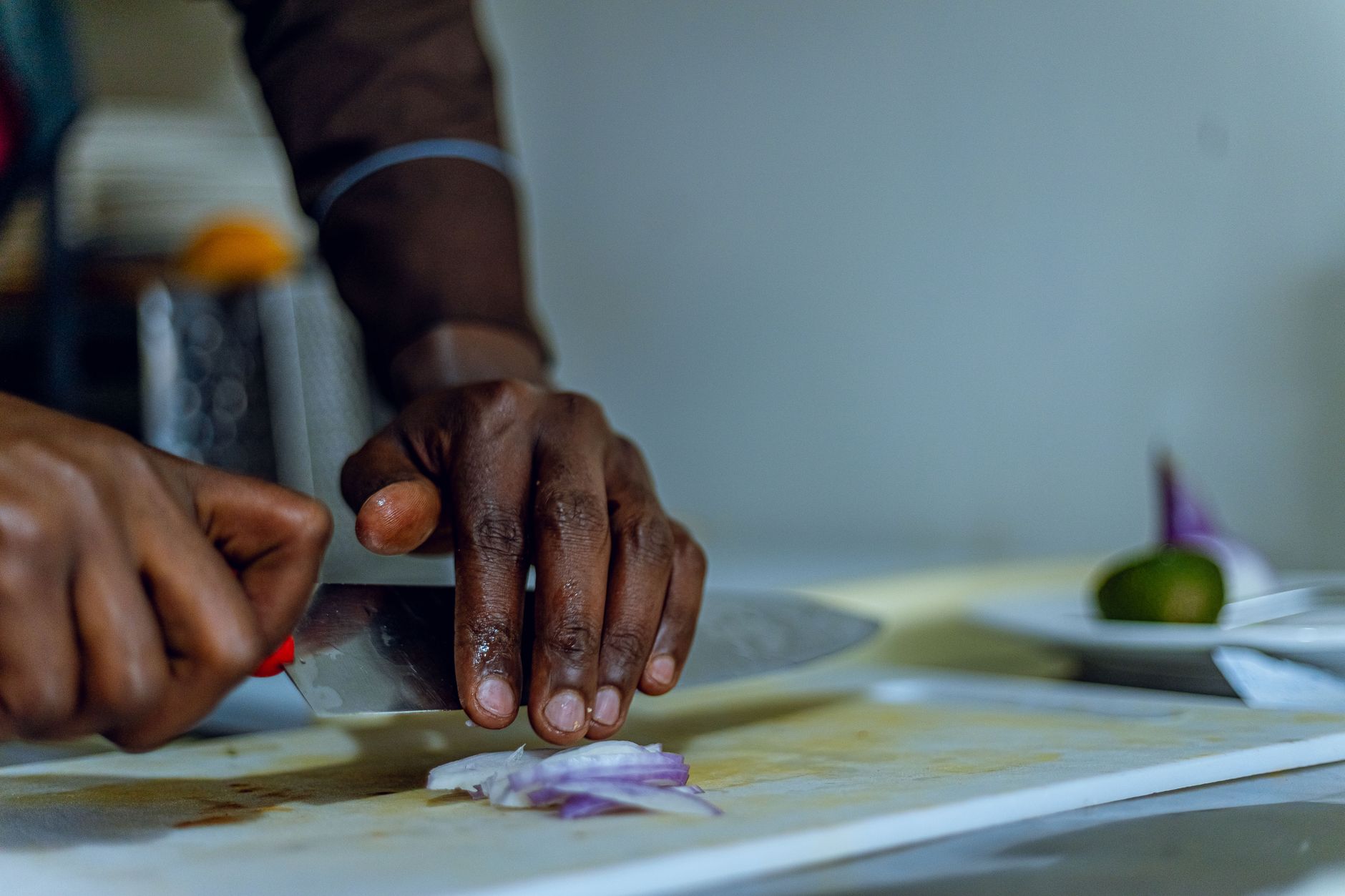
That’s a genuinely different food safety profile than a hot dog that’s been rotating on a roller grill since morning, even though both would get filed under the same “gas station food” label by a skeptical traveler.
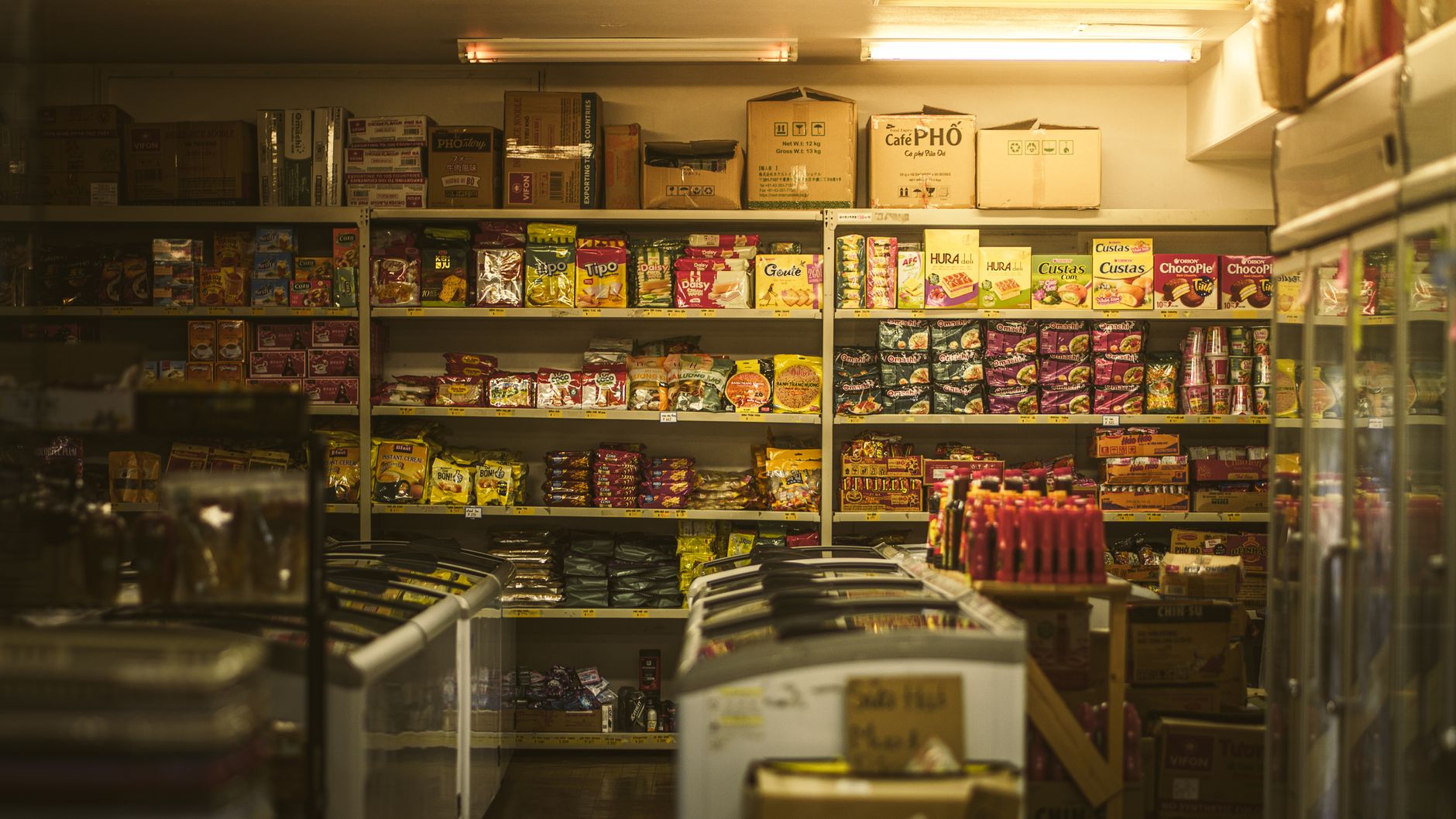
The broader lesson generalizes well beyond any one stop: the “gas station food” label describes where a business is located, not how the food inside is actually prepared. A made-to-order counter inside a gas station has more in common, food-safety-wise, with a sandwich shop than it does with a heat-lamp hot dog case two pumps over — even though both are technically “gas station food” by location alone.
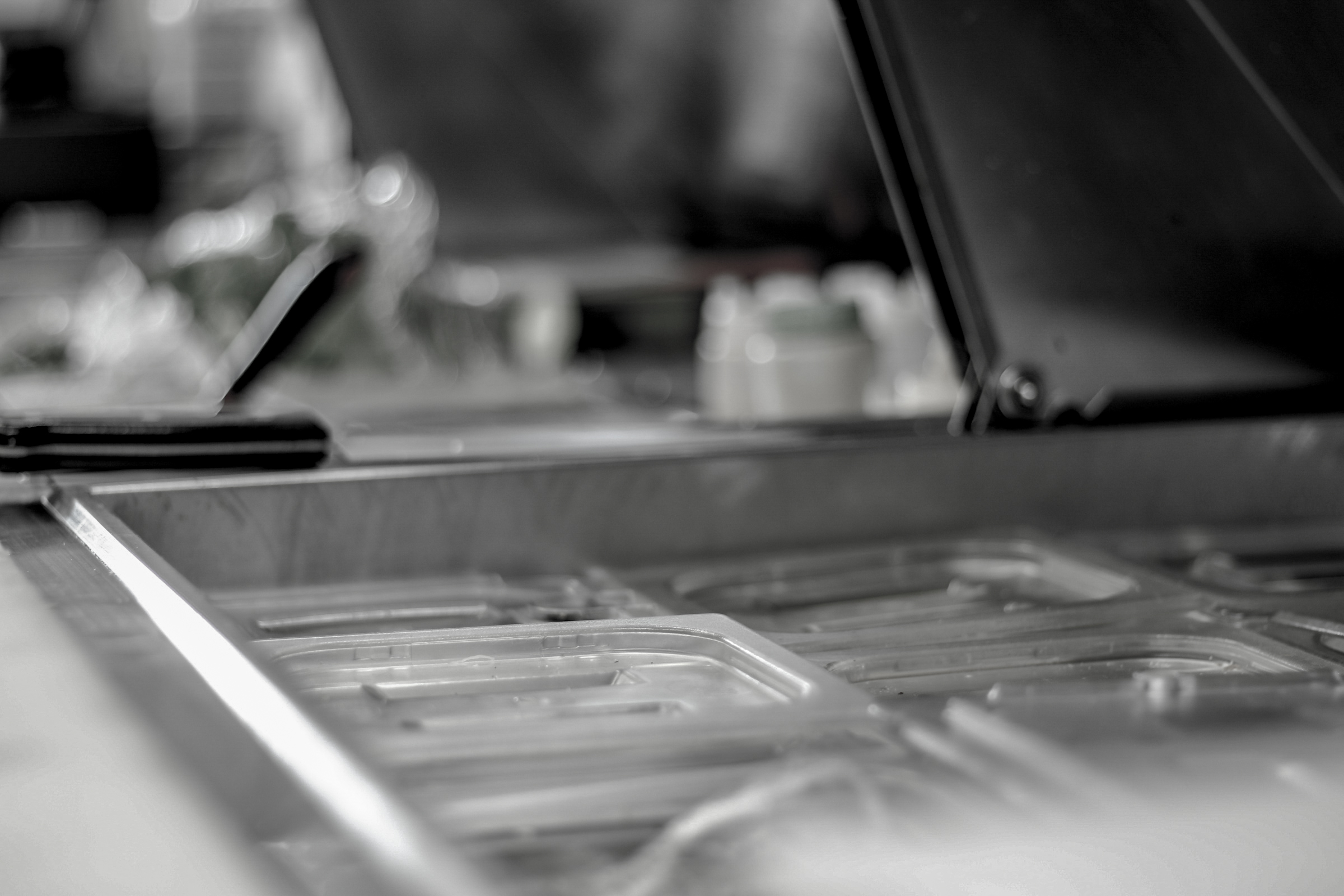
This distinction matters most for travelers on long, multi-stop road trips, where the temptation is to grab whatever’s fastest without really looking at what’s on offer. Taking thirty extra seconds to notice whether a counter is actually preparing food versus reheating something that’s been sitting for hours is a small habit that pays off more than people expect.
A Simple Checklist Before You Buy
| Check | What It Tells You |
|---|---|
| Restroom cleanliness | A proxy for overall store hygiene standards |
| Staff hygiene practices | Gloves, handwashing, and clean surfaces during prep |
| Made-to-order vs. sitting out | Fresh preparation lowers most real risk factors |
| General store upkeep | Neglect in one area often reflects neglect elsewhere |
Frequently Asked Questions
Is gas station food generally safe to eat?
It depends heavily on the specific location. Packaged snacks are almost always fine; hot food quality and safety vary a lot by store, staff practices, and how long items have been sitting out.
What gas station foods should I avoid?
Items that sit under heat lamps for extended periods, improperly stored dispensed sauces, and stale baked goods are the most commonly flagged concerns.
What are the safest gas station snacks?
Sealed packaged snacks like nuts, jerky, and granola bars, along with whole fruit, are generally considered the safest, lowest-risk options.
Is a made-to-order deli safer than pre-made gas station food?
Generally, yes — made-to-order preparation avoids the extended sitting time and repeated handling that create most of the actual risk in pre-made hot food cases.
How can I tell if a gas station takes food safety seriously?
Restroom cleanliness and visible staff hygiene practices are two of the most reliable, easily observable indicators.
Should I avoid gas station food entirely on road trips?
No — that’s more caution than necessary. The goal is knowing what to look for and what to choose, not avoiding these stops altogether, especially when a stop has a real made-to-order counter rather than only heat-lamp options.
How long can perishable food safely sit out?
Food requiring temperature control should generally be eaten within about four hours of leaving proper refrigeration or heating, a standard food safety benchmark that applies well beyond gas stations specifically.
Want a genuinely different option? See our Mabel’s Deli menu guide for what made-to-order actually looks like at a real gas station stop.
For detailed guidance on safe food handling and storage, see the USDA Food Safety and Inspection Service.
Leave a Reply