
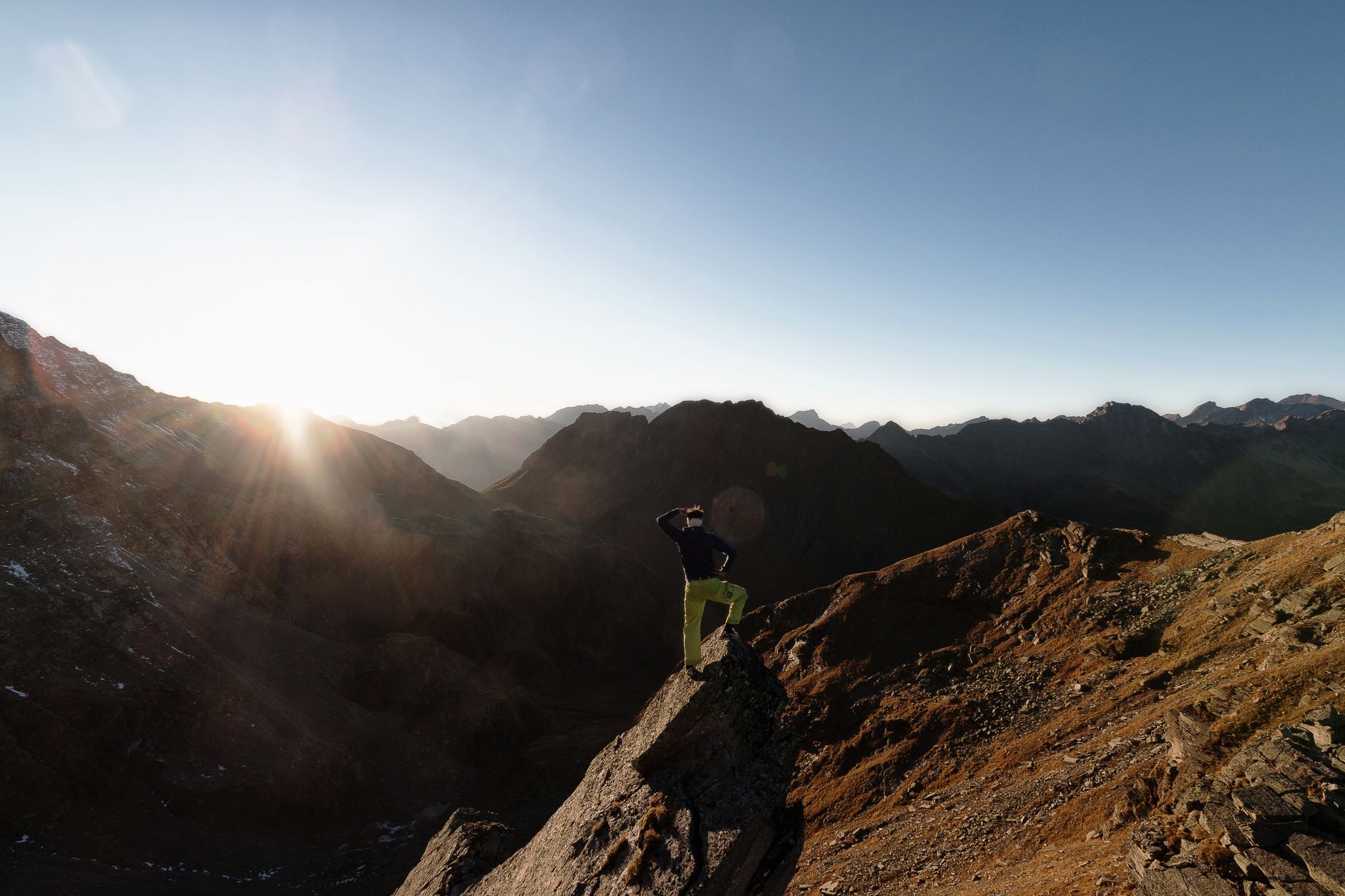
The Sawatch Range, visible from Poncha Market in Poncha Springs, holds more of Colorado’s fourteeners — peaks over 14,000 feet — than any other range in the state. Several of the most accessible ones sit within a short drive, making this stretch of central Colorado a genuine base camp for 14er hiking rather than just a highway junction.
Colorado has 58 recognized fourteeners in total, and the Sawatch Range, running roughly between Leadville and Salida, accounts for a disproportionate share of them. For hikers working through a 14ers checklist, or simply looking for one accessible, well-documented mountain to try for the first time, this stretch of the range is one of the more approachable places to start.
Mount Shavano (14,229 ft)
Mount Shavano fronts US Highway 285 just north of Poncha Springs, making it the closest major fourteener to town and, by most accounts, the easiest one to reach from Salida. It’s known for the Angel of Shavano, a snow formation on its east face shaped like a winged figure, visible in spring and early summer as the snowpack melts unevenly across the mountain’s contours.
Shavano is often climbed together with the neighboring Tabeguache Peak, itself a fourteener separated from Shavano’s summit by less than a mile of ridge — a common way for hikers to summit two peaks in a single long day rather than returning separately for each.
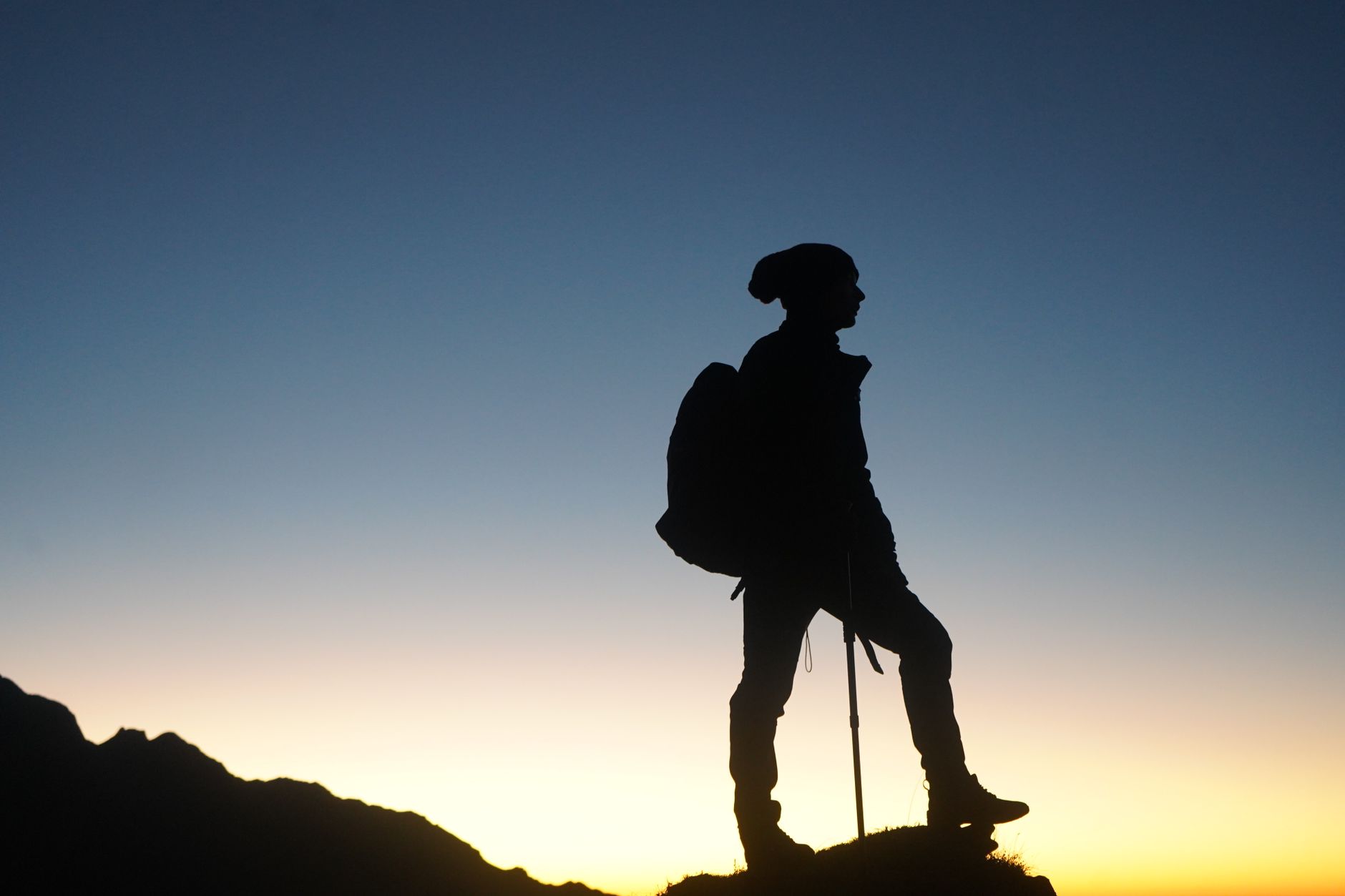
Mount Antero (14,276 ft)
The highest peak in the southern Sawatch Range, Mount Antero is visible from US Highway 24 between Johnson Village and Salida. Antero and its neighbor Mount White are locally well known for the gem and mineral deposits mined from their slopes — smoky quartz and aquamarine among them — which draws a mix of hikers and rockhounds rather than climbers alone.
Because a rough four-wheel-drive road runs high up the mountain toward old mining claims, Antero is climbed by some hikers on foot and driven partway up by others in high-clearance vehicles — worth knowing before you plan your specific route, since the standard hiking approach and the mining-road approach are genuinely different experiences of the same mountain.
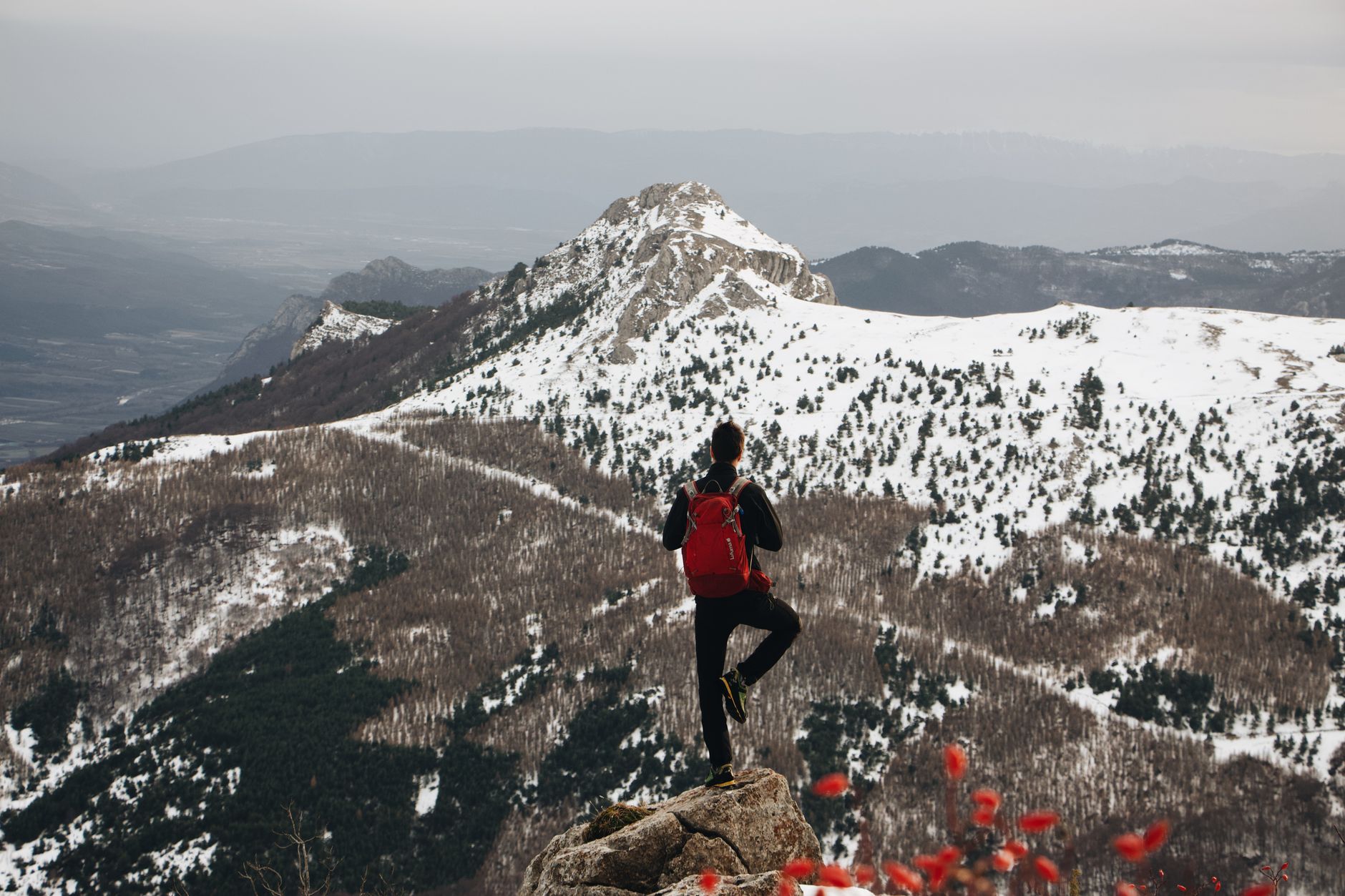
Mount Princeton (14,197 ft)
Also visible from US-24 between Johnson Village and Salida, Mount Princeton is generally rated a Class 2 climb — meaning off-trail scrambling is involved but no technical climbing equipment is required for the standard route. It shares its name with the nearby hot springs resort at its base, which makes for a natural pairing: a hike up, a soak down at the bottom afterward.
Princeton is one of the more commonly recommended fourteeners for hikers attempting their first one, largely because its standard route is well-documented and doesn’t require the exposed scrambling that some other Sawatch peaks demand near their summits.
Comparing the Three
| Peak | Elevation | Difficulty | Known For |
|---|---|---|---|
| Mount Shavano | 14,229 ft | Class 2 | Closest to Salida; the Angel of Shavano snow formation |
| Mount Antero | 14,276 ft | Class 2 | Highest in the southern Sawatch; gem and mineral deposits |
| Mount Princeton | 14,197 ft | Class 2 | Paired with Mount Princeton Hot Springs at its base |
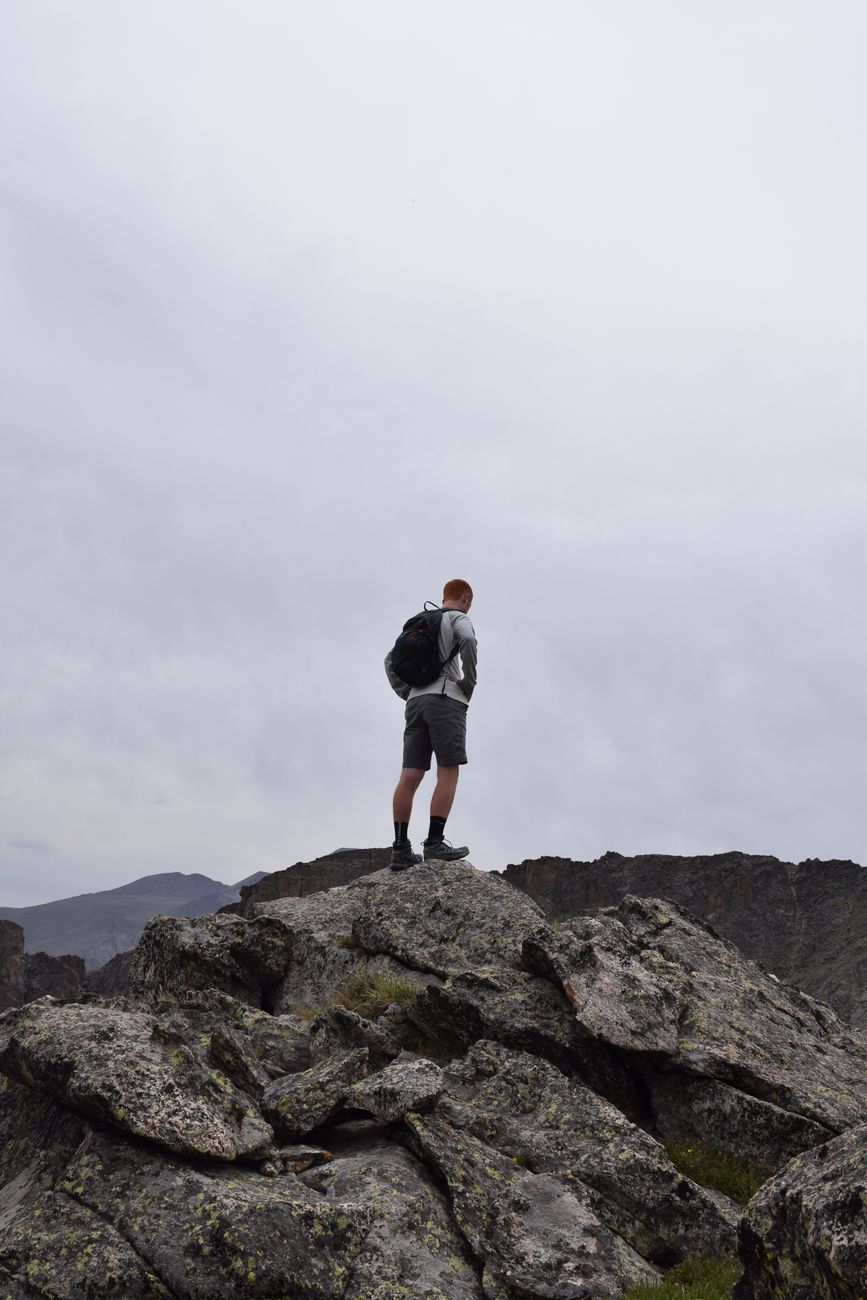
How Difficult Are These Compared to Other Colorado 14ers?
Colorado’s 58 fourteeners range from straightforward hikes to genuinely technical climbs requiring ropes and climbing experience. Shavano, Antero, and Princeton all sit toward the easier end of that spectrum — none require technical gear on their standard routes — but “easier 14er” still means a long day, typically 8 to 12 miles round trip with 4,000 or more feet of elevation gain, at an altitude where every step takes more effort than it would at sea level.
That distinction matters for planning: these are approachable fourteeners by Colorado standards, not easy hikes in any general sense. Treat a first attempt at any of them as a full-day commitment requiring real fitness and altitude acclimatization, not a casual afternoon outing. Hikers coming from lower elevations, in particular, should plan an extra day or two in the area beforehand to acclimatize rather than attempting a summit the same day they arrive.
Planning a Safe Climb
Colorado 14er hiking follows a well-established set of safety norms, largely built around avoiding afternoon thunderstorms, which are common in the high country and genuinely dangerous above treeline.
- Start early — most experienced 14er hikers aim to summit before noon and be well below treeline before afternoon storms typically build.
- Check the weather forecast specifically for the peak, not just the nearest town; conditions at 14,000 feet can differ sharply from the valley floor.
- Carry more water than feels necessary; altitude and exertion both increase dehydration risk.
- Tell someone your planned route and expected return time before you start.
- None of these three peaks requires technical climbing gear on their standard routes, but all three demand real physical fitness and acclimatization to altitude.
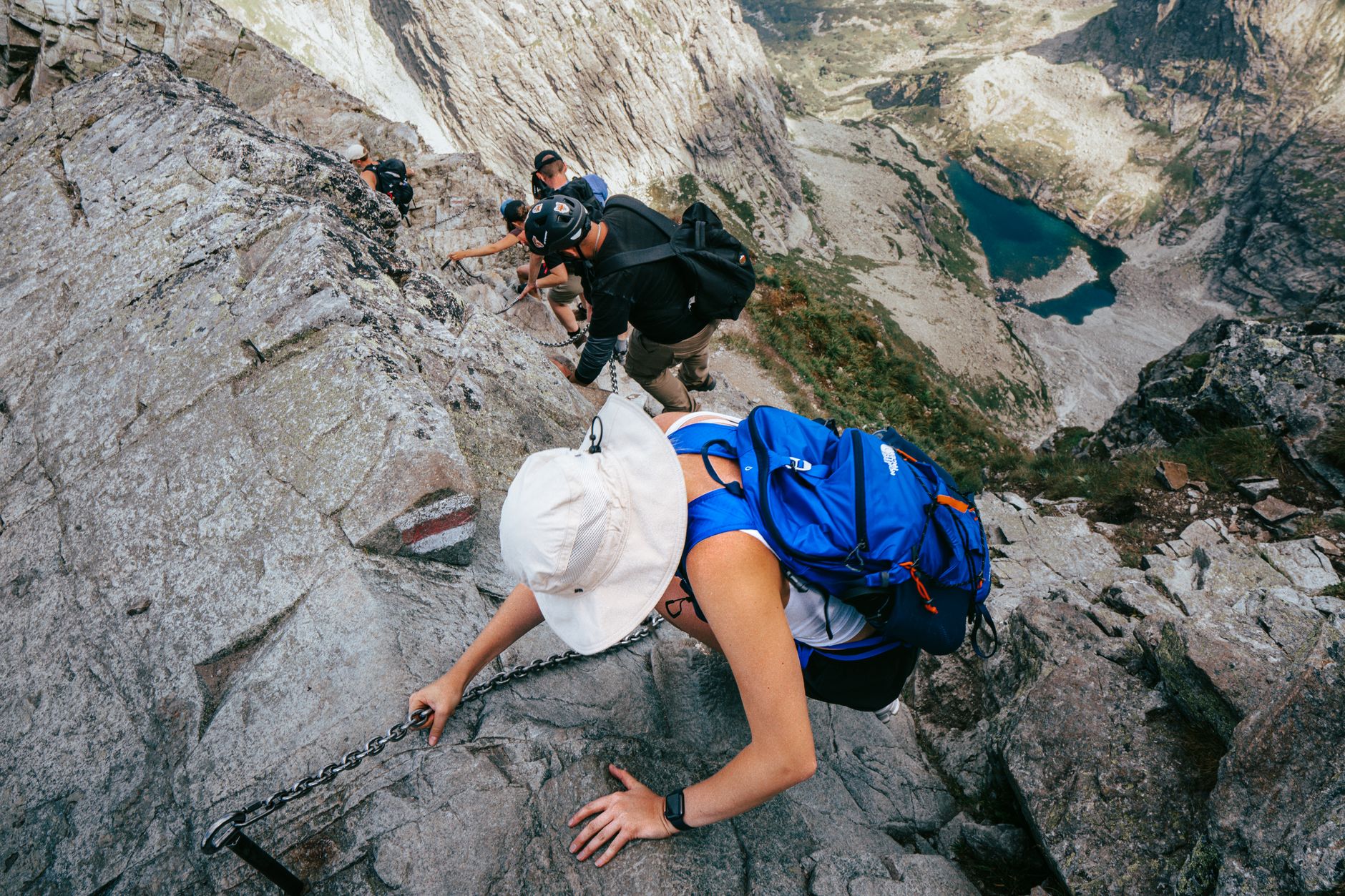
Fueling Up Before a Climb
Most 14er attempts start well before sunrise, which means Poncha Market‘s hours matter less than its convenience — gas, restrooms, and a real breakfast sandwich or burrito rather than a vending machine, either the night before or the morning of an early trailhead departure.
It’s also a practical last stop for anything forgotten — extra water, snacks, sunscreen — before heading to a trailhead where none of that will be available again until you’re back at the car, often eight or more hours later.
After the Hike: Recovery and a Real Meal
A full day on a fourteener burns a genuinely large number of calories between the elevation gain, the altitude, and the length of the round trip. Coming back through Poncha Springs on the way home is a natural point to refuel properly rather than pushing straight through on gas station snacks — the same made-to-order deli food that makes sense before a climb works just as well as a reward afterward. Rehydrating properly matters too; altitude hiking dehydrates faster than most people expect, even on a cool day.
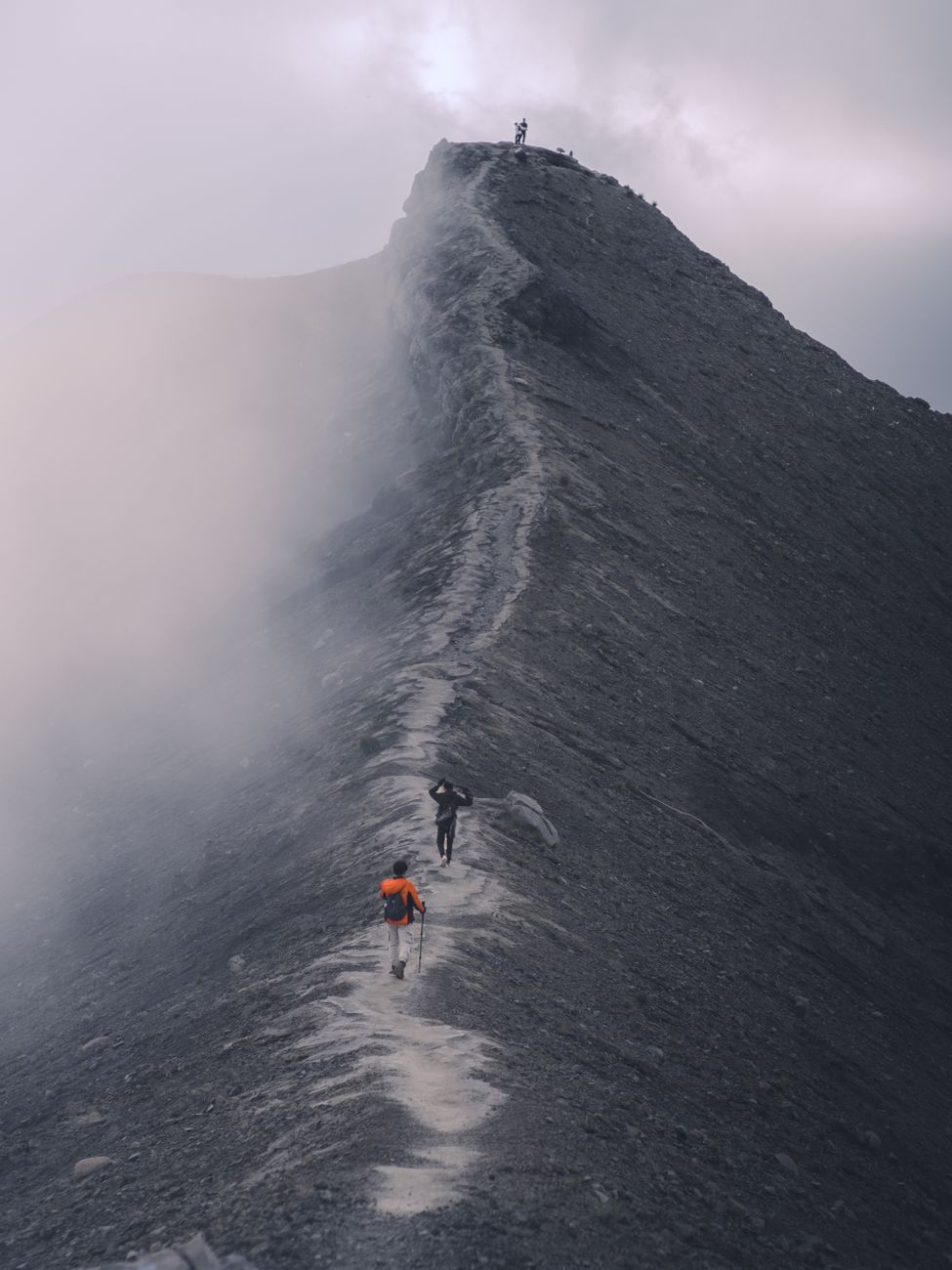
Frequently Asked Questions
What is the closest fourteener to Poncha Springs?
Mount Shavano, which fronts US Highway 285 just north of town, is generally considered the closest and most accessible from the Poncha Springs and Salida area.
Are these fourteeners technical climbs?
No — Shavano, Antero, and Princeton are all rated Class 2 on their standard routes, meaning scrambling but no technical climbing gear.
Why is Mount Antero known for gems?
Antero and neighboring Mount White have long been mined for smoky quartz and aquamarine, drawing rockhounds alongside hikers.
Can I combine a 14er hike with a hot springs soak?
Yes — Mount Princeton sits directly above Mount Princeton Hot Springs, making the pairing especially convenient. See our Chaffee County hot springs guide for details.
Do I need a permit to hike these fourteeners?
No permit is required for Shavano, Antero, or Princeton, though trailhead parking can fill on popular summer weekends, so an early arrival helps secure a spot as much as it helps beat afternoon storms.
When is the best time to hike these peaks?
Summer, generally with an early-morning start to summit before afternoon thunderstorms build, which is standard practice for Colorado 14er hiking generally.
Heading out early? Fuel up at Poncha Market, or pair your hike with a soak at one of the nearby hot springs.
For detailed route descriptions, trip reports, and current conditions on these and other Colorado 14ers, see 14ers.com.
Leave a Reply