
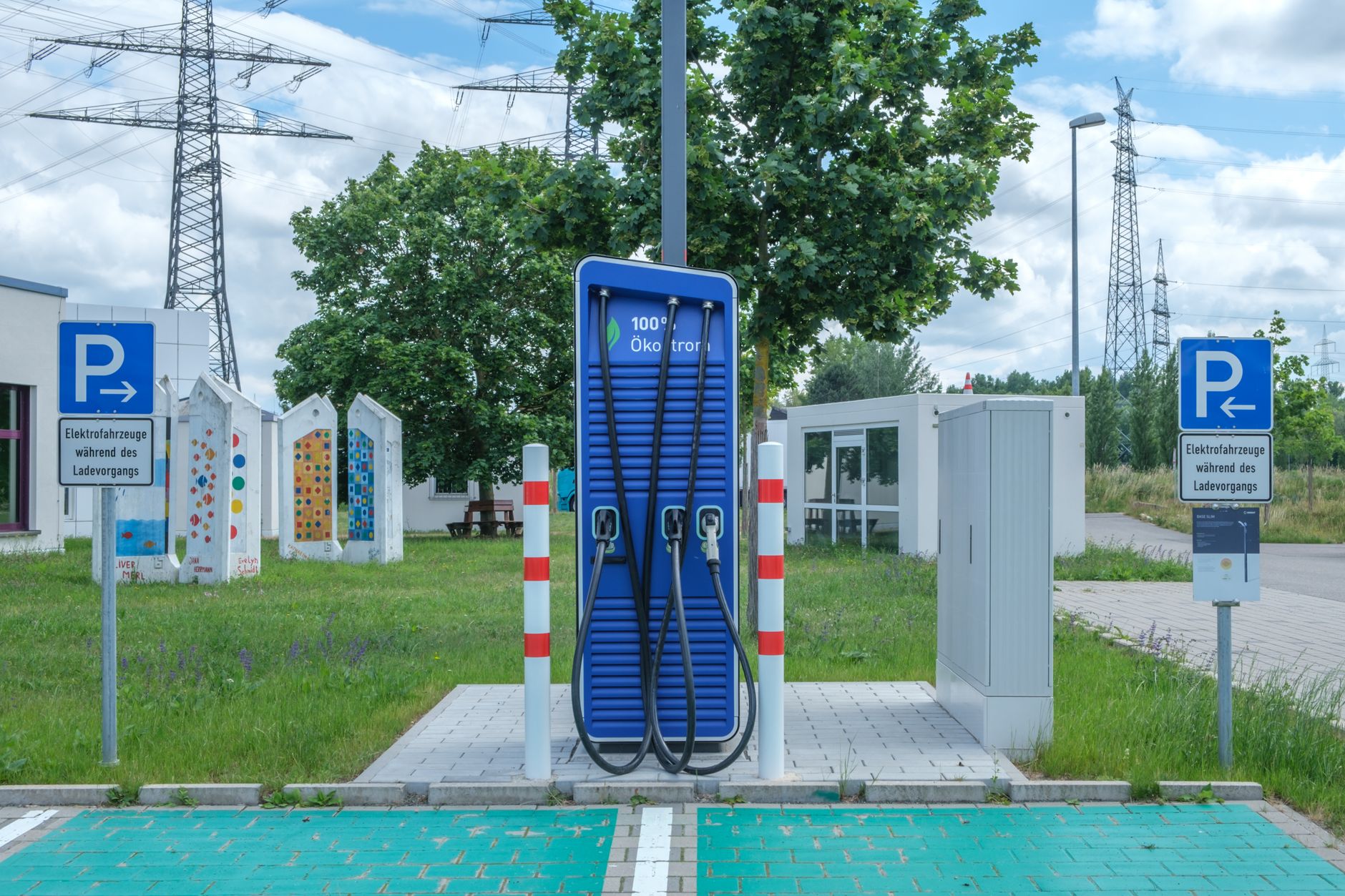
Whether an EV or a gas vehicle is cheaper to drive through central Colorado depends on more than the sticker price of electricity versus gasoline. Between free-to-use Supercharging economics at Poncha Market and the real fuel costs of mountain driving, the comparison is more nuanced than it first appears.
This guide breaks down the actual cost factors for both, using the Denver-to-Poncha-Springs corridor already covered in our Tesla road trip guide as the reference route.
Rather than citing a single national average cost-per-mile figure, which fluctuates constantly and varies by vehicle, this guide focuses on the structural cost differences that matter specifically for a mountain road trip like this one — the factors that shift the comparison regardless of the exact prices on any given day.
The Basic Cost Comparison
Electricity is generally cheaper per mile than gasoline, and that advantage typically holds even accounting for Supercharger pricing, which is usually somewhat higher than charging at home. Over a roughly 145-mile drive from Denver to Poncha Springs, the electricity cost for topping off at a Supercharger is generally lower than the equivalent amount of gasoline for a comparable vehicle, though the exact gap depends on current electricity and gas prices, which both fluctuate.
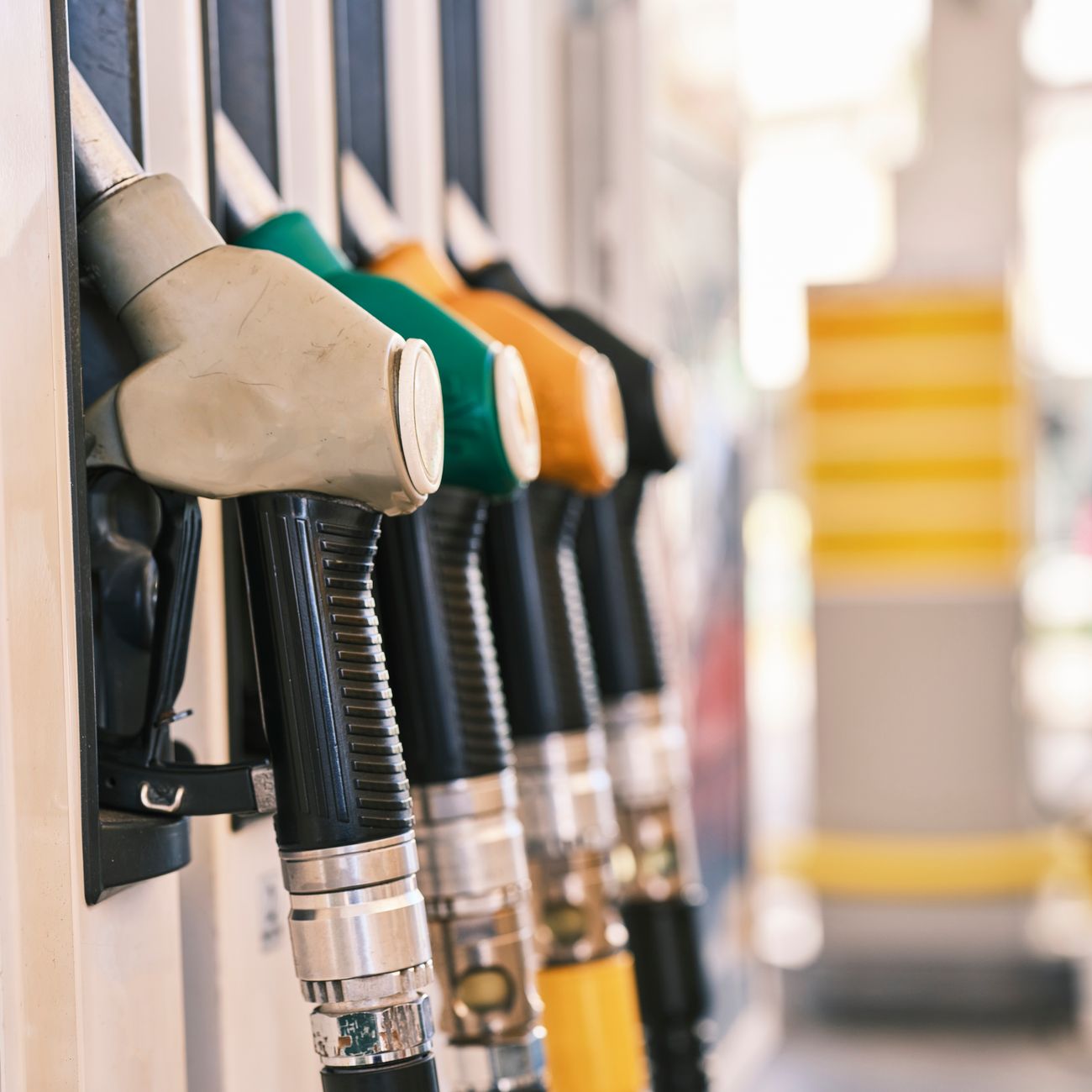
Gas vehicles have their own cost advantage in a different area: refueling takes minutes rather than the 20 to 30 minutes typical of a Supercharging stop, which has a real, if harder to quantify, time value on a longer trip.
Vehicle purchase price and financing terms also factor into any honest comparison, though those costs are spread across years of ownership rather than a single trip, and vary enormously by specific make and model — too broad a topic to reduce to a simple per-mile number for this particular route.
Mountain Driving Changes Both Calculations
Elevation gain affects both vehicle types, just differently. Gas engines lose roughly 3% of power per 1,000 feet of elevation, which can modestly reduce fuel efficiency on sustained climbs like Poncha Pass or Monarch Pass. EVs lose range from both elevation gain and cold temperatures, sometimes more noticeably than gas vehicles lose fuel efficiency, particularly in winter.
Regenerative braking on the descent partially offsets an EV’s climbing losses in a way gas vehicles simply can’t replicate — recovering some energy on the way back down a pass like Poncha Pass or Monarch Pass, rather than losing it entirely to friction braking the way a traditional vehicle does.
This means a round trip that includes a significant climb and descent, like driving over either pass and back, tends to favor EVs more than a purely one-way mileage comparison would suggest — the energy recovered on the way down partially cancels out the extra energy spent on the way up.
Gas vehicles don’t have an equivalent mechanism to recapture energy on a descent, which is one of the more consistent structural advantages EVs carry specifically on mountain routes with real elevation change, regardless of how current fuel and electricity prices happen to compare.
None of this settles the debate definitively in either direction — it simply means a fair cost comparison for this specific corridor has to account for elevation change and regenerative braking, not just a flat per-mile number pulled from a general national average that assumes level ground.
For most travelers, the honest takeaway is that the choice between an EV and a gas vehicle for this specific trip should come down to which vehicle you already own or prefer, not a marginal cost difference that’s unlikely to be dramatic in either direction over a single road trip.
The Hidden Cost Categories
| Cost Factor | Gas Vehicle | Electric Vehicle |
|---|---|---|
| Fuel/energy per mile | Higher, fluctuates with gas prices | Generally lower, fluctuates with electricity rates |
| Refueling time | 5–10 minutes | 20–30 minutes typical at a Supercharger |
| Winter range/efficiency loss | Modest efficiency reduction | Can be more significant, especially cold-soaked batteries |
| Maintenance over time | Regular oil changes, more moving parts | Generally lower routine maintenance |
Time Cost vs. Money Cost
A gas vehicle’s real advantage on this specific route is speed of refueling, not necessarily total cost. An EV’s charging stop at Poncha Market, though, isn’t purely dead time the way sitting at a gas pump is — it doubles as a meal break at Mabel’s Deli, which a gas vehicle driver would likely take anyway on a multi-hour drive, just as a separate stop.
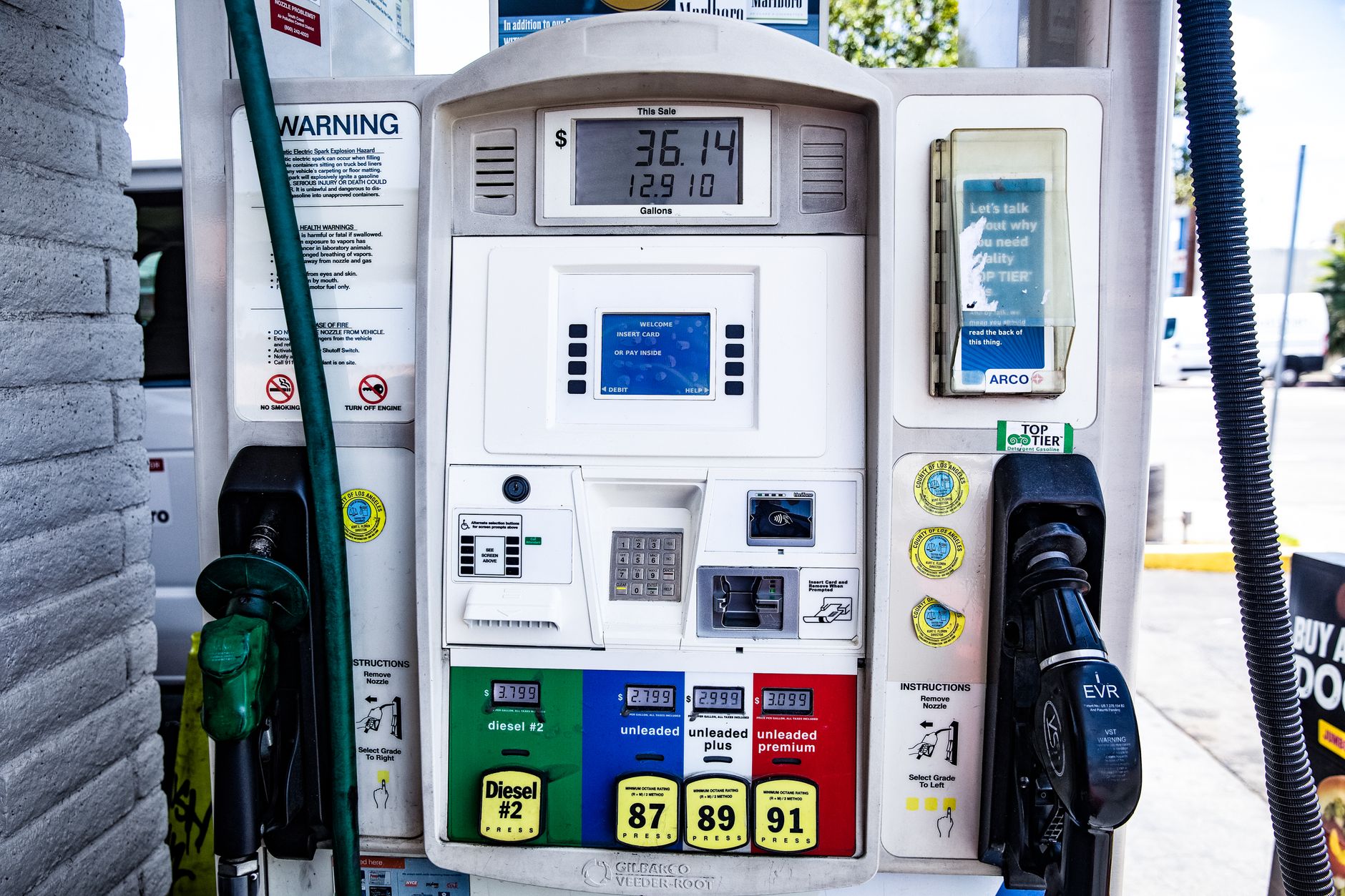
Framed that way, the “extra” charging time on this particular route is partly an illusion — much of it overlaps with a stop most drivers would make regardless of what they’re driving.
What Actually Matters for This Route
- For a single Denver-to-Poncha-Springs trip, the cost difference between EV and gas is unlikely to be dramatic either way — the bigger factor is usually total vehicle ownership cost over time, not one road trip.
- Winter travelers should expect EV range to take a bigger relative hit than gas vehicle fuel efficiency, which affects planning more than raw cost.
- Frequent road trippers on this corridor may find the reliable, free-standing Supercharger station a genuine convenience advantage regardless of the exact cost math.
Frequently Asked Questions
Is it cheaper to drive an EV or gas car to Poncha Springs from Denver?
Generally, electricity costs less per mile than gasoline, though the gap varies with current fuel and electricity prices, and gas refueling is faster.
Does elevation affect EV range?
Yes — both elevation gain and cold temperatures can reduce EV range, sometimes more noticeably than the modest fuel efficiency loss gas engines see at altitude.
How long does Supercharging take at Poncha Market?
Typically 20 to 30 minutes for a substantial charge, roughly the length of a meal at Mabel’s Deli.
Do EVs cost less to maintain than gas vehicles?
Generally yes, over time, due to fewer moving parts and less routine maintenance like oil changes, though this matters more over years of ownership than a single trip.
Is charging time really “lost” time on this route?
Partly not — since the Supercharger sits inside the same building as a real deli, much of that time overlaps with a meal stop a gas vehicle driver would likely take anyway.
Does vehicle purchase price factor into this comparison?
Yes, but it’s spread across years of ownership rather than a single trip, and varies too much by specific make and model to reduce to a simple per-mile figure here.
Which vehicle type is better for this specific route overall?
Neither has a dramatic advantage for a single trip; the bigger factors are personal preference, total ownership costs over time, and how much you value the convenience of the on-site Supercharger versus faster gas refueling.
Planning your route? See our Denver-to-Poncha-Springs Tesla route guide for the full drive breakdown.
For official fuel economy and cost comparison data, see FuelEconomy.gov.



Leave a Reply