
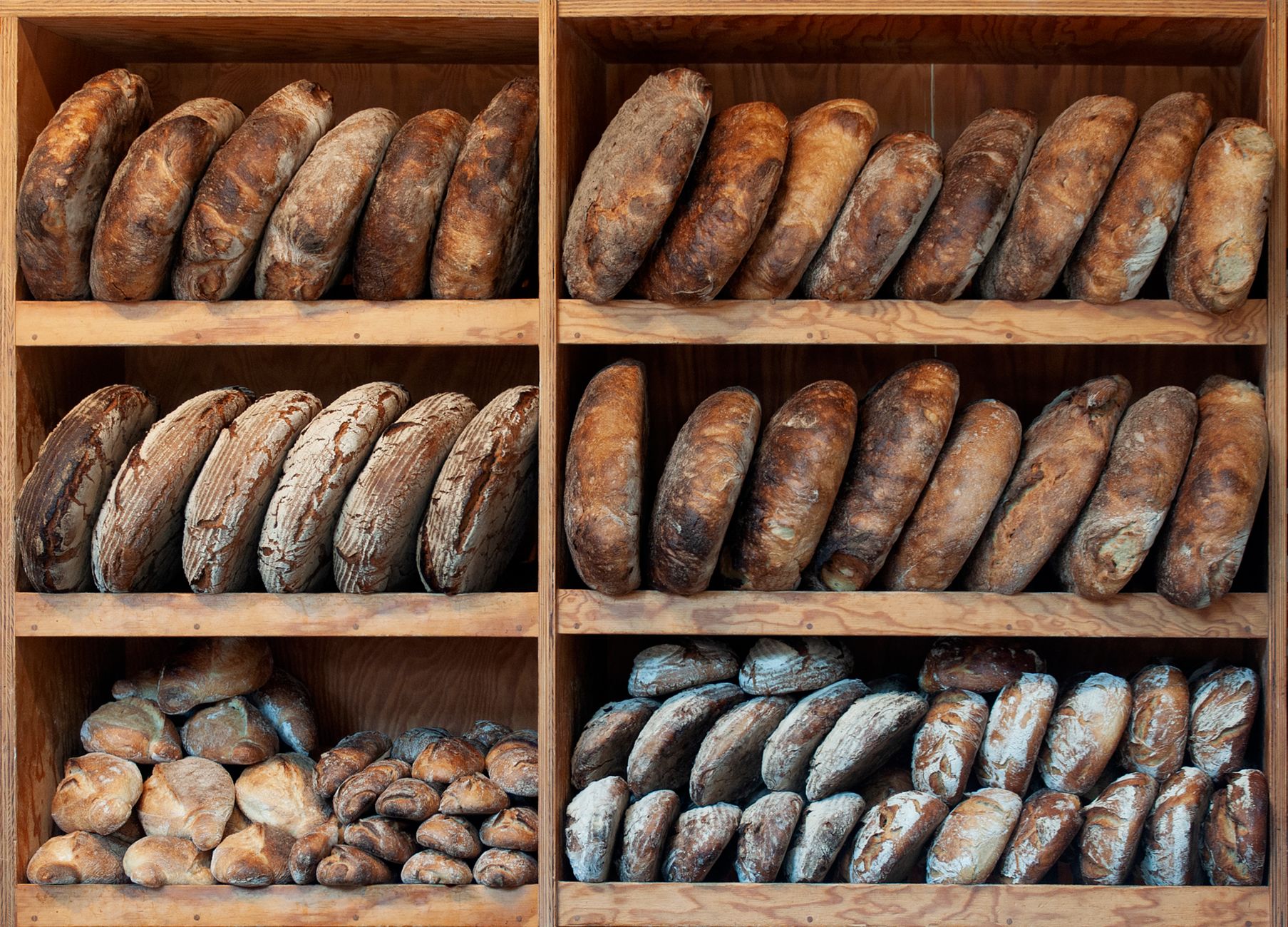
The bread underneath a sandwich shapes the whole eating experience as much as anything inside it, and at Mabel’s Deli inside Poncha Market, the choice of bread is deliberate — marble rye for the Reuben, hoagie rolls for the Philly and the Italian, and gluten-free bread available on request.
Here’s a practical guide to the main bread categories and which sandwiches actually suit them.
Most people default to whatever bread is already in the kitchen without thinking much about the pairing, but the difference between a sandwich built on the right bread versus the wrong one is genuinely noticeable — not just in taste, but in whether the sandwich holds together at all.
A good real-world test is thinking about how a specific bread would hold up to being picked up, packed, or carried before you commit to it. Bread that seems fine on a plate at home can behave very differently once it’s wrapped and jostled around in a car for an hour.
Classic Loaf Breads
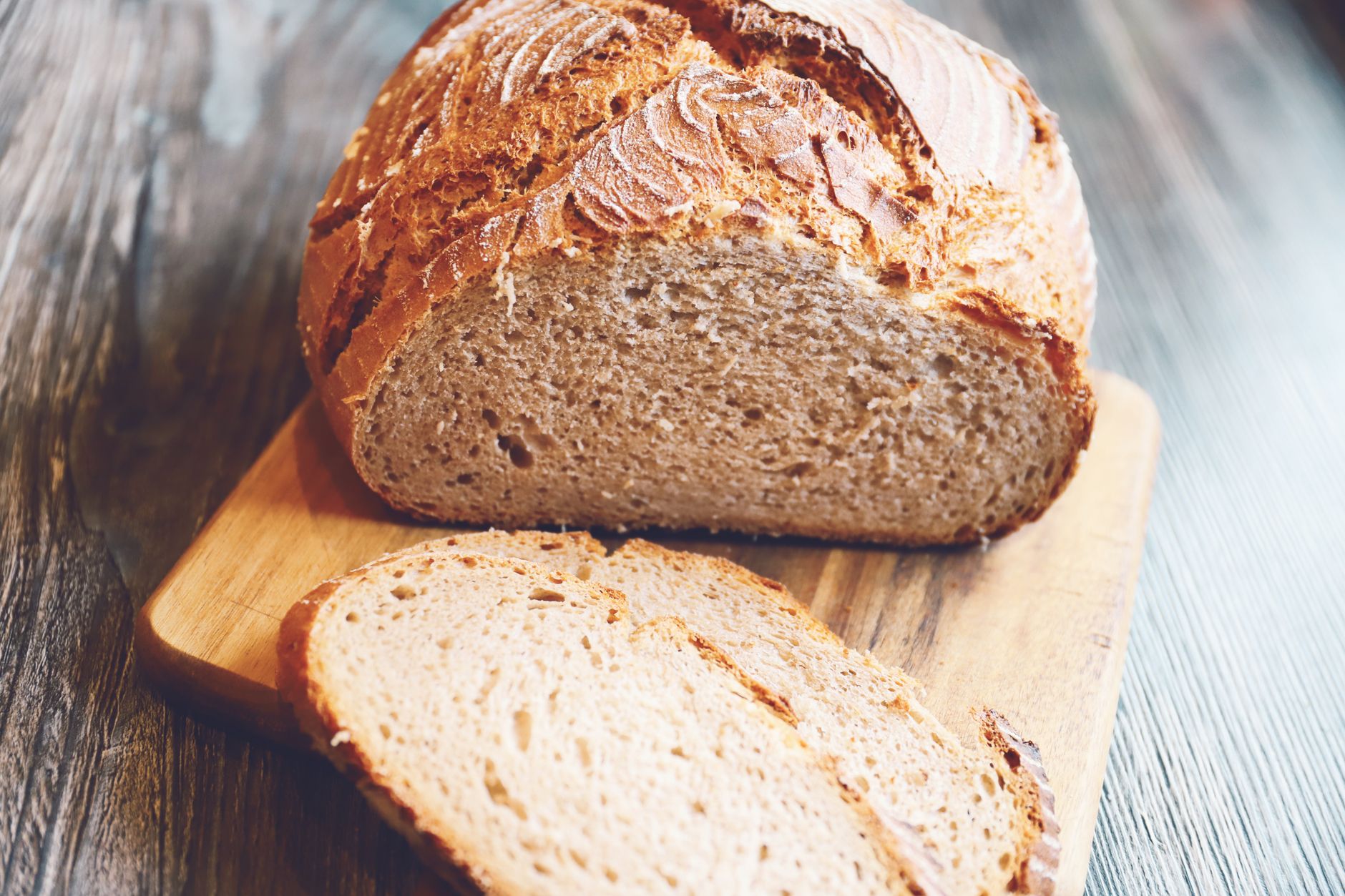
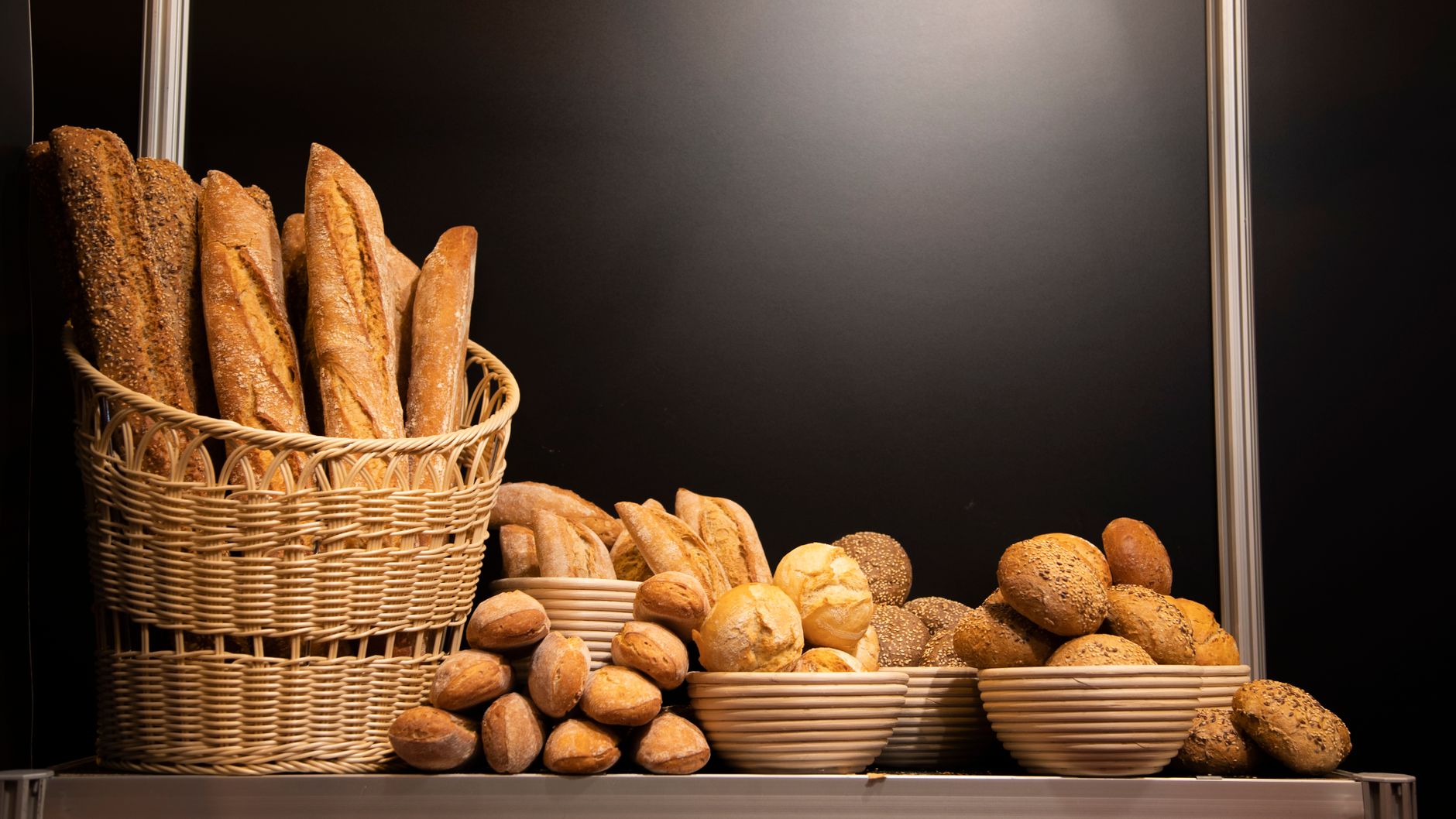
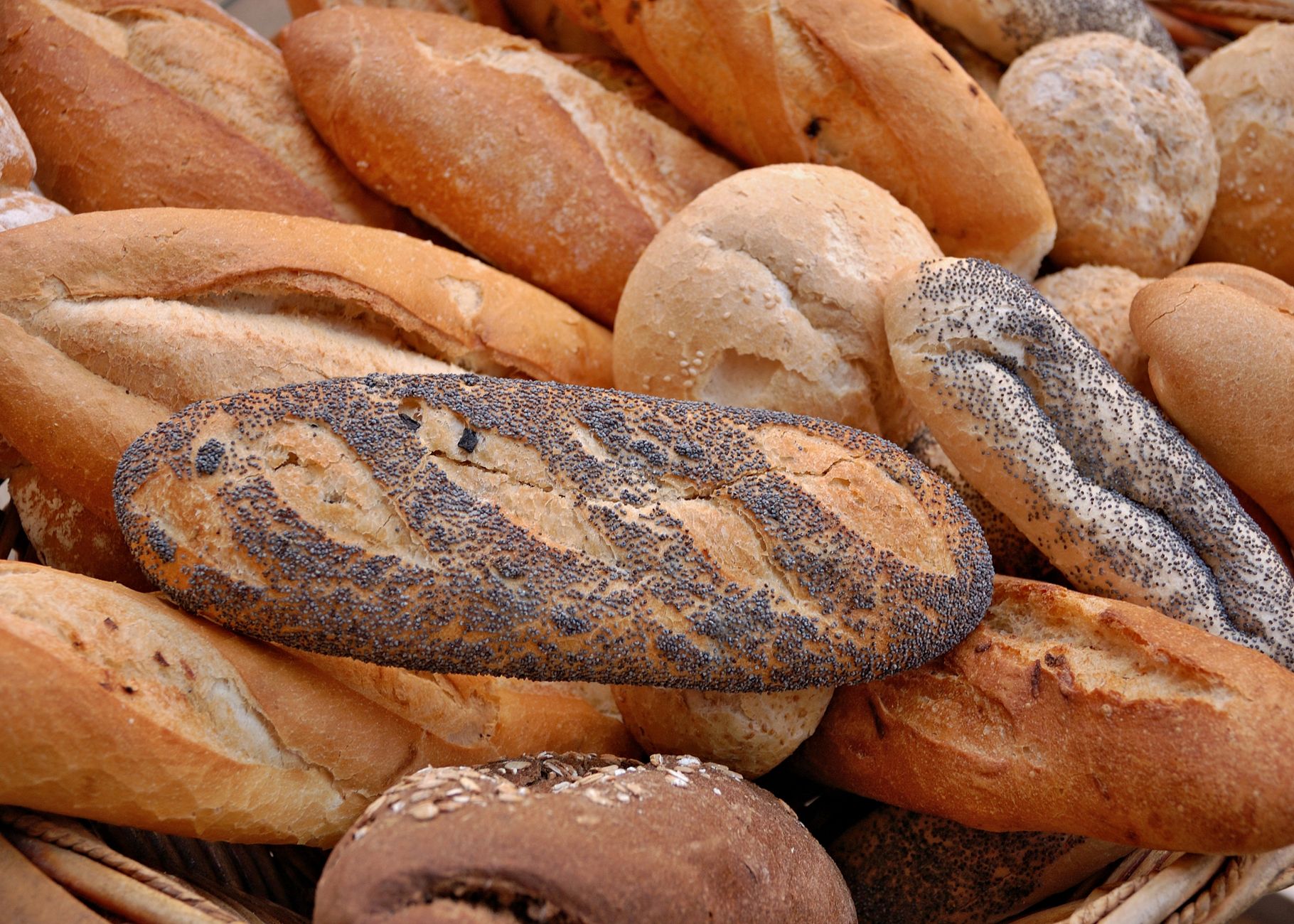
White bread is one of the most versatile sandwich breads, working well for everything from grilled cheese to PB&J, though it offers the least structure for heavier fillings. Whole wheat and multigrain breads bring a nuttier, slightly sweet flavor that pairs well with lighter ingredients like turkey, avocado, or hummus, along with more fiber than white bread.
The fiber difference between white and whole wheat isn’t just a minor nutritional footnote either — whole grain breads retain the bran and germ that refined white flour strips out, which is a genuine, measurable nutritional distinction rather than just a marketing claim.
Rye bread, with its rich, hearty flavor and denser, darker texture, is the traditional choice for classic deli-style sandwiches like the Reuben or a corned beef sandwich — a bread sturdy enough to stand up to hot fillings and grilling.
Marble rye specifically, which combines both light and dark rye doughs swirled together, gives the same sturdiness as standard rye with a slightly milder flavor and a distinctive look — part of why it’s such a common choice for a Reuben specifically, where you want the bread visible in the final presentation.
See our full marble rye vs. regular rye bread comparison for more detail on this specific bread.
Specialty Breads
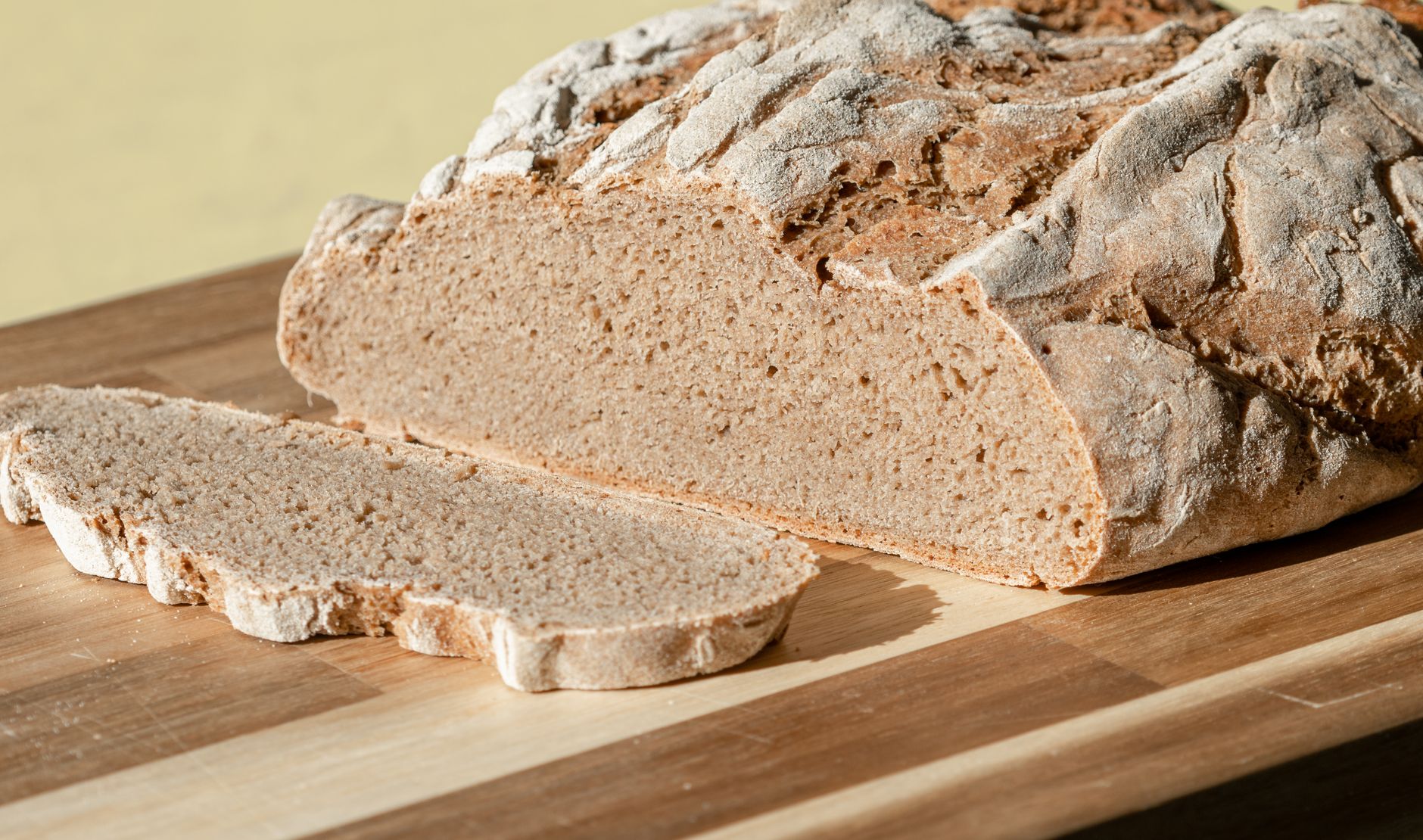
Sourdough’s distinct tangy flavor and chewy texture, developed through fermentation, pairs well with savory fillings like cured meats, cheeses, or pickled vegetables. Soft breads like brioche, potato rolls, or challah emphasize tenderness and work best with delicate fillings — egg salad, smoked salmon, or cold cuts with a creamy spread.
The fermentation process behind sourdough also gives it a longer natural shelf life than many other bread styles, since the acidity that develops during fermentation helps slow mold growth — a practical bonus beyond just flavor for anyone keeping a loaf around for more than a day or two.
Hoagie Rolls and Long Rolls
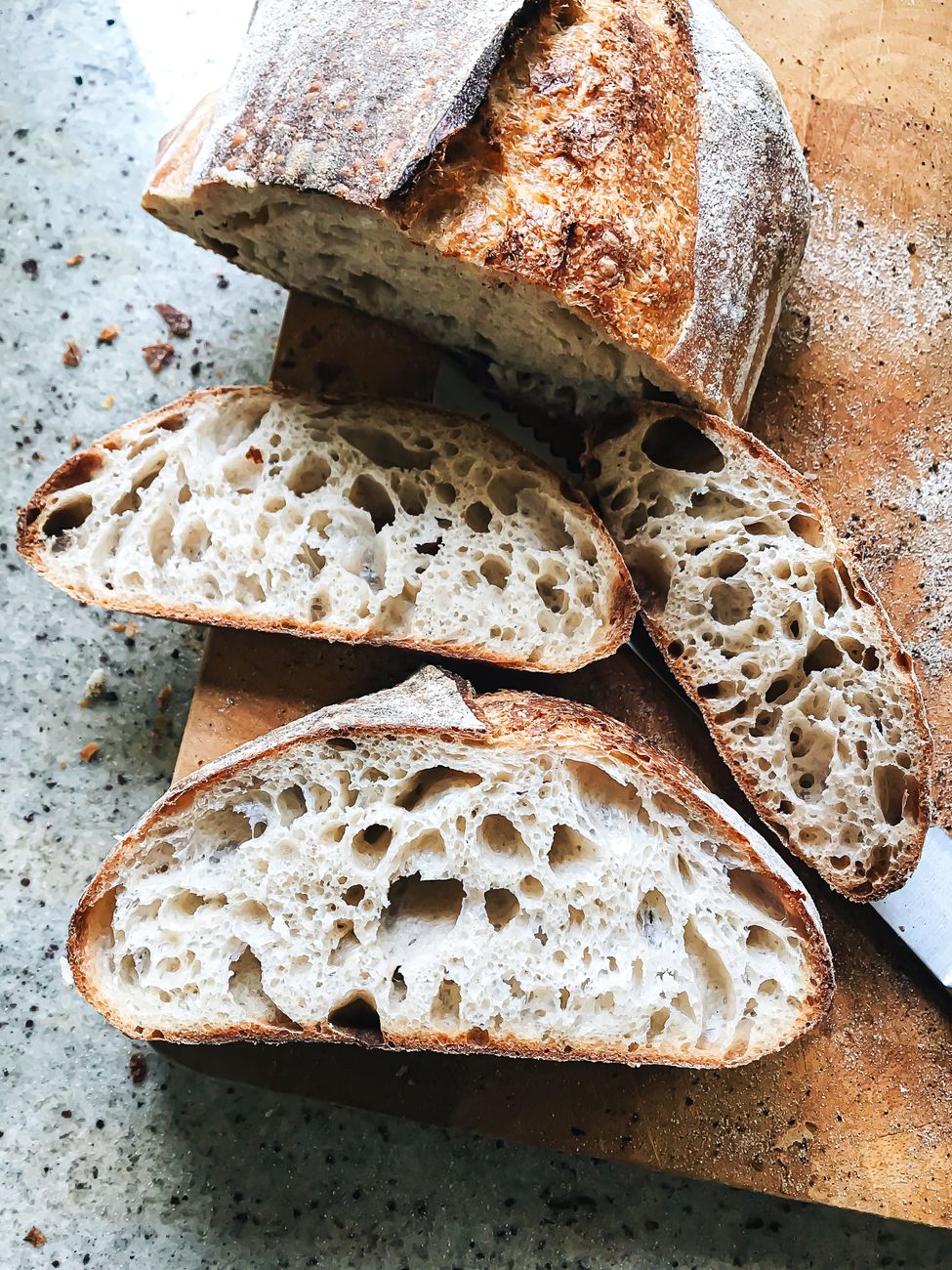
Ciabatta’s hearty, open texture and chewy crust make it a strong choice for paninis and heartier sandwiches. Hoagie-style rolls specifically — the standard for Philly cheesesteaks and Italian subs — need to be soft enough to bite through easily but sturdy enough to hold juicy fillings without falling apart. See our guide to hoagie, sub, and hero terminology for more on this specific bread style.
Matching Bread to Filling: A Quick Reference
| Filling Style | Best Bread |
|---|---|
| Hot corned beef or pastrami | Rye, ideally marble rye |
| Shaved steak and cheese | Soft hoagie roll |
| Cured meats and cheese | Sourdough or ciabatta |
| Delicate fillings (egg salad, salmon) | Soft bread like brioche or potato roll |
| Build-your-own with fresh veggies | Whole wheat or multigrain for texture and fiber |
The Key Principle
The underlying rule across all of these choices is balance: a sturdy bread for saucy or heavily layered sandwiches, and a soft one for subtle, melt-in-your-mouth combinations. Mismatching the two — a soft potato roll under a heavy, wet corned beef pile, for instance — is one of the most common reasons a homemade sandwich falls apart before you finish it.
When in doubt, err toward a sturdier bread rather than a softer one. A slightly-too-firm bread under a light filling is a minor inconvenience; a too-soft bread under a heavy, wet filling usually means the sandwich doesn’t survive being picked up at all.
Frequently Asked Questions
What bread is best for a Reuben?
Rye bread, traditionally marble rye, sturdy enough to hold hot corned beef and grill well.
What bread is used for a Philly cheesesteak?
A soft hoagie-style roll, traditionally an Amoroso roll in Philadelphia.
What bread should I avoid for heavy sandwiches?
Very soft breads without much structure, like plain white sandwich bread, tend to fall apart under heavy or wet fillings.
Is sourdough good for sandwiches?
Yes, particularly for cured meats and cheeses, where its tangy flavor complements savory fillings.
Does Mabel’s Deli offer gluten-free bread?
Yes — see our gluten-free sandwich guide for details.
What is marble rye bread?
Rye bread made by swirling together light and dark rye doughs, giving it both a distinctive appearance and a slightly milder flavor than standard dark rye.
Is ciabatta good for sandwiches?
Yes, particularly for paninis and heartier sandwiches, thanks to its open texture and chewy crust.
Should I choose a sturdier or softer bread when unsure?
Err toward sturdier — a too-firm bread under a light filling is a minor issue, while a too-soft bread under a heavy filling often means the sandwich falls apart entirely.
Is whole wheat bread actually more nutritious than white?
Yes — it retains the bran and germ that refined white flour strips out, giving it a genuine fiber and nutrient advantage rather than just a marketing distinction.
Curious what bread pairs with what? See our Mabel’s Deli menu guide to see the bread choices used for each real menu item.
For deeper baking technique and bread science, see King Arthur Baking.
Leave a Reply