
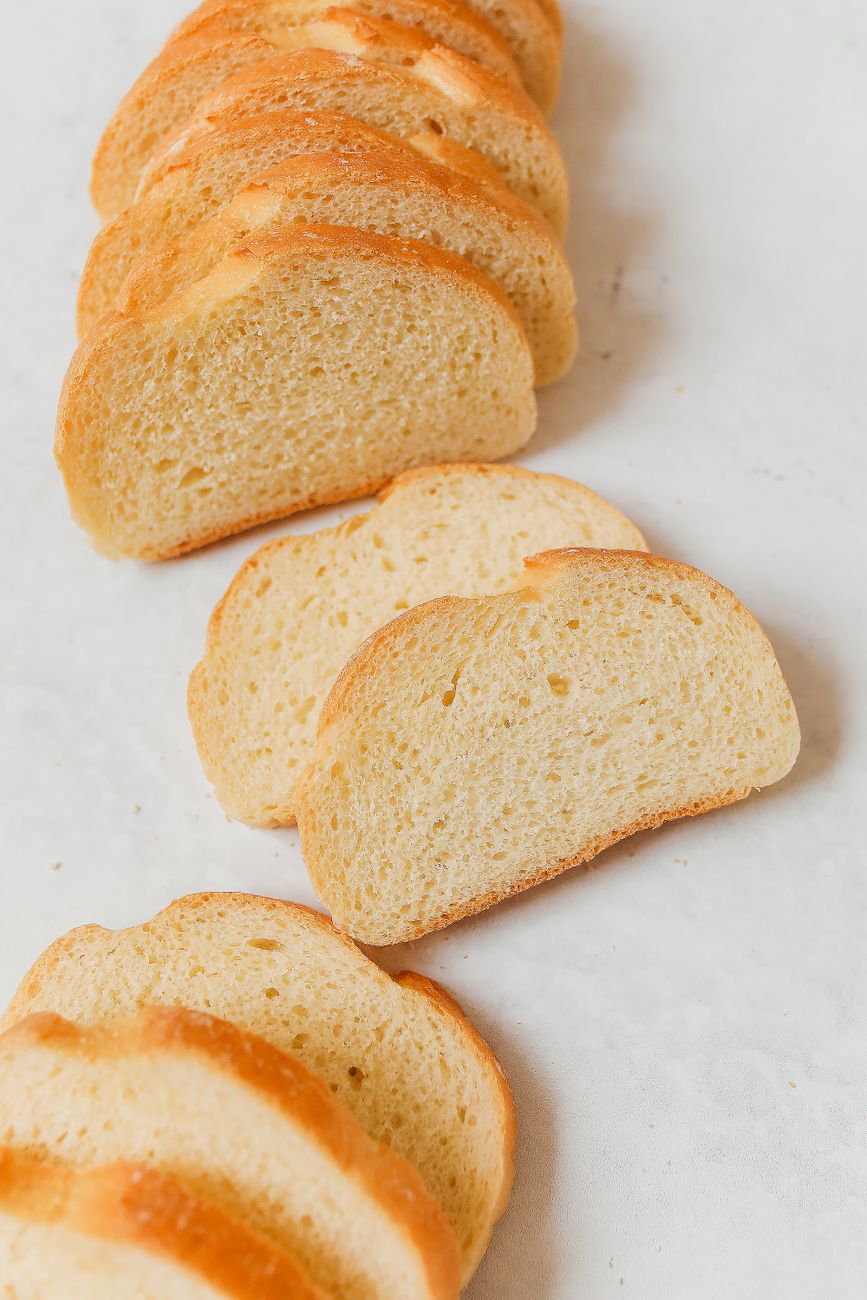
Eating gluten-free on a road trip takes more planning than eating gluten-free at home, where your own kitchen and pantry are always within reach. Mabel’s Deli inside Poncha Market offers gluten-free bread for build-your-own sandwiches, wraps, and salads — a real option worth knowing about before you’re hungry on the highway.
Here’s what actually matters for eating gluten-free while traveling, beyond the general “check the label” advice.
The core challenge with gluten-free eating on the road isn’t usually finding food at all — it’s finding food you can trust wasn’t cross-contaminated during prep, and food that will still taste good after being handled the way road trip food often is.
Confidence matters as much as the actual gluten content here. A traveler managing celiac disease specifically needs a genuinely dedicated prep process, not just a gluten-free-labeled ingredient handled on the same surface as regular bread, which is a meaningfully higher bar than casual gluten avoidance.
Why Gluten-Free Bread Behaves Differently
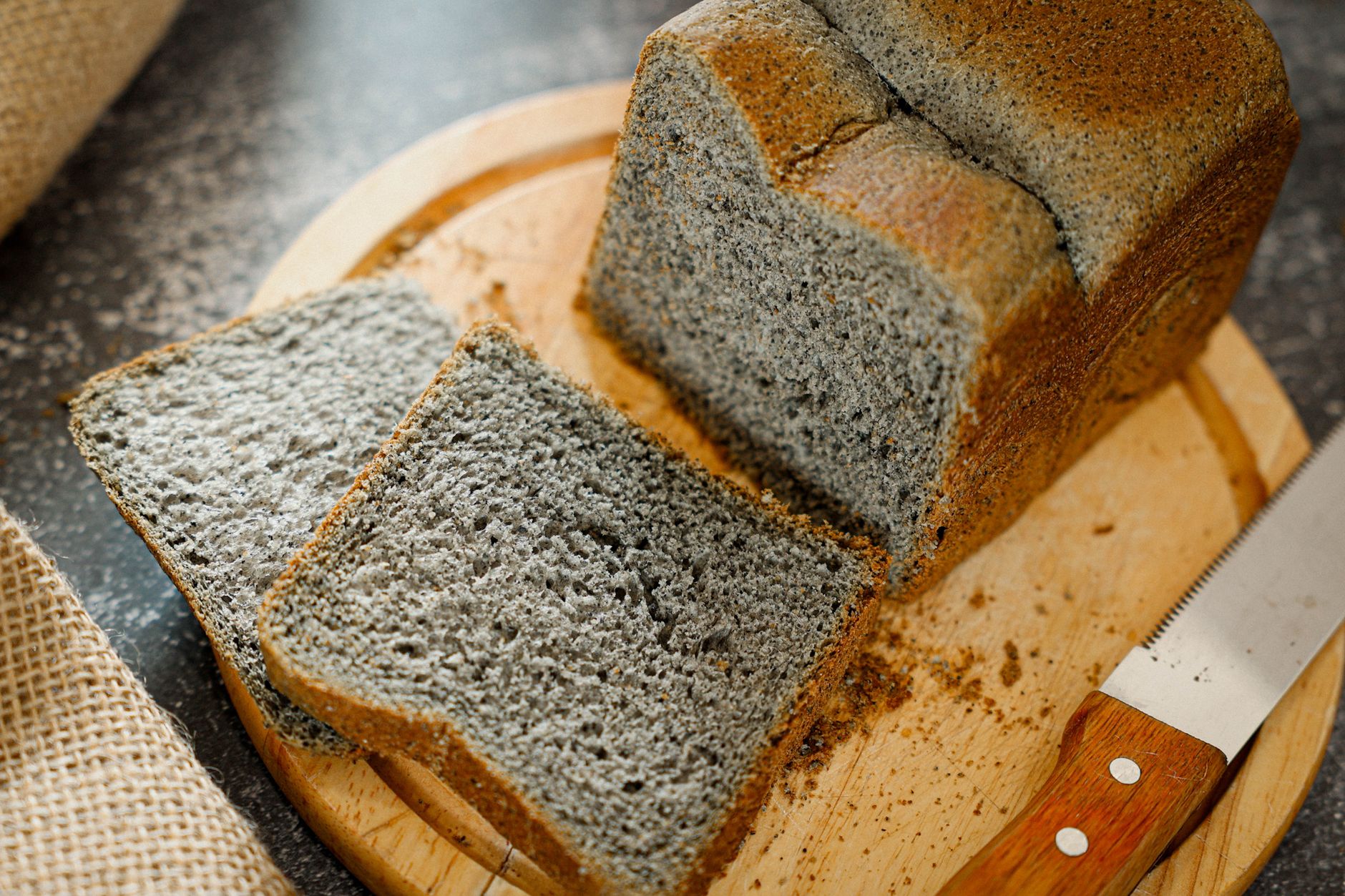
Gluten-free bread is often more crumbly than traditional bread, since it lacks the protein structure gluten normally provides. Toasting it before building a sandwich helps preserve that structure and makes it noticeably less likely to fall apart mid-bite — a small step that makes a real difference.
This isn’t a flaw in any particular gluten-free bread brand — it’s a structural reality of baking without gluten’s elasticity, and it applies fairly consistently across most gluten-free bread products on the market, homemade or store-bought.
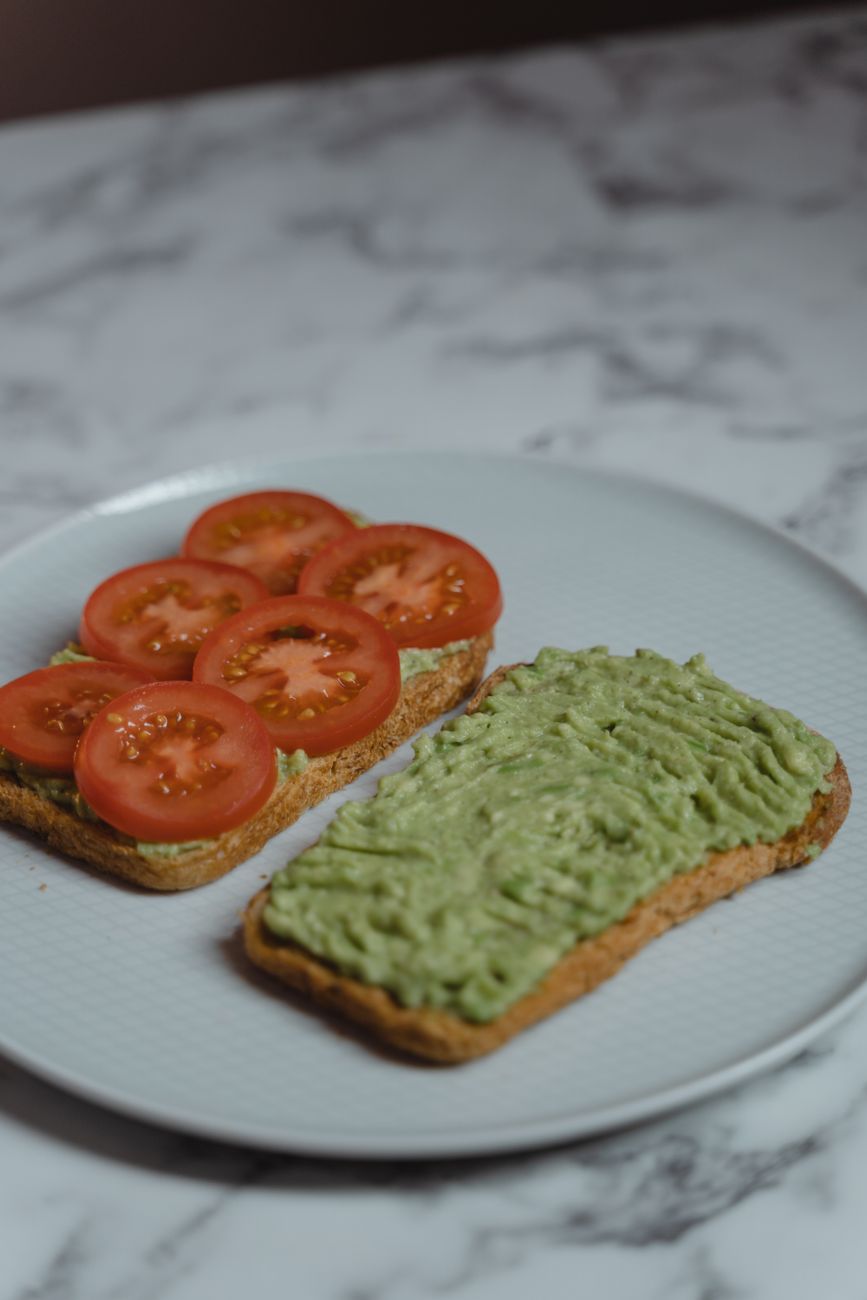
What to Add for a Better Gluten-Free Sandwich
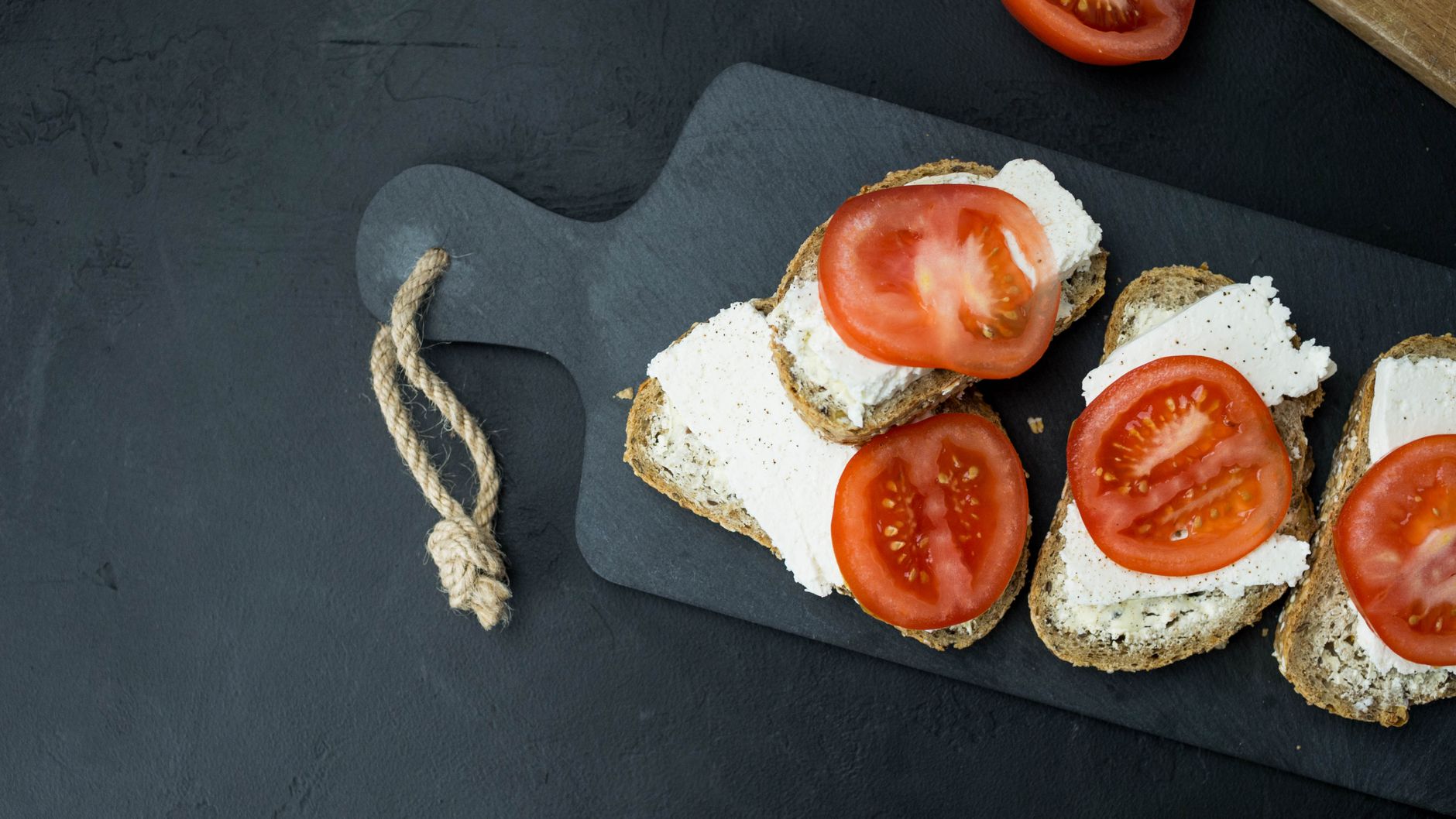
- Gluten-free deli meat, hummus, cream cheese, vegetables, and cheese all help hold a gluten-free sandwich together and add moisture that crumbly bread often lacks.
- A small amount of condiment goes a long way toward preventing dryness, which is a more common complaint with gluten-free bread than with standard sandwich bread.
- Avoid overloading a gluten-free sandwich the way you might with a sturdier bread; smaller, well-balanced portions hold together better.
Packing Gluten-Free Food for a Road Trip
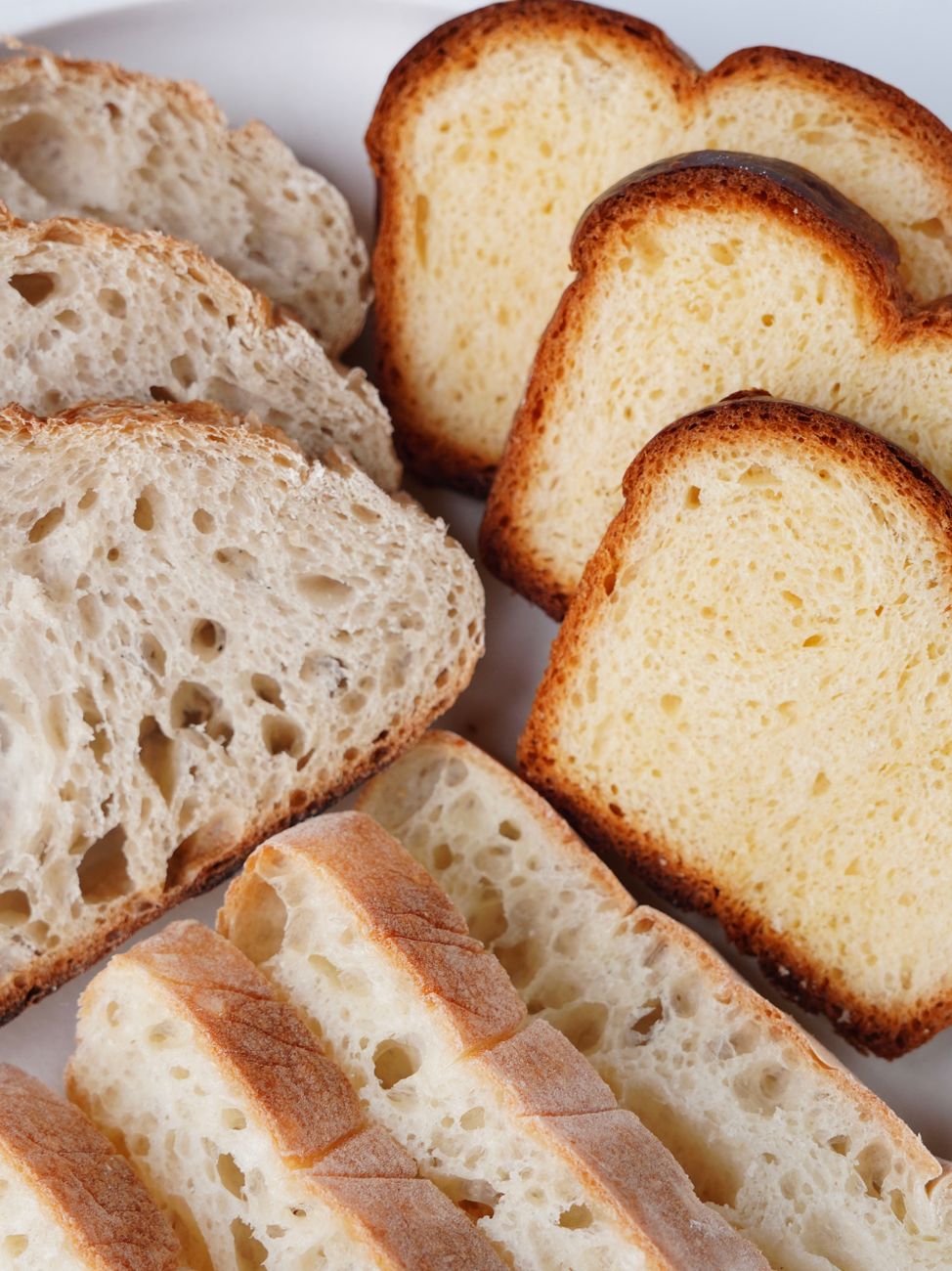
For longer trips, packing a few gluten-free staples from home — crackers, a backup loaf of bread, or pre-made sandwiches — is standard advice among experienced gluten-free travelers, since you can’t always rely on finding safe options at every stop. If your route includes fresh meat or soft cheese, using frozen bread for the trip helps it thaw naturally and keeps the sandwich cool along the way.
Researching Stops Before You Leave
Checking what’s available near your planned route, including grocery stores and gas station delis, before you leave gives you a backup plan if your packed supply runs low. It’s also worth calling ahead to a specific stop if gluten-free needs are serious enough that cross-contamination is a real concern, rather than assuming.
Apps and online reviews focused specifically on gluten-free dining have grown considerably in recent years, and checking one before a long road trip can save real time versus discovering on arrival that a planned stop doesn’t actually have a reliable option.
What to Order at a Real Deli Counter
At a stop like Mabel’s Deli, asking directly about gluten-free bread availability is worth doing rather than assuming it’s prominently listed on the menu board — it’s often available on request even when it isn’t the default option shown.
This is a genuinely common pattern at independent delis generally, not just this one: gluten-free options frequently exist behind the counter without being prominently advertised on a printed menu board, simply because demand doesn’t justify a permanently listed menu line the way it might at a larger chain.
Being direct and specific when asking — naming the exact concern rather than a general “do you have gluten-free options” question — tends to get a more useful answer from counter staff who may not otherwise think to mention every available substitution.
This same principle applies at any unfamiliar stop on a road trip, not just at Mabel’s Deli specifically — a direct, specific question about bread substitutions or prep practices generally gets a more useful answer than a vague one.
Frequently Asked Questions
Why is gluten-free bread more crumbly?
It lacks the protein structure gluten normally provides, which is what gives traditional bread its elasticity and hold.
Should I toast gluten-free bread for sandwiches?
Yes — toasting helps preserve its structural integrity and makes it considerably less prone to falling apart.
Does Mabel’s Deli have gluten-free bread?
Yes, available for build-your-own sandwiches, wraps, and salads — ask at the counter if it’s not clearly listed.
What should I pack for gluten-free road trip eating?
A few reliable staples from home — crackers, bread, or pre-made sandwiches — as a backup in case options along the route are limited.
How can I make a gluten-free sandwich less dry?
Add moisture-rich ingredients like hummus, cream cheese, or extra condiments, since gluten-free bread tends to be drier than standard bread.
Is gluten-free the same as celiac-safe?
Not necessarily — celiac disease requires genuinely dedicated prep to avoid cross-contamination, a higher standard than casual gluten avoidance alone.
Can I bring homemade gluten-free bread on a road trip?
Yes — many gluten-free travelers pack their own bread from home specifically because reliable options aren’t guaranteed at every stop.
Are there apps for finding gluten-free food while traveling?
Yes — several apps and review platforms focus specifically on gluten-free dining, and checking one before a trip can save time versus discovering a gap on arrival.
Why isn’t gluten-free bread always on the printed menu?
It’s often available on request even when not prominently listed, a common pattern at independent delis where demand doesn’t justify a permanent menu line.
Traveling gluten-free? See our Mabel’s Deli menu guide for build-your-own options with gluten-free bread.
For broader gluten-free travel guidance, see the Gluten Intolerance Group.
Leave a Reply