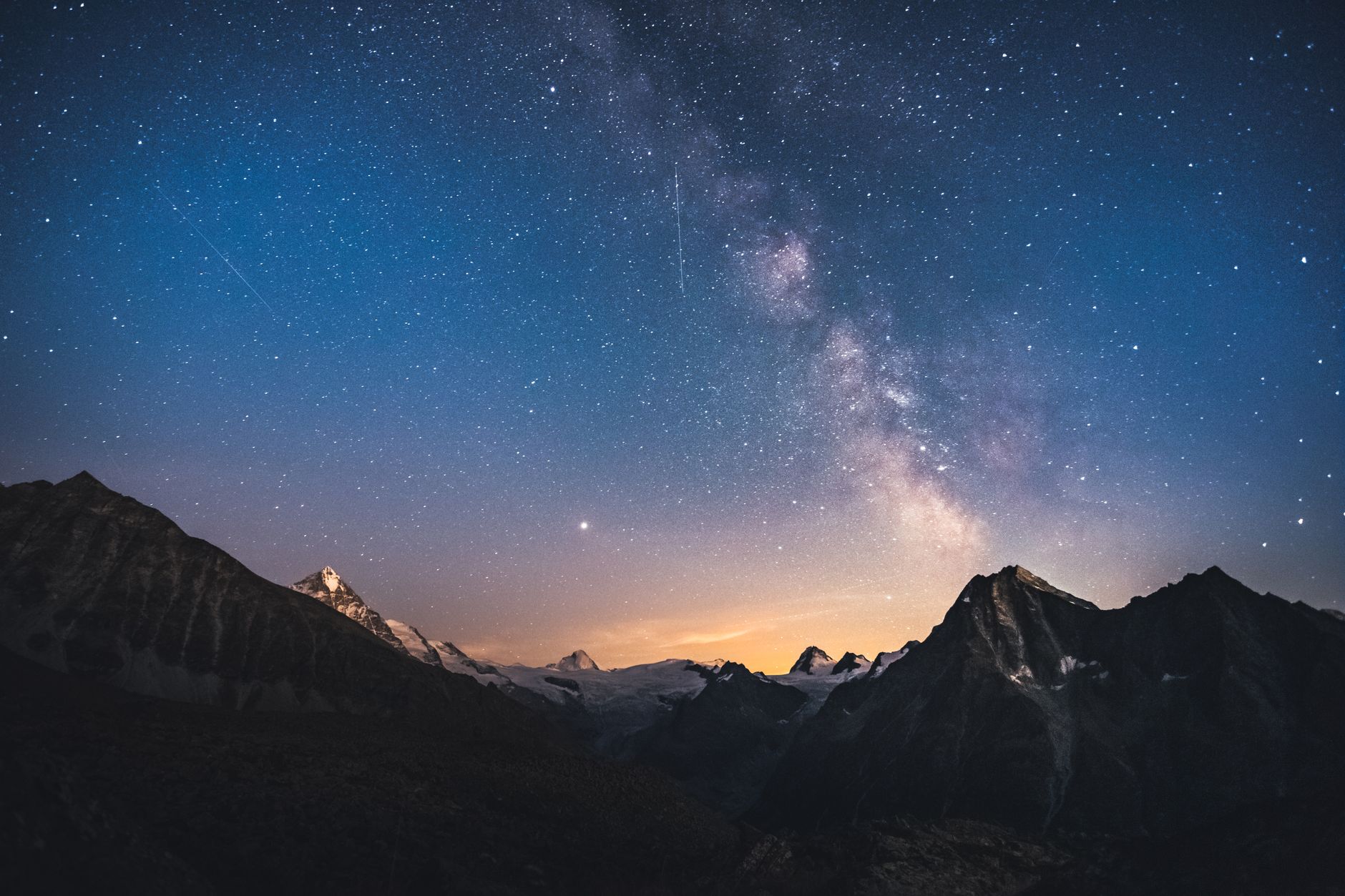
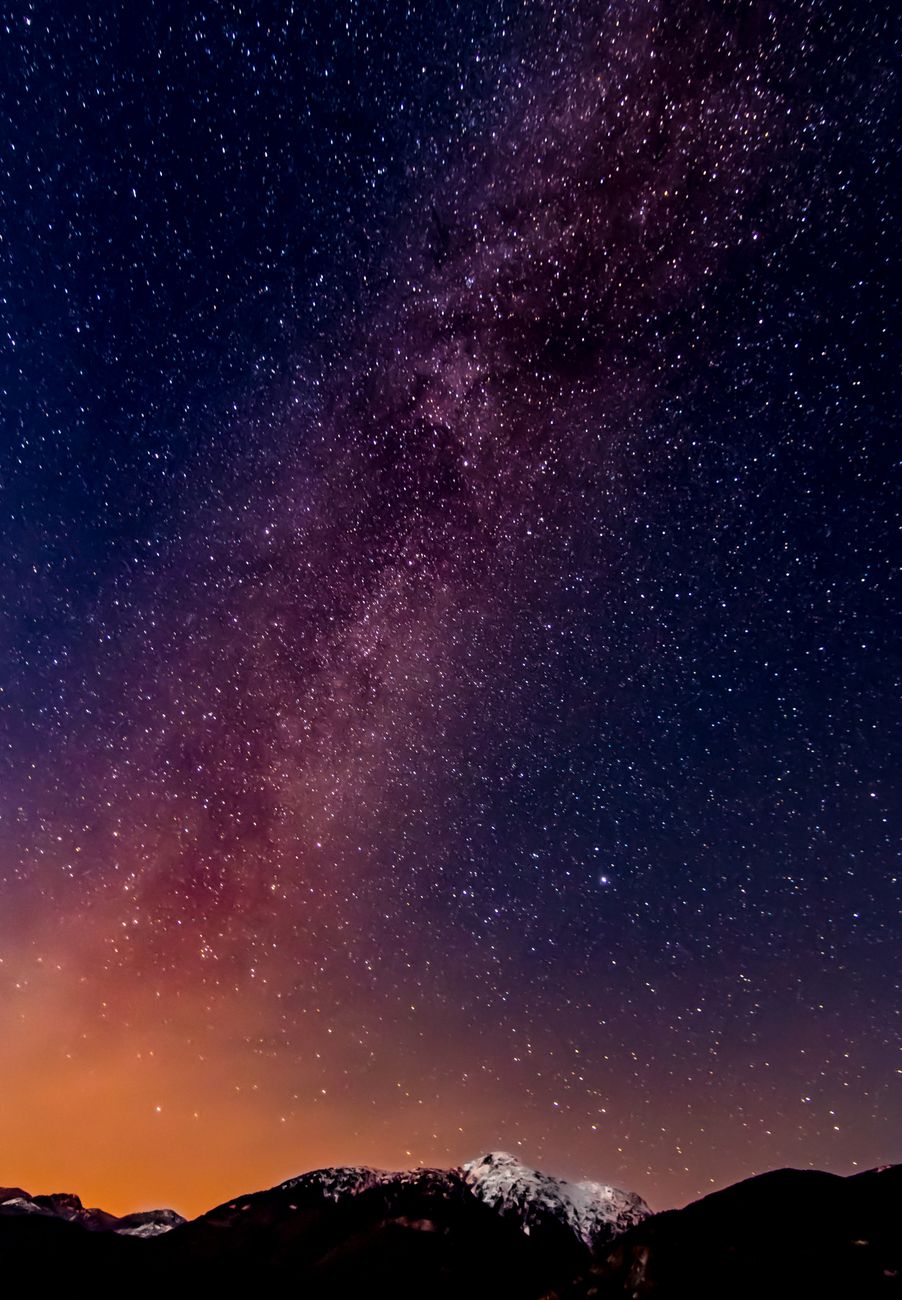
Colorado has 21 certified Dark Sky Places, second only to Utah among U.S. states — and the high country surrounding Poncha Market in Poncha Springs shares the same conditions that make those certified sites so good: high elevation, low humidity, and minimal light pollution.
You don’t need an officially certified Dark Sky Place to get a genuinely good view of the night sky here — the elevation and rural setting around Poncha Springs already do most of the work.
For travelers coming from major cities, where light pollution makes the Milky Way essentially invisible year-round, a clear night in this part of Colorado can be a genuinely striking experience, independent of any official designation.
Why Elevation and Humidity Matter
Low humidity and high elevation create ideal stargazing conditions, since there’s less atmosphere and moisture between you and the sky to scatter and dim starlight. Chaffee County’s elevation, generally between 7,000 and 9,000 feet in the valley, puts it solidly in the range that Colorado’s best-known stargazing communities share.
Combined with minimal nearby urban development, this makes the open stretches of highway and surrounding public land around Poncha Springs genuinely competitive with more famous, officially designated dark sky destinations elsewhere in the state.
Colorado’s overall standing — second only to Utah for certified Dark Sky Places — reflects a broader pattern across the state’s high-elevation regions generally, not just a handful of isolated locations. Chaffee County shares the same fundamental geography that earned other parts of Colorado their official certifications.
A Nearby Certified Dark Sky Park
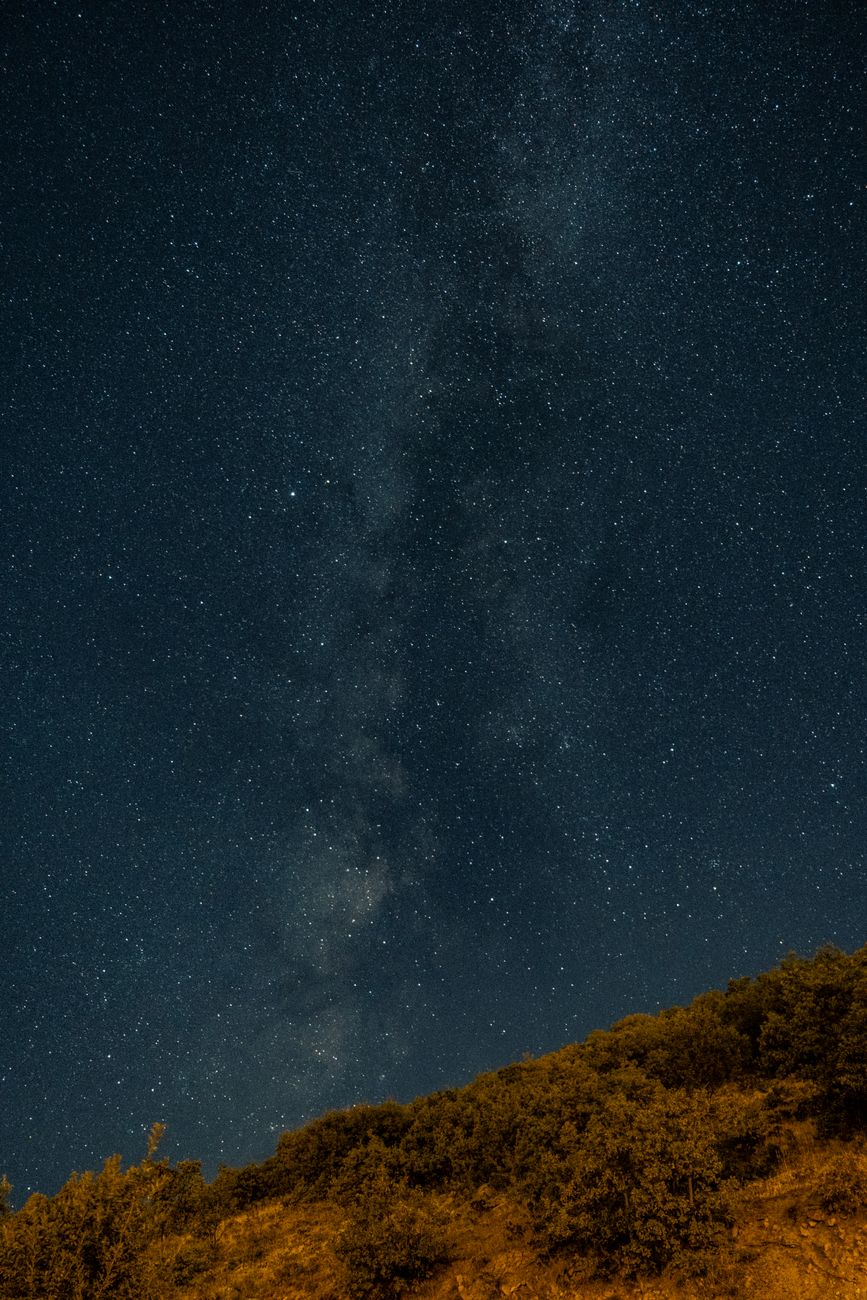
Great Sand Dunes National Park, about two hours south of Salida, is an officially certified International Dark Sky Park — one of the premier stargazing destinations in Colorado, and directly reachable from Poncha Springs via the same route covered in our Great Sand Dunes road trip guide.
Combining a dune hike during the day with stargazing after dark makes for a genuinely full day at the park, and the open, treeless dune field itself offers an unusually unobstructed horizon for night sky viewing compared to a typical forested mountain overlook.
Tips for Stargazing at Altitude
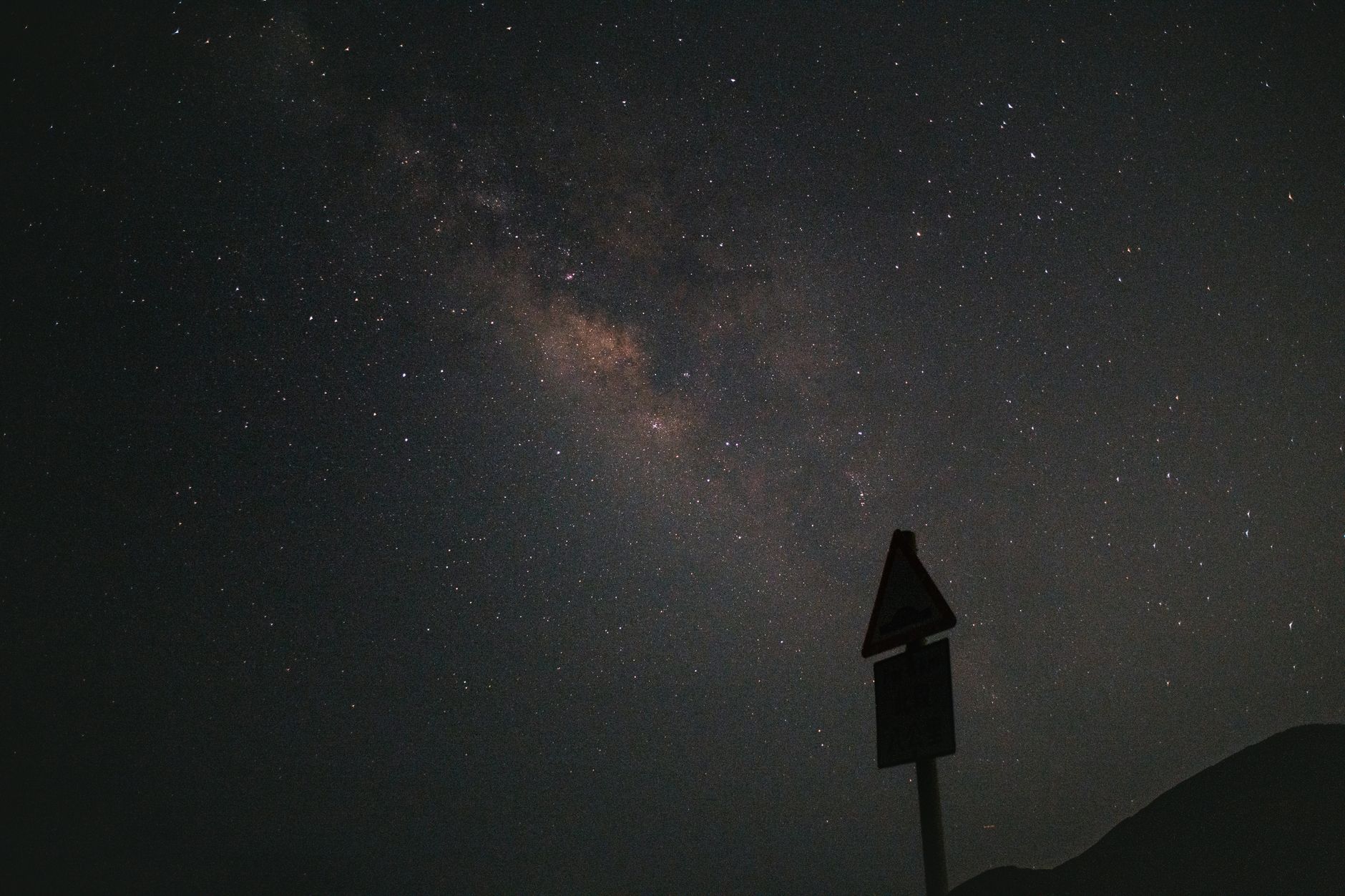
- Plan around the new moon for the darkest possible skies; a full moon washes out all but the brightest stars and the Milky Way.
- Give your eyes at least 20 to 30 minutes to fully adjust to the dark before expecting to see fainter detail.
- Temperatures drop quickly after sunset at this elevation, even in summer — bring warmer layers than you’d expect to need.
- A red-light flashlight preserves night vision better than a standard white flashlight if you need to see your surroundings.
Where to Look Locally
Pull-offs along US-285 and US-50 away from any town lighting, or higher elevation spots like the summit areas of Poncha Pass or Monarch Pass, offer genuinely dark conditions without needing to drive all the way to a certified park. Always pull well off the road and use hazard lights if you’re stopping specifically to look up.
Higher elevation doesn’t just mean darker skies — it also means less atmosphere between you and the stars, which is a genuinely different physical effect than simply being farther from city lights. Both factors compound at a summit pull-off, which is part of why these spots consistently outperform lower-elevation viewing locations nearby.
That said, safety comes first at any nighttime roadside stop — choose a wide, well-lit pull-off rather than a narrow shoulder, and never attempt to stargaze from a spot with limited visibility for other drivers, regardless of how tempting a particular view looks.
A basic star chart app on your phone, set to a red-light or night mode, can help identify constellations and planets without ruining your night vision the way a normal bright screen would — a simple, free upgrade to any casual stargazing stop.
Meteor showers throughout the year add another reason to plan a stargazing stop around a specific date rather than just any clear night — checking a current meteor shower calendar before your trip can turn an already good sky into a genuinely memorable one.
For travelers combining a stargazing stop with a longer overnight trip through the area, checking multiple nights’ forecasts rather than committing to just one gives a meaningfully better chance of catching genuinely clear conditions, since mountain weather here can vary noticeably from one night to the next.
Ultimately, the simplest version of stargazing here requires nothing more than pulling safely off the highway on a clear night and looking up — everything else in this guide is about optimizing an experience that, at its core, is already freely available to anyone passing through.
Combining Stargazing With a Road Trip
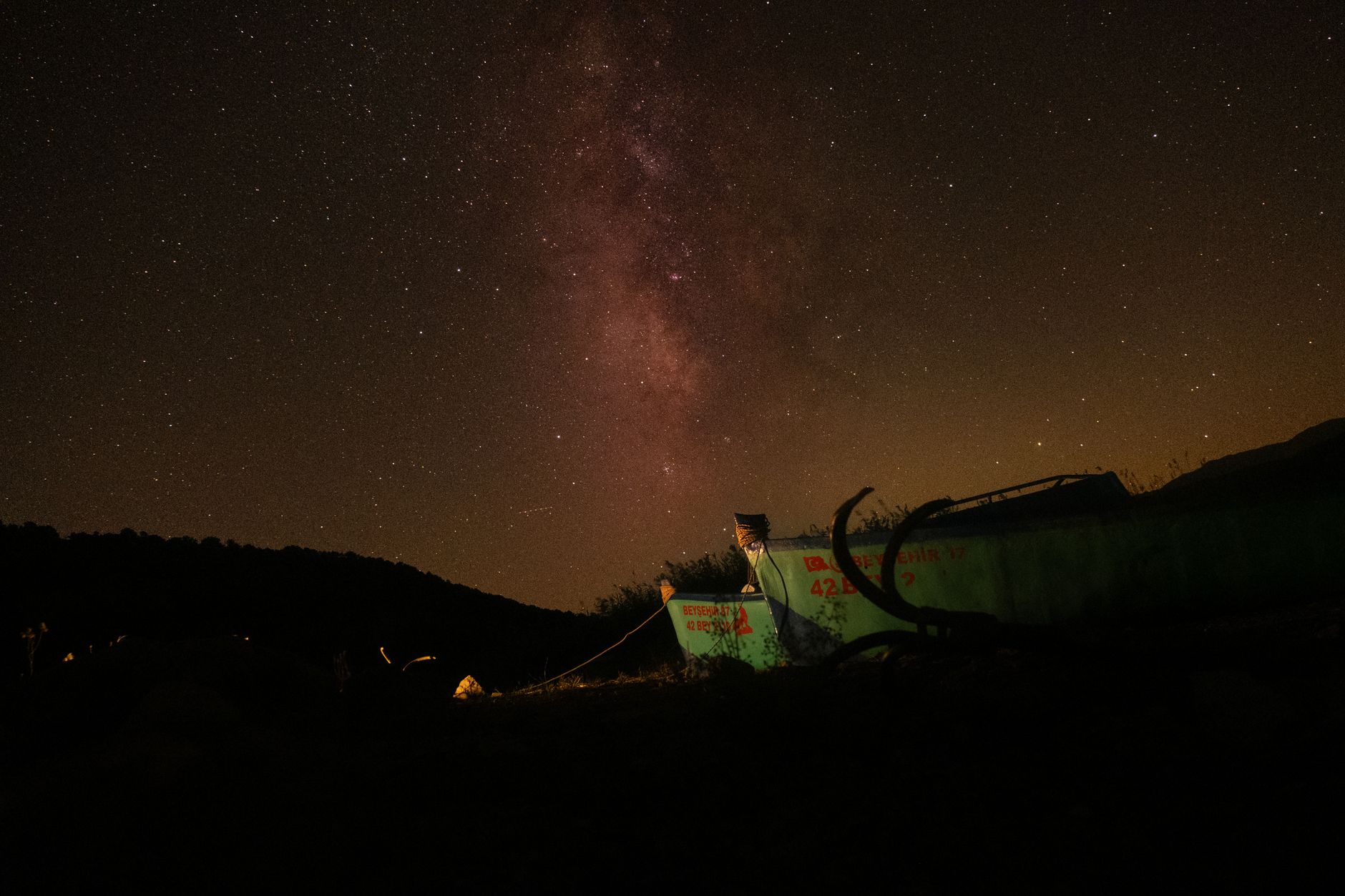
For travelers already planning a stop at Poncha Market, a clear, moonless night is worth taking advantage of if your schedule allows — particularly for anyone driving through from a major city, where light pollution makes this kind of sky essentially invisible at home.
If you’re staying overnight nearby, checking a moon phase calendar before booking is worth the extra minute if stargazing is a real priority for the trip rather than an afterthought — timing a stay around the new moon makes a genuine difference in what’s visible.
Frequently Asked Questions
Is Poncha Springs a good place to stargaze?
Yes — the elevation, low humidity, and minimal nearby light pollution create conditions similar to Colorado’s officially certified Dark Sky Places.
Is there a certified Dark Sky Park near Poncha Springs?
Yes — Great Sand Dunes National Park, about two hours south, is an International Dark Sky Park.
When is the best time to stargaze?
Around the new moon, when the sky is darkest, and ideally on a clear night without cloud cover.
Do I need special equipment to stargaze here?
No — naked-eye viewing is genuinely rewarding at this elevation; binoculars or a telescope simply add more detail.
How cold does it get at night for stargazing?
Temperatures drop quickly after sunset at this elevation even in summer; bringing warmer layers than daytime weather suggests is a good precaution.
Can I see the Milky Way from Poncha Springs?
On a clear, moonless night away from town lighting, yes — the elevation and low humidity here support genuinely good naked-eye viewing.
Is Great Sand Dunes worth visiting just for stargazing?
Many visitors combine it with daytime dune hiking, making it worth the trip on its own merits beyond just the night sky. See our Great Sand Dunes road trip guide.
Planning a stargazing stop? Check our Great Sand Dunes road trip guide for the drive to Colorado’s nearest certified Dark Sky Park.
For information on certified Dark Sky Places and stargazing best practices, see DarkSky International.



Leave a Reply