
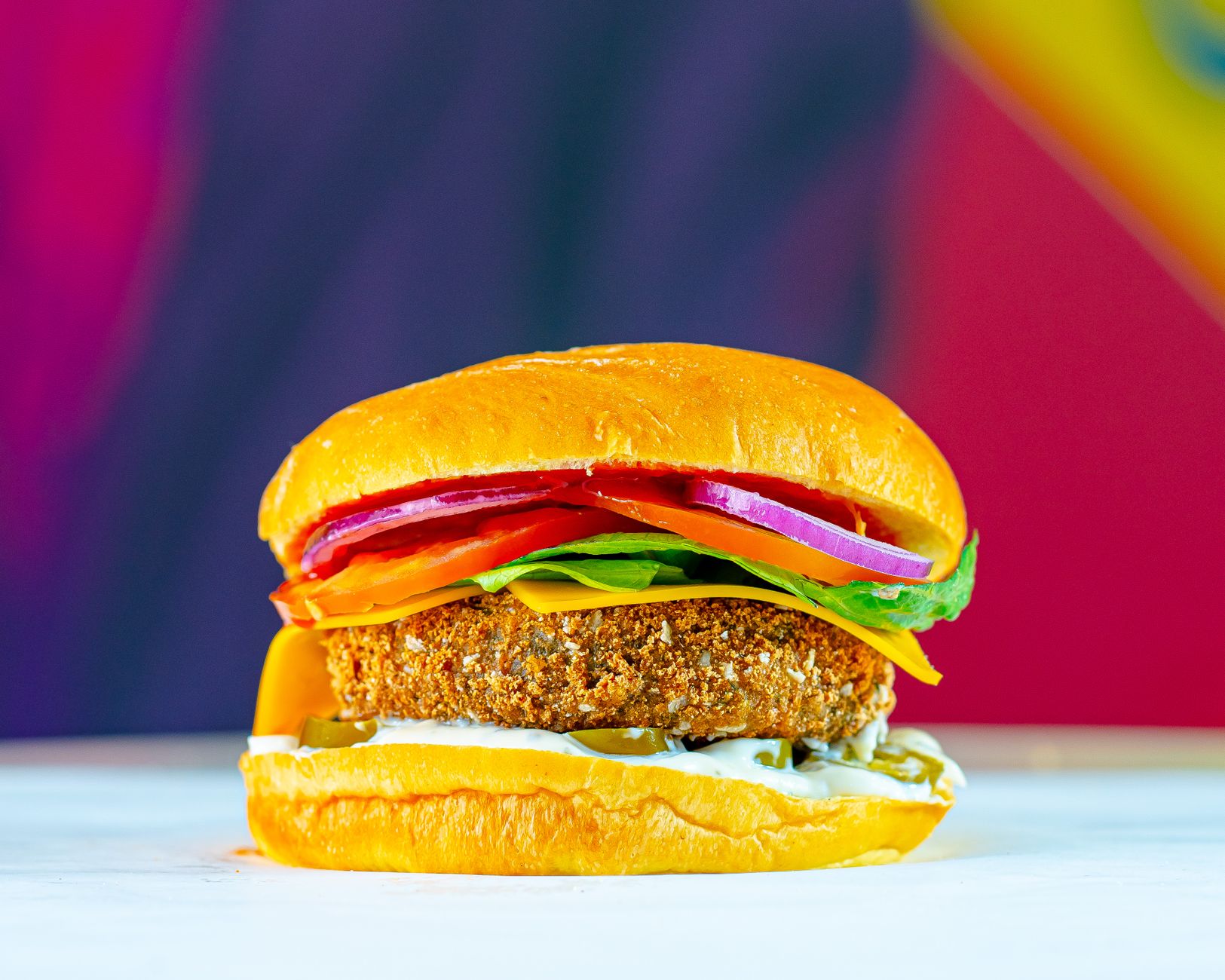
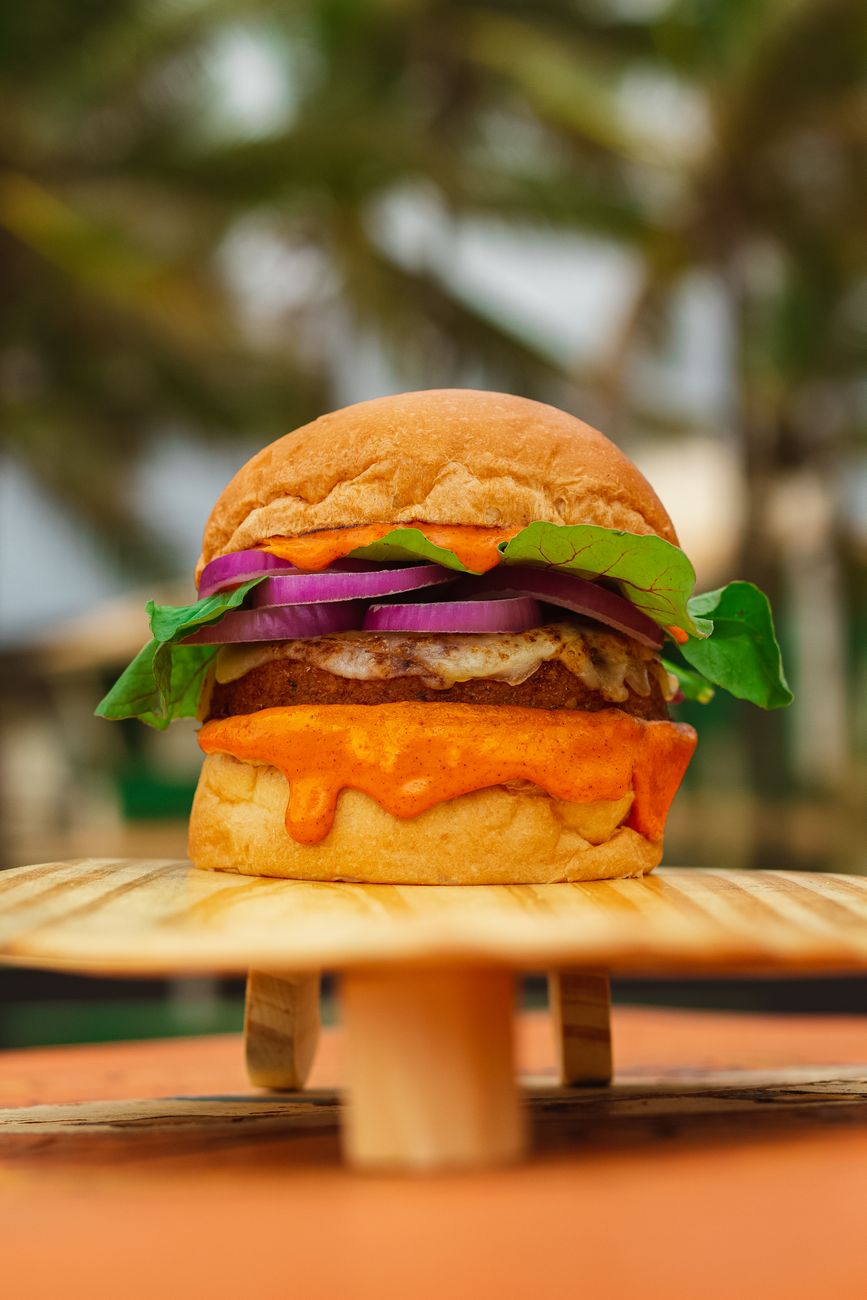
Veggie burgers aren’t a single, uniform product — they range from bean-and-vegetable patties to mushroom-based versions to store-bought options built to mimic beef as closely as possible, and each type genuinely benefits from a slightly different cooking approach. Mabel’s Deli inside Poncha Market offers a Veggie Burger for $8.59, right alongside the standard hamburger.
Here’s a practical breakdown of the main types and how to cook each one well, rather than treating every veggie burger like an identical product.
This matters more than it might seem, since the biggest complaint people have about veggie burgers — that they fall apart or come out dry and bland — usually traces back to using the wrong cooking method for the specific type of patty, not a fundamental flaw with veggie burgers as a category.
Bean-and-Vegetable Patties
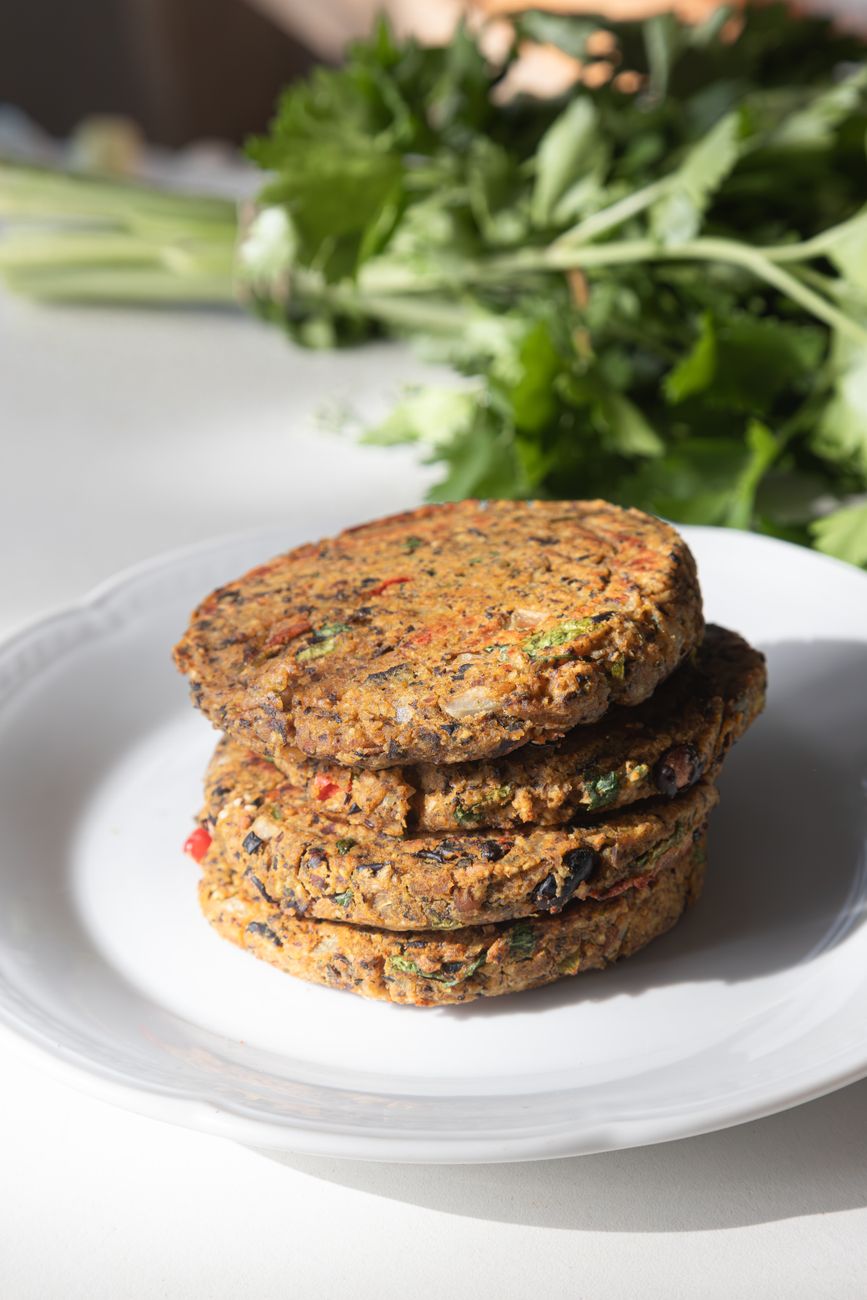
Built from a base like black beans combined with roasted vegetables, spinach, walnuts, breadcrumbs, egg, and herbs, this style tends to be softer and more prone to falling apart than a beef patty. Refrigerating the formed patties for at least 30 minutes, and up to overnight, before cooking firms them up considerably and helps them hold together on the grill or in a pan.
Adding a binder like an extra egg or additional breadcrumbs, if a homemade batch feels too loose to shape confidently, is a reasonable fix rather than something to avoid — a slightly denser patty that holds together beats a lighter one that crumbles apart mid-cook.
Flavor development also benefits from actively seasoning each component before combining them, rather than relying on salt and pepper added at the end — roasting the vegetables with their own seasoning first, for instance, builds more depth than trying to fix an under-seasoned mixture after the fact.
Mushroom-Based Patties
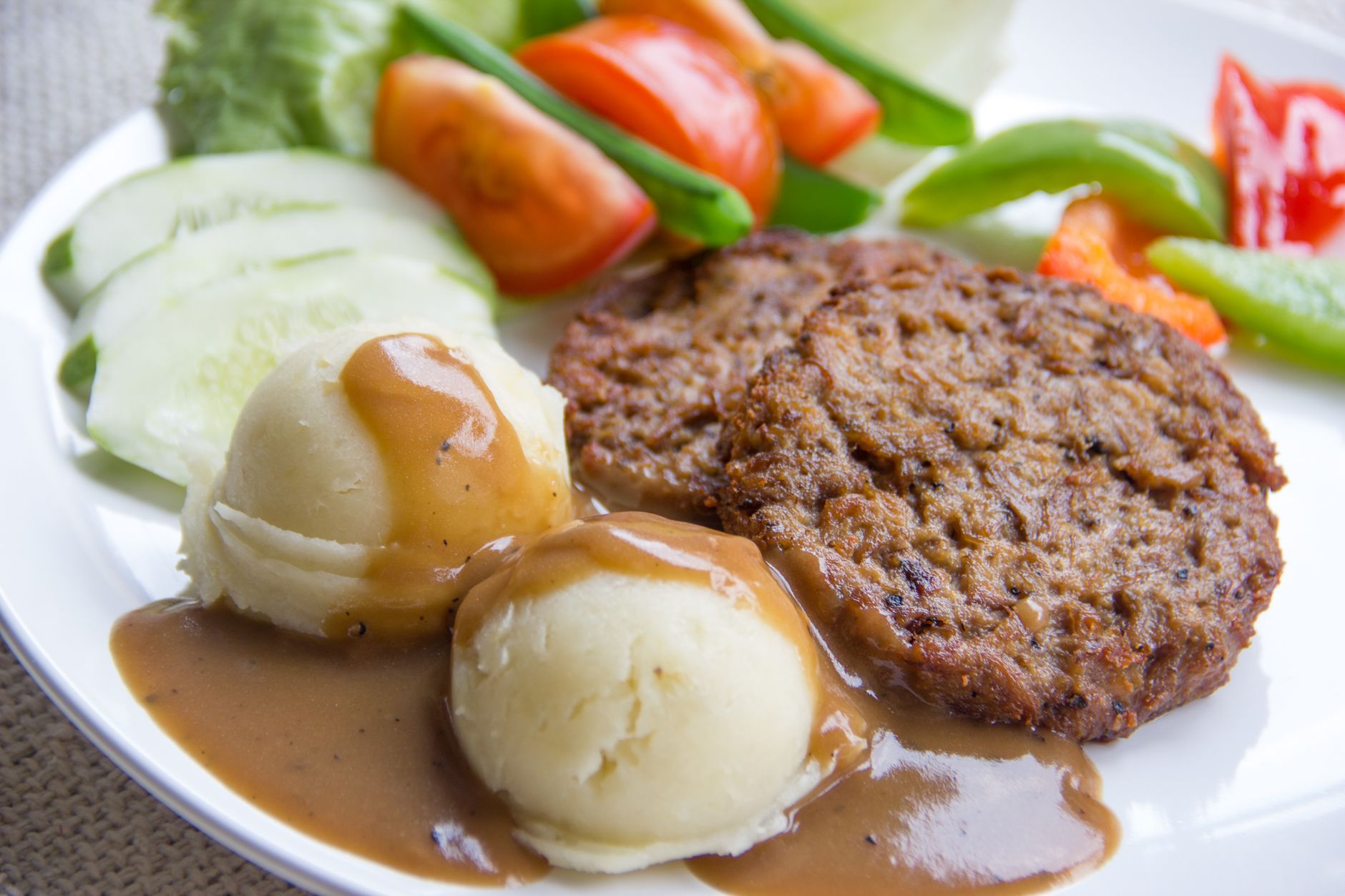
Mushroom-forward veggie burgers lean into a naturally smoky, savory, meaty flavor profile that reads closer to a traditional burger than a bean-based version does. These generally hold together a bit better during cooking, thanks to mushrooms’ firmer, less crumbly texture compared to mashed beans.
Store-Bought Options
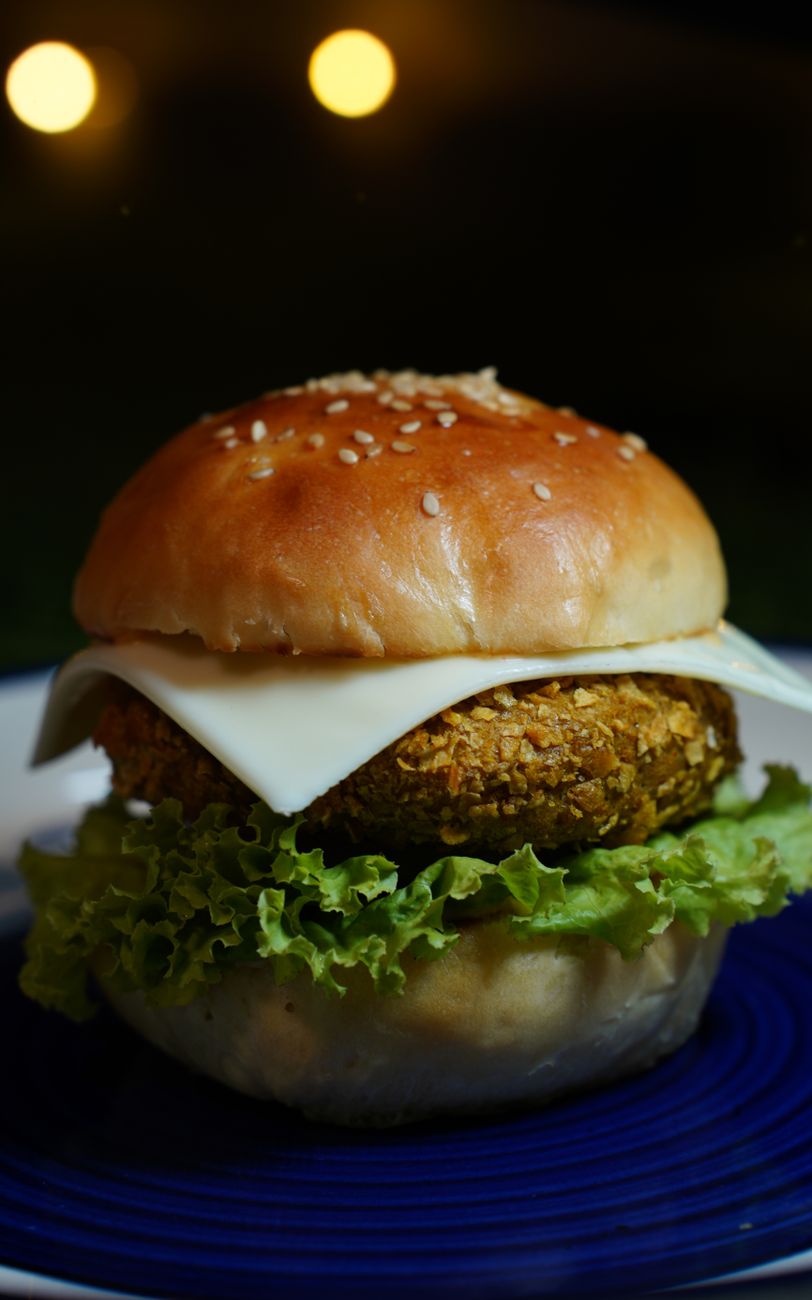
Commercial veggie burgers, including well-known brands built to closely mimic beef in texture and flavor, are formulated specifically to hold together reliably during cooking — generally the most foolproof option if you’re cooking for a group and don’t want to risk a homemade patty falling apart on the grill.
How to Cook Each Type
| Cooking Method | Time | Best For |
|---|---|---|
| Stovetop/skillet | 12–14 minutes, flipping every few minutes | Homemade bean-based patties |
| Oven | 15–20 minutes at 350°F, flipping halfway | Fragile patties prone to falling apart on a grill |
| Grill | Varies by thickness | Firmer mushroom-based or store-bought patties |
Storage Tips
Homemade veggie burgers freeze well for up to three months, and it’s generally best to cook them first and then freeze, rather than freezing raw patties, which can fall apart more easily once thawed and cooked.
Frequently Asked Questions
Why do homemade veggie burgers fall apart?
Usually because the patties weren’t chilled long enough before cooking; refrigerating for at least 30 minutes helps them firm up and hold together.
What’s the best way to cook a veggie burger?
It depends on the type — firmer mushroom-based or store-bought patties handle grilling well, while more delicate bean-based patties often do better in a skillet or oven.
Can I freeze veggie burgers?
Yes, ideally after cooking them first, for up to three months.
Are all veggie burgers vegetarian and vegan?
Most are vegetarian, though not all are vegan, since some recipes include egg as a binder; check specific ingredients if you’re eating fully plant-based.
Where can I get a veggie burger near Poncha Springs?
Mabel’s Deli inside Poncha Market serves one for $8.59.
How do I fix a veggie burger mix that feels too loose?
Add an extra egg or more breadcrumbs as a binder; a slightly denser patty that holds together is better than one that crumbles during cooking.
Do veggie burgers need less cooking time than beef?
Generally similar or slightly less, since most veggie burgers just need to be heated through rather than cooked to a specific safe internal temperature the way raw beef does.
Want a plant-based option on the road? See our Mabel’s Deli menu guide for the Veggie Burger and other grill items.
For more vegetarian cooking guidance, see the Vegetarian Resource Group.
Leave a Reply