
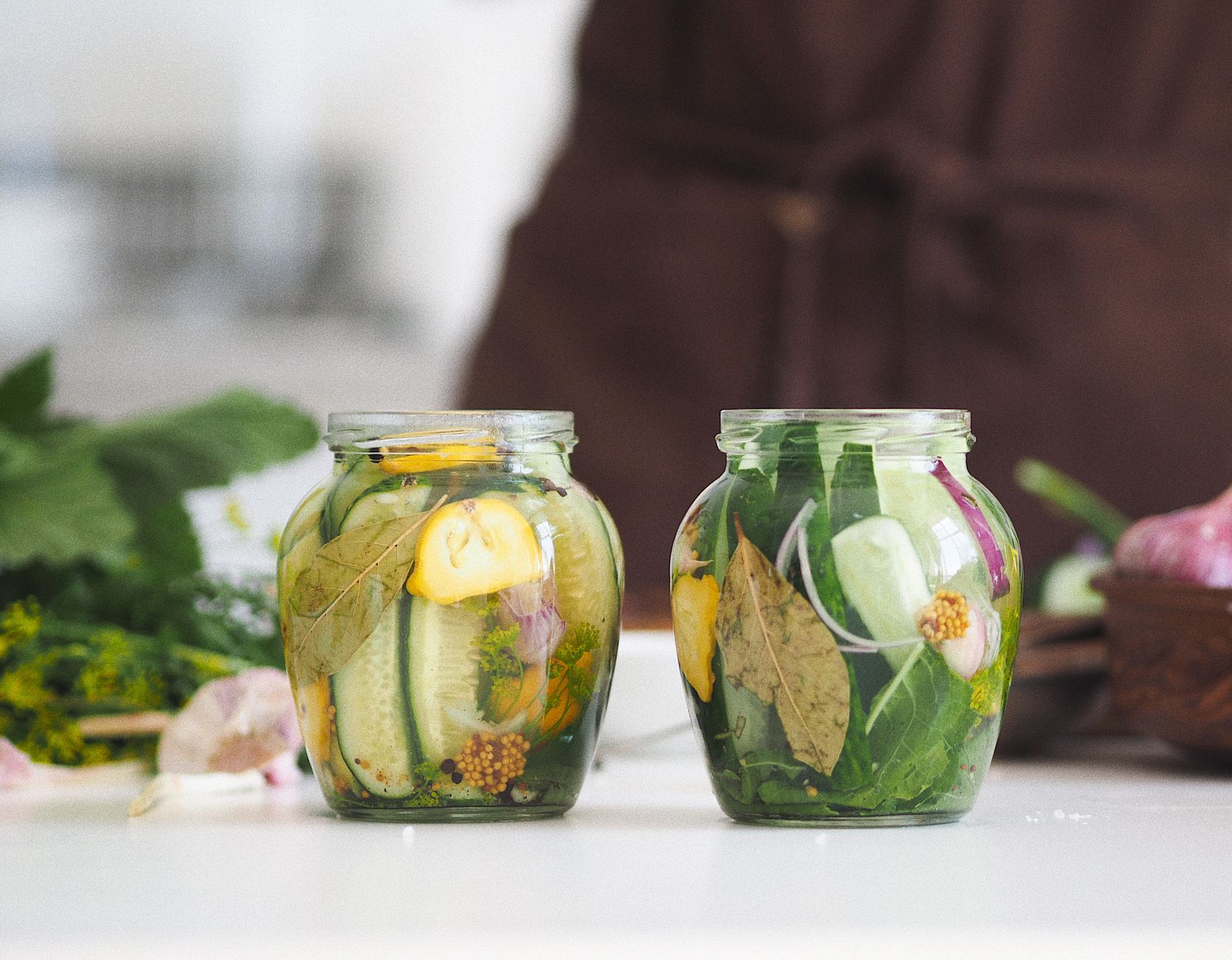
Refrigerator pickles skip the traditional water-bath canning process entirely, which makes them a genuinely approachable project for anyone without canning equipment or experience. They’re also a natural pairing for the sandwiches and grill items at Mabel’s Deli.
Here’s a simple recipe, along with the flexibility built into the method that makes it worth learning as a template rather than a fixed formula.
Since the vegetables are never processed under heat and pressure the way true canned pickles are, this method trades long-term shelf stability for speed and simplicity, which is exactly the right trade-off for a small batch meant to be eaten within a few weeks.
Basic Method
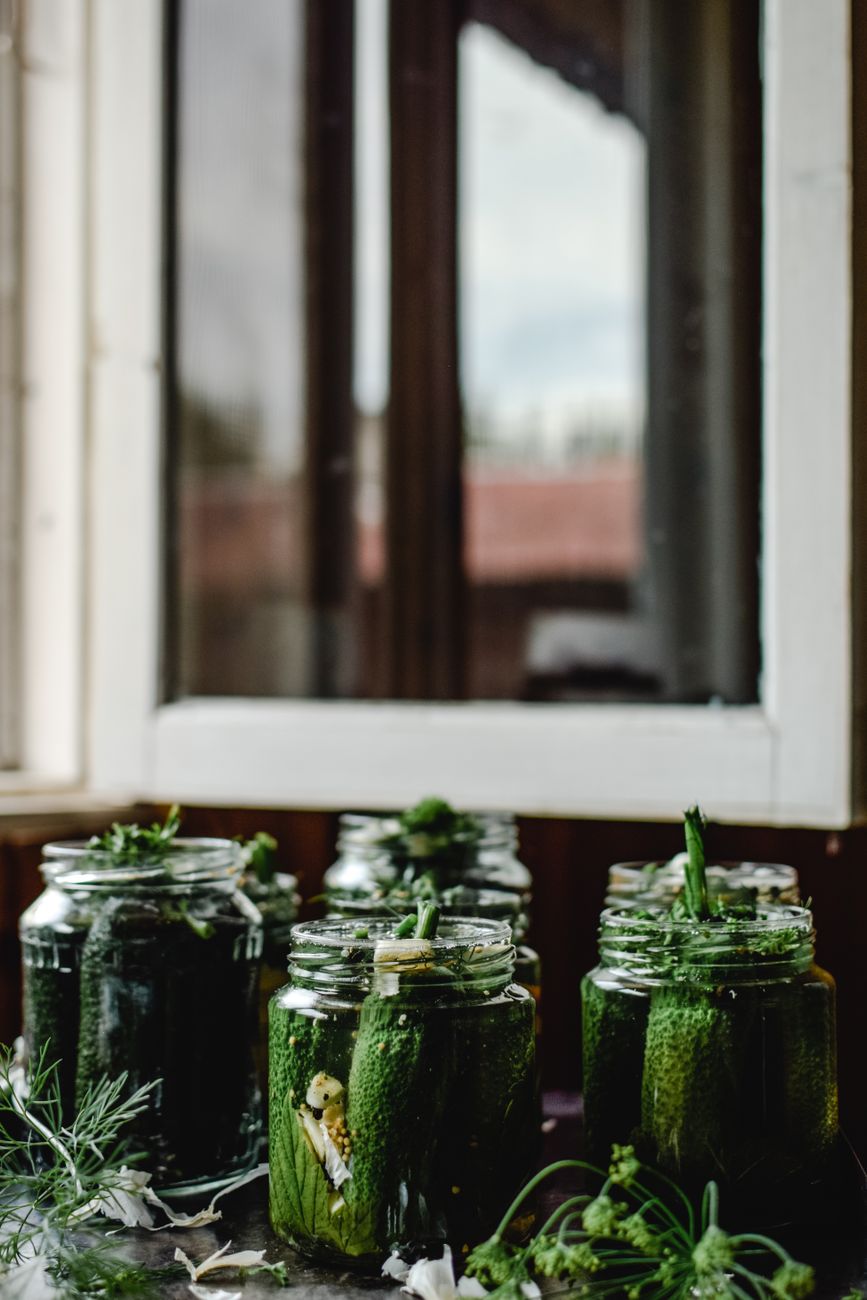
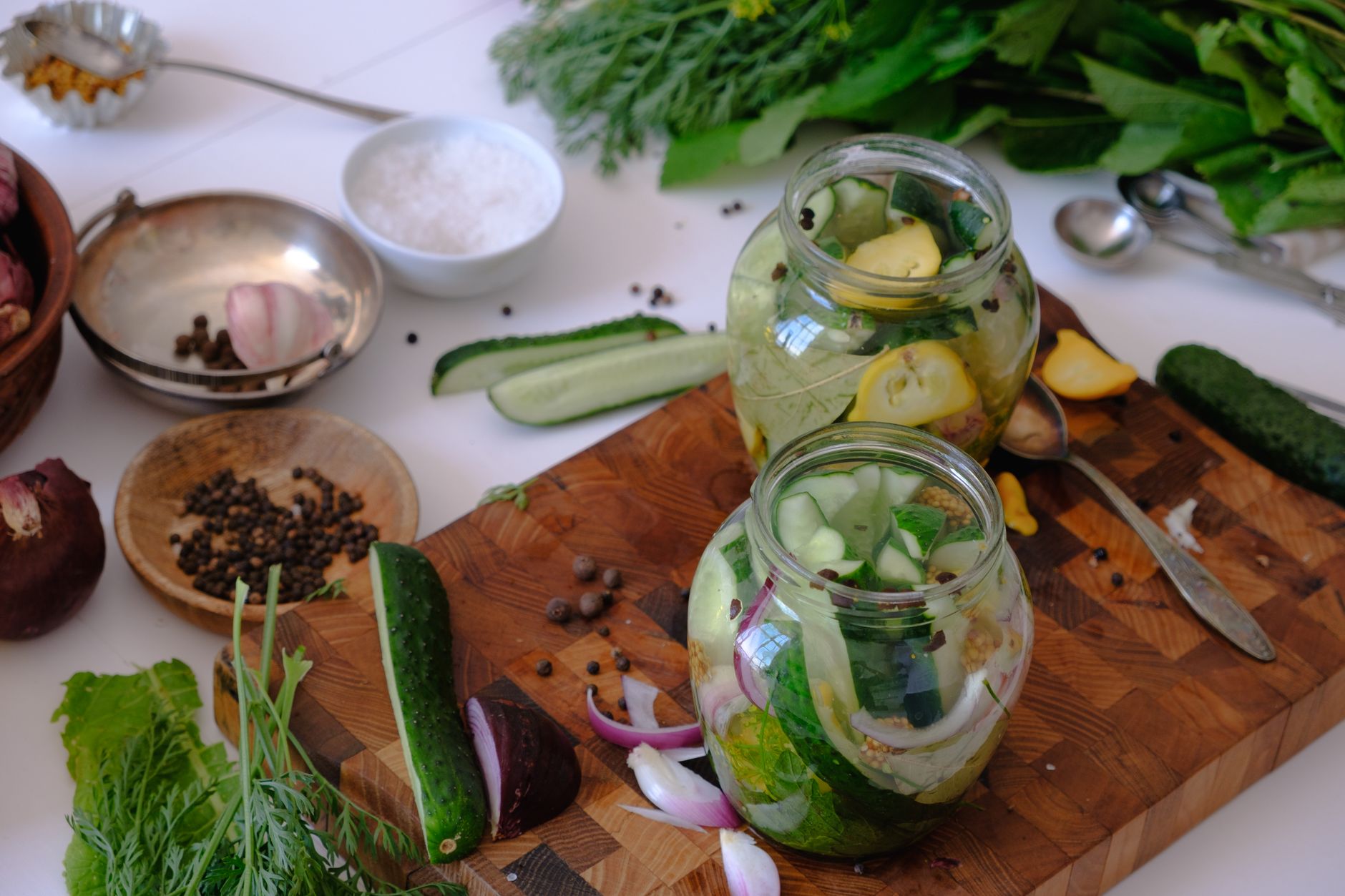
Combine water, vinegar, and seasonings to make a pickle brine, then pour it over sliced cucumbers (or other vegetables) and store the jar in the refrigerator. Cucumber pickles made this way are ready to eat within a few hours to a day, and they keep for weeks in the refrigerator.
Simple Recipe
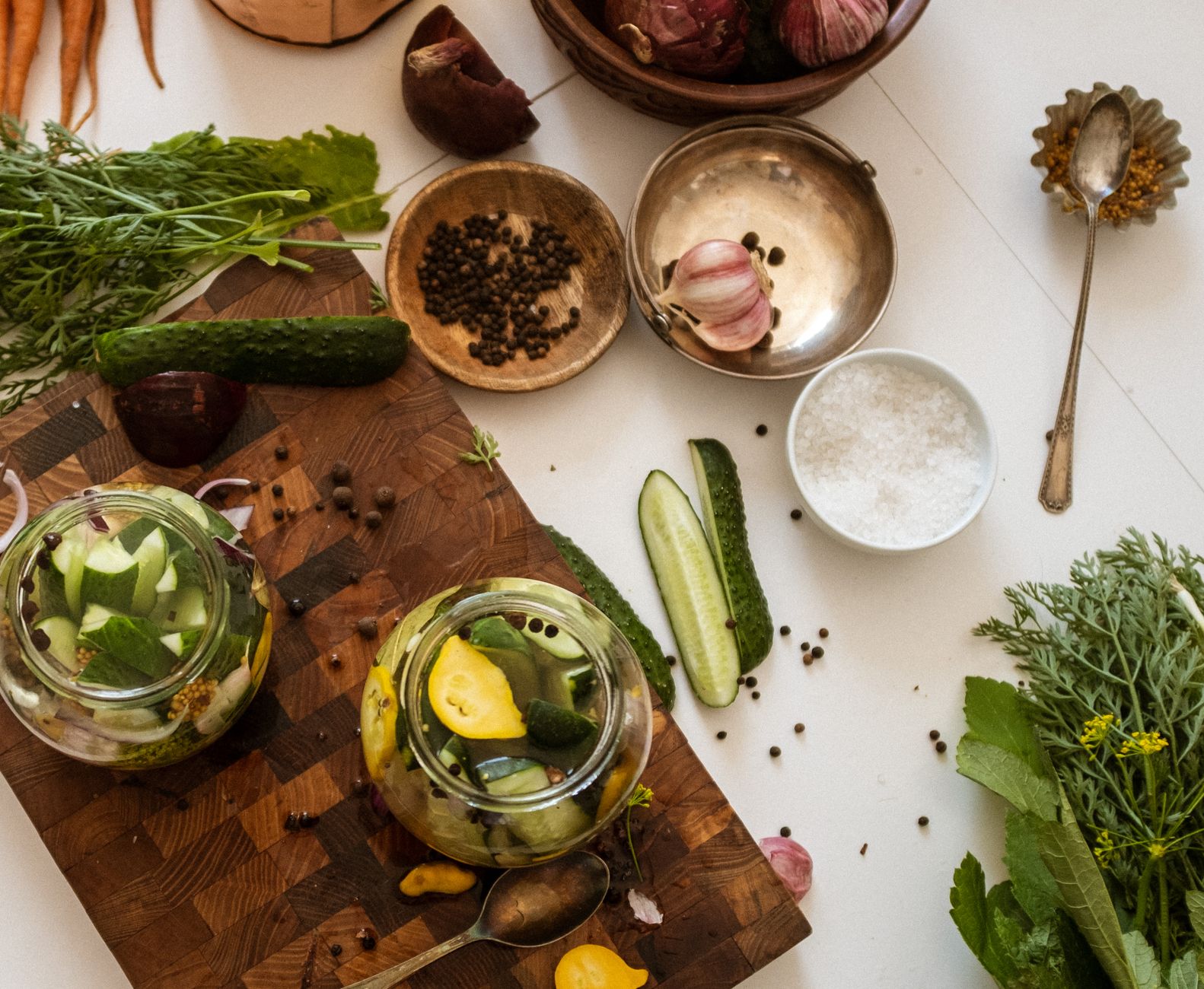
- 1 pint jar, clean
- 2–3 cucumbers, sliced
- 1 cup vinegar
- 1 cup water
- 1 tablespoon salt
- 1–2 teaspoons sugar (optional)
- Fresh or dried dill, garlic cloves, and peppercorns to taste
Instructions
- Pack the sliced cucumbers into the jar along with dill, garlic, and peppercorns.
- Combine vinegar, water, salt, and sugar if using, stirring until the salt dissolves.
- Pour the brine over the cucumbers, making sure they’re fully submerged.
- Seal and refrigerate for at least 6 hours, though flavor improves after a full day.
Adjusting the Brine to Taste
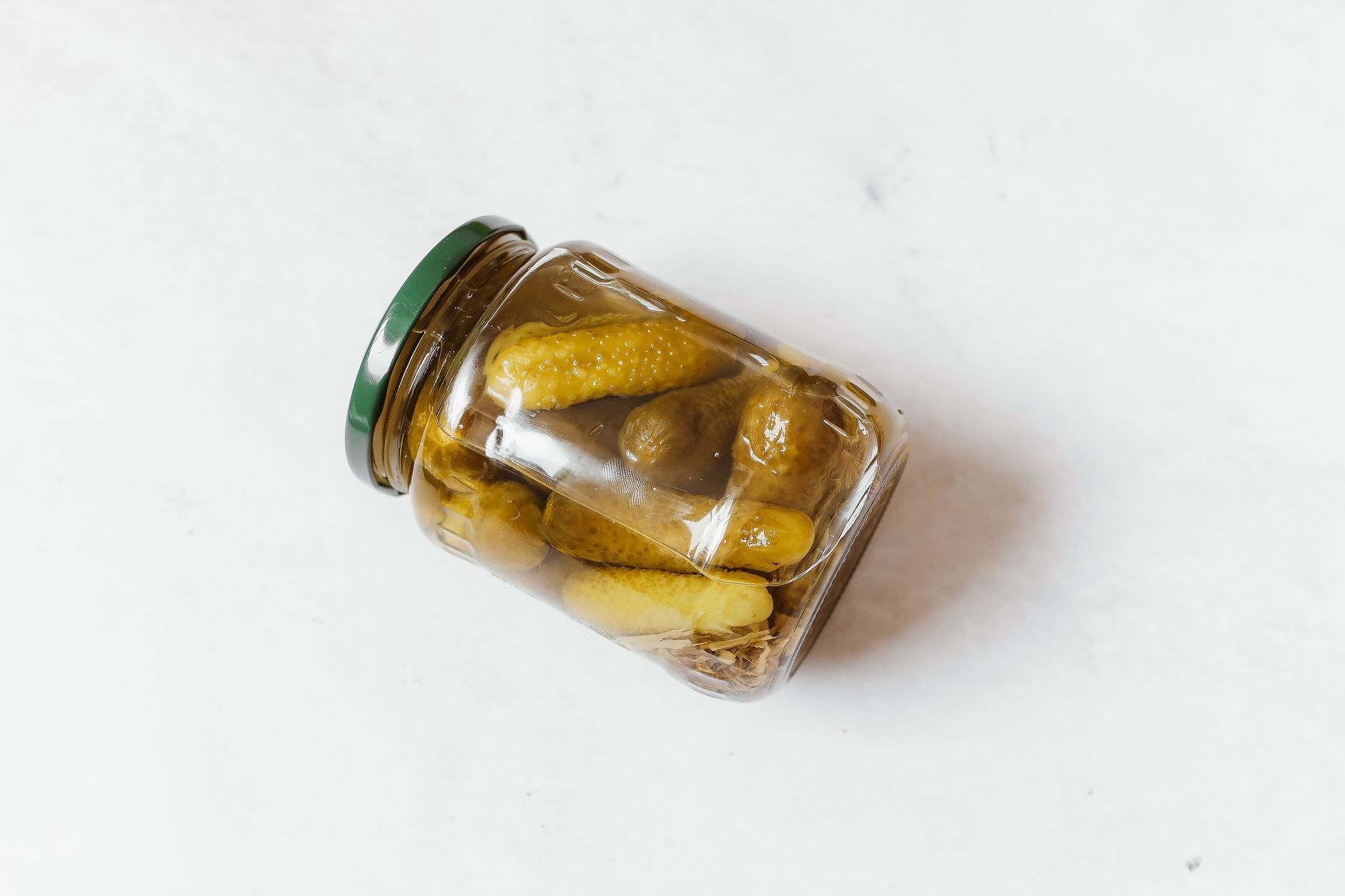
The basic 1:1 vinegar-to-water ratio is a solid starting point, but it’s easy to adjust once you’ve made a batch or two — more vinegar produces a sharper, tangier pickle, while more water and a touch more sugar softens the bite for a milder, sweeter result.
Beyond Cucumbers
The same brine works well on all kinds of vegetables — green beans, carrots, onions, and zucchini all take well to quick pickling, and customizing the brine’s sweetness, spiciness, and add-ins is entirely up to personal preference since there’s no strict canning ratio to follow the way there is with shelf-stable preservation.
Frequently Asked Questions
How long do refrigerator pickles last?
Several weeks in the refrigerator, though they’re best within the first couple of weeks for peak crunch.
Do I need canning equipment for refrigerator pickles?
No — that’s the main appeal of this method; no pressure canner or vacuum sealer is required.
Can I pickle vegetables other than cucumbers?
Yes — green beans, carrots, onions, and zucchini all work well with the same basic brine.
How soon can I eat refrigerator pickles?
As soon as 6 hours, though flavor continues to improve over the first full day.
Are refrigerator pickles as shelf-stable as canned pickles?
No — they must stay refrigerated and are meant for shorter-term storage rather than long-term pantry preservation.
Do refrigerator pickles need to be processed in a water bath?
No — that’s the entire point of the method; skipping water-bath processing is what makes it fast, at the cost of shelf stability.
Can I reuse the brine for a second batch?
It’s best to make a fresh batch of brine each time, since reused brine loses acidity and flavor strength after the first use.
Want a real pickle with your sandwich? See our Mabel’s Deli menu guide for build-your-own options.
For food safety guidance on home pickling, see the National Center for Home Food Preservation.

Leave a Reply