
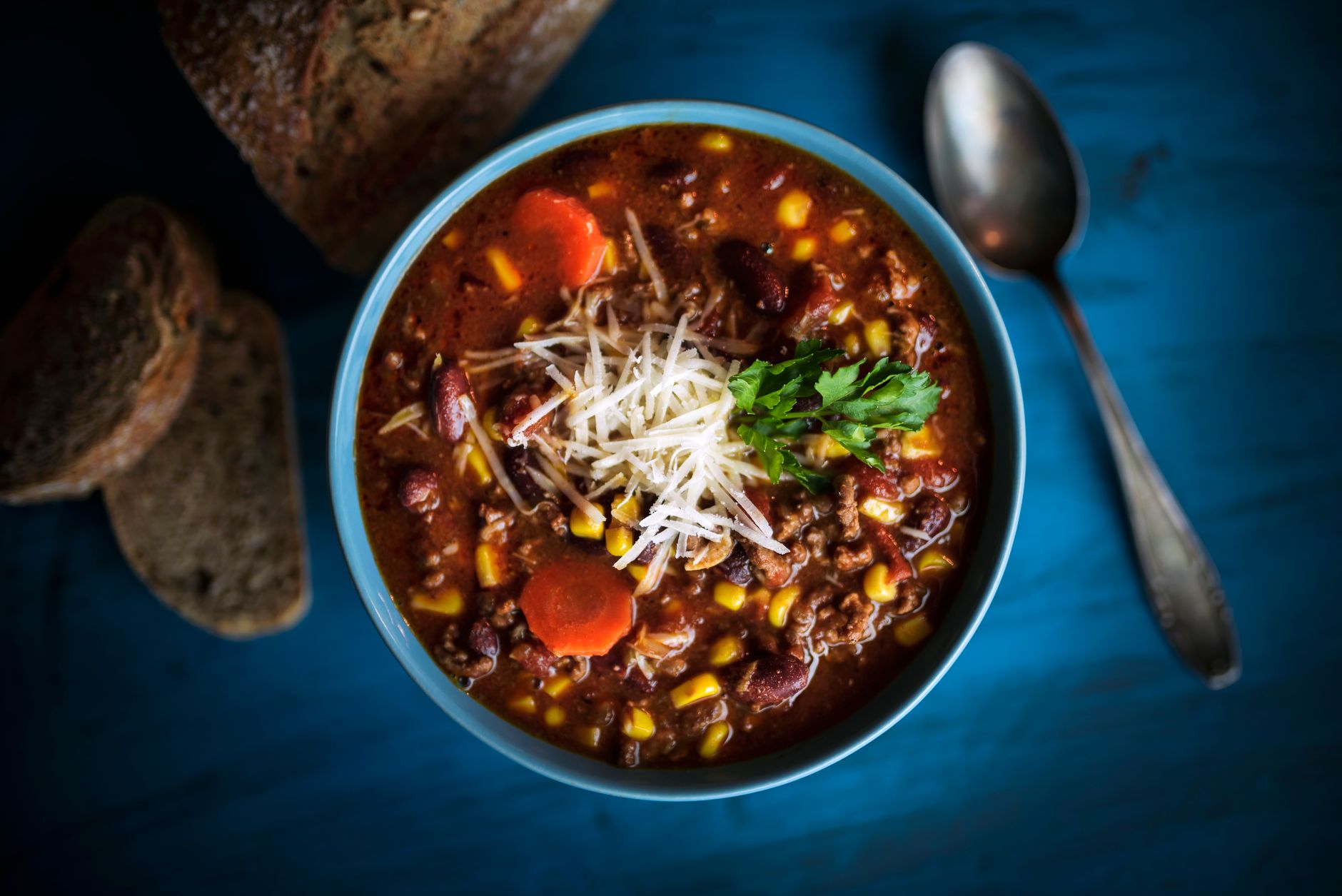
Chili is one of the most forgiving dishes to learn to cook from scratch — genuinely hard to ruin, easy to scale, and endlessly adjustable to taste. It’s also a simple, real menu item at Mabel’s Deli inside Poncha Market, served by the cup for $3.99.
Here’s a beginner-friendly recipe and process for making a solid pot of chili at home.
Unlike more technique-dependent dishes, chili rewards patience more than precision — a longer simmer generally improves the result more than exact ingredient ratios do, which makes it a genuinely forgiving place to start if you’re newer to cooking from scratch.
It’s also one of the few dishes where making a double batch takes barely more effort than a single one, which is part of why chili has such a strong reputation as a make-ahead, feed-a-crowd meal rather than something cooked fresh for one person at a time.
Basic Ingredients
- 1 lb. ground beef
- 1 onion, diced
- 1 bell pepper, diced
- 2 cloves garlic, minced
- 1 can diced tomatoes
- 1 can tomato sauce
- 1–2 cans kidney or pinto beans, drained
- 1 cup beef broth
- Chili powder, cumin, oregano, salt, cayenne, and black pepper to taste
Step-by-Step Instructions
- Heat oil in a large pot or Dutch oven over medium-high heat, and sauté the onion and bell pepper until softened, about 4 minutes.
- Add garlic and cook for another minute until fragrant.
- Add the ground beef, cooking until no longer pink, breaking it into small pieces with a wooden spoon.
- Stir in the chili powder, cumin, oregano, salt, cayenne, and black pepper, cooking for about a minute until the spices become fragrant.
- Add the diced tomatoes, tomato sauce, beans, and beef broth, scraping the bottom of the pot to loosen any browned bits.
- Simmer uncovered for 25–30 minutes, until the chili thickens to your preferred consistency.
Choosing Your Beans
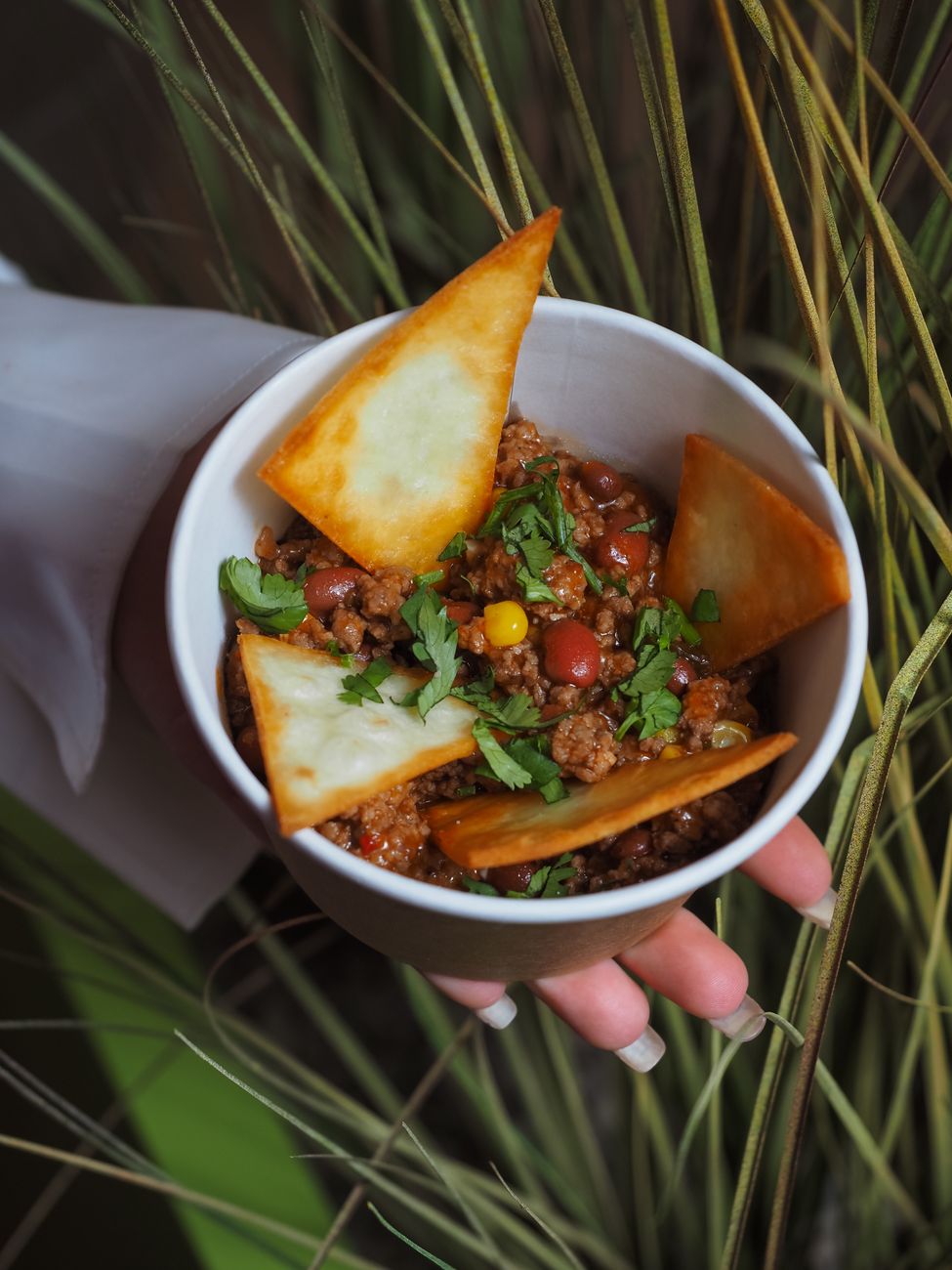
Red kidney beans, black beans, and pinto beans are all common choices, and there’s no single correct answer — it comes down to preference and what texture you want. Some cooks skip beans entirely for a more Texas-style chili, which is a legitimate variation rather than a mistake.
Regional chili traditions vary considerably across the country, and none of them is objectively “correct” — a bean-free Texas chili and a bean-heavy Midwestern version are both legitimate takes on the same basic dish, just built around different regional expectations.
Colorado’s own chili traditions often lean toward incorporating green chile directly into the pot, blending the state’s signature chile flavor into a dish that, elsewhere, is built more purely around tomato and beef.
Whichever regional style you’re aiming for, tasting and adjusting seasoning gradually throughout the cooking process, rather than all at once at the start, generally produces a more balanced final result than guessing at the full spice quantity upfront.
Chili is also one of the more approachable dishes for building your own signature version over time — small adjustments from one batch to the next, based on what you liked or didn’t about the last one, tend to compound into a genuinely personal recipe faster than with more rigid, precisely measured dishes.
Keeping brief notes after each batch — what you changed, what worked, what you’d do differently — is a simple habit that speeds up this process considerably compared to trying to remember adjustments from memory the next time you make it.
Toppings Worth Trying
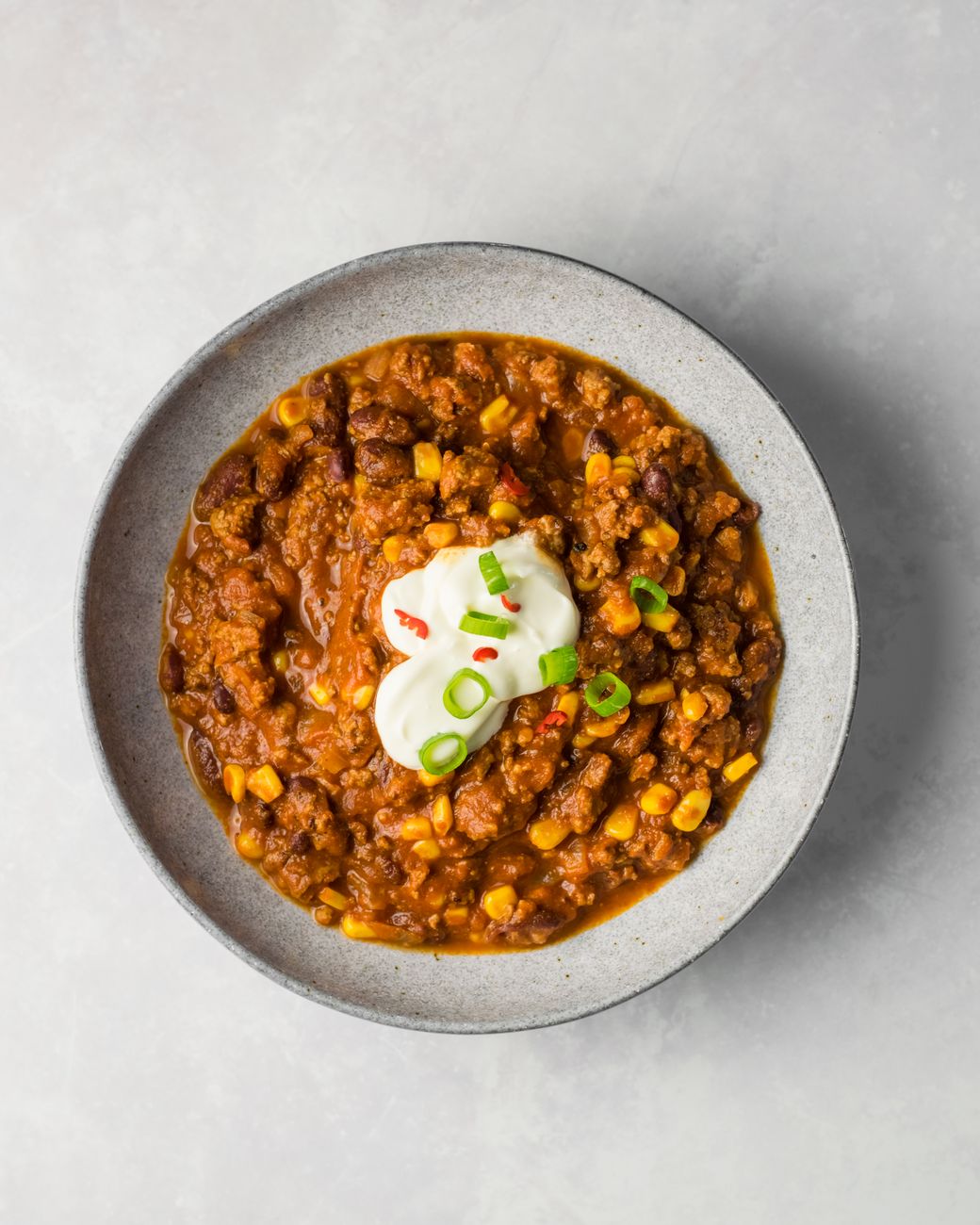
- Shredded cheese, which melts into the hot chili
- Sour cream, for a cooling contrast to the spice
- Diced onion or scallions for a fresh, sharp bite
- Crushed tortilla chips or cornbread for texture and crunch
Make-Ahead and Storage
Chili is a genuinely good make-ahead dish — the flavor often improves after a day in the refrigerator as the spices continue to meld. It also freezes well for up to several months, making a double batch a reasonable strategy if you’re already committing the time to make it once.
Frequently Asked Questions
How long should chili simmer?
About 25 to 30 minutes for a basic batch, though longer simmering generally deepens the flavor further.
What beans are best for chili?
Kidney, black, and pinto beans are all common choices; the right one comes down to personal preference rather than a strict rule.
Does chili taste better the next day?
Many cooks find it does, since the spices have more time to meld together after resting in the refrigerator overnight.
Can I freeze homemade chili?
Yes — it freezes well for several months, making a double batch a practical choice.
Where can I get a cup of chili near Poncha Springs?
Mabel’s Deli inside Poncha Market serves a cup of chili for $3.99.
Is Texas chili different from other chili styles?
Yes — Texas-style chili traditionally skips beans entirely, a legitimate regional variation rather than an incomplete recipe.
Can I make chili in a slow cooker instead?
Yes — brown the meat and aromatics first, then transfer everything to a slow cooker and cook on low for several hours for an even more hands-off approach.
Can I add green chile to a classic beef chili recipe?
Yes — it’s a common Colorado variation that blends the state’s signature chile flavor into a more traditional tomato-and-beef base.
Should I add all the spices at once or adjust as I go?
Adjusting gradually throughout cooking generally produces better-balanced results than guessing the full amount upfront.
Want to try it before making your own? See our Mabel’s Deli menu guide for the cup of chili and other menu items.
For more general food science and cooking guidance, see the International Food Information Council.


Leave a Reply