
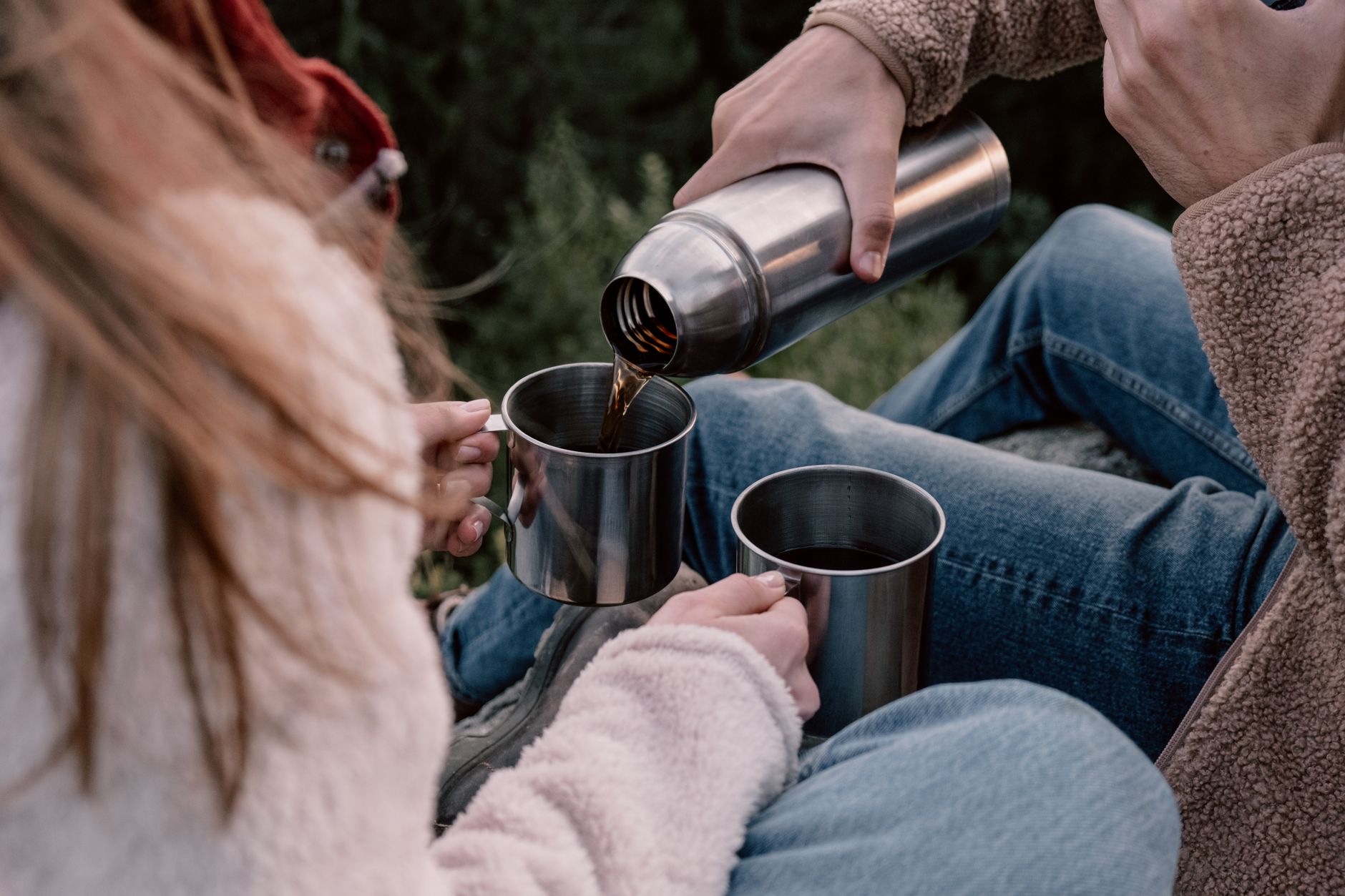
Gas station coffee gets a bad reputation, some of it deserved, but a genuinely good cup on the road doesn’t require much more equipment than a bit of planning. Whether you’re topping off at Poncha Market or brewing your own before a long stretch of driving, here’s how to actually do it well.
Several portable brewing methods travel well and produce a noticeably better result than relying entirely on whatever’s already brewed at a convenience store counter.
None of this requires an elaborate setup, either — most of these methods pack into a single bag alongside a bag of beans and take up barely more space than a phone charger and a set of cables.
Portable Brewing Methods
An AeroPress is lightweight, nearly indestructible, and brews a full-bodied cup in 3 to 4 minutes, making it a strong choice for car trips and camping alike. A percolator or moka pot works well over a campfire or stovetop and handles larger groups better than a single-serving method. Cold brew, made ahead using a French press, is a good option if you don’t have access to hot water but do have a cooler or refrigerator to store it in.
Beans and Grinding
Pre-ground coffee loses flavor faster than whole beans, since more surface area is exposed to oxygen. Bringing whole beans and a small portable grinder, and grinding right before brewing, makes a genuinely noticeable difference in freshness compared to coffee ground days or weeks earlier.
Storage Tips
Treat coffee beans like a perishable ingredient rather than a shelf-stable pantry item — limiting oxygen exposure with an airtight container preserves freshness considerably longer than a loosely closed bag. This matters more on a longer trip where beans might sit in a car for several days between uses.
A Simple Rule for Better Road Trip Coffee
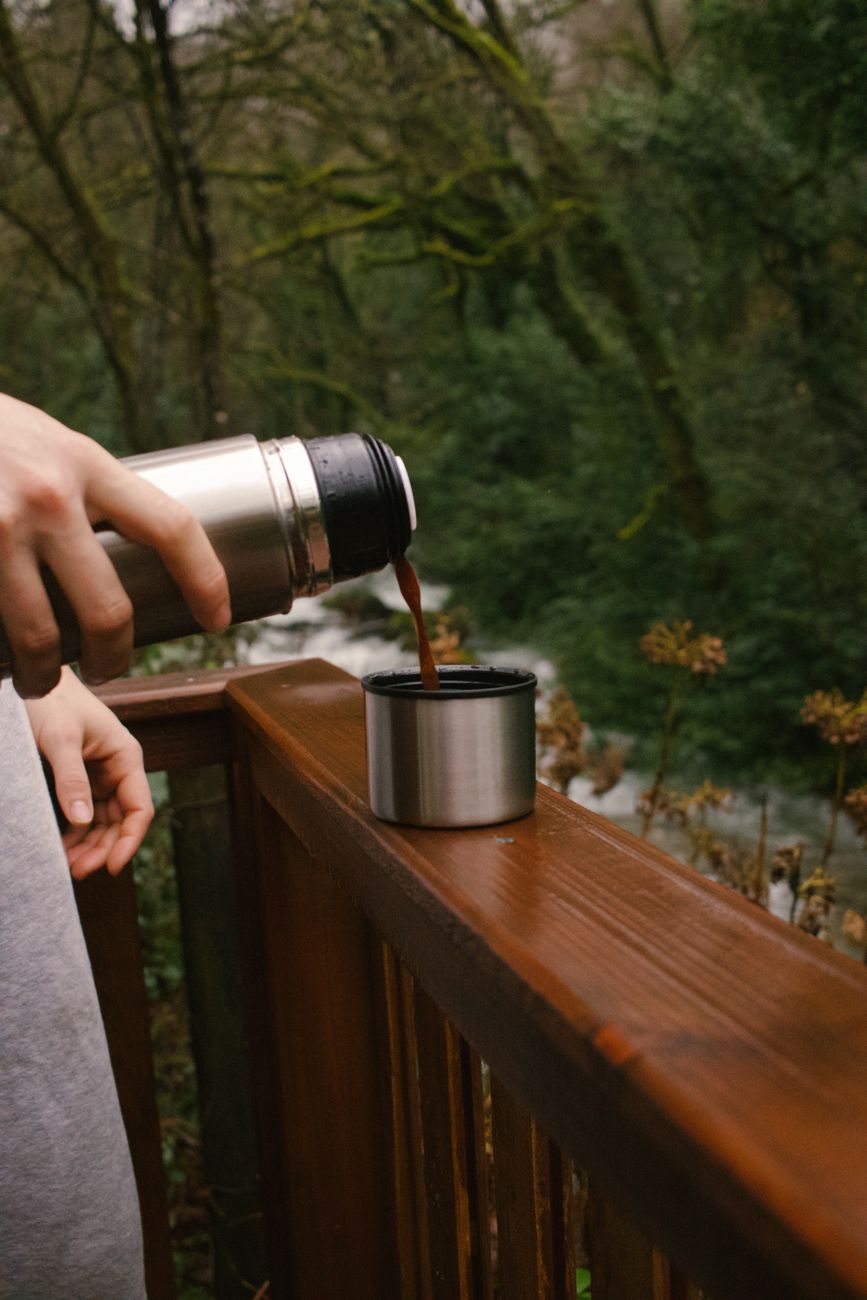
Pour your cup immediately after brewing rather than letting it sit in a carafe or pot for an extended period, since coffee continues to change flavor, generally for the worse, the longer it sits on heat after brewing. This is a big part of why gas station pot coffee, which may have been sitting for hours, tastes noticeably worse than a fresh cup brewed on the spot.
Frequently Asked Questions
What’s the best portable coffee brewer for road trips?
An AeroPress is a popular choice for its durability and quick brew time, though a percolator or moka pot works better for larger groups.
Should I bring pre-ground coffee on a road trip?
Whole beans ground right before brewing hold flavor considerably better than pre-ground coffee that’s been exposed to air for days.
Why does gas station coffee often taste stale?
It’s frequently been sitting on a warmer for an extended period, which degrades flavor considerably compared to a freshly brewed cup.
Can I make cold brew for a road trip?
Yes — a French press works well for cold brew, and it’s a good option if you don’t have access to hot water but do have refrigeration.
How should I store coffee beans while traveling?
In an airtight container, limiting oxygen exposure, rather than a loosely closed bag.
Is a percolator better than an AeroPress for group trips?
Generally yes — a percolator or moka pot brews larger volumes at once, while an AeroPress is built for single servings.
Does water quality affect road trip coffee?
Yes — since coffee is mostly water, using clean, good-tasting water noticeably improves the final cup, especially when brewing with tap water from an unfamiliar area.
Need a fuel stop for your coffee habit? Check what’s on hand at Poncha Market during your next road trip.
For more on coffee freshness and brewing, see the National Coffee Association.

Leave a Reply