
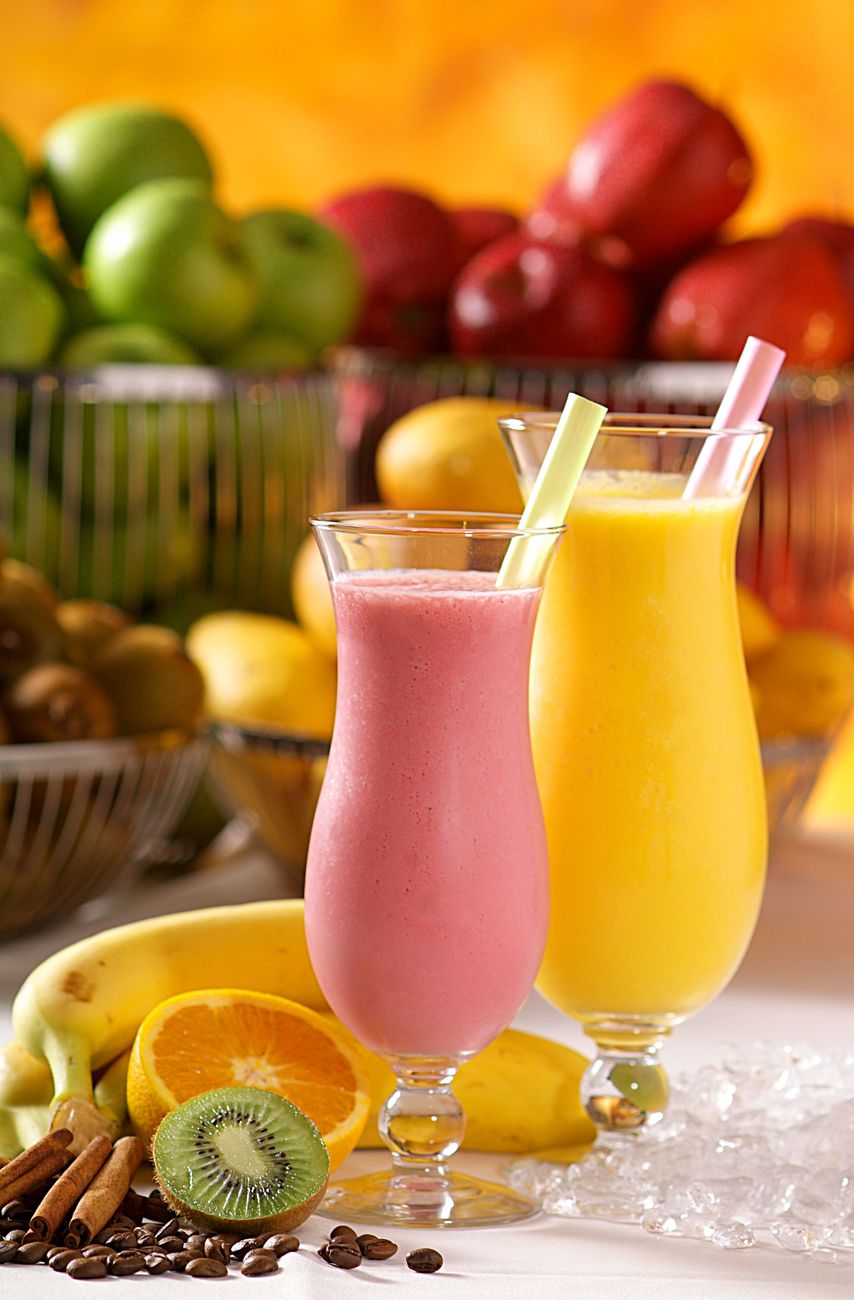
A good smoothie is one of the easiest ways to add real fruits and vegetables to a busy day, without needing much time or equipment beyond a blender. Mabel’s Deli inside Poncha Market keeps organic, vegan fruit and vegetable shooters in the cooler — a small, ready-made version of exactly this idea.
Here are a few simple homemade recipes you can make at home, along with what actually makes a smoothie work texturally.
The appeal of a smoothie over a plain glass of juice comes down to fiber — blending keeps the whole fruit or vegetable intact rather than extracting just the liquid, which means more nutrients and a more filling result for roughly the same effort.
Smoothies are also genuinely flexible in a way few other quick breakfasts or snacks are — the same basic technique works for a purely fruit-based drink, a vegetable-forward green smoothie, or something in between, all using the same blender and roughly the same amount of time.
Classic Fruit Smoothie
- 1 banana
- 1 cup mixed berries (fresh or frozen)
- ½ cup yogurt or milk of choice
- 1 tablespoon honey (optional)
- ½ cup ice
Blend all ingredients until smooth, adding more liquid if needed to reach your preferred consistency.
This base recipe is meant as a starting template rather than a strict formula — swapping berries for mango, or yogurt for milk, changes the flavor without changing the basic technique, which is exactly why it’s worth learning as a flexible pattern rather than memorizing one fixed recipe.
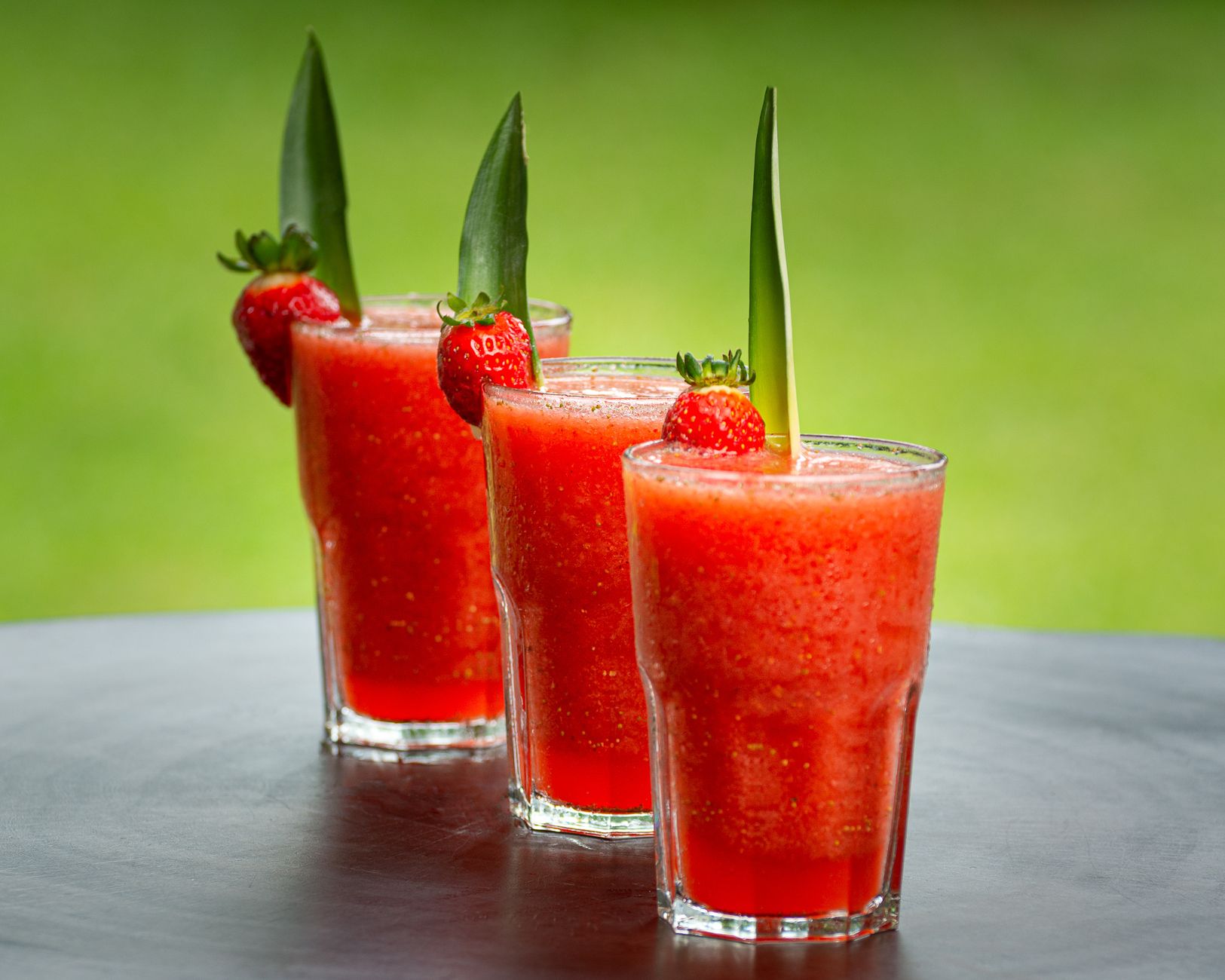
Green Vegetable Smoothie
- 1 cup spinach
- ½ cucumber, peeled
- 1 green apple, cored
- ½ lemon, juiced
- 1 cup water or coconut water
Blend until fully smooth; the apple and lemon balance the more vegetal flavor of the spinach and cucumber, making this a good starting recipe for anyone new to green smoothies.
Spinach in particular is a good entry-level green for smoothies since it has a genuinely mild flavor compared to more assertive greens like kale, making it easier to mask with fruit for anyone still developing a taste for vegetable-forward drinks.
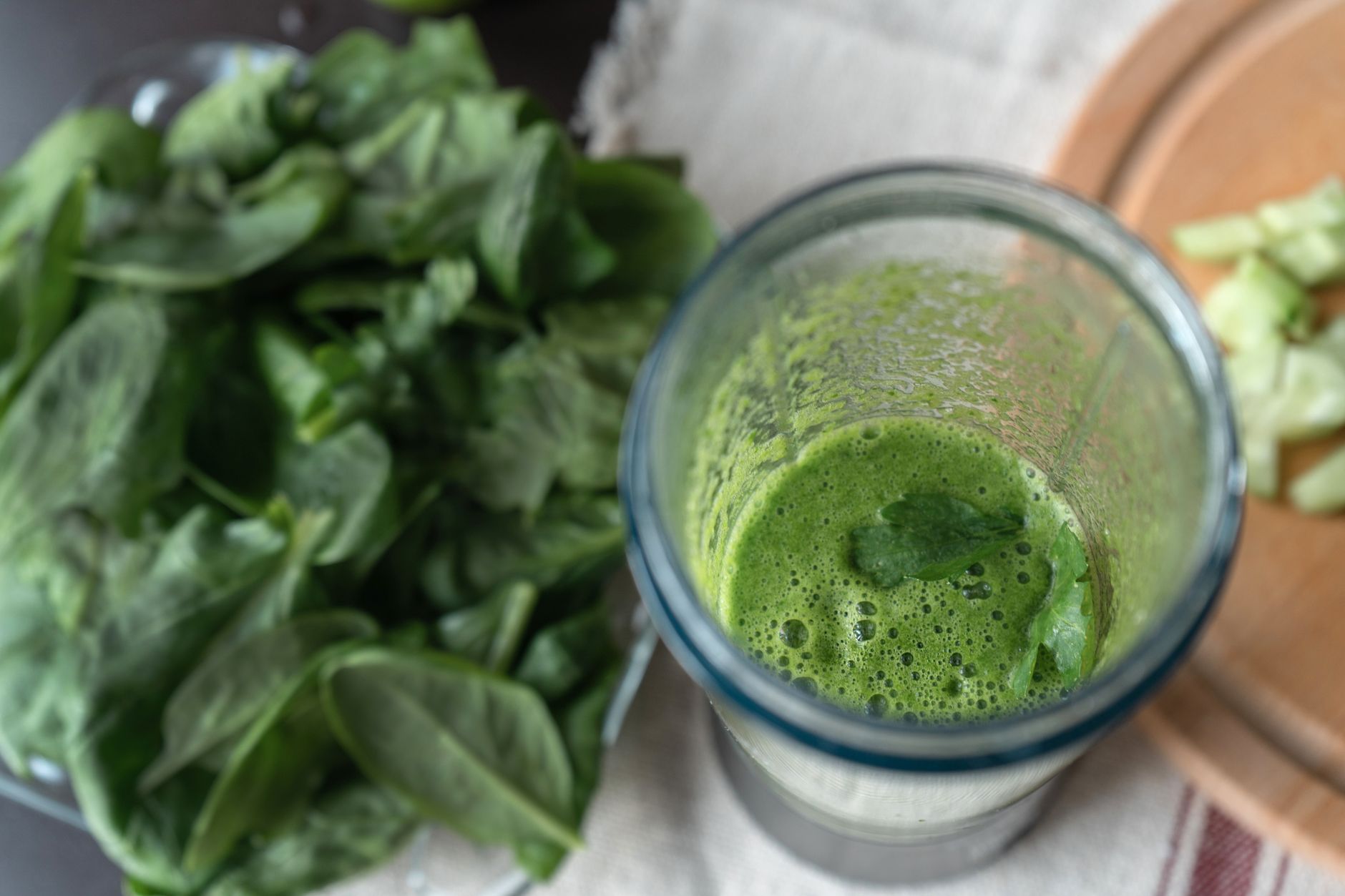
Tropical Mango Smoothie
- 1 cup frozen mango chunks
- ½ cup pineapple
- ½ cup orange juice
- ½ cup yogurt
Blend until smooth; using frozen fruit gives this version a naturally thick, cold texture without needing added ice.
Tropical fruit combinations like this one tend to be especially forgiving for beginners, since mango and pineapple both carry enough natural sweetness and body that the smoothie rarely needs added sugar the way a more tart berry combination sometimes does.
These three recipes are really just starting templates — once you’re comfortable with the basic ratio of fruit, liquid, and optional dairy or ice, substituting in whatever’s fresh or on hand becomes a lot more intuitive than following a fixed recipe every time.
Keeping a rough go-to ratio in mind — roughly two cups of fruit or vegetables to one cup of liquid, adjusted to taste — is often more useful long-term than memorizing any single specific recipe exactly.
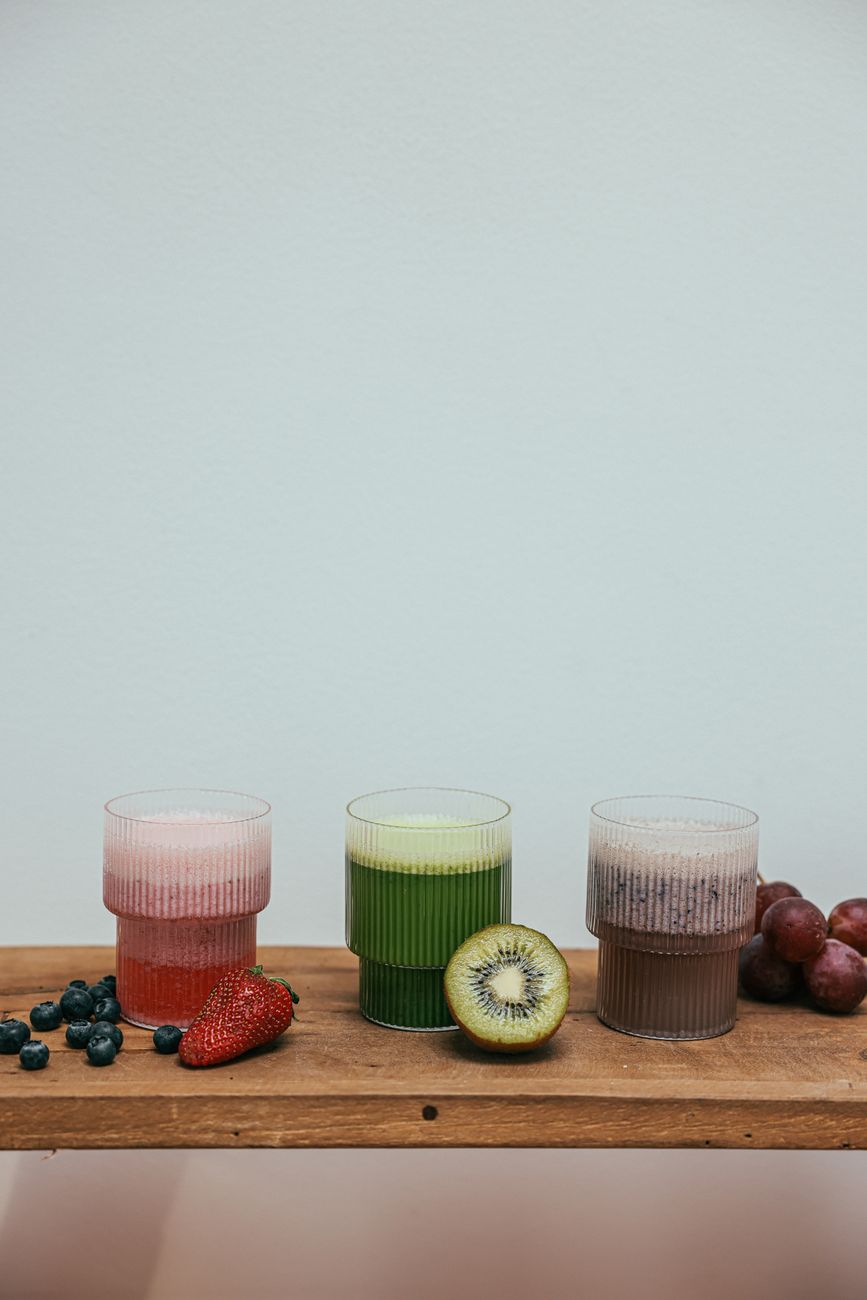
Tips for a Better Smoothie
- Use frozen fruit instead of ice when possible — it thickens the smoothie without watering down the flavor.
- Add greens like spinach to fruit-forward smoothies for extra nutrition without changing the flavor much, since the fruit generally masks the vegetal taste.
- A splash of citrus juice brightens most fruit combinations and helps balance sweetness.
- Blend liquids first, then soft ingredients, then frozen fruit or ice last — this order is easier on most blender motors than dumping everything in at once.
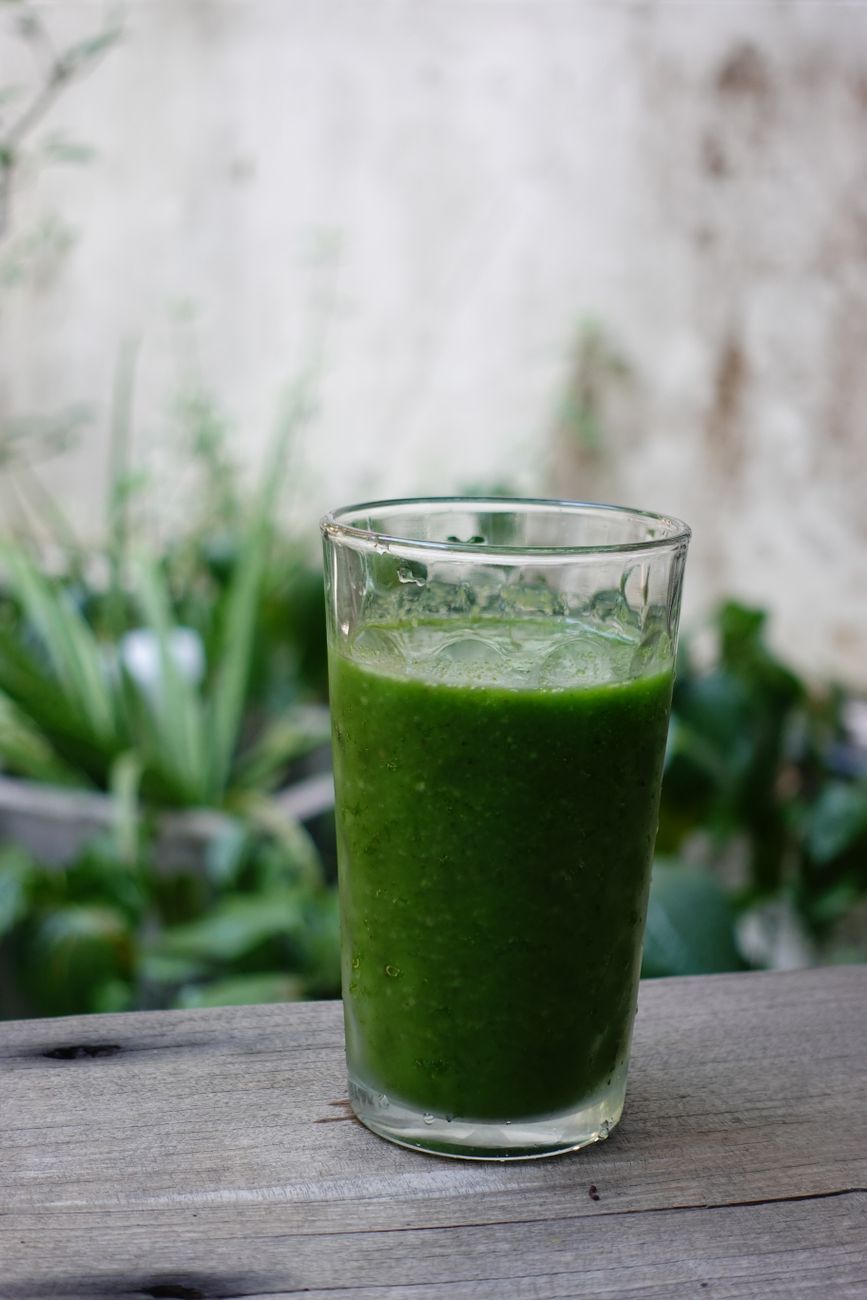
Consistency is also worth experimenting with. A thinner smoothie works better through a straw for a quick drink on the go, while a thicker, spoonable consistency feels more like a light meal — both are valid depending on what you actually want out of it.
Frequently Asked Questions
What’s the difference between a smoothie and juice?
A smoothie blends the whole fruit or vegetable, keeping the fiber; juice typically extracts only the liquid, leaving the fiber behind.
Can I make smoothies without a high-powered blender?
Yes, though softer fruits blend more easily in a standard blender than very fibrous vegetables or ice.
How do I make a smoothie thicker without ice?
Use frozen fruit instead of fresh, which thickens the texture without diluting the flavor the way ice can.
Are vegetable smoothies good for kids?
Many kids accept green smoothies well when fruit like apple or banana balances the vegetable flavor, as in the green smoothie recipe above.
Does Mabel’s Deli sell ready-made smoothies?
Organic, vegan fruit and vegetable shooters are kept in the cooler at Poncha Market as a ready-made option.
What greens work best in a smoothie for beginners?
Spinach is a good starting point, since it has a mild flavor that’s easy to mask with fruit, unlike more assertive greens like kale.
Can I make a smoothie ahead of time?
Yes, though texture and freshness are best within a day; store in the refrigerator and shake or stir before drinking if it separates.
What order should I add ingredients to a blender?
Liquids first, then soft ingredients, then frozen fruit or ice last — this order is generally easier on the blender motor than adding everything at once.
Do I need to add sugar to fruit smoothies?
Often not — naturally sweet fruits like mango, banana, and pineapple usually provide enough sweetness on their own without added sugar or honey.
Want a ready-made option? Check the cooler at Poncha Market for fruit and vegetable shooters on your next stop.
For nutritional guidance on fruits, vegetables, and smoothies, see the Harvard T.H. Chan School of Public Health.
Leave a Reply