
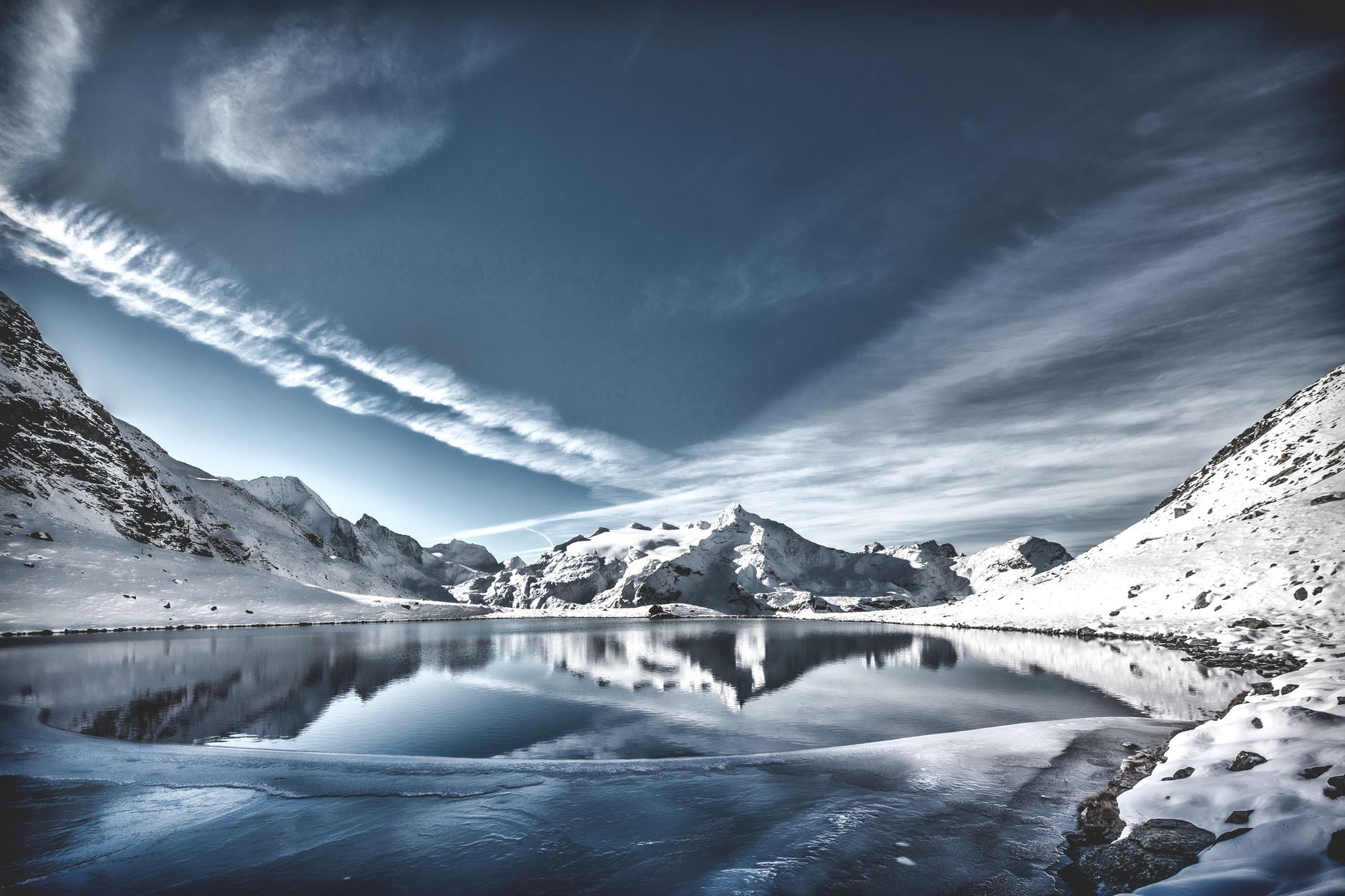
Not every hike near Poncha Market has to end on a 14,000-foot summit. Collegiate Peaks Wilderness, north of Poncha Springs toward Buena Vista, holds 22 lake trails and a wide range of moderate hikes that don’t require the full commitment of the fourteeners covered in our Sawatch Range 14ers guide.
This guide focuses on that other side of the wilderness area — the alpine lakes, forested approaches, and moderate trails that make up most of what’s actually hiked here, rather than just the headline summits.
Most visitors to this wilderness area, in practice, never attempt a fourteener at all — they come for exactly what this guide covers: genuinely scenic alpine terrain reachable in a single day, without the altitude and endurance demands of a summit push.
With 22 named lake trails carrying an average rating above 4.5 stars across thousands of reviews, this is a wilderness area with real depth beyond its famous peaks — enough options that a repeat visitor could hike a different lake trail on every trip for years.
That depth is exactly what separates a genuinely great wilderness area from one with just a few marquee attractions. Even hikers who’ve already summited the surrounding fourteeners often find themselves returning specifically for the lake trails, which offer a fundamentally different kind of reward than a summit push.
What Is Collegiate Peaks Wilderness?
The wilderness area takes its name from the cluster of fourteeners named after Ivy League universities — Harvard, Yale, Princeton, and Columbia among them — and covers a high-elevation landscape of dense forests, open meadows, and pristine alpine lakes and streams throughout the Sawatch Range.
Because it’s a designated wilderness area, specific rules apply: dogs must be leashed, camping is required at least 100 feet from water and trails, and group sizes are capped at 15 or fewer — all worth knowing before you head in, particularly if you’re used to less-regulated public land elsewhere.
These rules exist specifically to preserve the quality of the terrain that draws people here in the first place. A wilderness designation isn’t just a naming convention — it comes with real legal protections and restrictions distinct from a standard national forest area, and treating them casually is both a rule violation and a disservice to the landscape.
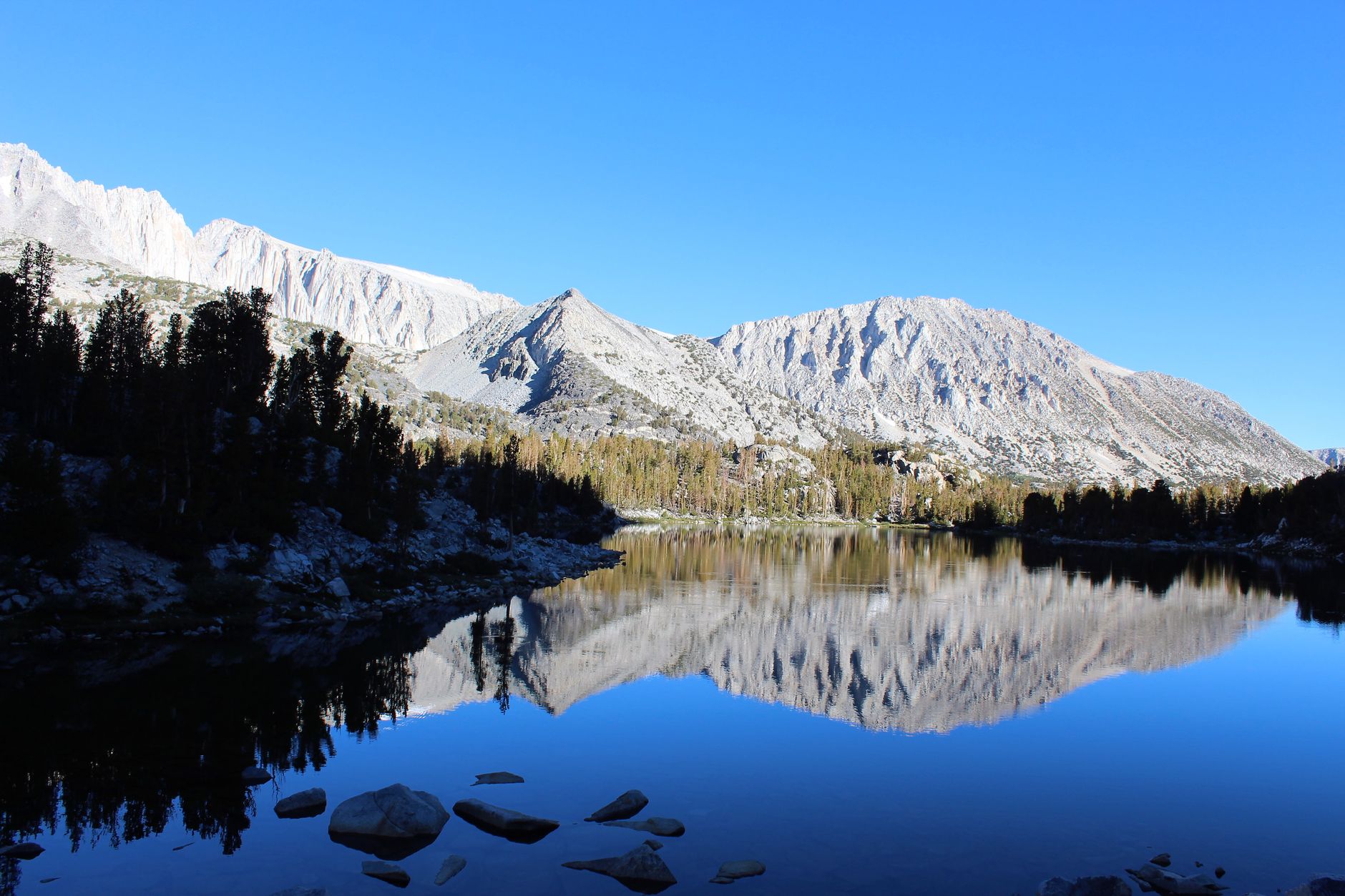
Notable Lake Trails
| Trail | Distance | Difficulty | Highlight |
|---|---|---|---|
| Mount Harvard Trail | 12.8 miles round trip | Difficult | Highest-rated lake trail in the wilderness |
| Ptarmigan Lake Trail | 6.1 miles | Difficult | Scenic alpine lake destination |
| Lake Ann Trail | 3.6 miles | Moderate | Stunning alpine lake beneath towering peaks |
| Hartenstein Lake Trail | 6.2 miles | Challenging | Starts at Denny Creek Trailhead |
| Lost Lake Loop | Varies | Moderate | Excellent fly fishing, frequent moose sightings |
Lake Ann: A Good Starting Point
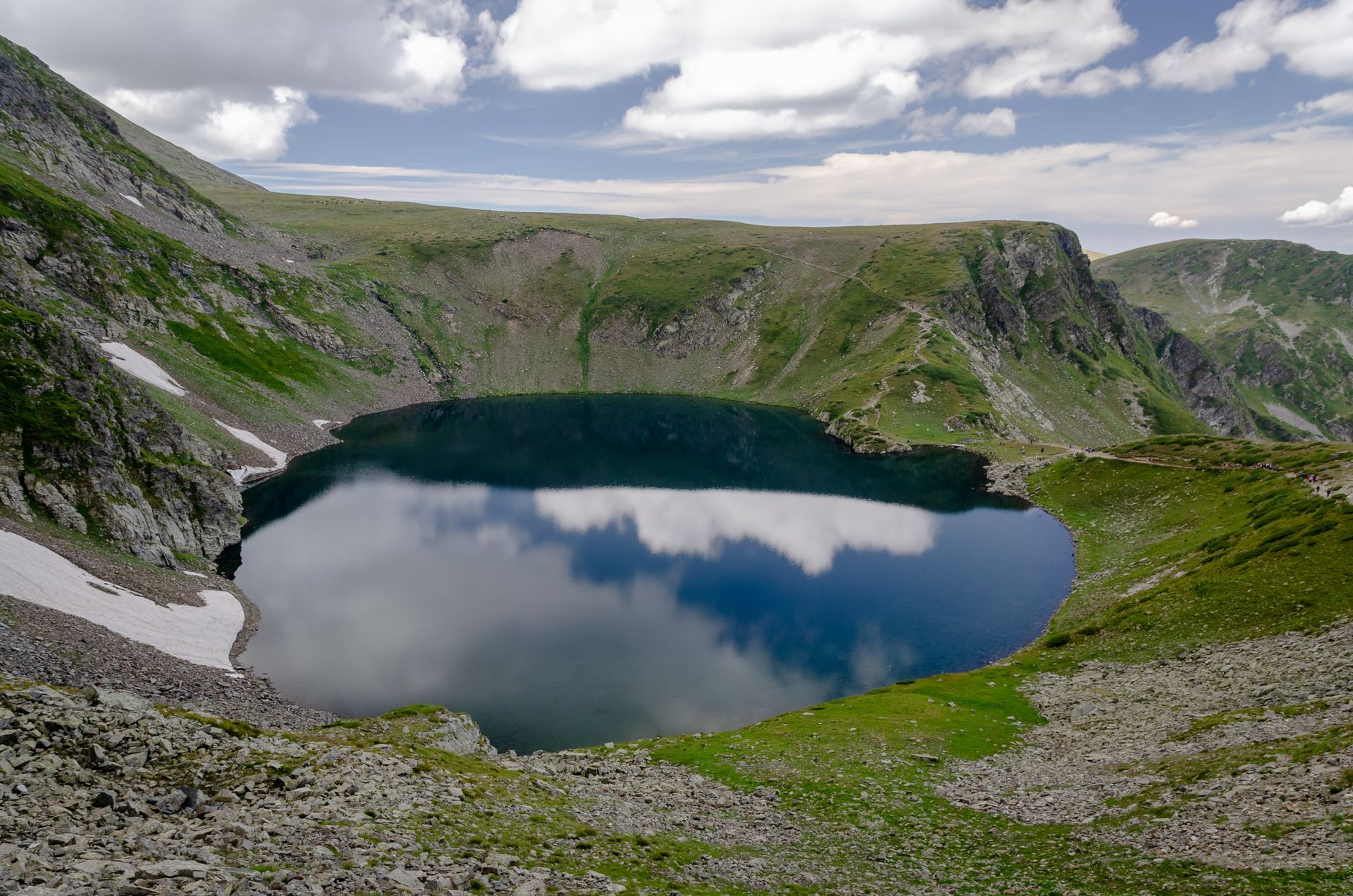
For hikers looking for something more approachable than a full-day fourteener but still genuinely scenic, Lake Ann’s 3.6-mile out-and-back to an alpine lake beneath towering peaks is a solid introduction to what this wilderness area offers, without the altitude and distance demands of the harder options.
It’s also a reasonable choice for families or groups with mixed fitness levels, where a full fourteener attempt would leave some members struggling while others feel unchallenged — Lake Ann’s distance and elevation gain are demanding enough to feel like a real accomplishment without requiring the same level of training.
Wildlife Along the Trails
Lost Lake Loop in particular is known for frequent moose sightings near treeline, in addition to excellent fly fishing — a reminder that this wilderness area rewards more than just hiking distance covered. Giving moose plenty of space, especially cows with calves, is essential; they’re far more dangerous when approached than their calm appearance suggests.
A moose that feels threatened will charge with little warning, and unlike bears, moose don’t respond to the same deterrents — the safest approach is always maximum distance and a calm, unhurried retreat if one is spotted nearby on the trail.
Fly fishing at Lost Lake specifically rewards patience and quiet more than technical skill — it’s a smaller, less pressured body of water than the Arkansas River’s Gold Medal stretch, which makes it a worthwhile stop for anglers seeking a change of pace from the busier river fishing covered in our Arkansas River fly fishing guide.
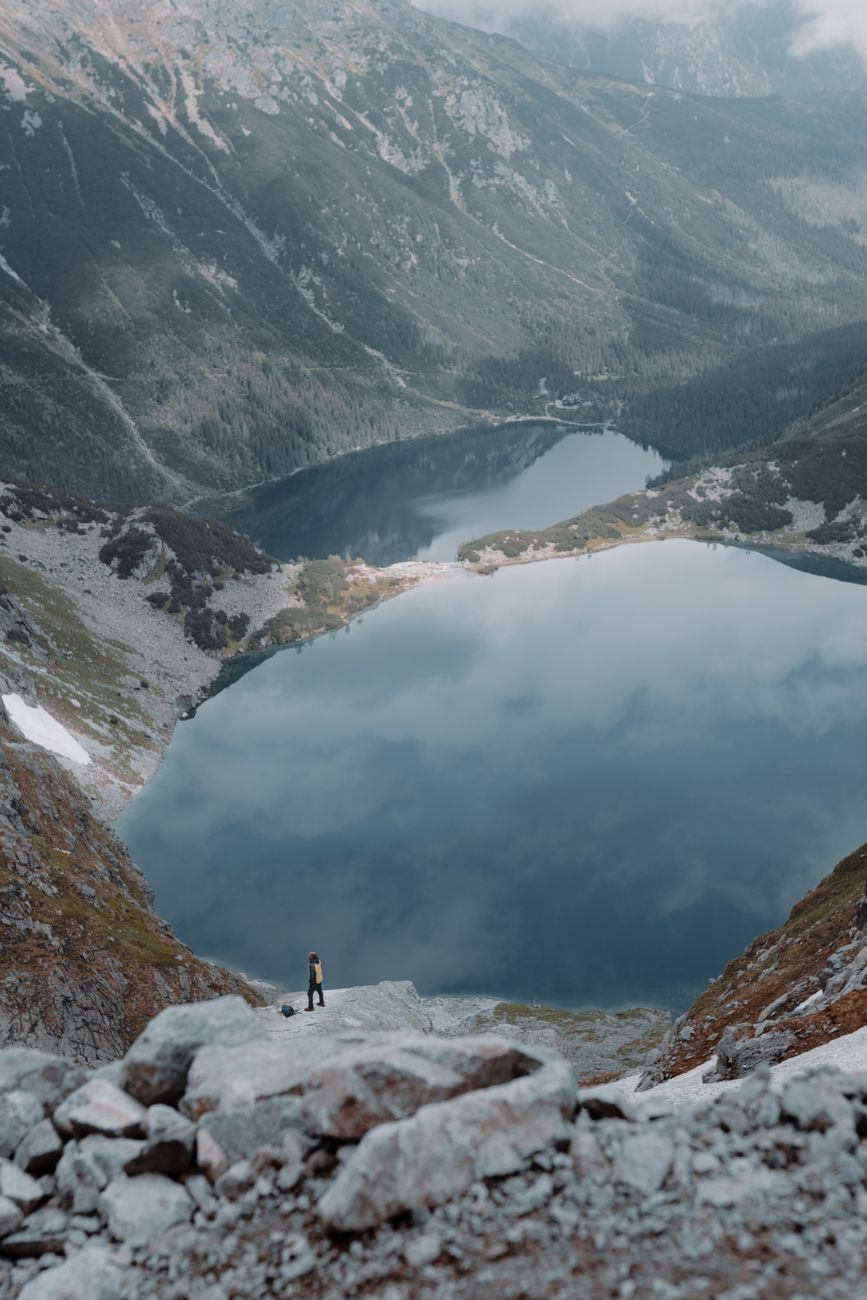
Seasonal Access
The wilderness is often covered in snow from November through June, similar to much of the surrounding high country. Trailhead access and specific trail conditions vary significantly by elevation and aspect, so checking current conditions before a specific trip — especially early or late in the season — is worth doing rather than assuming a trail is clear just because the calendar says summer.
A trail that’s fully clear at its trailhead can still hold significant snow at its higher elevations well into July in a heavy snow year, particularly on north-facing sections that get less direct sun exposure through the season.
Trip reports from recent hikers, available through several online hiking platforms, are generally the most reliable way to check current trail-specific conditions rather than relying on general seasonal assumptions alone.
For a first visit to this wilderness area, starting with one of the shorter, more established trails like Lake Ann before attempting something longer like the Mount Harvard Trail lake route is a sensible way to gauge your own pace and comfort with the altitude before committing to a bigger day.
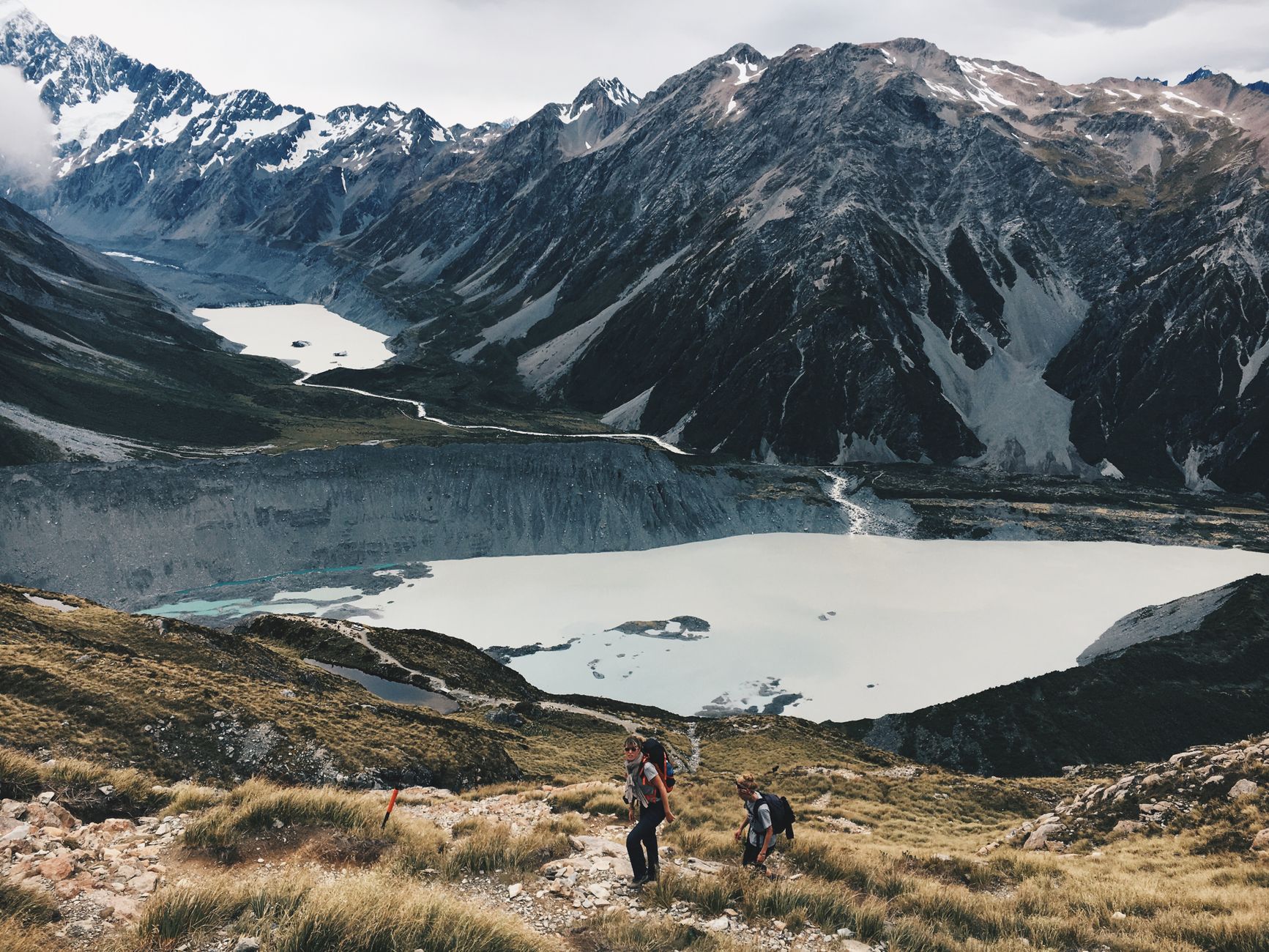
Whatever trail you choose, treat this as an opportunity to see the Sawatch Range from a genuinely different angle than a highway pull-off or drive-by photo stop offers — the lakes here are only reachable on foot, which is exactly why they stay quieter and more pristine than roadside viewpoints.
Frequently Asked Questions
How many lake trails are in Collegiate Peaks Wilderness?
22, with an average rating of 4.5 stars across more than 5,000 reviews.
What is the easiest lake hike in this area?
Lake Ann Trail, at 3.6 miles round trip, is generally considered one of the more approachable options compared to the longer, more difficult trails nearby.
Are dogs allowed in Collegiate Peaks Wilderness?
Yes, but they must be kept leashed under wilderness area regulations.
Is this different from the Sawatch 14ers guide?
Yes — this guide focuses on moderate, non-summit lake hikes; see our Sawatch Range 14ers guide for the fourteener climbing routes.
When is Collegiate Peaks Wilderness accessible?
Generally summer through early fall; much of the area is snow-covered from November through June.
Is a permit required to hike in Collegiate Peaks Wilderness?
No permit is generally required for day hiking, though wilderness regulations on group size, camping distance, and leashed dogs still apply.
Can I see moose in Collegiate Peaks Wilderness?
Yes — Lost Lake Loop specifically is known for frequent moose sightings near treeline, in addition to good fly fishing.
Looking for a bigger challenge? See our Sawatch Range 14ers guide, or fuel up at Poncha Market before heading out.
For wilderness area regulations and stewardship information, see Wilderness.net.



Leave a Reply