
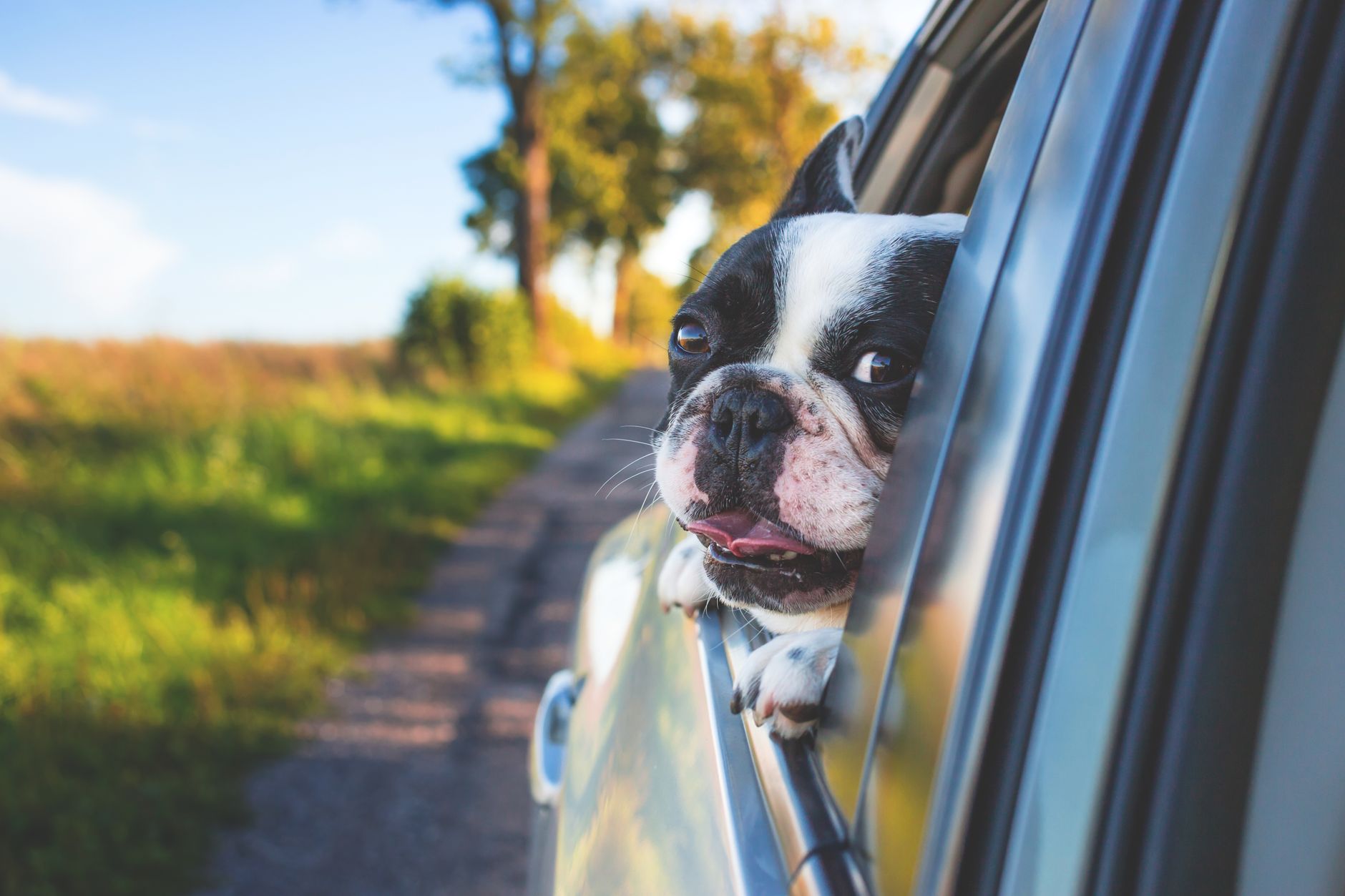
Traveling with a dog changes the shape of a road trip — more frequent stops, different priorities at each one, and a bit more planning around where your pet can actually get out and move. Poncha Market in Poncha Springs, at the US-50/US-285 junction, works well as one of those stops.
This guide covers practical tips for traveling with pets through this part of Colorado, not just generic road trip advice repackaged for dog owners.
Central Colorado’s combination of highway corridors, small towns, and genuine outdoor access makes it a reasonably good region for traveling with a dog, provided you plan around a few specific factors that don’t come up on a flatter, lower-elevation road trip.
Before You Leave: Basics That Matter More on a Long Drive
- Always clean up after your dog, and check local leash laws before assuming off-leash time is available anywhere you stop.
- Health and safety rules around pets on patios and outdoor dining areas vary by location and can change; don’t assume a previously pet-friendly spot still allows dogs outside a fence line.
- Bring your own water and a bowl rather than relying on finding one at every stop, especially at higher elevations where dogs dehydrate faster than at sea level.
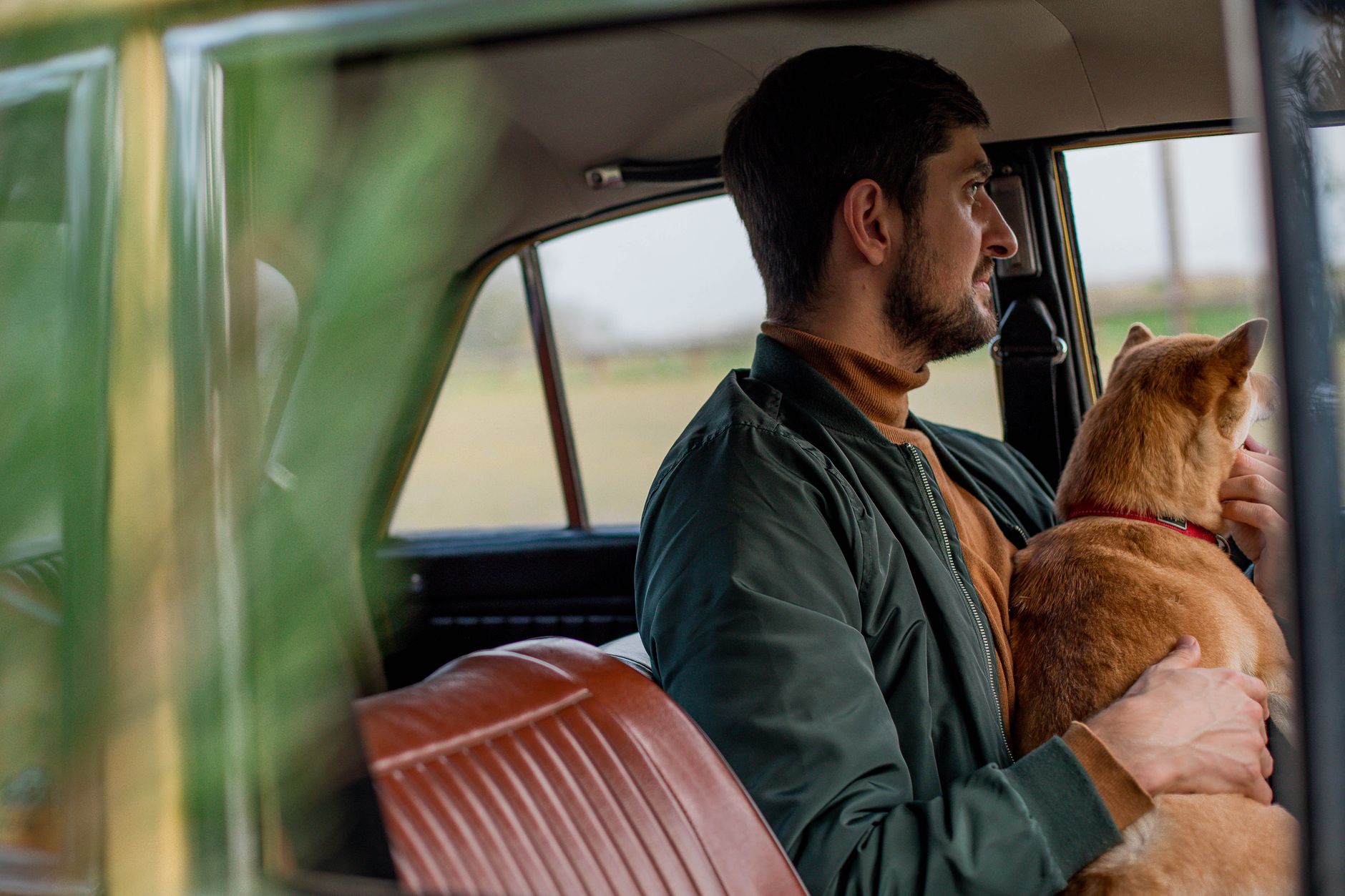
- Plan stops roughly every two to three hours for a bathroom break and a chance to stretch, more frequently than you might otherwise plan for yourself alone.
Why a Highway Junction Stop Works Well With Pets
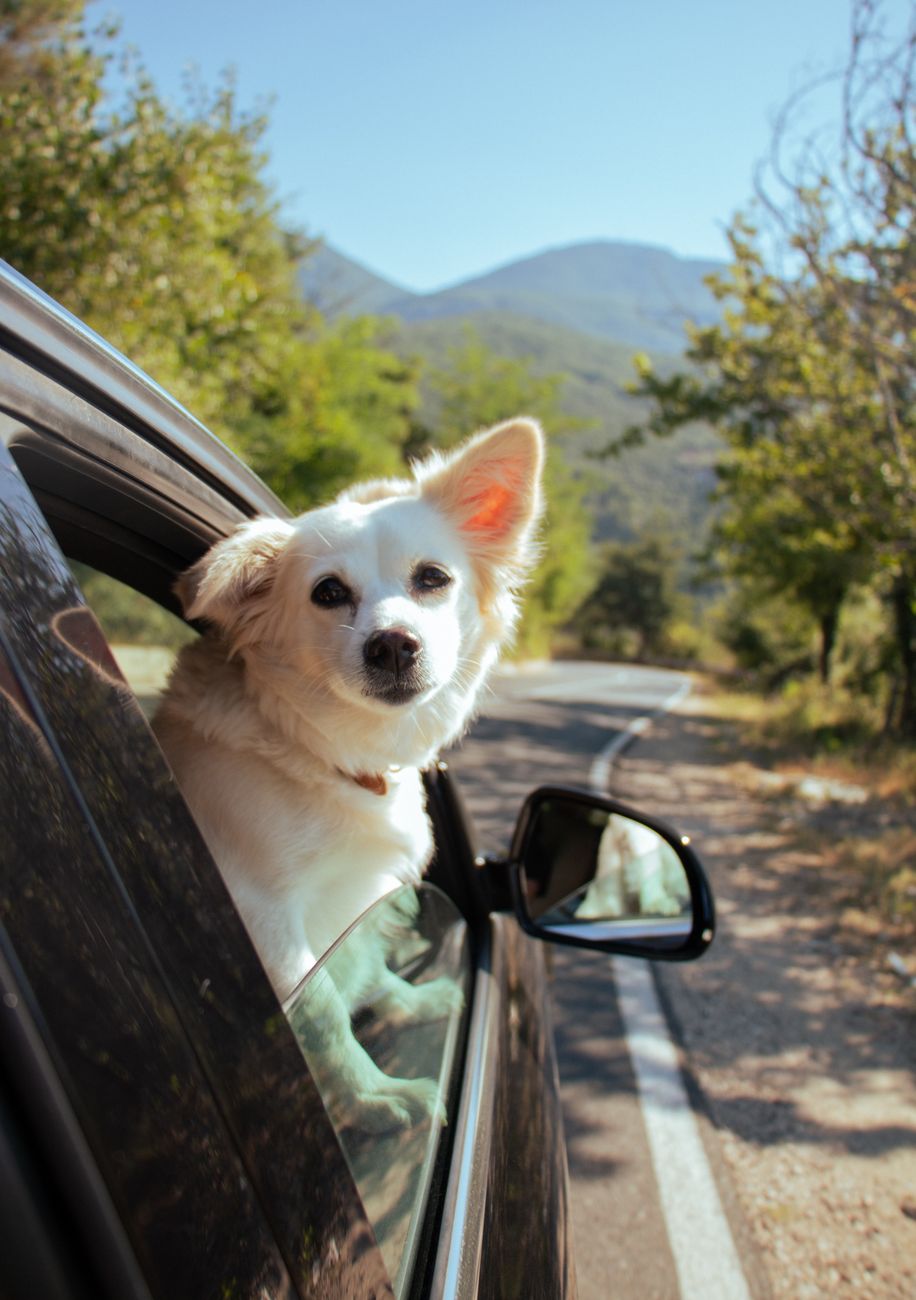
Unlike a downtown stop that requires finding parking and navigating a busier area, Poncha Market sits directly on the highway with easy pull-in access — a practical advantage when you’re managing a dog along with a fuel stop or bathroom break and don’t want to add a town detour to the process.
That kind of simplicity matters more than it sounds like on a longer trip. Every additional decision point — where to park, whether there’s grass nearby, how far the walk is from the car — adds friction when you’re also managing a dog’s needs alongside your own, and a straightforward highway stop removes several of those decisions at once.
Getting Your Dog Out to Stretch
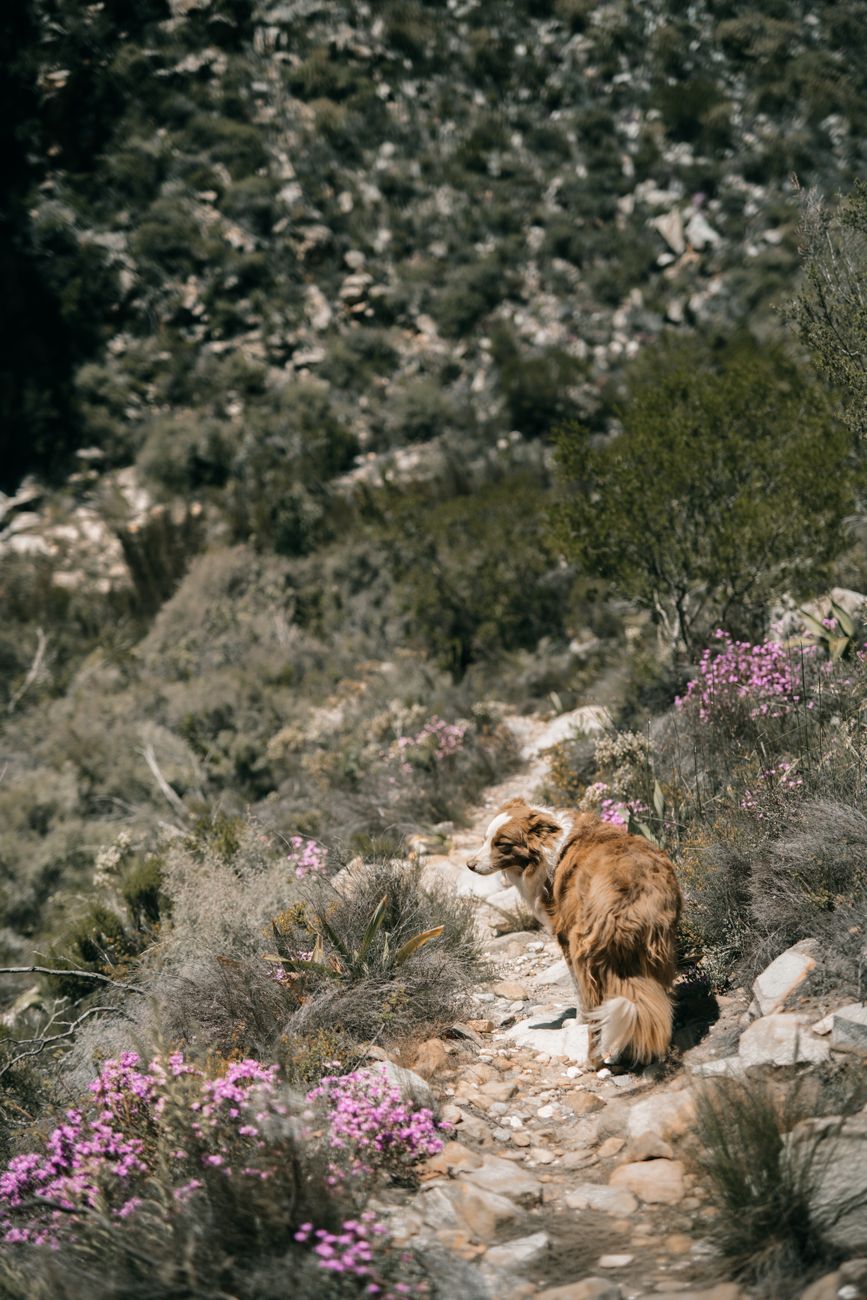
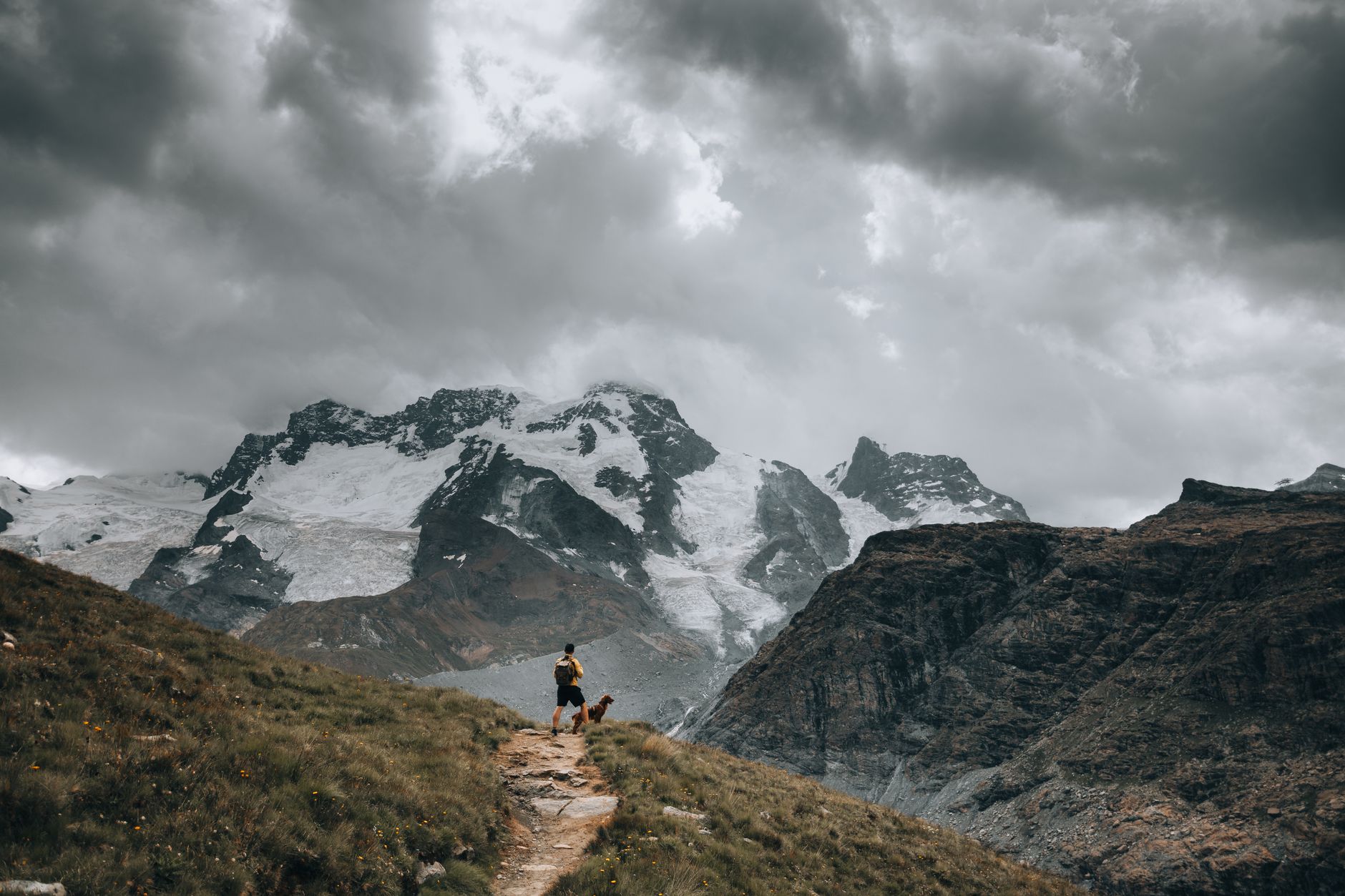
If you have more time than a quick fuel stop, the wider Poncha Springs and Salida area has genuine dog-friendly hiking options nearby, including trails around Collegiate Peaks Wilderness to the north, where leashed dogs are permitted on most trails.
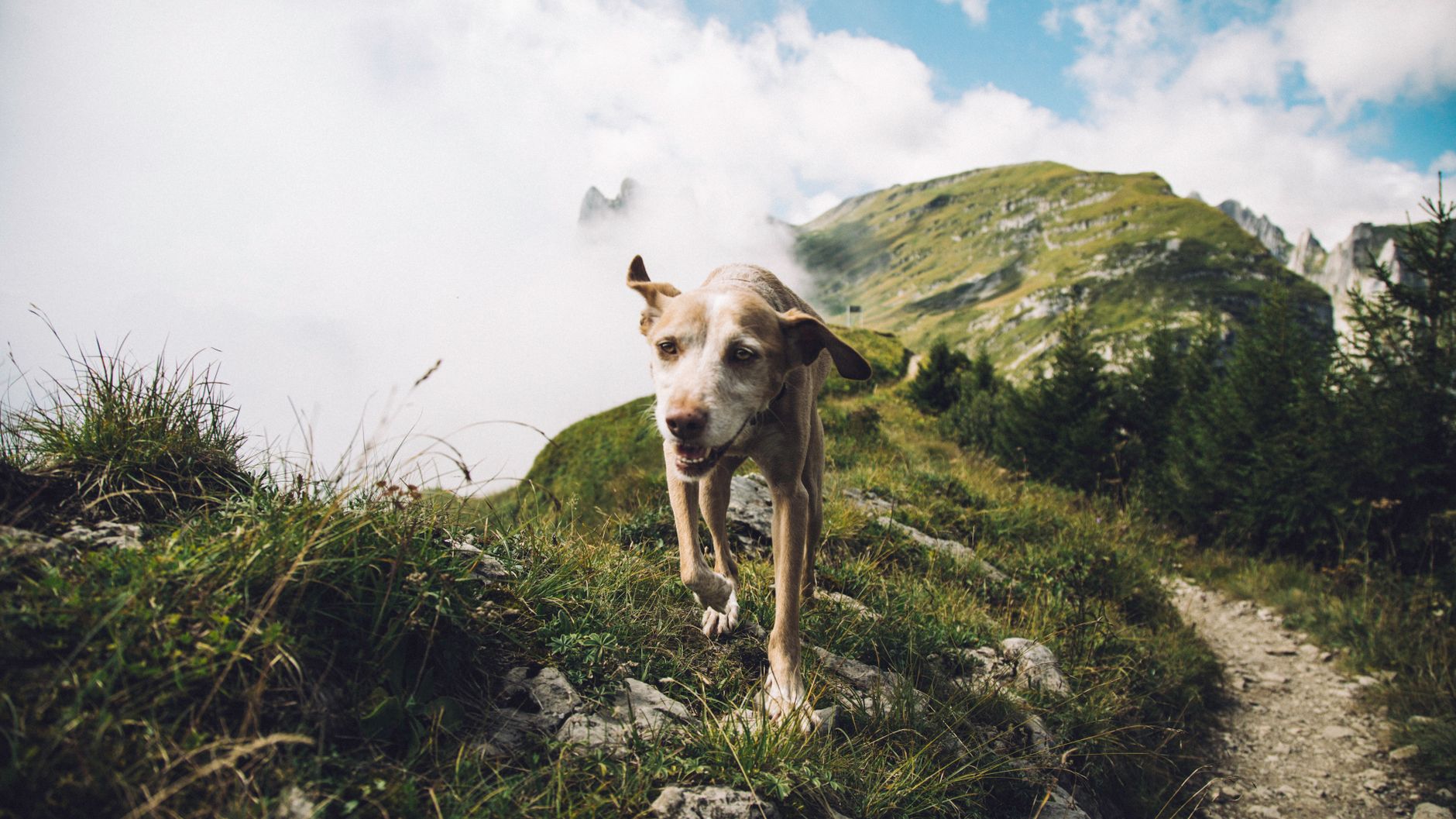
Wilderness area regulations do require dogs to stay leashed, and group sizes and camping distances from trails and water are also regulated — worth reviewing before a longer hike with your pet in this specific area rather than assuming the same rules apply everywhere.
It’s also worth checking individual trail conditions before bringing a dog along on anything more demanding than a short walk. Rocky, exposed terrain at altitude can be tough on paws that aren’t conditioned for it, and a dog that tires out miles from the trailhead becomes a genuine problem rather than a minor inconvenience.
Altitude and Your Dog
Dogs can be affected by altitude changes similarly to people — reduced stamina, faster dehydration, and in some cases more serious altitude-related symptoms in dogs with existing heart or respiratory conditions. If you’re bringing a dog from a much lower elevation, building in extra rest and water breaks during the first day or two at altitude is a reasonable precaution.
Watch for signs of altitude discomfort beyond simple tiredness — excessive panting, lethargy well beyond what a normal walk would cause, or reluctance to keep moving are all worth taking seriously rather than pushing through, particularly on a first day at elevation.
Winter Travel With Pets
If you’re traveling through in winter, keep in mind that cold pavement and ice at rest stops can be uncomfortable or even harmful to a dog’s paws during longer waits — something worth considering if you’re navigating Poncha Pass or Monarch Pass in poor conditions and need to stop for an extended period.
Dog booties are a reasonable investment for winter travel through this corridor if your pet will be spending real time outside the car rather than just a quick bathroom break — ice, salt, and sharp-edged packed snow can all cause paw irritation over an extended stop.
Never leave a dog unattended in a parked vehicle for more than a few minutes, regardless of season — both summer heat and winter cold inside a parked car can become dangerous far faster than most owners expect, even with cracked windows.
A well-planned pet-friendly road trip through this corridor ultimately isn’t that different from planning one anywhere else in mountain country — the fundamentals of hydration, rest breaks, and temperature awareness just carry a bit more weight given the altitude.
Bringing your pet’s regular food rather than switching brands mid-trip is also worth doing, since sudden diet changes combined with travel stress and altitude can upset a dog’s stomach in ways that are inconvenient at best on a road trip.
Frequently Asked Questions
Are dogs allowed at Poncha Market?
Outdoor areas are generally more accommodating for pets than indoor food service areas; check current signage and ask staff about specific policies during your visit.
Is Collegiate Peaks Wilderness dog-friendly?
Yes, leashed dogs are permitted on most trails, though wilderness regulations require leashes and set rules for camping distance from water and trails.
Does altitude affect dogs?
Yes, similarly to people — expect reduced stamina and faster dehydration, with extra caution warranted for dogs with existing heart or respiratory conditions.
How often should I stop for my dog on a road trip?
Roughly every two to three hours for a bathroom break and a chance to stretch, more frequently than a typical stop schedule for a solo traveler.
Can I hike with my dog near Poncha Springs?
Yes — the surrounding Collegiate Peaks Wilderness area offers leashed-dog-friendly trails within a reasonable drive.
What are signs my dog is struggling with altitude?
Excessive panting, unusual lethargy, or reluctance to keep moving are all worth taking seriously, especially on a dog’s first day at a significantly higher elevation than home.
Should I bring my own water for my dog?
Yes — don’t assume you’ll find a water source at every stop, especially on trails or at higher elevations where dehydration happens faster.
Do dogs need booties in winter here?
If they’ll be spending real time outdoors during a winter stop, booties are a reasonable precaution against ice, salt, and sharp packed snow irritating their paws.
Are there leash laws to know about near Poncha Springs?
Local leash laws vary by specific location, and wilderness areas like Collegiate Peaks require leashed dogs at all times — check current rules for wherever you’re specifically stopping.
Traveling with a pet? Stop at Poncha Market for an easy roadside break, or see our Collegiate Peaks hiking guide for dog-friendly trails.
For general guidance on traveling with dogs, see the American Kennel Club.




Leave a Reply