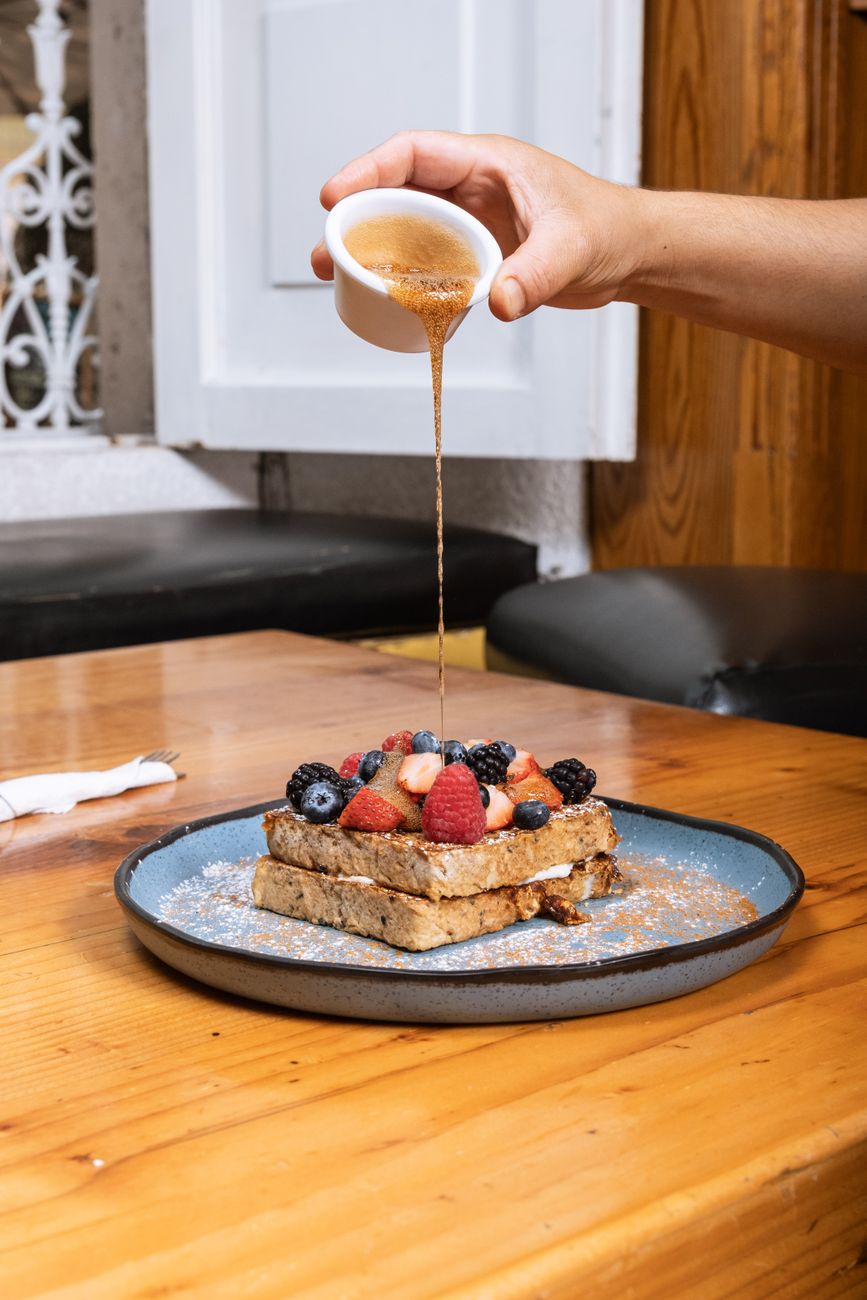
French toast has a name that suggests a specific French invention, but egg-soaked, fried bread recipes are documented far earlier and across a much wider area than France alone.
Here’s what’s actually known about its history, along with a classic recipe.
That mismatch between name and origin is common in food history generally, and French toast is one of the clearer examples of a dish named more for a vague association than any documented invention.
Older Than France Itself
Recipes for bread soaked in a liquid mixture and fried appear in ancient Roman cookbooks, well before medieval France existed as a nation. The technique likely developed independently in many places as a practical way to use up stale bread rather than waste it — not as a specifically French culinary invention.
Why It’s Called “French” Toast
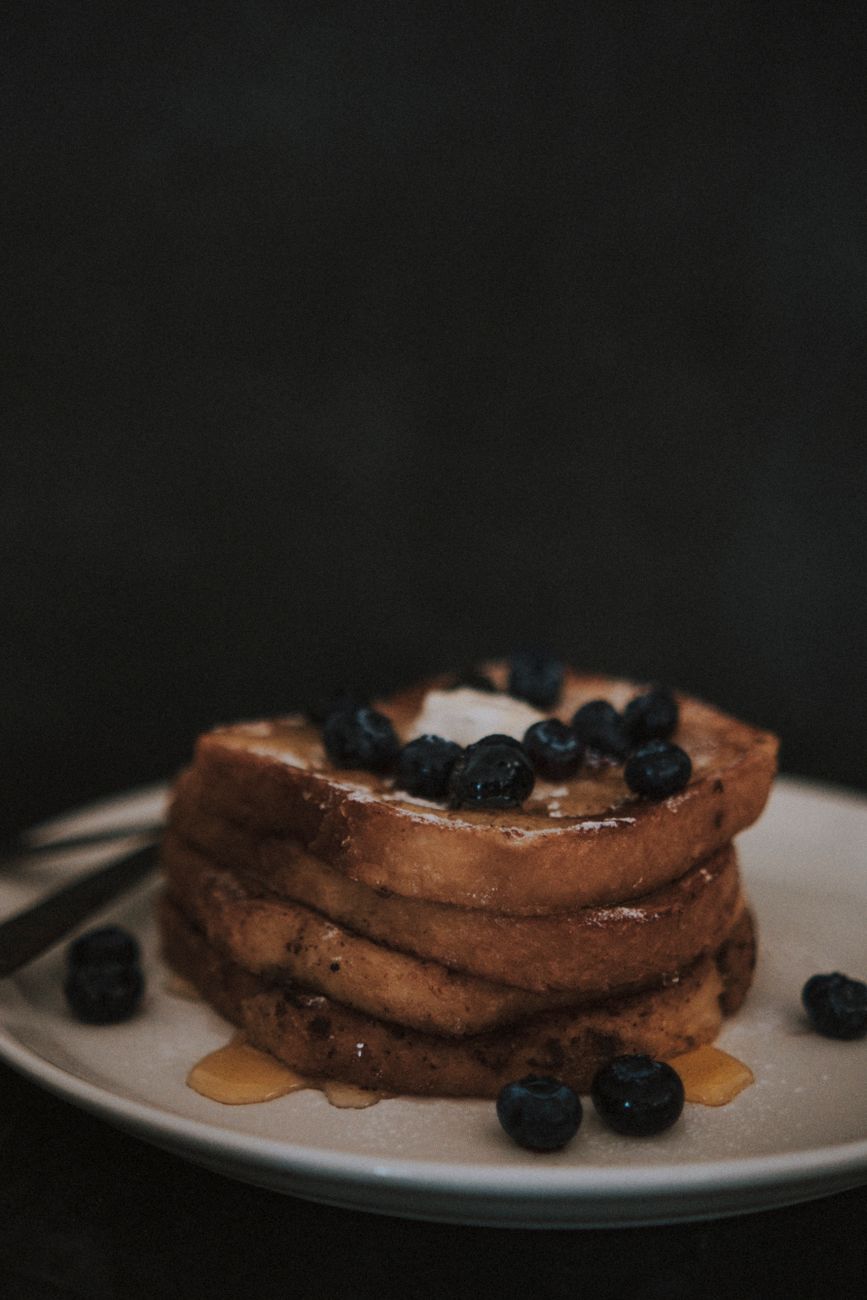
The exact reason for the American name is unclear, though it may simply reflect a general 18th and 19th-century habit of labeling any refined-sounding egg dish “French,” regardless of any real connection to France. Many countries have their own name and version of the same basic dish.
Ingredients
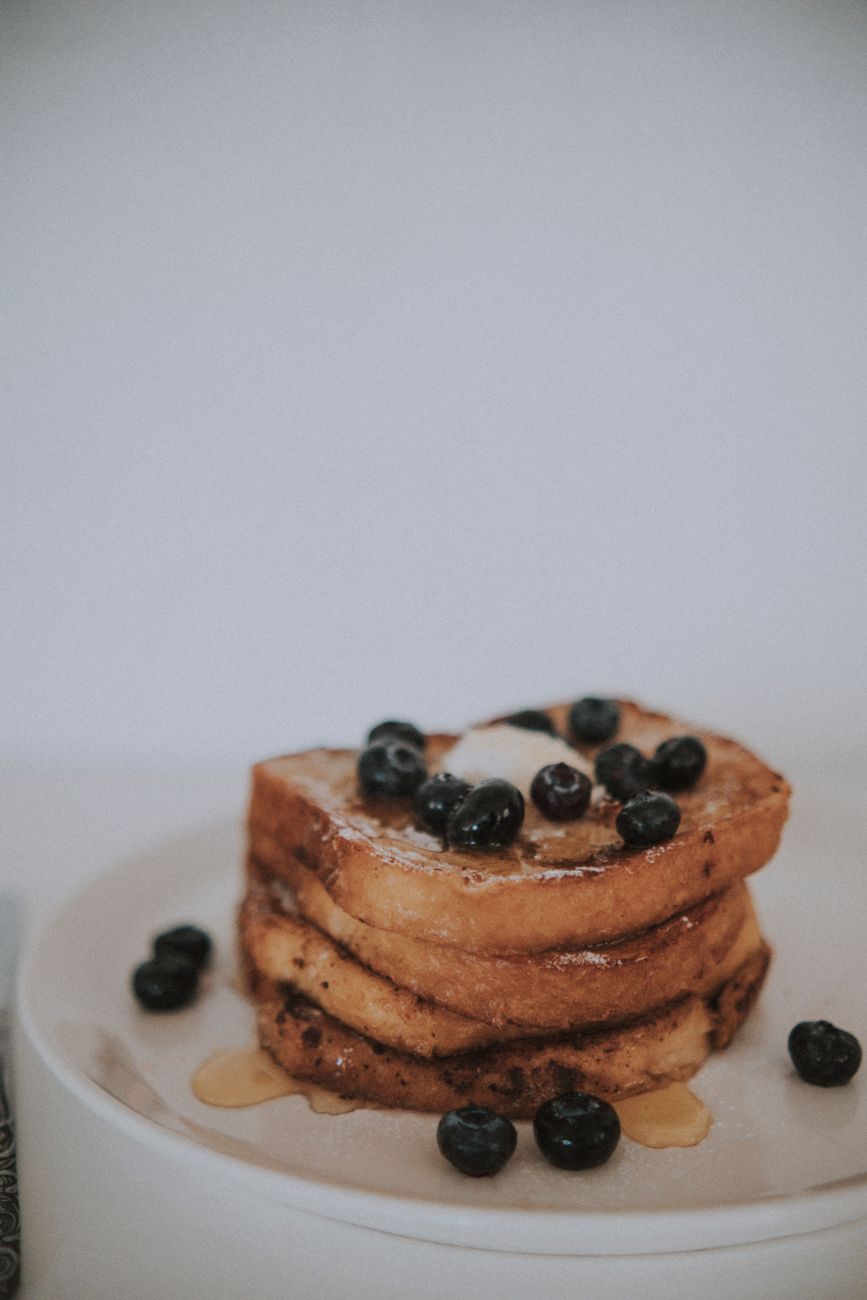
- 4 slices thick bread (brioche or challah work well)
- 2 eggs
- ½ cup milk
- 1 teaspoon cinnamon
- 1 teaspoon vanilla extract
- Butter, for frying
- Maple syrup and fresh fruit, for serving
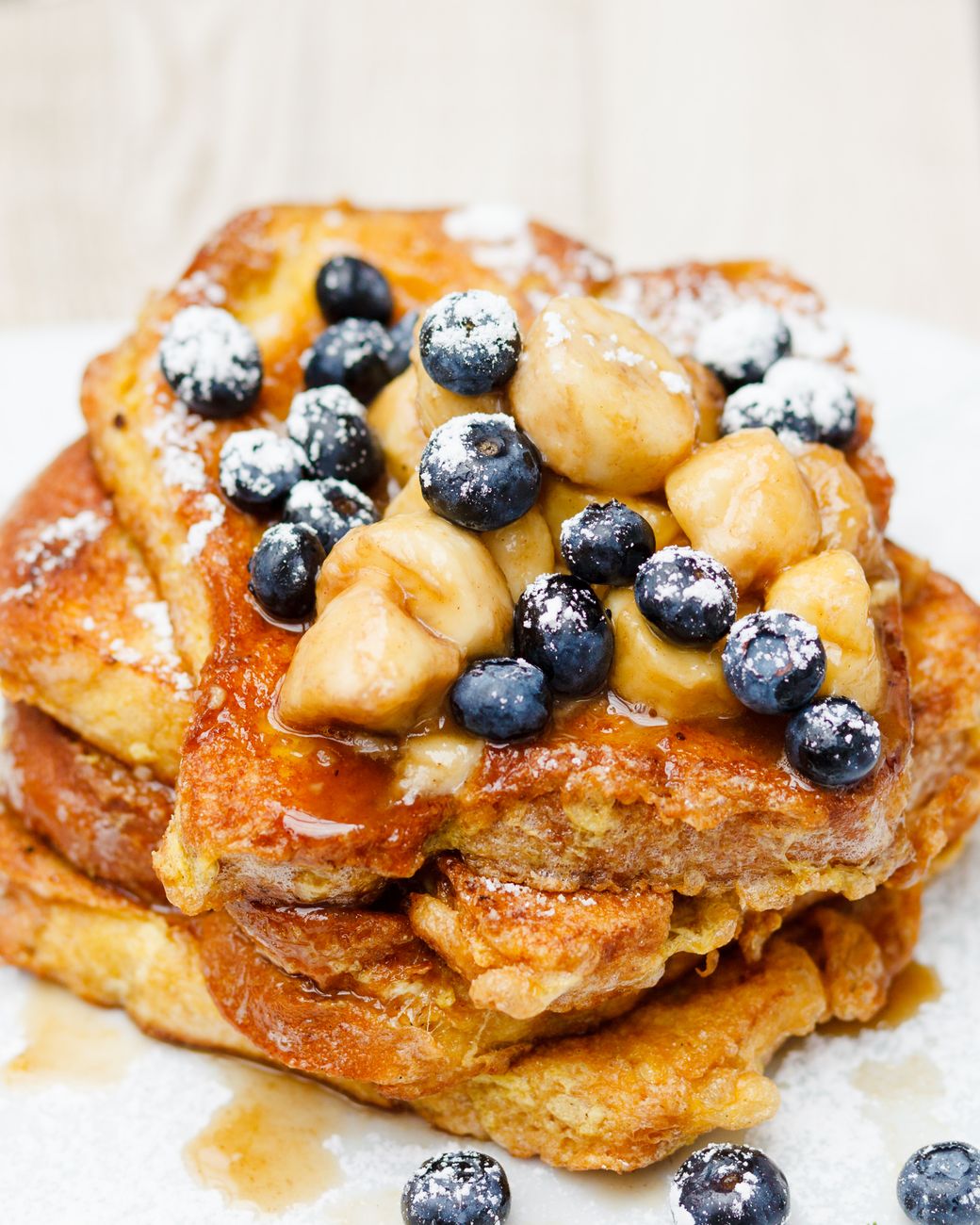
Instructions
- Whisk together the eggs, milk, cinnamon, and vanilla in a shallow dish.
- Dip each slice of bread in the mixture, coating both sides without oversoaking.
- Fry in butter over medium heat until golden brown on both sides.
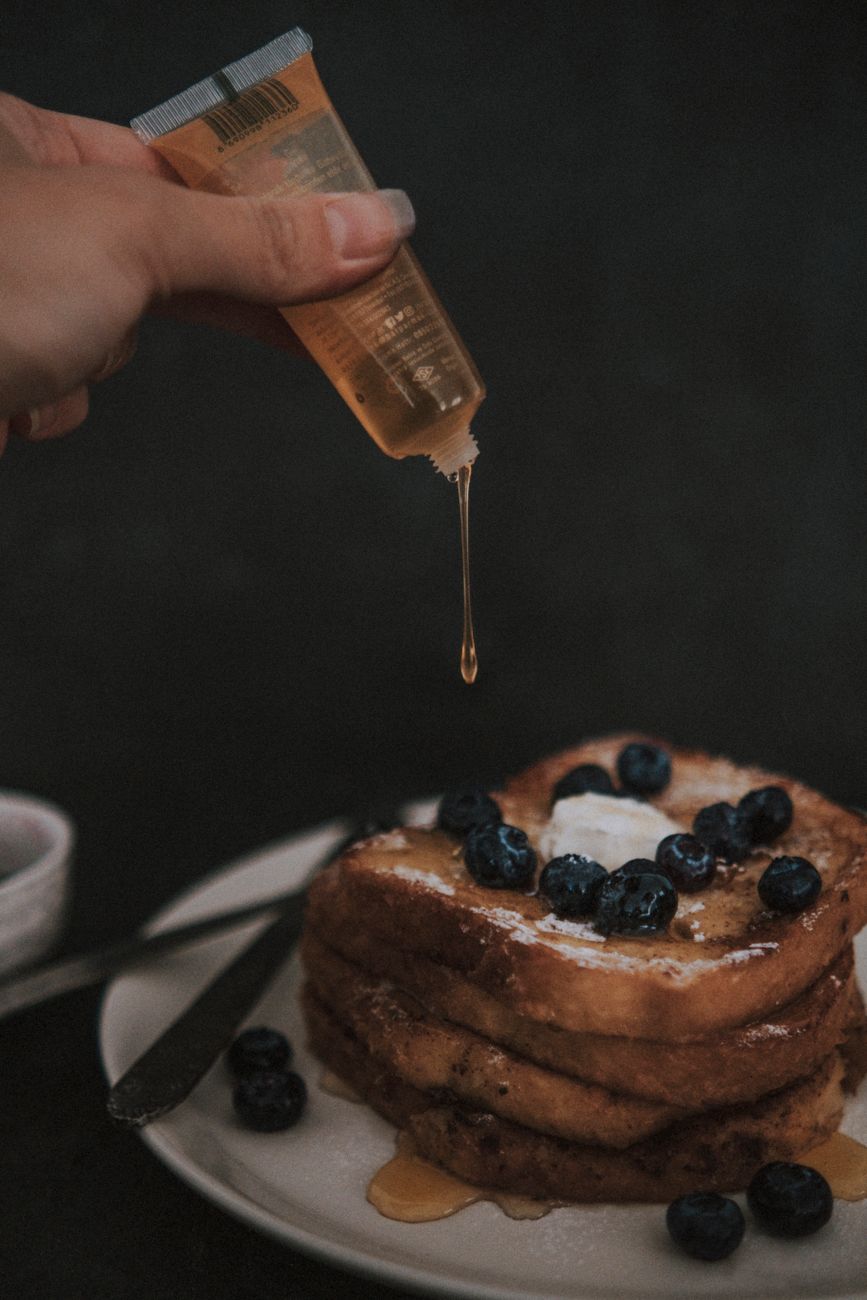
- Serve with maple syrup and fresh fruit.
Frequently Asked Questions
Is French toast actually French?
Not specifically — egg-soaked fried bread recipes predate France and appear in ancient Roman cookbooks; the American name’s exact origin is unclear.
What bread works best for French toast?
Thicker, slightly stale bread like brioche or challah holds up best without falling apart when soaked.
Why do some recipes use stale bread specifically?
Stale bread absorbs the egg mixture without becoming too soggy, since fresh bread can turn mushy from the added moisture.
Can I make French toast with a croissant instead?
Yes, though it produces a richer, flakier result than standard sliced bread; see our breakfast croissant recipe for a related idea.
Is French toast a breakfast-only dish?
No — while typically served at breakfast, it works equally well as a light dinner or dessert.
Should the bread be fresh or stale?
Slightly stale bread absorbs the egg mixture better without turning mushy, which is why day-old bread often works better than fresh.
Can I make French toast without milk?
Yes — water or a non-dairy milk substitute works, though the result will be slightly less rich.
Looking for another breakfast classic? See our history of the breakfast sandwich.
For more on this dish’s ancient origins, see Wikipedia.
Leave a Reply