
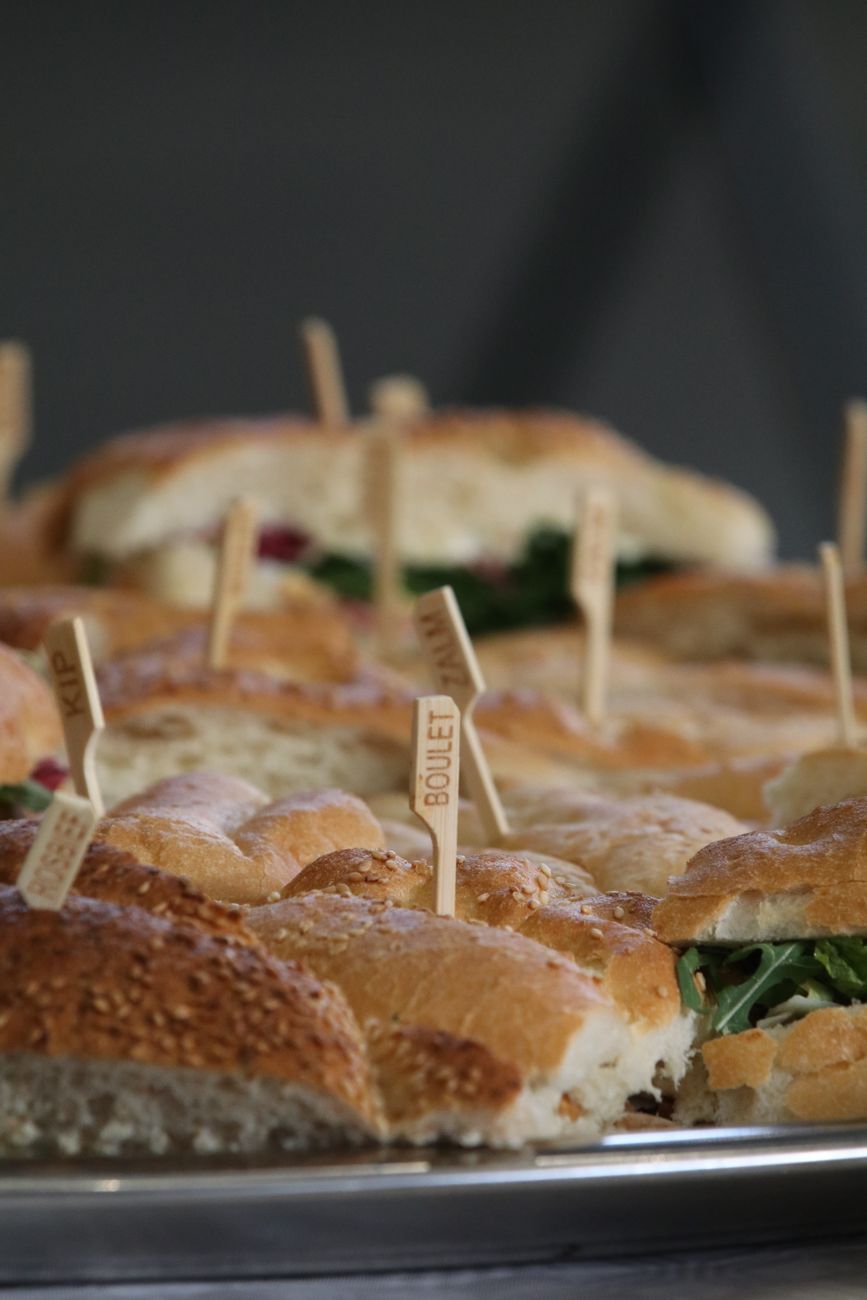
Every specific sandwich has its own history, but the sandwich itself — bread wrapped around a filling — has one too, and it traces back further than most people expect. Mabel’s Deli serves more than a dozen variations on this same basic idea, all descended from the same 18th-century story.
Here’s where the sandwich actually came from, and how a British aristocrat’s name ended up attached to a food eaten in some form on nearly every continent.
The concept of food between bread existed long before the name did — what changed in the 1700s wasn’t the food itself, but the specific word English speakers started using for it.
Tracing this history also helps explain why the sandwich took hold so quickly once the word existed: it wasn’t introducing a new food, just giving an already-common eating habit a catchy, memorable name that spread through popular usage.
The Earl of Sandwich Story
The sandwich is named after John Montagu, the 4th Earl of Sandwich, an English nobleman of the 18th century. The most repeated story credits him with asking for meat tucked between two pieces of bread so he could keep playing cards without pausing to eat with utensils — a convenient, one-handed meal that let him stay at the table.

Card Game or Desk Job?
Historians dispute whether the card-game story is entirely accurate. Some accounts suggest the Earl was actually working long hours at his desk handling naval affairs, and the bread-wrapped meat was simply a practical way to eat without leaving his paperwork. Either version points to the same underlying appeal: portability and speed.

Bread-Wrapped Food Existed Long Before the Name
The specific word “sandwich” is 18th-century, but the underlying idea is ancient. Flatbreads wrapped around fillings appear across many older food cultures, and some historians trace an early version to the Jewish sage Hillel the Elder, who is said to have combined matzah, nuts, and bitter herbs during Passover centuries before the Earl was born.

How the Idea Spread
Once the name caught on in England, the format proved endlessly adaptable — every culture that adopted it substituted its own bread, fillings, and condiments. That flexibility is exactly why the sandwich now spans everything from a simple grilled cheese to a loaded Italian sub, all sharing the same basic structure the Earl’s name became attached to.
Frequently Asked Questions
Who is the sandwich actually named after?
John Montagu, the 4th Earl of Sandwich, an 18th-century English nobleman.
Did the Earl invent the sandwich?
Not exactly — bread-wrapped food existed well before his time; his name simply became attached to the format in English.
Why is the card-game story disputed?
Some historians believe the Earl was working at his desk rather than gambling when he requested the meal, though both versions describe the same practical convenience.
Is there an older version of the sandwich?
Some trace an early version to Hillel the Elder, a Jewish sage said to have combined matzah and bitter herbs centuries before the Earl.
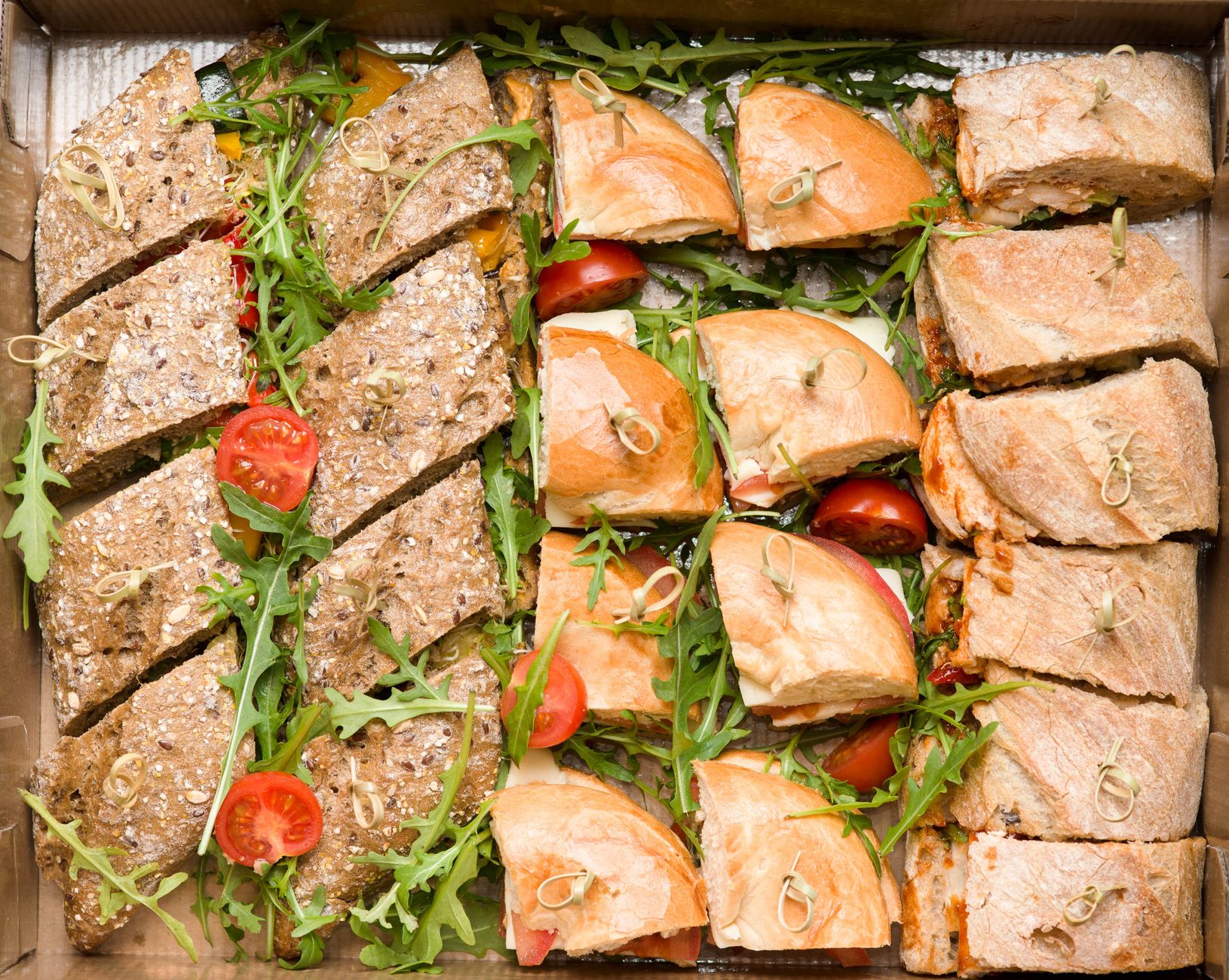
How many sandwich varieties does Mabel’s Deli serve?
More than a dozen, from classic deli sandwiches to regional specialties, all built on the same basic format.
Did other cultures have a version of the sandwich before England?
Many did, in the sense of bread wrapped around fillings, though the specific English word and its widespread popularity trace back to the Earl of Sandwich.
Why did the name spread so widely?
It gave an already-common way of eating a simple, memorable label, which made it easy to adopt across cultures and cuisines.
Ready to try the format in person? See our Mabel’s Deli menu guide for the full sandwich lineup.
For more on sandwich history, see the Food Timeline.

Leave a Reply