
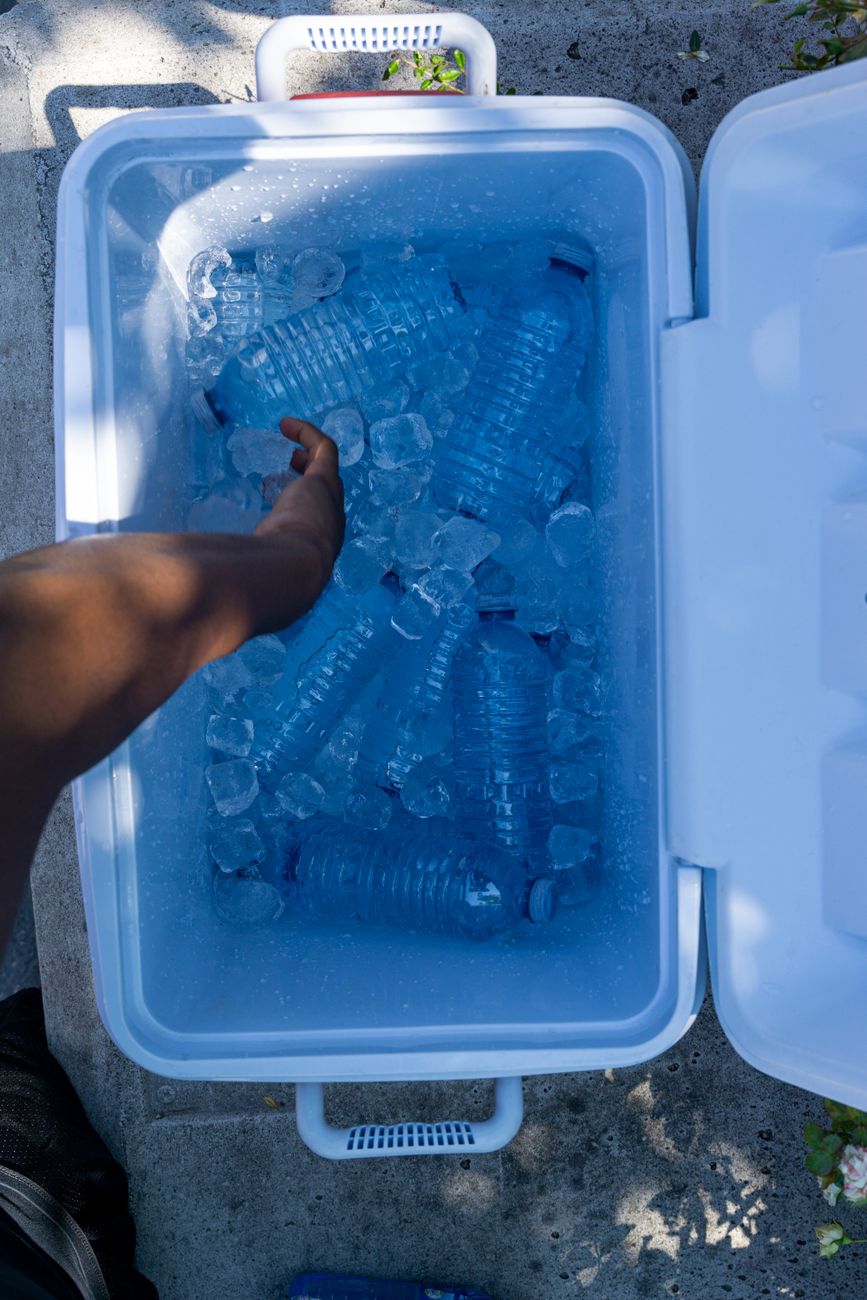
A well-packed cooler is the difference between food that’s genuinely safe to eat hours into a road trip and food that’s spent too long at an unsafe temperature. Here’s the actual food safety guidance behind packing one properly, not just general tips.
Most of the real risk in cooler food safety isn’t exotic — it’s simple time and temperature management that’s easy to get sloppy about on a long drive.
A well-packed cooler also just makes the trip more pleasant — nobody wants to dig through slushy meltwater looking for a cold drink halfway through a long stretch of highway.
Preparing the Cooler
Clean the cooler thoroughly before use, inside and out, with mild soap and warm water. About 24 hours before leaving, pre-chill the cooler by filling it with sacrificial bags of ice and water, then dump that out right before actually packing your food and drinks.
Layering Food Properly
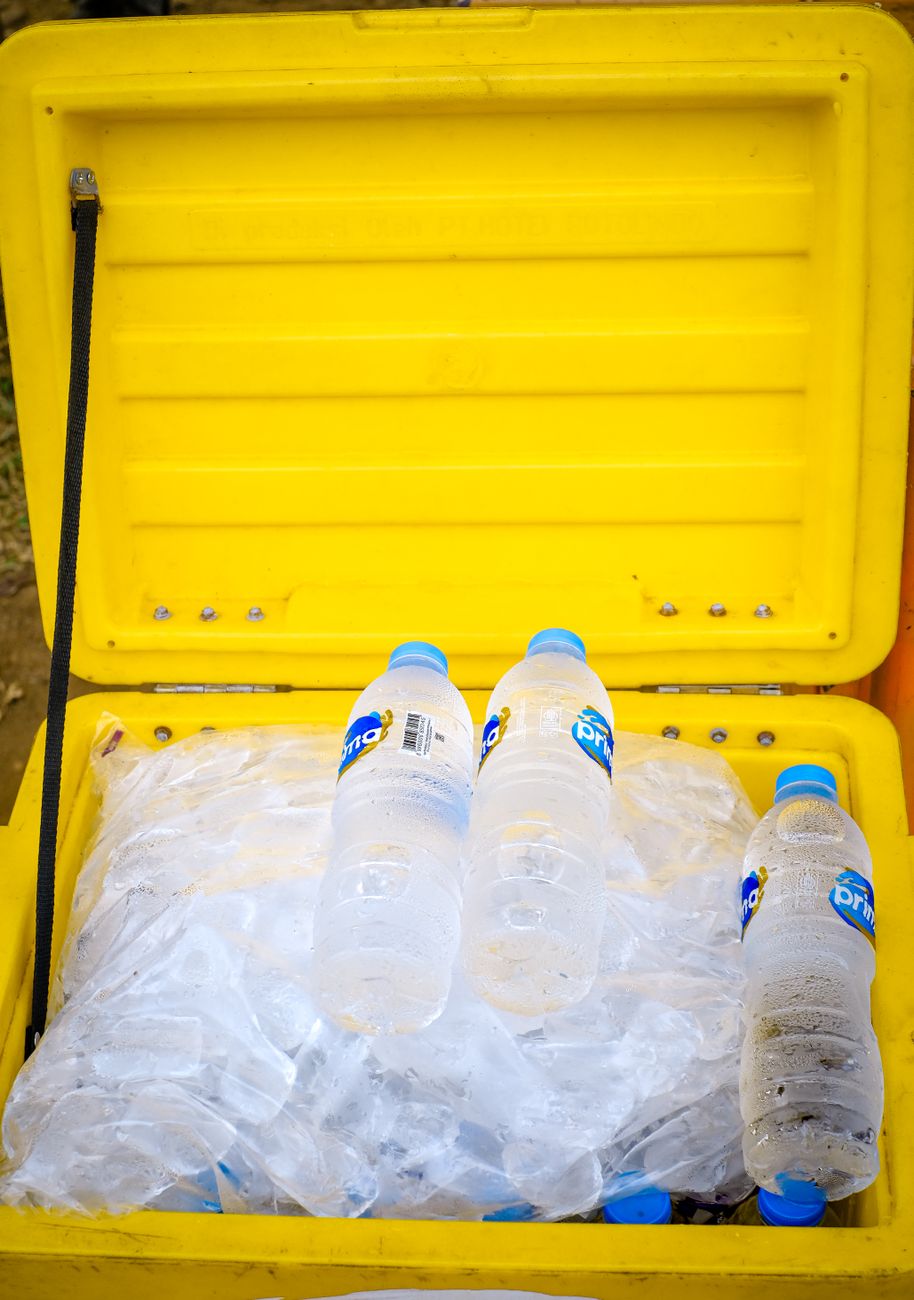
Pack food directly from the refrigerator rather than from room temperature. Layer with raw meat on the bottom (in its own sealed container to avoid cross-contaminating anything else), meals and dairy in the middle, and grab-and-go snacks on top where they’re accessed most often.
Ice and Temperature Control
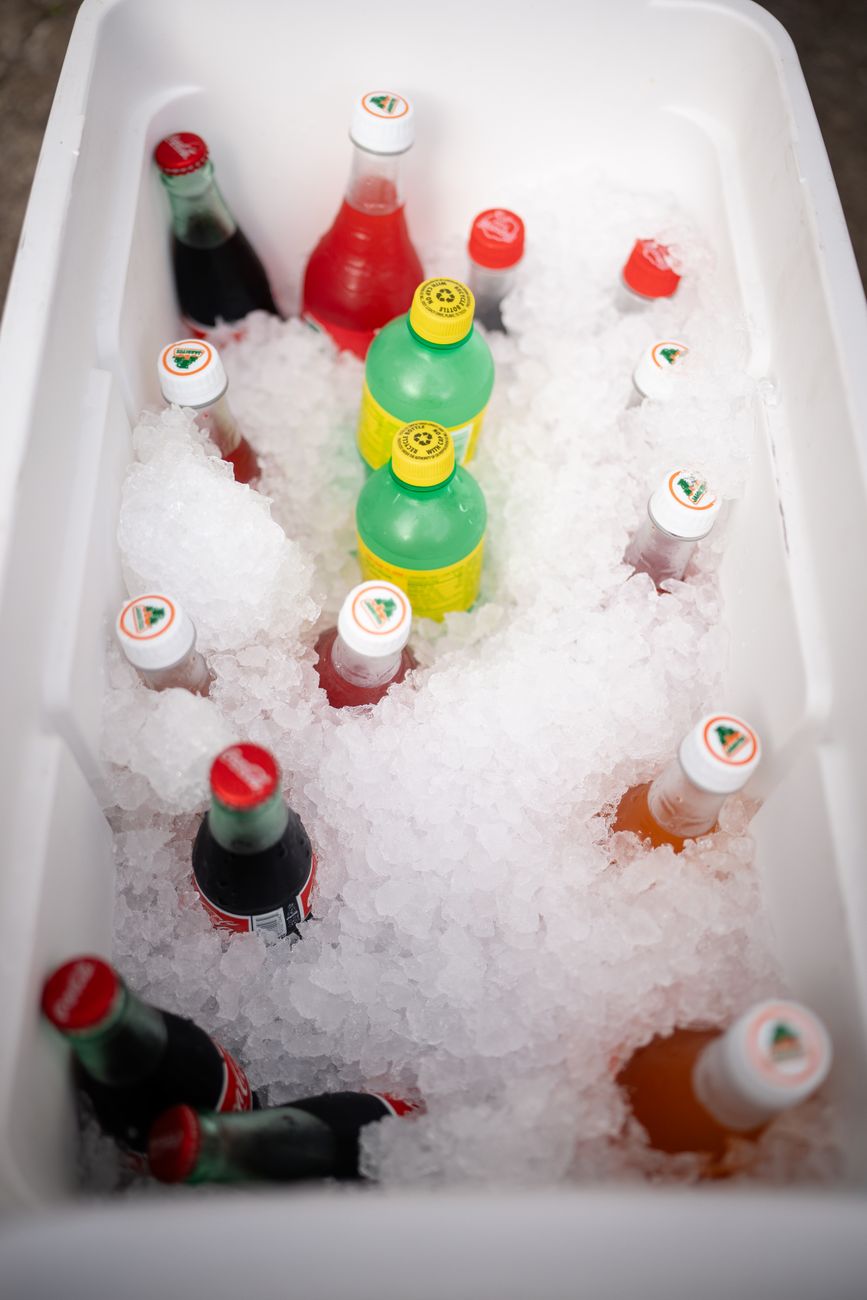
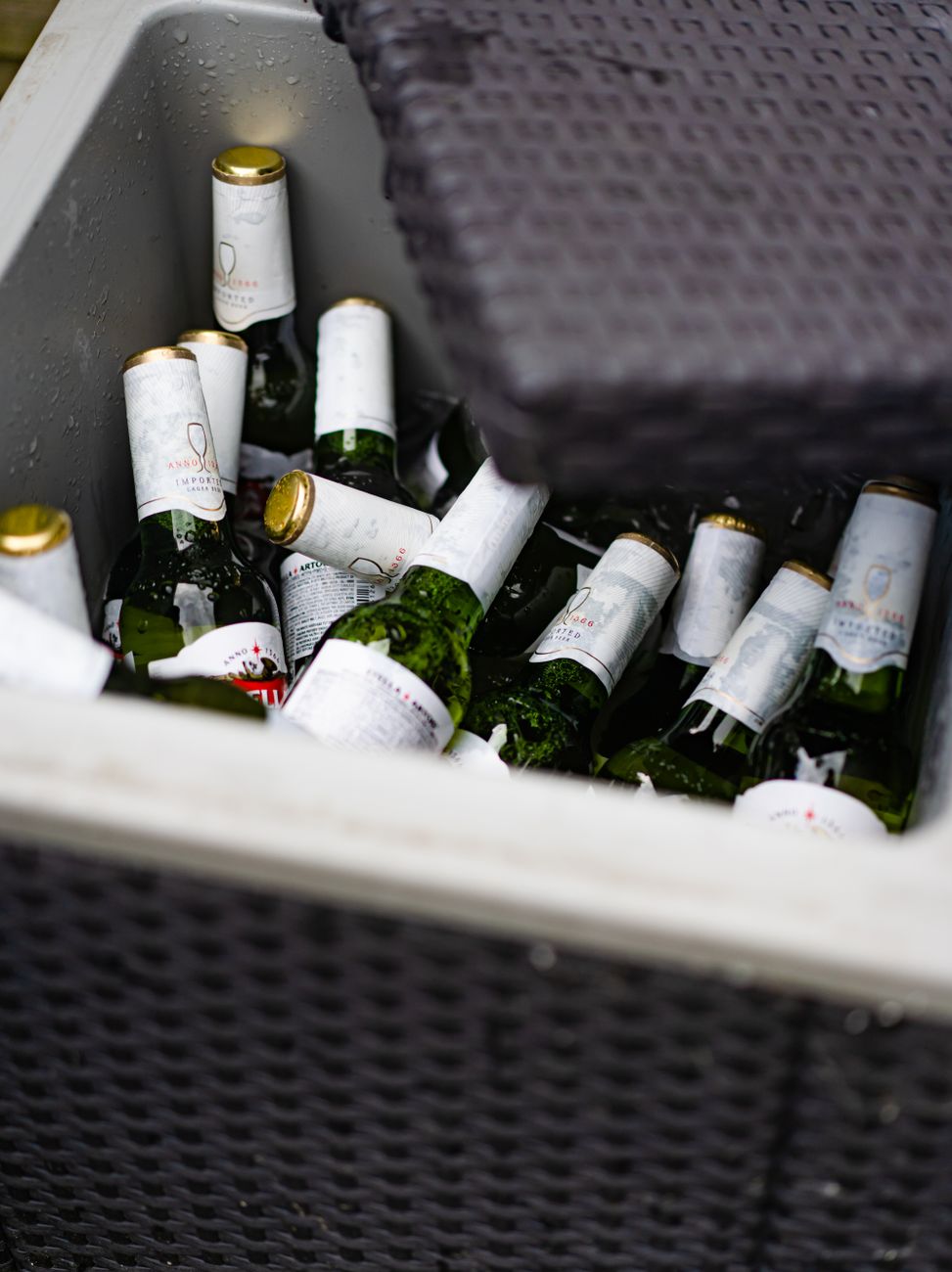
Use several inches of ice, or frozen gel packs, frozen juice boxes, or frozen water bottles, which double as both cooling and drinking water once thawed. Solid ice blocks hold cold longer than loose ice cubes or standard gel packs. Keep the cooler out of direct heat, ideally in an air-conditioned car cabin rather than a hot trunk, and open the lid only when necessary to preserve cold air.
Draining Melted Ice Water
Check the cooler periodically and drain accumulated meltwater rather than letting food sit submerged in it, since standing water actually transfers cold less efficiently than direct contact with ice or a frozen gel pack.
The Real Safety Threshold
Once food temperature rises above 40°F, it’s generally safe for roughly two hours before bacteria begin multiplying to risky levels — and that window shrinks to about one hour if the outside temperature is 90°F or higher. This is the specific number worth keeping in mind rather than a vague “don’t leave it out too long” rule.
Frequently Asked Questions
How long is food safe once it warms above 40°F?
Roughly two hours, or about one hour if the outside temperature is 90°F or above.
Should I pre-chill a cooler before packing it?
Yes — filling it with sacrificial ice about 24 hours ahead of time helps it hold cold more effectively once you pack real food and drinks.
What’s the best way to layer a cooler?
Raw meat on the bottom in a sealed container, meals and dairy in the middle, and grab-and-go snacks on top.
Do ice blocks work better than ice cubes?
Yes — solid blocks melt more slowly and hold cold longer than loose cubes or many standard gel packs.
Should a cooler stay in the trunk or the cabin?
The cabin, ideally air-conditioned, rather than a hot trunk, to help maintain a safe internal temperature longer.
How often should I open the cooler during a road trip?
As infrequently as possible — each time it’s opened, cold air escapes and warm air replaces it, shortening how long everything inside stays safely cold.
Should drinks and food be packed in separate coolers?
Where practical, yes — a separate drinks cooler gets opened far more often and keeps the food cooler’s temperature more stable throughout the trip.
Stocking up before you go? See what’s available at Poncha Market for ice, drinks, and snacks.
For detailed food safety temperature guidance, see the University of Minnesota Extension.
Leave a Reply