
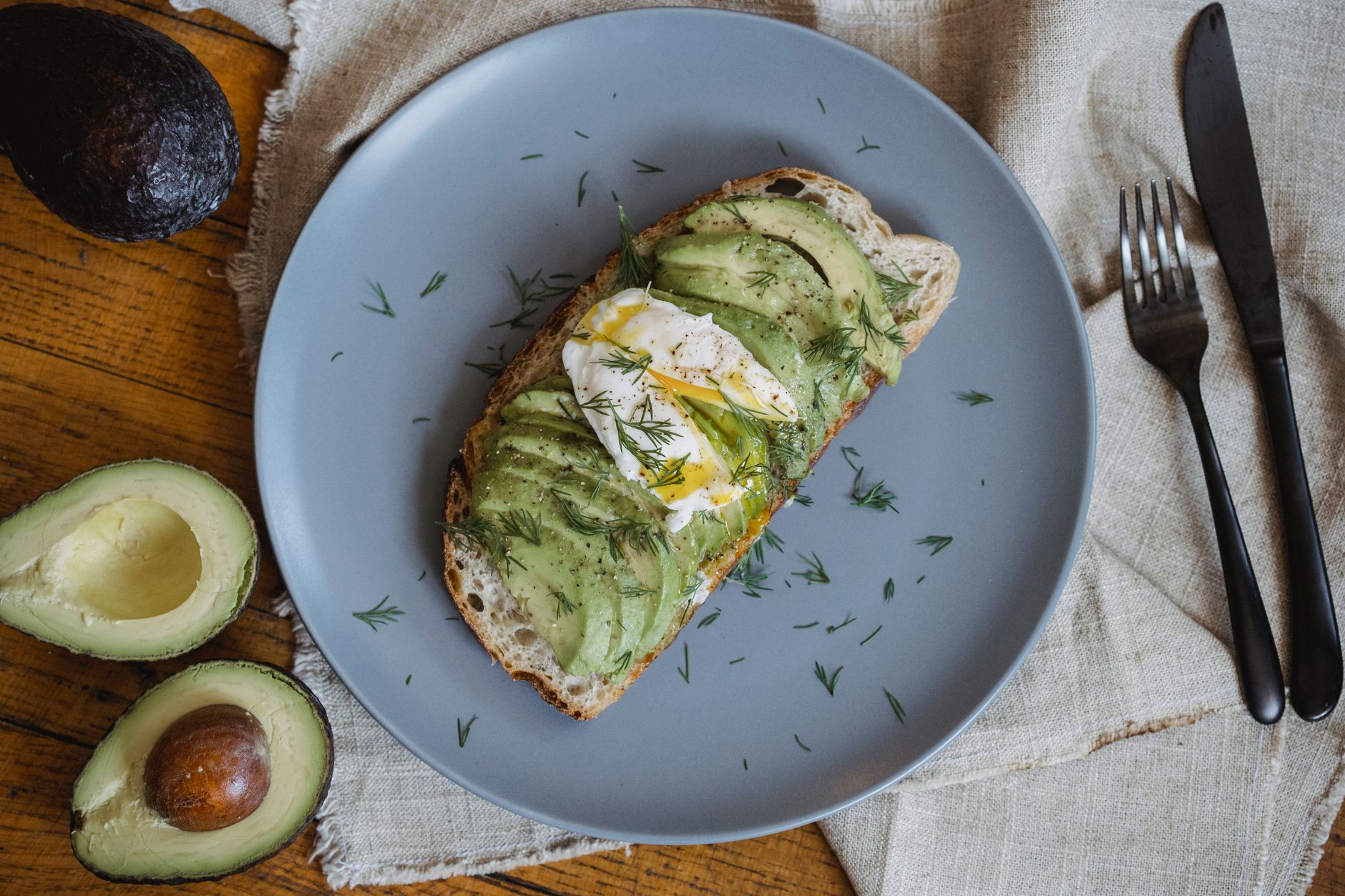
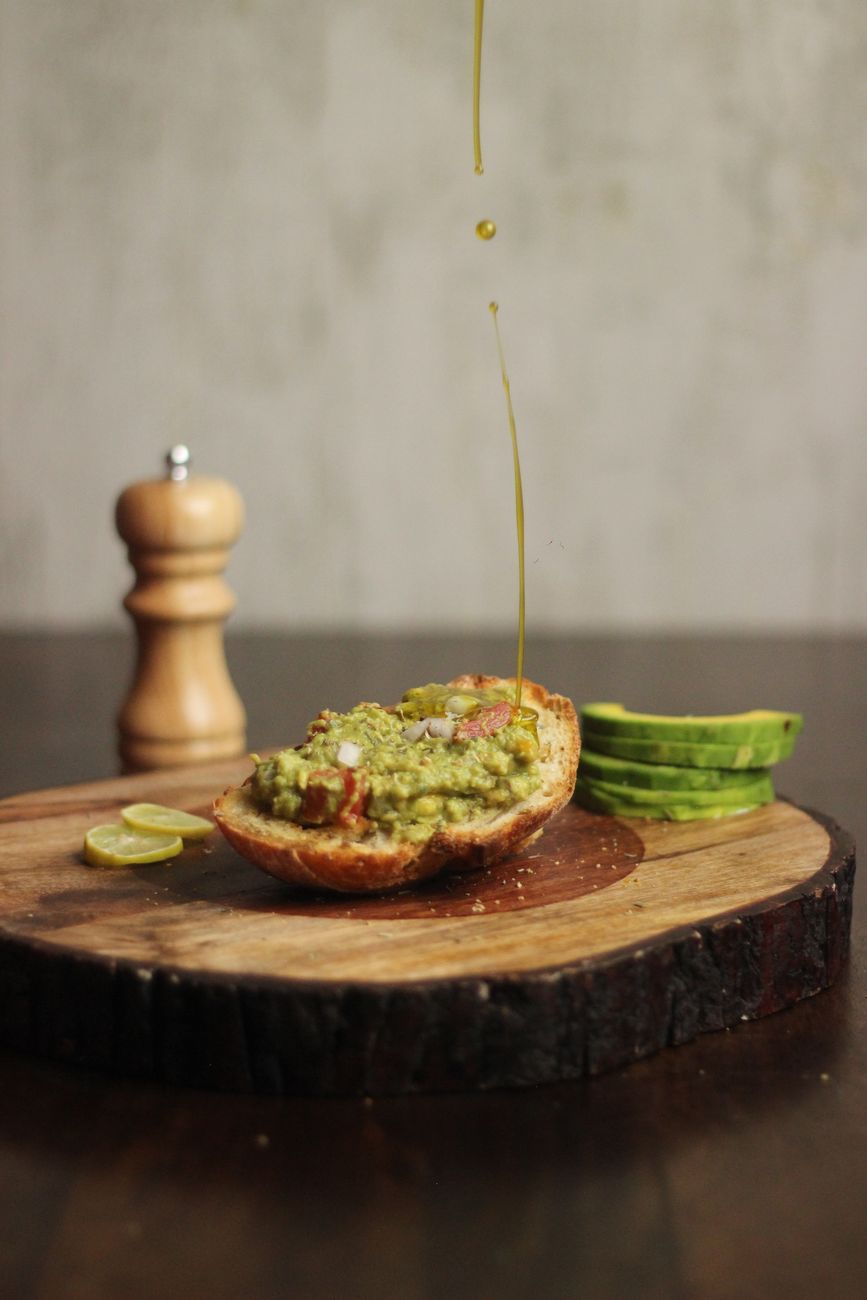
Avocado is a genuinely good sandwich addition — creamy texture, mild flavor, and real nutritional value — but it comes with one persistent practical problem: it browns quickly once cut. Here’s why that happens and the actual methods that work to slow it down.
This matters especially for anyone building a sandwich to eat later rather than immediately, like a packed lunch or something prepared ahead for a road trip.
None of these methods stop browning permanently — they only slow it down — so timing still matters even with the best prevention technique applied.
Why Avocado Browns
Avocado flesh contains an enzyme that reacts with oxygen once exposed, triggering the browning process. The core principle behind every prevention method is the same: limit the avocado’s exposure to air, since no oxidization means no browning.
The Most Practical Method: Citrus Juice
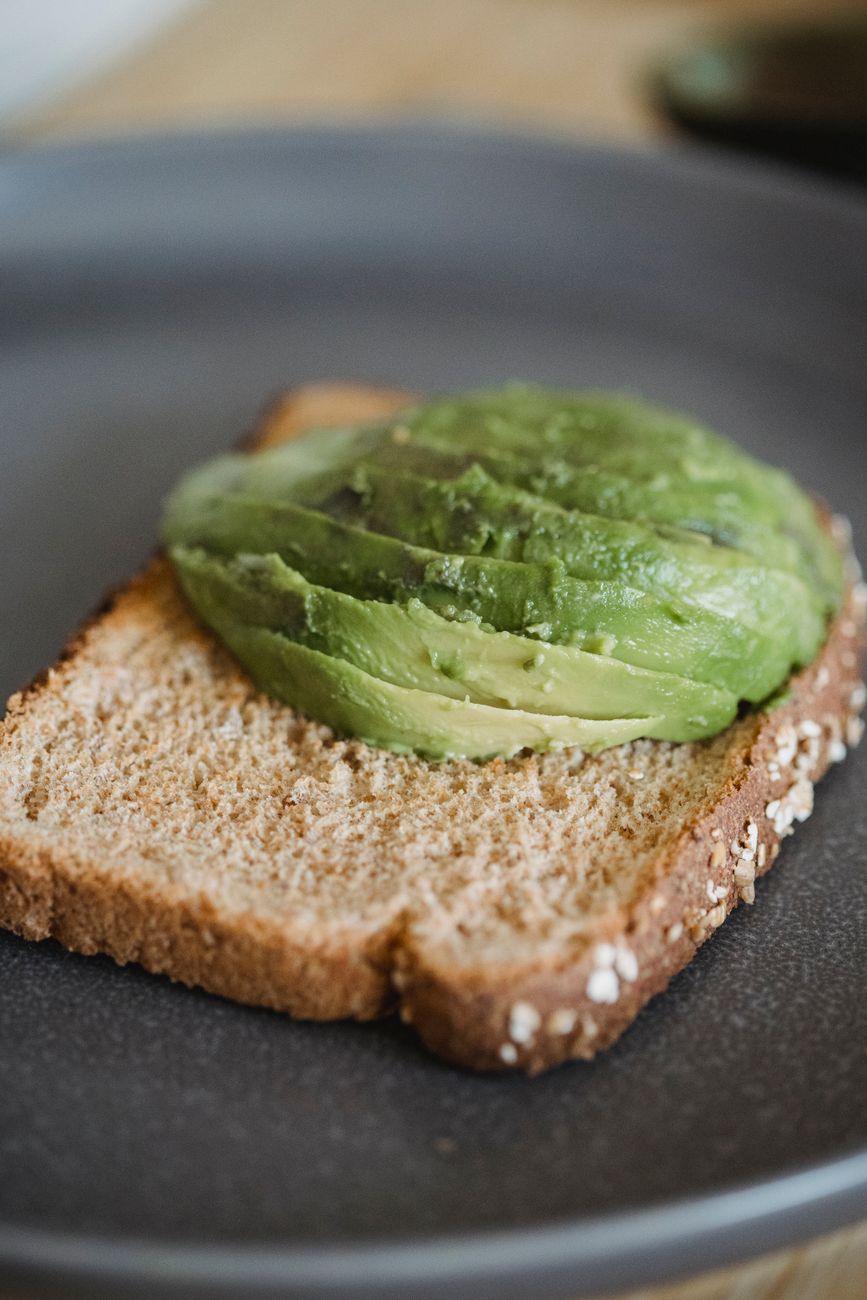
Lemon or lime juice is the most reliable and practical prevention method for most home cooks, since the citric acid lowers the surface pH below 3 — a condition where the browning enzyme simply can’t function. Brushing a little citrus juice across the cut surface of an avocado, then sealing it in an airtight container, delays browning by roughly a day.
Plastic Wrap and Airtight Storage
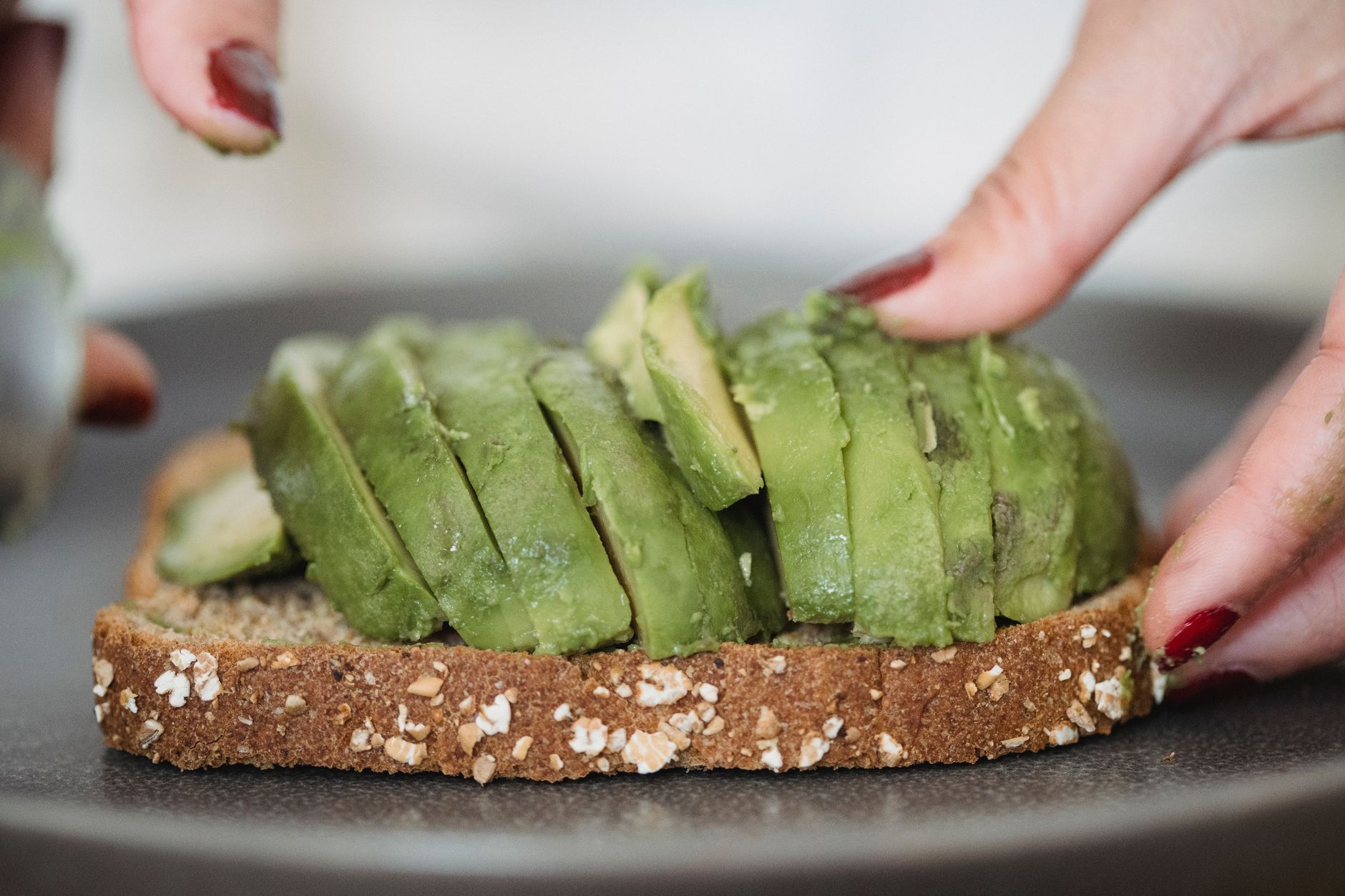
Pressing plastic wrap directly against the cut avocado flesh, rather than loosely covering the container, creates a genuine seal against air exposure. If you’ve removed the pit, make sure to press the wrap into that well specifically, since it’s an easy spot to leave an air gap.
Choosing Ripeness With Browning in Mind
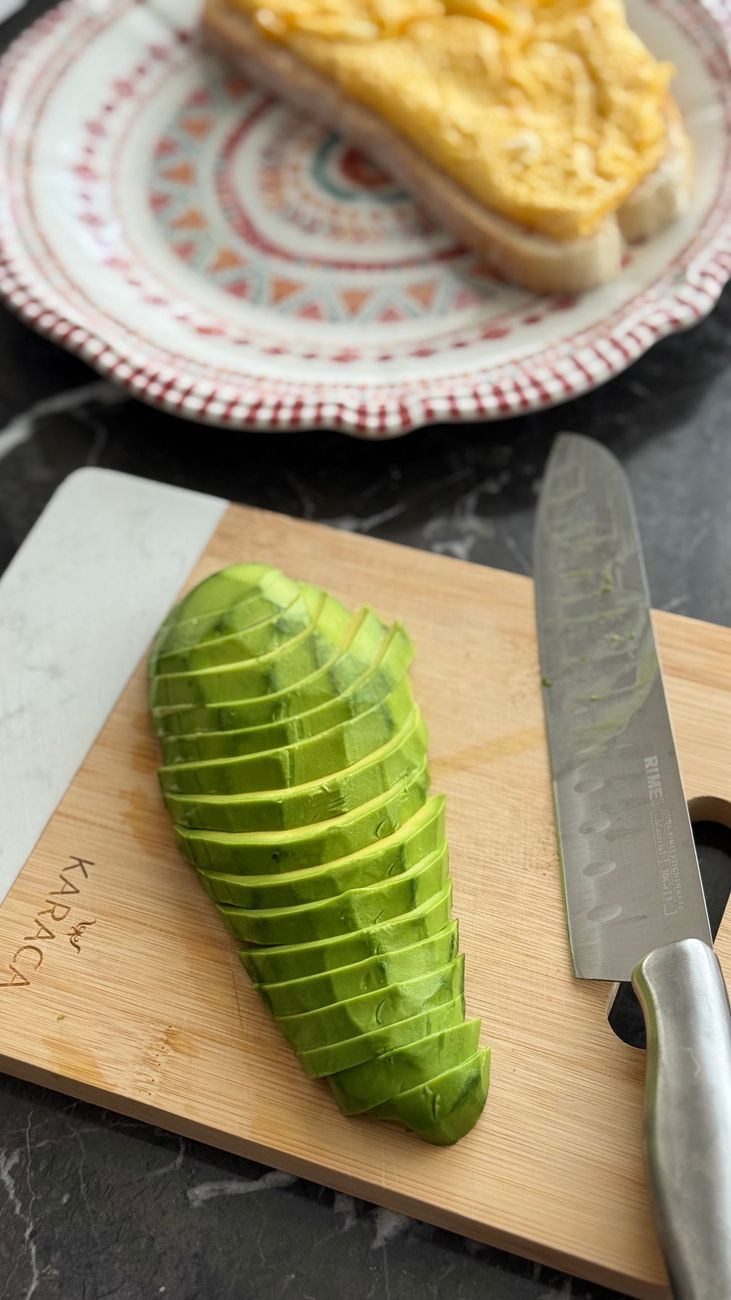
If you know a sandwich won’t be eaten right away, choosing an avocado that’s just slightly underripe when you slice it can help, since firmer flesh tends to hold its color a bit longer than a fully soft, very ripe one.
The Most Effective (If Impractical) Method
Vacuum sealing is genuinely the most effective method, keeping avocado green for up to five days with no browning at all — though it requires equipment most home cooks don’t have on hand for something as simple as a single sandwich. For most people, citrus juice combined with an airtight container remains the more realistic everyday solution.
Frequently Asked Questions
Does lemon juice really stop avocado from browning?
Yes — the citric acid lowers the surface pH enough to stop the browning enzyme from functioning, delaying browning by about a day.
Should I remove the avocado pit before storing it?
Either way works, but if you remove the pit, press plastic wrap into that well specifically to avoid leaving an air gap.
What’s the most effective way to prevent avocado browning?
Vacuum sealing, though it requires equipment most people don’t keep on hand just for a sandwich; citrus juice plus an airtight container is the more practical everyday option.
Can I prep avocado ahead for a packed lunch?
Yes, with lemon or lime juice and a tightly sealed container, though it’s best used within a day for the best color and texture.
Does avocado add real nutrition to a sandwich?
Yes — it contributes healthy fats and fiber, making it a genuine nutritional upgrade over many other sandwich condiments.
Does a ripe avocado brown faster than an underripe one?
Ripe avocado flesh tends to brown a bit faster since it’s softer and has more exposed surface once cut, though both still benefit from the same prevention methods.
Is it better to add avocado right before eating instead of prepping ahead?
Yes, when possible — adding it just before eating avoids the browning issue entirely, and prevention methods are really a backup for when that’s not practical.
Building your own sandwich? See our Mabel’s Deli menu guide for build-your-own options with avocado.
For more on avocado nutrition, see the Hass Avocado Board.

Leave a Reply