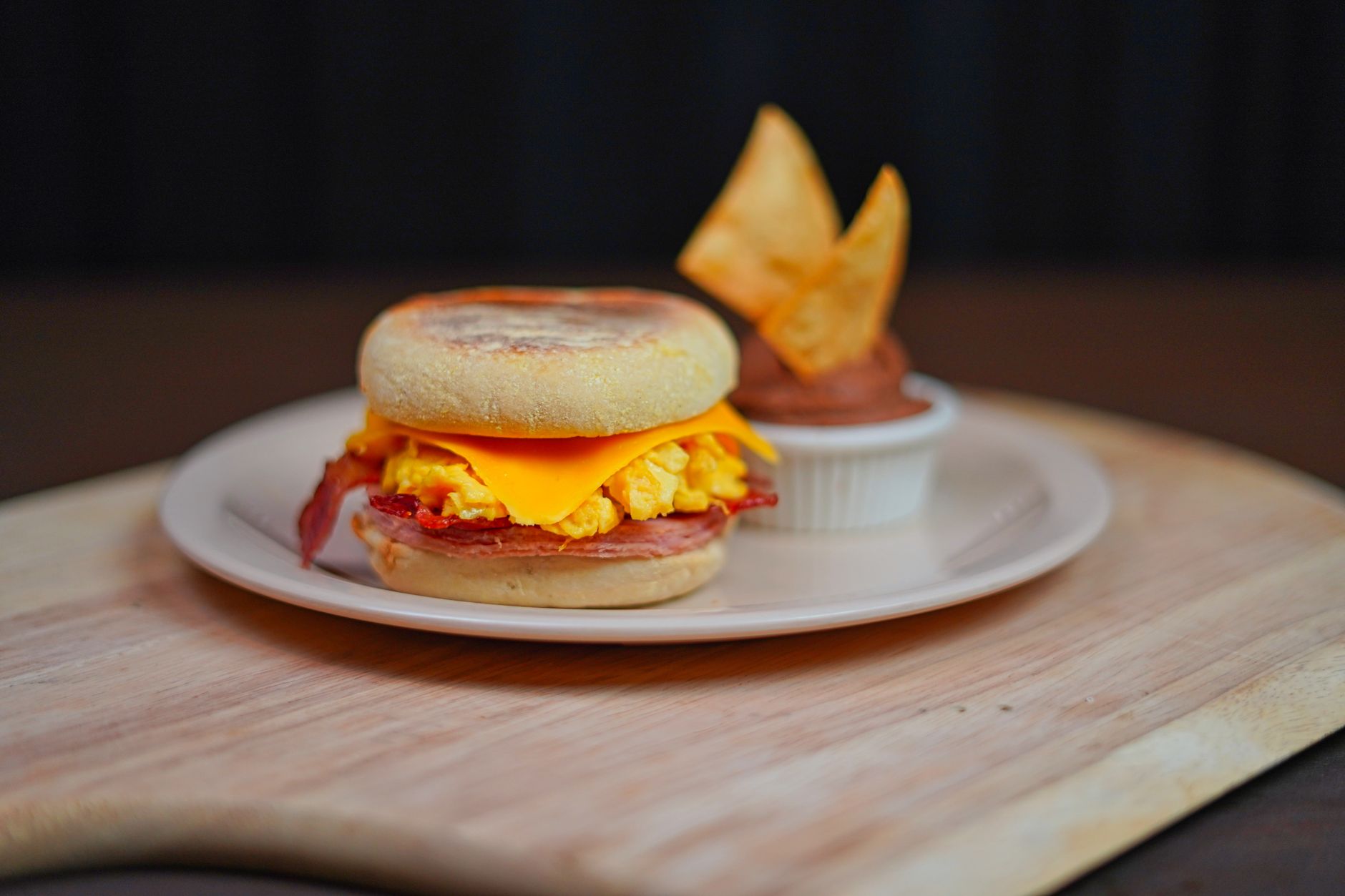
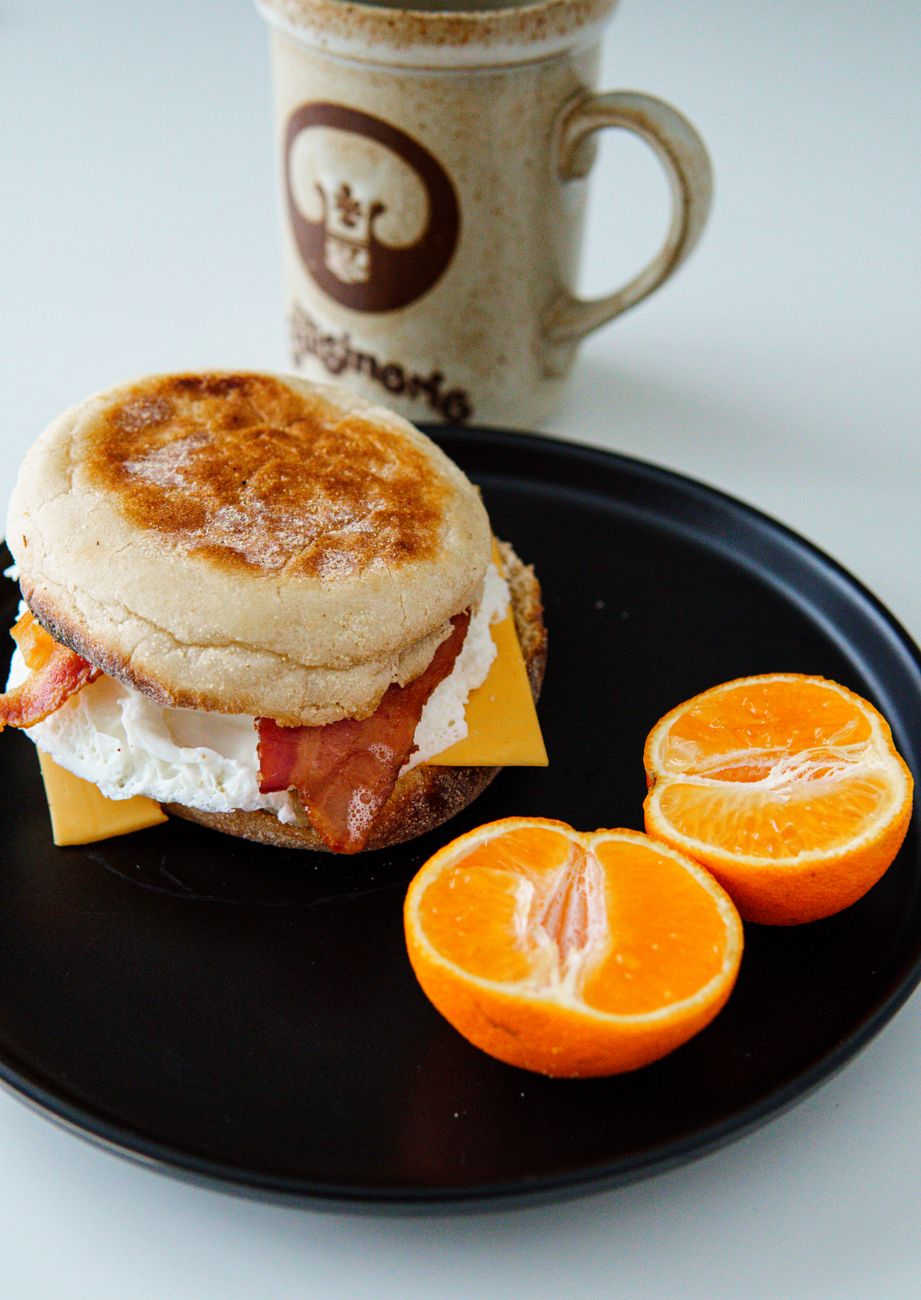
The breakfast sandwich feels like a modern convenience-food invention, but its roots actually trace back to industrial-era Britain, decades before anything resembling a fast-food breakfast existed. It’s also a straightforward, real menu item at Mabel’s Deli inside Poncha Market, priced at $7.59.
Here’s where the breakfast sandwich actually came from, and how it evolved into the version most people eat today.
Understanding this history reframes the breakfast sandwich as something closer to a genuine working-class food tradition than a purely modern shortcut invented for convenience alone.
It’s also a useful reminder that a lot of what feels like modern fast-food invention is actually a much older idea, repackaged and renamed for a new generation of busy eaters.
Origins in Industrial Britain
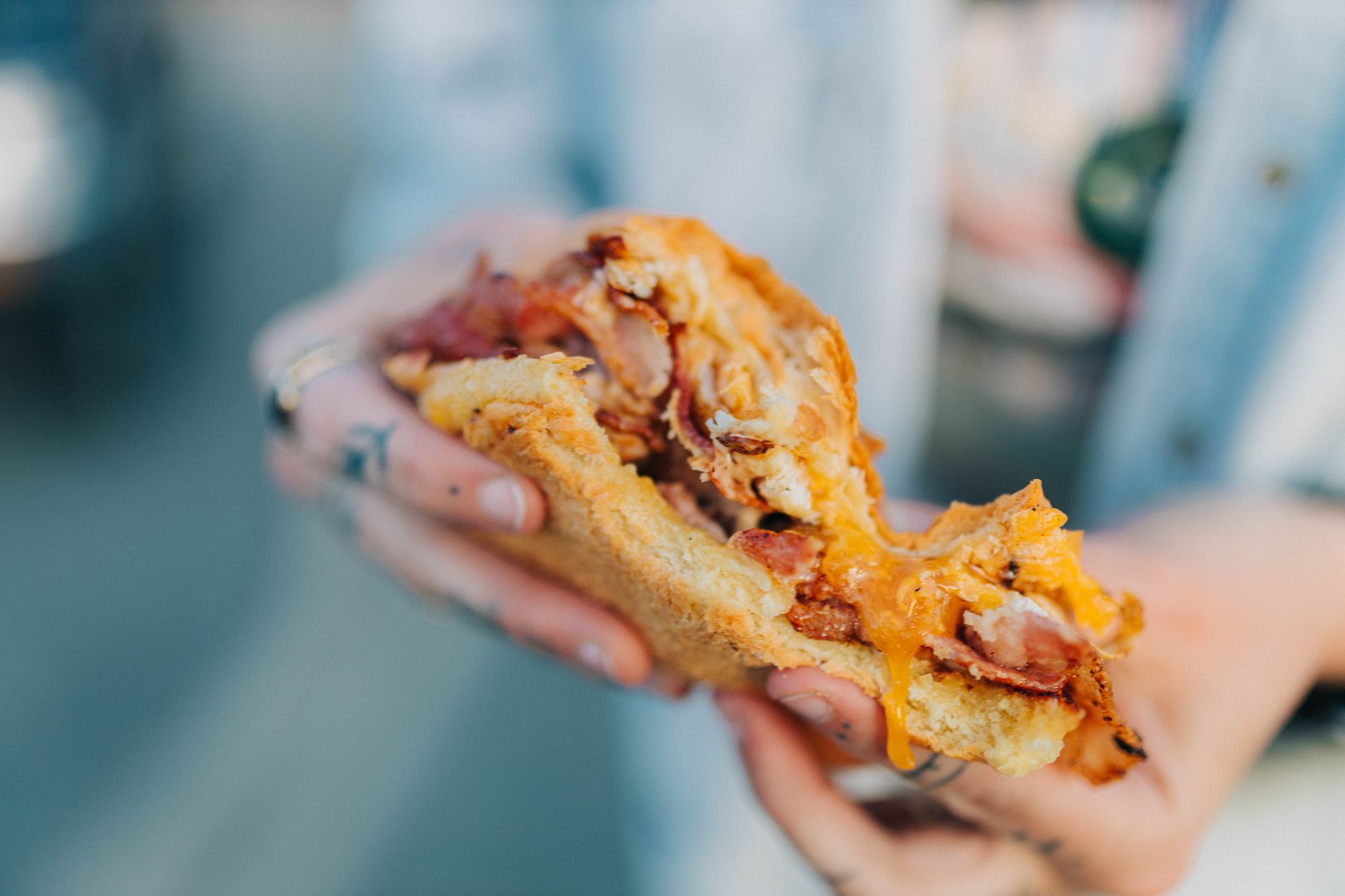
The story begins in the early 19th century on the streets of East London, where vendors set up stalls to serve factory workers heading to their shifts each morning. British street vendors began selling “bap” sandwiches — egg and meat on a soft roll, named for the bread itself — to these crowds, functioning as a direct predecessor to the modern bacon, egg, and cheese sandwich.
American Variations
Some food historians credit pioneers on the overland trail with introducing a version of quick breakfast to America through the Denver omelet, while others attribute an early American egg sandwich to Chinese chefs cooking at logging camps, adapting Egg Foo Yung into something portable. The sandwich’s rise in popularity specifically in New York City is often tied to its low cost and remarkably fast cooking time for busy workers.
The Egg McMuffin Moment
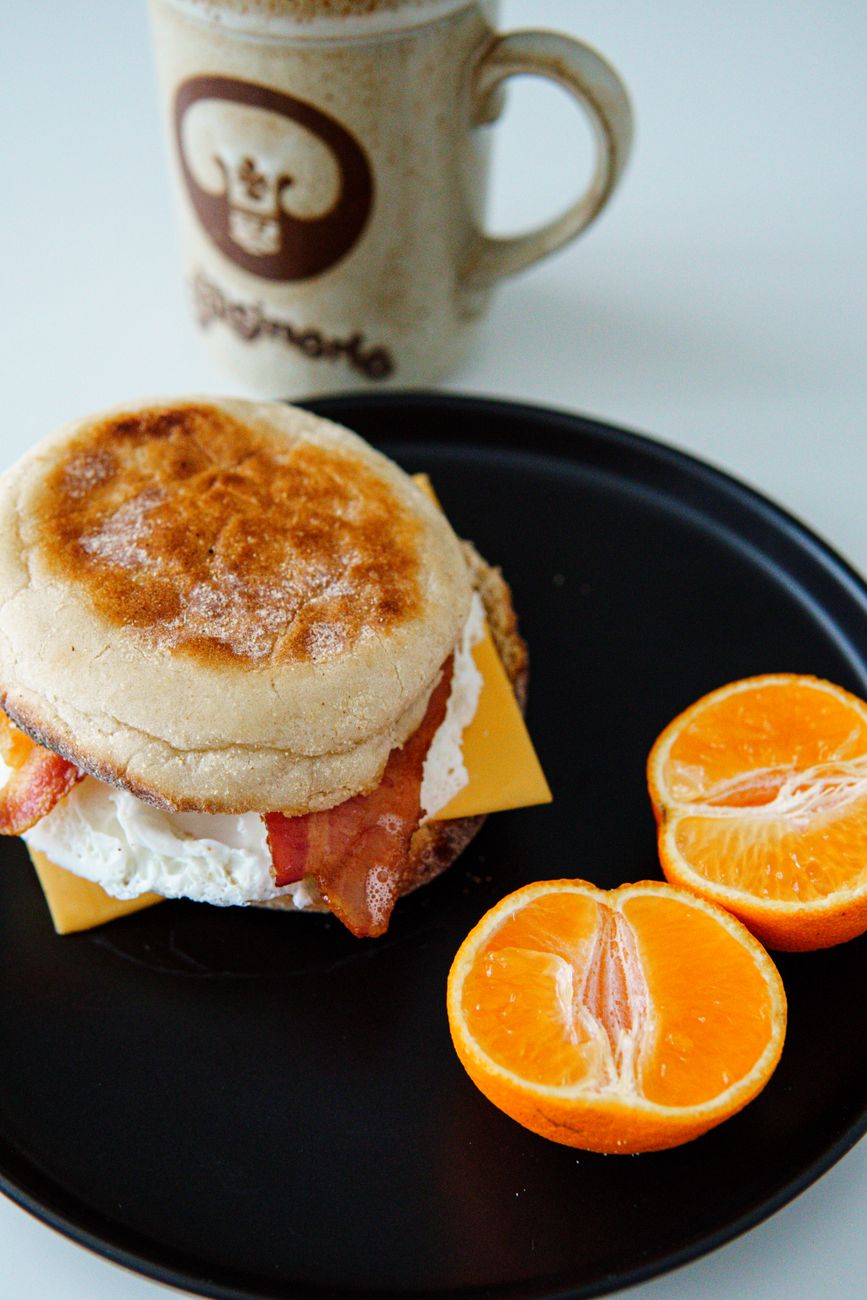
The breakfast sandwich’s place in modern American food history was cemented when Herb Peterson, a McDonald’s franchise owner, invented the Egg McMuffin in the early 1970s — a genuinely pivotal moment that took a working-class street food and turned it into a mainstream, nationally recognized breakfast format.
Why the Breakfast Sandwich Endures
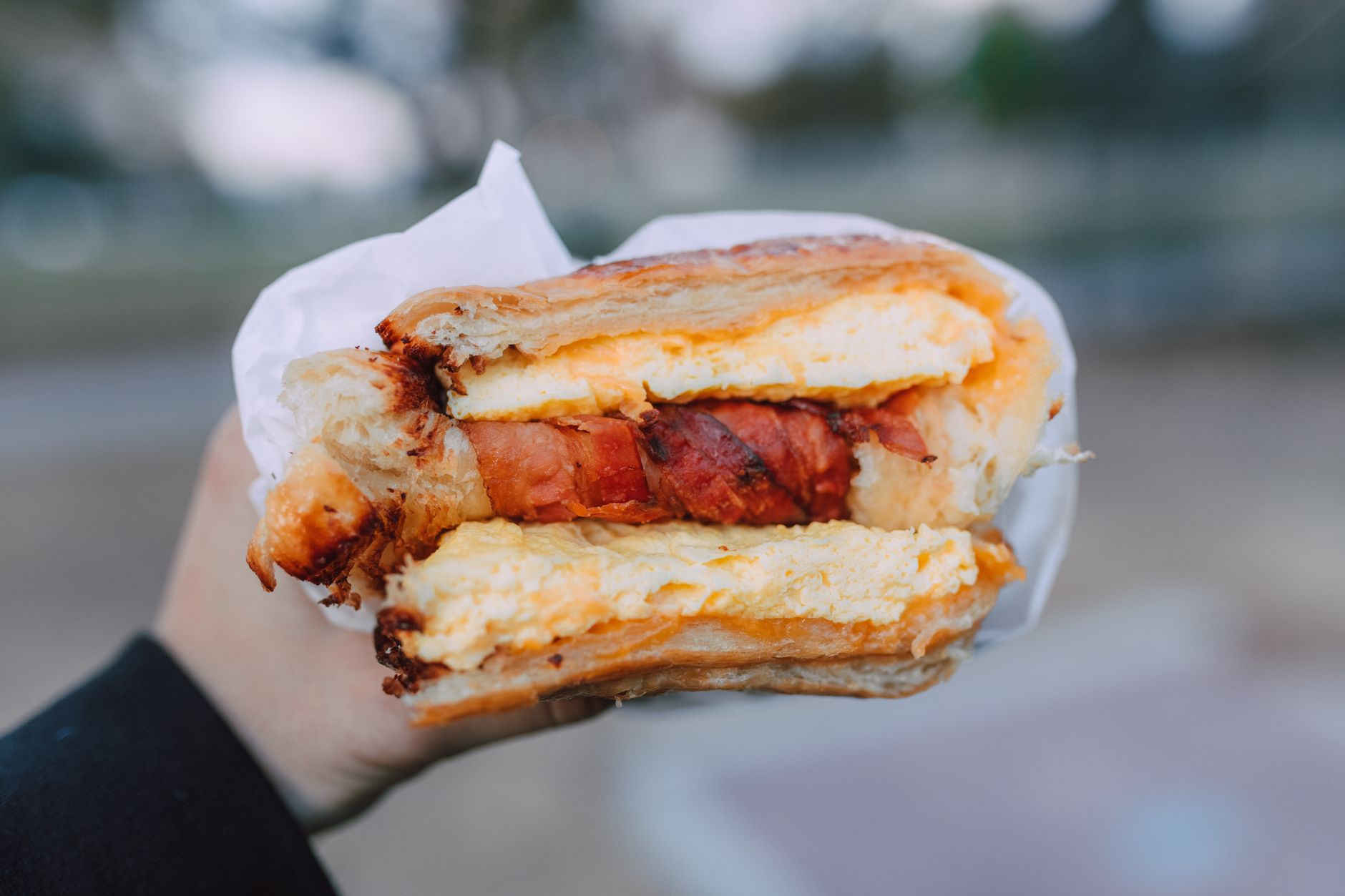
Its enduring popularity really comes down to solving the same problem it always has: everyone needs breakfast, and most people are too busy or too rushed in the morning to make something more elaborate themselves. That practical appeal parallels the emergence of the modern working commuter just as directly today as it did for factory workers in 19th-century London.
Frequently Asked Questions
Where did the breakfast sandwich originate?
Street vendors in industrial-era East London sold “bap” sandwiches of egg and meat on a soft roll to factory workers, a direct predecessor to today’s version.
Who invented the Egg McMuffin?
Herb Peterson, a McDonald’s franchise owner, in the early 1970s.
Is the Denver omelet connected to the breakfast sandwich?
Some historians credit overland trail pioneers with an early American quick-breakfast tradition tied to the Denver omelet, though this is one of several competing origin threads.
Why is the breakfast sandwich so popular?
It solves a genuinely practical problem — a filling, portable breakfast for busy people with limited time in the morning.
Where can I get a breakfast sandwich near Poncha Springs?
Mabel’s Deli inside Poncha Market serves one for $7.59.
Did Chinese logging camp cooks really influence the breakfast sandwich?
Some food historians point to this as one possible thread, tied to adapting Egg Foo Yung into a portable form, though the sandwich’s history has several competing origin stories rather than one single, confirmed source.
Is the breakfast sandwich unique to the United States?
No — its earliest documented form is British, though the sandwich as most Americans know it today was shaped heavily by U.S. fast food in the 1970s.
Craving one before you hit the road? See our Mabel’s Deli menu guide for breakfast options.
For more on breakfast sandwich history, see History.com.
Leave a Reply