
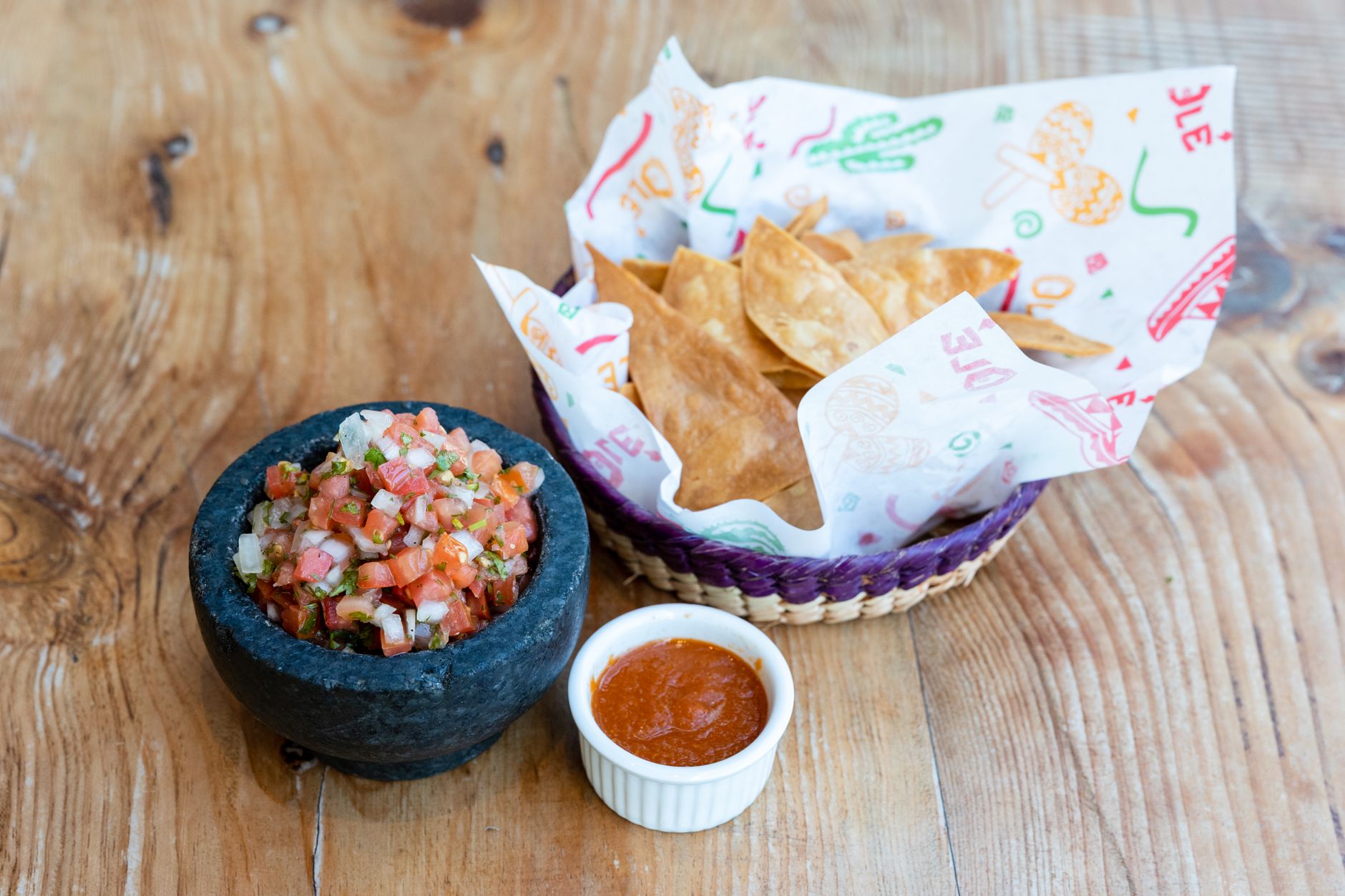
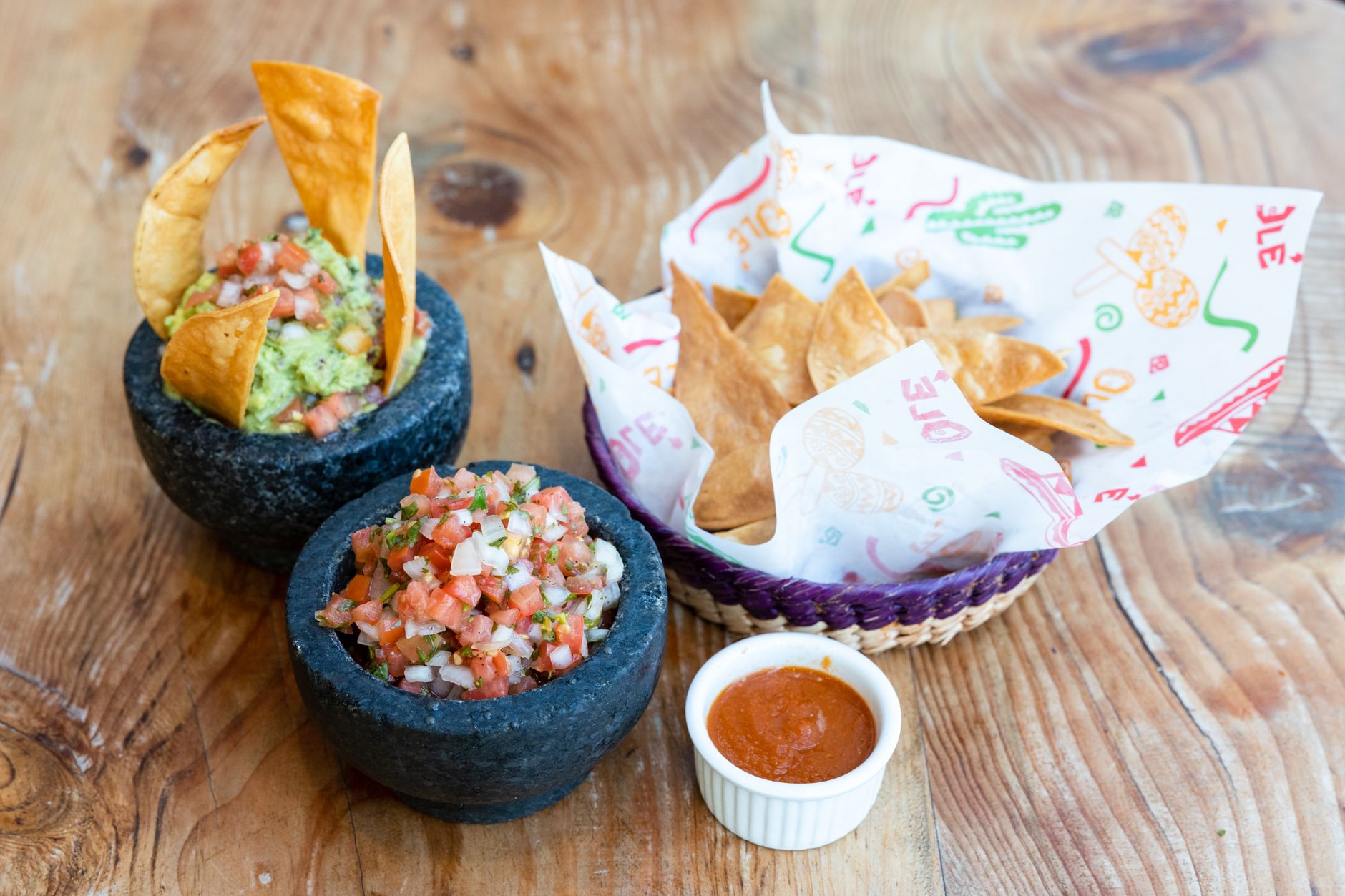
Pico de gallo is a fresh, uncooked Mexican salsa made from finely chopped ripe tomatoes, onion, cilantro, jalapeno, and lime — a genuinely simple recipe where technique and ingredient quality matter far more than any complicated method. It pairs naturally with the tamales and smothered burritos at Mabel’s Deli inside Poncha Market.
Here’s how to make it well, along with the specific techniques that separate a watery, bland version from a genuinely bright, fresh one.
Because it’s entirely uncooked, pico de gallo lives or dies on ingredient freshness more than almost any other salsa style — there’s no cooking process to mask a mediocre tomato or a limp cilantro bunch, which makes shopping carefully genuinely worth the extra effort.
Ingredients
- 4 ripe tomatoes, seeded and diced
- ½ white onion, finely diced
- ¼ cup fresh cilantro, chopped
- 1–2 jalapenos, seeded for mild or left with seeds for spicier
- 1 clove garlic, minced
- Juice of 1–2 limes
- Salt to taste
Instructions
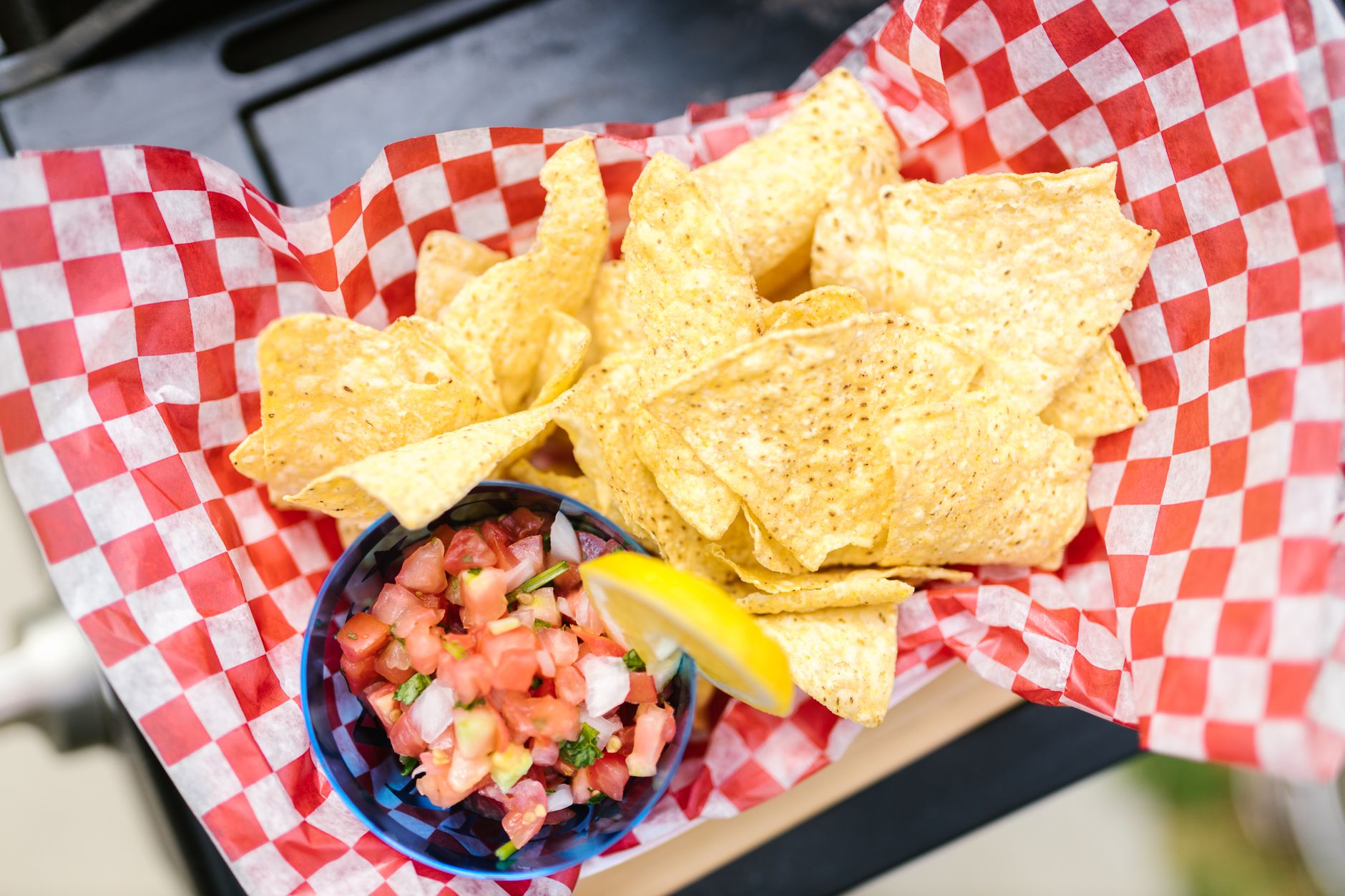
- In a medium bowl, combine the diced tomatoes, onion, cilantro, jalapeno, and garlic.
- Add lime juice and salt, and stir to combine.
- Taste and adjust seasoning as needed.
- Chill for at least 15 minutes before serving to let the flavors meld.
The Texture Trick: Removing Tomato Seeds
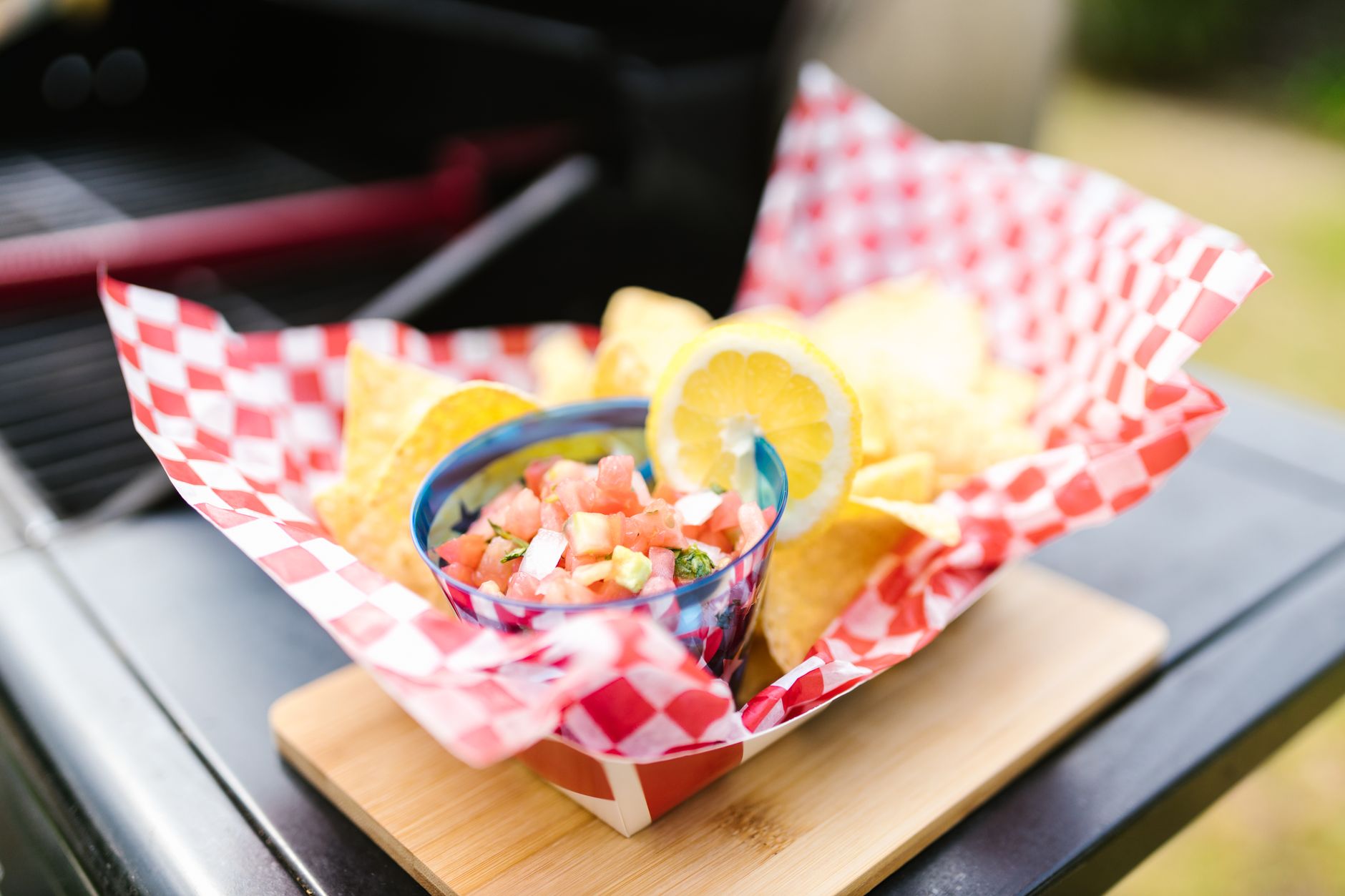
Using the tomato flesh rather than the seeds and surrounding juice is the single biggest factor in avoiding a watery, soupy pico de gallo. Roma or plum tomatoes work particularly well here since they’re naturally less juicy than other varieties, making it easier to control the final consistency.
If your pico de gallo does turn out watery despite these precautions, draining it briefly in a fine-mesh strainer before serving salvages the batch without needing to start over, though prevention through proper tomato prep remains the better approach.
Making a batch specifically to rest overnight, rather than serving it immediately, also tends to produce a more cohesive flavor — the salt draws out a bit of moisture from the vegetables over time, which then remixes with the lime juice and seasoning into a more unified whole.
Taming Raw Onion
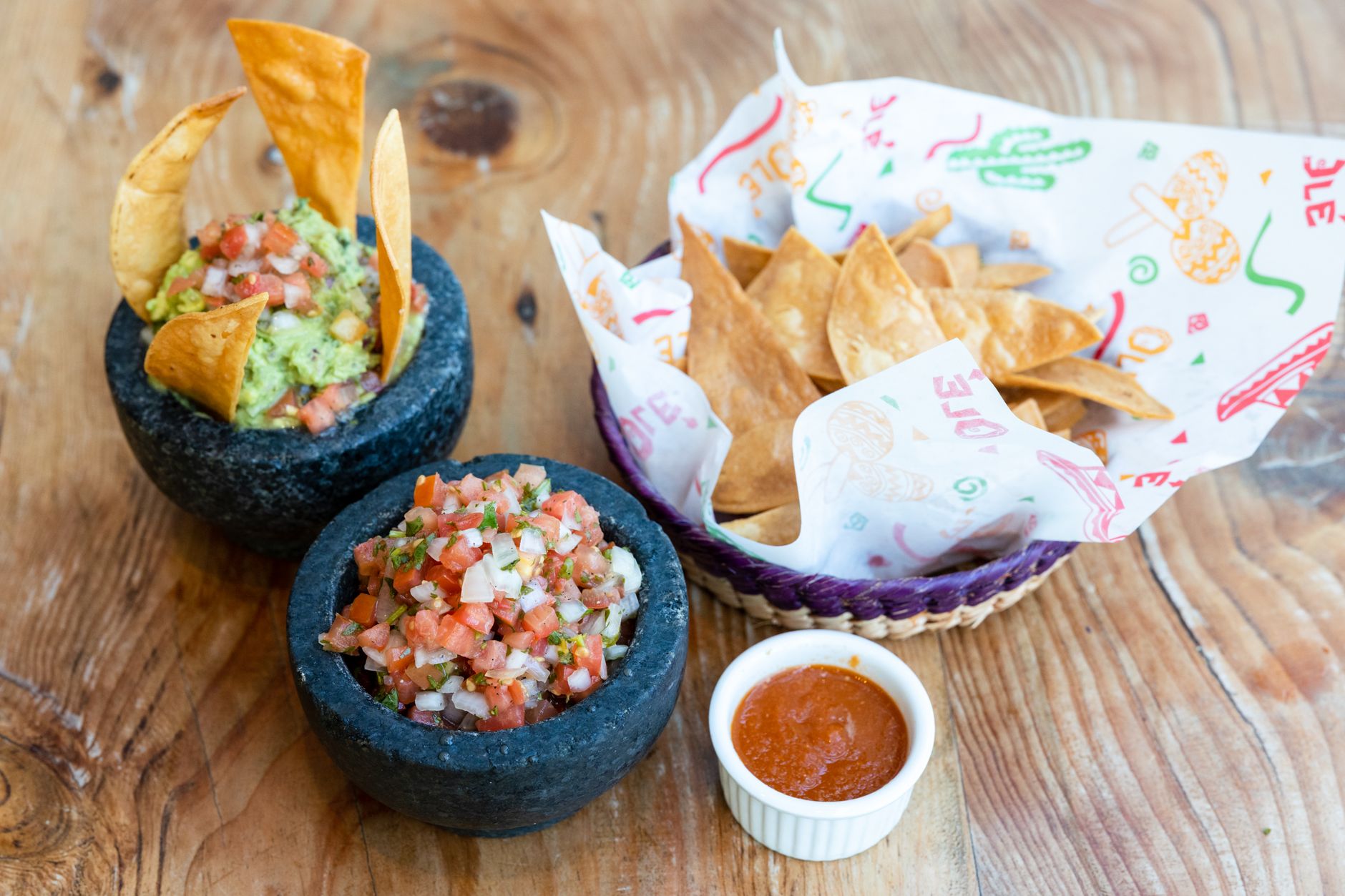
Letting finely diced raw onion sit in cold water for about 10 minutes before adding it to the salsa tones down its sharp, raw bite considerably, leaving behind crunch and sweetness without the lingering onion breath that comes from using it completely untreated.
Adjusting the Heat Level
For a milder salsa, remove the seeds and white membrane inside the jalapeno before dicing, since that’s where most of the pepper’s heat is concentrated. For a spicier version, leave some or all of the seeds and membrane in.
Storage
Keep pico de gallo in a sealed container in the refrigerator for no more than three days — the tomatoes soften and turn mushy the longer it sits, which is part of why this is best made fresh rather than far in advance.
Frequently Asked Questions
Why is my pico de gallo watery?
Usually from using the tomato seeds and juice rather than just the flesh; removing the seeds before dicing solves this.
How do I make pico de gallo less spicy?
Remove the seeds and white membrane from the jalapeno before dicing, since that’s where most of the heat is concentrated.
How long does homemade pico de gallo last?
Up to three days in a sealed container in the refrigerator, though it’s best enjoyed fresh.
Should I use Roma tomatoes for pico de gallo?
Yes, they’re a good choice since they’re naturally less juicy than other varieties, helping control the salsa’s final consistency.
What pairs well with pico de gallo at Mabel’s Deli?
It pairs naturally with tamales and smothered burritos on the Mabel’s Deli menu.
Can I salvage watery pico de gallo?
Yes — draining it briefly in a fine-mesh strainer removes excess liquid, though proper tomato prep beforehand is the better long-term fix.
Can I make pico de gallo without cilantro?
Yes, for anyone who dislikes cilantro’s flavor; the salsa still works, though it loses some of its traditional brightness.
Want it with your meal? See our Mabel’s Deli menu guide for tamales and smothered burritos.
For more Mexican cooking technique, see Epicurious.


Leave a Reply