Bison shows up on more menus than it used to, and Mabel’s Deli inside Poncha Market serves a Jalapeno Cheddar Bison Brat for $8.59 — a real point of difference from a standard beef bratwurst. Here’s what actually separates bison from beef, beyond just being a novelty meat.
The differences are genuinely measurable, not just a marketing distinction, and they show up in both nutrition and cooking behavior.
Bison also has a distinct history in American food culture beyond just being a leaner alternative to beef — it’s the same animal that once roamed the Great Plains in massive herds, and the modern bison meat industry represents a genuine conservation and agricultural comeback story alongside its culinary appeal.
The Nutritional Difference
Bison is naturally leaner than beef. A 3.5-ounce serving of bison contains roughly 2.4 grams of fat compared to about 9 grams for the same serving of beef, and bison carries just 0.9 grams of saturated fat per 100 grams versus beef’s 5.58 grams. Bison also edges out beef slightly on protein — about 28 grams per 3.5-ounce serving compared to roughly 26 grams for beef.
Micronutrients and Overall Profile
Beyond the basic macros, bison is a strong source of iron, zinc, and B vitamins, and it contains higher levels of omega-3 fatty acids and conjugated linoleic acid (CLA) than conventional grain-fed beef — genuine nutritional advantages that go beyond the simple lean-versus-fatty comparison.
Much of this comes down to how bison are typically raised, with a larger share of bison operations relying on grass-fed, pasture-based systems compared to conventional beef, which affects the resulting fat composition in the meat.
That distinction in raising practices also connects to a broader trend in how consumers evaluate meat choices generally — grass-fed and pasture-raised systems tend to appeal to shoppers already paying closer attention to sourcing, which is part of why bison has found a genuine niche audience beyond just novelty appeal.
For anyone trying bison for the first time through a prepared item like a bratwurst rather than a plain steak or burger, it’s a genuinely low-risk way to sample the meat, since the seasoning and fat content in a sausage help smooth over the leanness that can catch first-time bison eaters off guard in a plainer cut.
What This Means for a Bison Brat Specifically
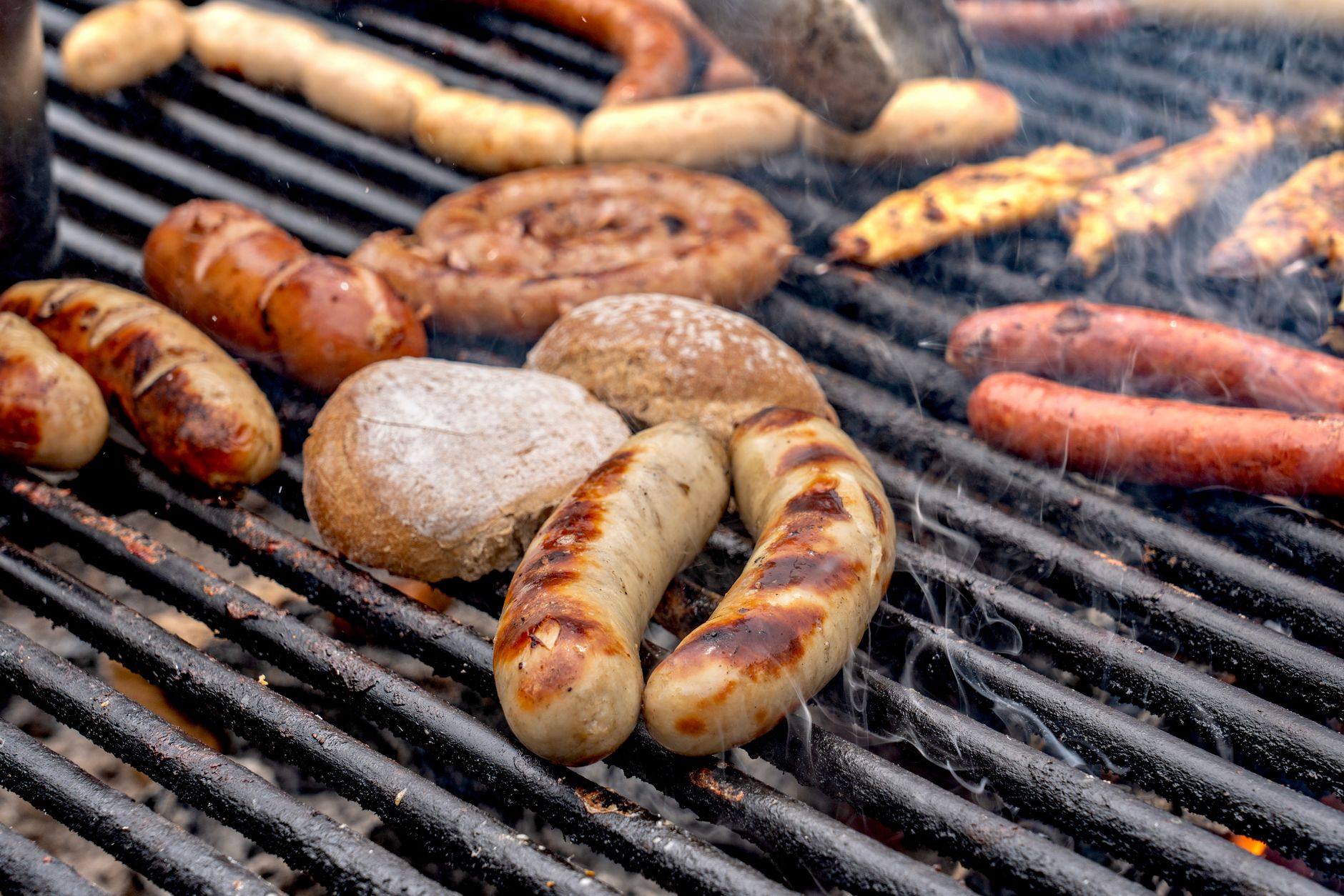
Processed products like bratwurst inevitably carry more fat than a plain cut of meat, since the sausage-making process typically incorporates additional fat for texture and flavor regardless of the base meat. Even so, a bison bratwurst generally maintains a leaner profile than an equivalent beef version, while still delivering a genuinely rich, savory flavor rather than tasting noticeably different from beef.
Why Bison Tastes the Way It Does
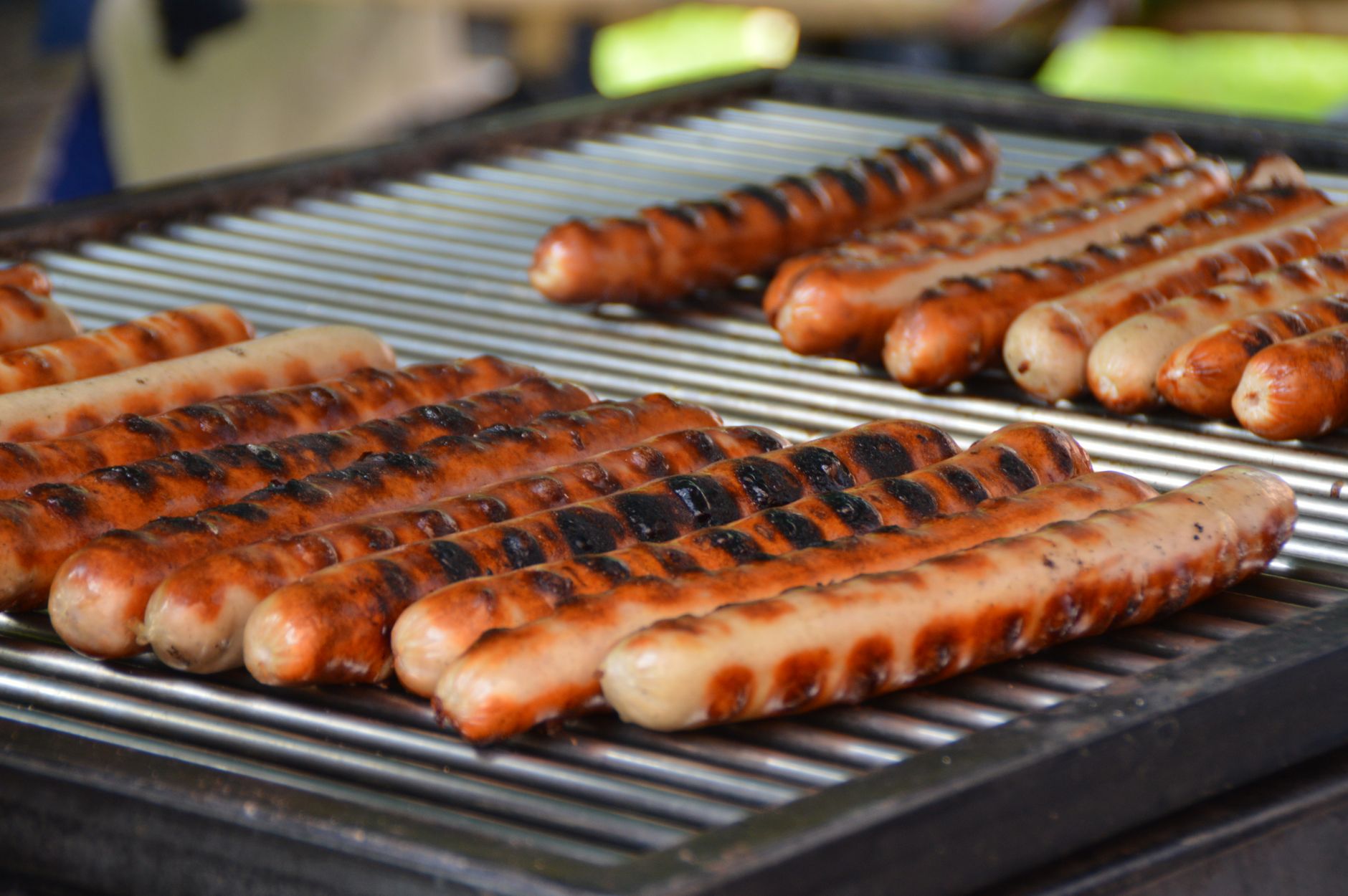
Bison’s leanness affects cooking more than flavor directly — with less fat marbled through the meat, bison can dry out faster than beef if overcooked, which is worth knowing if you’re cooking it at home rather than ordering a bratwurst that’s already been properly prepared. Cooking bison to a slightly lower internal temperature than you would beef, and avoiding high, prolonged direct heat, helps preserve its natural moisture.
Frequently Asked Questions
Is bison healthier than beef?
In several measurable ways, yes — it’s leaner, has less saturated fat, and carries slightly more protein and iron per serving.
Does bison taste different from beef?
It’s often described as similar but slightly richer or sweeter; the leanness affects texture and cooking more than it changes the core flavor.
Why does bison dry out faster when cooking?
Because it has less fat marbled through the meat than beef, which means less natural moisture to buffer against overcooking.
Is a bison brat still fatty?
Processed sausages generally add fat during preparation regardless of the base meat, but a bison brat still tends to run leaner overall than a comparable beef version.
Where can I get a bison brat near Poncha Springs?
Mabel’s Deli inside Poncha Market serves a Jalapeno Cheddar Bison Brat for $8.59.
Is bison typically grass-fed?
A larger share of bison operations use grass-fed, pasture-based systems compared to conventional beef, which affects the resulting fat composition.
How should I cook bison to avoid drying it out?
Cook it to a slightly lower internal temperature than beef and avoid prolonged high heat, since bison’s leanness means less natural moisture buffer.
Curious to try one? See our Mabel’s Deli menu guide for the Jalapeno Cheddar Bison Brat and other grill items.
For more on bison nutrition, see Healthline.

Leave a Reply