
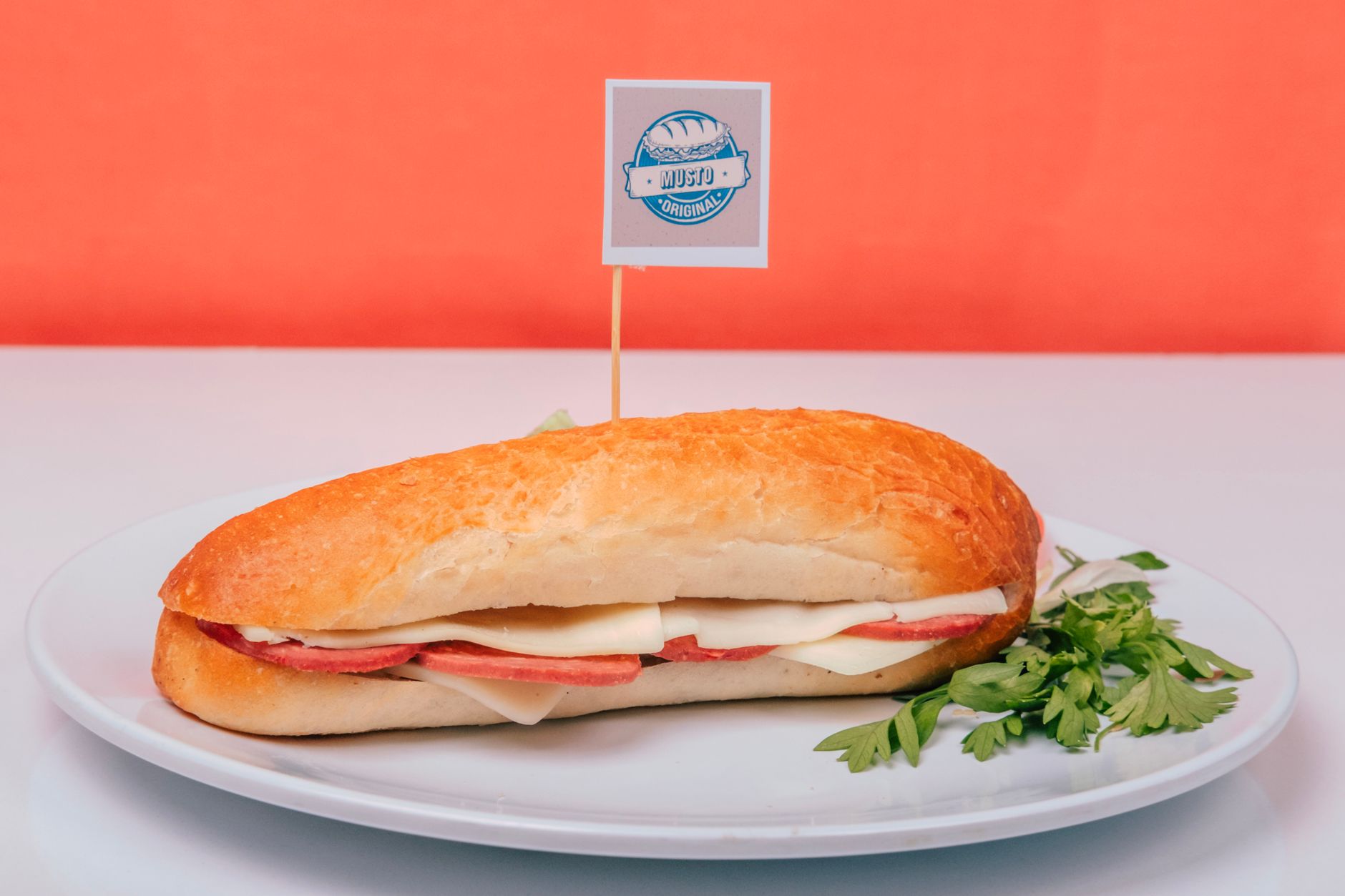
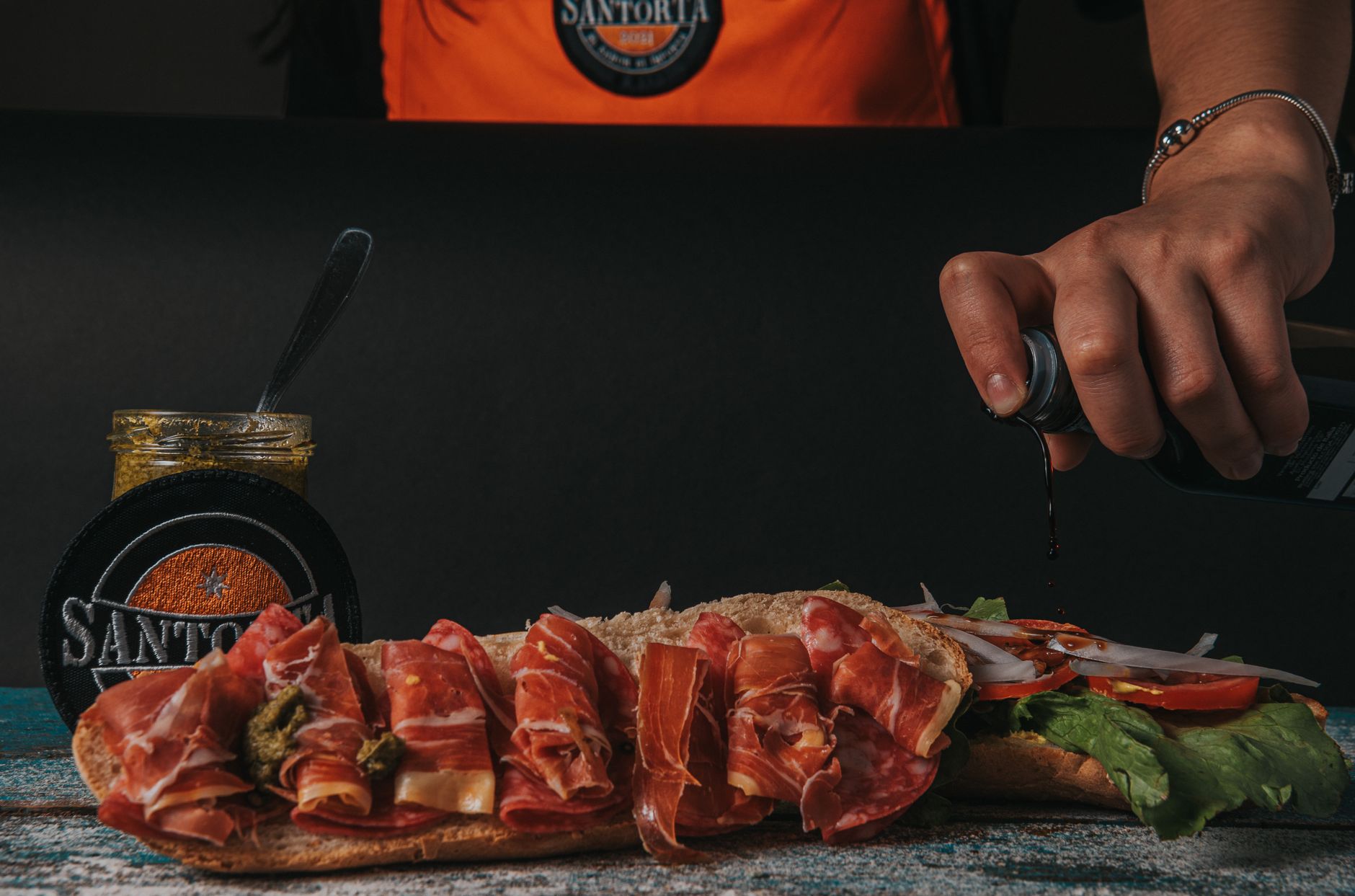
An authentic Italian sub is really a study in layering — cured meats, provolone, crunchy vegetables, and a sharp vinaigrette, all on a sturdy roll. It’s also the inspiration behind The Italian at Mabel’s Deli inside Poncha Market, made with ham, pepperoni, salami, provolone, black olives, and pepperoncini.
Here’s how to build a genuinely authentic version at home, and what actually separates a good Italian sub from a mediocre one.
Unlike more polarizing regional sandwiches, there’s less genuine dispute about what belongs on an Italian sub — the real variation comes down to specific meat choices and how heavy-handed the vinaigrette is, not the underlying concept.
That relative consensus makes it a good sandwich to learn well, since getting the fundamentals right translates directly to a genuinely satisfying result rather than needing to navigate competing regional opinions about what counts as “authentic.”
Italian delis in different American cities have their own local variations, sometimes adding hot peppers, a specific brand of Italian dressing, or a particular ratio of meats considered standard locally — but the core structure described here holds across nearly all of them.
What Goes on an Authentic Italian Sub
Traditional recipes layer capicola, Genoa salami, prosciutto cotto (cooked ham), dry fennel salami, and provolone cheese, though ham, turkey, crispy bacon, soppressata, or mortadella are all accepted substitutions depending on what’s available. Lettuce, tomato, onion, and cherry peppers or giardiniera (a pickled vegetable mixture) round out the vegetable side.
For other real regional sandwich traditions, see our muffuletta sandwich history and recipe and Cuban sandwich history and recipe.
Virtually every serious Italian sub recipe uses a red wine vinaigrette rather than mayonnaise as the primary condiment — a genuine defining characteristic that separates this sandwich from most American deli subs, which lean on mayo-based dressings instead.
The specific combination of meats also matters more than people often realize. A sub built entirely from one type of cured meat reads as flat compared to one layering several distinct flavors and textures — the fattier richness of mortadella against the sharper bite of a peppered salami, for instance.
Temperature also plays a bigger role than most home cooks consider. A cold sub straight from the refrigerator tastes noticeably different from one assembled with meats and cheese at room temperature, since cold temporarily mutes fat and flavor — letting the ingredients sit out for a few minutes before assembly is a small step that meaningfully improves the eating experience.
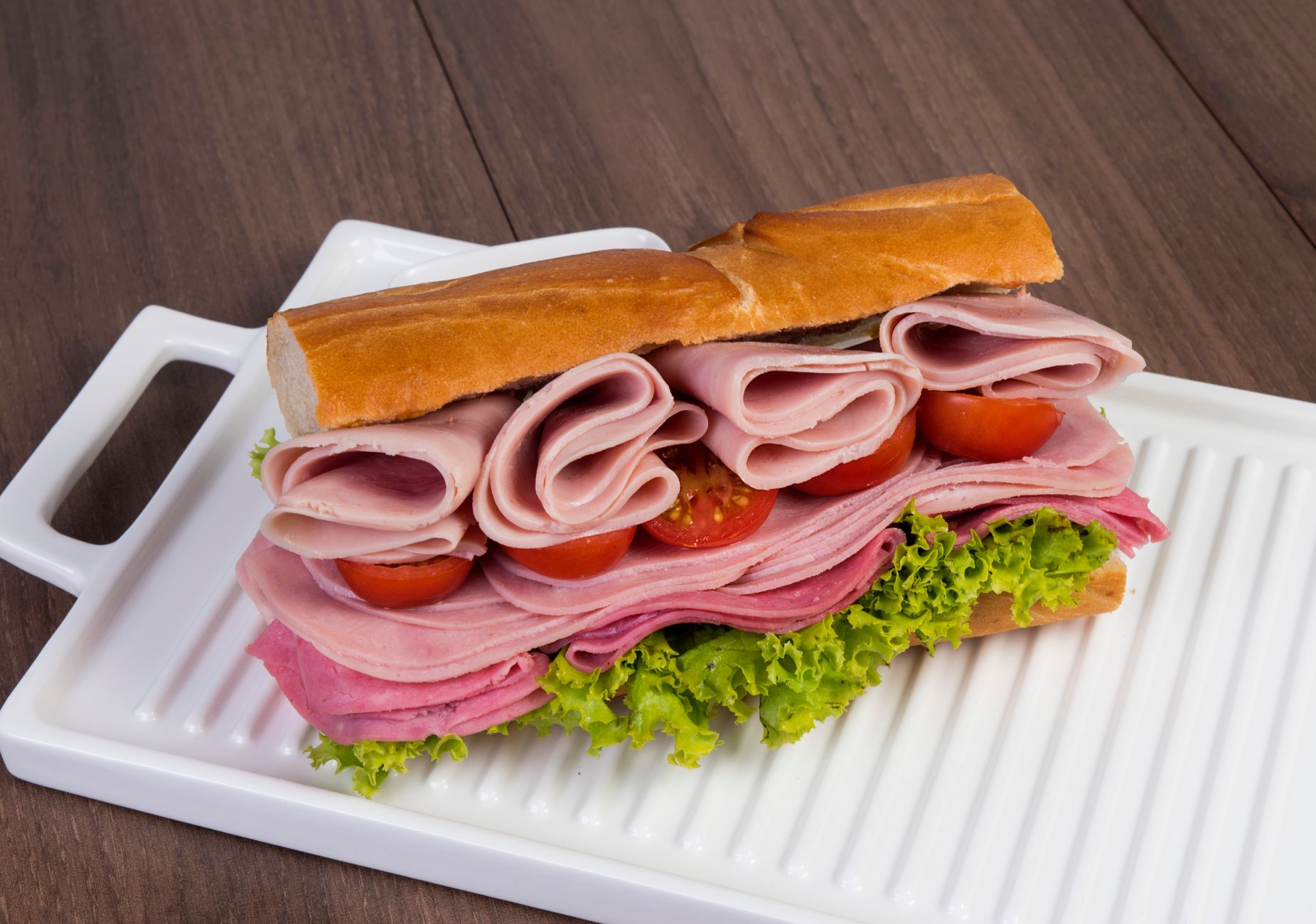
Ingredients
- 1 crusty sub roll or hoagie roll
- 2 oz. Genoa salami, thinly sliced
- 2 oz. capicola or ham, thinly sliced
- 2 oz. provolone cheese, sliced
- Shredded lettuce
- Sliced tomato and red onion
- Pepperoncini or giardiniera
- Red wine vinegar and olive oil
- Dried oregano, salt, and pepper
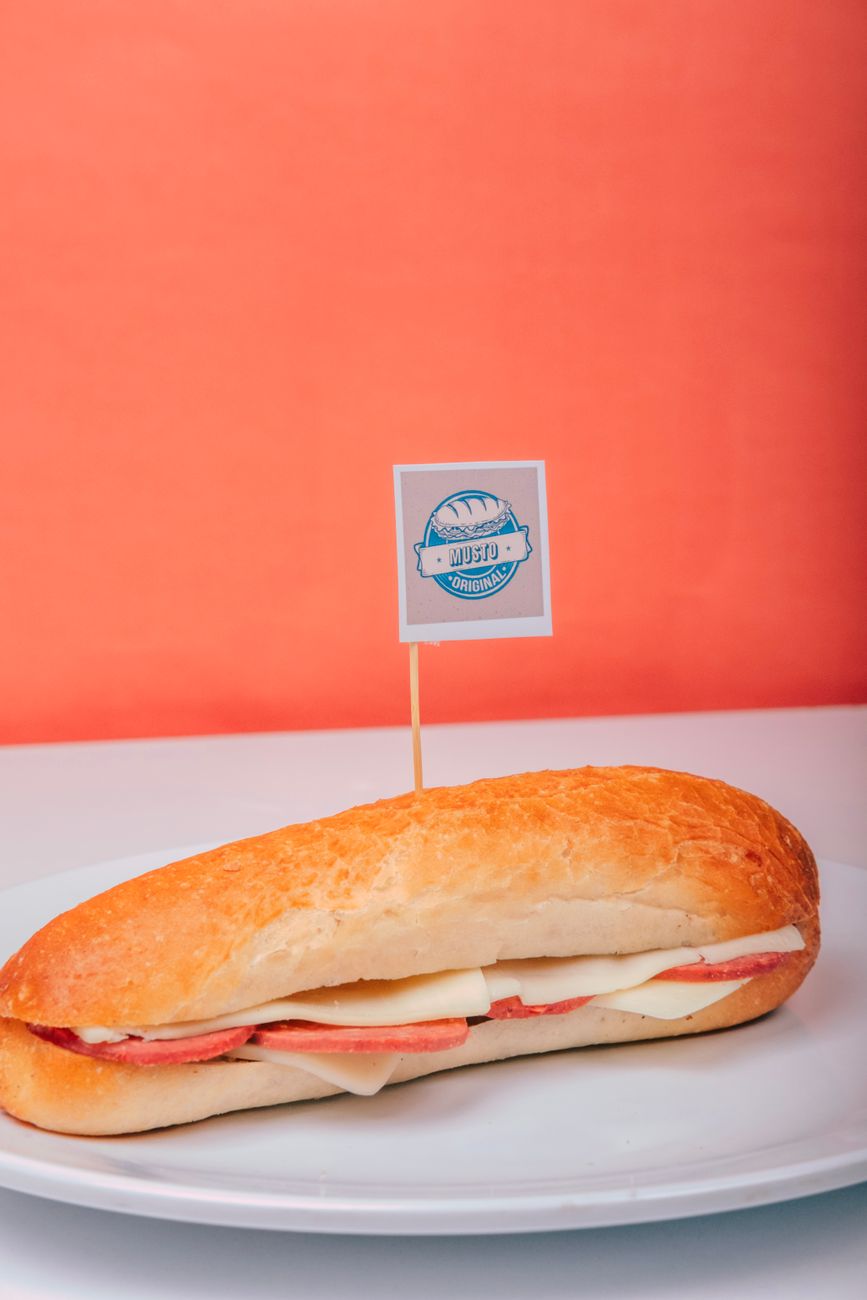
Assembly Instructions
- Split the roll lengthwise, leaving a hinge on one side if possible.
- Layer the provolone directly on the bread first, followed by the salami, capicola, and any additional meats.
- Add lettuce, tomato, onion, and pepperoncini or giardiniera.
- Drizzle generously with red wine vinegar and olive oil, then season with oregano, salt, and pepper.
- Close, press gently, and slice in half to serve.
Why the Vinaigrette Matters So Much
Skipping the red wine vinaigrette in favor of mayonnaise is probably the single most common way a homemade Italian sub ends up tasting more like a generic deli sandwich than the real thing. The acidity cuts through the richness of the cured meats and cheese in a way mayo simply doesn’t replicate.
How It Compares to The Italian at Mabel’s Deli
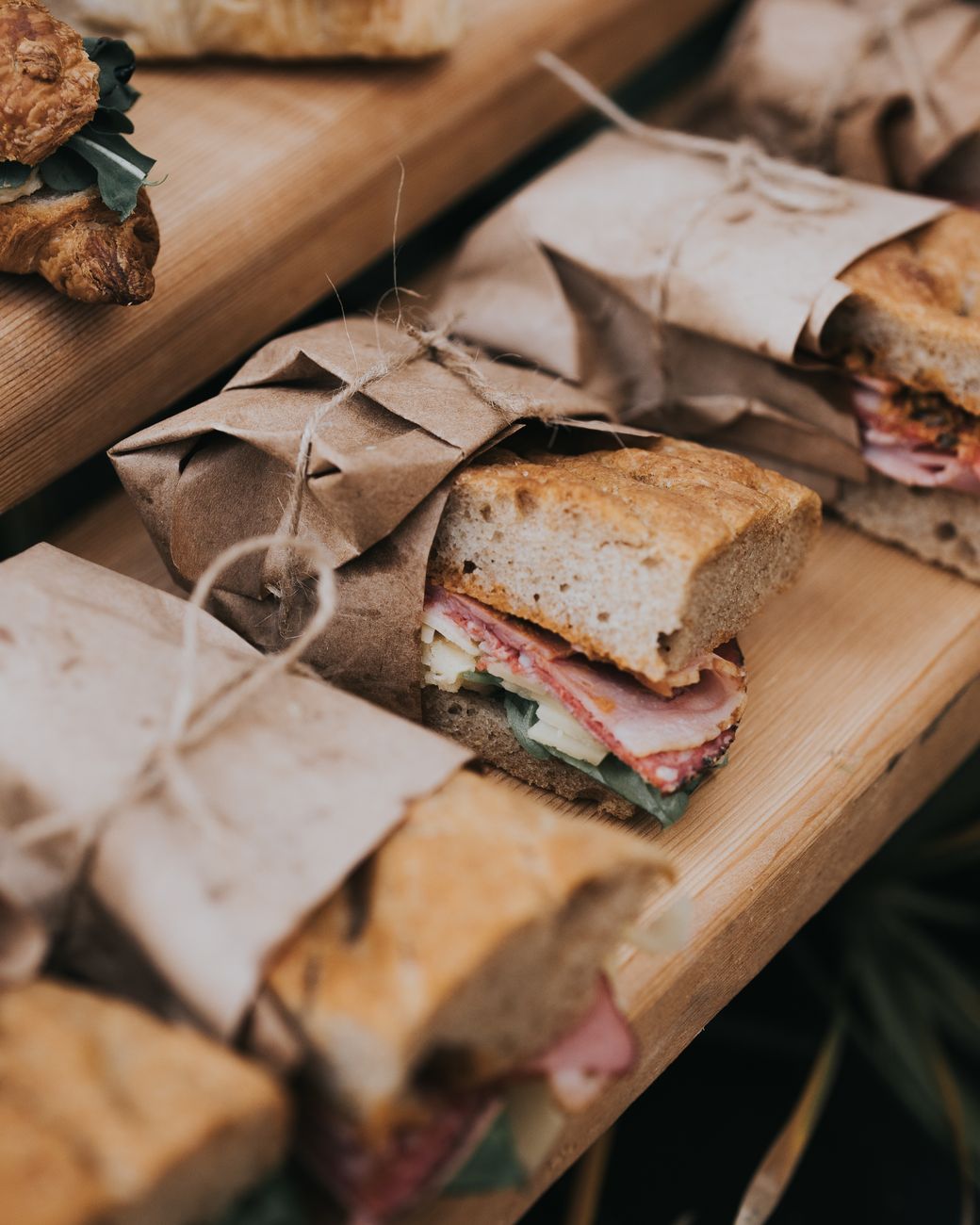
Mabel’s Deli’s version — ham, pepperoni, salami, provolone, black olives, pepperoncini, and Italian dressing on a hoagie roll — follows the same core formula with Italian dressing standing in for a homemade vinaigrette, a common and reasonable substitution at a deli counter working at speed.
Frequently Asked Questions
What meats go on an authentic Italian sub?
Traditionally capicola, Genoa salami, prosciutto cotto, and dry fennel salami with provolone, though ham, soppressata, and mortadella are all accepted substitutions.
Why is vinaigrette used instead of mayo?
The acidity cuts through the richness of the cured meats and cheese in a way mayonnaise doesn’t, which is part of what defines the sandwich’s flavor profile.
What is giardiniera?
A pickled vegetable mixture, often including peppers, cauliflower, and carrots, commonly used to add tang and crunch to Italian subs.
What bread should I use for an Italian sub?
A crusty, sturdy roll or hoagie roll, similar to what’s used for a Philly cheesesteak. See our bread guide for sandwiches.
Where can I get The Italian near Poncha Springs?
Mabel’s Deli inside Poncha Market serves The Italian on a hoagie roll.
Should I use one meat or several on an Italian sub?
Several, if possible — layering different textures and flavors, like a fattier mortadella against a sharper salami, generally makes for a more interesting sandwich than a single meat alone.
Can I make an Italian sub ahead of time?
It holds up reasonably well for a few hours if wrapped tightly, though the vinaigrette can make the bread soften over a longer period, so eating it within the same day is best.
Should sandwich meats be cold or room temperature?
Room temperature generally tastes better — cold temporarily mutes fat and flavor, so letting meats and cheese sit out briefly before assembly improves the result.
Is giardiniera necessary for an authentic Italian sub?
It’s a common and traditional addition, but pepperoncini alone is also widely accepted if giardiniera isn’t available.
Want the real thing? See our Mabel’s Deli menu guide for The Italian and other signature sandwiches.
For more on regional sandwich traditions, see Atlas Obscura.
Leave a Reply