
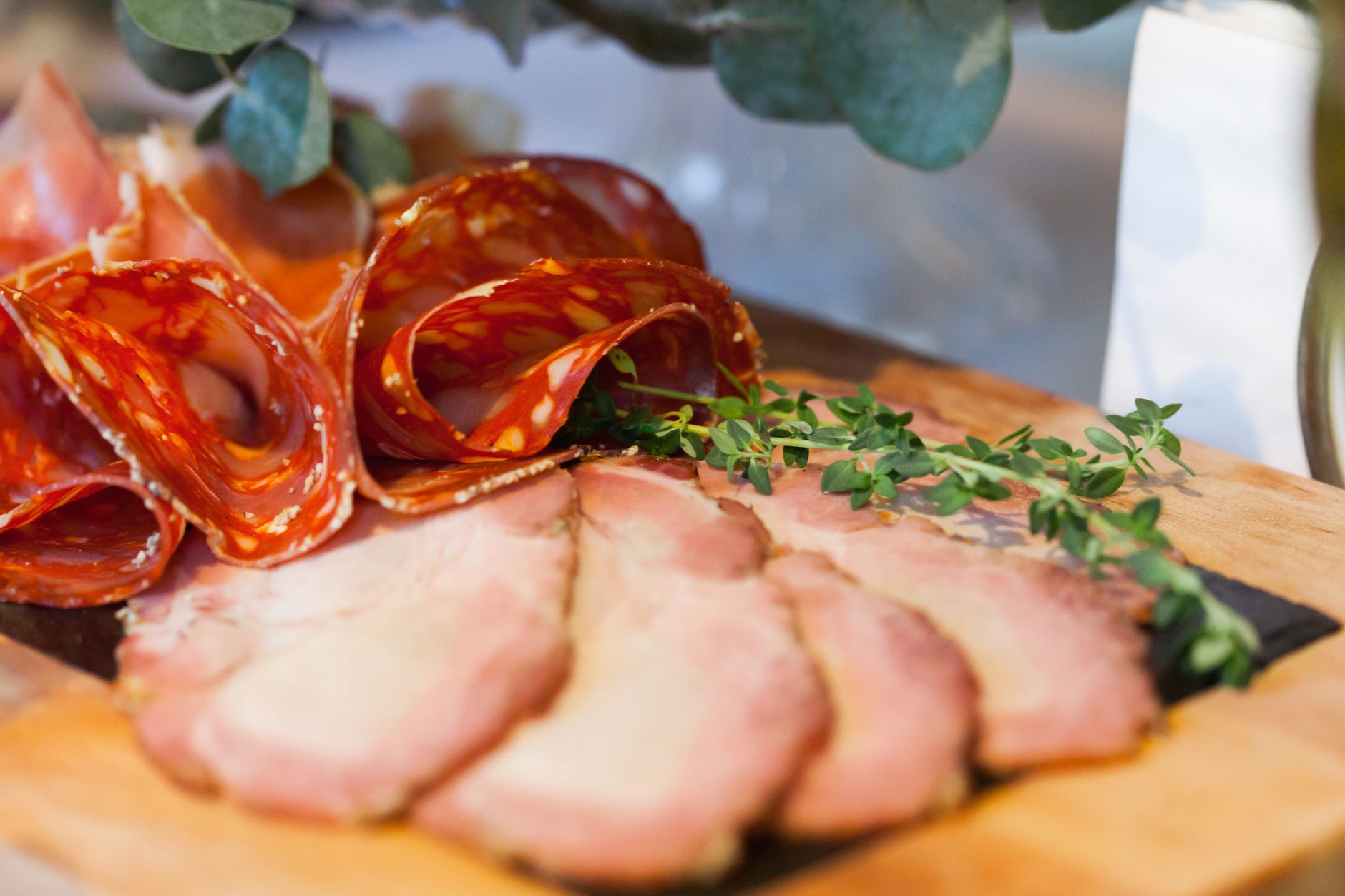
“Deli meat” covers a genuinely wide range of products, from mild sliced turkey to intensely flavored dry-cured salami, and knowing the real differences helps you order (or build) a better sandwich. At Mabel’s Deli inside Poncha Market, build-your-own sandwiches let you choose your own meat, so it helps to know what you’re actually picking between.
Prefer a cold salad-style filling instead? See our chicken salad, tuna salad, and egg salad sandwich recipes.
Here’s a practical breakdown of the most common deli meats and what makes each one distinct.
Most sandwich orders default to the same one or two meats out of habit, without much thought about how different the underlying products actually are — a distinction worth understanding if you want to make more deliberate choices at a build-your-own counter.
Whole Cuts vs. Processed Cold Cuts
Whole cuts are meats cooked and then sliced, with roast beef and turkey breast as the most common examples — generally leaner and less processed than other deli meat categories. Most other cold cuts fall into the processed category, meaning the meat is preserved through curing, salting, smoking, or the addition of preservatives.
That processing distinction is worth knowing beyond just flavor — it’s also the main reason whole cuts and processed cold cuts differ nutritionally, since curing and preservation methods generally add sodium that a simply roasted whole cut doesn’t carry to the same degree.
Popular Deli Meat Varieties
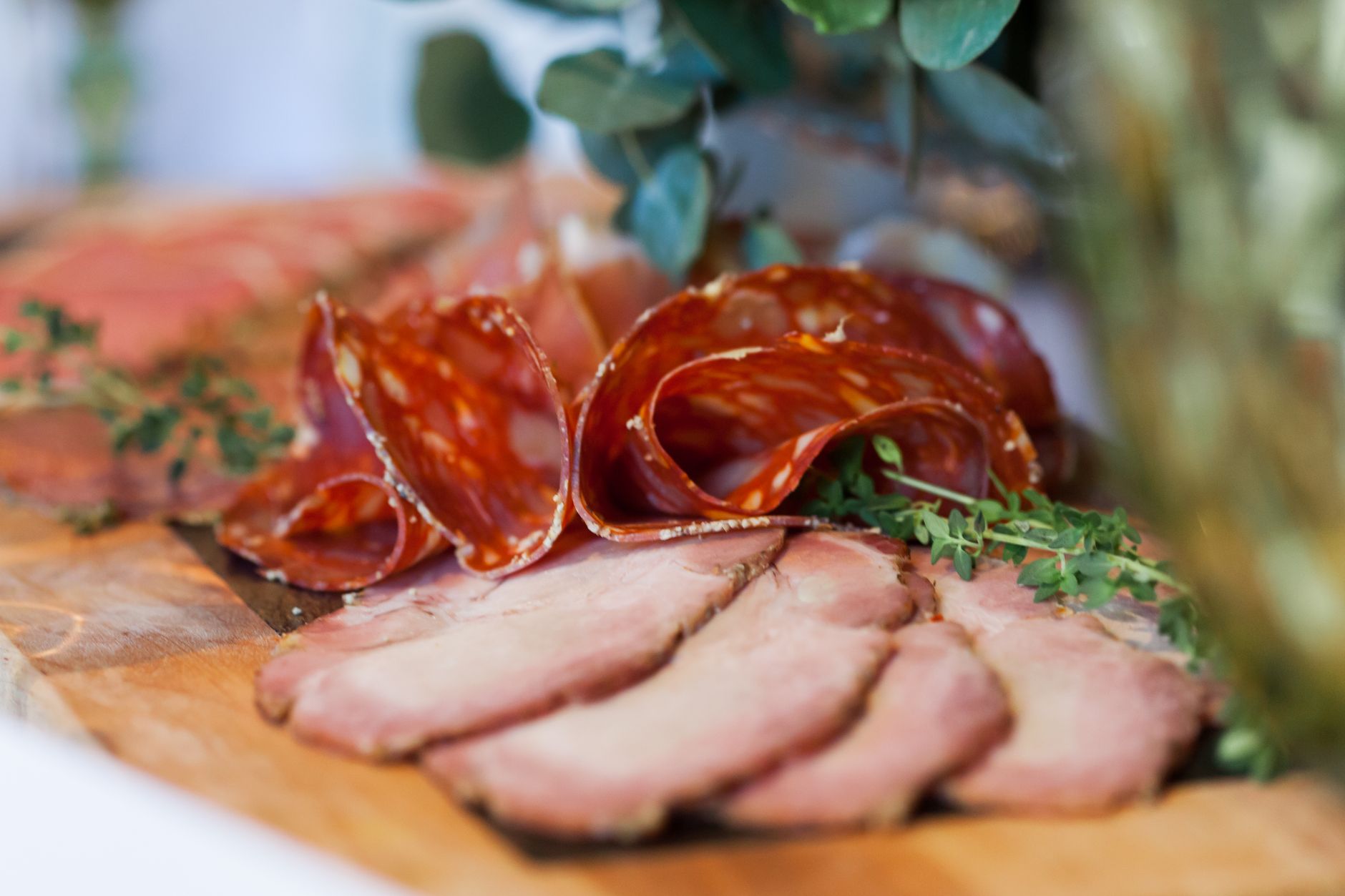
- Turkey — lean and versatile, available roasted or smoked, with a mild, slightly sweet flavor.
- Ham — cured or smoked pork, ranging from honey ham to Black Forest or Virginia ham, each with a distinct flavor profile.
- Roast Beef — sliced beef known for a tender texture and rich flavor, typically roasted or braised whole before slicing.
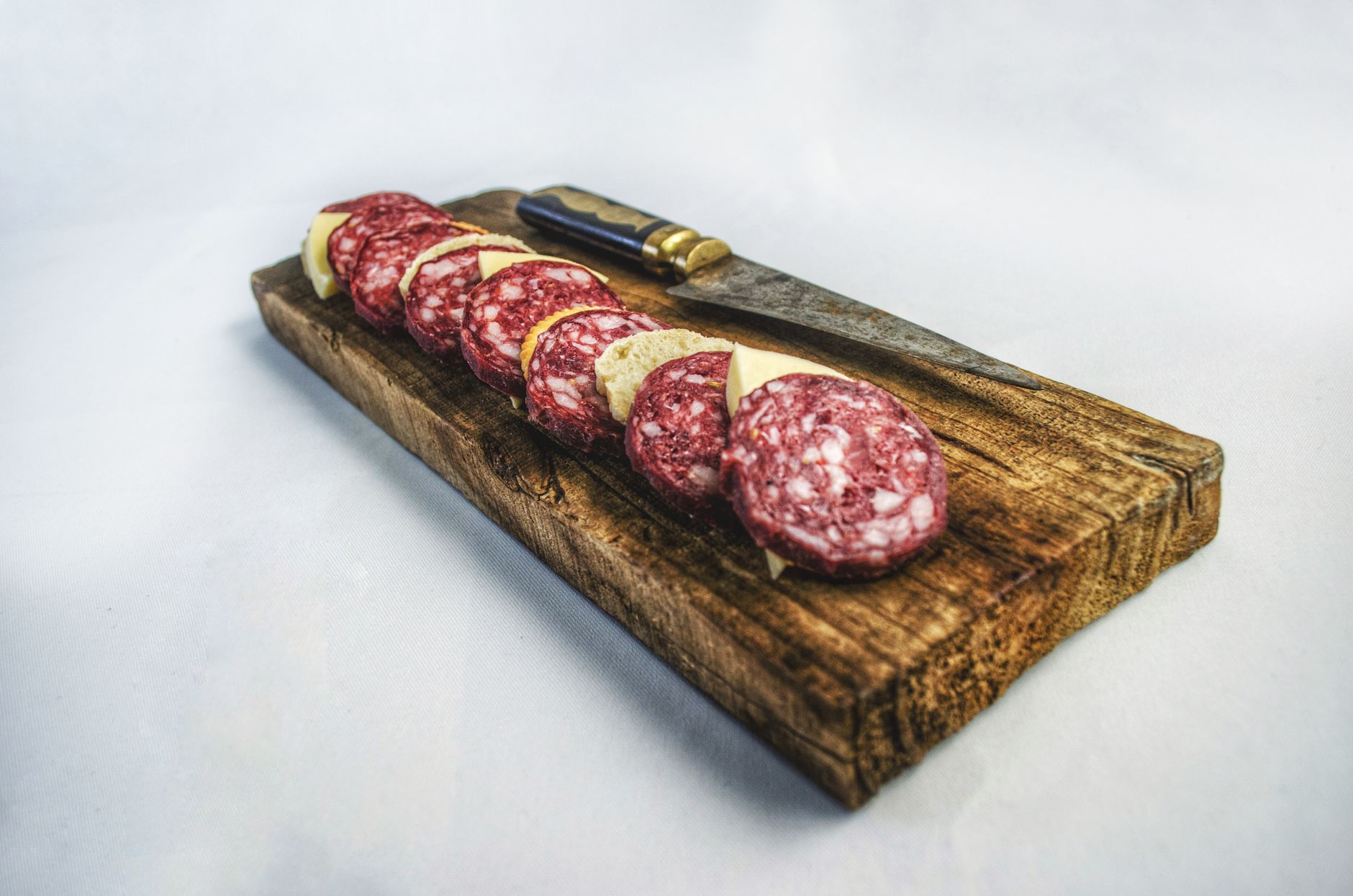
- Salami — a dry-cured, fermented sausage available in styles like Genoa, pepperoni, or soppressata, each with its own spice blend.
- Bologna — a smooth, finely ground deli meat with a mild, slightly spiced flavor.
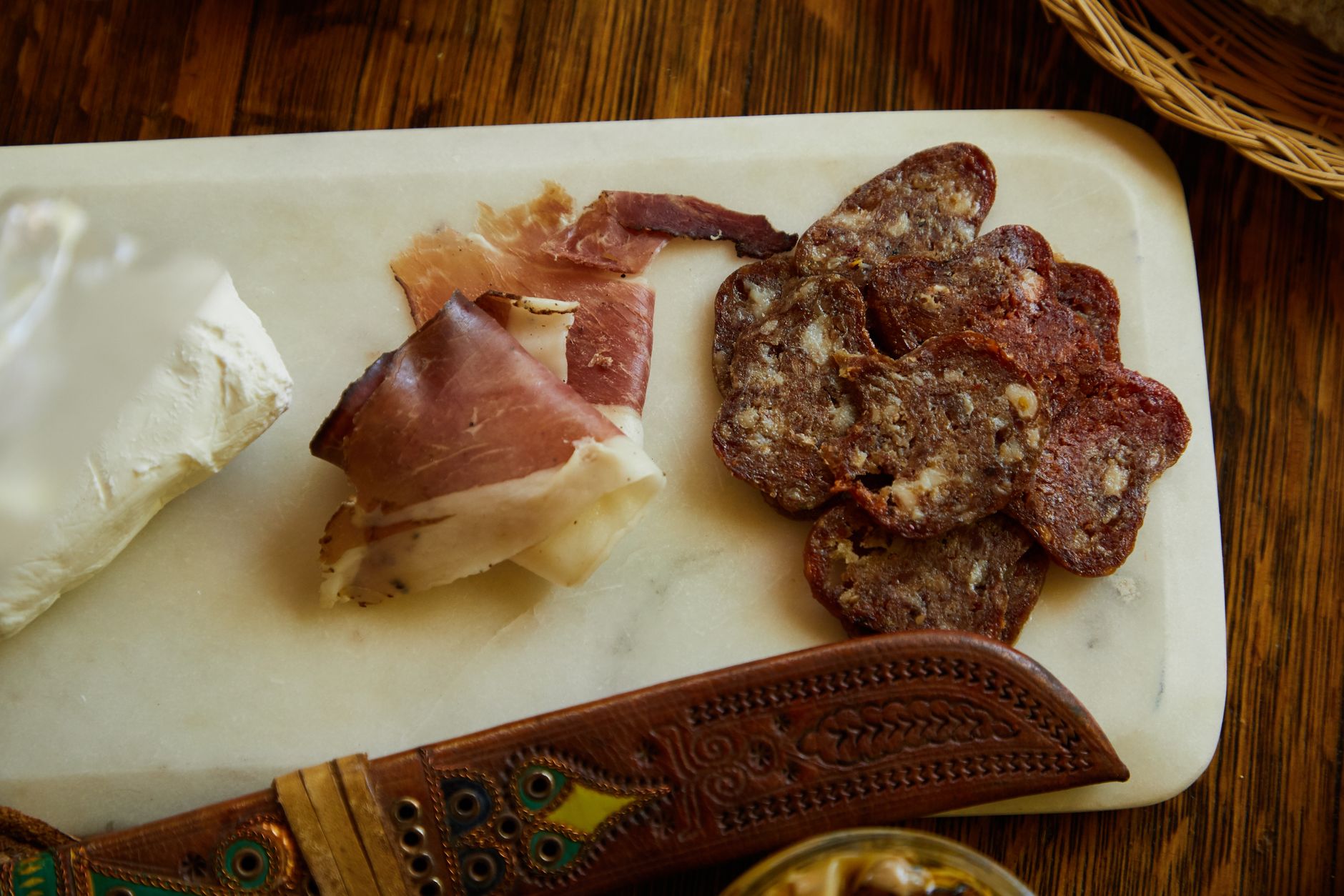
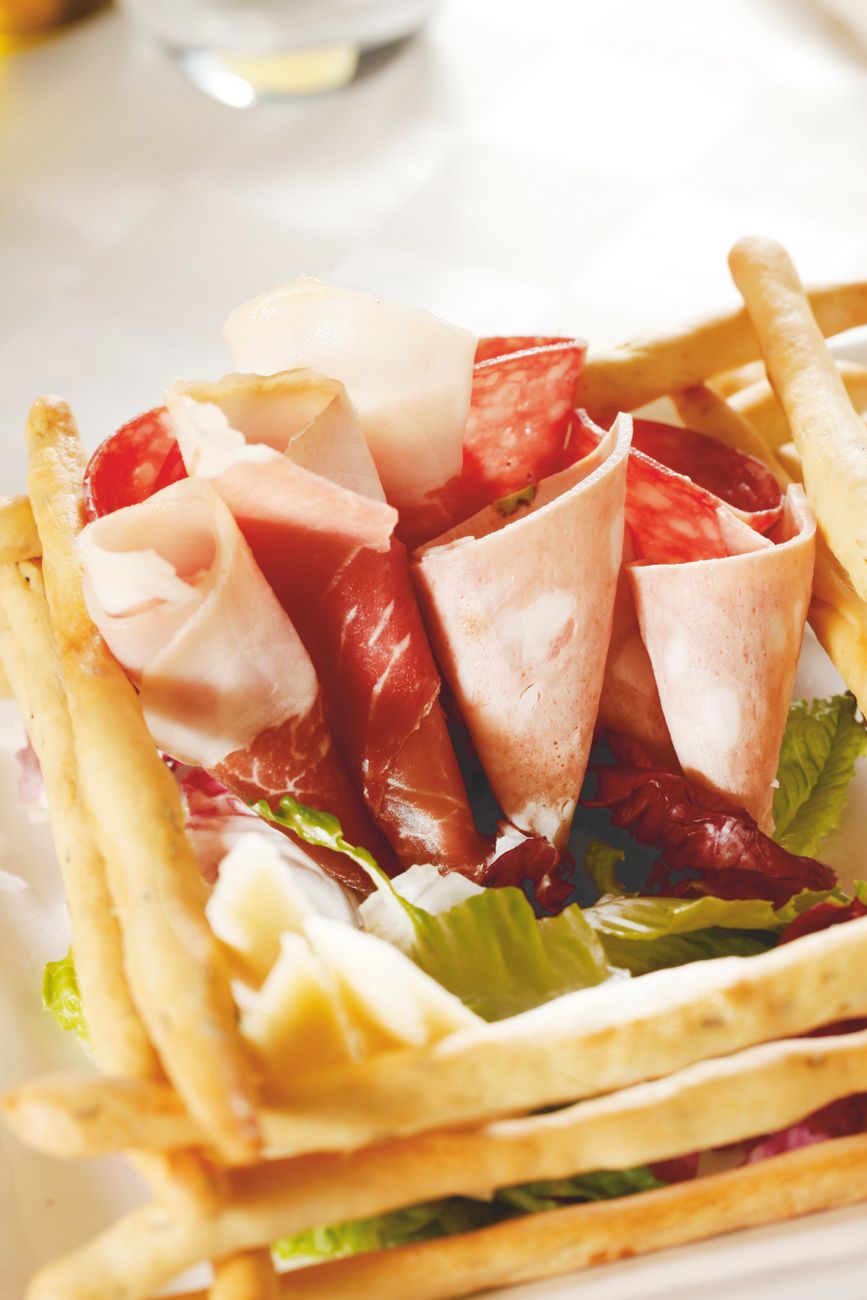
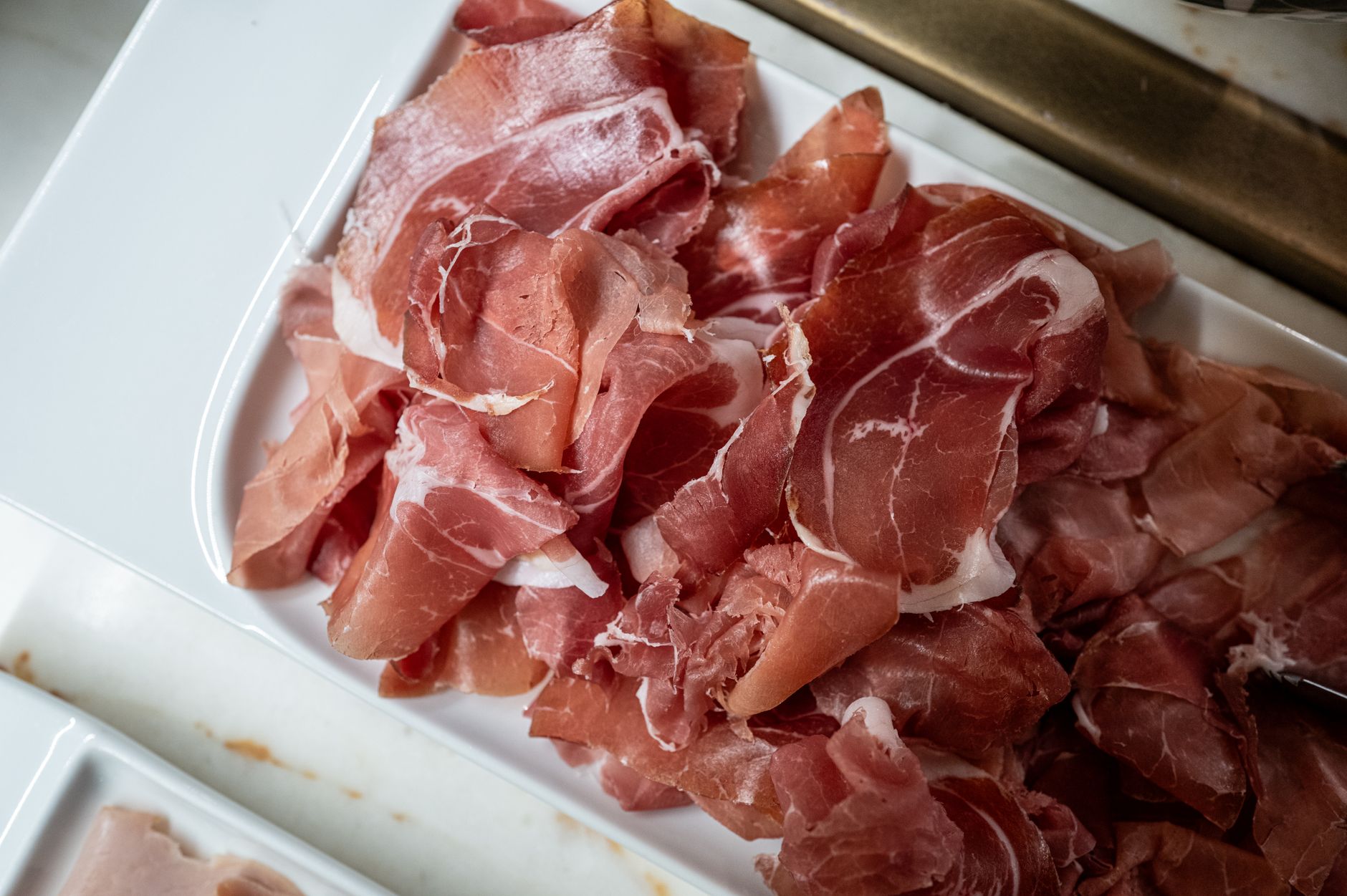
- Prosciutto — an Italian dry-cured ham, not cooked, preserved through a lengthy curing and air-drying process and served in paper-thin slices.
Choosing the Right Meat for Your Sandwich
| Meat | Best For |
|---|---|
| Turkey | Lighter sandwiches, wraps, build-your-own with fresh veggies |
| Ham | Classic sandwiches, especially with Swiss and mustard |
| Roast Beef | Heartier sandwiches, good with horseradish or au jus |
| Salami | Italian-style subs and hoagies |
| Prosciutto | Lighter, more refined sandwiches with cheese and greens |
A Note on Nutrition
Cold cuts are a genuinely good source of protein, iron, zinc, and vitamin B12, but they’re also generally high in sodium and saturated fat, since most are processed meats by definition. Balancing a sandwich with fresh vegetables and a reasonable portion of meat is a simple way to keep that trade-off in check without giving up deli sandwiches entirely.
Portion size matters more here than most people realize — a moderate serving of a richer meat like salami alongside plenty of fresh vegetables is a more balanced choice than a thin layer of a “healthier” meat piled several times over to compensate for a smaller-feeling portion.
Local Sourcing Matters Too
Mabel’s Deli sources local meats and cheeses where possible — worth asking about specifically if you’re curious how your sandwich’s ingredients differ from a national chain’s standardized supply chain.
Local sourcing tends to mean less standardization from batch to batch compared to a national chain’s centrally supplied product — a trade-off some customers specifically seek out, since it usually means fresher product and more direct support for regional producers, even if it comes with slightly more variation than a nationally uniform brand.
For travelers used to a nationally consistent chain sandwich, that variation can actually be part of the appeal of stopping at an independent deli in the first place — a genuinely different experience each visit rather than the identical, predictable version available at every location of a large chain.
It’s worth remembering this the next time a sandwich at a small, independent deli tastes slightly different from your last visit — that’s often a sign of real, seasonal, locally sourced ingredients rather than any kind of inconsistency to be concerned about.
Frequently Asked Questions
What is the difference between deli meat and cold cuts?
They’re generally the same thing — sliced, ready-to-eat meats served cold, whether whole cuts like roast beef or processed varieties like salami.
Which deli meat is leanest?
Turkey is generally the leanest and mildest common option, making it a popular choice for lighter sandwiches.
Is prosciutto cooked?
No — it’s preserved through curing and air-drying rather than cooking, which is part of what gives it its distinct texture and flavor.
Are deli meats healthy?
They provide real protein and nutrients but tend to be high in sodium and saturated fat, so moderation and balancing with fresh vegetables is worth keeping in mind.
Does Mabel’s Deli use local meats?
Yes, local meats and cheeses are used where possible for the build-your-own and signature sandwiches.
What’s the difference between salami and pepperoni?
Pepperoni is technically a style of salami, generally spicier and finer-textured, made specifically for American tastes rather than following traditional Italian salami recipes exactly.
Why is roast beef considered a whole cut?
Because it’s cooked as a single piece of meat and then sliced afterward, rather than ground, cured, or reformed the way many processed cold cuts are.
How much deli meat should go on a sandwich?
A moderate, single-layer portion balanced with plenty of fresh vegetables generally makes for a better sandwich than piling on excess meat to compensate for a thinner-feeling portion.
Does locally sourced deli meat taste different from national brands?
Often yes — local sourcing tends to mean less batch-to-batch standardization but generally fresher product than a centrally supplied national chain.
Building your own sandwich? See our guide to building the perfect sandwich for tips on balancing meat, cheese, and toppings.
For nutritional information on processed and deli meats, see the Cleveland Clinic.


Leave a Reply