
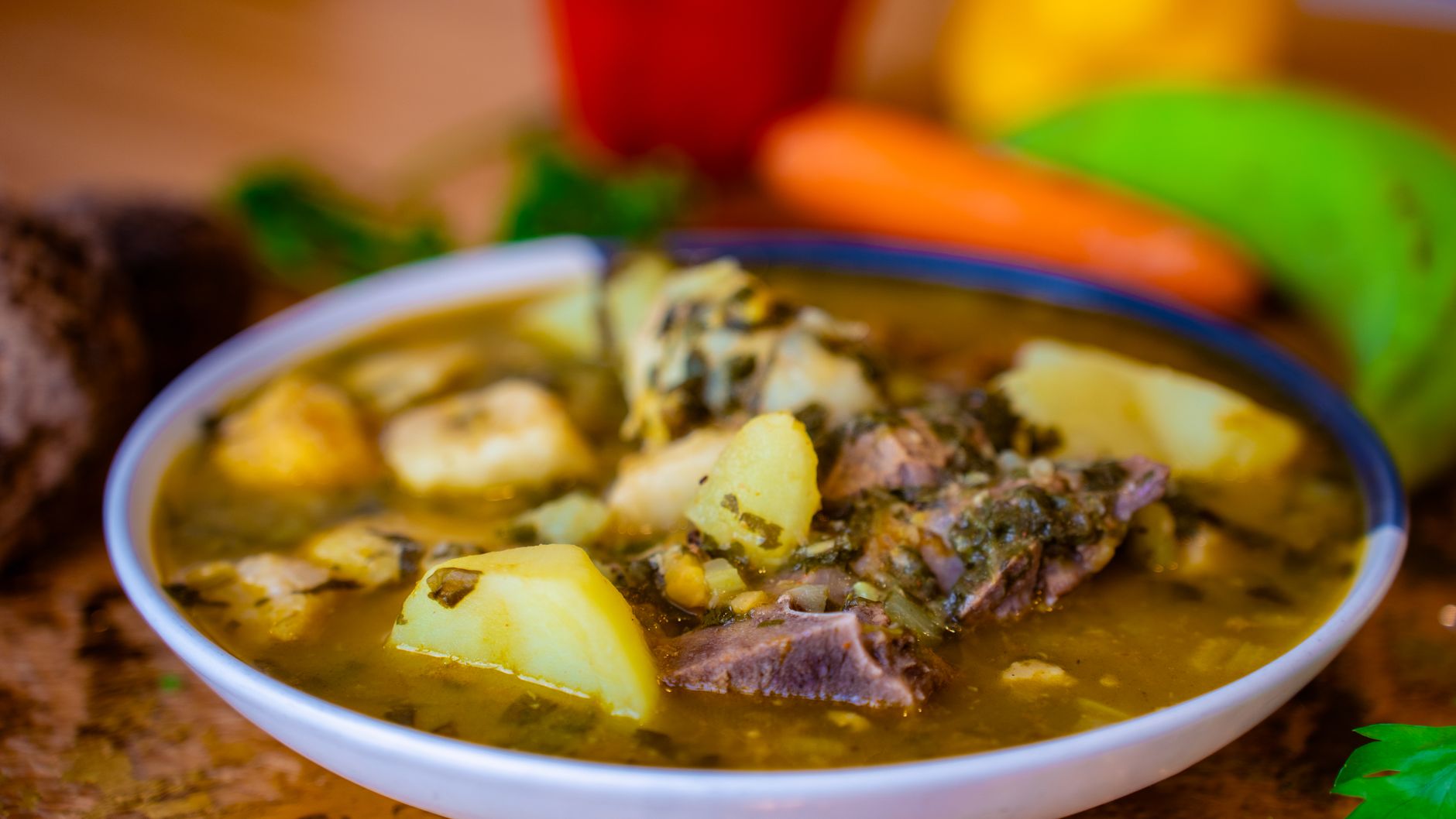
Order a “smothered burrito” in Colorado and you’ll likely get it drowning in a thick, spicy green chili — the same style served at Mabel’s Deli inside Poncha Market. Cross into New Mexico and order the same thing, and you’ll get something that looks similar but tastes and behaves noticeably differently.
This genuinely is a real regional food rivalry, not a manufactured one, and it comes down to real differences in the pepper, the heat, and the texture.
Understanding the distinction matters beyond just trivia — it explains why a recipe that works perfectly in Pueblo, Colorado can turn out completely different if you use the wrong pepper variety at home.
This isn’t a minor regional preference either — it’s genuinely one of the more passionate food rivalries in the American Southwest, with both states fiercely defending their own chile’s superiority in a way that goes well beyond typical regional food pride.
New Mexico has even gone so far as to adopt an official state question — “red or green?” — asked at restaurants across the state to determine which chile a diner wants on their meal, a level of institutional recognition Colorado’s chile hasn’t quite matched, even as Colorado chile fans remain just as devoted to their own version.
Different Peppers, Different States
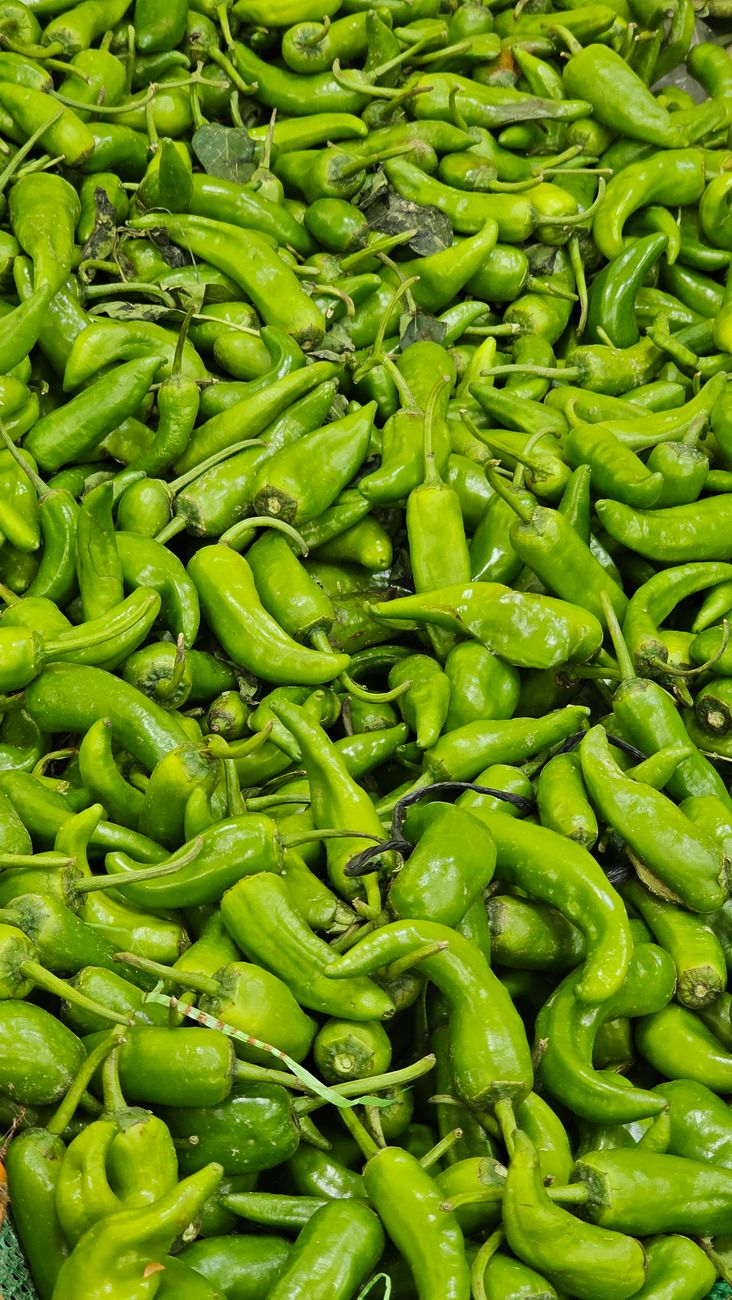
Colorado’s green chili is built on the Pueblo chile, grown around Pueblo, Colorado, with roots tracing back to Mexico’s Oaxaca region. New Mexico’s chile, grown roughly 500 miles south, is the Hatch pepper — named for the town of Hatch, New Mexico, where much of it is grown.
These aren’t interchangeable varieties with a regional label slapped on — they’re genuinely different cultivars with different characteristics, which is a big part of why the two regional styles taste as distinct as they do.
Both regions take their chile growing seriously enough to have built real institutional infrastructure around it — research programs, seed breeding efforts, and even dedicated festivals celebrating the harvest each year, treating the pepper as a genuine agricultural specialty rather than just a cooking ingredient.
New Mexico’s chile industry alone produces tens of thousands of tons of chile annually, worth tens of millions of dollars — a real economic sector, not a niche hobby crop, which explains why the state has been willing to formalize its devotion with an official state question in the first place.
Heat Level: A Real, Measurable Difference
Colorado’s Pueblo chiles measure between 5,000 and 20,000 Scoville Heat Units — considerably spicier than New Mexico’s Hatch chiles, which generally sit between 500 and 3,000 Scoville units. That’s not a subtle difference; it’s roughly an order of magnitude in some cases, and it’s the single biggest reason Colorado green chili has a reputation for real heat while New Mexico’s version leans more toward flavor than fire.
Flavor and Texture Differences
| Colorado Green Chili | New Mexico Green Chile | |
|---|---|---|
| Pepper | Pueblo chile | Hatch chile |
| Heat (Scoville units) | 5,000–20,000 | 500–3,000 |
| Flavor profile | Spicier, meatier pepper | Smoky, earthy, rich |
| Texture | Thick, spoonable stew | Thinner sauce consistency |
| Typically made with | Chunks of pork shoulder | Varies, often a sauce base |
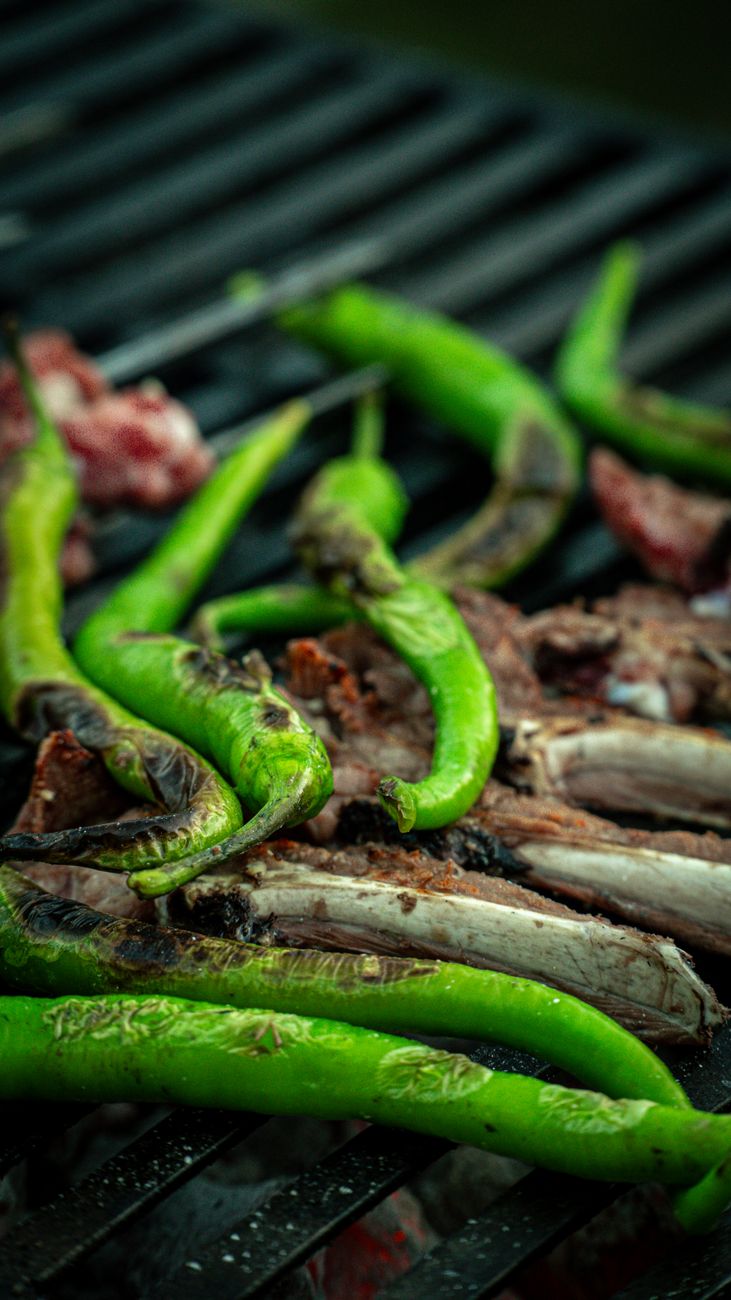
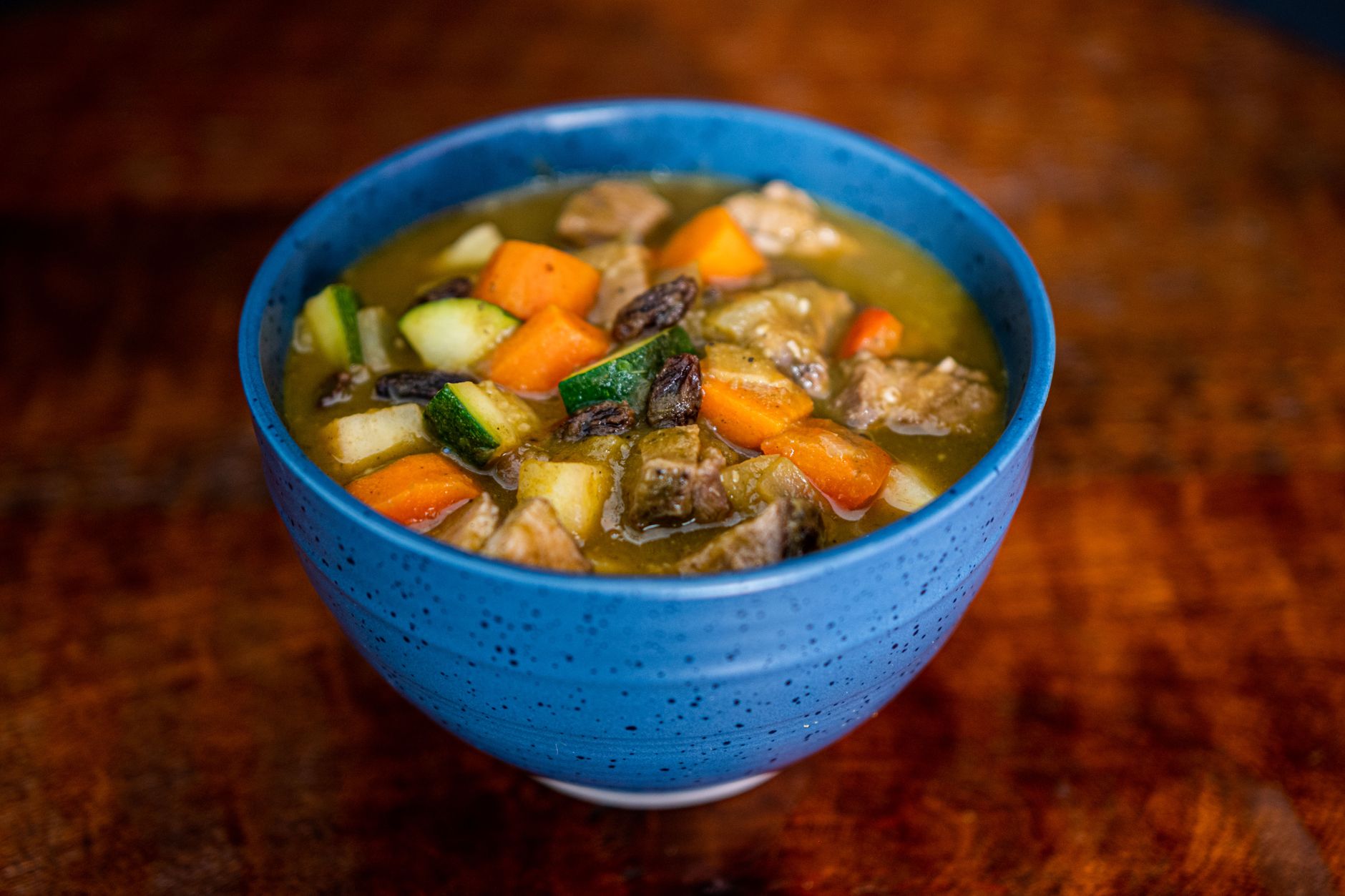
Colorado green chili is genuinely a stew, thick enough to eat with a spoon, usually built around chunks of pork shoulder. New Mexico’s version leans more toward a sauce — still substantial, but with a different consistency entirely, meant more for smothering than for eating as a standalone dish.
Wait, What About Red Chile?
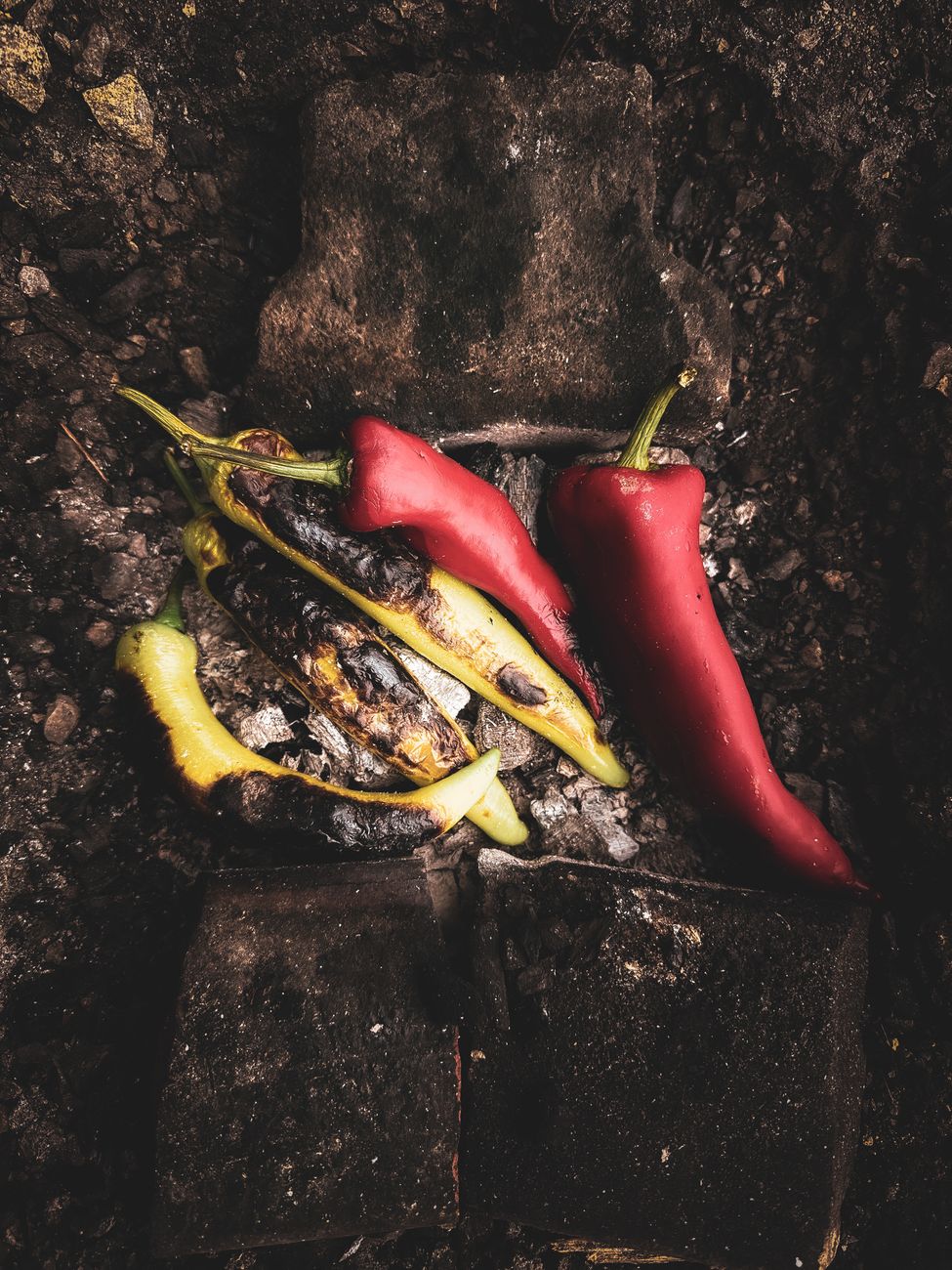
Here’s a detail that surprises a lot of people: red chile peppers are simply green chiles left on the plant longer to fully ripen. The color change comes from ripening, not a different variety entirely — so “red vs. green” in New Mexico is often more of a seasonal and processing choice (dried and ground for red, used fresh or roasted for green) than a difference in the underlying pepper.
How This Shows Up on Colorado Menus
This is exactly why a “smothered burrito” at Mabel’s Deli comes with a choice of green or red chili — both are real, regionally meaningful options, not just a generic spice-level label. Ordering green at a Colorado deli generally means a thicker, spicier, pork-based stew; red typically means a different flavor profile built around dried, ground chile.
What About Fresh vs. Roasted Chile?
Both Colorado and New Mexico chile are commonly roasted before use, which develops a smoky depth that raw chile doesn’t have. Fall roasting season, when fresh chiles are harvested and roasted in large batches, is a genuine cultural event in both states, with the smell of roasting chile becoming a recognizable seasonal marker in grocery store parking lots across the region.
Frequently Asked Questions
Is Colorado green chili spicier than New Mexico chile?
Yes — Colorado’s Pueblo chiles run considerably hotter on the Scoville scale than New Mexico’s Hatch chiles.
Is red chile the same pepper as green chile?
Yes — red chiles are green chiles left to ripen longer on the plant, not a separate variety.
What makes Colorado green chili different in texture?
It’s typically a thick, spoonable stew built around chunks of pork shoulder, versus New Mexico’s thinner, more sauce-like consistency.
Where does Hatch chile come from?
Hatch, New Mexico, roughly 500 miles south of the Pueblo, Colorado growing region for Colorado’s chile.
Can I order a smothered burrito with either chile at Mabel’s Deli?
Yes — Mabel’s Deli‘s smothered burrito is available with green or red chili.
Why do people roast green chile?
Roasting develops a smoky depth of flavor that raw chile doesn’t have, and it’s a genuine seasonal tradition in both Colorado and New Mexico each fall.
Which state grows more chile peppers?
Both states have significant, well-established chile industries with dedicated research and breeding programs; neither is simply a smaller copy of the other.
What does “Christmas” mean when ordering chile in New Mexico?
It means a combination of both red and green chile on the same dish, a common third option alongside choosing just one or the other.
Ready to try it? See our Mabel’s Deli menu guide for the smothered burrito and other green-chili menu items.
For more on the horticultural differences between these chile varieties, see the Chile Pepper Institute at New Mexico State University.


Leave a Reply