
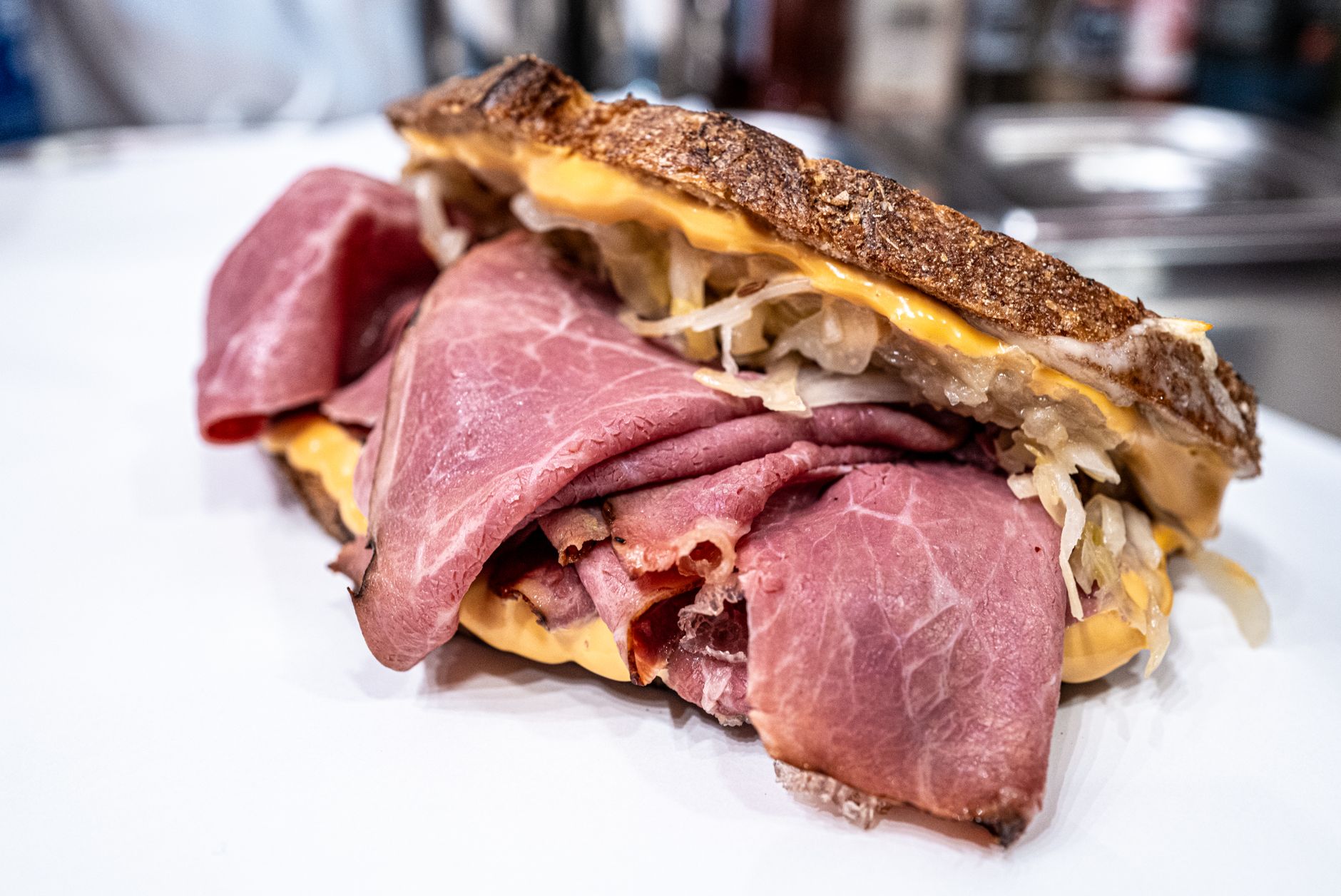
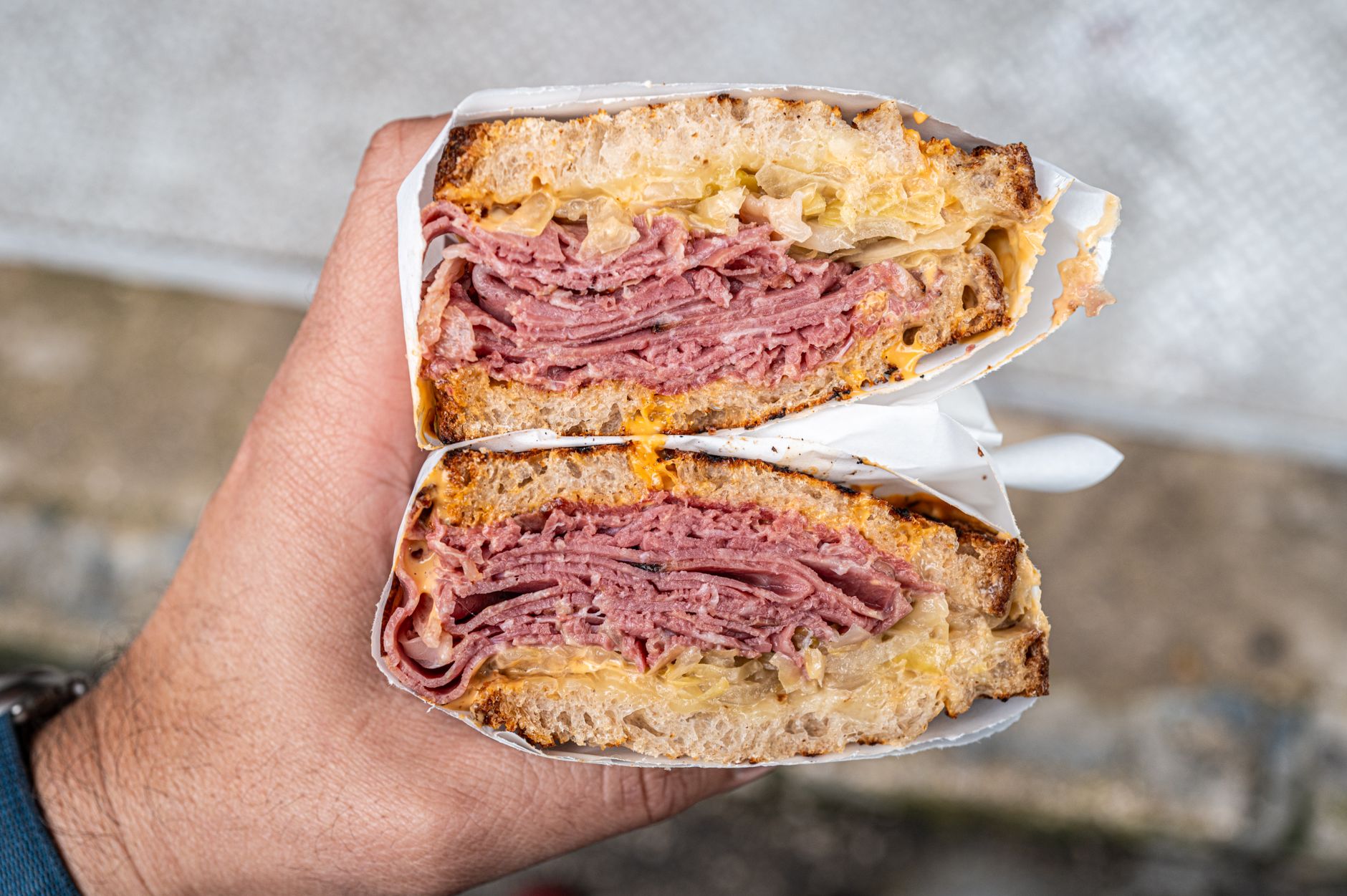
Few sandwiches carry as much disputed history as the Reuben — hot corned beef, Swiss cheese, sauerkraut, and Russian or Thousand Island dressing, grilled between slices of rye until the bread crisps and the cheese melts. It’s also one of the most requested items at Mabel’s Deli inside Poncha Market, where it’s served on marble rye for $9.99.
Here’s where the sandwich actually came from, and a classic recipe for making one at home.
Part of what makes the Reuben worth understanding beyond just the recipe is how genuinely uncertain its history is. Most well-known American sandwiches have a reasonably agreed-upon origin story; the Reuben has two competing ones that food historians still argue about, and neither side has definitive documentation to settle it.
Where Did the Reuben Sandwich Come From?
The Reuben’s origin is genuinely disputed between two competing stories, and neither has been definitively proven over the other. The Nebraska story credits grocer Reuben Kulakofsky, who is said to have invented the sandwich in 1925 during a poker game at the Blackstone Hotel in Omaha, scavenging ingredients from the hotel kitchen when he and his friends got hungry.
The New York story traces an earlier “Reuben Special” to Arnold Reuben of Reuben’s Delicatessen around 1914 — though by most accounts, that original version used ham and turkey with coleslaw rather than corned beef and sauerkraut, which raises a real question about whether it’s the same sandwich at all or just a shared name.
That distinction matters more than it might seem. If the New York version really did use different ingredients entirely, it suggests the modern Reuben as we know it — corned beef, sauerkraut, Swiss, and Russian dressing — may have crystallized into its current form in Omaha regardless of which city coined the name first.
What Actually Makes a Reuben a Reuben
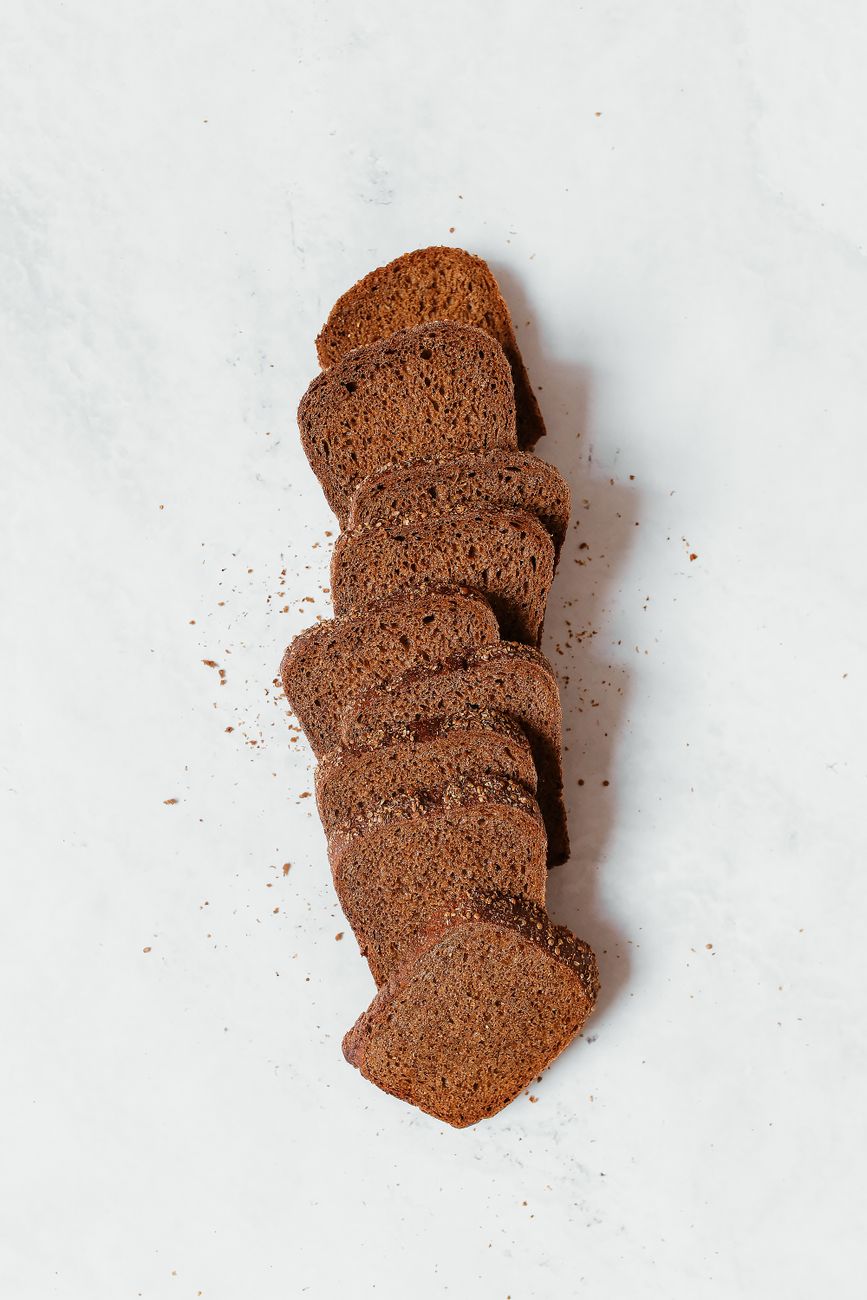
Regardless of which origin story you believe, the modern Reuben is defined by a specific combination: rye bread, corned beef, Swiss cheese, sauerkraut, and Russian or Thousand Island dressing, grilled until the outside crisps and the cheese melts through. Change any one of those five elements and most people would call it something else — a Rachel, if you swap in coleslaw and turkey or pastrami, for instance.
The grilling step is just as defining as the ingredient list. A Reuben assembled cold and served unheated isn’t really a Reuben in most people’s eyes — the grilling is what melts the cheese through the layers and gives the rye its characteristic crisp exterior, and skipping it changes the eating experience considerably.
How to Make a Classic Reuben at Home
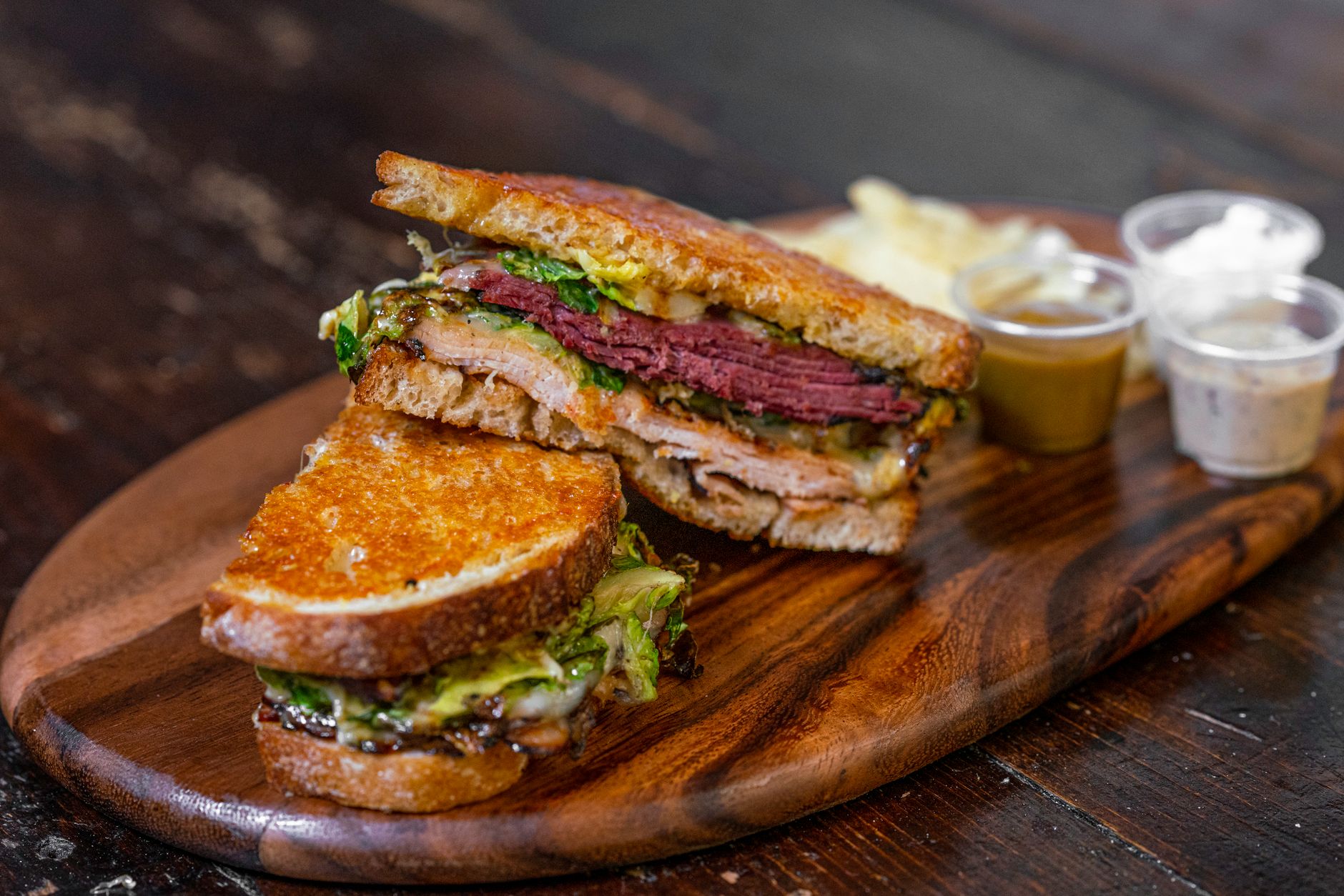
This recipe makes one generous sandwich and scales easily for more.
Ingredients
- 2 slices marble rye or traditional rye bread
- 4–6 oz. sliced corned beef, warmed
- 2 slices Swiss cheese
- ⅓ cup sauerkraut, well-drained
- 2–3 tablespoons Russian or Thousand Island dressing
- 1–2 tablespoons butter, softened
Instructions
- Spread dressing on one side of each slice of rye bread.
- Layer one slice with Swiss cheese, warmed corned beef, well-drained sauerkraut, and the second slice of Swiss cheese.
- Top with the second slice of bread, dressing-side down.
- Butter the outside of both slices of bread.
- Grill in a skillet or on a griddle over medium heat, pressing gently, until golden brown on both sides and the cheese has melted through, about 3–4 minutes per side.
- Slice in half and serve hot.
Tips for a Better Reuben
- Drain the sauerkraut thoroughly — excess liquid is the most common reason a homemade Reuben turns out soggy instead of crisp.
- Warm the corned beef before assembling; a cold center means an unevenly heated sandwich even after grilling.
- A slower grill over medium-low heat gives the cheese time to fully melt before the bread over-browns.
- Buy corned beef sliced thin from a real deli counter rather than pre-packaged if you have the option — it melts into the sandwich more evenly and shreds less when you bite in.
- A cast iron skillet holds heat more evenly than a nonstick pan, which helps the bread brown consistently rather than in uneven patches.
Ingredient quality matters more on a sandwich this simple than it does on something with a dozen competing flavors. With only five core components, a mediocre rye bread or a thin, flavorless corned beef has nowhere to hide.
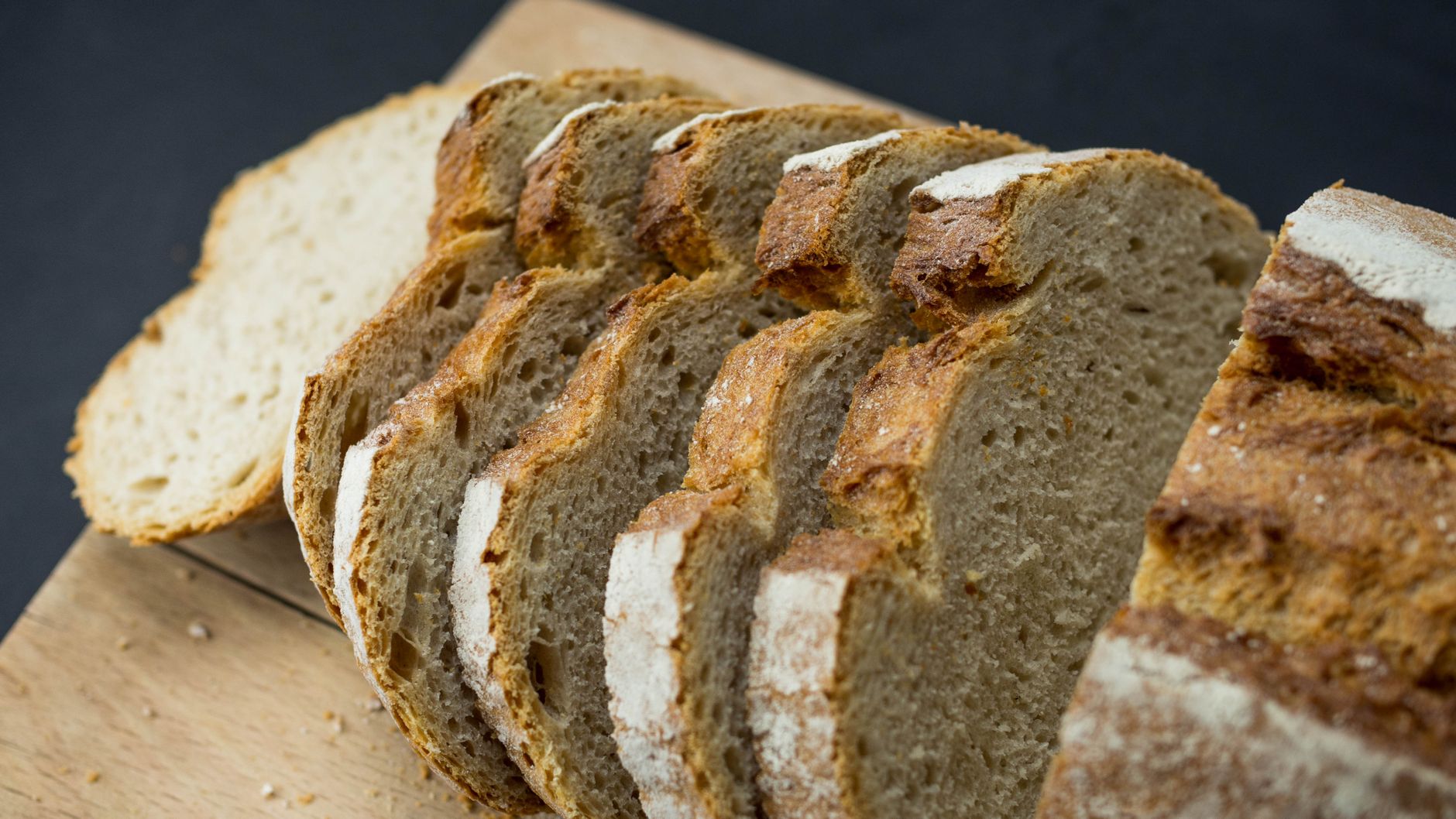
Curious about the two components that define this sandwich? See our Thousand Island vs. Russian dressing comparison and marble rye vs. regular rye bread guide.
How It Compares to the Reuben at Mabel’s Deli
Mabel’s Deli‘s version follows the classic formula closely — hot corned beef, sauerkraut, Swiss, and 1000 island on marble rye, grilled to order rather than assembled ahead. If you’re road-tripping through Poncha Springs, it’s worth trying the real thing before attempting your own version at home.
Tasting a well-made version at a real deli counter before attempting your own is also a genuinely useful reference point — it gives you a target to aim for, particularly around how much dressing to use and how crisp the bread should get, both of which are easy to overdo or underdo on a first attempt at home.
For road trippers specifically, there’s also something to be said for simply letting someone else handle the grilling. A Reuben made to order at a deli counter, eaten within minutes of coming off the grill, is genuinely difficult to replicate exactly at home even with a good recipe, since restaurant flat-tops hold heat more evenly than most home stovetops.
Frequently Asked Questions
Who really invented the Reuben sandwich?
It’s genuinely disputed between a 1925 Omaha origin story credited to Reuben Kulakofsky and an earlier, differently-composed “Reuben Special” from a New York City delicatessen around 1914.
What bread is traditional for a Reuben?
Rye bread, often marble rye, which combines light and dark rye for both flavor and appearance.
Can I make a Reuben without corned beef?
A version made with turkey or pastrami instead is generally called a Rachel rather than a Reuben.
Why is my homemade Reuben soggy?
Undrained sauerkraut is the most common cause; press out excess liquid before assembling.
Where can I try a classic Reuben near Poncha Springs?
Mabel’s Deli inside Poncha Market serves one on marble rye for $9.99.
What dressing goes on a Reuben?
Traditionally Russian dressing, though Thousand Island is a widely accepted substitute and is what many delis, including Mabel’s, use today.
Can I make a Reuben ahead of time?
It’s best grilled fresh; assembling ahead and reheating tends to make the bread soggy and the texture less appealing than grilling to order.
Craving the real thing? See our full Mabel’s Deli menu guide before your next stop at Poncha Market.
For more on the sandwich’s disputed origins, see Encyclopedia Britannica’s entry on the Reuben sandwich.
Leave a Reply